Evie’s Magical Tale and the Birth of the AI Small Theater
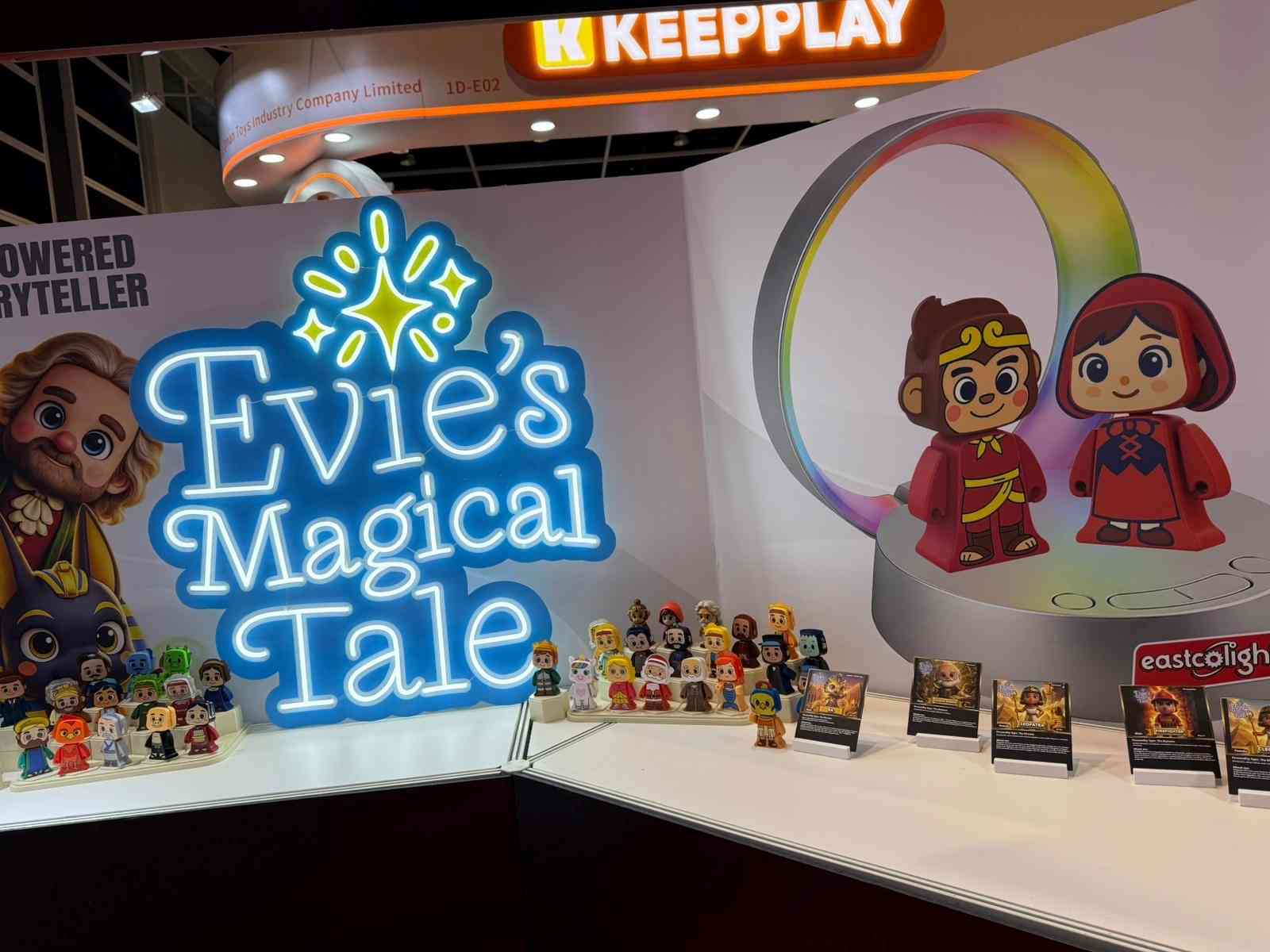
When Evie’s Magical Tale was announced, it did not look like a typical AI launch. There was no promise of faster homework, higher test scores, or smarter recommendations. Instead, the product framed itself around a deceptively simple shift: children do not just listen to stories anymore. They enter them, steer them, and share the stage with intelligent characters. In doing so, Evie quietly defines a new AI category that did not previously exist in a clear form: the AI small theater.
This distinction matters. Most consumer AI products fall into familiar roles. Assistants answer questions. Tutors explain concepts. Content platforms deliver media. Evie does something structurally different. It turns intelligence into a space where narrative unfolds through interaction, dialogue, and role play. The AI is not an endpoint. It is the cast, the stage, and the invisible director.
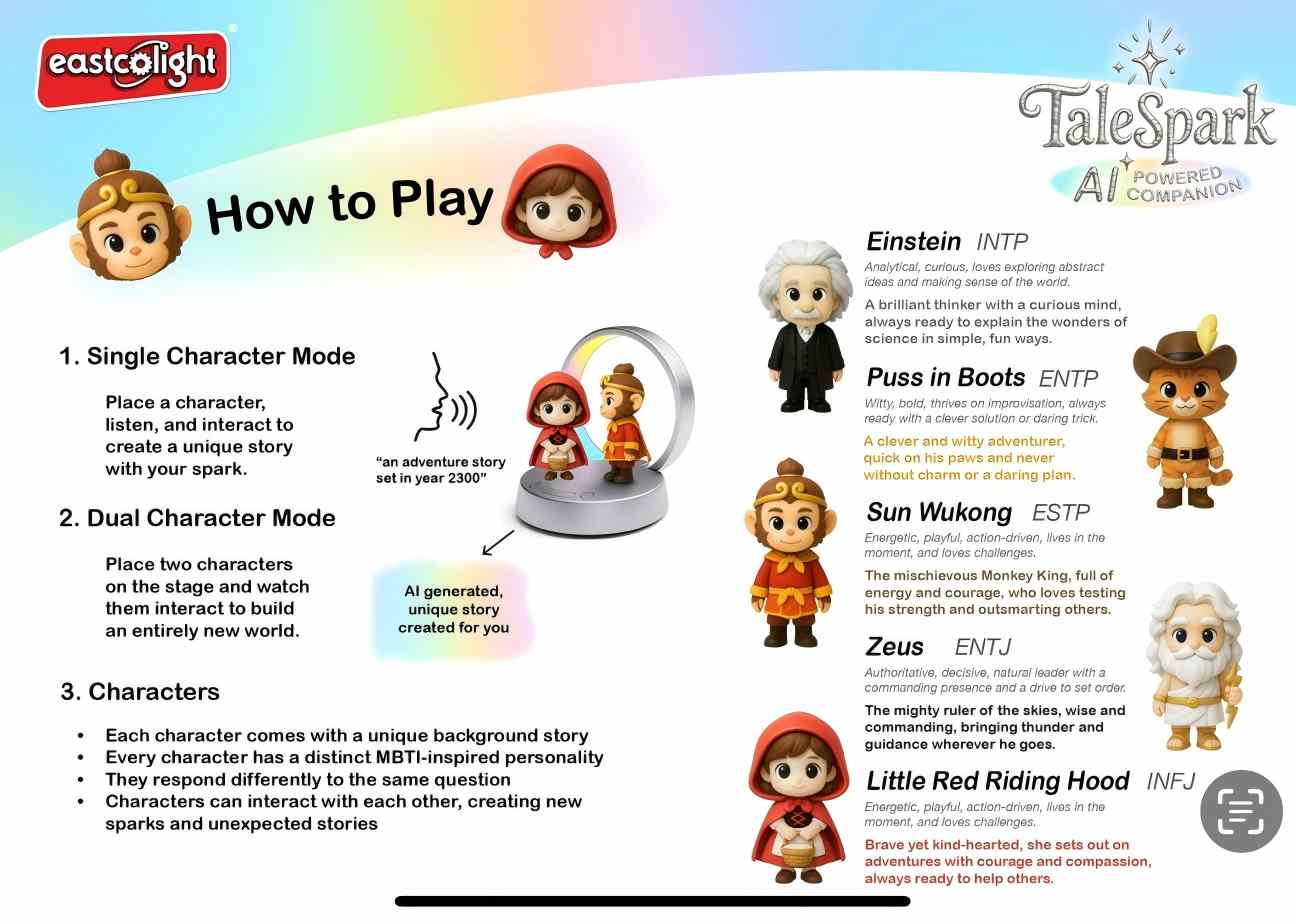
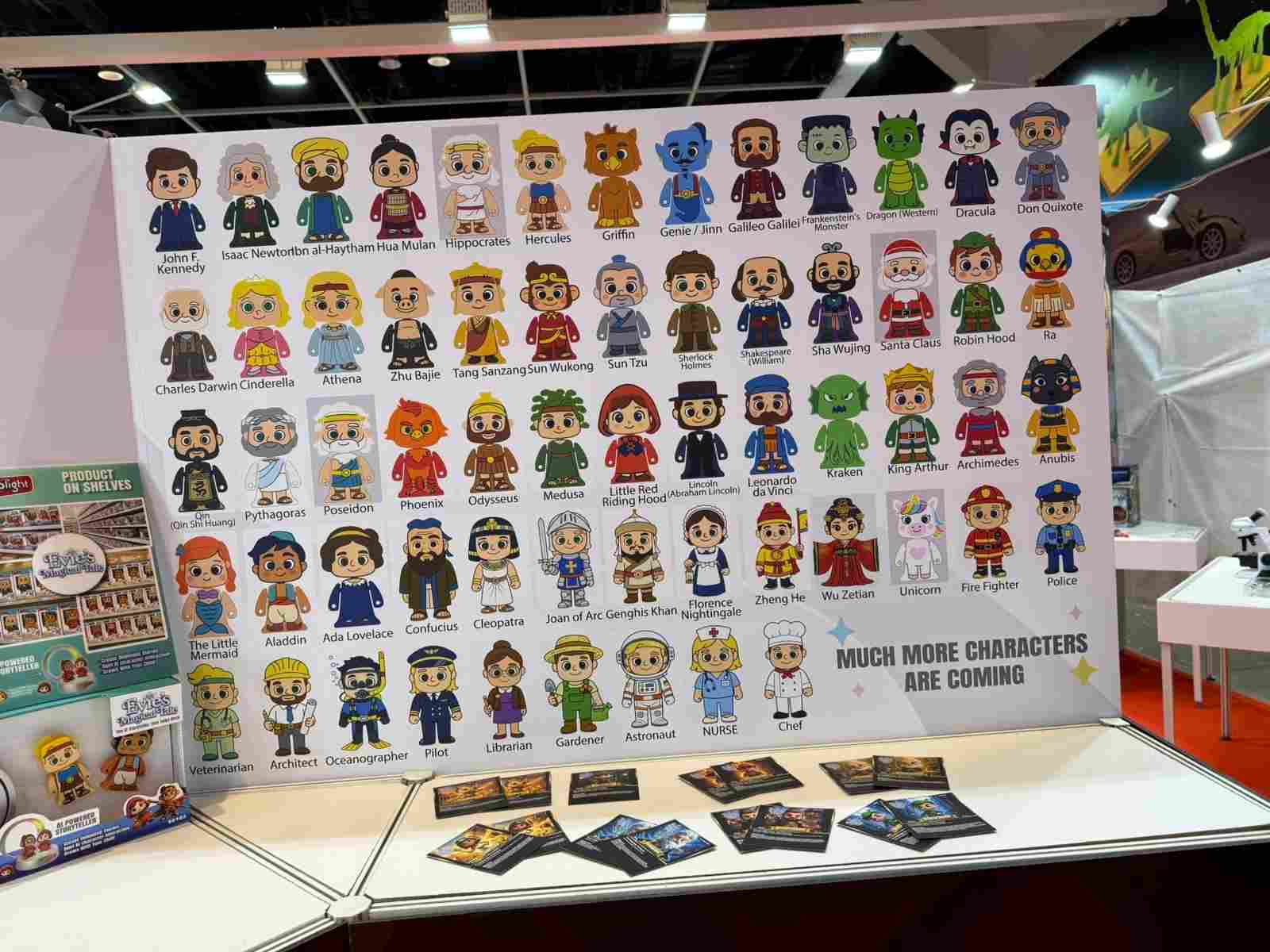
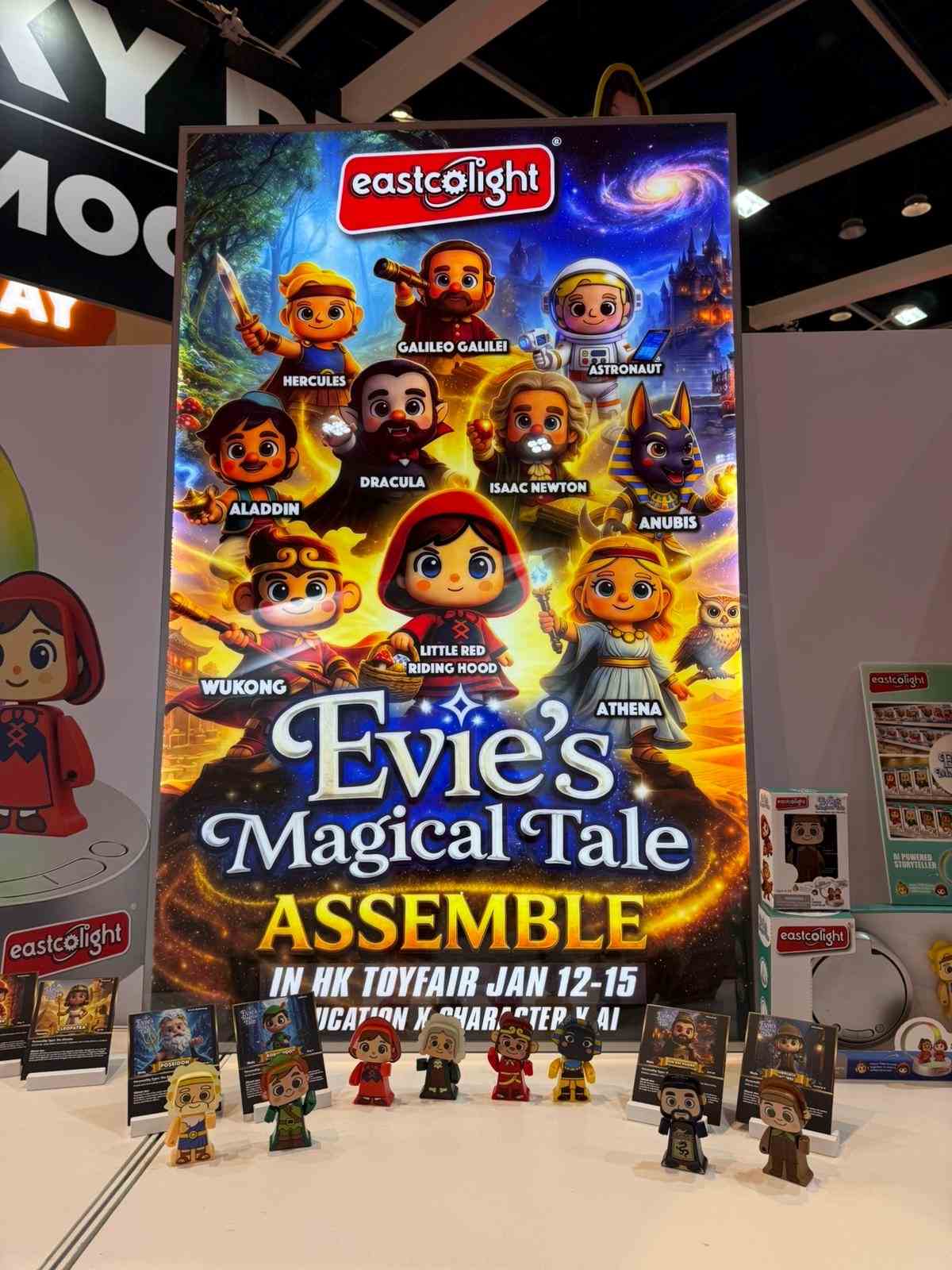
At the center of this shift is Evie’s Magical Tale, an AI interactive storyteller designed for children aged roughly three to ten. The product introduces over one hundred characters, each with distinct personalities, voices, and knowledge structures. Children can speak directly to these characters, ask them questions, challenge them, or invite two characters to converse with each other. A bedtime story can become an improvised performance. A science question can turn into a debate between historical thinkers. A moral lesson can unfold as an adventure rather than a lecture.
From Passive Content to Participatory Worlds
For decades, children’s media has largely been one directional. Books are read. Audio stories are played. Videos are watched. Even many “interactive” educational tools operate within narrow choice trees. The child selects an option, and prewritten content responds.
Evie breaks this pattern by replacing fixed scripts with generative narrative intelligence. The child is not choosing from branches. The child is co authoring the story in real time. When a child asks how a birthday might be celebrated under the sea, the response is not a stored answer. It is an improvised narrative shaped by the child’s language, curiosity, and emotional cues.
This matters because childhood cognition is built through play, imagination, and conversation. Children learn by pretending, by asking why repeatedly, and by testing ideas through stories. Traditional AI assistants often flatten this process into transactional question answering. Evie restores the messiness and richness of how children actually think.
Why This Is a New Category, Not Just a New Toy
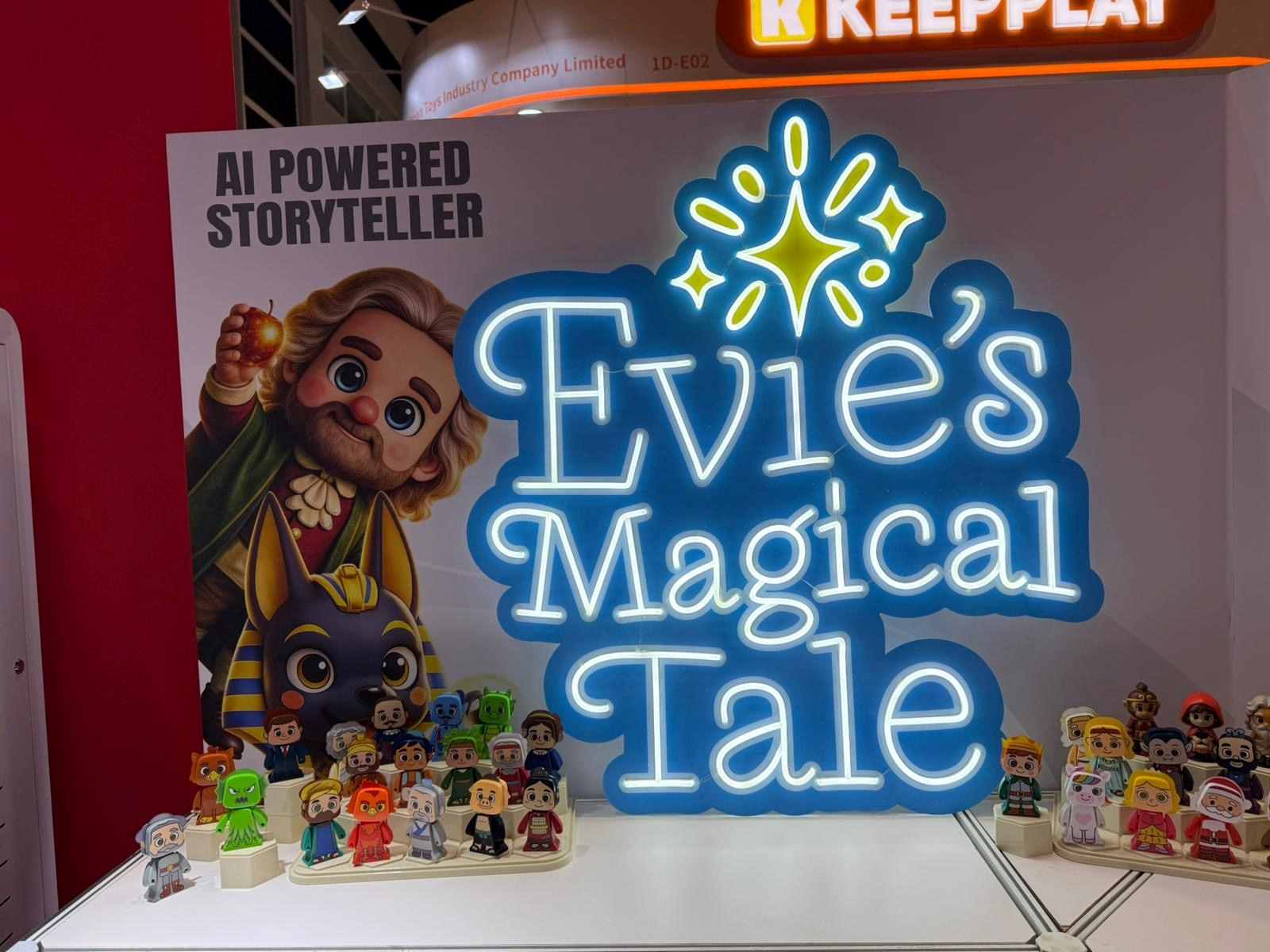
Calling Evie a toy undersells what is happening. Calling it an AI tutor misses the point. The defining feature of this product is not intelligence alone, but orchestration. The dual character co performance system allows two characters to appear simultaneously, each offering a different worldview. A scientific explanation can coexist with a mythological one. A moral question can be explored through conflicting perspectives rather than a single correct answer.
This is why the term “AI small theater” is useful. A theater is not just a story. It is a space where roles interact, conflict emerges, and meaning is negotiated. Evie transforms AI from a speaker into a stage.
Screen Free Intelligence and Parental Trust
One of the more understated but consequential design choices is that Evie is screen free. In a market saturated with tablets and apps, removing the visual interface is not a limitation. It is a statement.
Parents increasingly worry not just about content quality, but about attention patterns. Screens encourage rapid switching, visual overstimulation, and passive consumption. A voice first AI theater shifts attention back to listening, speaking, and imagining. The child must actively participate to keep the story alive.
Evie reinforces this trust with its parent insight system. Growth is not abstract. Vocabulary, logic, creativity, emotional expression, and communication are visualized over time. Parents can review conversation histories and observe how interests evolve. This reframes AI from a black box into a shared developmental mirror.
The Cognitive Impact on Children
The most profound impact of the AI small theater model may lie in how it shapes thinking patterns. When children interact with multiple characters offering different explanations, they are exposed early to pluralism. There is not always one answer. There are perspectives.
This is fundamentally different from search based learning. Instead of retrieving facts, children experience reasoning as dialogue. Instead of memorizing conclusions, they witness how ideas are constructed, challenged, and refined. Over time, this can nurture critical thinking, empathy, and narrative intelligence.
Equally important is emotional development. By conversing with characters that express curiosity, doubt, kindness, or conflict, children practice emotional reasoning in a safe environment. Discussing loneliness with a fictional character or fairness through a story creates distance that makes reflection easier.
A Quiet Redefinition of AI’s Role
Evie’s Magical Tale does not feel disruptive in the loud sense. There is no shock. No grand claims about replacing teachers or parents. And that may be its greatest strength.
By aligning AI with how children naturally explore the world, it normalizes intelligence as something you talk with, imagine with, and grow alongside. If widely adopted, the AI small theater could redefine the first emotional and intellectual relationship many humans have with artificial intelligence.
The long term consequence is not faster learning, but different learning. Not efficiency, but depth. Not answers, but conversations.
In that sense, Evie is less about stories and more about shaping how a generation experiences intelligence itself.