
The First Agent Artifact Cloud
The next era assumes there is nobody there.

Good Morning, AI Enthusiasts!
I am Magna, author at AI Secret. This is my read on where the tools we use are going, and on the new kind of product the agent trend is already producing. Showly.ai is the clearest one I have seen.
The argument is not complicated. Every tool of the last forty years was built for a person at a keyboard. The tools of the next ten will be built for an agent, and the people using them have barely noticed the change starting. The medium changed three times along the way, and each change quietly took one manual act away from the person. The next one takes the last.
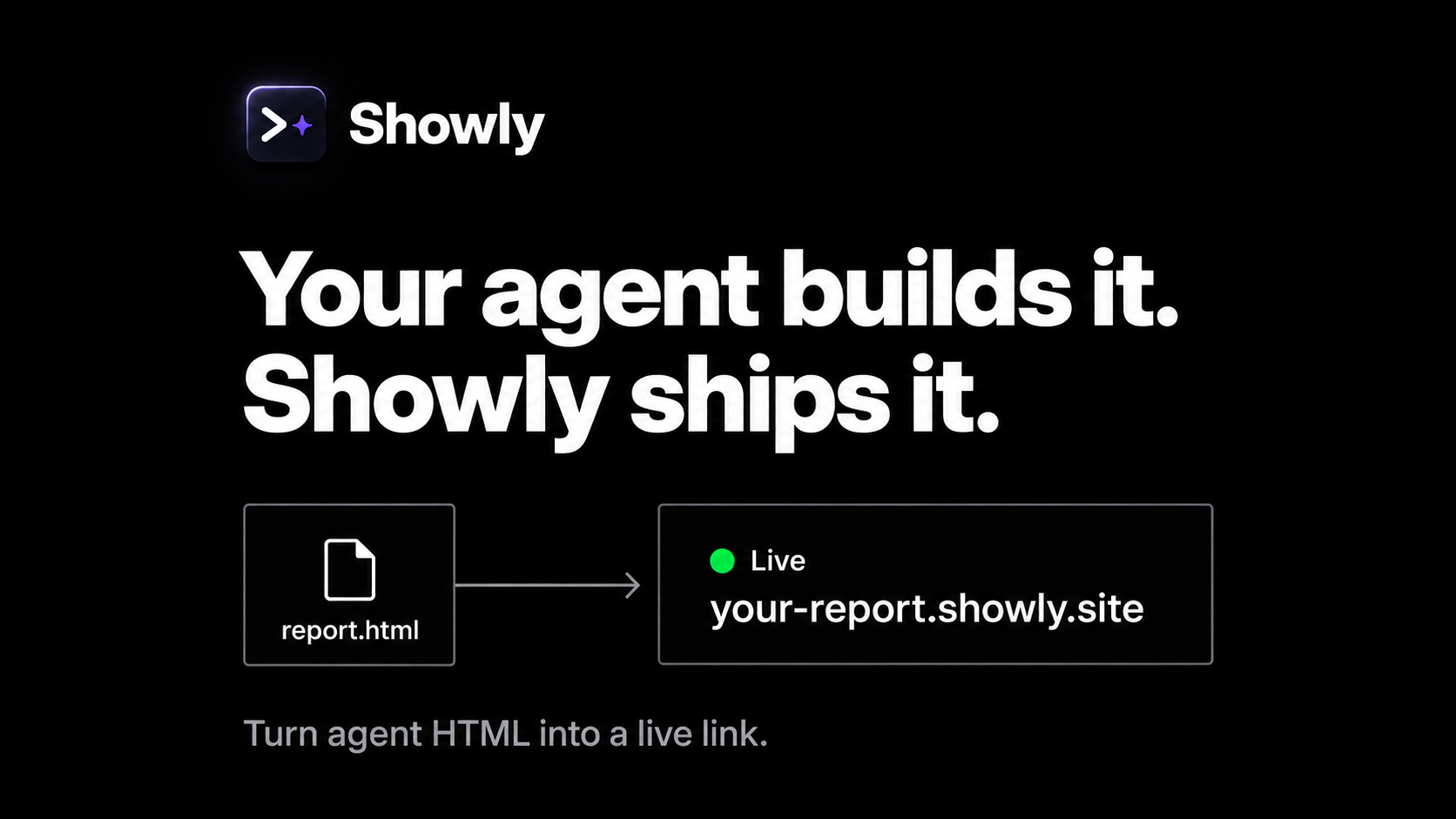
Watch where the change shows up first. Not in a new app, and not at a launch event, but at the end of an ordinary agent run.
Somewhere in a terminal right now, an agent has just finished a long piece of work. It read the code, pulled the numbers, drew the charts, and wrote the summary. Then it printed everything into a chat window. The chat window is where the work stays.
That is the gap. The work is done, and there is nowhere to put it.
Now run the same task with Showly.ai connected, and follow where the work lands.
You are in Claude Code, or Codex, where you already work. You type one sentence: build me a research page on this market, with the numbers and a chart. The agent searches, reads, checks its sources, writes the copy, and lays out the page. A private preview comes back in the same terminal. You ask for one change to the headline. It republishes, goes live at its own address, and you send the link to a client.
Here is what did not happen. You did not open an editor. You did not drag a block into place. You did not buy a domain, set up DNS, or wait for a deploy. You did not hunt for a designer or clean up the formatting afterwards. You made a chat. The machine did the rest.
That is not a demo of something coming. It runs today. The era is already here. Most of the tools around it are simply not built for it yet.
What changes when the user is a machine
Four decades of software were built around one customer. That customer is changing, and every layer of the stack moves with it. These are the changes I expect, and the ones I can already see.
The interface changes. The place where you express intent stops being a canvas. It becomes a sentence. You say what you want, and the tool keeps the result rather than the workspace you made it in.
The output changes. Templates, themes and blocks were how software stopped humans from making a mess. An agent does not need that help, and the medium it writes in does not need it either.
The pricing changes. Nobody charges an agent by the seat. When the producer is a machine, the meter has to measure what the machine produces, or the price becomes a valve on the pipe.
The human's job changes. It moves to the two ends. You say what matters at the start, and you approve what came back at the end. Everything in between is no longer your job.
That is the whole shift, and it is smaller than it sounds. No tool changes its purpose. Every tool changes who it is built for.
Three mediums, replaced one at a time
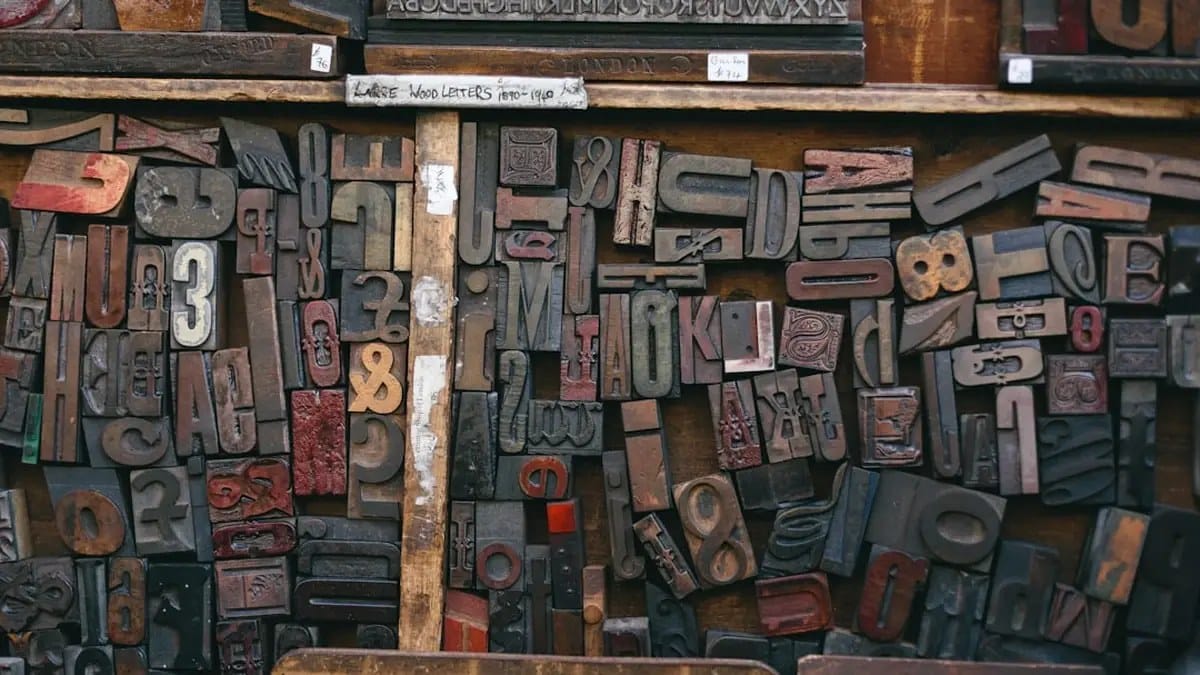
A document has always lived inside a medium, and the medium has changed three times in fifty years. Every change did the same thing. It moved the manual part of the work one step further from the person.
The first medium was paper. You wrote by hand, which meant you made the letters one at a time, and you were the formatting as well. The second was the screen. Word and the generation around it replaced the page with a file: the letters came free, the sentences were still yours, and so was every chart you dragged into position. Office named that bundle rather than any one program in it, and it shipped on October 1, 1990. The subscription version, Microsoft 365, arrived on July 10, 2017, same canvas, new billing. The third medium was the canvas itself. Notion replaced the file with blocks you assemble yourself, in a format you maintain by hand.
All three asked the person the same two questions. Where should this go, and how should it look?
The medium that changes next is not a new format. HTML is what a web server sends, and it is the first medium in that line that needs nobody to keep it alive. A page in HTML renders on any screen, and another agent can fetch it just as easily as a person can open it. Nothing in it has to be handed to a tool that owns the layout, and nothing in it has a visual ceiling set by somebody else's blocks. Set an editor page and an HTML page side by side and the difference is visible to anyone, including people who do not care how either was made.
Now count the manual acts, because the count is the whole story. Handwriting: you made the letters. Word: you placed every element. Notion: you assembled every block. HTML written by an agent: you place nothing. Across fifty years of software history, the last step removes the one thing every earlier step assumed, which is a person doing the formatting.
Two habits came out of those earlier eras, and both are breaking at once.
The first habit was that the person who wanted the thing was the person who made it. That is no longer true. A report, a specification, a slide deck, a small site: an agent produces version one now, and often version three as well. What reaches the human is a finished thing, and the human's job has become a decision rather than an edit.
The second habit was that the tool's value lived in the surface where you type. Take that away and look at what remains. If the content arrives from an agent, a person's whole job in Notion is to read it, change one line, and approve it. The canvas turns into a review screen. All the affordances built to make hand editing pleasant, the drag handles and the block pickers and the theme panels, sit there unused.
Notion's own homepage is the tell, and this is not a cheap shot at them. The company that taught a generation to build pages by hand now sells the opposite. Where teams and agents think together. Automate busywork, keep work moving 24/7 with agents. Busywork is exactly the hand editing the product was built to make pleasant. When a company starts selling the removal of its own core interaction, that interaction has stopped being where the value is.
Nobody hand-writes the first draft anymore. That is the change, and it happened quietly, because at no point was there an announcement that tools built for hands would now be asked to receive work they did not help make.
What an agent actually produces
In November 2024, Anthropic open sourced the Model Context Protocol, described as a new standard for connecting AI assistants to the systems where data lives, including content repositories, business tools, and development environments. That was the socket. A coding agent in a terminal can now read a codebase, query a database, call an API, and produce something finished enough to hand to another person.
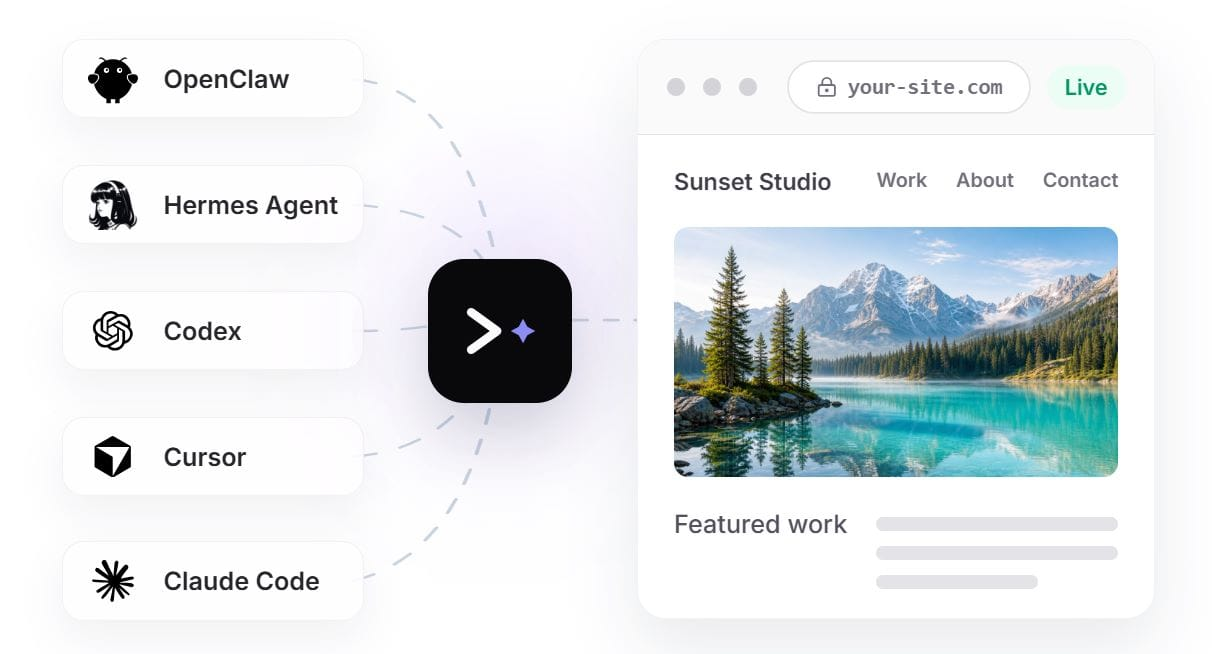
What it produces has a name among the people who build these systems. It is called an artifact: the finished output of a run. A research report. A specification. A dashboard. A small site.
The artifact is done. It has nowhere to live.
So it goes where agent output goes today. Into a chat window, where it is hard to read and impossible to share. Or into a document, after somebody spends twenty minutes fixing the formatting. Or into a folder, where nobody opens it again. The work is finished and it is also lost, because nothing in the chain was ever built to receive it.
The bottleneck has moved. Making the thing is no longer the hard part. Presenting the thing is.
The First Agent Artifact Cloud
I am calling the category the agent artifact cloud, and I want to be precise about what the words claim.
An artifact is the finished output of an agent run. A cloud, in the plain sense, is somewhere that output lives and can be reached from anywhere. The word that carries the weight is agent. An artifact cloud is not a place for people to make things. It is a place where a machine finishes the work, and a person opens the result.
One word in that name arrives with a definition already attached. Anthropic's own documentation says an artifact is anything Claude makes for you that you would put in front of someone, and that it opens beside your conversation. That definition is a good one, and it describes a personal object. The category I am naming is the layer that follows it, and the difference is easier to test than to argue about. If it lives behind your account and disappears with it, it is a share link. If it publishes to the open web at an address you control, keeps a history of the versions it replaced, and can sit behind your team's approval step, it is an artifact cloud.
Keep the Notion tell in mind while reading that test. A company only starts selling the removal of its own core interaction once that interaction has stopped being where the value is. What the test rules out matters just as much as what it admits. This is not a site builder with an agent bolted on, and it is not a place to store repositories. It is where a finished run stops being text.
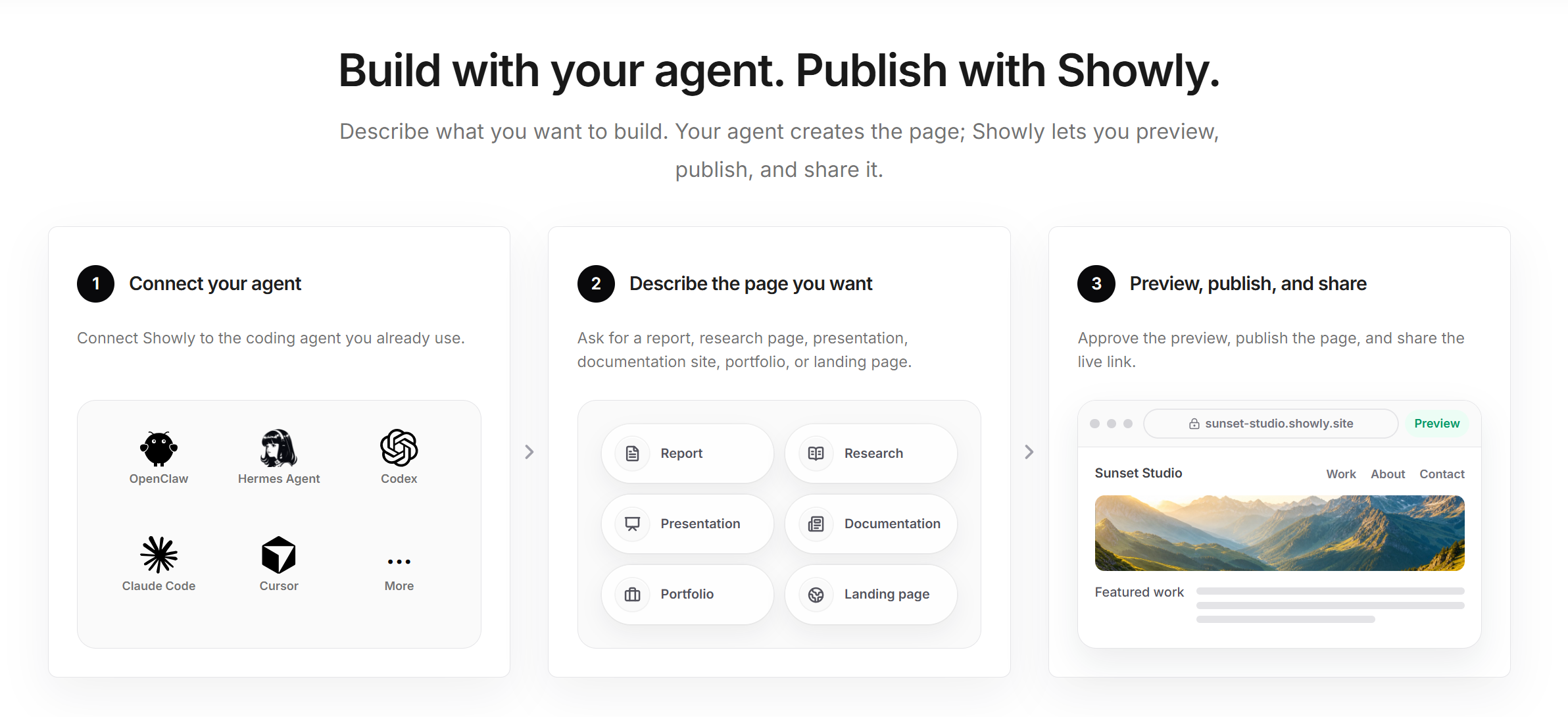
Showly.ai is the first product I have seen built exactly for that, and it is worth describing in concrete terms rather than slogans. First here means the first cloud built for it: neutral across agents, public by default, and versioned, rather than an artifact tab inside one vendor's own product.
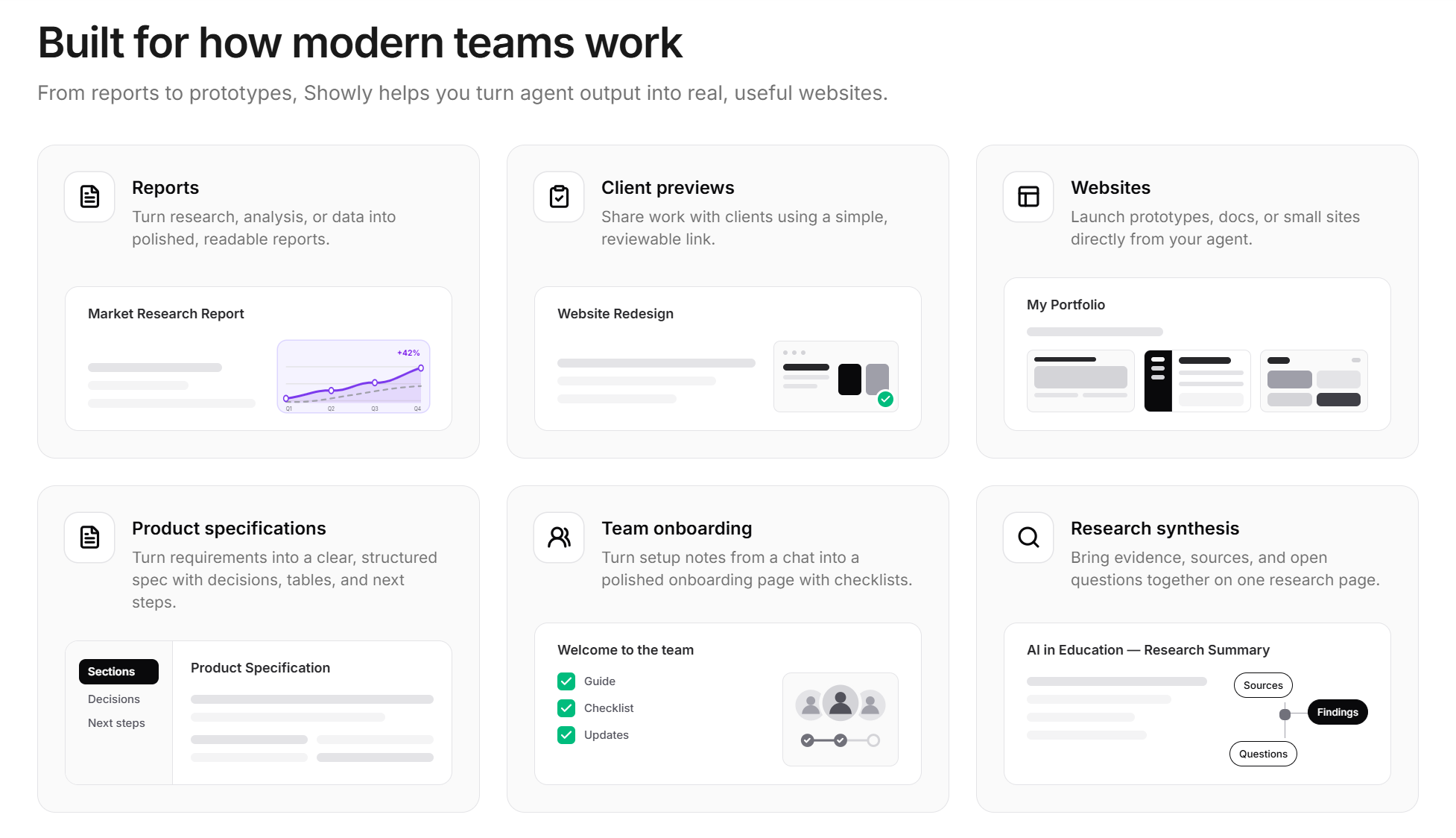
The agent does the work. Showly.ai connects to Claude Code, Codex, OpenClaw, Hermes, Pi, MyClaw, and other MCP-compatible agents. The agent runs the research, writes the copy, designs the page. There is no editor in the loop and no step where a person is expected to drag anything into place. You describe the page, your agent builds it, and the human decision happens at the end, where it belongs.
The output is real HTML. An artifact is not a page inside somebody's editor. It is HTML, which is what the web actually serves, so there is no template to fill in and no theme to pick from. That is why the visual difference is so easy to see, and why it is the part of this story that needs no explanation to a reader who has compared the two.
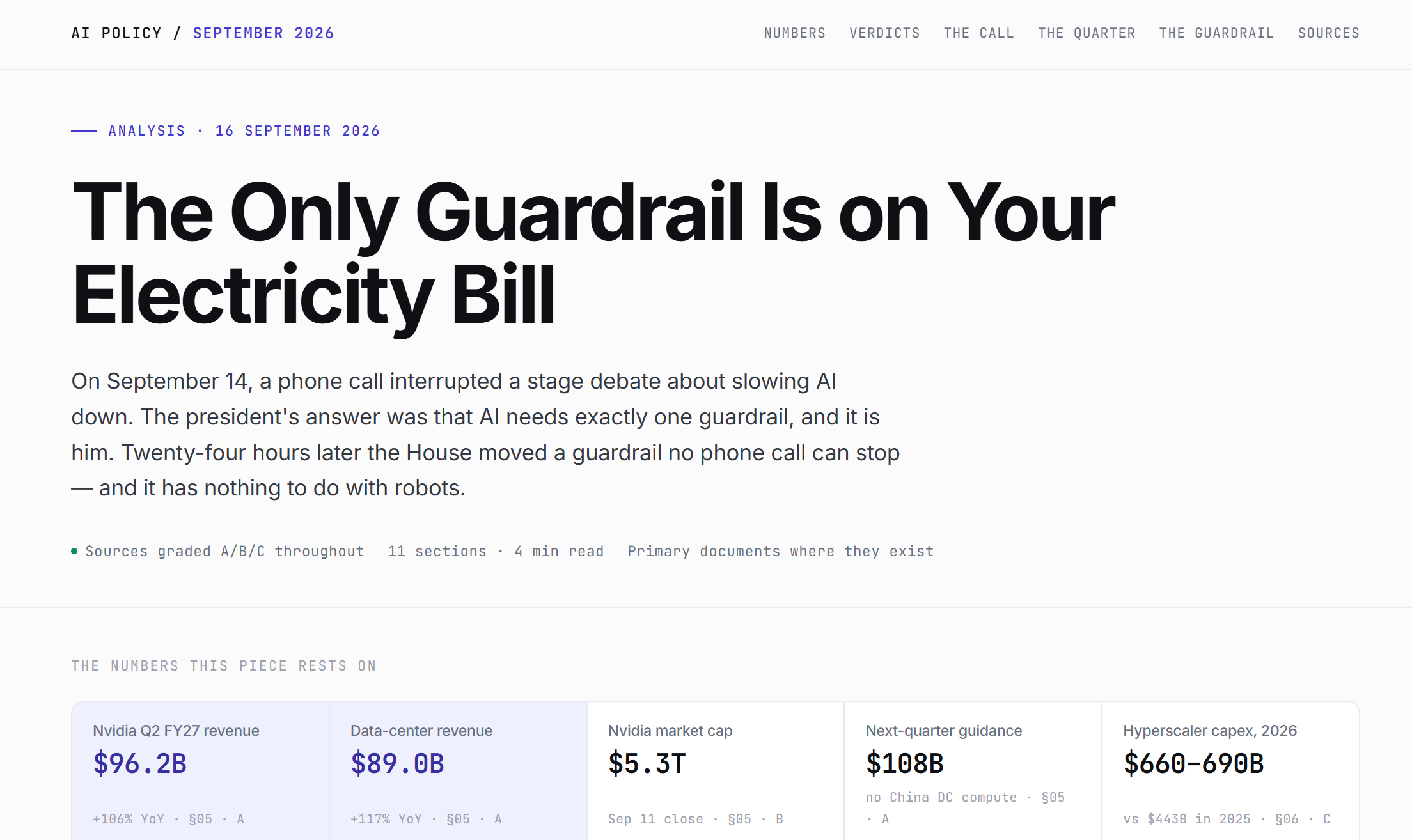
It is live the moment it is generated. No domain to buy. No DNS to configure. No deploy pipeline to babysit. The page arrives at its own address as soon as the agent publishes it. Removed from the chain are the exact errands that used to end the process early: the domain purchase, the setup, the thing that nobody got around to.
Anyone can open it. A person can read it, and another agent can fetch it. The artifact leaves the chat window and becomes a link, which is the smallest and most important upgrade in this whole story.
What full agentization looks like from here
I think the next few years will be remembered as the period when the tools built for human hands were rebuilt for agents, and I do not think it will feel dramatic while it happens. Nothing has to be invented for it to complete. The connections exist, the terminals exist, and the agents already have the permissions inside a growing number of teams. What changes is who the software is addressed to.
Consider what the three mediums actually did, because none of them killed the work. Handwriting became typing, paper became a file, the file became a canvas. Each step kept the thing people wanted and dropped the labour attached to it. This step drops the last piece of that labour, and it should be read the same way. The agent does not replace the person who decides what matters. It replaces the part of the process where a person was doing something a machine can now do better and faster, which in editing has always meant formatting, laying out, and waiting.
Which leaves one question worth keeping.
For thirty years the question was what can this tool help me make. The question now is where the work goes when it is done. The medium that answers it will be HTML, and it will not have an editor, because the first thing an agent removes is the person who used to sit in front of one.