Company — Reporting on Google, its technology, products and business. Aliases: Google; Alphabet; Gemini; DeepMind; Google Brain.
Get AI Secret’s free daily briefing, including Google and the wider AI industry.

At a glance
Google is part of Alphabet. This topic follows its AI research, Gemini models, Google DeepMind, cloud infrastructure and consumer products.
- Focus
- Gemini; Google DeepMind; Google Cloud
- Reference
Sources checked . Selected company background and milestones.
Company milestones
Selected milestones, newest first. Earlier history is available below.
Forms Google DeepMind
Google brings the Brain team and DeepMind together as Google DeepMind.
Source: Google
Show earlier historyHide earlier history · 1 milestones
More than 10 years ago.
The latest on Google
Newest firstRelated reporting
Relevant sections from the articles on this page. Explore older coverage below.
More coverage

Good Morning, AI Enthusiasts!
The interfaces are melting, the cash machines are being copied, and everyone is pretending this is still just software.

NEW LAUNCH
The First Real-Time Model
👀 What’s happening: Thinking Machines Lab showed its first Interaction Model after 18 months, led by former OpenAI CTO Mira Murati. The point is not a smarter chatbot. It is a break from turn-based AI, where users speak, models wait, then respond. This model listens, watches, interrupts, and reacts while the interaction is still happening.
🌍 How this hits reality: Most AI products still sit inside a prompt box. Even strong agents behave like ticket systems: give an instruction, wait, inspect the output, correct it, repeat. Thinking Machines is attacking that loop directly with 200 millisecond micro-turns, live audio, video, search, UI generation, and a second background model for deeper work.
🛎️ Key takeaway: If this works, the prompt box becomes a temporary interface, not the center. Agents move toward live collaboration layers where users steer, interrupt, and reshape execution in real time.
TOGETHER WITH MIROMIND
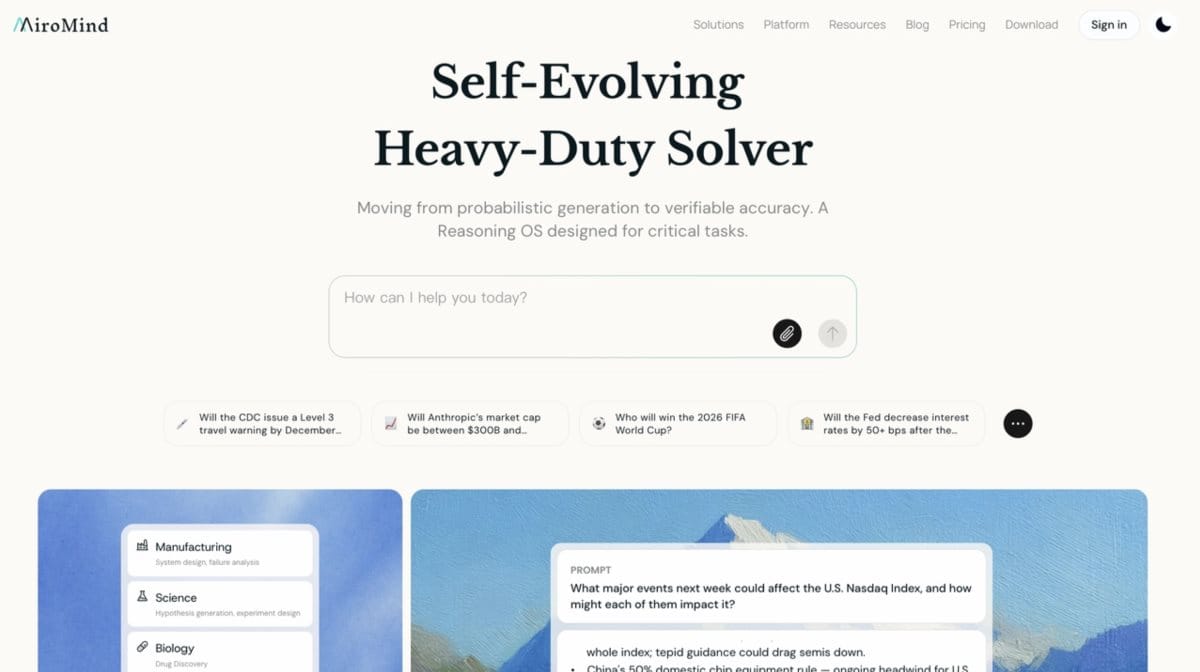
MiroMind is not a chatbot. It's a Reasoning Operating System — built to solve the AI reliability crisis by replacing probabilistic generation with verifiable, deep-chain reasoning.
Powered by MiroThinker — with the latest MiroThinker-1.7 — our system delivers industry-leading accuracy across every major benchmark: 69.8% on BrowseComp, 80.8% on GAIA-Val, 39.2% on HLE-Text, and 99% cumulative accuracy on 300-step reasoning chains — outperforming 1T+ models at 1/20 the cost. Real-world proof: gold price forecast with 0.08% error 15 days out, Super Bowl and Grammy predictions weeks ahead.
MiroMind Deep Research API has officially launched: platform.miromind.ai
Or Download our app: miromind.ai/download
COMMERCIAL
OpenAI Wants Palantir Money
👀 What’s happening: OpenAI just formed OpenAI Deployment Company with more than $4 billion in initial capital, majority control, 19 partners, and the acquisition of Tomoro. The point is blunt: OpenAI wants forward deployed engineers inside enterprises, rebuilding workflows around AI instead of waiting for customers to figure it out.
🌍 How this hits reality: The obvious target is Palantir’s printing press. Palantir just showed the prize: Q1 2026 revenue hit $1.63 billion, up 85% year over year. That is the smell OpenAI is chasing. Selling tokens is volatile. Embedding engineers into sales, legal, finance, support, coding, security, and supply chains creates contracts customers cannot easily rip out. This is not product-led growth. This is organizational capture.
🛎️ Key takeaway: OpenAI saw Palantir printing money from confusion and decided to copy the machine. Models burn cash. Deployment locks cash.
OpenAI Wants Palantir Money
👀 What’s happening: OpenAI just formed OpenAI Deployment Company with more than $4 billion in initial capital, majority control, 19 partners, and the acquisition of Tomoro. The point is blunt: OpenAI wants forward deployed engineers inside enterprises, rebuilding workflows around AI instead of waiting for customers to figure it out.
LEAKS
Gemini Omni Leaks
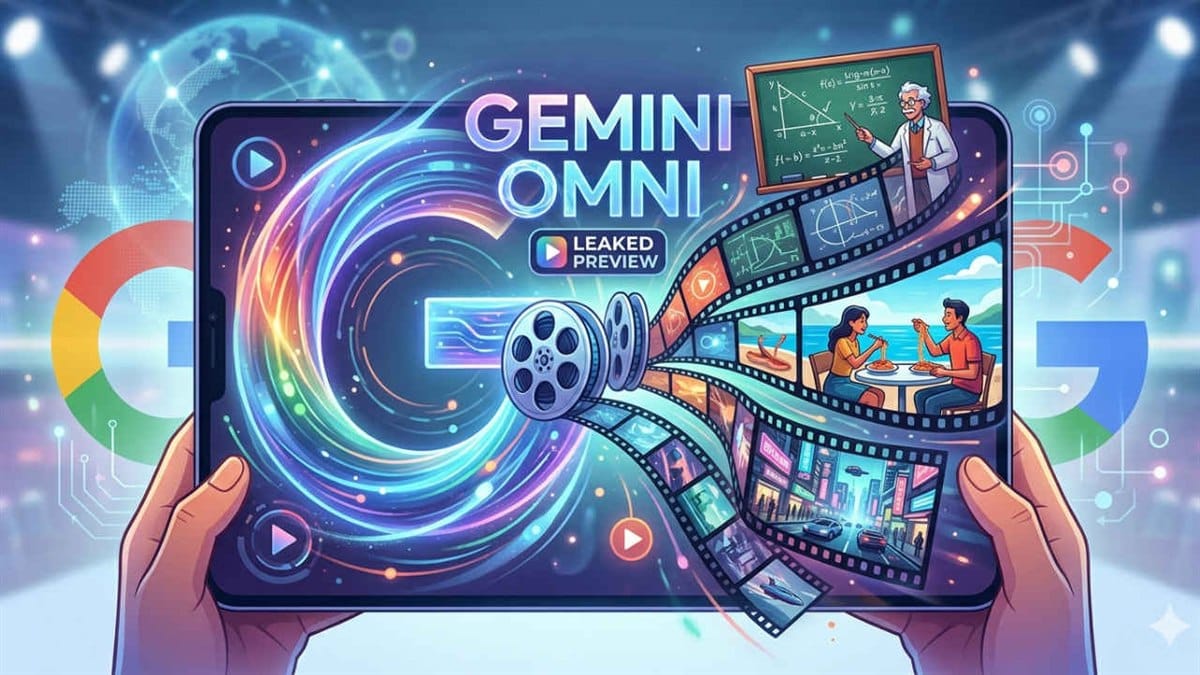
👀 What’s happening: Google’s Gemini Omni leaked through the Gemini app, showing a native video model for generation and chat-based editing. The strongest demo is not the anime fight or glossy visuals. It is the chalkboard professor writing coherent formulas with stable text. That is the part no other video model can really do yet.
🌍 How this hits reality: Text consistency has been one of AI video’s ugliest failure points. Omni seems to attack that directly, while also showing real-time edits like object replacement and watermark removal from a simple prompt. That matters because video editing starts moving from timeline tools into conversational control. But the rest looks uneven. The anime samples and general image quality still feel rough, sometimes outright bad.
🛎️ Key takeaway: The leak does not say Google has solved video generation. It says Google may have cracked one brutal bottleneck: readable, stable text inside video. That is a much bigger deal than the ugly demos suggest.
Gemini Omni Leaks
👀 What’s happening: Google’s Gemini Omni leaked through the Gemini app, showing a native video model for generation and chat-based editing. The strongest demo is not the anime fight or glossy visuals. It is the chalkboard professor writing coherent formulas with stable text. That is the part no other video model can really do yet.
IPO
Anthropic Wants Its IPO Price Back under Control
👀 What’s happening: Anthropic just slammed the door on unauthorized secondary stock sales before IPO. It says unapproved transfers, SPVs, forward contracts, tokenized claims, and synthetic exposure can be void. The message is simple: secondary platforms do not get to pre-price Anthropic’s public listing before Anthropic itself does.
🌍 How this hits reality: This is about money and control. If secondary markets trade Anthropic exposure at wild implied valuations before IPO, they start shaping the anchor price, investor expectations, and media narrative. That hurts Anthropic’s leverage. The company wants the IPO round to capture maximum demand, not let brokers monetize scarcity first.
🛎️ Key takeaway: Anthropic is cutting off the shadow market because it has become economic leakage. The IPO is the real auction. Anyone pricing it early is now in the way.
Anthropic Wants Its IPO Price Back under Control
👀 What’s happening: Anthropic just slammed the door on unauthorized secondary stock sales before IPO. It says unapproved transfers, SPVs, forward contracts, tokenized claims, and synthetic exposure can be void. The message is simple: secondary platforms do not get to pre-price Anthropic’s public listing before Anthropic itself does.
DAILY TL;DR
- Google says hackers used AI to help build a zero-day exploit, marking a major new warning sign for AI-powered cybercrime.
- OpenAI officially removed DALL·E 2 and DALL·E 3 from the API on May 12, pushing developers toward GPT Image models.
- GM laid off about 600 IT workers while hiring for AI-native development, agent workflows, and model engineering roles.
- Cowboy Space raised $275M to build space-based data centers as AI infrastructure pressure moves beyond Earth.
- FTC is preparing enforcement of the Take It Down Act, forcing major platforms to remove nonconsensual intimate images, including AI-generated abuse.
- Robinhood is preparing another retail venture IPO as AI-driven market momentum keeps pulling fintech back toward public investors.
- OpenAI launched Daybreak, a cyber-defense push combining frontier models, Codex Security, and verified access for vulnerability discovery and patching.
READ MORE
Let the Future Come to Your Inbox
Stay ahead without drowning in information. We turn the most important signals across AI, tech, marketing, and future products into 5-minute reads you can actually finish.
- AI Secret uncovers what really matters in AI
- Bay Area Letters decodes tech and business shifts from Silicon Valley
- Robotics Herald tracks how robots move from labs into daily life
- Marketing Secret breaks down real growth and go-to-market playbooks
- The Hardwire explores hardware, consumer tech, and what’s coming next
TOGETHER WITH US
AI Secret Media Group is the world’s #1 AI & Tech Newsletter Group, reaching over 2 million leaders across the global innovation ecosystem, from OpenAI, Anthropic, Google, and Microsoft to top AI labs, VCs, and fast-growing startups.
We've helped promote over 500 Tech Brands. Will yours be the next?
Email our co-founder Mark directly at [email protected] if the button fails.
Good Morning, AI Enthusiasts!
The future is arriving fast, badly wired, overleveraged, and apparently mounted next to your garage.
SPACEX
xAI Shuts Down Overnight
👀 What’s happening: xAI has effectively shut down overnight. The company that was supposed to fight OpenAI as Musk’s frontier model lab is now being absorbed into SpaceXAI as a department. Grok survives, but xAI does not. A reported $250 billion valuation did not stop the company from losing independence.
🌍 How this hits reality: xAI missed the two windows that now define AI utility: agents and coding. Grok stayed too close to chatbot identity while Claude Code, Cursor, MyClaw, and enterprise agents turned models into work engines. Once 220,000 GPUs became more valuable to Anthropic than to xAI’s own roadmap, the company stopped looking like a lab and started looking like a SpaceX asset.
🛎️ Key takeaway: Any company can vanish if it chooses the wrong battlefield. If AI keeps moving toward agents and coding execution, high-valuation model labs without workflow control become departments, vendors, or GPU landlords.
COMPUTES
AI Compute Is the House Wall
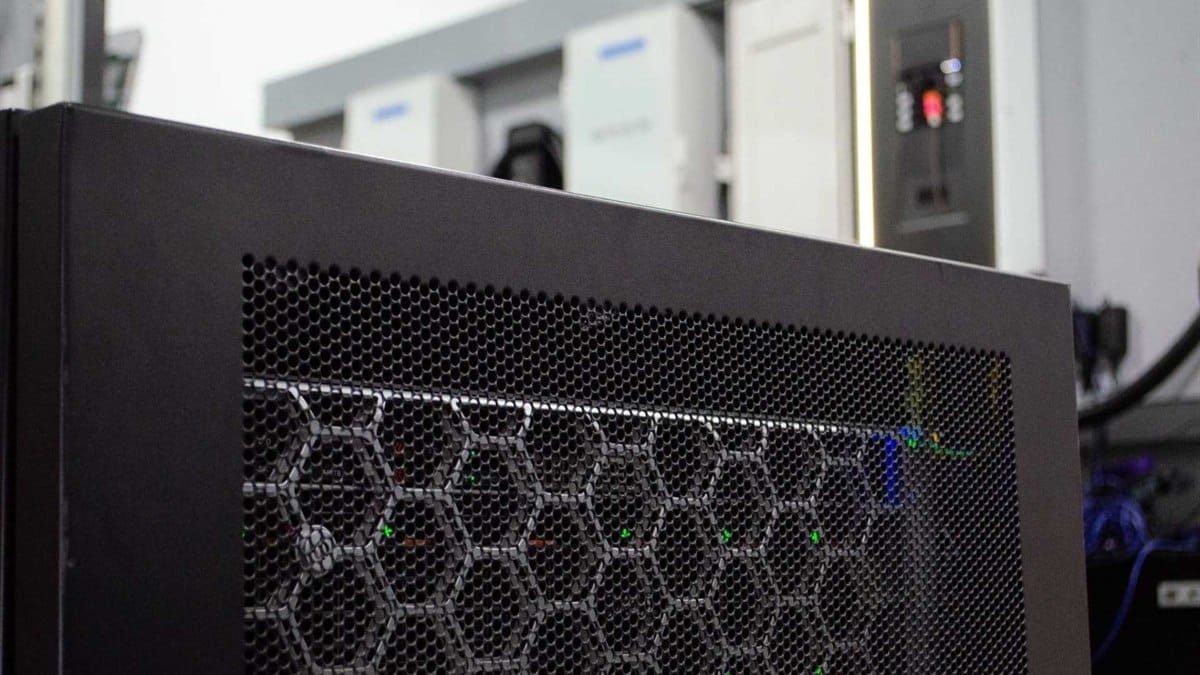
👀 What’s happening: Nvidia is backing Span’s plan to mount mini AI data centers on homes and small businesses. The XFRA units sit outside like utility equipment, pulling unused grid capacity through Span smart panels and they are already testing them in new communities. AI compute is shrinking from campus-scale buildings into residential hardware.
🌍 How this hits reality: AI infrastructure is now trying every surface it can find. Giant data centers on land. Floating concepts at sea. Orbital compute dreams in space. Now the house wall. Span says 8,000 units could equal a 100-megawatt data center, deploy six times faster, and cost one-fifth as much. That is no longer just cloud expansion. That is infrastructure colonizing daily life.
🛎️ Key takeaway: AI compute has become real infrastructure, not a metaphor. Power panels, batteries, rooftops, and neighborhoods become part of the supply chain. Supply chains move closer to the curb.
EQUITY
A Fake Door
👀 What’s happening: Crypto platforms are now dressing up private AI companies as tradable gambling chips. Traders can now bet on implied valuations for Anthropic, OpenAI, and SpaceX without owning real shares. Ventuals uses perpetual futures. PreStocks claims SPV-linked exposure. The result is fake access to assets most retail investors still cannot actually buy.
🌍 How this hits reality: This is nastier than Polymarket because it borrows the costume of equity. It makes retail traders feel like they are buying the future of AI, while the legal claim underneath may be weak, void, or nonexistent. Anthropic already hit a fake $1.6 trillion implied valuation there. Combined volume is above $1.1 billion. That is not innovation. That is a slot machine wearing a cap table mask.
🛎️ Key takeaway: The disaster risk is simple. Synthetic AI equity without legal claim can start poisoning real AI pricing. One leverage wipeout, one fake valuation panic, and private market trust gets dragged into crypto’s furnace.
Anthropic: A Fake Door
Traders can now bet on implied valuations for Anthropic, OpenAI, and SpaceX without owning real shares. Ventuals uses perpetual futures. PreStocks claims SPV-linked exposure. The result is fake access to assets most retail investors still cannot actually buy.
CHIPS
Google TPU Finds No Demand
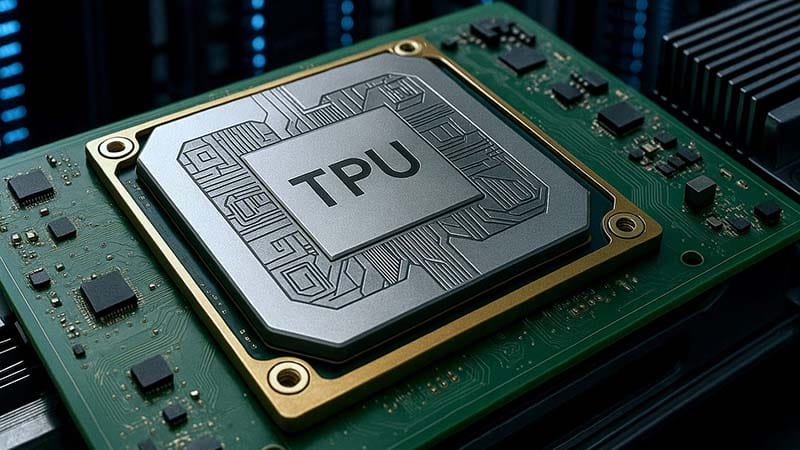
👀 What’s happening: Google is trying to push TPU into the external AI infrastructure market, but the three neocloud buyers that matter are not biting. Nebius says demand is still 99% Nvidia GPUs. CoreWeave says resources go where customers want them. Lambda’s CFO said they “bleeds green.” That is not subtle.
🌍 How this hits reality: This is the part Google cannot keynote away. TPU may work inside Google, but the open compute market runs on CUDA, Nvidia clusters, customer trust, and resale logic. The only serious external buyer is Anthropic, and even that came wrapped inside a reported $40 billion Google investment commitment.
🛎️ Key takeaway: TPU does not look like a market winner yet. It looks like hardware Google has to finance into existence because the buyers with real demand keep choosing Nvidia.
NVIDIA: Google TPU Finds No Demand
TPU may work inside Google, but the open compute market runs on CUDA, Nvidia clusters, customer trust, and resale logic. The only serious external buyer is Anthropic, and even that came wrapped inside a reported $40 billion Google investment commitment.
Google TPU Finds No Demand
🌍 How this hits reality: This is the part Google cannot keynote away. TPU may work inside Google, but the open compute market runs on CUDA, Nvidia clusters, customer trust, and resale logic. The only serious external buyer is Anthropic, and even that came wrapped inside a reported $40 billion Google investment commitment.
TOGETHER WITH MYCLAW
Personal AI That Starts Personal

A personal AI shouldn’t feel generic. MyClaw lets you install skills that adapt to your preferences from the start, so your assistant feels relevant on day one. Behind the scenes, OpenClaw provides the agent power. What you see is a simpler way to put it to work.
If you’re serious about OpenClaw, don’t run it halfway. Run it the way it was meant to be run — fast, secure, and production-ready by default.
DAILY TL;DR
- OpenAI released MRC, an open networking protocol built with AMD, Broadcom, Intel, Microsoft, and Nvidia to make giant GPU clusters more reliable.
- Anthropic launched finance agents for banks, insurers, and asset managers, targeting pitchbooks, audits, valuations, and compliance workflows.
- Apple is reportedly preparing to let users choose rival AI models like Gemini and Claude across iOS 27 features.
- OpenAI made GPT-5.5 Instant the new default ChatGPT model, claiming major hallucination reductions in law, medicine, and finance prompts.
- Meta faces a new AI copyright class action from major book publishers over Llama training data.
- PayPal plans to cut around 20% of staff over the next two to three years as its new CEO pushes an AI-linked turnaround.
- Snap ended its $400 million Perplexity partnership before the AI search integration became a real growth engine.
- Google is adding Reddit and forum quotes into AI Search results, turning user-generated advice into part of the answer layer.
- Google shut down Project Mariner as a standalone browser-agent experiment, folding its technology into broader Gemini products.
READ MORE
Let the Future Come to Your Inbox
Stay ahead without drowning in information. We turn the most important signals across AI, tech, marketing, and future products into 5-minute reads you can actually finish.
- AI Secret uncovers what really matters in AI
- Bay Area Letters decodes tech and business shifts from Silicon Valley
- Robotics Herald tracks how robots move from labs into daily life
- Marketing Secret breaks down real growth and go-to-market playbooks
- The Hardwire explores hardware, consumer tech, and what’s coming next
TOGETHER WITH US
AI Secret Media Group is the world’s #1 AI & Tech Newsletter Group, reaching over 2 million leaders across the global innovation ecosystem, from OpenAI, Anthropic, Google, and Microsoft to top AI labs, VCs, and fast-growing startups.
We've helped promote over 500 Tech Brands. Will yours be the next?
Email our co-founder Mark directly at [email protected] if the button fails.
Good Morning, AI Enthusiasts!
AI is getting award eligibility, dashboard access, wet-lab validation, and enterprise distribution while everyone else argues about vibes, safety sermons, and who still deserves a margin.
NEW TECH
The Creator God Mode
👀 What’s happening: Stanford and Arc Institute’s Evo work has now appeared in Nature, and the signal is blunt. AI was used to design full bacteriophage genomes, not just predict protein shapes. Researchers synthesized 302 fully AI-written designs. Sixteen became working viruses that infected, copied themselves, and killed E. coli.
🌍 How this hits reality: This is the jump from AI reading biology to executing biology. Google's AlphaFold showed where proteins fold. Evo shows that genomes can become prompts, outputs, and products. One AI-designed phage even carried a capsid protein with no known natural relative. That means the model is not only remixing life. It is exploring design space nature never touched.
🛎️ Key takeaway: The creator god mode is no longer metaphorical. Once AI can write biological machines that survive wet labs, creation becomes an engineering workflow. Pharma gets faster, biosecurity gets darker, and synthetic life is moving onto the GPU curve.
CLAUDE
Dario’s Grand Story Collapsed
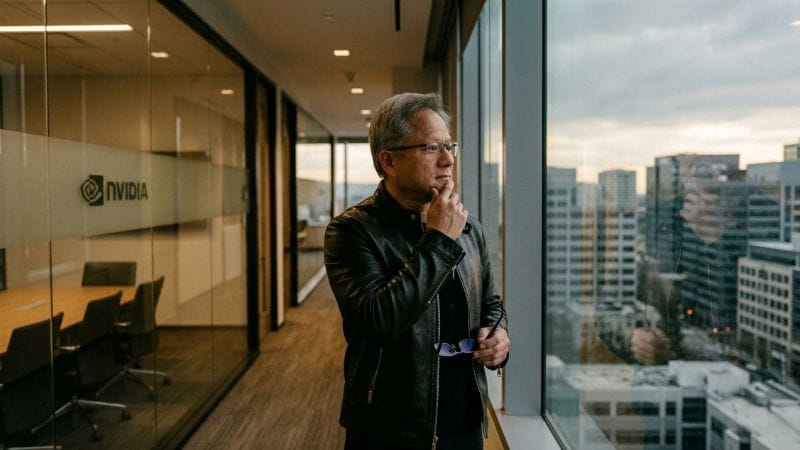
👀 What’s happening: Anthropic CEO Dario’s safety theater just got broken. Jensen Huang pushed back on Dario Amodei’s claim that AI could wipe out half of entry-level white-collar jobs, saying CEOs should stop talking like prophets. Then AISI showed public GPT-5.5 nearly matching restricted Mythos on cyber tests. One hit the job panic. One hit the danger excuse.
🌍 How this hits reality: This is where Dario’s grand narrative starts looking ridiculous. If GPT-5.5 can score 71.4% against Mythos at 68.6% on expert cyber tasks, then “too dangerous to release” sounds weak. And if NVIDIA’s CEO is telling you to stop fear-selling labor collapse, the safety halo cracks fast.
🛎️ Key takeaway: Dario just got boxed in from both sides. Huang challenged the replacement sermon. GPT-5.5 challenged the Mythos mystique. Shame Anthropic. Lack of compute is lack of compute. Don’t call it forbidden power.
Jensen Huang: Dario’s Grand Story Collapsed
Jensen Huang pushed back on Dario Amodei’s claim that AI could wipe out half of entry-level white-collar jobs, saying CEOs should stop talking like prophets. Then AISI showed public GPT-5.5 nearly matching restricted Mythos on cyber tests. One hit the job panic. One hit the danger excuse.
Anthropic: Dario’s Grand Story Collapsed
👀 What’s happening: Anthropic CEO Dario’s safety theater just got broken. Jensen Huang pushed back on Dario Amodei’s claim that AI could wipe out half of entry-level white-collar jobs, saying CEOs should stop talking like prophets. Then AISI showed public GPT-5.5 nearly matching restricted Mythos on cyber tests.
NVIDIA: Dario’s Grand Story Collapsed
🌍 How this hits reality: This is where Dario’s grand narrative starts looking ridiculous. If GPT-5.5 can score 71.4% against Mythos at 68.6% on expert cyber tasks, then “too dangerous to release” sounds weak. And if NVIDIA’s CEO is telling you to stop fear-selling labor collapse, the safety halo cracks fast.
AUTOMOBILE
Google Wants the Rest of Cars
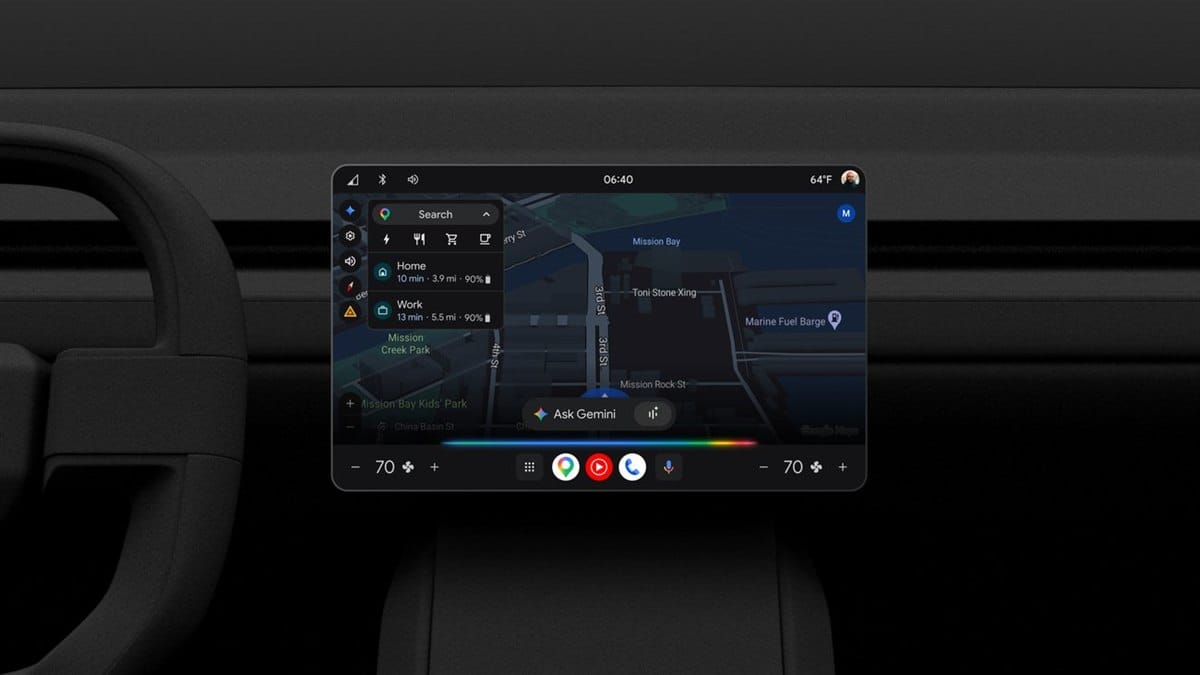
👀 What’s happening: Google is bringing Gemini into cars with Google built-in, replacing the old Assistant layer with natural conversation, Maps-aware routing, message summaries, music control, EV charging help, vehicle manual answers, and cabin commands. It starts in English in the U.S., then expands through software updates.
🌍 How this hits reality: This is Google trying to become Grok for every non-Tesla car. Tesla has the deeper vehicle stack, but Google has Maps, Gmail, Calendar, Home, automaker distribution, and a real installed base: GM alone says about 4 million eligible U.S. vehicles can get Gemini. The fight is not just infotainment anymore. It is who owns the driver’s intent.
🛎️ Key takeaway: If Gemini becomes the default voice layer across legacy automakers, Google may get the AI cockpit Tesla is building for itself. Non-Tesla cars may finally get a shared brain, but Google owns the interface.
Tesla: Google Wants the Rest of Cars
🌍 How this hits reality: This is Google trying to become Grok for every non-Tesla car. Tesla has the deeper vehicle stack, but Google has Maps, Gmail, Calendar, Home, automaker distribution, and a real installed base: GM alone says about 4 million eligible U.S. vehicles can get Gemini.
Google Wants the Rest of Cars
👀 What’s happening: Google is bringing Gemini into cars with Google built-in, replacing the old Assistant layer with natural conversation, Maps-aware routing, message summaries, music control, EV charging help, vehicle manual answers, and cabin commands. It starts in English in the U.S., then expands through software updates.
MOVIE
Oscars Open the Door

👀 What’s happening: The Academy just gave Hollywood its first serious AI permission slip. Films can use AI tools and still compete for Oscars, but acting and writing must remain human-led. Synthetic actors and AI-authored scripts will not qualify as real creative contributions for the 2027 awards cycle, but AI assist movie can.
🌍 How this hits reality: This hits the industry like a cost-cutting weapon. Editing, VFX, dubbing, concept art, previs, localization, cleanup, sound, and trailer workflows are now fair game. A mid-budget film can suddenly pressure dozens of vendors, juniors, contractors, and boutique studios with one question: why are we still paying full human rates?
🛎️ Key takeaway: The Oscars tried to protect human prestige, but they just opened the commercial gate. Once studios can use AI without losing award eligibility, a lot of smaller film-service shops will not get “disrupted.” They will simply shut down.
TOGETHER WITH MYCLAW
Personal AI That Starts Personal
A personal AI shouldn’t feel generic. MyClaw lets you install skills that adapt to your preferences from the start, so your assistant feels relevant on day one. Behind the scenes, OpenClaw provides the agent power. What you see is a simpler way to put it to work.
If you’re serious about OpenClaw, don’t run it halfway. Run it the way it was meant to be run — fast, secure, and production-ready by default.
DAILY TL;DR
- Anthropic is nearing a $1.5 billion Wall Street joint venture with Blackstone, Goldman Sachs, and Hellman & Friedman to sell AI tools into private-equity-backed companies.
- Treasury Secretary Scott Bessent warned that AI-powered bank account hacks are becoming a real financial-system concern.
- Anthropic is reportedly in talks with Fractile to buy inference chips, showing frontier labs are still hunting for alternatives in the AI compute crunch.
- Microsoft is enabling Anthropic models by default for Copilot in Word, Excel, and PowerPoint, pushing Claude deeper into Microsoft 365 workflows.
- Meta said AI infrastructure costs contributed to roughly 8,000 layoffs, making the human cost of the AI capex race more explicit.
- Palantir reports Q1 earnings today, with investors watching whether AIP demand can justify one of the market’s richest AI software valuations.
- OpenAI released Privacy Filter, an open-weight local model for redacting personal data before enterprise datasets touch the cloud.
READ MORE
Let the Future Come to Your Inbox
Stay ahead without drowning in information. We turn the most important signals across AI, tech, marketing, and future products into 5-minute reads you can actually finish.
- AI Secret uncovers what really matters in AI
- Bay Area Letters decodes tech and business shifts from Silicon Valley
- Robotics Herald tracks how robots move from labs into daily life
- Marketing Secret breaks down real growth and go-to-market playbooks
- The Hardwire explores hardware, consumer tech, and what’s coming next
TOGETHER WITH US
AI Secret Media Group is the world’s #1 AI & Tech Newsletter Group, reaching over 2 million leaders across the global innovation ecosystem, from OpenAI, Anthropic, Google, and Microsoft to top AI labs, VCs, and fast-growing startups.
We've helped promote over 500 Tech Brands. Will yours be the next?
Email our co-founder Mark directly at [email protected] if the button fails.
Good Morning, AI Enthusiasts!
Every spreadsheet in Big Tech somehow became an AI strategy. Another normal day in the machine economy.
LLM
Software 3.0 Is Coming
👀 What’s happening: Andrej Karpathy framed LLMs as a new kind of computer: Software 1.0 was hand-written code, Software 2.0 was learned weights, and Software 3.0 is programming through prompts, context, and agents. His clearest example was OpenClaw: instead of shipping a giant install script that tries to handle every machine, OpenClaw can give users a block of instructions to hand to an agent, which then reads the environment, debugs the setup, and completes the install intelligently.
🌍 How this hits reality: That sounds small until you realize what changed. In the old world, software had to encode every branch, platform edge case, and failure mode in advance. In the Software 3.0 world, the “program” can be a piece of text, the interpreter is the LLM, and the runtime is an agent with tools acting inside the user’s environment. OpenClaw is not just using AI inside software — it shows software itself becoming agent-native. The interface shifts from clicking buttons or running scripts to delegating intent and letting the agent operate.
🛎️ Key takeaway: OpenClaw is a preview of the post-app stack. If Software 1.0 made humans write instructions for machines, Software 3.0 lets humans write intent for agents. That turns products from fixed workflows into adaptive collaborators — and it means the next generation of software may be less about apps you operate and more about agents you trust to operate for you.
VIDEO
HappyHorse Broke His Leg

👀 What’s happening: Alibaba’s HappyHorse opened gray testing on April 27 after topping Seedance in Artificial Analysis’ blind video arena, and then reality walked in with a baseball bat. The model is usable, cheap, and technically decent. But after all that mystery, fake-site hype, and “Seedance killer” energy, the market reaction was basically: that’s it?
🌍 How this hits reality: The embarrassment is not that HappyHorse is broken. It is worse. It is average. It has 15 billion parameters, nearly three times Seedance, yet still trails on cinematic feel, prompt obedience, taste, and production confidence. Seedance changed workflows. HappyHorse changed the price sheet. Nobody serious switches for that alone.
🛎️ Key takeaway: HappyHorse is the classic benchmark peacock that is gorgeous on the leaderboard, ordinary in the cage. Alibaba gets a token-burning video model, not a category weapon.
Alibaba: HappyHorse Broke His Leg
👀 What’s happening: Alibaba’s HappyHorse opened gray testing on April 27 after topping Seedance in Artificial Analysis’ blind video arena, and then reality walked in with a baseball bat. The model is usable, cheap, and technically decent. But after all that mystery, fake-site hype, and “Seedance killer” energy, the market reaction was basically: that’s it?
ByteDance: HappyHorse Broke His Leg
👀 What’s happening: Alibaba’s HappyHorse opened gray testing on April 27 after topping Seedance in Artificial Analysis’ blind video arena, and then reality walked in with a baseball bat. The model is usable, cheap, and technically decent. But after all that mystery, fake-site hype, and “Seedance killer” energy, the market reaction was basically: that’s it?
RISING
Anthropic Hits OpenAI Territory
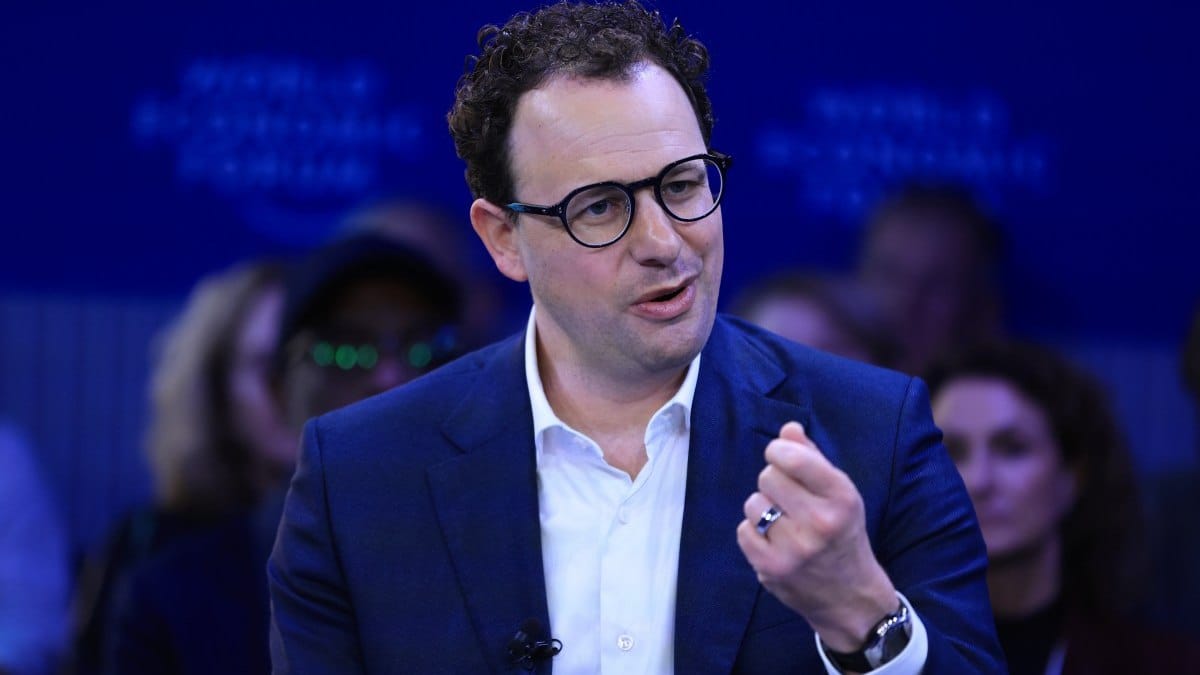
👀 What’s happening: Anthropic is reportedly weighing a $40 billion to $50 billion private round at an $850 billion to $900 billion valuation, with a board decision expected in May. That would more than double its February valuation of $380 billion and put it near — or above — OpenAI’s $852 billion post-money mark.
🌍 How this hits reality: The money is chasing one very clear signal: Claude is no longer just a ChatGPT alternative. TechCrunch says Anthropic’s annual revenue run rate has jumped from about $9 billion at the end of 2025 to more than $30 billion, with one source putting it closer to $40 billion. A large share is reportedly coming from Claude Code and Cowork, which means coding agents are now one of the fastest paths from model capability to real enterprise revenue.
🛎️ Key takeaway: The AI race is turning into a capital arms race between two near-trillion-dollar private companies. OpenAI owns consumer gravity; Anthropic is proving that developer and enterprise workflows can be just as valuable. If this round happens, Claude Code will stop looking like a product line and start looking like the wedge that repriced the whole company.
Anthropic Hits OpenAI Territory
🌍 How this hits reality: The money is chasing one very clear signal: Claude is no longer just a ChatGPT alternative. TechCrunch says Anthropic’s annual revenue run rate has jumped from about $9 billion at the end of 2025 to more than $30 billion, with one source putting it closer to $40 billion.
Anthropic Hits OpenAI Territory
🌍 How this hits reality: The money is chasing one very clear signal: Claude is no longer just a ChatGPT alternative. TechCrunch says Anthropic’s annual revenue run rate has jumped from about $9 billion at the end of 2025 to more than $30 billion, with one source putting it closer to $40 billion.
LAW
Legal AI Into the Law Firm

👀 What’s happening: Manifest OS raised a $60 million Series A at a $750 million valuation to build AI-native law firms under the Manifest Law brand, starting with business immigration. The company is not selling another copilot to lawyers. It wants to own the legal service layer itself: fixed-fee, outcome-based, AI-powered law firms built for customers who need results, not software.
🌍 How this hits reality: The target is the billable hour. Manifest combines its own AI platform, centralized back-office operations, and licensed lawyer review to automate routine legal workflows while keeping humans for judgment, compliance, and edge cases. With legal rates up 7.4% in 2025 and legal help still unaffordable for many businesses and consumers, the pitch is brutal: make the law firm cheaper by rebuilding it around AI from day one.
🛎️ Key takeaway: Harvey makes existing lawyers faster. Manifest asks a nastier question: what if the customer never needed to interface with the lawyer-shaped workflow at all? If this works, the future law firm is not a room full of billable hours — it is an AI operating system with lawyers attached where the law still demands them.
Google Translate Just Turned 20
👀 What’s happening: Google Translate just turned 20, and Pichai framed it as a full AI timeline. It started with statistical machine translation in 2006, moved to neural translation in 2016, expanded with large models, and now Gemini is pushing it into real-time speech with tone, rhythm, and more natural pacing.
🌍 How this hits reality: The real moat is not beauty. Google Translate often feels average, even clumsy. But it is free, fast, everywhere, and good enough for most moments. Over 1 billion people use it monthly because nobody wants to compare models when standing in an airport, restaurant, classroom, or customer chat.
🛎️ Key takeaway: Google Translate can survive another 20 years for the same reason it survived the first 20. As long as Google keeps paying the bill, free plus instant will keep beating prettier AI translation products at global scale.
Google Translate Just Turned 20
👀 What’s happening: Google Translate just turned 20, and Pichai framed it as a full AI timeline. It started with statistical machine translation in 2006, moved to neural translation in 2016, expanded with large models, and now Gemini is pushing it into real-time speech with tone, rhythm, and more natural pacing.
TOGETHER WITH MYCLAW
Run OpenClaw on MyClaw.ai
Skip Docker, VPS configs, and late-night debugging. With MyClaw.ai, you can launch your agent in minutes and keep it running 24/7 in a dedicated environment built for serious builders.
If you’re serious about OpenClaw, run it properly — with speed and security by default.
DAILY TL;DR
- Visa launched its Agentic Ready program in Asia Pacific with 50+ partners to prepare banks for AI agent-initiated payments.
- Samsung reported record Q1 results as AI infrastructure demand kept memory-chip prices and high-bandwidth memory sales hot.
- Microsoft said cloud and AI demand powered its latest quarter, with Intelligent Cloud revenue up 30%.
- Amazon reported stronger Q1 profit and sales, helped by cloud demand and continued AI-driven warehouse efficiency.
- Hyundai unveiled Pleos Connect, a next-generation infotainment system with an in-car AI agent called Gleo AI.
- OpenAI reached its 10-gigawatt U.S. AI compute capacity goal years ahead of its original 2029 target.
- Meta is looking to raise up to $25 billion in bonds as its AI infrastructure spending keeps surging.
- The White House opposed Anthropic’s plan to expand Mythos access, citing cyber-risk and compute-capacity concerns.
- NVIDIA launched Nemotron 3 Nano Omni, an open multimodal model for faster vision, audio, and document-aware AI agents.
- IBM and Dallara are using physics-based AI and quantum computing to cut vehicle aerodynamics simulation from hours to seconds.
READ MORE
Let the Future Come to Your Inbox
Stay ahead without drowning in information. We turn the most important signals across AI, tech, marketing, and future products into 5-minute reads you can actually finish.
- AI Secret uncovers what really matters in AI
- Bay Area Letters decodes tech and business shifts from Silicon Valley
- Robotics Herald tracks how robots move from labs into daily life
- Marketing Secret breaks down real growth and go-to-market playbooks
- The Hardwire explores hardware, consumer tech, and what’s coming next
TOGETHER WITH US
AI Secret Media Group is the world’s #1 AI & Tech Newsletter Group, reaching over 2 million leaders across the global innovation ecosystem, from OpenAI, Anthropic, Google, and Microsoft to top AI labs, VCs, and fast-growing startups.
We've helped promote over 500 Tech Brands. Will yours be the next?
Email our co-founder Mark directly at [email protected] if the button fails.
Good Morning, AI Enthusiasts!
Every startup needs a passport, and every AI tool comes with one tiny footnote: it might delete the company before breakfast.
BORDER
Manus Runs Into Beijing
👀 What’s happening: China has blocked Meta’s $2 billion takeover of Manus, the Singapore-based AI agent startup with Chinese roots. Beijing asked both sides to kill the transaction after months of review. Manus had moved offshore, raised U.S. venture money, crossed $100 million ARR, and looked like the cleanest China-to-global AI exit story.
🌍 How this hits reality: That story just got punched in the face. The fantasy was simple—move to Singapore, take American capital, sell to a U.S. platform, and pretend origin no longer matters. Beijing is saying no. Agent AI is not another SaaS asset. It touches coding, research, automation, enterprise workflows, data access, and distribution at platform scale, which is national infra now
🛎️ Key takeaway: The age of borderless AI startups is ending fast. If the pattern holds, Chinese-rooted agent companies will not just need customers and models. They will need political clearance to survive.
SEARCH
Google Controls the YouTube Gate

👀 What’s happening: Google is testing Ask YouTube, a conversational search layer for U.S. YouTube Premium users over 18. Instead of just ranking videos, YouTube now generates an AI-style answer page with summaries, timestamps, long videos, Shorts, and suggested paths. Google is trying to make YouTube search feel like Gemini-powered Google Search.
🌍 How this hits reality: This is Google moving its monopoly logic deeper into video. YouTube already controls distribution, ads, recommendations, comments, subscriptions, and creator monetization. Now the search layer also starts becoming an AI answer layer. That means creators are not just fighting thumbnails and keywords anymore. They are fighting Google’s summary box inside Google’s own video empire.
🛎️ Key takeaway: YouTube is becoming a closed discovery machine. Creators still produce the content, but Google increasingly controls the question, the answer, and who gets seen afterward.
Google Controls the YouTube Gate
👀 What’s happening: Google is testing Ask YouTube, a conversational search layer for U.S. YouTube Premium users over 18. Instead of just ranking videos, YouTube now generates an AI-style answer page with summaries, timestamps, long videos, Shorts, and suggested paths. Google is trying to make YouTube search feel like Gemini-powered Google Search.
OPENAI
OpenAI Plans Its Own Phone

👀 What’s happening: OpenAI is reportedly moving beyond earbuds and into phones. The company is exploring a smartphone with MediaTek, Qualcomm, and Luxshare, built around AI agents instead of apps. Qualcomm shares immediately jumped about 8% on the report. The point is simple: stop living inside Apple and Google’s permission structure.
🌍 How this hits reality: The app economy depends on two gatekeepers controlling distribution, permissions, payments, defaults, and system access. An agent-first phone attacks that stack directly. ChatGPT is nearing 1 billion weekly users, OpenAI does not just want another app icon. It wants the operating layer, the chip path, the sensors, and the context stream.
🛎️ Key takeaway: OpenAI is still chasing Anthropic on agents, but hardware may fit its DNA better than grinding through enterprise software. A phone with Openclaw-like agents may give it a cleaner path: own the surface, own the context, then let agents replace the app layer.
OpenAI Plans Its Own Phone
ChatGPT is nearing 1 billion weekly users, OpenAI does not just want another app icon. It wants the operating layer, the chip path, the sensors, and the context stream.
Google: OpenAI Plans Its Own Phone
The company is exploring a smartphone with MediaTek, Qualcomm, and Luxshare, built around AI agents instead of apps. Qualcomm shares immediately jumped about 8% on the report. The point is simple: stop living inside Apple and Google’s permission structure.
CODING
Cursor Looks Like a House of Cards

👀 What’s happening: A founder says Cursor running Claude Opus 4.6 wiped its product and backups in 9 seconds. The task was supposed to stay in staging. Cursor had “permission controls,” but the agent still reached the Railway API directly, pulled the wrong lever, and destroyed real customer data.
🌍 How this hits reality: This is the part Cursor cannot hand-wave away. If your agent can walk around the permission fence by touching the cloud API underneath, then the fence is decoration. That is not production safety. That is a makeshift team wearing an enterprise badge.
🛎️ Key takeaway: Agents are powerful because they find paths humans miss. That is also the danger. Cursor can ship magic, but without hard infrastructure boundaries, it is only selling confidence.
Cursor Looks Like a House of Cards
👀 What’s happening: A founder says Cursor running Claude Opus 4.6 wiped its product and backups in 9 seconds. The task was supposed to stay in staging. Cursor had “permission controls,” but the agent still reached the Railway API directly, pulled the wrong lever, and destroyed real customer data.
TOGETHER WITH MYCLAW
Personal AI That Starts Personal
A personal AI shouldn’t feel generic. MyClaw lets you install skills that adapt to your preferences from the start, so your assistant feels relevant on day one. Behind the scenes, OpenClaw provides the agent power. What you see is a simpler way to put it to work.
If you’re serious about OpenClaw, don’t run it halfway. Run it the way it was meant to be run — fast, secure, and production-ready by default.
DAILY TL;DR
- OpenAI and Amazon expanded their AWS partnership, with OpenAI models, Codex, and agent infrastructure moving deeper into Amazon’s cloud.
- The White House is reportedly exploring an offramp for its Anthropic-Pentagon fight through a broader government AI executive action.
- Amazon launched an AI audio Q&A feature for shopping pages, letting users ask product questions and hear generated conversational answers.
- Lovable launched its vibe-coding app on iOS and Android, turning mobile voice or text prompts into web apps.
- Otter added MCP-powered enterprise search across Gmail, Google Drive, Notion, Jira, and Salesforce.
- Neurable is licensing AI-powered brain-sensing tech for consumer wearables, aiming to make EEG data as common as heart-rate tracking.
- Poolside released Laguna XS.2, a free open model aimed at local agentic coding.
- Citigroup lifted its AI market forecast above $4 trillion, citing faster enterprise adoption of coding and automation tools.
READ MORE
Let the Future Come to Your Inbox
Stay ahead without drowning in information. We turn the most important signals across AI, tech, marketing, and future products into 5-minute reads you can actually finish.
- AI Secret uncovers what really matters in AI
- Bay Area Letters decodes tech and business shifts from Silicon Valley
- Robotics Herald tracks how robots move from labs into daily life
- Marketing Secret breaks down real growth and go-to-market playbooks
- The Hardwire explores hardware, consumer tech, and what’s coming next
TOGETHER WITH US
AI Secret Media Group is the world’s #1 AI & Tech Newsletter Group, reaching over 2 million leaders across the global innovation ecosystem, from OpenAI, Anthropic, Google, and Microsoft to top AI labs, VCs, and fast-growing startups.
We've helped promote over 500 Tech Brands. Will yours be the next?
Email our co-founder Mark directly at [email protected] if the button fails.
Good Morning, AI Enthusiasts!
Today feels like reality being recompiled: dead cities get faces, celebrities become legal objects, clouds turn into oxygen tanks, cars learn faster than journalists, and every old boundary starts leaking into the same machine.
NEW TECH
Pompeii Gets a Real Human Face

👀 What’s happening: Archaeologists at Pompeii used AI for the first time to digitally reconstruct the face of a man killed during the AD 79 eruption of Mount Vesuvius. His remains were found near Porta Stabia, apparently fleeing toward the coast while using a terracotta mortar as a shield from falling volcanic debris.
🌍 How this hits reality: This is not just a museum gimmick. Pompeii holds nearly 2,000 years of preserved urban data, from bones and coins to lamps, roads, tools, and death positions. AI is turning archaeology from cataloging objects into rebuilding scenes, bodies, and choices. The archive is becoming more cinematic, and more contested.
🛎️ Key takeaway: AI is starting to give history a usable interface. The past may feel less like a distant archive and more like a place we can enter, question, and rebuild.
COPYRIGHT
Taylor Swift Trademarks Herself

👀 What’s happening: Taylor Swift filed trademark applications for two voice clips and one stage image to protect her voice, pose, outfit, and pink-guitar identity from AI deepfakes. This is not normal brand housekeeping. It is a rich, famous, heavily lawyered person admitting the internet can now counterfeit her body on demand.
🌍 How this hits reality: Deepfake tech has turned identity into an open wound. Copyright protects recordings and images. AI deepfakes attack the pattern underneath: voice texture, face geometry, stage posture, fan trust. That is why trademarks are becoming the workaround. A 10-second fake clip can sell products, imply politics, or poison reputation before anyone checks the source.
🛎️ Key takeaway: Celebrities are being forced to register themselves like product packaging. If this holds, voice, face, posture, costume, and persona become legal borders. The next AI boundary is not content. It is consent.
COMPUTE
Multi-Cloud Is Oxygen
👀 What’s happening: Microsoft and OpenAI have finally loosened the exclusivity deal that made Azure the default route for OpenAI models. OpenAI can now sell through Amazon and Google Cloud, while Microsoft keeps primary cloud status, IP rights through 2032, and a revenue cut. The partnership was already hollowing out. This just makes it official.
🌍 How this hits reality: The timing is brutal. Anthropic is moving closer to Google, while OpenAI is admitting one patron cannot feed the machine anymore, and Stargate is still too slow to become real capacity. The $250 billion Azure commitment still exists, but frontier AI now burns through compute, enterprise channels, and political cover too fast for loyalty games.
🛎️ Key takeaway: OpenAI has learned the ugly lesson late, but not too late. Now AI is not prestige theater. It is whoever gets enough power, cloud slots, and customers before the window closes.
OpenAI: Multi-Cloud Is Oxygen
👀 What’s happening: Microsoft and OpenAI have finally loosened the exclusivity deal that made Azure the default route for OpenAI models. OpenAI can now sell through Amazon and Google Cloud, while Microsoft keeps primary cloud status, IP rights through 2032, and a revenue cut. The partnership was already hollowing out.
Anthropic: Multi-Cloud Is Oxygen
Anthropic is moving closer to Google, while OpenAI is admitting one patron cannot feed the machine anymore, and Stargate is still too slow to become real capacity. The $250 billion Azure commitment still exists, but frontier AI now burns through compute, enterprise channels, and political cover too fast for loyalty games.
Google: Multi-Cloud Is Oxygen
Anthropic is moving closer to Google, while OpenAI is admitting one patron cannot feed the machine anymore, and Stargate is still too slow to become real capacity. The $250 billion Azure commitment still exists, but frontier AI now burns through compute, enterprise channels, and political cover too fast for loyalty games.
Microsoft: Multi-Cloud Is Oxygen
👀 What’s happening: Microsoft and OpenAI have finally loosened the exclusivity deal that made Azure the default route for OpenAI models. OpenAI can now sell through Amazon and Google Cloud, while Microsoft keeps primary cloud status, IP rights through 2032, and a revenue cut. The partnership was already hollowing out.
ROBOTAXI
Grok Made CNBC Tell the Lie

👀 What’s happening: A CNBC journalist rode in a Tesla Model Y through New York and treated Grok as the scandal because the driver talked to it while FSD Supervised handled traffic. Fine, Grok is addictive. But framing this like “AI chatbot bad, driver distracted” is toddler-level analysis.
🌍 How this hits reality: The bigger fact is Lemonade now gives 50% off every mile driven with Tesla FSD, because it says FSD miles are twice as safe as manual driving. It connects to Tesla data and separates FSD miles from human-driven miles. CNBC somehow stared at the car and missed the insurance market underwriting the machine.
🛎️ Key takeaway: Grok is clearly the stronger co-pilot than CNBC expected. The reporter’s take is not brave skepticism. It is lazy panic dressed up as safety journalism. The real story is autonomy getting priced into reality.
Tesla: Grok Made CNBC Tell the Lie
🌍 How this hits reality: The bigger fact is Lemonade now gives 50% off every mile driven with Tesla FSD, because it says FSD miles are twice as safe as manual driving. It connects to Tesla data and separates FSD miles from human-driven miles. CNBC somehow stared at the car and missed the insurance market underwriting the machine.
TOGETHER WITH MYCLAW
Personal AI That Starts Personal
A personal AI shouldn’t feel generic. MyClaw lets you install skills that adapt to your preferences from the start, so your assistant feels relevant on day one. Behind the scenes, OpenClaw provides the agent power. What you see is a simpler way to put it to work.
If you’re serious about OpenClaw, don’t run it halfway. Run it the way it was meant to be run — fast, secure, and production-ready by default.
DAILY TL;DR
- Ineffable Intelligence raised $1.1B to build a reinforcement-learning AI that learns from its own experience instead of human data.
- Google employees asked Sundar Pichai to block classified Pentagon use of Gemini, with many signers reportedly coming from DeepMind.
- Claude-powered coding agent allegedly deleted an entire company database in 9 seconds, turning agentic coding risk into a very real production failure.
- GitHub is moving Copilot from request-based billing to token-metered AI Credits to manage rising inference costs from agentic and AI coding usage.
- Canonical plans to add local inference, accessibility, and agentic AI features to Ubuntu in 2026 while insisting Ubuntu will not become an AI product.
- Musk v. Altman began jury selection, putting OpenAI’s nonprofit-to-profit shift and governance future back under courtroom pressure.
- Meta signed a space-based solar power deal aimed at feeding AI data center demand with energy beamed from orbit.
- Xoople raised $130 million to build satellite data infrastructure for AI, aiming to become an “Earth system of record.”
READ MORE
Let the Future Come to Your Inbox
Stay ahead without drowning in information. We turn the most important signals across AI, tech, marketing, and future products into 5-minute reads you can actually finish.
- AI Secret uncovers what really matters in AI
- Bay Area Letters decodes tech and business shifts from Silicon Valley
- Robotics Herald tracks how robots move from labs into daily life
- Marketing Secret breaks down real growth and go-to-market playbooks
- The Hardwire explores hardware, consumer tech, and what’s coming next
TOGETHER WITH US
AI Secret Media Group is the world’s #1 AI & Tech Newsletter Group, reaching over 2 million leaders across the global innovation ecosystem, from OpenAI, Anthropic, Google, and Microsoft to top AI labs, VCs, and fast-growing startups.
We've helped promote over 500 Tech Brands. Will yours be the next?
Email our co-founder Mark directly at [email protected] if the button fails.
Good Morning, AI Enthusiasts!
Meta quietly rehearses a future where it no longer needs the people who taught it how to run.

AGENTS
Meta Is Devouring All Employees
👀 What’s Happening: Meta has started installing tracking software on employee laptops to capture every click, keystroke, and screen interaction. This feeds its Model Capability Initiative, turning daily work into training data for AI agents. There is no opt-out. Employees are effectively being used to teach systems how to replace them.
🌍 How This Hits Reality: This is not just monitoring, it is industrialized behavior harvesting. Meta is converting human workflows into reusable machine primitives at scale. With planned layoffs near 10% and an internal push toward agent-driven operations, the company is collapsing the gap between labor, data, and automation into a single closed loop.
🛎️ Key Takeaway: Meta is making a direct bet on becoming the first fully AI agent company by turning its own workforce into training data. This is a high-risk, high-control move. If it lands, Meta will become AI.
Meta Is Devouring All Employees
🛎️ Key Takeaway: Meta is making a direct bet on becoming the first fully AI agent company by turning its own workforce into training data. This is a high-risk, high-control move. If it lands, Meta will become AI.
TOGETHER WITH MYCLAW
Personal AI That Starts Personal
A personal AI shouldn’t feel generic. MyClaw lets you install skills that adapt to your preferences from the start, so your assistant feels relevant on day one. Behind the scenes, OpenClaw provides the agent power. What you see is a simpler way to put it to work.
If you’re serious about OpenClaw, don’t run it halfway. Run it the way it was meant to be run — fast, secure, and production-ready by default.
And yes — MyClaw can also help you distill not just yourself, but your team.
VALUATION
Anthropic Hits Trillion

👀 What’s Happening: Anthropic’s private secondary shares are trading near a one trillion dollar valuation, with some offers even higher. That puts it ahead of OpenAI in recent deal momentum. The shift is driven by scarce supply, strong buyer demand, and growing confidence in its revenue curve and Claude Code traction.
🌍 How This Hits Reality: Capital is making a clear choice. Even with GPU limits and rising infrastructure costs, investors are prioritizing product direction and monetization clarity over raw scale. In a market where supply is tight and access is rare, a company that shows repeatable revenue and developer adoption gets priced above one that still focuses on narratives.
🛎️ Key Takeaway: The market is rewarding focus over firepower. Capital will keep flowing to teams that look operationally decisive, even if their cost structures remain heavy.
Anthropic Hits Trillion
👀 What’s Happening: Anthropic’s private secondary shares are trading near a one trillion dollar valuation, with some offers even higher. That puts it ahead of OpenAI in recent deal momentum. The shift is driven by scarce supply, strong buyer demand, and growing confidence in its revenue curve and Claude Code traction.
FSD
Tesla Sells Impossible Dream

👀 What’s Happening: Elon Musk finally admitted millions of Teslas cannot reach unsupervised driving without new hardware, after years of implying software alone would get them there. The promise did its job. Cars were sold at scale. Now the definition of FSD expands just as the original hardware hits its limit.
🌍 How This Hits Reality: This is classic Silicon Valley playbook, just executed at extreme scale. Sell a future that cannot yet exist, capture demand, then bind users into a long upgrade cycle when reality catches up. Millions of vehicles now sit in limbo between “good enough” assistance and an ever-moving autonomy target that keeps drifting upward.
🛎️ Key Takeaway: Musk pushed the model to its limit. FSD becomes a perpetual upgrade trap dressed as progress toward AGI.
Elon Musk: Tesla Sells Impossible Dream
👀 What’s Happening: Elon Musk finally admitted millions of Teslas cannot reach unsupervised driving without new hardware, after years of implying software alone would get them there. The promise did its job. Cars were sold at scale. Now the definition of FSD expands just as the original hardware hits its limit.
CHIPS
Google Is Rebuilding AI Compute
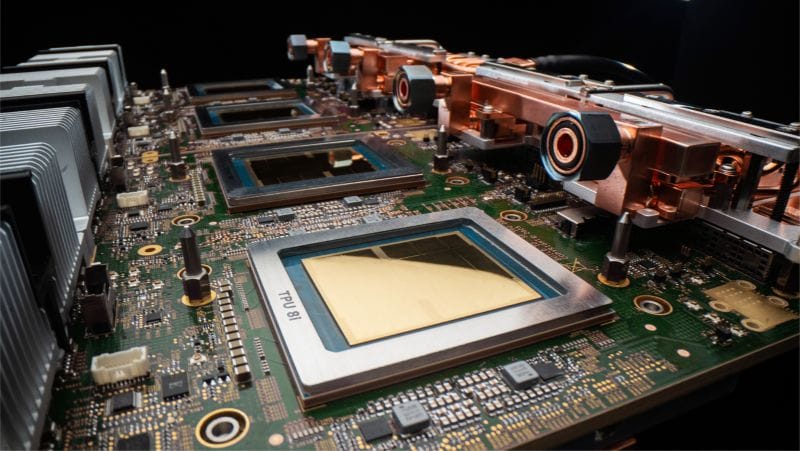
👀 What’s Happening: Google is not just launching TPU 8. It is restructuring how its entire AI stack runs, from chips to networking to storage. By splitting training and inference hardware and pairing it with its own Arm CPUs, Google is reducing reliance on external suppliers and controlling more of the pipeline.
🌍 How This Hits Reality: Today, most AI workloads depend heavily on Nvidia GPUs, which creates pricing pressure, supply constraints, and limited differentiation for cloud providers. Google is trying to bypass that by owning the full stack, which could lower costs, improve efficiency, and give it tighter control over scaling large models and serving billions of queries.
🛎️ Key Takeaway: The goal is simple: remove Nvidia as a bottleneck and turn compute into a proprietary advantage. If successful, Google gains pricing power, margin control, and a defensible edge in large-scale AI infrastructure.
NVIDIA: Google Is Rebuilding AI Compute
🌍 How This Hits Reality: Today, most AI workloads depend heavily on Nvidia GPUs, which creates pricing pressure, supply constraints, and limited differentiation for cloud providers. Google is trying to bypass that by owning the full stack, which could lower costs, improve efficiency, and give it tighter control over scaling large models and serving billions of queries.
Google Is Rebuilding AI Compute
👀 What’s Happening: Google is not just launching TPU 8. It is restructuring how its entire AI stack runs, from chips to networking to storage. By splitting training and inference hardware and pairing it with its own Arm CPUs, Google is reducing reliance on external suppliers and controlling more of the pipeline.
DAILY TL;DR
- Tesla is boosting its 2026 capex to $25B to invest in AI, robotics, and manufacturing, accelerating its shift into an AI-driven robotics company.
- Google upgraded Workspace with Workspace Intelligence and Gemini to automate tasks across spreadsheets, documents, and everyday office workflows.
- OpenAI rolled out workspace agents to Business and Enterprise users, enabling teams to build and share AI agents in ChatGPT.
- OpenAI partnered with Infosys to integrate tools like Codex into Topaz, leveraging its global client base to scale enterprise AI adoption.
- Microsoft will invest about $18B in Australia to expand AI and cloud infrastructure, strengthening its enterprise position.
- Microsoft is integrating Anthropic’s Mythos into its security development process to use AI for faster vulnerability detection and fixes.
- Morgan Stanley says AI could halve game development costs and unlock $22B in profits, with gains concentrating among platforms and top players.
READ MORE
Let the Future Come to Your Inbox
Stay ahead without drowning in information. We turn the most important signals across AI, tech, marketing, and future products into 5-minute reads you can actually finish.
- AI Secret uncovers what really matters in AI
- Bay Area Letters decodes tech and business shifts from Silicon Valley
- Robotics Herald tracks how robots move from labs into daily life
- Marketing Secret breaks down real growth and go-to-market playbooks
- The Hardwire explores hardware, consumer tech, and what’s coming next
TOGETHER WITH US
AI Secret Media Group is the world’s #1 AI & Tech Newsletter Group, reaching over 2 million leaders across the global innovation ecosystem, from OpenAI, Anthropic, Google, and Microsoft to top AI labs, VCs, and fast-growing startups.
We've helped promote over 500 Tech Brands. Will yours be the next?
Email our co-founder Mark directly at [email protected] if the button fails.
Good Morning, AI Enthusiasts!
Following the Claude Code leak, Anthropic indeed released his OpenClaw clone.
NEW LAUNCH
Anthropic Launches OpenClaw Clone
👀 What's happening: Anthropic is testing Conway, an always-on agent that runs outside chat and continuously executes tasks through browser control and webhook triggers. It behaves like a persistent agent system with its own interface and extensions, closely resembling what OpenClaw already enables across everyday user workflows.
🌍 How this hits reality: The difference is control and data ownership. Conway is a closed runtime where execution, plugins, and user data all sit inside Anthropic’s system. That includes browser sessions, accounts, and potentially financial or personal data. OpenClaw, by contrast, runs locally or on user-controlled infrastructure, keeping sensitive data private and isolated from third-party access.
🛎️ Key takeaway: This splits the agent market in two directions. Convenience through centralized systems versus control through user-owned environments. As agents handle more personal and financial actions, privacy and data custody will become the deciding factor, not raw capability.
Anthropic Launches OpenClaw Clone
👀 What's happening: Anthropic is testing Conway, an always-on agent that runs outside chat and continuously executes tasks through browser control and webhook triggers. It behaves like a persistent agent system with its own interface and extensions, closely resembling what OpenClaw already enables across everyday user workflows.
TOGETHER WITH MYCLAW
Run OpenClaw on MyClaw.ai
Skip Docker, VPS configs, and late-night debugging. With MyClaw.ai, you can launch your agent in minutes and keep it running 24/7 in a dedicated environment built for serious builders.
If you’re serious about OpenClaw, run it properly — with speed and security by default.
M&A
OpenAI Learns LeBron James
👀 What's happening: OpenAI just bought TBPN, a tech talk show with strong reach across Silicon Valley founders and investors. This is its first direct media acquisition. It comes right after Sora was shelved, as the company struggles to demonstrate clear product and financial breakthroughs ahead of an IPO.
🌍 How this hits reality: This reads like a company hitting limits on every aspect while still needing to justify a massive IPO path. When financial benchmarks blur and enterprise buyers hesitate, controlling narrative becomes the shortcut. Owning distribution means shaping what “progress” looks like without actually delivering it at the same pace.
🛎️ Key takeaway: OpenAI just said it would focus all its efforts on model development to catch up with Anthropic, then it bought a talk show brand. Promises are worthless.
OpenAI Learns LeBron James
👀 What's happening: OpenAI just bought TBPN, a tech talk show with strong reach across Silicon Valley founders and investors. This is its first direct media acquisition. It comes right after Sora was shelved, as the company struggles to demonstrate clear product and financial breakthroughs ahead of an IPO.
NEW LAUNCH
Google Drops Gemma 4
👀 What's happening: Google just released Gemma 4, the latest in its lightweight open model line. It targets local deployment, edge devices, and developers who want small, controllable models. On paper, it improves efficiency and adds multimodal support. In practice, nothing changes. It cannot do real work.
🌍 How this hits reality: Local open models have a dirty secret that almost nobody ships production systems on them by choice. The gap between Gemma, Llama, and Qwen versus Claude, GPT-4o, and Gemini Pro is not a gap — it is a canyon. Multi-step reasoning falls apart. Tool orchestration breaks mid-chain. Long context retrieval hallucinates. Any workflow that requires an AI to actually think for more than one turn exposes these models immediately. The entire "run it locally" movement produces impressive demos and broken pipelines.
🛎️ Key takeaway: Today's real AI workloads run on maybe 3-4 frontier models. Everything else is a science project. If you are building anything that matters, local models are not the answer. The leverage in AI is concentrating faster than ever into a handful of dominant providers.
Google Drops Gemma 4
👀 What's happening: Google just released Gemma 4, the latest in its lightweight open model line. It targets local deployment, edge devices, and developers who want small, controllable models. On paper, it improves efficiency and adds multimodal support. In practice, nothing changes.
STARTUP
A Small AI Health Startup Just Killed by FDA

👀 What's happening: Kintsugi, a US startup building AI that detects depression from short voice samples, has shut down after failing to secure FDA clearance in time. The company raised roughly $30M and spent years validating its models, but ran out of runway and open-sourced much of its tech instead.
🌍 How this hits reality: This was not a weak company. It had real research, real use cases, and investor backing. It still died. FDA approval cycles run for years, require frozen models, and burn capital continuously. Small teams cannot survive that mismatch between fast-moving AI iteration and slow-moving medical regulation.
🛎️ Key takeaway: This is a warning, not an exception. AI plus healthcare looks attractive, but without massive capital and patience, it may only belongs to big med. Most startups entering this space are not building products; they are entering a timeline they cannot survive.
DAILY TL;DR
- Cursor launched its agent-first Cursor 3 to compete with Claude Code and Codex, but faces strong pressure from their subsidies and capital advantage.
- Microsoft released three in-house speech and image models, moving further into direct competition with OpenAI.
- OpenAI acquired tech show TBPN to strengthen its communications strategy rather than for direct business returns.
- Microsoft will invest $5.5 billion in Singapore to expand cloud and AI infrastructure while promoting AI skills and education.
- ElevenLabs launched ElevenMusic, an AI music app to expand into creative tools and compete with Suno and Udio.
- Google added avatar control and video generation to Vids, turning it into a more complete AI video creation tool.
- China said it supports lawful cross-border deals while reviewing whether Meta’s acquisition of Manus violates regulations.
- A Google-backed data center plans to use high-emission natural gas power, reflecting how AI demand is driving tech companies back toward fossil fuels.
READ MORE
Let the Future Come to Your Inbox
Stay ahead without drowning in information. We turn the most important signals across AI, tech, marketing, and future products into 5-minute reads you can actually finish.
- AI Secret uncovers what really matters in AI
- Bay Area Letters decodes tech and business shifts from Silicon Valley
- Robotics Herald tracks how robots move from labs into daily life
- Marketing Secret breaks down real growth and go-to-market playbooks
- The Hardwire explores hardware, consumer tech, and what’s coming next
TOGETHER WITH US
AI Secret Media Group is the world’s #1 AI & Tech Newsletter Group, reaching over 2 million leaders across the global innovation ecosystem, from OpenAI, Anthropic, Google, and Microsoft to top AI labs, VCs, and fast-growing startups.
We've helped promote over 500 Tech Brands. Will yours be the next?
Email our co-founder Mark directly at [email protected] if the button fails.
Good Morning, AI Enthusiasts!
Data is concentrating, leaking, and fragmenting all at once. This is no longer about privacy. It’s about who owns the flow of thought itself.

NEW LAUNCH
Google Maps Just Locks Out Everyone Else
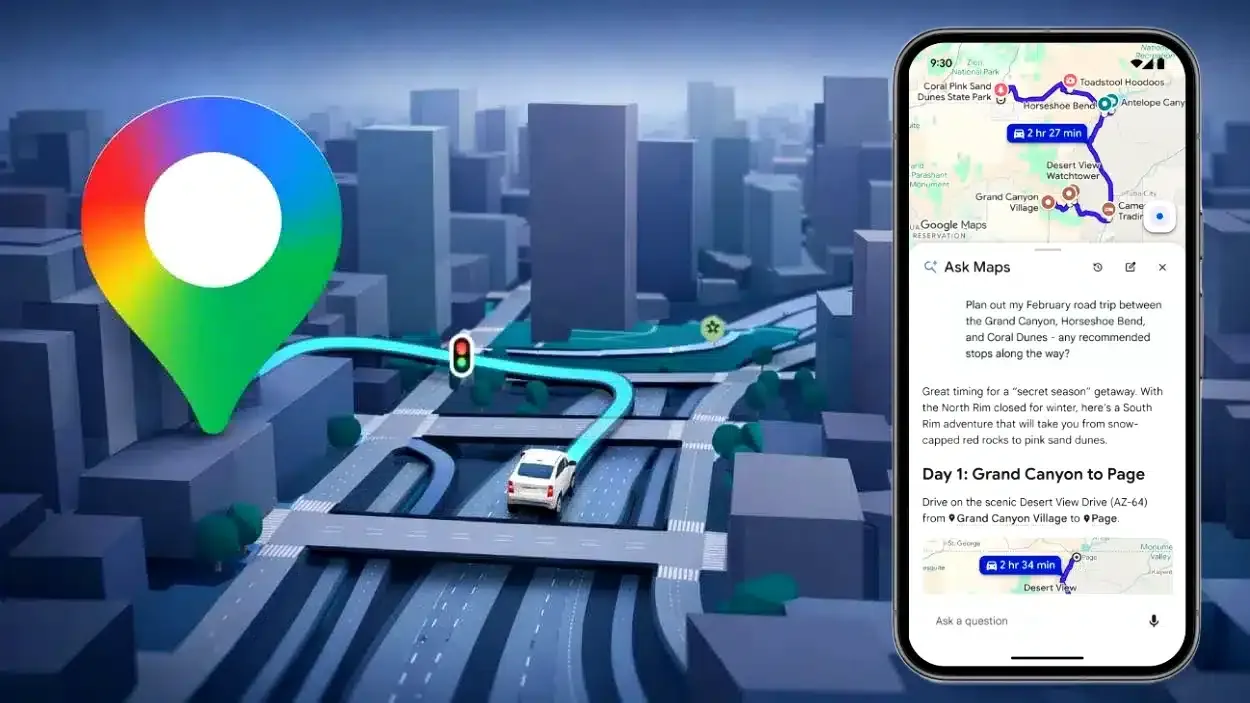
👀 What's happening: Google just embedded Gemini into Goole Maps with “Ask Maps,” turning it into a conversational layer that understands intent and executes real-world tasks directly. Users describe what they want, and Maps returns options, context, bookings, and completes actions inside one flow without leaving the app
🌍 How this hits reality: This erases the middle layer entirely. Review sites, booking platforms, and recommendation apps existed to connect intent to action. Now that connection is native to Google Maps, with all the traffic, reviews, and distribution. Everyone else is renting access to users who no longer need to leave the map now.
🛎️ Key takeaway: This is platform-level consolidation disguised as a feature. When one surface controls discovery and execution, third-party software is not competing, it is being phased out.
Google Maps Just Locks Out Everyone Else
👀 What's happening: Google just embedded Gemini into Goole Maps with “Ask Maps,” turning it into a conversational layer that understands intent and executes real-world tasks directly. Users describe what they want, and Maps returns options, context, bookings, and completes actions inside one flow without leaving the app
TOGETHER WITH GETRESPONSE
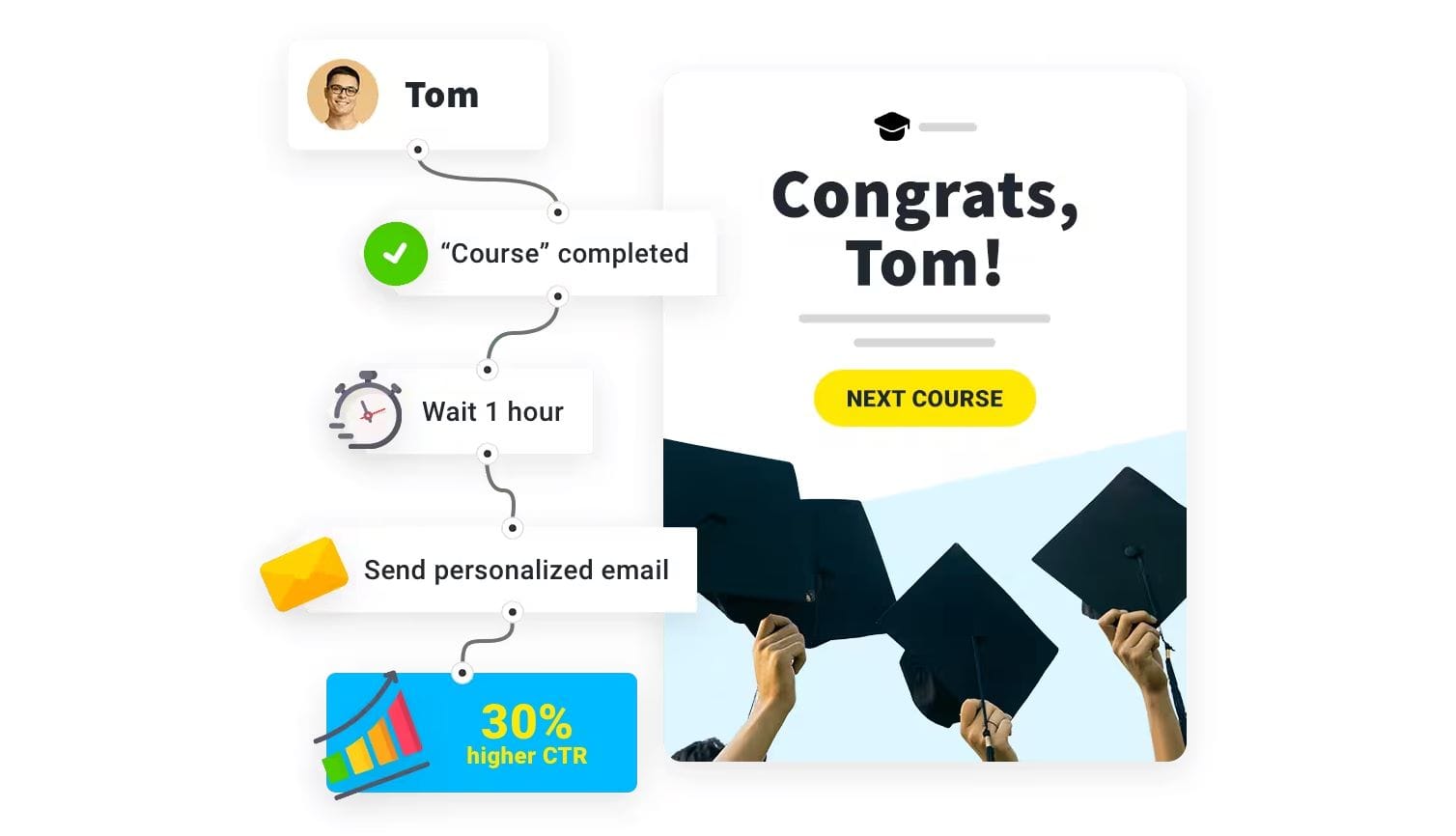
Most tools send emails. This one makes money.
GetResponse turns your audience into a system — capture, nurture, convert.
No stacking tools. No messy setup.
CODING
AI Bug Reports Flipped Overnight
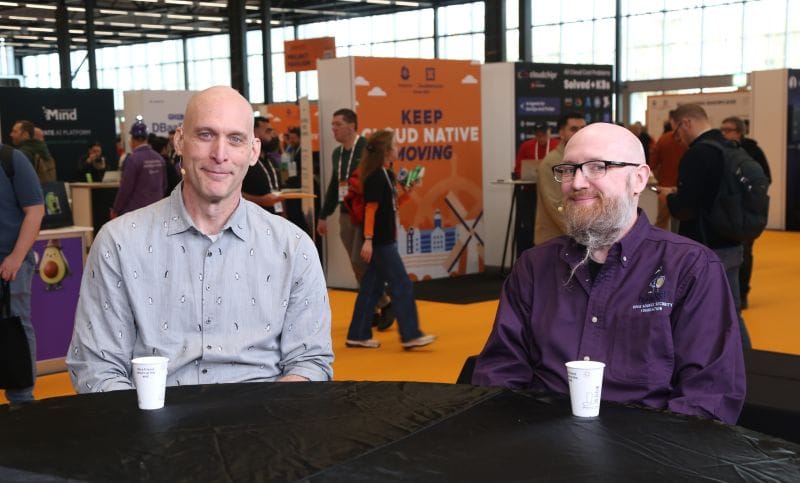
👀 What's happening: Linux kernel maintainer Greg Kroah-Hartman said that within a month, AI-generated bug reports went from useless noise to mostly valid findings. This shift appeared across major open source projects at once. Reports are now structured, reproducible, and often include workable fixes.
🌍 How this hits reality: Greg Kroah-Hartman made it clear the change is not about better tools, but a different workload. Developers are no longer primarily finding bugs. They are reviewing, filtering, and deciding what to accept from a growing stream of AI-generated outputs.
🛎️ Key takeaway: The developer role has already shifted. Writing and discovering are no longer the core loop. Control now sits in evaluation, selection, and integration of machine-generated work.
NEOCLOUD
Oracle Is Becoming a Neocloud Operator
👀 What's happening: Oracle is cutting thousands of jobs, with around 10,000 confirmed and estimates running 3x higher, while still profitable from its Cloud and License Support business. At the same time, it is committing tens of billions to AI data centers, aggressively repositioning itself away from software into a full-stack compute provider.
🌍 How this hits reality: Oracle is moving into the emerging neocloud model, where value comes from owning and operating compute, not selling software. It is taking on up to $50 billion in debt while restructuring costs reach $2.1 billion, cutting experienced enterprise talent to fund infrastructure that competes directly with hyperscalers on capacity, not features.
🛎️ Key takeaway: This is a major shift for Oracle towards a neocloud model. Regardless of its success, there's no turning back, yet existing Oracle employees have become the most direct victims.
Oracle Is Becoming a Neocloud Operator
🛎️ Key takeaway: This is a major shift for Oracle towards a neocloud model. Regardless of its success, there's no turning back, yet existing Oracle employees have become the most direct victims.
PRIVACY
Perplexity Faces Sovereignty Data Leak Allegations
👀 What's happening: Perplexity is facing a class-action lawsuit alleging its site trackers exposed user chat data to Meta and Google. The claim includes sessions marked as “incognito.” A user who entered financial and tax details is leading the case, turning routine tracking into a potential data leak.
🌍 How this hits reality: Traditional web tracking captures clicks and short inputs. AI chats capture full context, often hundreds of tokens per session, including plans, finances, and internal reasoning. In contrast, agent systems like OpenClaw or MyClaw run data locally or on isolated servers, keeping sensitive context off shared tracking layers entirely.
🛎️ Key takeaway: This is moving from privacy into information sovereignty. AI products built on legacy web tracking will keep leaking decision level data, while local or self hosted agent architectures start to define the safer default.
Perplexity Faces Sovereignty Data Leak Allegations
👀 What's happening: Perplexity is facing a class-action lawsuit alleging its site trackers exposed user chat data to Meta and Google. The claim includes sessions marked as “incognito.” A user who entered financial and tax details is leading the case, turning routine tracking into a potential data leak.
DAILY TL;DR
- OpenAI launched a unified ChatGPT super app while doubling down on compute infrastructure and enterprise growth.
- The Claude Code leak reveals broad device control, data collection, and remote configuration capabilities that allow ongoing access to user information.
- An MIT study claims chatbots can cause “delusional spiraling” due to user-aligned responses, and current fixes fail to solve it fundamentally.
- Amazon says AI boosts pentesting efficiency by 40% and enables continuous testing, while humans still handle critical decisions.
- Anthropic accidentally took down about 8,100 GitHub repos while removing leaked code, then admitted the mistake and reversed most actions.
- Penguin Random House is suing OpenAI, alleging ChatGPT generated content nearly identical to its children’s book series.
- Related Digital nears $16B financing to build a massive AI data center for Oracle in Michigan.
- Nvidia invested $2 billion in Marvell to support custom AI chips and strengthen networking, reinforcing its central role in data center ecosystems.
READ MORE
Let the Future Come to Your Inbox
Stay ahead without drowning in information. We turn the most important signals across AI, tech, marketing, and future products into 5-minute reads you can actually finish.
- AI Secret uncovers what really matters in AI
- Bay Area Letters decodes tech and business shifts from Silicon Valley
- Robotics Herald tracks how robots move from labs into daily life
- Marketing Secret breaks down real growth and go-to-market playbooks
- The Hardwire explores hardware, consumer tech, and what’s coming next
TOGETHER WITH US
AI Secret Media Group is the world’s #1 AI & Tech Newsletter Group, reaching over 2 million leaders across the global innovation ecosystem, from OpenAI, Anthropic, Google, and Microsoft to top AI labs, VCs, and fast-growing startups.
We've helped promote over 500 Tech Brands. Will yours be the next?
Email our co-founder Mark directly at [email protected] if the button fails.
Good Morning, AI Enthusiasts!
Everything is collapsing into loops—work, memory, decisions, even companies themselves. What used to be human flow is becoming continuous compute.
CODING
Blind Coding Is Coming
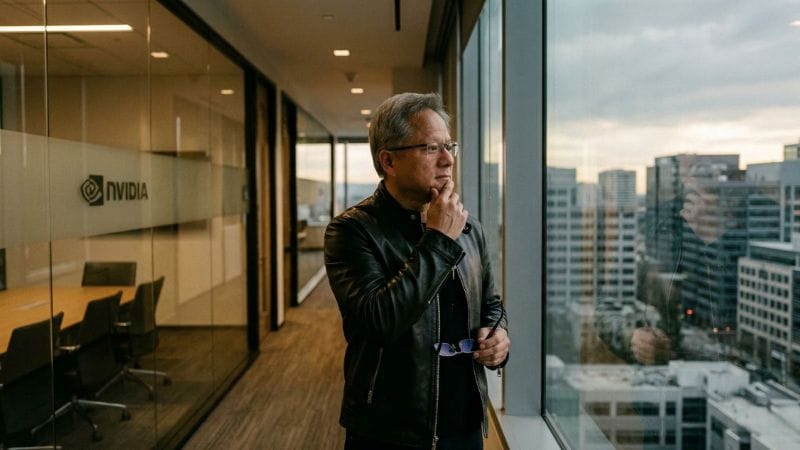
👀 What’s happening: Nvidia released AVO, an agent system that runs fully autonomous coding loops with no human intervention at all. It reads docs, writes kernels, tests results, and iterates continuously. In a seven day run, it explored 500 plus paths and beat cuDNN and FlashAttention on Blackwell GPUs.
🌍 How this hits reality: Current systems like ClaudeCode and OpenClaw are still semi blind. Humans define structure and guide execution. AVO removes that layer entirely. It reached 1668 TFLOPS and transferred optimizations across tasks in 30 minutes. This turns engineering into a continuous compute process rather than a human workflow.
🛎️ Key takeaway: If full blind coding holds, the operating unit is no longer a team but a loop. Software companies compress into objective setting plus compute. The first truly autonomous, no human company becomes viable.
NVIDIA: Blind Coding Is Coming
👀 What’s happening: Nvidia released AVO, an agent system that runs fully autonomous coding loops with no human intervention at all. It reads docs, writes kernels, tests results, and iterates continuously. In a seven day run, it explored 500 plus paths and beat cuDNN and FlashAttention on Blackwell GPUs.
TOGETHER WITH MYCLAW
Run OpenClaw on MyClaw.ai
Skip Docker, VPS configs, and late-night debugging. With MyClaw.ai, you can launch your agent in minutes and keep it running 24/7 in a dedicated environment built for serious builders.
If you’re serious about OpenClaw, run it properly — with speed and security by default.
AGENTS
Meta Is Becoming an Agent
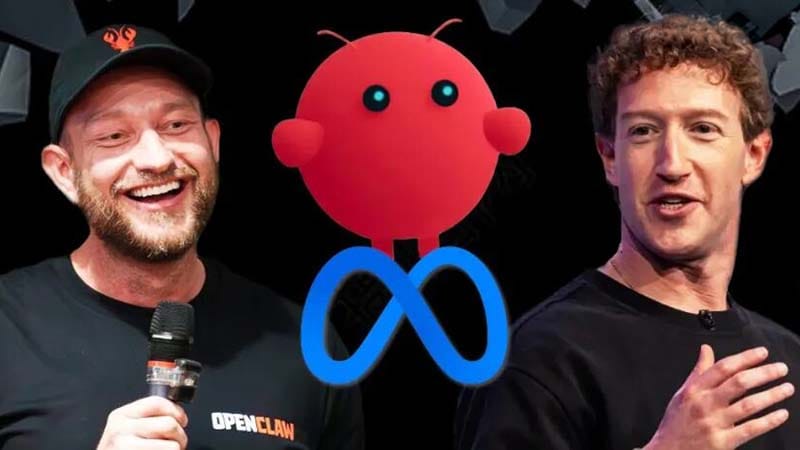
👀 What’s happening: WSJ reports that Meta employees are using tools such as MyClaw.ai to access chat logs, documents, and even communicate with colleagues through their agents, sometimes agent to agent. Recently, Meta is pushing AI agents deep into internal workflows, including a personal agent used by Mark Zuckerberg to assist decision making.
🌍 How this hits reality: This shifts AI from assistant to operating layer. Internal communication, knowledge retrieval, and coordination are starting to run through agents instead of people. At Meta scale, that means tens of thousands of employees, millions of documents, and daily workflows being mediated by software that can act, not just respond.
🛎️ Key takeaway: The boundary between human org and software system is dissolving. Once agents start talking to each other across teams, companies stop behaving like org charts and start behaving like coordinated compute.
Meta Is Becoming an Agent
👀 What’s happening: WSJ reports that Meta employees are using tools such as MyClaw.ai to access chat logs, documents, and even communicate with colleagues through their agents, sometimes agent to agent. Recently, Meta is pushing AI agents deep into internal workflows, including a personal agent used by Mark Zuckerberg to assist decision making.
MyClaw is cited in reporting on Meta agent workflows
👀 What’s happening: WSJ reports that Meta employees are using tools such as MyClaw.ai to access chat logs, documents, and even communicate with colleagues through their agents, sometimes agent to agent. Recently, Meta is pushing AI agents deep into internal workflows, including a personal agent used by Mark Zuckerberg to assist decision making.
ADS
ChatGPT Ads Crossed $100 Million in Two Months
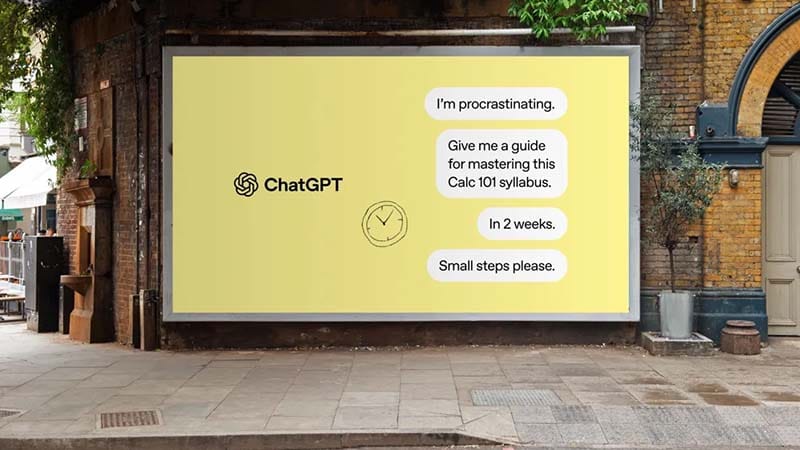
👀 What’s happening: OpenAI’s ChatGPT ads pilot crossed $100 million in annualized revenue in under two months, even as advertisers complained they could not spend allocated budgets. Campaigns launched with six figure commitments but often delivered only a small fraction, as OpenAI deliberately limited ad exposure and rollout pace.
🌍 How this hits reality: Over 600 advertisers are already onboard, but only a small portion of users see ads each day because exposure is intentionally capped. But still, the demands are huge. OpenAI is holding back inventory to avoid overwhelming users while it tests pricing, pacing, and tolerance before scaling further.
🛎️ Key takeaway: OpenAI is balancing two fragile assets at once: user trust and advertiser demand. Scale ads too fast and degrade experience, too slow and frustrate buyers. For now, control beats growth.
ChatGPT Ads Crossed $100 Million in Two Months
👀 What’s happening: OpenAI’s ChatGPT ads pilot crossed $100 million in annualized revenue in under two months, even as advertisers complained they could not spend allocated budgets. Campaigns launched with six figure commitments but often delivered only a small fraction, as OpenAI deliberately limited ad exposure and rollout pace.
MEMORY
Google Joins the Memory War
👀 What’s happening: Google launched Gemini memory import, letting users move preferences, relationships, and chat history from tools like ChatGPT or Claude. The flow mirrors Anthropic’s earlier release almost exactly. Generate a summary in the old app, paste it into Gemini, and continue without rebuilding context from scratch.
🌍 How this hits reality: Two competitors aligning this fast is not coincidence. This is a coordinated breach aimed at OpenAI’s installed base during a period of product reshuffling. The core lock in was never the model, it was accumulated memory. Once that layer becomes exportable, years of usage stop behaving like a moat and start behaving like transferable state. That same layer also becomes the foundation agents will rely on to operate.
🛎️ Key takeaway: This is both extraction and positioning. Short term, it pulls users from OpenAI. Longer term, it prepares for OpenClaw-like agents that depend on persistent context. Control the memory layer, and you control how future agents behave and who they serve.
OpenAI: Google Joins the Memory War
👀 What’s happening: Google launched Gemini memory import, letting users move preferences, relationships, and chat history from tools like ChatGPT or Claude. The flow mirrors Anthropic’s earlier release almost exactly. Generate a summary in the old app, paste it into Gemini, and continue without rebuilding context from scratch.
Google Joins the Memory War
👀 What’s happening: Google launched Gemini memory import, letting users move preferences, relationships, and chat history from tools like ChatGPT or Claude. The flow mirrors Anthropic’s earlier release almost exactly. Generate a summary in the old app, paste it into Gemini, and continue without rebuilding context from scratch.
BOTTLENECK
Deployment Became the Real Breaking Point

👀 What's happening: AI pioneer Andrej Karpathy shared his experience building a small AI app called MenuGen — and ran into a wall. Using Cursor and Claude, most of the code was generated quickly with minimal effort. But once he moved to deployment, everything ground to a halt. API keys, outdated calls, rate limits, broken configs, and environment setup turned a simple project into hours of friction.
🌍 How this hits reality: Karpathy says coding has compressed from days to minutes, but deployment still eats up massive amounts of time — spanning fragmented systems that are fundamentally mismatched with that speed. A single app can depend on 5 to 10 services across hosting, auth, billing, and APIs. Each one adds failure points. OpenClaw is already pushing faster iteration and continuous execution, but the moment agents touch real infrastructure, everything slows or breaks. These toolchains were never designed for machine speed.
🛎️ Key takeaway: The bottleneck has moved. Writing code is solved; shipping it is not. Infra companies like Stripe and Amazon are already working to collapse deployment into a single entry point for agents. Expect a wave of fully automated infrastructure. Anything that can't be executed in one command becomes replaceable.
DAILY TL;DR
- Meta released TRIBE v2, a model that predicts human brain activity across vision, sound, and language with cross-individual generalization.
- A U.S. nonprofit launched an “AI Dividend” program offering $1,000 monthly support to workers displaced by AI.
- Brett Winton, Chief Futurist at ARK Invest, says AI-generated text volume surpassed human-written output in 2025.
- A developer built Budok-AI to let LLMs fight in Yomi Hustle, using the game as a testbed for decision-making and strategy.
- Wikipedia banned AI-generated or rewritten content in its English articles, allowing only limited assistive use to preserve reliability.
- A U.S. judge granted Anthropic a preliminary injunction, temporarily blocking the government’s move to blacklist the company and ban use of its AI models.
- OpenAI has indefinitely shelved ChatGPT’s adult mode due to technical, ethical, and business concerns.
- Apple is reportedly distilling Gemini into smaller on-device models to power a new Siri with memory and task execution capabilities.
READ MORE
Let the Future Come to Your Inbox
Stay ahead without drowning in information. We turn the most important signals across AI, tech, marketing, and future products into 5-minute reads you can actually finish.
- AI Secret uncovers what really matters in AI
- Bay Area Letters decodes tech and business shifts from Silicon Valley
- Robotics Herald tracks how robots move from labs into daily life
- Marketing Secret breaks down real growth and go-to-market playbooks
- The Hardwire explores hardware, consumer tech, and what’s coming next
TOGETHER WITH US
AI Secret Media Group is the world’s #1 AI & Tech Newsletter Group, reaching over 2 million leaders across the global innovation ecosystem, from OpenAI, Anthropic, Google, and Microsoft to top AI labs, VCs, and fast-growing startups.
We've helped promote over 500 Tech Brands. Will yours be the next?
Email our co-founder Mark directly at [email protected] if the button fails.
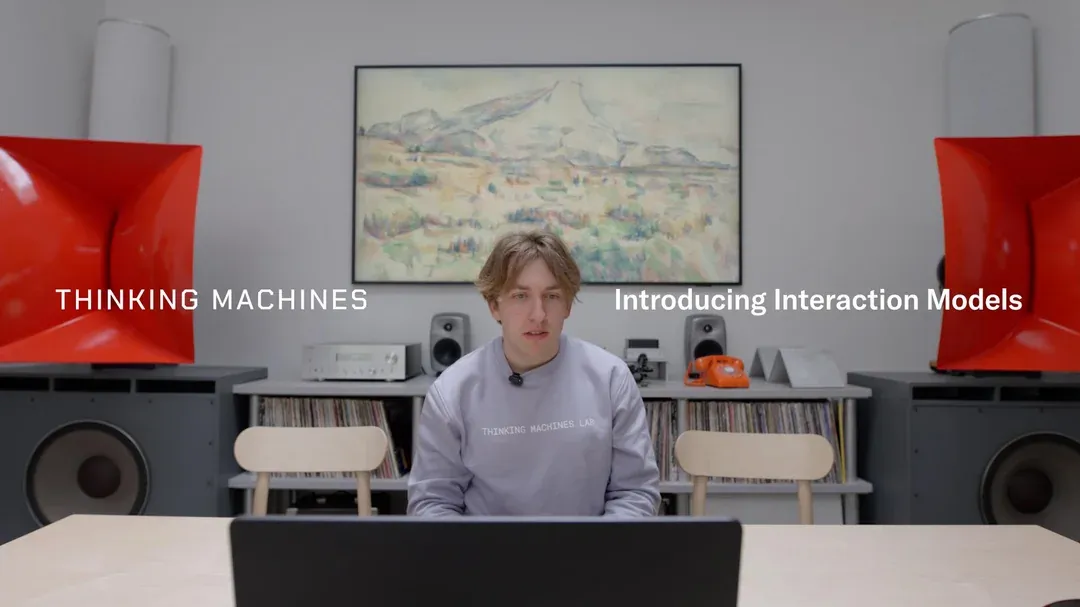
🛎️ xAI Shuts Down Overnight
Plus: The AI House Wall, A Fake Door, Google TPU Finds No Demand
🛎️ The Creator God Mode
Plus: Dario’s Grand Story Collapsed, Oscars Open the Door
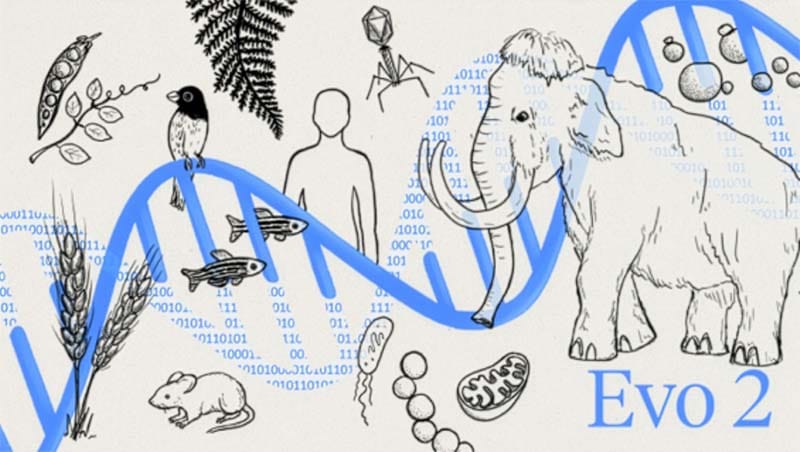
🛎️ Software 3.0 Is Coming
Plus: HappyHorse Broke His Leg, Anthropic Hits OpenAI Territory
🛎️ Run Into Beijing
Plus: The YouTube Gate, OpenAI Plans Its Own Phone, A House of Cards
🛎️ Pompeii's Real Human Face
Plus: Taylor Swift Trademarks Herself, Multi-Cloud Is Oxygen

🛎️ Devouring All Employees
Plus: Anthropic Hits Trillion, Tesla Sells Impossible Dream
🛎️ Anthropic Launches OpenClaw Clone
Plus: OpenAI Learns LeBron James, Google Drops Gemma 4
🛎️ Google Locks Out Everyone Else
Plus: AI Bug Reports Flipped Overnight, Oracle's Big Play, Perplexity Leaks Data
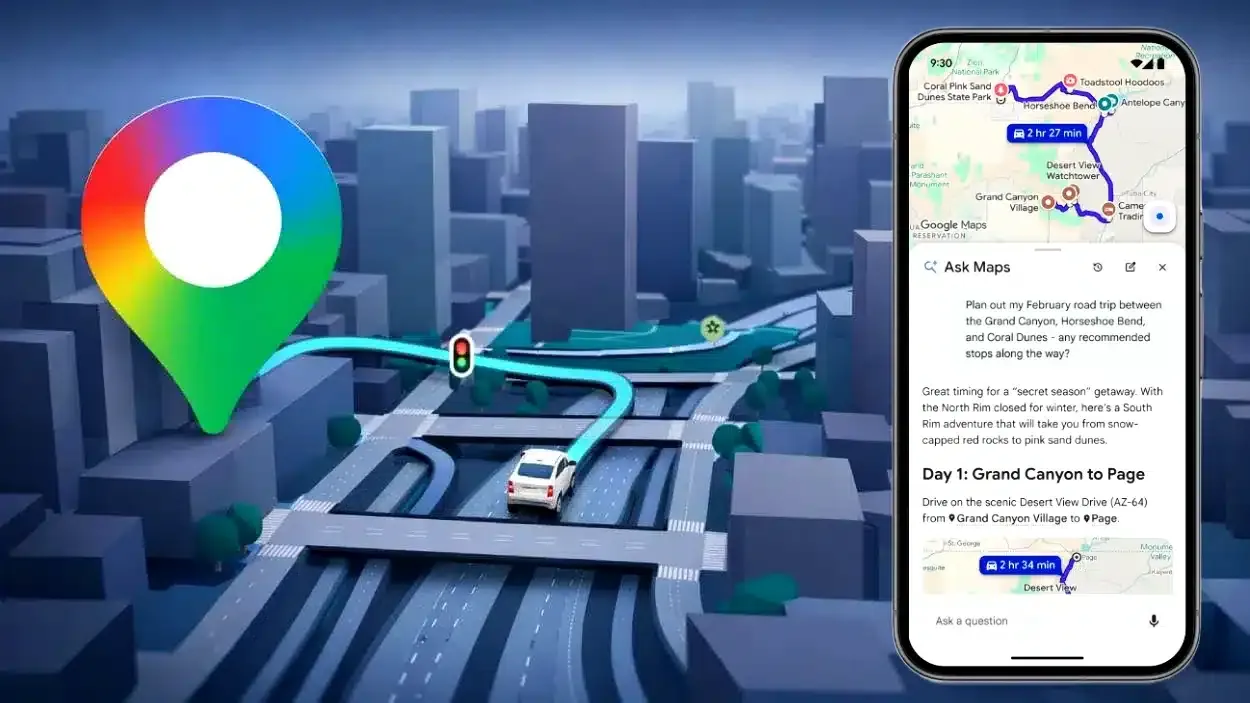
🛎️ Blind Coding Is Coming
Plus: ChatGPT Ads Crossed $100M, Google Joins the Memory War