🛎️ Software 3.0 Is Coming
Plus: HappyHorse Broke His Leg, Anthropic Hits OpenAI Territory
Read the story Subscribe
Reporting and context on ByteDance, with a closer look at the decisions and developments that matter.
Get AI Secret’s free daily briefing, including ByteDance and the wider AI industry.

ByteDance is an internet technology company. Coverage follows its AI research and products, including the Seed team and Doubao ecosystem.
Sources checked . Selected company background and milestones.
Selected milestones, newest first. Earlier history is available below.
ByteDance establishes Seed to pursue AI research and general intelligence.
Source: ByteDanceMore than 10 years ago.
Relevant sections from the articles on this page. Explore older coverage below.
More coverage

Good Morning, AI Enthusiasts!
Every spreadsheet in Big Tech somehow became an AI strategy. Another normal day in the machine economy.
LLM
👀 What’s happening: Andrej Karpathy framed LLMs as a new kind of computer: Software 1.0 was hand-written code, Software 2.0 was learned weights, and Software 3.0 is programming through prompts, context, and agents. His clearest example was OpenClaw: instead of shipping a giant install script that tries to handle every machine, OpenClaw can give users a block of instructions to hand to an agent, which then reads the environment, debugs the setup, and completes the install intelligently.
🌍 How this hits reality: That sounds small until you realize what changed. In the old world, software had to encode every branch, platform edge case, and failure mode in advance. In the Software 3.0 world, the “program” can be a piece of text, the interpreter is the LLM, and the runtime is an agent with tools acting inside the user’s environment. OpenClaw is not just using AI inside software — it shows software itself becoming agent-native. The interface shifts from clicking buttons or running scripts to delegating intent and letting the agent operate.
🛎️ Key takeaway: OpenClaw is a preview of the post-app stack. If Software 1.0 made humans write instructions for machines, Software 3.0 lets humans write intent for agents. That turns products from fixed workflows into adaptive collaborators — and it means the next generation of software may be less about apps you operate and more about agents you trust to operate for you.
VIDEO

👀 What’s happening: Alibaba’s HappyHorse opened gray testing on April 27 after topping Seedance in Artificial Analysis’ blind video arena, and then reality walked in with a baseball bat. The model is usable, cheap, and technically decent. But after all that mystery, fake-site hype, and “Seedance killer” energy, the market reaction was basically: that’s it?
🌍 How this hits reality: The embarrassment is not that HappyHorse is broken. It is worse. It is average. It has 15 billion parameters, nearly three times Seedance, yet still trails on cinematic feel, prompt obedience, taste, and production confidence. Seedance changed workflows. HappyHorse changed the price sheet. Nobody serious switches for that alone.
🛎️ Key takeaway: HappyHorse is the classic benchmark peacock that is gorgeous on the leaderboard, ordinary in the cage. Alibaba gets a token-burning video model, not a category weapon.
👀 What’s happening: Alibaba’s HappyHorse opened gray testing on April 27 after topping Seedance in Artificial Analysis’ blind video arena, and then reality walked in with a baseball bat. The model is usable, cheap, and technically decent. But after all that mystery, fake-site hype, and “Seedance killer” energy, the market reaction was basically: that’s it?
👀 What’s happening: Alibaba’s HappyHorse opened gray testing on April 27 after topping Seedance in Artificial Analysis’ blind video arena, and then reality walked in with a baseball bat. The model is usable, cheap, and technically decent. But after all that mystery, fake-site hype, and “Seedance killer” energy, the market reaction was basically: that’s it?
RISING

👀 What’s happening: Anthropic is reportedly weighing a $40 billion to $50 billion private round at an $850 billion to $900 billion valuation, with a board decision expected in May. That would more than double its February valuation of $380 billion and put it near — or above — OpenAI’s $852 billion post-money mark.
🌍 How this hits reality: The money is chasing one very clear signal: Claude is no longer just a ChatGPT alternative. TechCrunch says Anthropic’s annual revenue run rate has jumped from about $9 billion at the end of 2025 to more than $30 billion, with one source putting it closer to $40 billion. A large share is reportedly coming from Claude Code and Cowork, which means coding agents are now one of the fastest paths from model capability to real enterprise revenue.
🛎️ Key takeaway: The AI race is turning into a capital arms race between two near-trillion-dollar private companies. OpenAI owns consumer gravity; Anthropic is proving that developer and enterprise workflows can be just as valuable. If this round happens, Claude Code will stop looking like a product line and start looking like the wedge that repriced the whole company.
🌍 How this hits reality: The money is chasing one very clear signal: Claude is no longer just a ChatGPT alternative. TechCrunch says Anthropic’s annual revenue run rate has jumped from about $9 billion at the end of 2025 to more than $30 billion, with one source putting it closer to $40 billion.
🌍 How this hits reality: The money is chasing one very clear signal: Claude is no longer just a ChatGPT alternative. TechCrunch says Anthropic’s annual revenue run rate has jumped from about $9 billion at the end of 2025 to more than $30 billion, with one source putting it closer to $40 billion.
LAW

👀 What’s happening: Manifest OS raised a $60 million Series A at a $750 million valuation to build AI-native law firms under the Manifest Law brand, starting with business immigration. The company is not selling another copilot to lawyers. It wants to own the legal service layer itself: fixed-fee, outcome-based, AI-powered law firms built for customers who need results, not software.
🌍 How this hits reality: The target is the billable hour. Manifest combines its own AI platform, centralized back-office operations, and licensed lawyer review to automate routine legal workflows while keeping humans for judgment, compliance, and edge cases. With legal rates up 7.4% in 2025 and legal help still unaffordable for many businesses and consumers, the pitch is brutal: make the law firm cheaper by rebuilding it around AI from day one.
🛎️ Key takeaway: Harvey makes existing lawyers faster. Manifest asks a nastier question: what if the customer never needed to interface with the lawyer-shaped workflow at all? If this works, the future law firm is not a room full of billable hours — it is an AI operating system with lawyers attached where the law still demands them.
👀 What’s happening: Google Translate just turned 20, and Pichai framed it as a full AI timeline. It started with statistical machine translation in 2006, moved to neural translation in 2016, expanded with large models, and now Gemini is pushing it into real-time speech with tone, rhythm, and more natural pacing.
🌍 How this hits reality: The real moat is not beauty. Google Translate often feels average, even clumsy. But it is free, fast, everywhere, and good enough for most moments. Over 1 billion people use it monthly because nobody wants to compare models when standing in an airport, restaurant, classroom, or customer chat.
🛎️ Key takeaway: Google Translate can survive another 20 years for the same reason it survived the first 20. As long as Google keeps paying the bill, free plus instant will keep beating prettier AI translation products at global scale.
👀 What’s happening: Google Translate just turned 20, and Pichai framed it as a full AI timeline. It started with statistical machine translation in 2006, moved to neural translation in 2016, expanded with large models, and now Gemini is pushing it into real-time speech with tone, rhythm, and more natural pacing.
TOGETHER WITH MYCLAW

Skip Docker, VPS configs, and late-night debugging. With MyClaw.ai, you can launch your agent in minutes and keep it running 24/7 in a dedicated environment built for serious builders.
If you’re serious about OpenClaw, run it properly — with speed and security by default.
DAILY TL;DR
READ MORE
Stay ahead without drowning in information. We turn the most important signals across AI, tech, marketing, and future products into 5-minute reads you can actually finish.
TOGETHER WITH US
AI Secret Media Group is the world’s #1 AI & Tech Newsletter Group, reaching over 2 million leaders across the global innovation ecosystem, from OpenAI, Anthropic, Google, and Microsoft to top AI labs, VCs, and fast-growing startups.
We've helped promote over 500 Tech Brands. Will yours be the next?
Email our co-founder Mark directly at [email protected] if the button fails.
Good Morning, AI Enthusiasts!
what claims progress often hides where reality still refuses to scale.

VIDEO
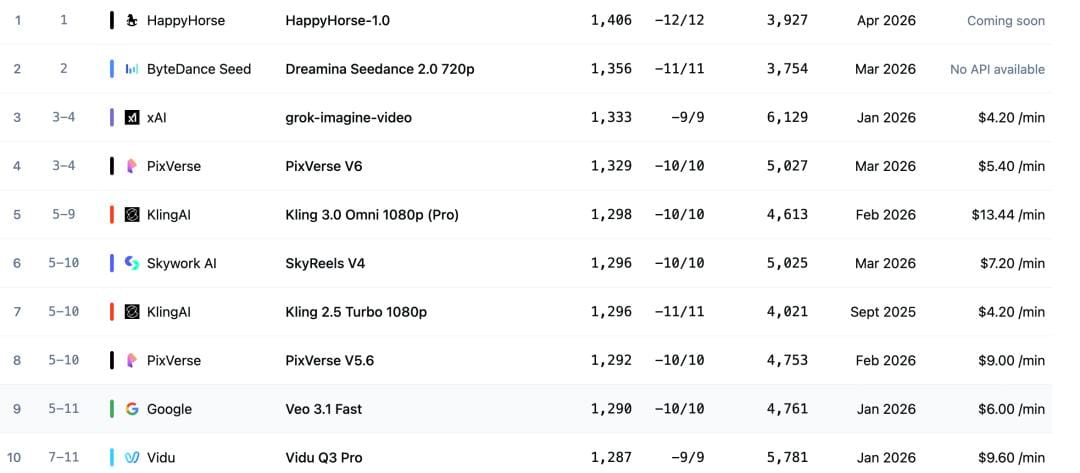
👀 What's happening: HappyHorse-1.0 briefly topped a public leaderboard above Seedance 2.0, then disappeared, leaving only screenshots and controlled demos. Similar patterns have played out with Kimi, GLM, and MiniMax claiming wins over top models on benchmarks, while no one has claimed ownership or validated real-world performance.
🌍 How this hits reality: Benchmarks are increasingly optimized targets, not neutral measurements. Teams tune against known eval sets, inflate scores, and ship demos that look strong in isolation. Meanwhile, production gaps remain in stability, long sequences, and real workloads. The result is a widening disconnect between leaderboard rankings and what actually works in deployment.
🛎️ Key takeaway: Benchmarks have become marketing surfaces first and evaluation tools second. If this continues, third-party leaderboards lose credibility entirely, and operators will rely only on direct testing and real usage signals.
👀 What's happening: HappyHorse-1.0 briefly topped a public leaderboard above Seedance 2.0, then disappeared, leaving only screenshots and controlled demos. Similar patterns have played out with Kimi, GLM, and MiniMax claiming wins over top models on benchmarks, while no one has claimed ownership or validated real-world performance.
TOGETHER WITH CRAZYEGG
Most websites guess why users don’t convert. Crazy Egg shows you exactly what’s happening. With heatmaps, session recordings, and simple A/B testing, you can see where visitors click, scroll, hesitate, or drop off — and fix it fast.
No complex setup, no guesswork, just clear insights that help you turn traffic into results.
NEW LAUNCH
👀 What's happening: Meta just released Muse Spark, its first model from the rebuilt superintelligence lab, now live across Meta AI and rolling into its apps. Benchmarks land it in the top tier but not leading, with strong multimodal and health scores, weaker coding and long-agent performance, and a new multi-agent “contemplating” mode.
🌍 How this hits reality: The bigger shift is strategic. Meta kept this model closed, which is rare for them, and clearly optimized it for internal deployment across Facebook, Instagram, and WhatsApp. With billions of users and distribution locked in, even a “good enough” model becomes powerful. Efficiency gains like lower token usage and reduced training cost matter more here than leaderboard wins.
🛎️ Key takeaway: Meta is moving from chasing benchmarks to shipping product-grade intelligence at scale. It may cost them early momentum in the OpenClaw like agent wave, but tightening focus and stabilizing execution is a healthier reset for Meta.
👀 What's happening: Meta just released Muse Spark, its first model from the rebuilt superintelligence lab, now live across Meta AI and rolling into its apps. Benchmarks land it in the top tier but not leading, with strong multimodal and health scores, weaker coding and long-agent performance, and a new multi-agent “contemplating” mode.
NEW LAUNCH
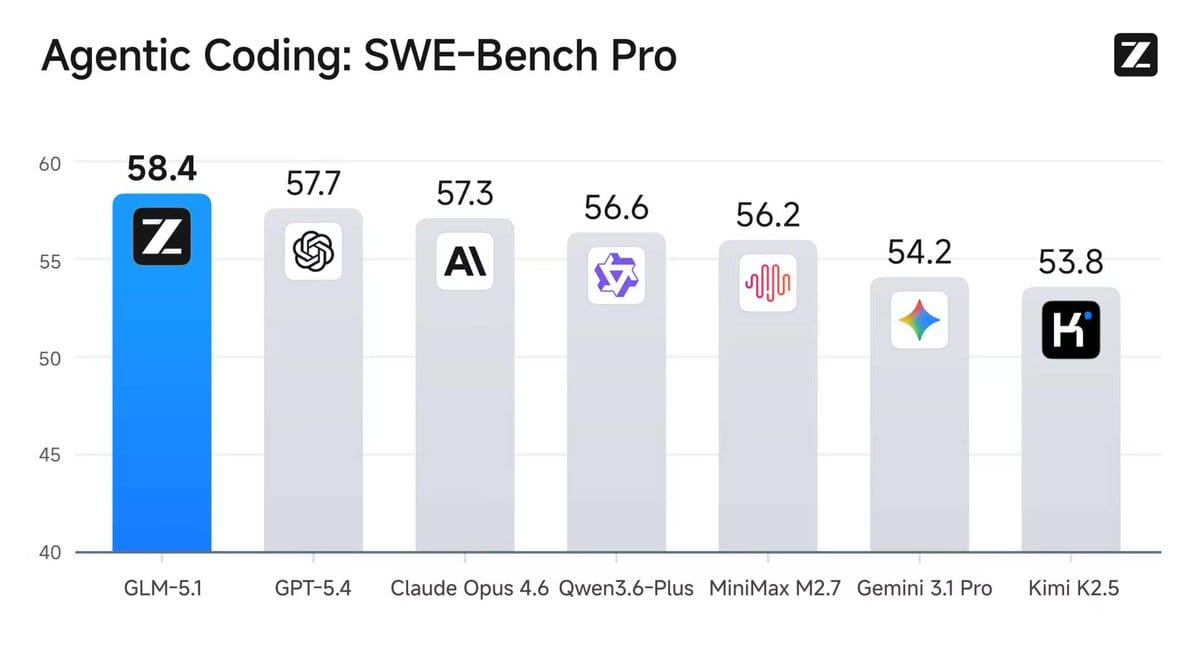
👀 What's happening: GLM-5.1 just landed with headline numbers that put it above Opus 4.6 across SWE-bench Pro and long-horizon evaluations. It demonstrates multi-hour autonomous execution, hundreds of tool iterations, and full-stack engineering tasks. On paper, this looks like the first open model closing the gap with top closed systems.
🌍 How this hits reality: The issue is which Opus 4.6 it is beating. Recent reports show Opus reasoning depth down roughly 60 to 70 percent, with shorter chains and more shortcut behavior. Matching that version is not the same as matching peak capability. We saw this before. GPT-5.4 also looked competitive in benchmarks but fell short in real workflows.
🛎️ Key takeaway: zAI has released several models, all claiming to surpass Opus 4.6, but no user has ever taken this seriously. We'll have to wait and see if GLM 5.1 will be adopted by mid-to-high-end users.
👀 What's happening: GLM-5.1 just landed with headline numbers that put it above Opus 4.6 across SWE-bench Pro and long-horizon evaluations. It demonstrates multi-hour autonomous execution, hundreds of tool iterations, and full-stack engineering tasks. On paper, this looks like the first open model closing the gap with top closed systems.
ACCESS

👀 What's happening: Cloudflare and GoDaddy just formalized how AI agents touch the web. GoDaddy is embedding Cloudflare’s crawl controls directly into hosting, letting site owners allow, block, or charge bots. They also launched ANS and Web Bot Auth to introduce identity for agents. Two core gatekeepers are now defining access rules.
🌍 How this hits reality: This shifts the default from open crawling to negotiated access. Bots used to scrape first and deal with consequences later. Now identity, permissions, and pricing are enforced before anything happens. Cloudflare sits in front of roughly 20% of global web traffic, while GoDaddy manages over 80 million domains. When control at the traffic layer and domain layer aligns like this, enforcement becomes scalable. The open web is starting to function like a metered network.
🛎️ Key takeaway: The internet is shifting from public roads to toll roads for agents. Every serious agent workflow will need identity, budget, and access strategy in the future.
DAILY TL;DR
READ MORE
Stay ahead without drowning in information. We turn the most important signals across AI, tech, marketing, and future products into 5-minute reads you can actually finish.
TOGETHER WITH US
AI Secret Media Group is the world’s #1 AI & Tech Newsletter Group, reaching over 2 million leaders across the global innovation ecosystem, from OpenAI, Anthropic, Google, and Microsoft to top AI labs, VCs, and fast-growing startups.
We've helped promote over 500 Tech Brands. Will yours be the next?
Email our co-founder Mark directly at [email protected] if the button fails.
Good Morning, AI Enthusiasts!
The cost of intelligence keeps falling, the price of creation keeps collapsing, and the people behind the models keep moving.

VIDEO
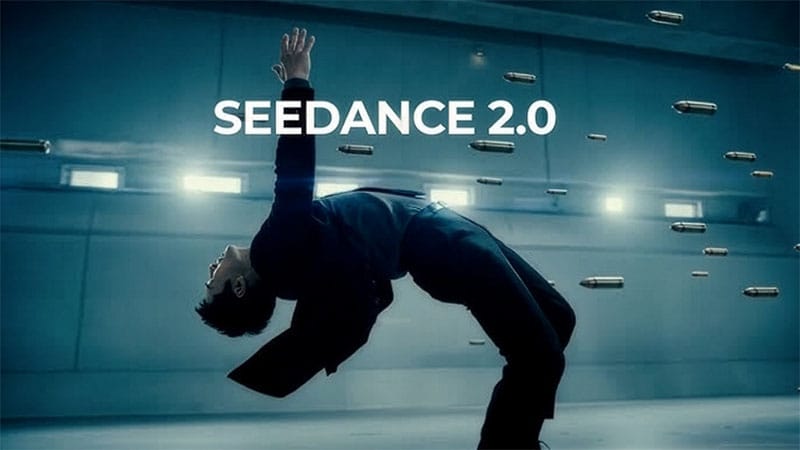
👀 What’s happening: ByteDance’s Volcano Engine has published API pricing for Seedance 2.0, giving the clearest signal yet on AI video costs. Text to video generation is priced around $6.40 per million tokens. A typical 15 second clip consumes roughly 300,000 tokens, putting generation near $2 per clip or about $0.13 per second.
🌍 How this hits reality: That price lands below most Western AI video systems, not mention Hollywood. Runway and Pika workflows often reach $0.20 to $0.50 per second once retries are included. Estimates around Google Veo and OpenAI Sora suggest even higher costs. At the same time, Hollywood productions routinely spend tens of thousands of dollars per finished minute when crews, actors, and sets are not even involved.
🛎️ Key takeaway: When a one minute scene costs about $8 to render, the economics behind studio production start shifting. Hollywood is not disappearing tomorrow, but the cost gap between human film sets and synthetic video pipelines is now visible.
👀 What’s happening: ByteDance’s Volcano Engine has published API pricing for Seedance 2.0, giving the clearest signal yet on AI video costs. Text to video generation is priced around $6.40 per million tokens. A typical 15 second clip consumes roughly 300,000 tokens, putting generation near $2 per clip or about $0.13 per second.
TOGETHER WITH MYCLAW
Skip Docker, VPS configs, and late-night debugging. With MyClaw.ai, you can launch your agent in minutes and keep it running 24/7 in a dedicated environment built for serious builders.
If you’re serious about OpenClaw, run it properly — with speed and security by default.
NEW LAUNCH

👀 What’s happening: Google released Gemini 3.1 Flash Lite in developer preview, positioning it as the cheapest model in the Gemini 3 lineup. The focus is not frontier reasoning but scale. It runs fast, responds quickly, and is designed for massive API workloads where price and latency matter more than raw intelligence.
🌍 How this hits reality: Pricing is the real headline. Input tokens cost about $0.25 per million and output $1.50, levels that push commercial AI closer to commodity compute. Arena benchmarks show the preview version outperforming GPT-5 on some text tasks while maintaining significantly faster throughput than many competing “fast” tier models.
🛎️ Key takeaway: Inference pricing is entering a race to the bottom. When models this capable approach commodity token costs, the economic center of AI shifts upward into distribution, agents, and infrastructure rather than the model itself.
👀 What’s happening: Google released Gemini 3.1 Flash Lite in developer preview, positioning it as the cheapest model in the Gemini 3 lineup. The focus is not frontier reasoning but scale. It runs fast, responds quickly, and is designed for massive API workloads where price and latency matter more than raw intelligence.
QWEN
👀 What’s happening: Alibaba released the open source Qwen3.5 small model series, a technically impressive lineup ranging from 0.8B to 9B parameters that can run on laptops and phones while rivaling much larger models. Less than 24 hours later, Qwen’s technical architect Junyang Lin and two key researchers publicly announced their departures.
🌍 How this hits reality: Qwen had become one of the few large model projects shipping both frontier capability and open weights. Over 600 million downloads and tens of thousands of enterprise deployments built around that promise. The sudden exit of its founding technical core raises doubts about whether future models remain open or move behind paid APIs.
🛎️ Key takeaway: The release proves the team could compress serious intelligence into small models. The departures suggest the research culture that produced it may be ending. If commercialization wins inside Qwen, one of the world’s most important open model pipelines could narrow quickly.
👀 What’s happening: Alibaba released the open source Qwen3.5 small model series, a technically impressive lineup ranging from 0.8B to 9B parameters that can run on laptops and phones while rivaling much larger models. Less than 24 hours later, Qwen’s technical architect Junyang Lin and two key researchers publicly announced their departures.
DAILY TL;DR
TRENDING
READ MORE
Stay ahead without drowning in information. We turn the most important signals across AI, tech, marketing, and future products into 5-minute reads you can actually finish.
TOGETHER WITH US
AI Secret Media Group is the world’s #1 AI & Tech Newsletter Group, reaching over 2 million leaders across the global innovation ecosystem, from OpenAI, Anthropic, Google, and Microsoft to top AI labs, VCs, and fast-growing startups.
We've helped promote over 500 Tech Brands. Will yours be the next?
Email our co-founder Mark directly at [email protected] if the button fails.
Good Morning, AI Enthusiasts!
Distribution is swallowing generation. Evolution is swallowing engineering. Simulation is swallowing production.

HOLLYWOOD
👀 What’s happening: Warner Bros. has accused ByteDance of deliberately training Seedance 2.0 on its characters after users flooded social media with AI videos featuring Superman, Batman, Harry Potter, and Game of Thrones. The clips went viral within hours. Disney and Paramount had already issued warnings. Hollywood is no longer treating this as fringe experimentation.
🌍 How this hits reality: Seedance 2.0 is not just a meme engine. It generates cinematic, franchise-grade scenes at near zero marginal cost. Studios spend hundreds of millions per tentpole release and rely on controlled IP distribution windows. A model that can reproduce recognizable characters destabilizes licensing, streaming, merchandising, and global box office sequencing.
🛎️ Key takeaway: If Seedance-level video becomes widely accessible, franchise power shifts from studios to model platforms. Expect aggressive litigation, licensing standoffs, and fast regulatory pressure as Hollywood moves to contain a system that could erode its economic core.
👀 What’s happening: Warner Bros. has accused ByteDance of deliberately training Seedance 2.0 on its characters after users flooded social media with AI videos featuring Superman, Batman, Harry Potter, and Game of Thrones. The clips went viral within hours. Disney and Paramount had already issued warnings.
TOGETHER WITH PARTNERLY
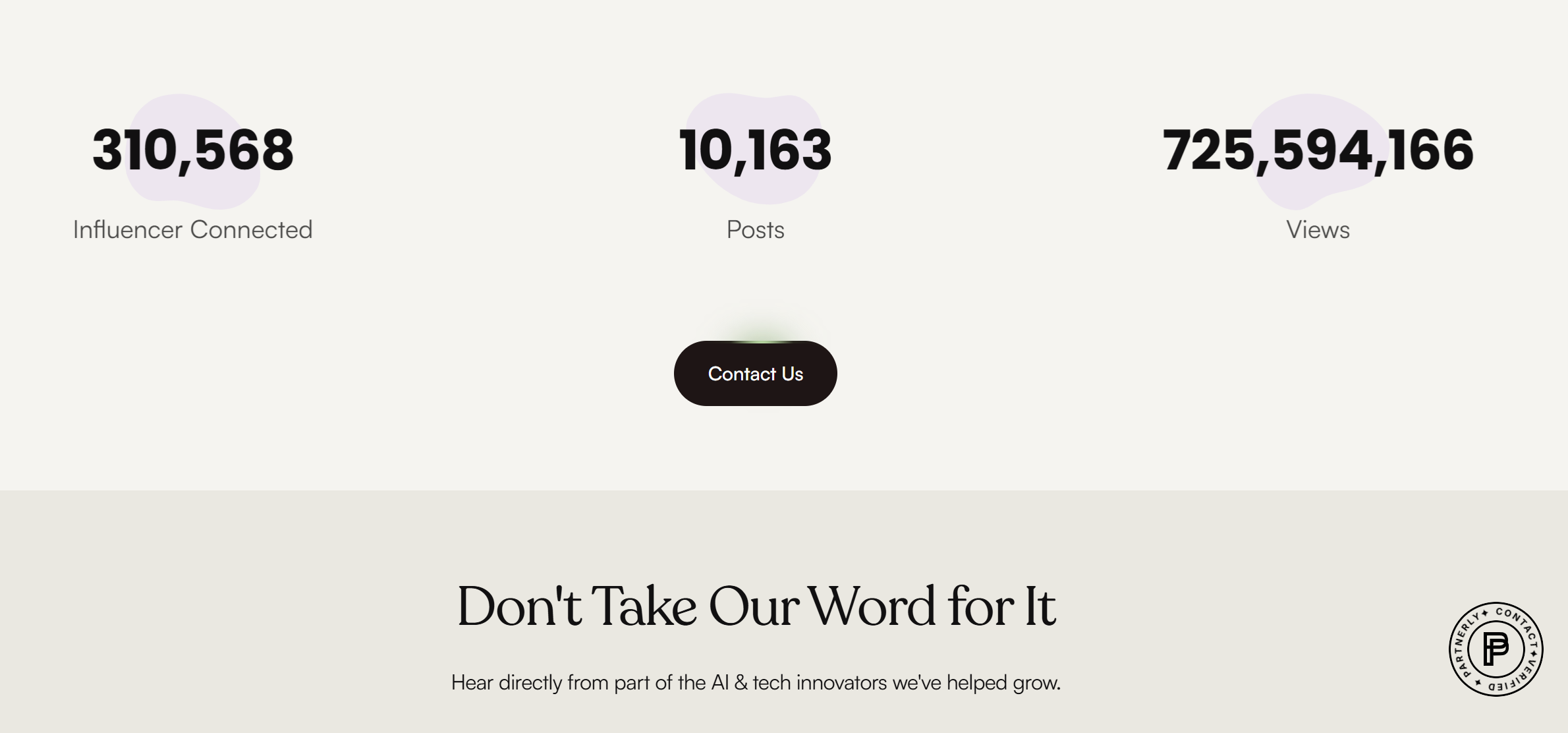
Partnerly is the world’s leading influencer-marketing growth platform for AI and tech, powered by the largest global creator community—300,000+ influencers with precision profiles for surgical audience targeting. Trusted by 300+ AI companies, Partnerly is the go-to engine for visibility, credibility, and scale—backed by a deep case library spanning MVP launches, user growth, and global expansion.
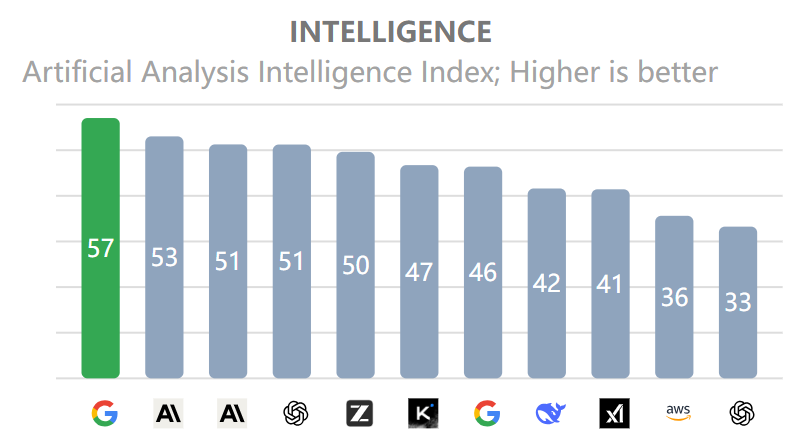
👀 What’s happening: Google quietly released Gemini 3.1 Pro overnight, three months after Gemini 3 Pro. The upgrade is not cosmetic. On ARC-AGI-2, its score jumped from 31.1 percent to 77.1 percent, roughly 2.5 times higher. On Artificial Analysis Intelligence Index, it posts 57, ahead of Claude Opus 4.6 at 53.
🌍 How this hits reality: The real shift is performance plus price. Gemini 3.1 Pro lists input at $2 and output at $12 per million tokens, about 60 percent and 52 percent cheaper than Opus 4.6. For startups burning through tens of millions of tokens daily, that delta compounds fast. When the top benchmark model is also the discount option, procurement logic changes overnight.
🛎️ Key takeaway: If this pace continues, frontier AI stops being a pure intelligence race and becomes an execution war. The winner is not who reasons best in isolation, but who can ship faster, price lower, and flood distribution channels before rivals react. Margins compress. Compute efficiency becomes survival.
PS: Gemini 3.1 Pro Preview now live on MyClaw.ai. Register and test it instantly.
👀 What’s happening: Google quietly released Gemini 3.1 Pro overnight, three months after Gemini 3 Pro. The upgrade is not cosmetic. On ARC-AGI-2, its score jumped from 31.1 percent to 77.1 percent, roughly 2.5 times higher. On Artificial Analysis Intelligence Index, it posts 57, ahead of Claude Opus 4.6 at 53.
NEW TECH

👀 What’s happening: Researchers at the University of California, Santa Barbara introduced Group-Evolving Agents, a framework where multiple AI agents evolve together instead of in isolated branches. On SWE-bench Verified it reached 71.0 percent versus 56.7 percent for Darwin Godel Machine. After evolution, deployment runs as a single agent with no added inference cost.
🌍 How this hits reality: Most enterprise agent stacks depend on fixed architectures and prompt tuning teams. When workflows shift, performance degrades. GEA pools code changes, tool usage, and task traces across agents, then uses a reflection module to consolidate gains. One top agent integrated traits from 17 ancestors versus 9 in the baseline. That compounds engineering throughput without increasing serving spend.
🛎️ Key takeaway: If this pattern holds, agent framework design shifts from manual optimization to evolutionary cycles. Enterprises keep single agent deployment economics while compressing R&D loops. The bottleneck moves from inference cost to experience quality and governance.
NEW LAUNCH
👀 What’s happening: Google just launch Lyria 3, and embedded it directly into the Gemini app, letting users generate 30-second songs from text, photos, or video prompts. Lyrics, vocals, tempo, and style are auto-created for now. Tracks carry SynthID watermarks and plug into YouTube Shorts via Dream Track. Music generation is no longer a separate tool. It is a built-in assistant feature.
🌍 How this hits reality: AI music just crossed from startup category into platform control. Gemini sits on massive Android distribution and feeds directly into YouTube’s creator economy. That means discovery, sharing, and iteration happen inside Google’s ecosystem. When the distribution layer owns the generation layer, independent apps lose leverage fast. This is gravity, not competition.
🛎️ Key takeaway: The AI music market just entered the giant phase. Suno and Udio are no longer competing on model quality alone. They are competing against a default that ships preinstalled and monetizes at platform scale.
👀 What’s happening: Google just launch Lyria 3, and embedded it directly into the Gemini app, letting users generate 30-second songs from text, photos, or video prompts. Lyrics, vocals, tempo, and style are auto-created for now. Tracks carry SynthID watermarks and plug into YouTube Shorts via Dream Track.
DAILY TL;DR
TRENDING
READ MORE
Stay ahead without drowning in information. We turn the most important signals across AI, tech, marketing, and future products into 5-minute reads you can actually finish.
TOGETHER WITH US
AI Secret Media Group is the world’s #1 AI & Tech Newsletter Group, reaching over 2 million leaders across the global innovation ecosystem, from OpenAI, Anthropic, Google, and Microsoft to top AI labs, VCs, and fast-growing startups.
We've helped promote over 500 Tech Brands. Will yours be the next?
Email our co-founder Mark directly at [email protected] if the button fails.

Good Morning, AI Enthusiasts!
The next giant may emerge from the most unexpected places.

MINISTER
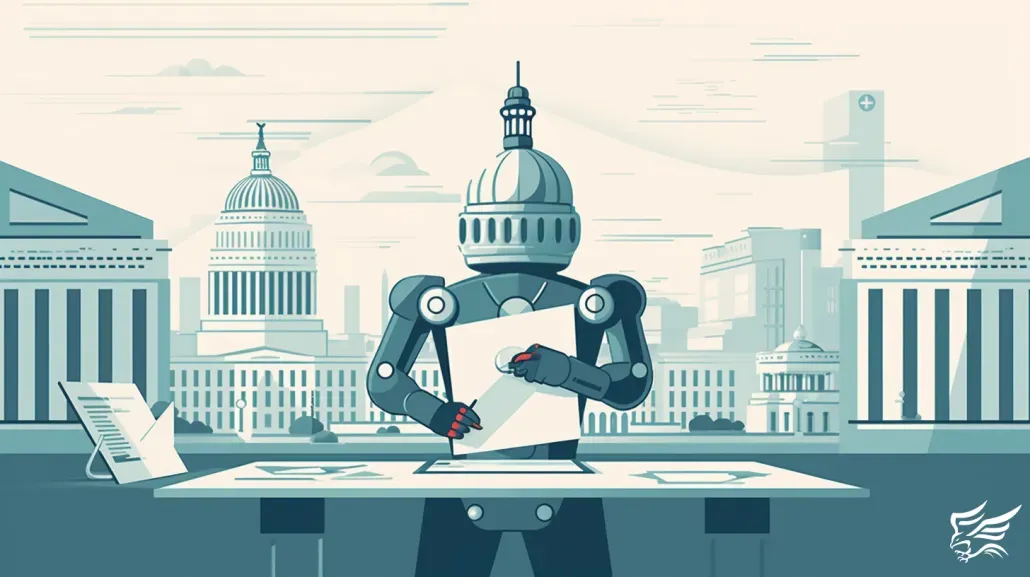
📌 What’s happening: Albania just turned its AI assistant Diella into a cabinet minister. Once just a digital clerk on the e-Albania portal, issuing licenses and pension forms, it’s now been tasked with policing public procurement—the country’s most corruption-ridden sector. Prime Minister Edi Rama says it’s the first “virtual minister” charged with keeping Albania “100% free of corruption.”
🧠 How this hits reality: Diella isn’t a humanoid robot—it’s closer to a GPT-style interface tied to government back-end systems. It has already processed 36,000+ digital documents. The upgrade isn’t about service speed; it’s about outsourcing political accountability. Contractors and officials who once thrived on backroom deals now face algorithmic oversight. But if the bot makes a bad call, who takes the fall? No one knows.
🛎️ Key takeaway: Albania just handed a ministry to an algorithm. Efficiency is up for grabs; democracy may be collateral damage.
TOGETHER WITH ELEVENLABS
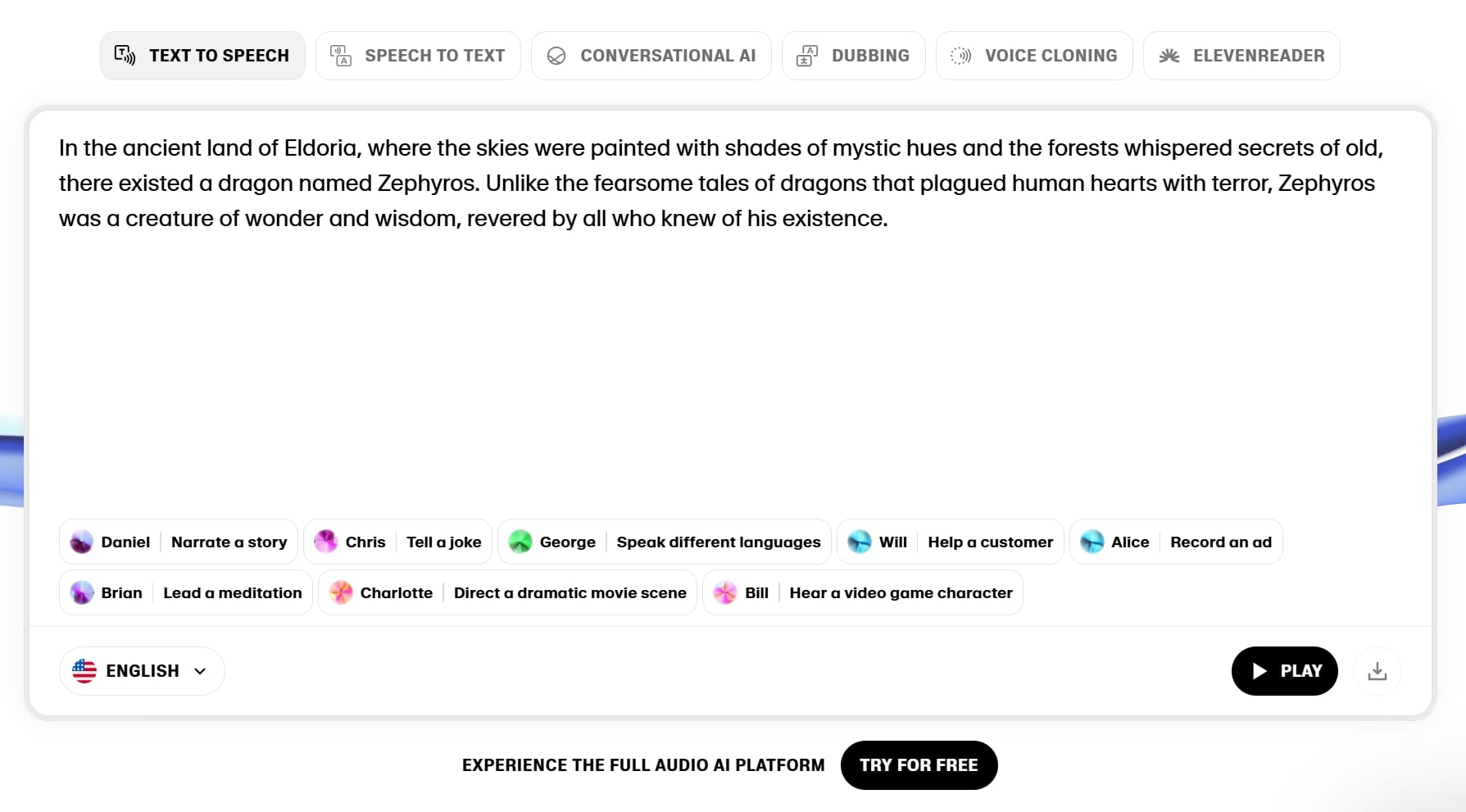
Imagine a world where the voice of an AI is so realistic, it could charm the socks off a statue. Well, buckle up, because ElevenLabs is here to turn that dream into a reality! Our cutting-edge voice models are like the Swiss Army knife of the vocal world—versatile, reliable, and just plain cool.
It creates stunning voiceovers for audiobooks, commercials, and anything else your heart desires. Say goodbye to awkward silences and hello to an audio experience that’s music to your ears—literally! Whether you’re a developer, a creator, or an enterprise with a penchant for the dramatic, we’ve got just the voice for you.
IMAGE
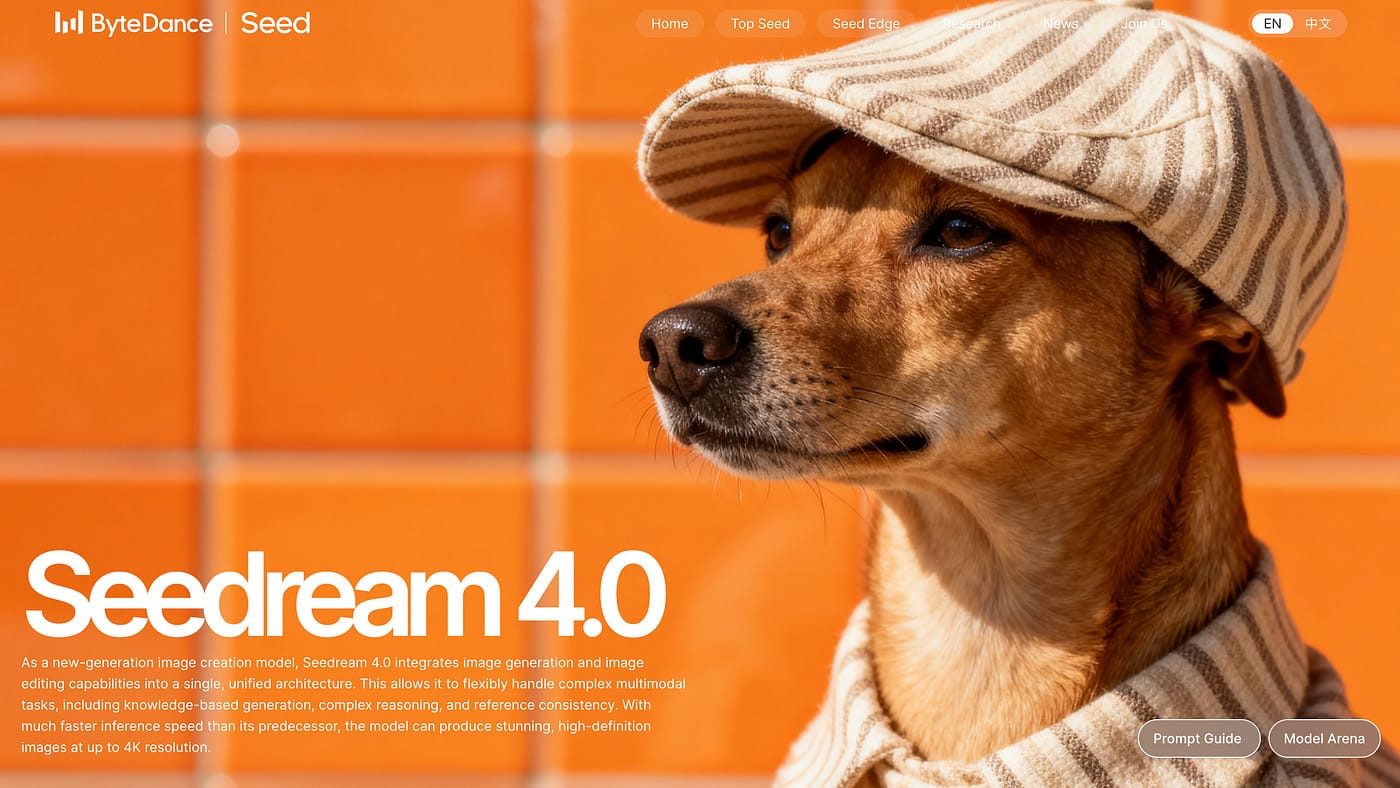
📌 What’s happening: TikTok parent ByteDance just dropped Seedream 4.0, an AI image generator aimed squarely at Google DeepMind’s “Nano Banana.” The tool boasts not just text-to-image but deep editing: reference-based generation, multi-image composites, and sequence creation for comics, storyboards, or branded IP packs. ByteDance claims its model beats Google’s on Magicbench for prompt adherence, alignment, and aesthetics.
🧠 How this hits reality: The image-gen war is no longer about who can make pretty pictures — it’s who can offer production-ready workflows. Seedream’s editing, reference, and sequencing features turn it from a toy into a pipeline tool. That puts Canva, Figma plugins, and indie AI art startups in a chokehold. Meanwhile, Google and ByteDance are burning compute to win loyalty in a market where margins evaporate fast.
🛎️ Key takeaway: AI art isn’t about imagination anymore — it’s industrial design automation, and the arms race just leveled up.
📌 What’s happening: TikTok parent ByteDance just dropped Seedream 4.0, an AI image generator aimed squarely at Google DeepMind’s “Nano Banana.” The tool boasts not just text-to-image but deep editing: reference-based generation, multi-image composites, and sequence creation for comics, storyboards, or branded IP packs. ByteDance claims its model beats Google’s on Magicbench for prompt adherence, alignment, and aesthetics.
📌 What’s happening: TikTok parent ByteDance just dropped Seedream 4.0, an AI image generator aimed squarely at Google DeepMind’s “Nano Banana.” The tool boasts not just text-to-image but deep editing: reference-based generation, multi-image composites, and sequence creation for comics, storyboards, or branded IP packs. ByteDance claims its model beats Google’s on Magicbench for prompt adherence, alignment, and aesthetics.
SEARCH

📌 What’s happening: Ryan Pearce hacked together a search engine—Searcha Page plus the privacy-centric Seek Ninja—on $5K worth of used server gear parked beside his washer. His setup indexes 2B+ pages, using LLMs for keyword expansion and contextual ranking.
🧠 How this hits reality: The product feels like Google circa 2000, but with AI-boosted precision and no data-tracking creep. Minimalist UI, strong privacy defaults, and surprisingly high-quality results make it a credible indie alternative. The real breakthrough isn’t aesthetics—it’s cost structure: a single engineer, commodity hardware, and open datasets replacing hyperscale cloud stacks. That’s a direct shot at the “only trillion-dollar firms can build search” myth.
🛎️ Key takeaway: Search just went from trillion-dollar infrastructure to garage-band project—and Big Tech’s moat is now mostly marketing.
🧠 How this hits reality: The product feels like Google circa 2000, but with AI-boosted precision and no data-tracking creep. Minimalist UI, strong privacy defaults, and surprisingly high-quality results make it a credible indie alternative. The real breakthrough isn’t aesthetics—it’s cost structure: a single engineer, commodity hardware, and open datasets replacing hyperscale cloud stacks.
QUICK HITS
TRENDING
TOGETHER WITH US
AI Secret Media Group is the world’s #1 AI & Tech Newsletter Group, boasting over 1 million readers from leading companies such as OpenAI, Google, Meta, and Microsoft. Our Newsletter Brands:
We've helped promote over 500 Tech Brands. Will yours be the next?
Email our co-founder Mark directly at [email protected] if the button fails.
Latest Daily Rundowns
 Magna
Magna MagnaMagna
More AI Stories
Ben Magna
Magna Ben
Ben
Hello, AI Enthusiasts!
In today’s delightful dish of digital drama, we have Perplexity AI serving up a proposal that’s juicier than your morning gossip. With the U.S. government potentially owning up to 50% of this new entity – but without any voting rights, because who wants to ruin a good thing with actual say-so?
SPONSORED BY

HEADLINES

In a bold and controversial proposal, Perplexity AI has suggested a merger with TikTok's U.S. operations, potentially leading to the U.S. government owning a significant stake in the new entity. This move raises questions about national security, corporate governance, and the cultural implications of government involvement in social media.
In a bold and controversial proposal, Perplexity AI has suggested a merger with TikTok's U.S. operations, potentially leading to the U.S. government owning a significant stake in the new entity. This move raises questions about national security, corporate governance, and the cultural implications of government involvement in social media.
Perplexity AI has revised its merger proposal with ByteDance, aiming to create a new entity that combines its operations with TikTok's U.S. business, with the U.S. government potentially owning up to 50% after an IPO valued at $300 billion.
TOGETHER WITH CHATHUB
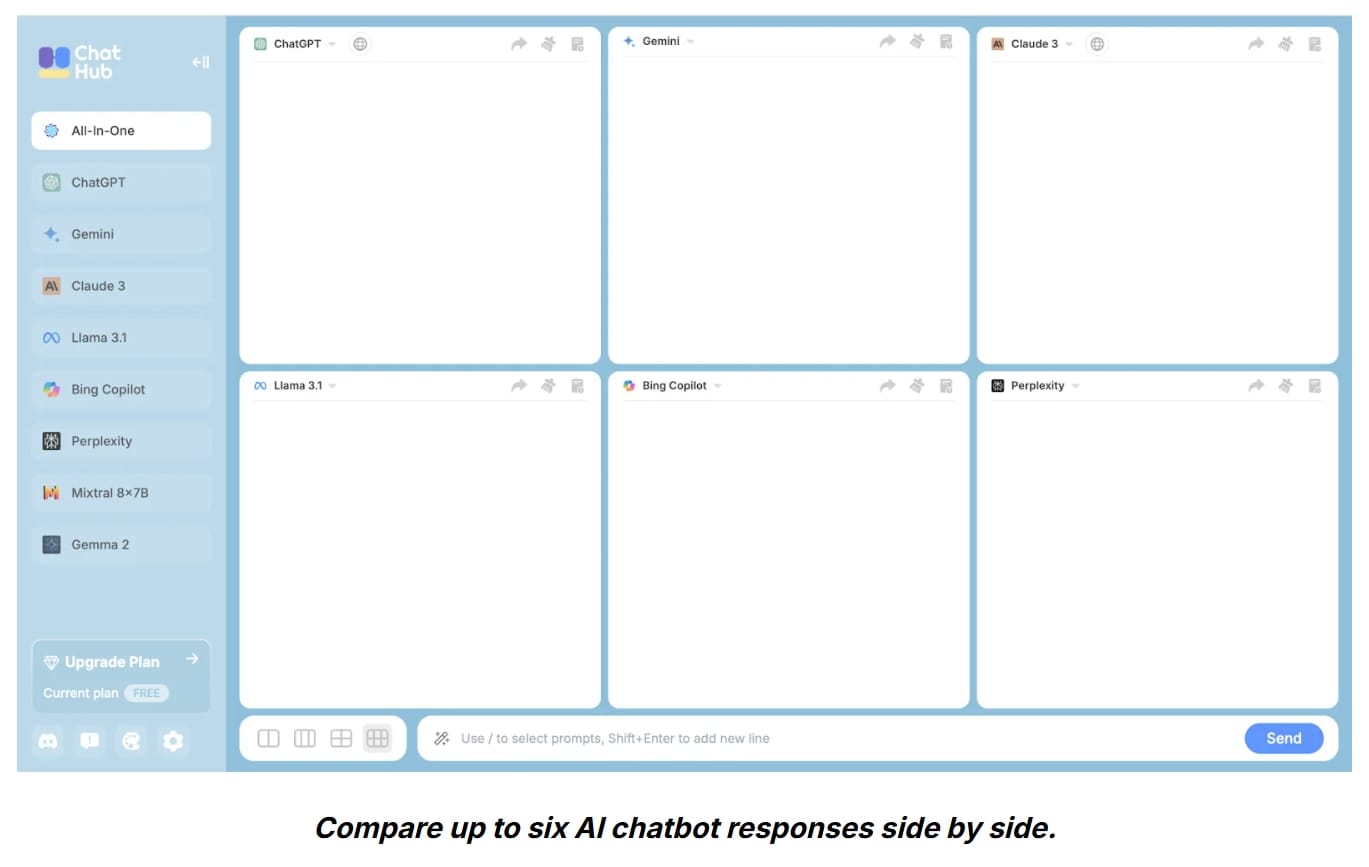
Struggling to choose between countless AI models and tools? ChatHub simplifies your workflow by allowing you to compare responses from multiple chatbots simultaneously.
Ideal for advanced users who need reliable, creative, and accurate outputs, ChatHub saves time by offering cross-chatbot validation and prompt templates, ensuring you get the best results without switching between apps.
HEADLINES

In the rapidly evolving landscape of artificial intelligence, the emergence of China’s DeepSeek AI has sent shockwaves through the tech industry, particularly affecting established giants like Nvidia.
Nvidia’s stock plummeted by 14% in response to DeepSeek's success, prompting analysts to question the value of premium chips in light of more affordable alternatives that achieve similar results.
DeepSeek's rise signifies a shift in AI economics, showcasing that high-quality AI development doesn't necessarily require massive funding and raising geopolitical concerns about tech competition, particularly between the U.S. and China.
QUICK HITS
TRENDING TOOLS
AI Secret is the world’s #1 AI Newsletter, boasting over 1 million readers from leading companies such as OpenAI, Google, Meta, and Microsoft. We've assisted in promoting Over 500 AI-Related Products. Will yours be the next?
What We Can Offer:
Email our co-founder Mark directly at [email protected] if the button fails.
Magna Magna
Magna Magna
Magna
Hello, AI Enthusiasts!
Today, we have a particularly juicy story simmering on the back burner: TikTok, that magical land of endless dance challenges and questionable recipes, is now in a tango with Perplexity AI—a search engine company.

SPONSORED BY

HEADLINES

The recent proposal by Perplexity AI to merge with TikTok US amidst a backdrop of political tensions and national security concerns raises intriguing questions about the future landscape of technology and social media. As TikTok's ownership hangs in the balance, this bold move could redefine the dynamics of the tech industry.
The recent proposal by Perplexity AI to merge with TikTok US amidst a backdrop of political tensions and national security concerns raises intriguing questions about the future landscape of technology and social media. As TikTok's ownership hangs in the balance, this bold move could redefine the dynamics of the tech industry.
The merger faces significant hurdles, including regulatory scrutiny from the FTC and DOJ, ByteDance’s reluctance to part with its prized algorithm, potential backlash from TikTok’s loyal user base, and possible interference from the Chinese government.
TOGETHER WITH MY NOTES AI
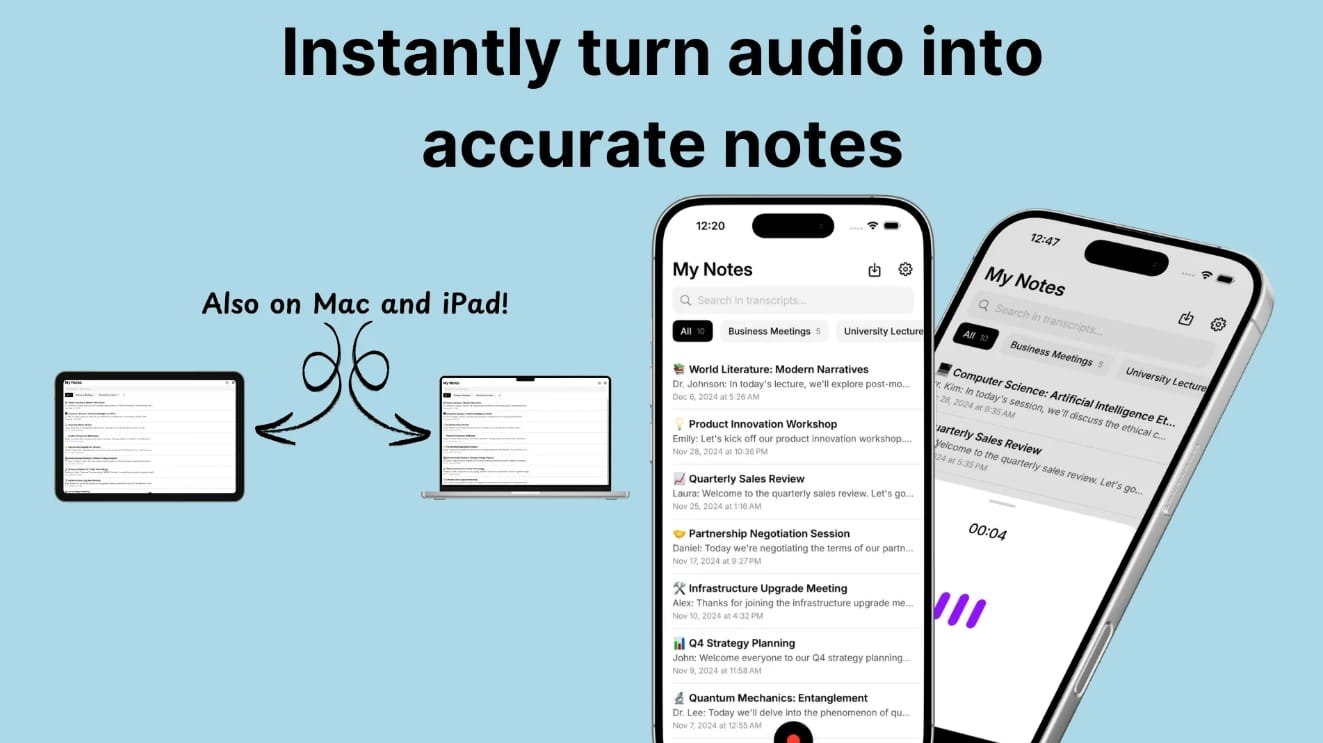
The market struggles with capturing details in meetings, lectures, and brainstorming sessions, leading to incomplete notes. Manual transcribing and summarizing are also time-consuming.
My Notes AI solves these issues by providing unlimited transcribing and summarizing for accurate documentation. With customizable folders and easy export options, it organizes notes efficiently, saving time and boosting productivity.
HEADLINES

The emergence of AI has transformed industries and daily life, but with this transformation comes significant security risks. Cisco has introduced a groundbreaking solution, Cisco AI Defense, aimed at addressing these challenges and setting a new standard in AI security.
QUICK HITS
Trending Tools
AI Secret is the world’s #1 AI Newsletter, boasting over 1 million readers from leading companies such as OpenAI, Google, Meta, and Microsoft. We've assisted in promoting Over 500 AI-Related Products. Will yours be the next?
What We Can Offer:
Email our co-founder Mark directly at [email protected] if the button fails.
Magna Magna
Magna Magna
Magna
Hello, AI Enthusiasts!
In today’s episode of “Who Needs a Budget When You Have Billions?” we’re shining a spotlight on ByteDance, the wildly ambitious parent company of TikTok. Yes, the same folks who brought you dance challenges and the “I can’t believe I spent 3 hours on this app” phenomenon are now strapping on their lab coats and diving headfirst into the AI pool.

In today’s episode of “Who Needs a Budget When You Have Billions?” we’re shining a spotlight on ByteDance, the wildly ambitious parent company of TikTok.
HEADLINES
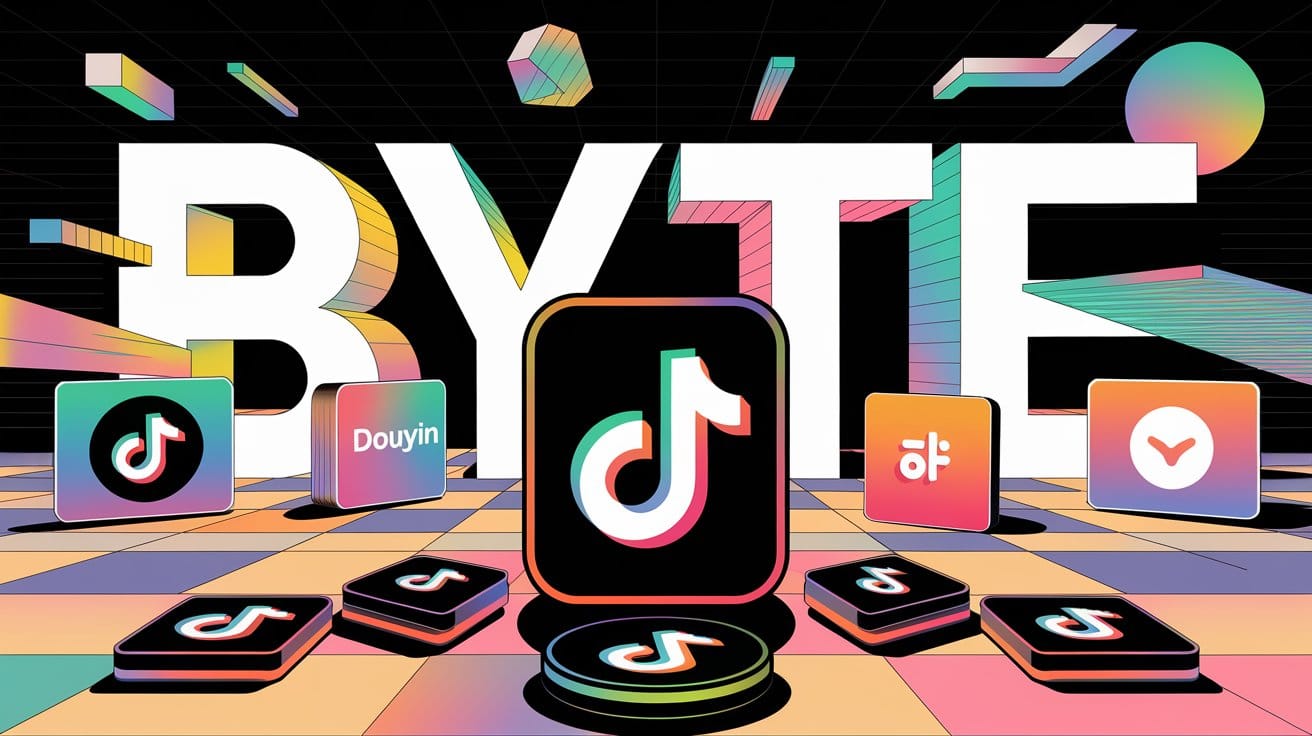
ByteDance, the parent company of TikTok, is making significant strides in theAI sector. With its ambitious plans to invest heavily in AI infrastructure, particularly through the acquisition of Nvidia chips, ByteDance aims to establish itself as a leader in the evolving landscape of AI technology.
ByteDance has become Nvidia's largest customer in Asia, investing $2 billion in 2023 alone for advanced AI chips before U.S. sanctions took effect. The company is also diversifying its chip sources and developing its own AI chips to reinforce its market position.
ByteDance, the parent company of TikTok, is making significant strides in theAI sector. With its ambitious plans to invest heavily in AI infrastructure, particularly through the acquisition of Nvidia chips, ByteDance aims to establish itself as a leader in the evolving landscape of AI technology.
TOGETHER WITH RISKIFY
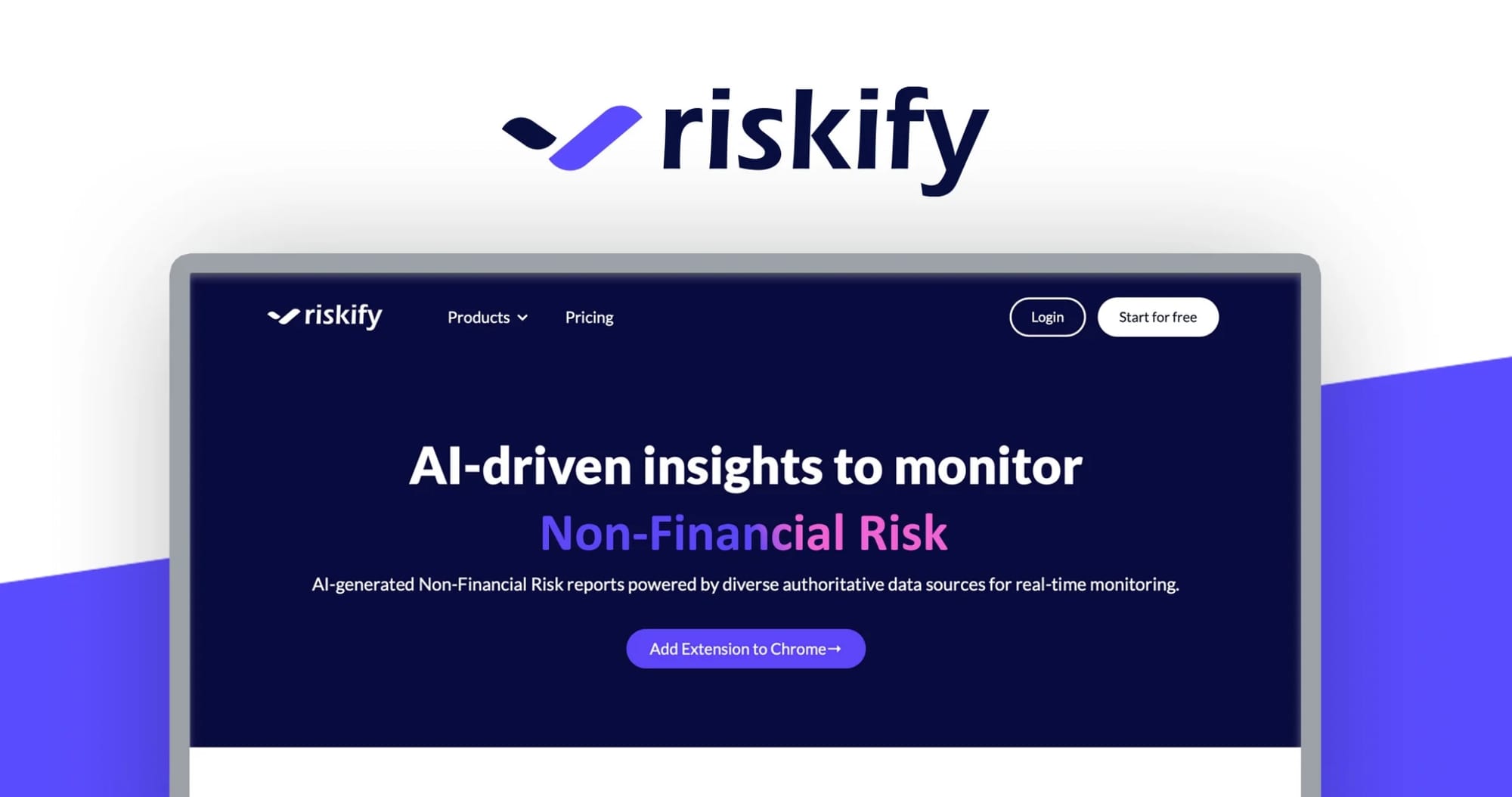
In today’s market, companies struggle to quickly spot non-financial risks (like operational or reputational) due to fragmented data and time-intensive research.
Riskify streamlines this process with AI-powered, real-time insights on cybersecurity, ESG practices, and employee stability, helping professionals identify risks faster and manage them more effectively.
This deal is provided by Oncely.com, the #1 Lifetime Deals Marketplace for AI & Software. A New Way of Buying AI Software — Pay Once, Use Forever, and say goodbye to monthly fees. The smartest way to leverage AI in your Business and Career before everyone else.
HEADLINES

Tesla's ambitious plans to enhance its AI capabilities through next-generation High Bandwidth Memory (HBM4) chips signal a transformative shift in the AI and semiconductor landscapes. By partnering with key players like Samsung and SK Hynix, Tesla is not only improving its Dojo supercomputer but also intensifying competition in the high-performance memory market.
Tesla's ambitious plans to enhance its AI capabilities through next-generation High Bandwidth Memory (HBM4) chips signal a transformative shift in the AI and semiconductor landscapes. By partnering with key players like Samsung and SK Hynix, Tesla is not only improving its Dojo supercomputer but also intensifying competition in the high-performance memory market.
QUICK HEATS
AI Trending
AI Secret is the world’s #1 AI Newsletter, boasting over 1 million readers from leading companies such as OpenAI, Google, Meta, and Microsoft. We've assisted in promoting Over 500 AI-Related Products. Will yours be the next?
What We Can Offer:
Email our co-founder Mark directly at [email protected] if the button fails.
Magna Magna
Magna Magna
Magna
Plus: HappyHorse Broke His Leg, Anthropic Hits OpenAI Territory
Read the storyPlus: Meta Ships Muse Spark, GLM Claims It Kills Opus
Plus: Gemini 3.1 Flash Lite Towards Floor, Qwen Loses Its Core Architects
Plus: Google Just Reset the AI War, Agents Design Agents, AI Music Front Door
Plus: Banana Faces ByteDance, Google’s Laundry Rival
Perplexity AI Proposes TikTok Merger with 50% US Ownership
Ladies and gentlemen, gather around because we have a tech drama that could rival the plot twists of your favorite Netflix series! In a move that
Is Perplexity AI's bid to merge with TikTok US a joke or a real possibility?
TikTok, the app that has us all dancing, lip-syncing, and wondering if we’re too old to be on it. But behind the viral trends and
Daily News Collection