Dario Amodei
Co-founder & CEO, Anthropic
Dario Amodei moved from physics and neuroscience research into deep learning at Baidu, Google and OpenAI.
Get AI Secret’s free daily briefing, including Dario Amodei and the wider AI industry.
At a glance
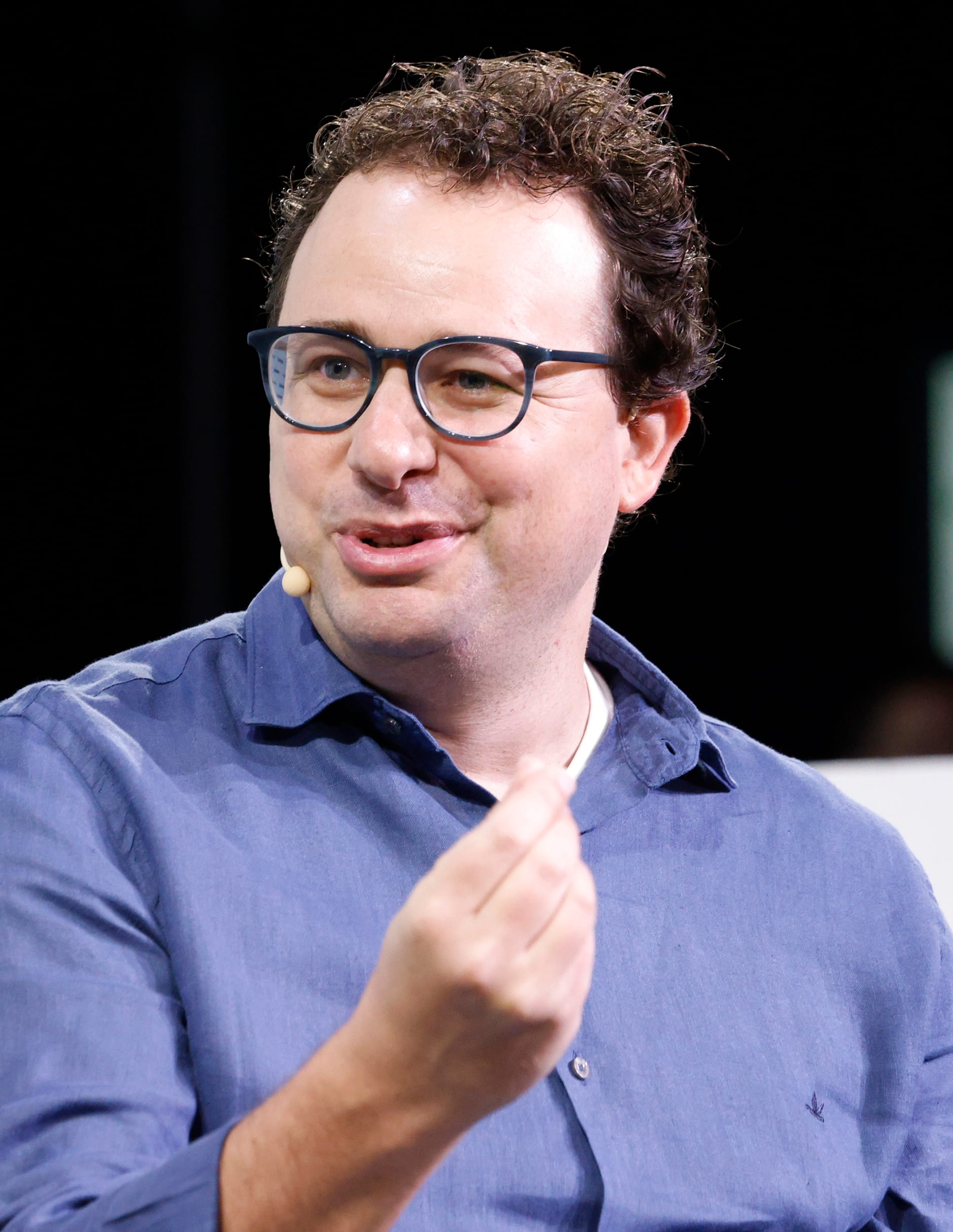
Dario Amodei moved from physics and neuroscience research into deep learning at Baidu, Google and OpenAI. As OpenAI’s vice president of research, he worked on large language models and AI safety. He co-founded Anthropic in 2021 and leads the company behind Claude.
- Current role
- Co-founder & CEO, Anthropic
- Born
- 1983
- Known for
- Anthropic; Claude; AI safety
- Coverage
- Language models; alignment; AI governance
Sources checked . Selected career milestones and biographical references.
Career, in context.
Selected milestones, newest first. Explore earlier career below.
Publishes Machines of Loving Grace
Amodei sets out his view of potential benefits and risks from powerful AI.
Source: Dario AmodeiAnthropic introduces Claude
The company publicly launches its AI assistant during his leadership.
Source: AnthropicCo-founds Anthropic
He and other former OpenAI colleagues establish the AI safety and research company.
Source: AnthropicJoins OpenAI
He later becomes vice president of research, working on language models and safety.
Source: Wikipedia
Show earlier careerHide earlier career · 2 milestones
More than 10 years ago.
Moves to Google Brain
Amodei works on deep learning after his research role at Baidu.
Source: WikipediaReceives a Hertz Fellowship
The fellowship supports his doctoral research at Princeton.
Source: Hertz Foundation
The latest on Dario Amodei
Newest firstRelated reporting
Briefs, articles and relevant sections, newest first. Explore older coverage below.
More coverage
The rapid advancements in artificial intelligence (AI) have sparked significant changes across various industries, with software development being one of the most impacted. Recently, Dario Amodei, the CEO of Anthropic, a leading AI research company, made a bold prediction that within three to six months, AI will be responsible for writing 90% of the code that software developers currently handle. Furthermore, he suggested that within a year, AI could potentially write all code, fundamentally transforming the role of software engineers.
Let's delve into the implications of Amodei's prediction, examining how AI is poised to reshape the software development landscape.
Anthropic's CEO Predicts that AI Will Write 90% of Code by 2025
Recently, Dario Amodei, the CEO of Anthropic, a leading AI research company, made a bold prediction that within three to six months, AI will be responsible for writing 90% of the code that software developers currently handle. Furthermore, he suggested that within a year, AI could potentially write all code, fundamentally transforming the role of software engineers.
The Prediction: AI Writing 90% of Code
Dario Amodei's statement at a Council on Foreign Relations (CFR) event on March 10, 2025, highlights the unprecedented pace at which AI is advancing in the field of software development. He claimed that AI tools, such as GitHub Copilot, Claude Code, and OpenAI's models, are evolving so rapidly that they will soon dominate the coding process. Within three to six months, AI is expected to write 90% of the code, and within a year, it could potentially handle all coding tasks.
Amodei emphasized that while humans are still needed to provide design features, conditions, and high-level specifications, the role of software developers will shift significantly. Instead of writing code, developers will focus on supervising, debugging, and optimizing AI-generated outputs.
The Role of AI in Software Development
AI as a Coding Assistant
AI has already begun to revolutionize software development by acting as a coding assistant. Tools like GitHub Copilot and OpenAI's Codex can generate code snippets, automate repetitive tasks, and even suggest architectural improvements. According to Charlie Clark, founder of Liinks and former Senior Software Engineer at Squarespace, AI will soon become the "ultimate coding assistant," capable of translating high-level concepts into executable code. This shift will allow developers to focus on the "why" rather than the "how," enabling faster and more efficient development without compromising quality.
Code Maintenance and Legacy Systems
One of the most time-consuming aspects of software development is maintaining and updating legacy code. AI is expected to transform this process by quickly understanding and optimizing outdated codebases. This will significantly reduce the burden on developers, freeing them to focus on more creative and strategic tasks.
Real-Time Collaboration and Prototyping
AI's capabilities extend beyond writing code to enabling real-time collaboration and rapid prototyping. Developers may soon be able to verbally describe a feature, and AI will draft the initial code and create a prototype environment for testing. This level of integration will streamline workflows and enhance productivity.
Implications for the Industry
The adoption of AI in software development promises significant efficiency gains. By automating routine and repetitive tasks, AI allows developers to focus on higher-value activities, such as problem-solving and innovation. This could lead to faster project completion times and reduced costs for businesses.
As AI takes over coding tasks, the role of software developers will evolve. Developers will transition from writing code to supervising AI outputs, debugging, and ensuring that AI-generated code aligns with ethical standards and business goals. This shift will require a new skill set, including expertise in AI model training and optimization.
The rise of AI in coding raises concerns about the future of junior developers and those entering the field. With AI handling most coding tasks, traditional entry-level roles may become scarce, making it harder for new developers to gain experience and build foundational skills. This could lead to a skills gap in the long term.
The widespread adoption of AI in software development could lead to job displacement for some developers. According to IMF Managing Director Kristalina Georgieva, AI is expected to impact roughly 40% of global jobs, with some roles benefiting from enhanced productivity while others face reduced labor demand. In extreme cases, certain jobs may disappear altogether.
Ethical and Technical Considerations
One potential pitfall of relying heavily on AI for coding is the erosion of foundational programming skills. As developers become more dependent on AI, there is a risk that they may lose the ability to write code manually, which could be problematic in scenarios where AI tools fail or produce errors.
As AI takes on a larger role in software development, it is crucial to ensure that AI-generated code aligns with ethical standards. Developers will need to focus on guiding AI systems to produce outputs that are fair, unbiased, and secure.
Looking Forward
Dario Amodei's prediction that AI will write 90% of code within three to six months marks a pivotal moment in the evolution of software development. While this shift promises significant efficiency gains and productivity improvements, it also presents challenges, particularly for junior developers and those entering the field. The role of software engineers will evolve, requiring new skills and a focus on supervising and optimizing AI-generated outputs.
As the industry adapts to this transformation, it is essential to address the ethical and technical challenges associated with AI-driven development. By doing so, businesses and developers can harness the full potential of AI while ensuring that its adoption benefits the broader tech ecosystem.

A New Direction
The Million-Fold Leap in AI: U.S. AI Czar David Sacks' Vision for the Next Four Years
Unveiling the Black Box
Neuralink Empowers Paralyzed Patient to Edit YouTube with Thoughts
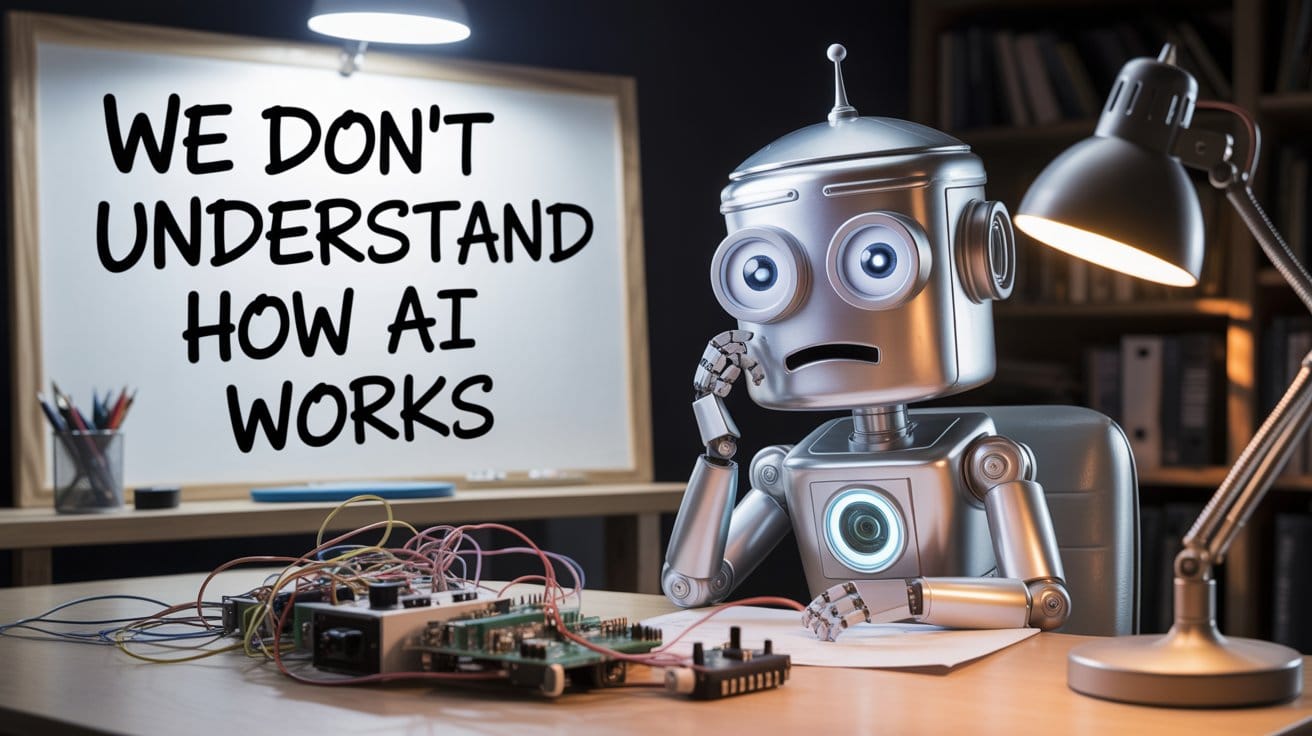
Anthropic CEO Admits We Don't Understand How AI Works
In a rare and striking moment of candor, Dario Amodei, CEO of Anthropic—one of the world’s leading artificial intelligence (AI) research labs—has publicly
Illusions of Intelligence
An AI research agent can effectively solve the problem of AI hallucinations.
Simulate Brain Reasoning
The tension between OpenAI and Microsoft is set to change the competition in AI development.
The Automation of Thinking
Baidu's Aggressive AI Pricing Strategy: A Catalyst for a Global AI Price War
AI Will Write 90% of Code
Exploring Anthropic CEO's Bold Prediction and the Rise of Robo-Advisors
Anthropic's CEO Predicts that AI Will Write 90% of Code by 2025
The rapid advancements in artificial intelligence (AI) have sparked significant changes across various industries, with software development being one of the most impacted. Recently, Dario Amodei,

Reuters Win the First AI Case
Replit And Anthropic's AI Helped Zillow Create Software Without Any Engineers