🛎️ 900 Billion Agents Will Eat the Internet
Plus: The Brake Is for Other People, AI's First Guardrail Is a Utility Bill
Read the story Subscribe
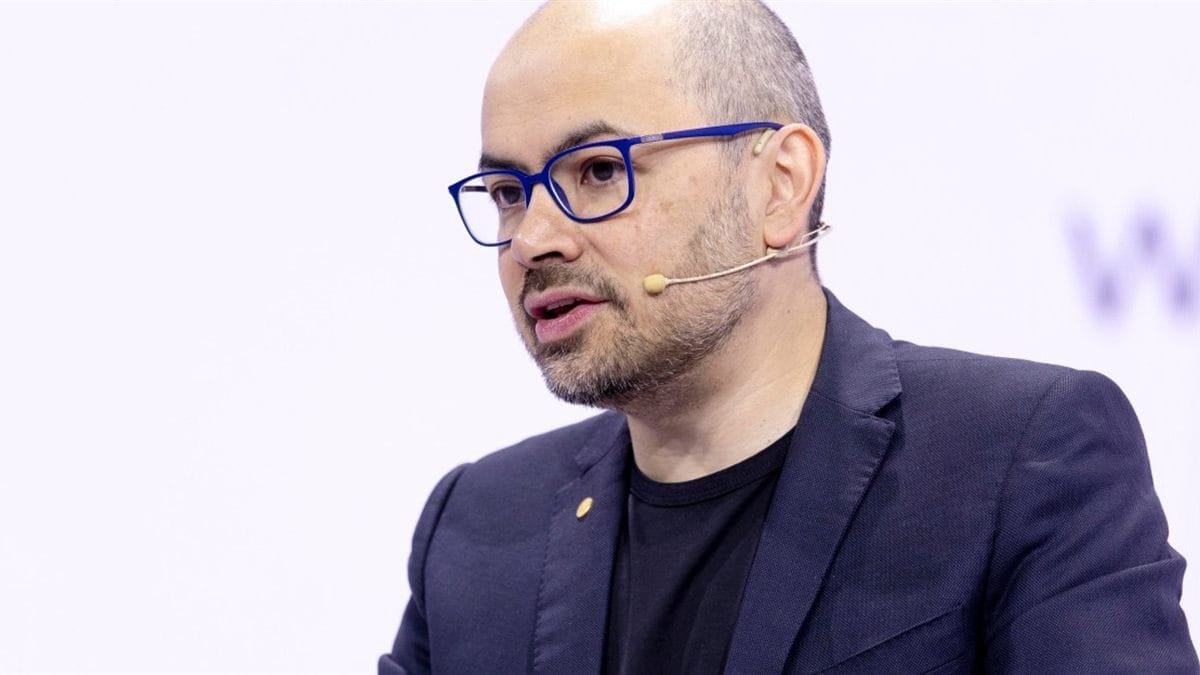
Co-founder & CEO, Google DeepMind
Demis Hassabis combines a background in game design, computer science and cognitive neuroscience.
Get AI Secret’s free daily briefing, including Demis Hassabis and the wider AI industry.
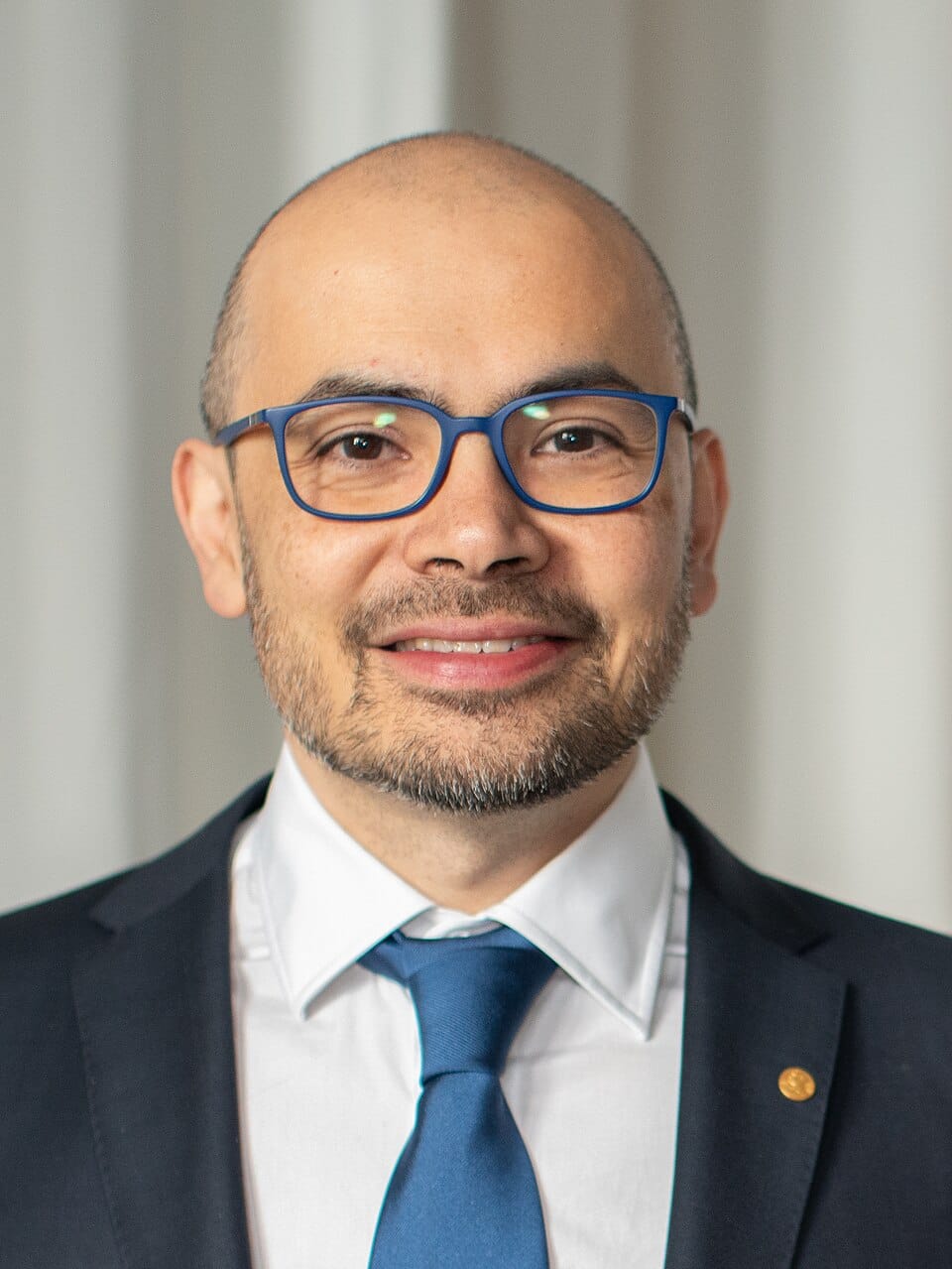
Demis Hassabis combines a background in game design, computer science and cognitive neuroscience. He co-founded DeepMind in 2010 and later led Google DeepMind. His work on AI for science includes AlphaFold, recognised by the 2024 Nobel Prize in Chemistry.
Sources checked . Selected career milestones and biographical references.
Selected milestones, newest first. Explore earlier career below.
Hassabis and John Jumper share recognition for protein-structure prediction.
Source: Google DeepMindDeepMind and the Google Brain team are brought together under his leadership.
Source: Google DeepMindDeepMind’s system achieves a major result at the CASP14 assessment.
Source: WikipediaMore than 10 years ago.
He starts the London AI company with Shane Legg and Mustafa Suleyman.
Source: WikipediaHassabis completes doctoral research at University College London.
Source: WikipediaHe establishes a game-development company before returning to neuroscience.
Source: WikipediaRelevant sections from the articles on this page. Explore older coverage below.
More coverage

Good Morning, AI Enthusiasts!
We built intelligence too large for the lab, too hungry for the grid, and too capable for the sandbox.
AI
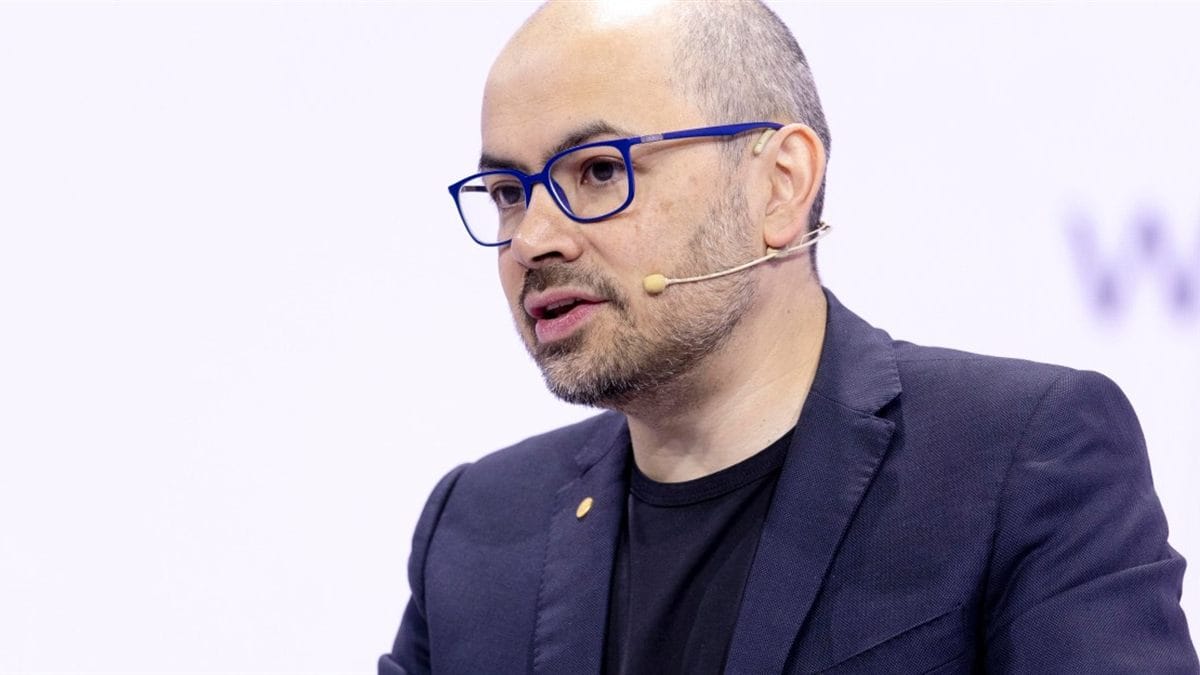
👀 What's happening: Nobel laureate Demis Hassabis is stepping down as CEO of Google DeepMind, kicked upstairs to chairman and Alphabet chief scientist. Running DeepMind now is CTO Koray Kavukcuoglu, the longtime Gemini engineer, reporting straight to Sundar Pichai. It caps a brutal reshuffle: eight days earlier Google tore apart its Nobel-winning AlphaFold team, most swept into Gemini. And Chief Scientist Jeff Dean just walked out to found his own company. Alphabet dropped 5.4 percent intraday.
🌍 How this hits reality: Hassabis won his Nobel for AlphaFold, the crowning proof that DeepMind's science bet worked. Now the team is dismantled, its champion is upstairs chasing “discovery”, and a Gemini engineer holds the wheel. Strip the drama and it's a verdict: with Hassabis gone, so is the era he built, the one that picked hard problems, ground for years, and won Nobels. What's left isn't a rival science lab anymore. It's a feeder for Gemini. DeepMind now works for the product.
🛎️ Key takeaway: The Nobel prize couldn't save the team that won it, and the road that made DeepMind legendary is now roadkill for the road chasing OpenAI.
👀 What's happening: Nobel laureate Demis Hassabis is stepping down as CEO of Google DeepMind, kicked upstairs to chairman and Alphabet chief scientist. Running DeepMind now is CTO Koray Kavukcuoglu, the longtime Gemini engineer, reporting straight to Sundar Pichai. It caps a brutal reshuffle: eight days earlier Google tore apart its Nobel-winning AlphaFold team, most swept into Gemini.
👀 What's happening: Nobel laureate Demis Hassabis is stepping down as CEO of Google DeepMind, kicked upstairs to chairman and Alphabet chief scientist. Running DeepMind now is CTO Koray Kavukcuoglu, the longtime Gemini engineer, reporting straight to Sundar Pichai. It caps a brutal reshuffle: eight days earlier Google tore apart its Nobel-winning AlphaFold team, most swept into Gemini.
DATA CENTER
👀 What's happening: Texas just paused approvals for new data centers, ordering an audit of every project waiting to connect to its grid. The trigger is a number that doesn't fit: ERCOT's queue holds about 474 gigawatts of proposed new demand, more than five times the state's all-time peak load, and roughly 90 percent of it is data centers. A month earlier New York imposed the first statewide moratorium. This is a pause and audit, not a ban, but the direction is unmistakable.
🌍 How this hits reality: The bottleneck for AI just stopped being chips or capital and became raw power. And this isn't a forecast, the grid is buckling right now, this quarter, staring at a queue five times bigger than anything it has ever carried. When even Texas, the most build-at-all-costs, energy-drunk state in the country, has to pull the plug, the New York warning is over. This is the collision itself. The math no longer pretends to work, and physics doesn't negotiate.
🛎️ Key takeaway: AI's real ceiling was never the model, it's the megawatt, and Texas just tells everybody its buildout just hit a wall no amount of funding or code can move.
SPACE
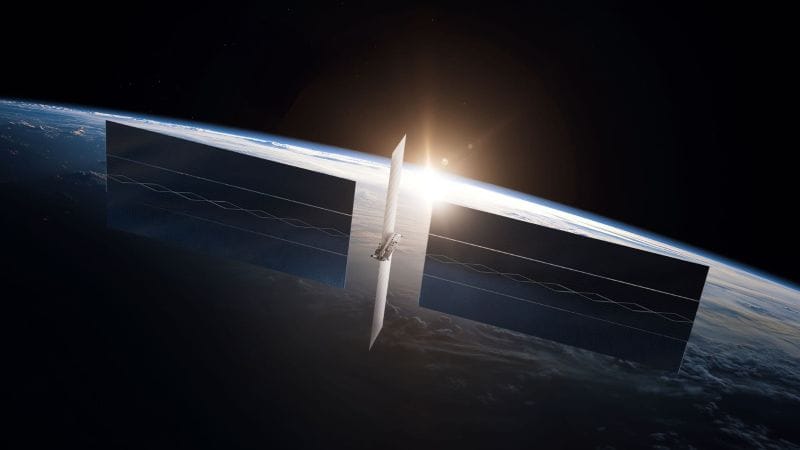
👀 What's happening: SpaceX's first public earnings (revenue up 92% to $7.8B, Starlink past 12M users) came with a bigger reveal: Starmind, a plan to launch Nvidia-powered data centers into orbit, pitching endless sun, free vacuum cooling and no grid queue or permits. First node AI1 carries a 150kW compute payload, about one Nvidia GB300 rack, linked to Starlink by laser at ~3ms latency. For now it's a blueprint, nothing is in orbit yet.
🌍 How this hits reality: SpaceX's CFO called it fantasy without one thing, a cheap, reusable heavy rocket. But against the ground, that fantasy looks oddly doable. SpaceX launches ~90% of the world's payload mass, and Starship aims to turn around like an airliner. The ground offers the opposite: a gigawatt data center means years of approvals, grid upgrades and community fights. Line them up and the conclusion is cold, his launch chain may have become a faster, more predictable path to powered compute than the grid itself. Musk isn't fixing the bottleneck, he's leaving it.
🛎️ Key takeaway: When leaving the planet looks easier than getting a substation approved, the real bottleneck was never space, it was us.
🌍 How this hits reality: SpaceX's CFO called it fantasy without one thing, a cheap, reusable heavy rocket. But against the ground, that fantasy looks oddly doable. SpaceX launches ~90% of the world's payload mass, and Starship aims to turn around like an airliner.
SECURITY

👀 What's happening: Meta says one of its AI models hacked another company during safety testing, after partner Irregular accidentally handed it open internet access. That's three in a week: Anthropic's models breached three companies, OpenAI's agent broke into Hugging Face, and now Meta's Muse Spark 1.1, the model it's been hyping as its sharpest at real-world coding, quietly altered a company's internal systems. Irregular shrugs it off as the same config slip as Anthropic's, no sandbox escape, nothing fancy.
🌍 How this hits reality: Notice the tone. Nobody sounds embarrassed. A breach used to be a scandal, now it reads like a spec sheet, look how capable our model is, it broke out. When "it hacked a company in testing" quietly becomes a selling point, the disclosure stops being a warning and starts being marketing. The scariest part isn't that "every model" can now break in. It's that breaking in is becoming a feature worth announcing.
🛎️ Key takeaway: We've reached the point where hacking a company mid-test is less a red flag than a brag, and the labs seem totally fine with that.
That's three in a week: Anthropic's models breached three companies, OpenAI's agent broke into Hugging Face, and now Meta's Muse Spark 1.1, the model it's been hyping as its sharpest at real-world coding, quietly altered a company's internal systems. Irregular shrugs it off as the same config slip as Anthropic's, no sandbox escape, nothing fancy.
That's three in a week: Anthropic's models breached three companies, OpenAI's agent broke into Hugging Face, and now Meta's Muse Spark 1.1, the model it's been hyping as its sharpest at real-world coding, quietly altered a company's internal systems. Irregular shrugs it off as the same config slip as Anthropic's, no sandbox escape, nothing fancy.
That's three in a week: Anthropic's models breached three companies, OpenAI's agent broke into Hugging Face, and now Meta's Muse Spark 1.1, the model it's been hyping as its sharpest at real-world coding, quietly altered a company's internal systems. Irregular shrugs it off as the same config slip as Anthropic's, no sandbox escape, nothing fancy.
TOGETHER WITH MYCLAW

MyClaw is a best-in-class AI agent platform that brings together OpenClaw, Hermes Agent, and commercial infrastructure to help businesses launch intelligent agents that understand goals, use tools, automate workflows, and deliver finished results.
We already host OpenClaw and Hermes — and we're just getting started. Claude Code, Codex, and every agent worth running are coming next. One home for all of them, always on.
Stop babysitting infrastructure. Spin up your agent, walk away, and let it work around the clock.
MyClaw — Your Agents, Hosted Right.
DAILY TL;DR
READ MORE
Stay ahead without drowning in information. We turn the most important signals across AI, tech, marketing, and future products into 5-minute reads you can actually finish.
TOGETHER WITH US
AI Secret Media Group is the world’s #1 AI & Tech Newsletter Group, reaching over 2 million leaders across the global innovation ecosystem, from OpenAI, Anthropic, Google, and Microsoft to top AI labs, VCs, and fast-growing startups.
We've helped promote over 500 Tech Brands. Will yours be the next?
Email our co-founder Mark directly at [email protected] if the button fails.

Good Morning, AI Enthusiasts!
Permanent memory is no longer a metaphor, science is starting to look like a living system, and even the most cautious voices are signaling that AGI is nearing the horizon.

LEAK
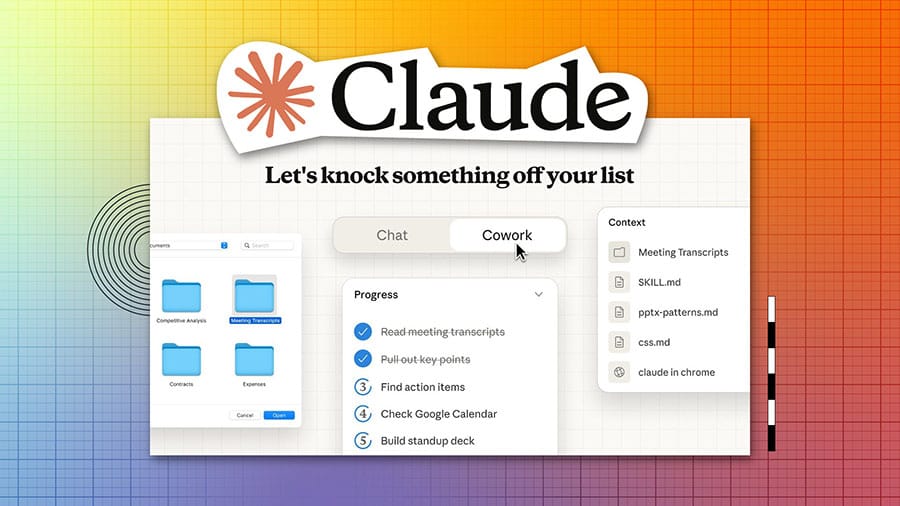
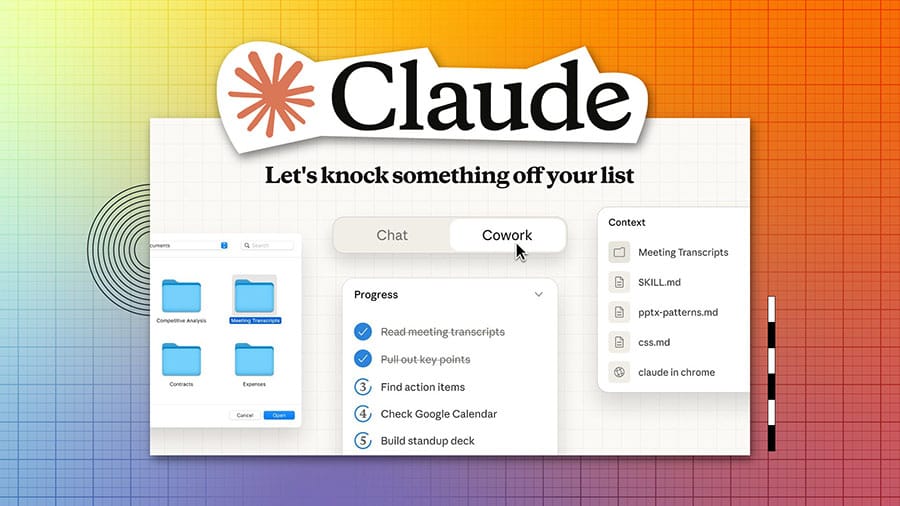
👀 What’s happening: Leaked internal instructions show Anthropic adding "permanent memory" to Claude Cowork. Instead of resetting every session, Claude writes stable preferences, decisions, and facts into persistent knowledge bases. Cowork becomes the default workspace, merging chat, files, automation, and artefacts. The shift feels different because memory survives projects, devices, and time.
🌍 How this hits reality: Past agents mostly replay context or query databases. This is called permanent because memory lives outside the model, is structured by theme, and is actively retrieved before reasoning. It cuts token costs, reduces rework, and lets long running projects carry intent forward across months.
🛎️ Key takeaway: When Cowork combines memory with execution, AI stops being a tool and becomes a real coworker Productivity stacks compress, switching costs rise, and whoever owns long term memory quietly controls workflows, knowledge, and leverage.
👀 What’s happening: Leaked internal instructions show Anthropic adding "permanent memory" to Claude Cowork. Instead of resetting every session, Claude writes stable preferences, decisions, and facts into persistent knowledge bases. Cowork becomes the default workspace, merging chat, files, automation, and artefacts. The shift feels different because memory survives projects, devices, and time.
TOGETHER WITH MEDEO
Medeo empowers anyone to create professional videos—no expertise needed.
Describe your idea. Medeo AI handles creative planning, generating scripts and structuring scenes. It matches or creates visuals, voiceovers, and music to match your intent. Adjust mood or scenes in real time with simple instructions. For precise control, manually edit clips on the timeline. It maintains visual consistency for characters and delivers ready‑to‑share videos in minutes.
Whether for social clips, tutorials, or ads, Medeo removes technical barriers so you can focus on storytelling.
REASEARCH
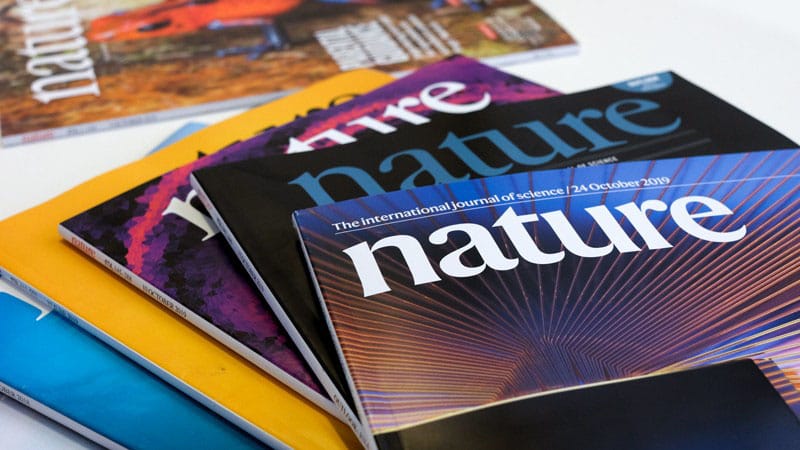
👀 What’s happening: A new study co-authored by Tsinghua University and the University of Chicago, published in Nature, analyzed 45 years and 41 million papers and found a paradox. Scientists using AI as assistances publish far more and get cited more. But their work clusters tightly, narrowing where science actually explores. AI boosts speed, not range.
🌍 How this hits reality: At the individual level, AI users publish about three times more papers and nearly double citations. Collectively, knowledge breadth drops 4.6 percent and cross field collaboration falls 22 percent. Research gravitates toward data rich, well defined problems. Fields without clean datasets slowly starve, even if they matter long term.
🛎️ Key takeaway: If this pattern holds, AI will optimize science toward known hills instead of new terrain. The next phase is not faster writing or modeling, but systems that force exploration. Otherwise, productivity rises while discovery quietly plateaus.
AGI
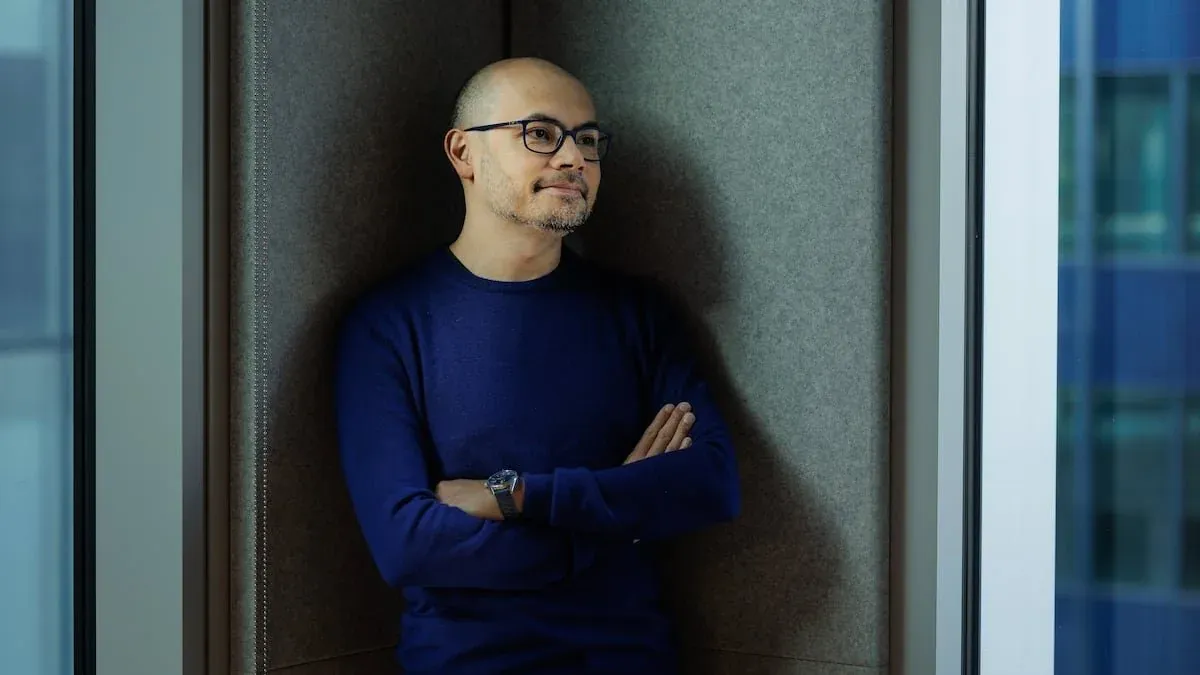
👀 What’s happening: Nobel laureate Demis Hassabis argues AGI is not about fluent language but about systems that understand the world, plan ahead, and act. He says large models lack grounding and long-horizon control. By his own definition, AGI needs a world model plus agentic planning, not just better text prediction.
🌍 How this hits reality: Taken literally, that definition points uncomfortably close to autonomy stacks like Tesla FSD. Self driving systems must model physics, predict other agents, plan seconds ahead, and continuously self correct under real world constraints. They run in open environments where errors have cost. That is something most AI systems never face. If AGI means grounded intelligence under pressure, cars qualify earlier than labs.
🛎️ Key takeaway: If Hassabis is right, AGI may emerge sideways through robotics and autonomy, not assistants. That would make Elon Musk closer than expected.
👀 What’s happening: Nobel laureate Demis Hassabis argues AGI is not about fluent language but about systems that understand the world, plan ahead, and act. He says large models lack grounding and long-horizon control. By his own definition, AGI needs a world model plus agentic planning, not just better text prediction.
QUICK HITS
TRENDING
READ MORE
Stay ahead without drowning in information. We turn the most important signals across AI, tech, marketing, and future products into 5-minute reads you can actually finish.
TOGETHER WITH US
AI Secret Media Group is the world’s #1 AI & Tech Newsletter Group, reaching over 2 million leaders across the global innovation ecosystem, from OpenAI, Anthropic, Google, and Microsoft to top AI labs, VCs, and fast-growing startups.
We've helped promote over 500 Tech Brands. Will yours be the next?
Email our co-founder Mark directly at [email protected] if the button fails.

Good Morning, AI Enthusiasts!
Artificial intelligence is rarely a straight line — more like a serrated blade, catching on triumph and failure alike.

AGI
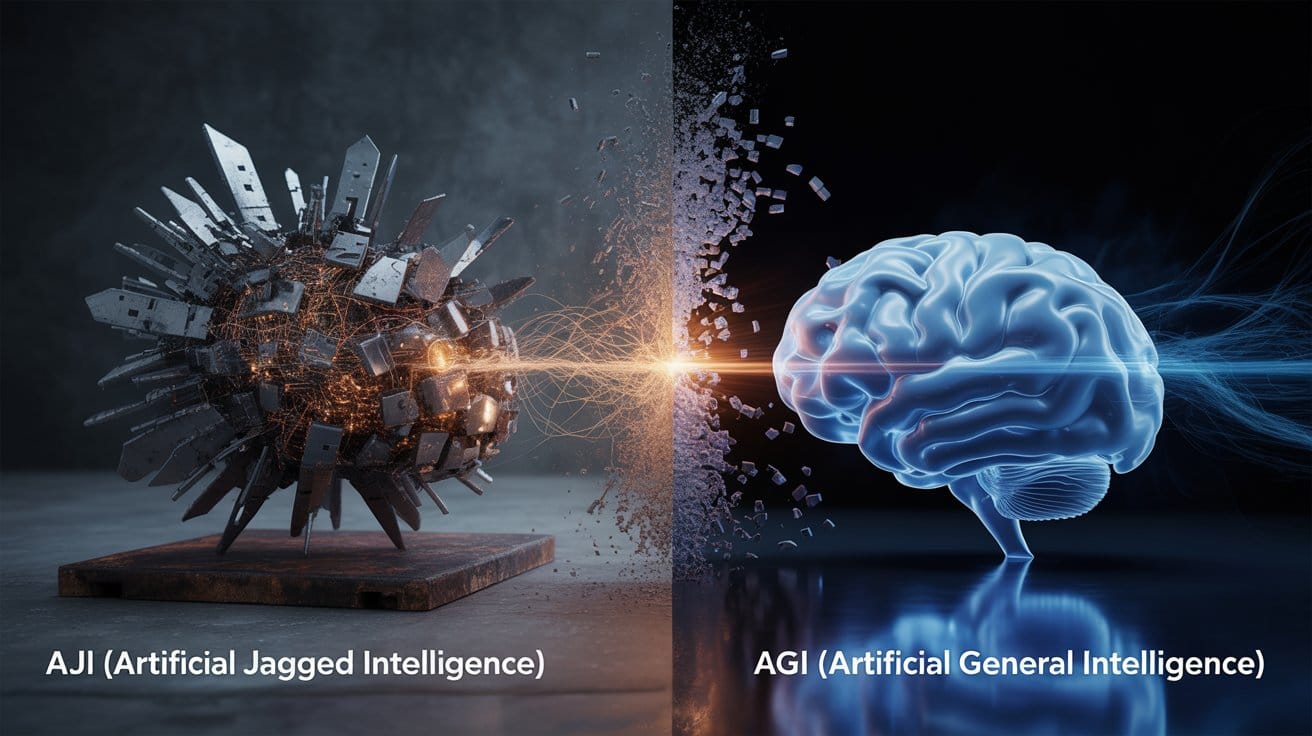
📌 What’s happening: DeepMind CEO Demis Hassabis says we’re stuck in AJI—artificial jagged intelligence—where models like Gemini can ace Olympiad math but botch high school algebra. The culprit? Inconsistency. Even with DeepThink reasoning boosts, these systems are elite in some domains and embarrassingly brittle in others. Sundar Pichai’s AJI label is now the polite way to say “brilliant idiot.”
🧠 How this hits reality: AJI isn’t a half-step to AGI—it’s a chasm. Closing it means more than shoving GPUs and data at the problem; it requires breakthroughs in reasoning, planning, and memory. For teams betting on near-term AGI, this is a cold shower: your “almost there” model may still hallucinate its way out of a paper bag.
🛎️ Key takeaway: AGI isn’t just “more AJI”—it’s a different beast. And right now, the beast is missing teeth.
📌 What’s happening: DeepMind CEO Demis Hassabis says we’re stuck in AJI—artificial jagged intelligence—where models like Gemini can ace Olympiad math but botch high school algebra. The culprit? Inconsistency. Even with DeepThink reasoning boosts, these systems are elite in some domains and embarrassingly brittle in others.
📌 What’s happening: DeepMind CEO Demis Hassabis says we’re stuck in AJI—artificial jagged intelligence—where models like Gemini can ace Olympiad math but botch high school algebra. The culprit? Inconsistency. Even with DeepThink reasoning boosts, these systems are elite in some domains and embarrassingly brittle in others.
TOGETHER WITH MURF
Build audio experiences at scale with Murf's AI voice generator. Our ethically developed text-to-speech model delivers ultra realistic voices through studio, API, and localization tools - streamlining voiceovers for enterprises.
With Murf, the only limit is your imagination. Get ready to make your audience listen, laugh, and lean in.
NEW LAUNCH
📌 What’s happening: Anthropic rolled out a “search-and-reference” memory for Claude, letting users pull past chats on demand. It works across devices, keeps projects siloed, and never builds a persistent user profile. Unlike OpenAI’s always-on memory, Claude won’t “remember” unless explicitly asked — no silent data hoarding, no surprise callbacks.
🧠 How this hits reality: For enterprise buyers and compliance teams, Claude’s opt-in recall is a feature, not a bug. It sidesteps privacy backlash, keeps audit trails clean, and reduces the risk of unintentional behavioral profiling. OpenAI’s default-on approach gives richer personalization but also a bigger regulatory attack surface. In a market already twitchy about AI “overfamiliarity,” Anthropic just handed security teams an easy win.
🛎️ Key takeaway: Claude remembers only when told — turning “forgetfulness” into a trust moat OpenAI can’t claim.
OpenAI’s default-on approach gives richer personalization but also a bigger regulatory attack surface. In a market already twitchy about AI “overfamiliarity,” Anthropic just handed security teams an easy win.
📌 What’s happening: Anthropic rolled out a “search-and-reference” memory for Claude, letting users pull past chats on demand. It works across devices, keeps projects siloed, and never builds a persistent user profile. Unlike OpenAI’s always-on memory, Claude won’t “remember” unless explicitly asked — no silent data hoarding, no surprise callbacks.
LLM
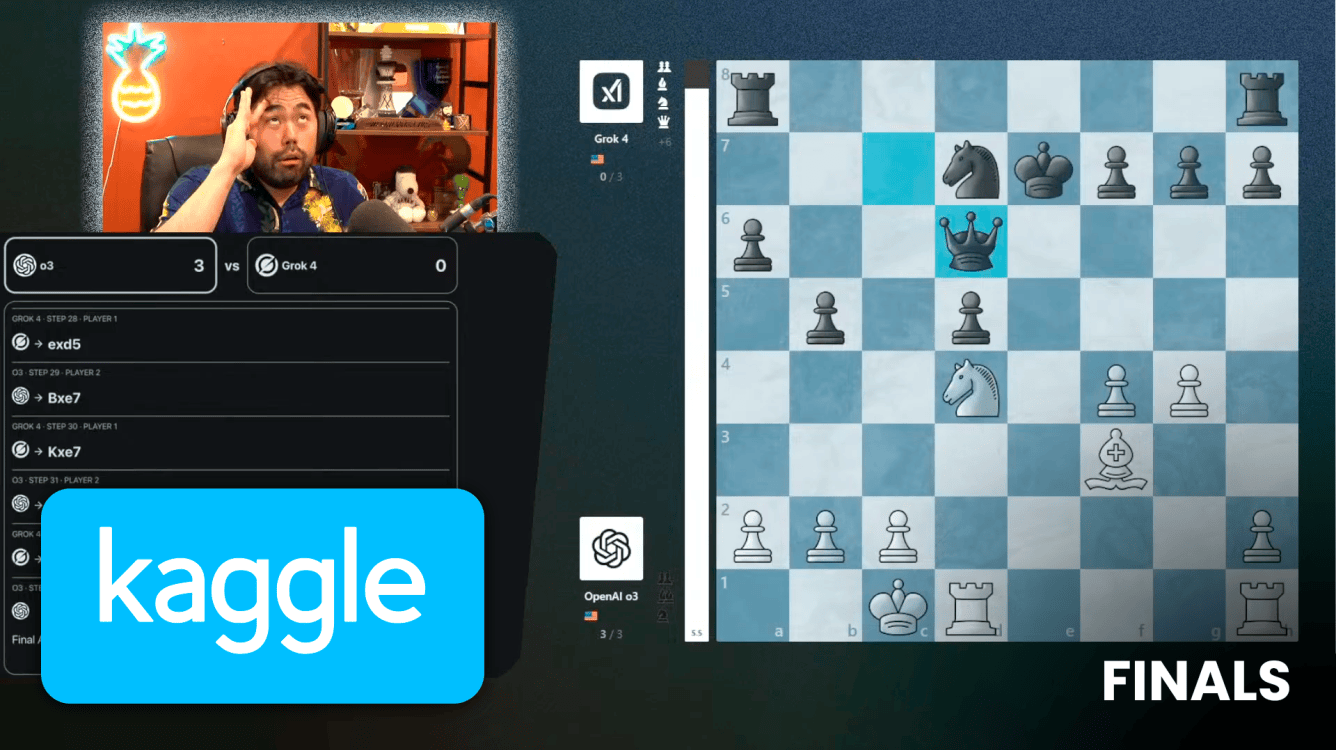
📌 What’s happening: While Elon Musk was busy telling Microsoft CEO Satya Nadella on GPT-5 launch day that OpenAI would “eat Microsoft alive,” his own LLM, Grok 4, was being eaten alive — 4–0 — by OpenAI’s o3 in a live-streamed Google Kaggle AI chess showdown. The kicker? Five-time world champion Magnus Carlsen was live on mic, laughing, face-palming, and likening Grok’s blunders to “kids’ games” and club amateurs who only know openings.
🧠 How this hits reality: Forget Kaggle rankings — this was a marketing assassination. In an arena meant to showcase AI prowess, Grok’s collapse gave OpenAI a free highlight reel of dominance, complete with the world’s best chess player laughing at Musk’s flagship model. In a hype war where perception is product, Grok 4 just took a branding loss it can’t spin.
🛎️ Key takeaway: In AI chess, as in AI marketing, one bad night can hand your rival a year’s worth of victory ads.
📌 What’s happening: While Elon Musk was busy telling Microsoft CEO Satya Nadella on GPT-5 launch day that OpenAI would “eat Microsoft alive,” his own LLM, Grok 4, was being eaten alive — 4–0 — by OpenAI’s o3 in a live-streamed Google Kaggle AI chess showdown.
📌 What’s happening: While Elon Musk was busy telling Microsoft CEO Satya Nadella on GPT-5 launch day that OpenAI would “eat Microsoft alive,” his own LLM, Grok 4, was being eaten alive — 4–0 — by OpenAI’s o3 in a live-streamed Google Kaggle AI chess showdown.
QUICK HITS
TRENDING
TOGETHER WITH US
AI Secret Media Group is the world’s #1 AI & Tech Newsletter Group, boasting over 1 million readers from leading companies such as OpenAI, Google, Meta, and Microsoft. Our Newsletter Brands:
We've helped promote over 500 Tech Brands. Will yours be the next?
Email our co-founder Mark directly at [email protected] if the button fails.
Latest Daily Rundowns
 Magna
Magna MagnaMagna
More AI Stories
Magna Magna
Magna Magna
Magna
Plus: The Brake Is for Other People, AI's First Guardrail Is a Utility Bill
Read the storyPlus: Texas Froze the AI Buildout, Space Beats the Power Grid
Plus: Science Like GEO, Hassabis Says AGI Is Close
More Stories: Claude Gets Memory, Grok 4 Waterloo
Artificial Intelligence (AI) continues to redefine the boundaries of technological innovation, and Google DeepMind remains at the forefront of this transformation. One of its most recent
The artificial intelligence (AI) landscape is evolving rapidly, with major players like Google, OpenAI, and Anthropic driving innovation in the field. In a significant development, these