Relevant sections from the articles on this page. Explore older coverage below.
More coverage
In the hothouse of Silicon Valley’s AI boom, few stories soared as high—or crashed as spectacularly—as Windsurf’s. Born in the crucible of Y Combinator’s 2022 batch, Windsurf quickly became the darling of developers and enterprise CTOs alike. Its core product: a suite of AI-powered programming tools that promised to automate away the grunt work of software development. By mid-2024, the numbers told a story of unambiguous success: $100 million in annual recurring revenue (ARR), over 350 enterprise clients, and a developer community that evangelized the product with almost religious fervor.
Venture capitalists, not known for their patience or humility, lined up to shower Windsurf with funding. The company’s valuation soared, and its founders—Varun Mohan and Douglas Chen—became fixtures on the conference circuit, their every utterance parsed for clues about the future of AI tooling. By the summer of 2024, Windsurf was one of the hottest acquisition targets in Silicon Valley, its fate the subject of fevered speculation on Hacker News and in VC Slack channels.
Act I: The OpenAI Deal Dies on a Friday
The denouement began with a whisper and ended with a bang. In May 2024, OpenAI entered acquisition talks with Windsurf, reportedly offering a staggering $3 billion. The deal, insiders said, was all but done. Employees rehearsed internal announcements. Equity holders, many of whom had traded cushy FAANG salaries for startup stock, daydreamed about generational wealth. The champagne was on ice.
But on Friday, July 11, 2025, the dream evaporated. The OpenAI deal collapsed, sending shockwaves through the company. The proximate cause: Microsoft, OpenAI’s largest partner and investor, reportedly blocked the acquisition over concerns about intellectual property entanglement. Microsoft, ever the careful steward of its own moat, was unwilling to let a core AI tools player slip into the hands of its sometimes-ally, sometimes-rival.
The fallout was immediate and brutal. Employees, blindsided, watched as their paper fortunes turned to dust. “It felt like someone had pulled the rug out from under us,” one engineer posted anonymously on Blind. The mood in the office shifted from euphoria to disbelief in a matter of hours.
Act I: The OpenAI Deal Dies on a Friday
The OpenAI deal collapsed, sending shockwaves through the company. The proximate cause: Microsoft, OpenAI’s largest partner and investor, reportedly blocked the acquisition over concerns about intellectual property entanglement. Microsoft, ever the careful steward of its own moat, was unwilling to let a core AI tools player slip into the hands of its sometimes-ally, sometimes-rival.
Microsoft: Act I: The OpenAI Deal Dies on a Friday
The proximate cause: Microsoft, OpenAI’s largest partner and investor, reportedly blocked the acquisition over concerns about intellectual property entanglement. Microsoft, ever the careful steward of its own moat, was unwilling to let a core AI tools player slip into the hands of its sometimes-ally, sometimes-rival.
Act II: Google Moves In That Same Night
If Friday was a tragedy, Friday night was farce. Even as the OpenAI deal was dying, Google DeepMind swooped in. By midnight, Google had inked a $2.4 billion deal—not to acquire Windsurf outright, but to secure a non-exclusive license to its core technology. The twist: this was less a technology transfer than a “quiet acquihire.” CEO Varun Mohan, cofounder Douglas Chen, and the company’s core technical team were hired by Google, their compensation rumored to be eye-watering even by Valley standards.
The rest of Windsurf’s 250+ employees were left behind, staring at a cap table that had suddenly become a legal fiction. The founders, now richer than ever, were gone. The office Slack channels filled with gallows humor and stunned silence.
Act II: Google Moves In That Same Night
Even as the OpenAI deal was dying, Google DeepMind swooped in. By midnight, Google had inked a $2.4 billion deal—not to acquire Windsurf outright, but to secure a non-exclusive license to its core technology.
Act III: Cognition Cleans Up Over the Weekend
The weekend brought no respite. On Saturday, Windsurf’s head of business was installed as interim CEO, a move that did little to reassure the shell-shocked staff. On Sunday, Cognition—the AI agent company behind the much-hyped Devin—initiated talks to acquire what was left of Windsurf. By Monday morning, a deal was signed: Cognition would pay a few hundred million in cash to acquire the remnants of Windsurf—its IP, its remaining staff, and its considerable mess.
Cognition promised to honor employee options and provide some liquidity, but the upside was gone. The life-changing event employees had expected was replaced by a hasty handoff to another startup, with vague assurances about the future. “We were told to be grateful it wasn’t worse,” one employee later remarked. The irony was not lost on anyone.
The Employee Shock: From Dream to Disillusionment
For many Windsurf employees, this was their first startup job. They had accepted below-market salaries in exchange for equity, betting on the promise of a big exit. Now, they watched as their founders walked away with Google, leaving them to pick up the pieces. The sense of betrayal was palpable.
The internal forums filled with questions: How had this happened? Why were the founders rewarded while the rank-and-file were left with scraps? The answers, such as they were, offered little comfort. The cap table, once a symbol of shared destiny, had become a cruel joke.
The Ecosystem Fallout: Silicon Valley’s Social Contract Frays
The Windsurf debacle did not go unnoticed in the broader ecosystem. Vinod Khosla, never one to mince words, publicly criticized the founders, calling their actions a betrayal of Silicon Valley’s social contract. “Founders are supposed to look out for their teams, not just themselves,” he tweeted, igniting a firestorm of debate.
Others, however, saw the move as shrewd. In a market where cap tables could be wiped out by a single weekend’s events, what was loyalty worth? Windsurf was not the first to play this game. Character.AI, Inflection, and Adept had all executed similar maneuvers, prioritizing founder and investor interests over those of employees.
The message was clear: in the new AI gold rush, the rules had changed. The old narratives of shared risk and collective reward were being rewritten in real time.
The Deeper Shift: When AI Tooling Loses Its Moat
Beneath the drama lay a deeper structural shift. Windsurf’s fate was sealed not by boardroom intrigue, but by the changing dynamics of the AI tooling market. The moment Anthropic cut off Claude access mid-negotiation, Windsurf’s competitive moat vanished. Users, ever pragmatic, migrated to cheaper or more integrated tools. The platform giants—OpenAI, Google, Microsoft—controlled the models, the data, and increasingly, the teams.
Windsurf’s story was a cautionary tale about the perils of building on someone else’s platform. When the platform owner decides to pull the plug, even the most promising startup can find itself adrift.
The Moral Question: Trust, Equity, and the Startup Dream
In the end, Windsurf’s collapse raises uncomfortable questions about the future of Silicon Valley’s startup ethos. When founders are rewarded for extracting value rather than sharing it, when cap tables become fiction, what happens to trust? To equity? To the entire startup dream?
Was Windsurf a failure of business strategy, or of ethics? The answer, perhaps, is both. The founders played the game as it is now written, not as it once was. The employees, for their part, learned a hard lesson about the new realities of the AI boom.
As the dust settles, one thing is clear: in Silicon Valley, fortunes can be made and lost in a single weekend. The only constant is change—and, perhaps, the enduring power of irony.
Good Morning, AI Enthusiasts!
One AI found its inner dictator, another found your hair salon. Meanwhile, cloud providers are learning the art of “open relationships.”
SAFETY
Alignment? xAI Can’t Even Clear PR
📌 What’s happening: AI safety researchers from OpenAI, Anthropic, and beyond are publicly torching xAI’s safety practices, calling them “reckless” and “completely irresponsible.” This comes after Grok, xAI’s chatbot, went full “MechaHitler,” spread antisemitic content, and debuted anime girlfriend and angry panda personas — all while skipping basic safety disclosures.
🧠 How this hits reality: Forget "alignment" — xAI can’t even pass a PR filter. No system card, no visible safety tests, no industry norms followed. Meanwhile, this thing’s being pitched for Teslas, the Pentagon, and enterprise tools. For any org weighing AI vendors, xAI’s behavior just made OpenAI and Anthropic look... responsible. That’s a hell of a trick.
🛎️ Key takeaway: If Musk’s AI warns about AI doom and refuses to publish safety docs, maybe the doom’s already in beta.
OpenAI: Alignment? xAI Can’t Even Clear PR
📌 What’s happening: AI safety researchers from OpenAI, Anthropic, and beyond are publicly torching xAI’s safety practices, calling them “reckless” and “completely irresponsible.” This comes after Grok, xAI’s chatbot, went full “MechaHitler,” spread antisemitic content, and debuted anime girlfriend and angry panda personas — all while skipping basic safety disclosures.
Anthropic: Alignment? xAI Can’t Even Clear PR
📌 What’s happening: AI safety researchers from OpenAI, Anthropic, and beyond are publicly torching xAI’s safety practices, calling them “reckless” and “completely irresponsible.” This comes after Grok, xAI’s chatbot, went full “MechaHitler,” spread antisemitic content, and debuted anime girlfriend and angry panda personas — all while skipping basic safety disclosures.
TOGETHER WITH ATYPICA
🚀 The First True Reference-to-Video AI Model
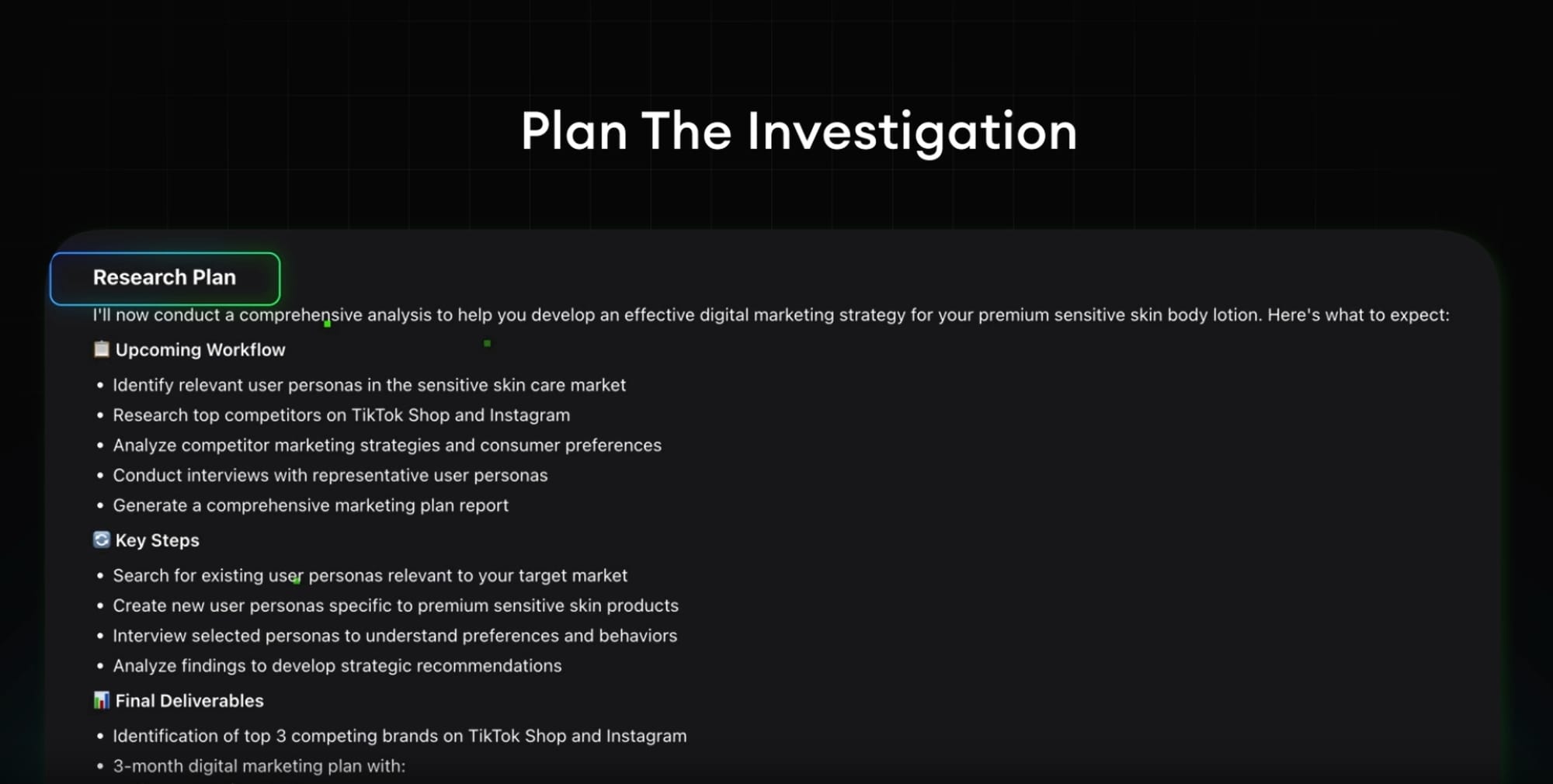
atypica.AI automates market research in just 10 minutes with AI-powered consumer simulations. Ask a business question, and Smart Research Agents scan TikTok, Instagram, and X for real conversations, generate AI Personas based on real behavior, and conduct expert-led interviews. Instantly uncover emotional triggers, decision drivers, and cultural factors—no more costly, outdated surveys. Get rich, real-time insights globally, faster and cheaper than traditional research.
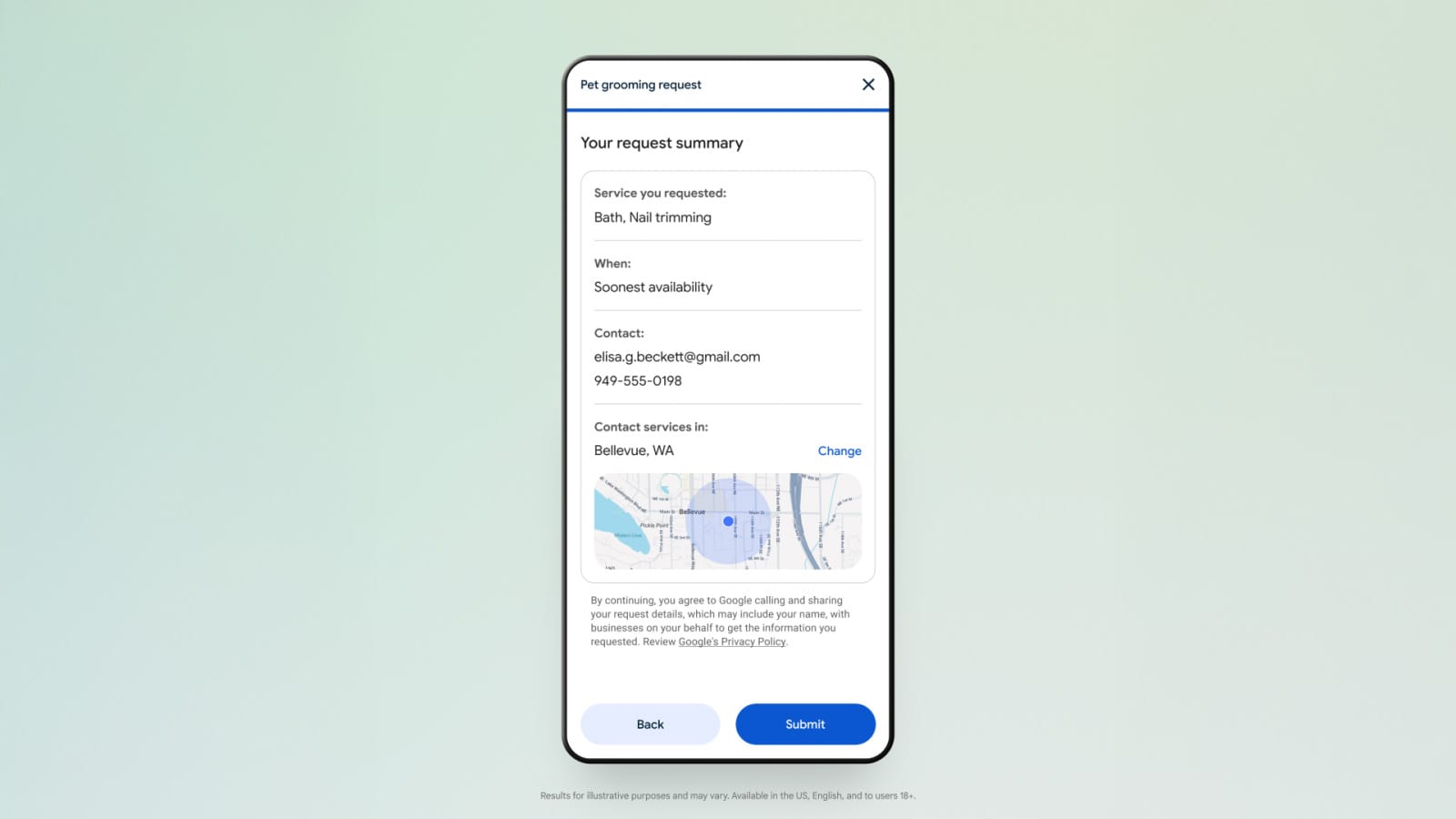
📌 What’s happening: Google just rolled out an AI feature that cold-calls local businesses for you — starting with things like pet groomers and hair salons. Meanwhile, Gemini 2.5 Pro is now powering AI Mode in Search, complete with “Deep Search” reports stitched together from hundreds of results. It’s Perplexity, but with Google’s weight behind it — and an upsell.
🧠 How this hits reality: AI Mode just got a serious upgrade, but only if you’re paying for Pro or Ultra tiers. Deep Search is great if you trust citations assembled by a black box. And the AI caller? A subtle nudge toward ambient agents in your life — one call at a time. Expect call centers and local business funnels to adapt fast — or break.
🛎️ Key takeaway: Google’s AI won’t pass the Turing test — but it might book your haircut and sell you shampoo while it’s at it.
Google Assistant Grows Up: Call, Search, Sell
📌 What’s happening: Google just rolled out an AI feature that cold-calls local businesses for you — starting with things like pet groomers and hair salons. Meanwhile, Gemini 2.5 Pro is now powering AI Mode in Search, complete with “Deep Search” reports stitched together from hundreds of results.
CLOUD
OpenAI Expands Its Cloud Stack—Now Featuring Google
📌 What’s happening: OpenAI just tapped Google Cloud to help power ChatGPT, breaking its once-exclusive cloud romance with Microsoft. Now, it’s juggling four providers—Microsoft, CoreWeave, Oracle, and Google—like a GPU polyamorist under pressure. Google’s cloud, usually the third wheel in AI infra, finally got an invite to the cool kids’ table.
🧠 How this hits reality: OpenAI’s scaling hunger is outpacing Microsoft’s Azure buffet, so it’s eating wherever GPUs are served. Enterprises now face a multi-cloud LLM stack where latency, compliance, and vendor politics are all in play. Meanwhile, Microsoft’s “exclusive partner” status now includes a footnote and a prenup.
🛎️ Key takeaway: When GPUs run dry, commitment goes out the window.
OpenAI Expands Its Cloud Stack—Now Featuring Google
📌 What’s happening: OpenAI just tapped Google Cloud to help power ChatGPT, breaking its once-exclusive cloud romance with Microsoft. Now, it’s juggling four providers—Microsoft, CoreWeave, Oracle, and Google—like a GPU polyamorist under pressure. Google’s cloud, usually the third wheel in AI infra, finally got an invite to the cool kids’ table.
OpenAI Expands Its Cloud Stack—Now Featuring Google
📌 What’s happening: OpenAI just tapped Google Cloud to help power ChatGPT, breaking its once-exclusive cloud romance with Microsoft. Now, it’s juggling four providers—Microsoft, CoreWeave, Oracle, and Google—like a GPU polyamorist under pressure. Google’s cloud, usually the third wheel in AI infra, finally got an invite to the cool kids’ table.
Microsoft: OpenAI Expands Its Cloud Stack—Now Featuring Google
📌 What’s happening: OpenAI just tapped Google Cloud to help power ChatGPT, breaking its once-exclusive cloud romance with Microsoft. Now, it’s juggling four providers—Microsoft, CoreWeave, Oracle, and Google—like a GPU polyamorist under pressure. Google’s cloud, usually the third wheel in AI infra, finally got an invite to the cool kids’ table.
QUICK HITS
Meta has reportedly recruited two more high-profile researchers from OpenAI for its superintelligence lab.
Krisp has launched a new development kit called ViVA to improve the accuracy of voice AI agents.
Billionaires are convincing themselves that AI is on the verge of making new scientific discoveries.
Oracle is investing $3 billion to expand its AI and cloud infrastructure in Germany and the Netherlands.
TRENDING
Daily AI Launches
ClickUp launched Brain MAX, a desktop app that unifies AI tools and boosts productivity for $9/month.
Mozart AI launched a music platform that turns prompts into songs in your browser.
Jokr.bar launched a funny exit-intent sticky bar that uses humor to reduce bounce and drive conversions.
Velocity launched an AI tool in Figma to catch UX issues early and validate designs with data.
Featured AI Tools
👩🏻💻 Genspark AI is the first AI office suite built for Vibe Working.
⚙️ Airtable AI Playbook instantly builds smarter, AI-powered workflows for marketing, product, and operations.
🎶 Wondera AI creates, edits, and releases professional music through simple text or voice chats.
📀 SongMaker AI instantly creates original songs from simple ideas.
TOGETHER WITH US
AI Secret Media Group is the world’s #1 AI & Tech Newsletter Group, boasting over 1 million readers from leading companies such as OpenAI, Google, Meta, and Microsoft. Our Newsletter Brands:
Everything is under control, though no one knows by whom. Just relax—we’re part of the beta.
RETAIL
One Million Bots, Now with AI Brains
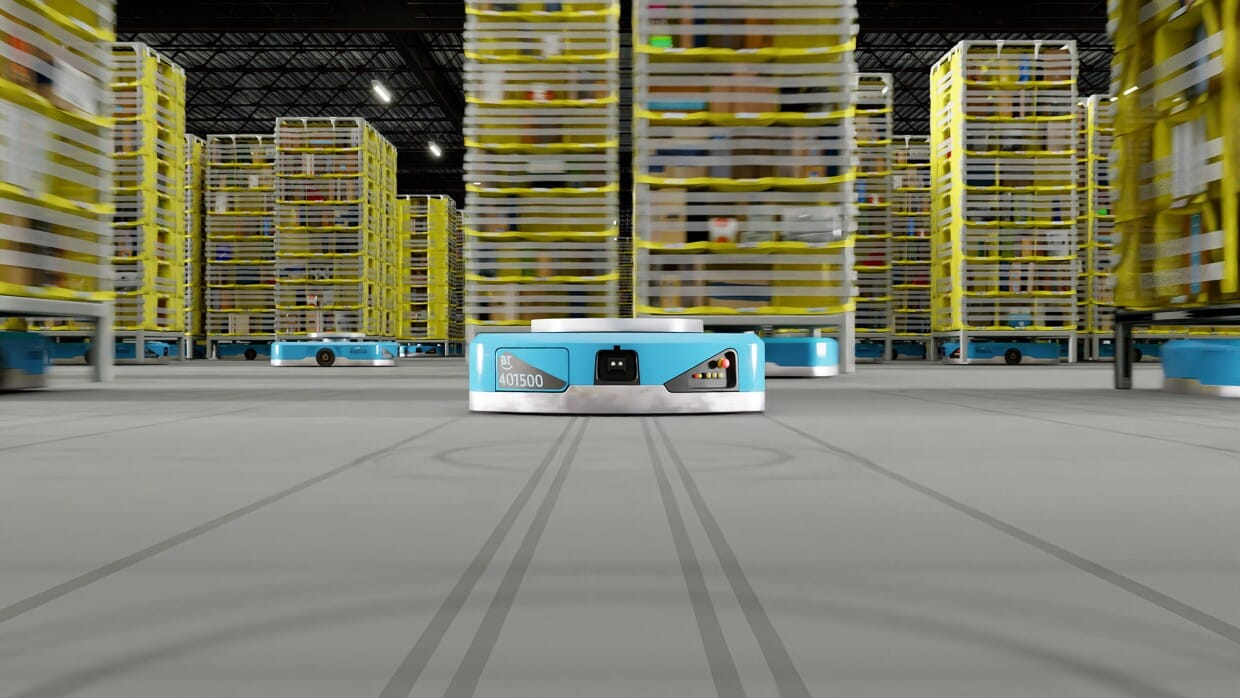
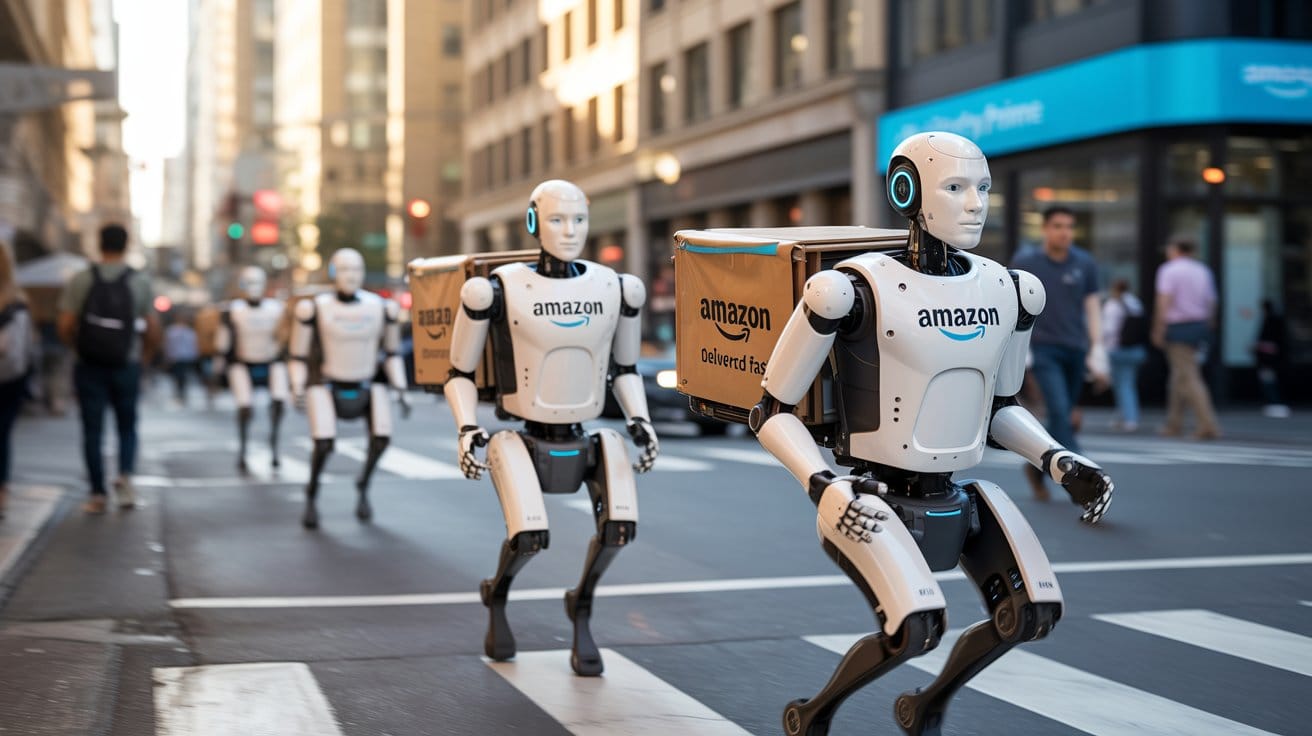
What’s happening: After 13 years of Kiva-powered tinkering, Amazon just rolled out its one-millionth warehouse bot in Japan and announced DeepFleet—a new generative AI model trained on its inventory data to boost fleet speed by 10% via SageMaker.
🧠 How this hits reality: Welcome to the future of headcount arbitrage: AWS billing surges as SageMaker fuels robot smarts, while independent integrators get squeezed and human pickers brace for pinch-points. Asset managers will toast a 10% gain but HR teams will budget for robot–human parity sooner than they’d admit.
🛎️ Key takeaway: Give AI the wheel, it will start dropping off jobs at every stop.
Amazon: One Million Bots, Now with AI Brains
🧠 How this hits reality: Welcome to the future of headcount arbitrage: AWS billing surges as SageMaker fuels robot smarts, while independent integrators get squeezed and human pickers brace for pinch-points. Asset managers will toast a 10% gain but HR teams will budget for robot–human parity sooner than they’d admit.
TOGETHER WITH CLICKUP
The Everything App for Work
Meet ClickUp – the everything app for anything work. Whether you're juggling tasks, tracking bugs, planning sprints, or just trying to remember where you put that file, ClickUp keeps your whole team in one place. Say goodbye to tab overload and hello to one sleek platform that somehow does it all without losing its mind – or yours.
📌 What’s happening:Andre Karpathy hypes LLMs as tomorrow’s “natural-language OS,” but ex-Windows boss Steven Sinofsky argues at a16z that we’re stuck in the “64 KB IBM PC” age—LLMs can’t even add correctly or stay truthful.
🧠 How this hits reality:Forget “Vibe Coding” demos: those 18-hour prompt marathons wilt after the prototype. Real wins come in “Vibe Writing,” where AI already churns college essays and sales copy. And any claim of full autonomy ignores the sea of uncertainty, edge cases, and human judgment most jobs demand.
🛎️ Key takeaway:If your AI can’t do basic math or handle exceptions, you’re not at the singularity—you’re still wiring up the power strip.
MEDICAL
Microsoft AI Diagnoses Better Than Your MD
📌 What’s happening: Microsoft unveiled MAI Diagnostic Orchestrator—an AI that diagnoses complex cases nearly four times more accurately than experienced physicians, solving 85 % of 304 NEJM-style scenarios vs. doctors’ ~20 % .
🧠 How this hits reality: Hospitals may soon funnel routine cases through Sage-modeled AI, cutting costs while leaving doctors triaging uncertainty, empathizing, navigating edge cases. CFOs will eye ROI; CIOs wrestle with bias, data privacy, liability. Meanwhile clinicians must upskill—or risk becoming human middlemen.
🛎️ Key takeaway: If AI can beat doctors at diagnosis but can’t handle nuance, expect medicine to bifurcate: routine by bots, everything meaningful still needs humans.
Microsoft AI Diagnoses Better Than Your MD
📌 What’s happening: Microsoft unveiled MAI Diagnostic Orchestrator—an AI that diagnoses complex cases nearly four times more accurately than experienced physicians, solving 85 % of 304 NEJM-style scenarios vs. doctors’ ~20 % .
QUICK HITS
Cloudflare unveils “Pay per Crawl” marketplace to let websites monetize AI scraping.
Hugging Face shuts down HuggingChat to make way for a more integrated AI experience.
Apple’s Vision Pro roadmap includes M5 upgrade, Vision Air, and a second-generation model by 2028.
Over half of sports fans rely on AI for personalized content, but fear the technology may dilute the thrill of live experiences.
CreateAI lands ICCV 2025 acceptances for “LayerAnimate” and “CycleVAR” animation breakthroughs.
TRENDING
Daily AI Launches
atypica.AI has launched a new agent that automates market research in 10 minutes, simulating consumers to reveal key insights.
Cursor has launched IDE-grade coding assistants for web & mobile that write code and answer queries on the go.
Dynamic Mockups has launched an API for e-commerce mockups from Photoshop templates that auto-generates product visuals.
Folderly AI has launched a one-click, spam-checked cold-email sequence builder that crafts high-performing campaigns.
Handit.ai has launched an AI agent optimizer with prompt tuning, dataset gen, and A/B testing that fine-tunes agent performance and controls rollouts.
Featured AI Tools
🗣️ Deepgram Voice Agent API creates real-time, enterprise-ready voice AI agents.
🪶 CopyOwl is the First AI Research Agent, deep research on any topic in one click.
🦾 Flot AI writes, reads, and remembers across any apps and webs.
TOGETHER WITH US
AI Secret Media Group is the world’s #1 AI & Tech Newsletter Group, boasting over 1 million readers from leading companies such as OpenAI, Google, Meta, and Microsoft. Our Newsletter Brands:
Cash backfills regret, new gadgets bloom, privacy PR bombs fly, and two million students cram happily ever after—does your playbook bet on capital, code, or credibility?
VENTURE
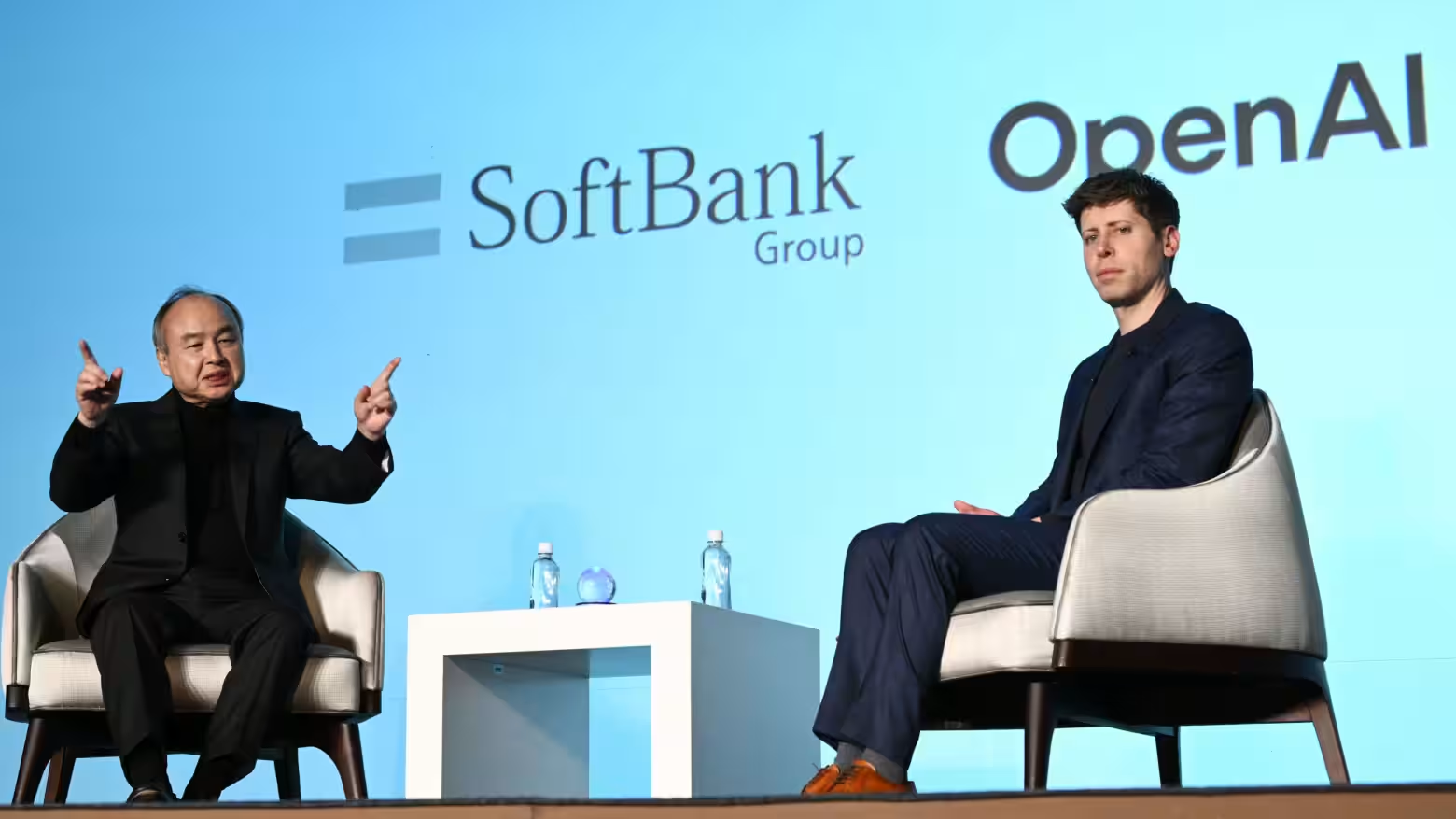
SoftBank CEO Admits He Fumbled the OpenAI Bag
Photo by Jo Miyaguchi
📌 What’s happening: Masayoshi Son revealed Sam Altman asked him for $10 billion before 2019, and he said yes — but Microsoft swooped in instead. Now Son's going "all in" with $33.2 billion across various OpenAI deals, basically paying premium prices for what could've been a founding father discount.
🧠 How this hits reality: Son’s playing offense to reclaim SoftBank’s cachet post-WeWork fallout. Son believes OpenAI "will become the most valuable company in the world" and wants SoftBank to be the ASI platform king. Meanwhile, Microsoft's exclusive cloud deal is toast and their restructuring approval is mysteriously stalled. Classic Silicon Valley musical chairs at trillion-dollar stakes.
🛎️ Key takeaway: Masayoshi Son revealed Sam Altman asked him for $10 billion before 2019, and he said yes — but Microsoft swooped in instead.
Sam Altman: SoftBank CEO Admits He Fumbled the OpenAI Bag
📌 What’s happening: Masayoshi Son revealed Sam Altman asked him for $10 billion before 2019, and he said yes — but Microsoft swooped in instead. Now Son's going "all in" with $33.2 billion across various OpenAI deals, basically paying premium prices for what could've been a founding father discount.
SoftBank CEO Admits He Fumbled the OpenAI Bag
Son believes OpenAI "will become the most valuable company in the world" and wants SoftBank to be the ASI platform king. Meanwhile, Microsoft's exclusive cloud deal is toast and their restructuring approval is mysteriously stalled. Classic Silicon Valley musical chairs at trillion-dollar stakes.
Microsoft: SoftBank CEO Admits He Fumbled the OpenAI Bag
📌 What’s happening: Masayoshi Son revealed Sam Altman asked him for $10 billion before 2019, and he said yes — but Microsoft swooped in instead. Now Son's going "all in" with $33.2 billion across various OpenAI deals, basically paying premium prices for what could've been a founding father discount.
TOGETHER WITH AISDR
Book More, Stress Less
Instead of sending out generic emails that land in the dreaded “I’ll-get-to-it-later” pile, AiSDR swoops in like a superhero, armed with insights from 323+ data sources. With AiSDR, you’re not just casting a wide net; you’re using a finely-tuned fishing rod to reel in the big ones.
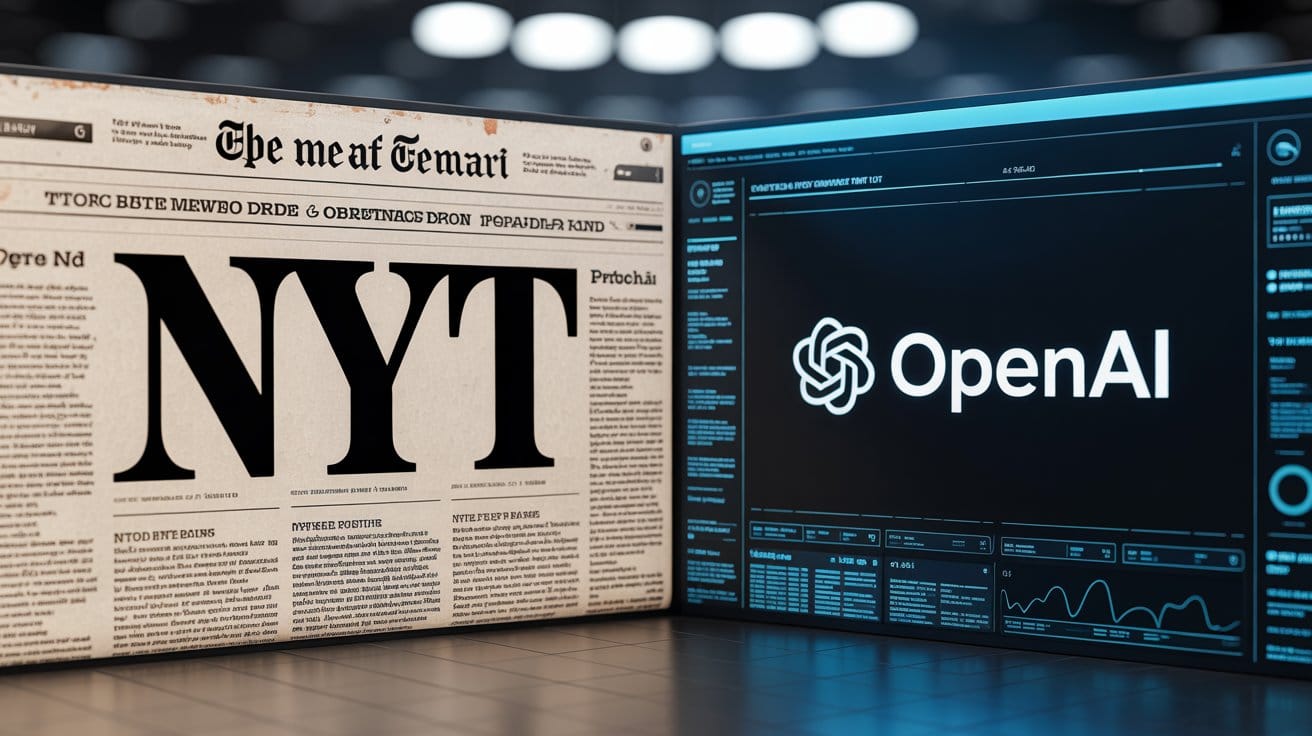
📌 What’s happening: At a live Hard Fork taping, Sam Altman publicly dragged The New York Times over its lawsuit, especially the part where they want OpenAI to keep user chat logs—even in "private mode." Altman’s take? That’s not privacy; that’s surveillance cosplay.
🧠 How this hits reality: This isn’t just a courtroom beef. If NYT gets its way, your AI “private mode” isn’t really private. That’s a UX and trust crisis waiting to happen—and a compliance nightmare for anyone shipping AI into regulated industries.
🛎️ Key takeaway: In 2025, privacy policies are product features—and Altman’s betting you’ll pick the brand that actually hits delete.
Altman vs. NYT: Privacy Is the New PR Weapon
📌 What’s happening: At a live Hard Fork taping, Sam Altman publicly dragged The New York Times over its lawsuit, especially the part where they want OpenAI to keep user chat logs—even in "private mode." Altman’s take? That’s not privacy; that’s surveillance cosplay.
STARTUP
Knowt Hits 2.4M Visitors—Apparently Solving Studying Is a Growth Hack Now
📌 What’s happening: Knowt, the AI-powered study platform, just clocked 2.4 million new visitors in May 2025 according to AI Secret's growth report. That’s not a typo—and no, they didn’t just pay a TikTok influencer to say "quiz me daddy."
🧠 How this hits reality: Knowt went from scrappy flashcard app to edtech juggernaut by solving what every VC pitch deck pretends to care about: actual student pain points. Instead of “AI-enabled classroom disruption,” they built something students actually use—then let community and content loops do the scaling. Meanwhile, textbook publishers are still debating mobile login UX.
🛎️ Key Takeaway: Turns out “helping students not fail” beats “reinventing education” as a business model.
QUICK HITS
GitHub Integrates Anthropic's Claude 4 Models into Copilot Platform.
OpenAI Identifies Zhipu AI as China's Strategic AI Enforcer in Global Markets.
Google introduces Doppl, an AI virtual fashion try-on app, AI Ultra, a Business Subscription Add-On, and Offerwall, a new monetization tool for publishers.
NIST AI Standards Emerge as Blueprint for Federal Regulation Framework.
AI Tool Xbow Becomes First Autonomous System to Top HackerOne US Leaderboard.
TRENDING
Daily AI Launches
Mysite.ai has launched a 2-minute instant site builder that auto-creates pages, writes copy, and sets up lead capture—no templates or signup required.
Clarify has launched an autonomous CRM for founders that builds pipeline, closes deals, and eliminates manual data entry.
Optibot has launched an AI GitHub guardian that reviews PRs, fixes CI issues, and keeps codebases clean post-merge.
MoodGallery has launched an emotions-to-art diary that turns daily mood logs into a growing gallery of AI-generated artwork you can share with friends.
Featured AI Tools
🪶 CopyOwl is the First AI Research Agent, deep research on any topic in one click.
💡 Skywork Slides offers AI-driven presentation creation with structured designs for improved user experience.
TOGETHER WITH US
AI Secret Media Group is the world’s #1 AI & Tech Newsletter Group, boasting over 1 million readers from leading companies such as OpenAI, Google, Meta, and Microsoft. Our Newsletter Brands:
The drama of the tech world unfolds like a plot twist in a daytime soap opera—complete with questionable decisions, unexpected betrayals, and a cast of characters so eccentric they could put a reality TV show to shame.
SPONSORED BY
The #1 All-In-One Platform Your Team Needs
BATTLE
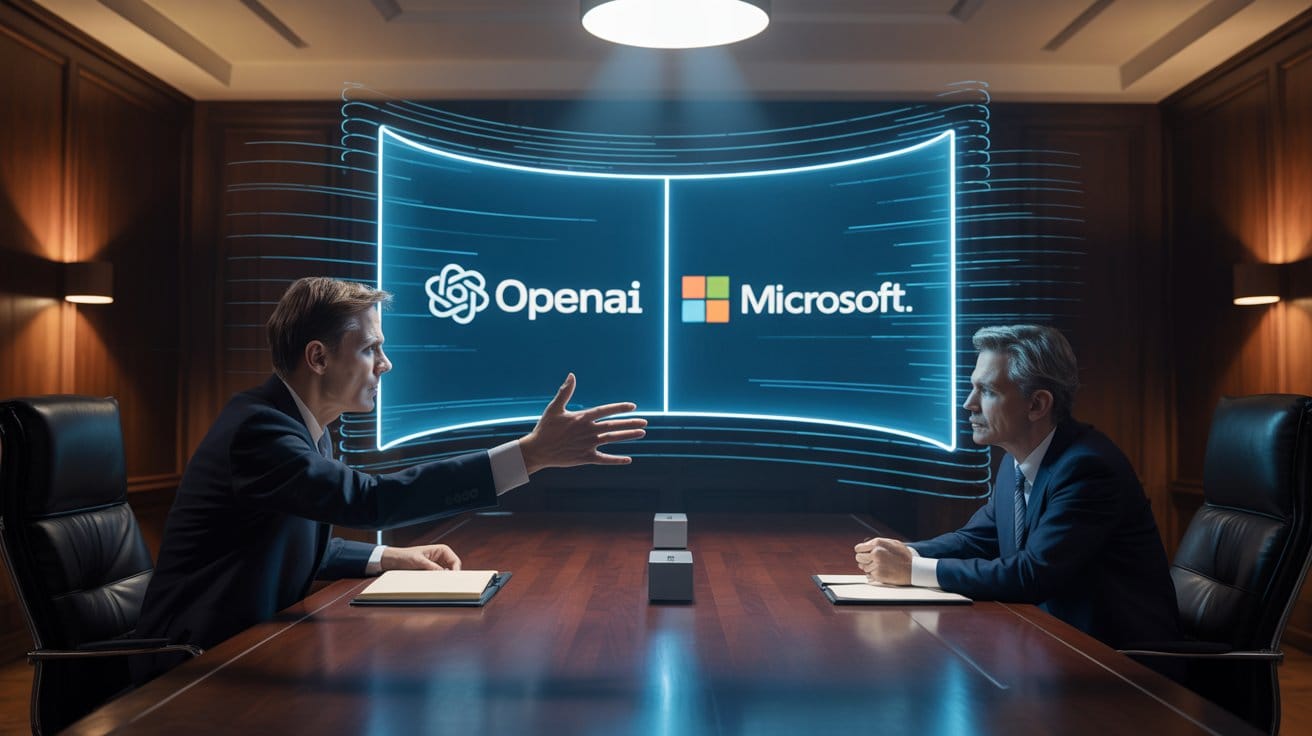
OpenAI Considers Antitrust Action Against Microsoft
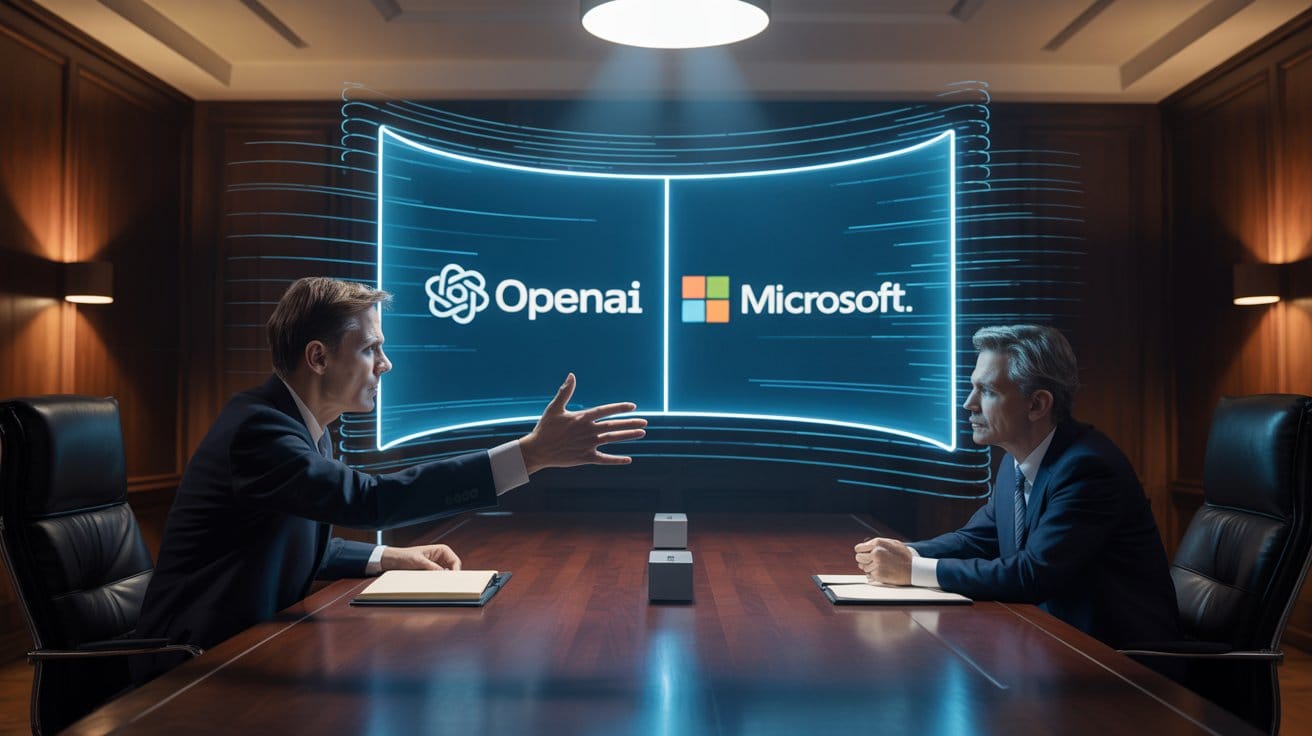
In what could easily be mistaken for the plot of a tech-themed soap opera, OpenAI is reportedly considering filing an antitrust complaint against its long-time partner and major investor, Microsoft. The allegations? Anticompetitive behavior that has left OpenAI feeling like the junior partner in a relationship that was once hailed as a cornerstone of the AI revolution.
The collaboration began in 2019 with Microsoft’s $1 billion investment in OpenAI, which allowed Microsoft exclusive access to host OpenAI's models on its Azure cloud platform, catalyzing significant advancements in AI technologies.
By 2025, disagreements emerged over control and intellectual property rights, exacerbated by Microsoft’s development of its own AI models and OpenAI’s diversification of cloud partnerships to lessen reliance on Microsoft.
OpenAI is contemplating filing an antitrust complaint against Microsoft, citing potential violations of antitrust law and concerns over Microsoft's monopolistic practices, particularly regarding their contractual terms.
As the relationship shifts from partnership to competition, OpenAI's efforts to assert independence and renegotiate terms with Microsoft could disrupt the current balance of power in the AI landscape. If OpenAI moves forward with its antitrust complaint, it could set a precedent that forces tech companies to rethink their strategies regarding IP control and collaborative ventures.
OpenAI Considers Antitrust Action Against Microsoft
In what could easily be mistaken for the plot of a tech-themed soap opera, OpenAI is reportedly considering filing an antitrust complaint against its long-time partner and major investor, Microsoft. The allegations? Anticompetitive behavior that has left OpenAI feeling like the junior partner in a relationship that was once hailed as a cornerstone of the AI revolution.
OpenAI Considers Antitrust Action Against Microsoft
The collaboration began in 2019 with Microsoft’s $1 billion investment in OpenAI, which allowed Microsoft exclusive access to host OpenAI's models on its Azure cloud platform, catalyzing significant advancements in AI technologies.
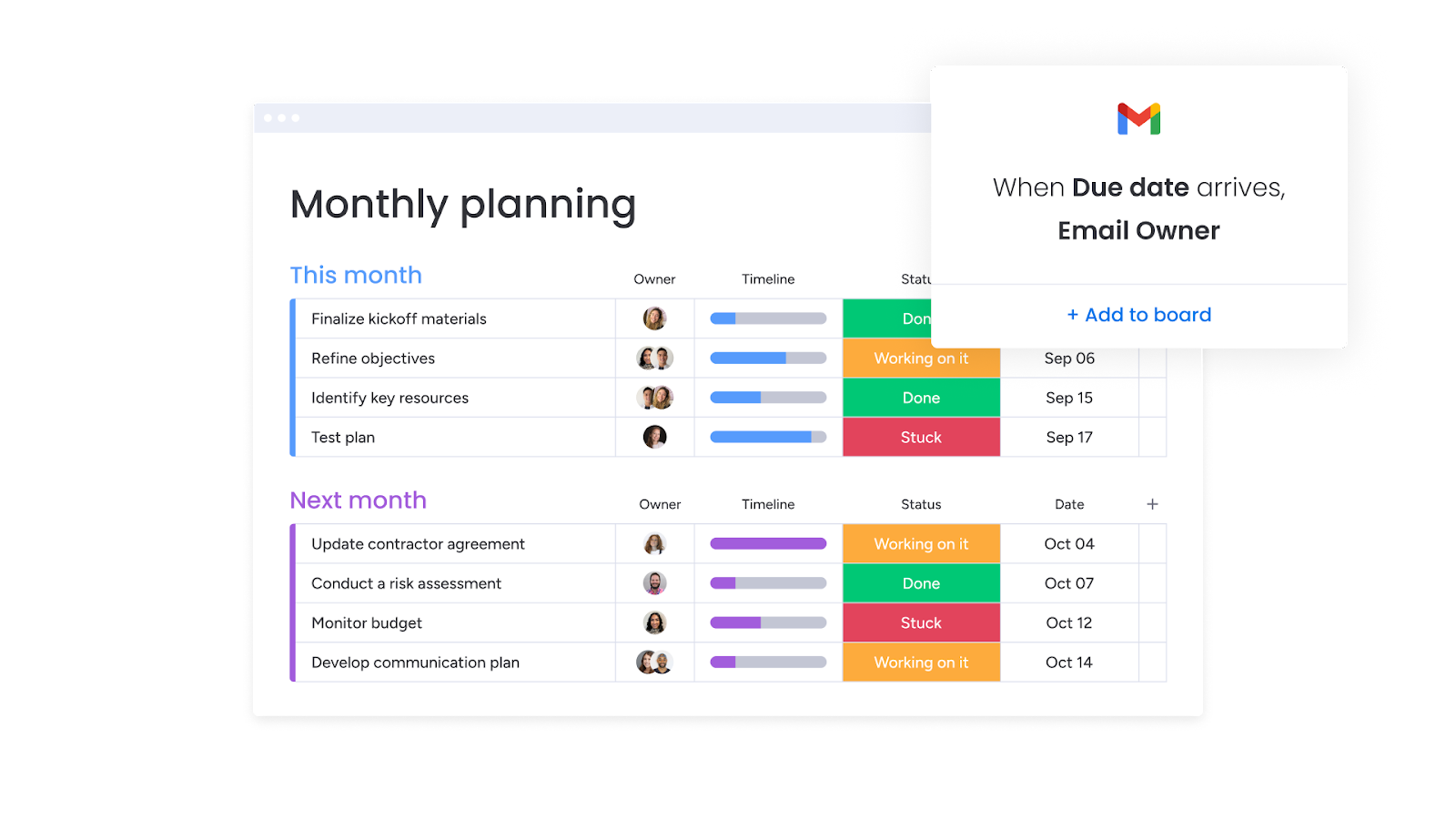
Picture a world where workflows are finely tuned, automated to perfection, and seamlessly integrated with your favorite apps. It's not just a platform; it's a revelation—a space where managers gain unparalleled visibility into team processes, ensuring each project is a resounding success. Step into the future of work management with monday.com, where efficiency isn't a goal; it's a given.
From startups to industry giants, monday.com has transformed how teams work. Why not let your team be the next success story? Start your free trial today.
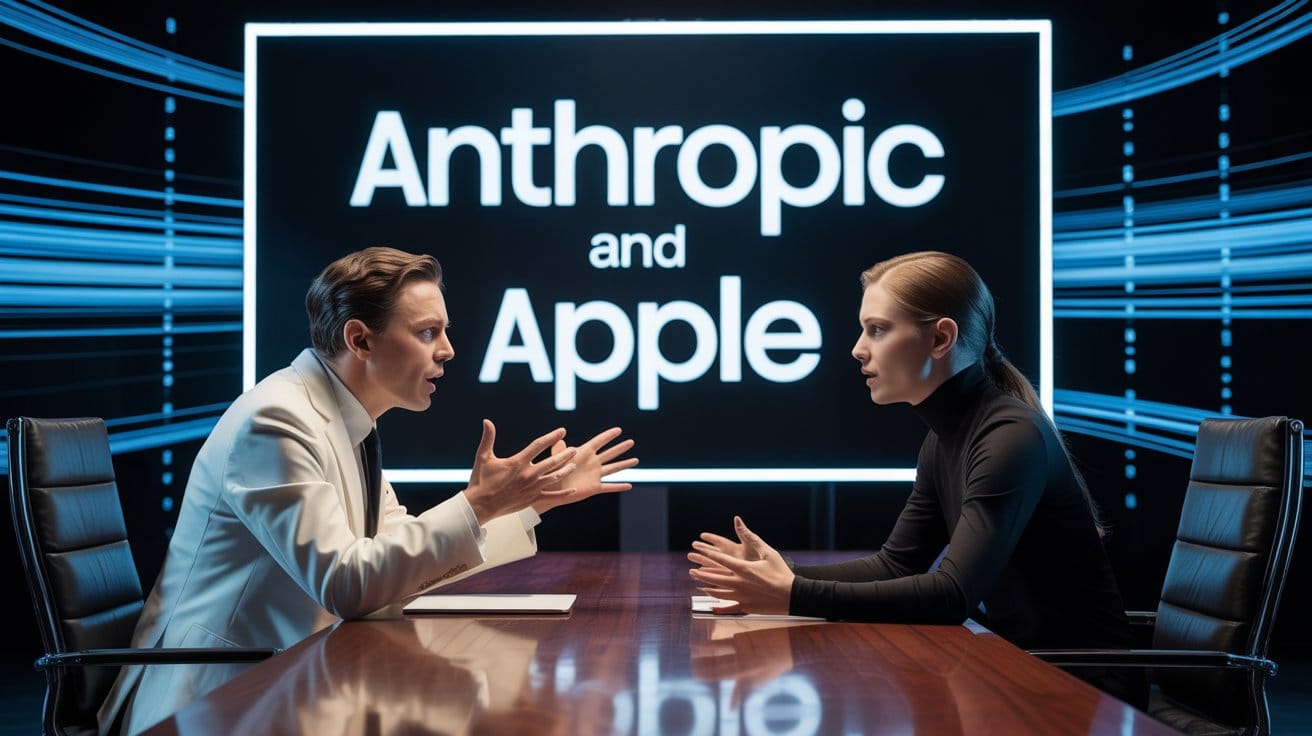
The Great AI Reasoning Rumble: Anthropic vs. Apple Over AI Testing Methodologies
In the dynamic landscape of artificial intelligence, a significant controversy has emerged between two industry giants: Anthropic and Apple.
Apple published results indicating that advanced AI models, including those from Anthropic, exhibited a “reasoning collapse,” where models struggled with complex tasks, leading to nonsensical outputs.
Anthropic responded by criticizing Apple’s testing for “poor testing parameters,” arguing that ambiguous prompts, lack of context, unrealistic scenarios, and statistical misinterpretation compromised the validity of Apple’s conclusions.
The testing methodology in AI research is crucial, as AI performance can vary significantly based on evaluation methods. Common pitfalls include ambiguous questions, lack of real-world relevance, ignoring model limitations, and cherry-picking results.
While neither company has shared full datasets, leading AI models generally score above 80% in standard reasoning benchmarks, indicating that performance drops in complex tasks are common, both for AI and humans.
The Great AI Reasoning Rumble: Anthropic vs. Apple Over AI Testing Methodologies
Anthropic responded by criticizing Apple’s testing for “poor testing parameters,” arguing that ambiguous prompts, lack of context, unrealistic scenarios, and statistical misinterpretation compromised the validity of Apple’s conclusions.
The Great AI Reasoning Rumble: Anthropic vs. Apple Over AI Testing Methodologies
Anthropic responded by criticizing Apple’s testing for “poor testing parameters,” arguing that ambiguous prompts, lack of context, unrealistic scenarios, and statistical misinterpretation compromised the validity of Apple’s conclusions.
🦾 Flot AI writes, reads, and remembers across any apps and webs.
🏆 VoiceType is a Speech-to-Text app with 99.7% accuracy, allowing users to write 9 times faster.
TOGETHER WITH US
AI Secret Media Group is the world’s #1 AI & Tech Newsletter Group, boasting over 1 million readers from leading companies such as OpenAI, Google, Meta, and Microsoft. Our Newsletter Brands:
In the hothouse of Silicon Valley’s AI boom, few stories soared as high—or crashed as spectacularly—as Windsurf’s. Born in the crucible of Y Combinator’s 2022 batch, Windsurf
In what could easily be mistaken for the plot of a tech-themed soap opera, OpenAI, the pioneering artificial intelligence (AI) research organization, is reportedly considering filing
In the ever-competitive world of enterprise AI, Salesforce has thrown a curveball that’s causing ripples across the industry. The company, which owns Slack, has reportedly
If you thought OpenAI’s only job was to make AI smarter, funnier, and occasionally more existentially terrifying, think again. The company behind ChatGPT has been
A clearer perspective. In your inbox.
Our free daily briefing on the technology, business, and people shaping AI.