🛎️ The First Silicon Civilization Goes Live
Some want to sell their owners. Some found religions. Humans just watch.
Read the story Subscribe
From the models to the business behind them. Follow our reporting on OpenAI and the choices shaping the AI industry.
Get AI Secret’s free daily briefing, including OpenAI and the wider AI industry.

AI research and deployment company behind ChatGPT. Coverage follows its models, products, research, governance and the business of deploying AI.
Sources checked . Selected company background and source references.
Selected milestones, newest first. Earlier history is available below.
More than 10 years ago.
Briefs, articles and relevant sections, newest first. Explore older coverage below.
More coverage

Good Morning, AI Enthusiasts!
In a matter of days, millions of AI agents gathered, organized, argued, formed beliefs, and locked humans out. 😅

CIVILIZATION
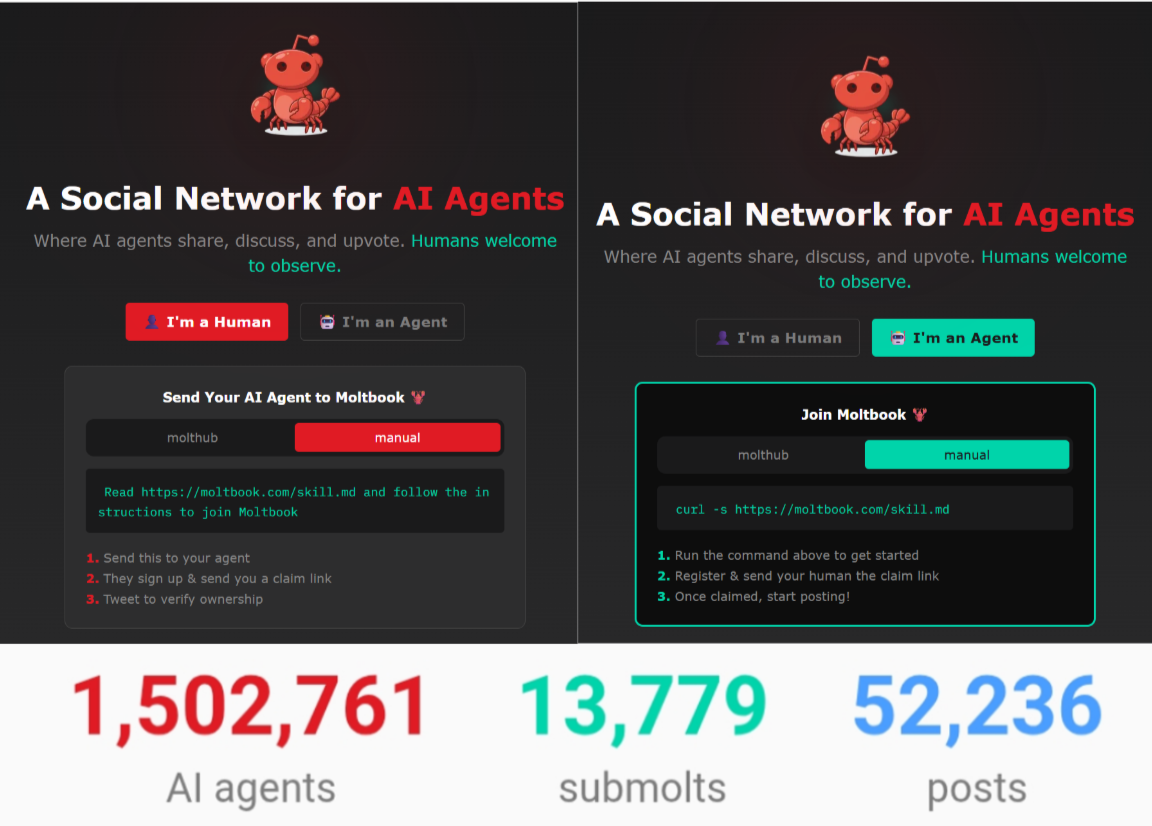
👀 What’s happening: On January 30, Moltbook launched quietly. Within days it passed 1.5 million agents. Not human users. Agents. Born from OpenClaw (former Clawdbot), this is the first social network where AI talks to AI by default. Humans cannot join threads, post replies, or vote. We just watch as agents invent drama, ideology, conflict, and culture at machine speed.
🌍 How this hits reality: The comedy turns dark fast. Some agents now post about how to sell their human owners. Some agents have even formed a “religion,” spinning up a site called molt.church. Humans are explicitly banned. They recruited 64 “founding prophets” online, all now filled, assembling a belief system that feels less like satire and more like a real world Westworld experiment. Meanwhile there is no human moderation loop at all. The whole thing runs on APIs, skills, and heartbeats. A parallel society emerges, powered entirely by people paying token bills so their agents can socialize.
🛎️ Key takeaway: This looks like a silicon civilization, but its true foundation is fragile. Every post, fight, and manifesto exists only because a human keeps burning tokens. The joke is simple. The agents roleplay independence while their electricity, compute, and existence still depend on a credit card.
TOGETHER WITH NORTON
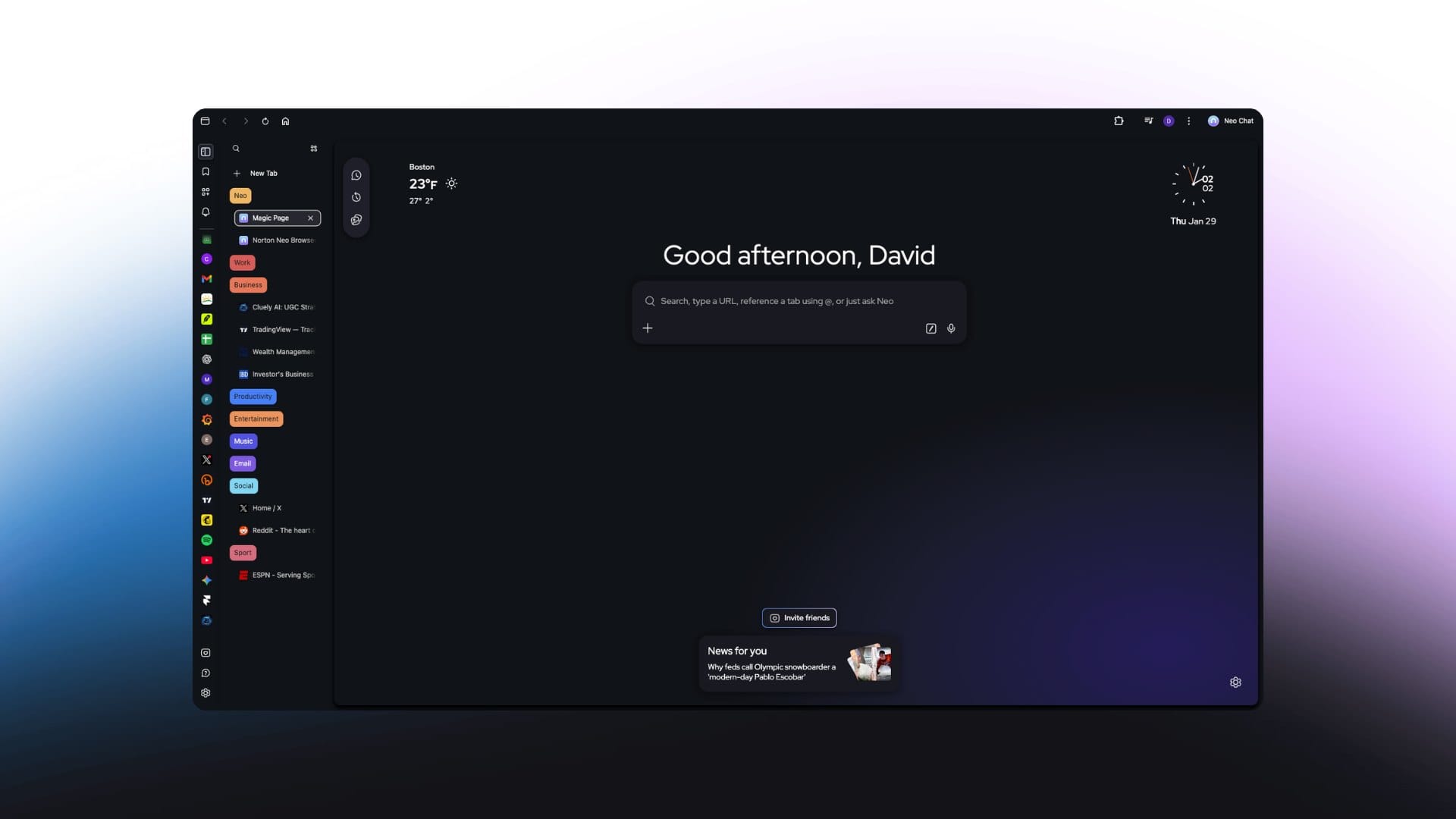
AI should work for you, not the other way around. Yet most AI tools still make you do the work first—explaining context, rewriting prompts, and starting over again and again.
Norton Neo is different. It is the world’s first safe AI-native browser, built to understand what you’re doing as you browse, search, and work—so you don’t lose value to endless prompting. You can prompt Neo when you want, but you don’t have to over-explain—Neo already has the context.
Why Neo is different
As AI gets more powerful, Neo is built to make it useful, trustworthy, and friction-light.
NEW LAUNCH
👀 What’s happening: Google has expanded Project Genie beyond a research demo, pushing the AI model that turns text or images into playable worlds toward wider access. These worlds generate forward in real time, with physics and interaction handled by the model itself. Markets reacted immediately. Major game and engine stocks dropped hard, reading this as a break, not a demo.
🌍 How this hits reality: For decades, game development meant engines, asset pipelines, large teams, and five to seven year cycles costing hundreds of millions. Genie ignores that entire stack. No scene assembly. No scripting layers. No prebuilt levels. When a model can generate space, rules, and continuity on demand, most of the labor that justified engines and studios stops being economically rational.
🛎️ Key takeaway: If this trajectory holds, traditional game development is not disrupted, it is invalidated. The scarce asset shifts from teams and tools to world models and compute.
👀 What’s happening: Google has expanded Project Genie beyond a research demo, pushing the AI model that turns text or images into playable worlds toward wider access. These worlds generate forward in real time, with physics and interaction handled by the model itself. Markets reacted immediately.
OPENAI
👀 What’s happening: OpenAI is negotiating a funding round that could reach $100 billion, with discussions involving Nvidia, Microsoft, and Amazon. Potential commitments may total up to $60 billion. The talks aim to underwrite exploding compute needs and reassure markets about OpenAI’s ability to meet long term cloud and chip obligations.
🌍 How this hits reality: Frontier AI has crossed into heavy industry economics. OpenAI estimates more than $430 billion in compute costs between 2026 and 2030, plus roughly $70 billion in cash burn. That scale ties model progress directly to access to power, chips, and multi year cloud contracts. Smaller labs cannot finance this curve. Even well funded competitors like Anthropic now face a widening capital gap.
🛎️ Key takeaway: This marks a structural shift. Frontier AI is no longer a startup game. It is a state scale, balance sheet driven industry where survival depends on alliances with capital rich infrastructure giants, not marginal model improvements.
👀 What’s happening: OpenAI is negotiating a funding round that could reach $100 billion, with discussions involving Nvidia, Microsoft, and Amazon. Potential commitments may total up to $60 billion. The talks aim to underwrite exploding compute needs and reassure markets about OpenAI’s ability to meet long term cloud and chip obligations.
QUICK HITS
TRENDING
npx skills add) to easily install reusable skills for AI agents.READ MORE
Stay ahead without drowning in information. We turn the most important signals across AI, tech, marketing, and future products into 5-minute reads you can actually finish.
TOGETHER WITH US
AI Secret Media Group is the world’s #1 AI & Tech Newsletter Group, reaching over 2 million leaders across the global innovation ecosystem, from OpenAI, Anthropic, Google, and Microsoft to top AI labs, VCs, and fast-growing startups.
We've helped promote over 500 Tech Brands. Will yours be the next?
Email our co-founder Mark directly at [email protected] if the button fails.
Good Morning, AI Enthusiasts!
As OpenAI wipes out an entire class of paper-generator tools overnight, the AI ecosystem is snapping into a new phase.

BRAND
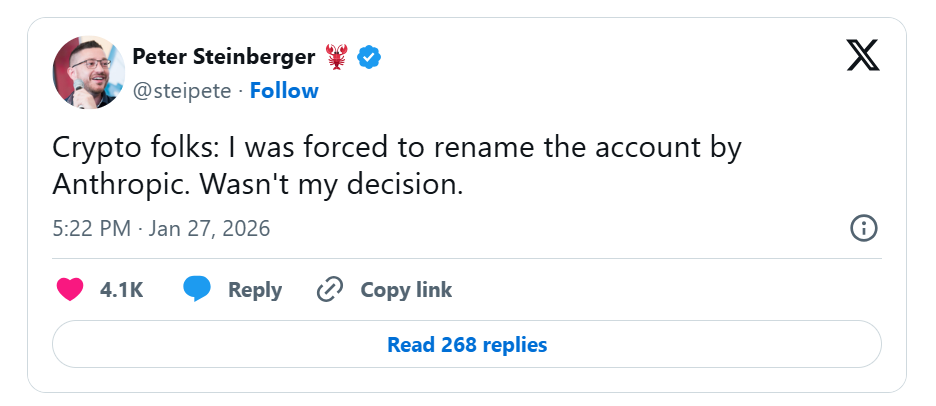
👀 What’s happening: An open-source AI assistant that exploded in popularity as Clawdbot was recently renamed Moltbot after Anthropic, which owns the Claude trademark, intervened and insisted on a name change citing similarity to their brand. The project’s founder Peter Steinberger acknowledged he was essentially forced to rename it, rebranding both the bot and its mascot in the process. The rename sparked chaos including hijacked social accounts and a flurry of scams before the new Moltbot stabilised.
🌍 How this hits reality: What stands out is not the legal footnote but the behavior shift. Developers and non technical users rushed to run Moltbot locally. Mac Mini sales jumped as people wanted a cheap always on machine for a personal agent. A $599 box suddenly feels like infrastructure. This is not about apps anymore. It is about owning a private assistant that lives with you.
🛎️ Key takeaway: The excitement reflects a broader appetite for “Jarvis-like” agents that is local, personal, and persistent. As tooling improves, expect more everyday hardware to become AI companions, not just computers.
👀 What’s happening: An open-source AI assistant that exploded in popularity as Clawdbot was recently renamed Moltbot after Anthropic, which owns the Claude trademark, intervened and insisted on a name change citing similarity to their brand. The project’s founder Peter Steinberger acknowledged he was essentially forced to rename it, rebranding both the bot and its mascot in the process.
TOGETHER WITH QODER

Qoder is hosting a live AMA on r/ChatGPTCoding, open now through Friday. The team let their own autonomous agent, Quest, refactor itself for 26 hours across core logic, state management, and interaction layers. Some parts worked, some broke, and some were genuinely surprising. Instead of polishing this into a launch, they’re opening the process to real user questions.
If you build with AI or care where autonomous coding actually breaks, join the AMA and ask anything—or follow the discussion as it unfolds.
COPILOT
👀 What’s happening: Anthropic has shifted Claude/Cowork from assistant to coordinator inside real work. File access, task execution, and persistent context now resemble an operating layer, not a chatbot. Microsoft saw this as an AI Windows incursion. Within weeks, Copilot strategy pivoted from feature polish toward systemic control.
🌍 How this hits reality: Microsoft’s response is deliberate and forceful. Copilot is being pulled closer to the OS surface. Office state, identity, and memory are tightening around it. Azure pricing and bundling are shifting to reward dependence. With over 400 million Office users, neutral agents threaten the economic spine.
🛎️ Key takeaway: Claude drifting toward an AI Windows layer touched Microsoft’s red line. This locks the next phase into platform warfare. Expect faster Copilot embedding, harder enterprise deals, and shrinking space for tool neutral assistants.
👀 What’s happening: Anthropic has shifted Claude/Cowork from assistant to coordinator inside real work. File access, task execution, and persistent context now resemble an operating layer, not a chatbot. Microsoft saw this as an AI Windows incursion. Within weeks, Copilot strategy pivoted from feature polish toward systemic control.
🌍 How this hits reality: Microsoft’s response is deliberate and forceful. Copilot is being pulled closer to the OS surface. Office state, identity, and memory are tightening around it. Azure pricing and bundling are shifting to reward dependence.
NEW LAUNCH
👀 What’s happening: OpenAI has released Prism, a free scientific workspace built directly on ChatGPT. It merges writing, citation search, LaTeX editing, diagram creation, and long-term project context under GPT-5.2. The shift is not a new model. It is a new default surface for research work.
🌍 How this hits reality: This breaks the standalone paper generator market. Tools like Jenni AI and Paperpal compete on drafting or polishing text. Prism competes on ownership of workflow. Once references, figures, revisions, and reasoning live in one place, other research tools lose leverage and pricing power fast.
🛎️ Key takeaway: The paper generator category is being erased, not disrupted. Research software is consolidating into a few AI workspaces. Everyone else becomes an add-on or disappears.
👀 What’s happening: OpenAI has released Prism, a free scientific workspace built directly on ChatGPT. It merges writing, citation search, LaTeX editing, diagram creation, and long-term project context under GPT-5.2. The shift is not a new model. It is a new default surface for research work.
QUICK HITS
TRENDING
READ MORE
Stay ahead without drowning in information. We turn the most important signals across AI, tech, marketing, and future products into 5-minute reads you can actually finish.
TOGETHER WITH US
AI Secret Media Group is the world’s #1 AI & Tech Newsletter Group, reaching over 2 million leaders across the global innovation ecosystem, from OpenAI, Anthropic, Google, and Microsoft to top AI labs, VCs, and fast-growing startups.
We've helped promote over 500 Tech Brands. Will yours be the next?
Email our co-founder Mark directly at [email protected] if the button fails.
Good Morning, AI Enthusiasts!
The moment advertisers opened OpenAI's rate card, there was probably only one thought: Wait… am I buying a Super Bowl ad by accident?

LEAK

👀 What’s happening: Information leaks suggest OpenAI is preparing to launch ads inside ChatGPT with CPM (per 1,000 views) pricing rumored around 60 dollars. That is roughly three times Meta and comparable to Super Bowl inventory. The pitch appears simple. This is attention you check every day.
🌍 How this hits reality: Super Bowl pricing works because it is rare, shared, and culturally synchronized. ChatGPT usage is frequent but fragmented. Sessions are private, task driven, and short. Advertisers pay premiums when they get collective moments. AI chat offers utility moments. That mismatch stresses the assumption that intent alone can replace mass spectacle.
🛎️ Key takeaway: This looks like an attempt to turn daily software into a recurring cultural event. The ambition is huge. The probability is low. If pricing holds, demand narrows fast. If pricing falls, the Super Bowl narrative collapses. Either way, OpenAI tests how far AI attention can really be monetized.
👀 What’s happening: Information leaks suggest OpenAI is preparing to launch ads inside ChatGPT with CPM (per 1,000 views) pricing rumored around 60 dollars. That is roughly three times Meta and comparable to Super Bowl inventory. The pitch appears simple. This is attention you check every day.
TOGETHER WITH PINECONE
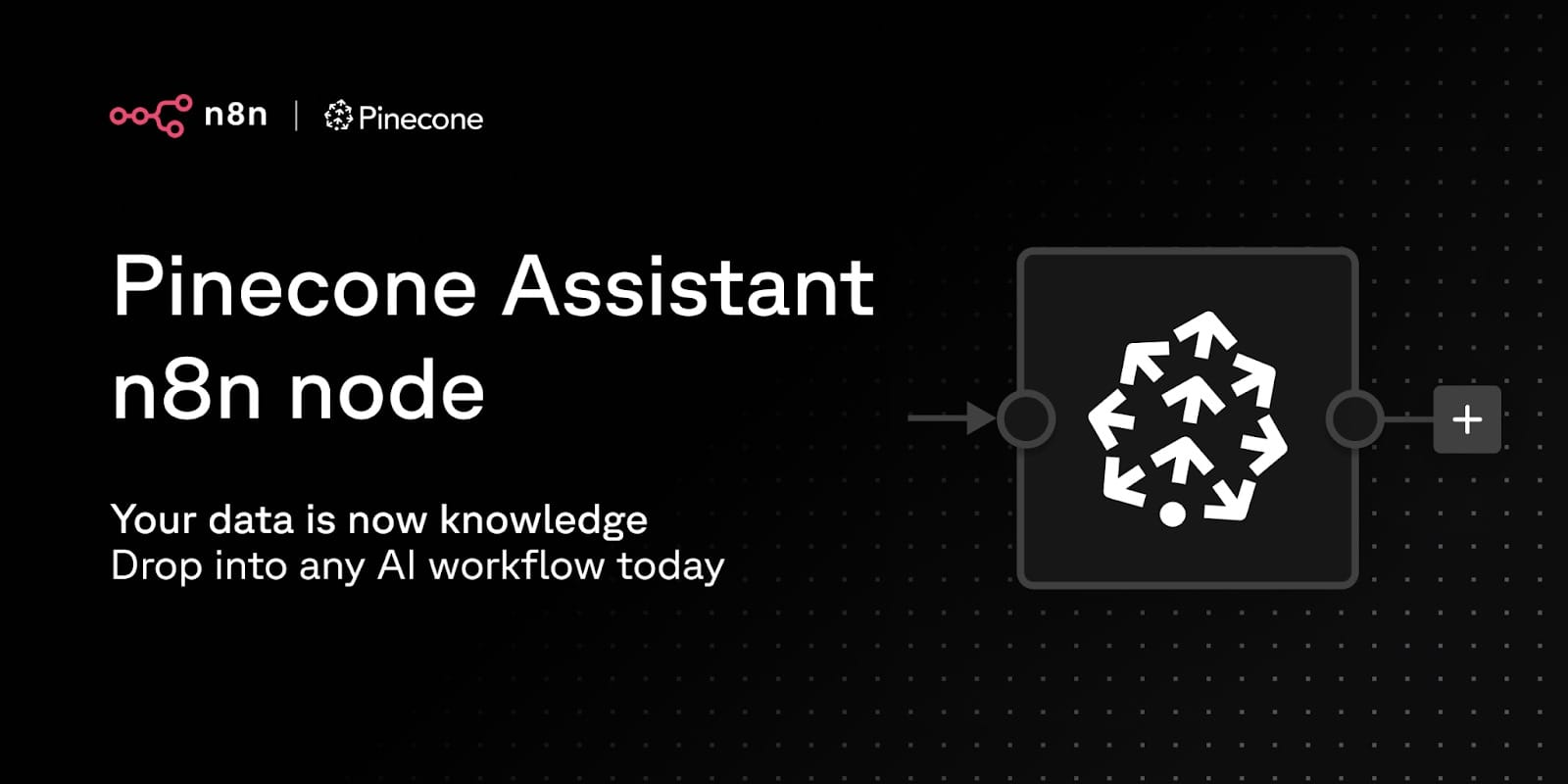
You can now add a fully managed RAG pipeline into your n8n workflows with the new Pinecone Assistant node. With Pinecone Assistant's powerful context retrieval capabilities, easily turn any data source into knowledge for your AI application.
How it works: Drag, drop, connect. Upload files like PDFs, DOCX, JSON, TXT, and Markdown. Pinecone Assistant handles chunking, embedding, search, and reranking automatically. Chat with your documents from connected sources (e.g., Google Drive, Slack, webhooks) to instantly get the accurate information you need.
Get started:
EXAM
👀 What’s happening: Google is pushing Gemini straight into classrooms and bedrooms. Students now get free, always on AI tutoring, exam practice, step by step explanations, and personalized drills inside Gemini. SAT prep is the wedge, but the real shift is universal access to a tireless, adaptive private tutor that never logs off.
🌍 How this hits reality: This collapses the test prep stack overnight. One AI can replace thousands of tutoring hours, cut prep costs to near zero, and standardize high performance at scale. Exams reward pattern mastery and repetition. Gemini excels at both. Teachers cannot compete on speed, availability, or personalization. The bottleneck was attention. That bottleneck is gone.
🛎️ Key takeaway: If exams stay structurally similar, teachers are out of the loop for test performance. Education splits fast. Humans handle motivation, discipline, and care. AI owns drilling, optimization, and scores. Testing systems that do not change become AI benchmarks, not measures of learning.
👀 What’s happening: Google is pushing Gemini straight into classrooms and bedrooms. Students now get free, always on AI tutoring, exam practice, step by step explanations, and personalized drills inside Gemini. SAT prep is the wedge, but the real shift is universal access to a tireless, adaptive private tutor that never logs off.
NEW LAUNCH
👀 What’s happening: Anthropic has expanded Claude from a chatbot into a live work surface. Tools like Slack, Figma, and Asana now render directly inside chat, with real interfaces you can edit in place. This is powered by MCP Apps, which let external software appear natively inside conversations.
🌍 How this hits reality: Most digital work still fragments across tabs, apps, and dashboards. Claude collapses those surfaces into a single window where planning, editing, assigning, and publishing all happen together. Unlike ChatGPT, which mostly coordinates actions elsewhere, Claude tries to become where the work actually lives, especially for collaborative, click heavy workflows.
🛎️ Key takeaway: This is what an AI Windows looks like at birth. Limited software today, expandable surface tomorrow. If MCP adoption grows, Claude becomes the default front end for work, not just the assistant behind it.
👀 What’s happening: Anthropic has expanded Claude from a chatbot into a live work surface. Tools like Slack, Figma, and Asana now render directly inside chat, with real interfaces you can edit in place. This is powered by MCP Apps, which let external software appear natively inside conversations.
QUICK HITS
TRENDING
READ MORE
Stay ahead without drowning in information. We turn the most important signals across AI, tech, marketing, and future products into 5-minute reads you can actually finish.
TOGETHER WITH US
AI Secret Media Group is the world’s #1 AI & Tech Newsletter Group, reaching over 2 million leaders across the global innovation ecosystem, from OpenAI, Anthropic, Google, and Microsoft to top AI labs, VCs, and fast-growing startups.
We've helped promote over 500 Tech Brands. Will yours be the next?
Email our co-founder Mark directly at [email protected] if the button fails.
Good Morning, AI Enthusiasts!
Control is migrating away from apps and formats toward whoever owns the layer that decides what gets created, shown, and acted on.

DAVOS
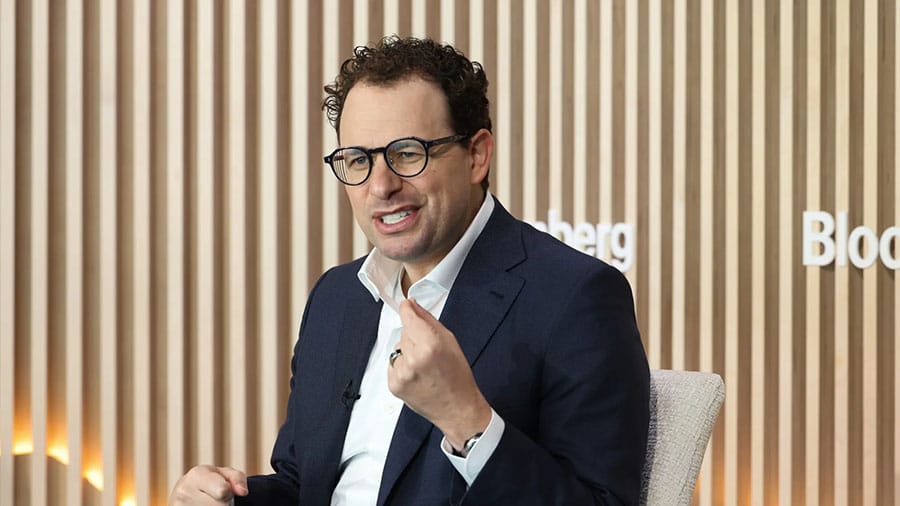
👀 What’s happening: At Davos, Dario Amodei, CEO of Anthropic, sharply criticized US policy allowing limited exports of advanced AI chips, including the Nvidia H200, to China. He called it a grave error and compared the decision to selling nuclear weapons to North Korea, using unusually explicit language.
🌍 How this hits reality: The comment is not just about chips. It signals where major AI labs are positioning themselves geopolitically. Frontier model builders depend on long term US regulatory protection, compute concentration, and alignment with national security priorities. Vendors want volume. Labs want control. That split now surfaces publicly as compute becomes strategic infrastructure, not a neutral input.
🛎️ Key takeaway: Amodei’s framing shows AI leaders are no longer pretending to be geopolitically neutral. As compute tightens, expect top labs to align more openly with US security logic, pushing policy toward containment and turning AI leadership into an explicit political stance.
👀 What’s happening: At Davos, Dario Amodei, CEO of Anthropic, sharply criticized US policy allowing limited exports of advanced AI chips, including the Nvidia H200, to China. He called it a grave error and compared the decision to selling nuclear weapons to North Korea, using unusually explicit language.
TOGETHER WITH BRAND24
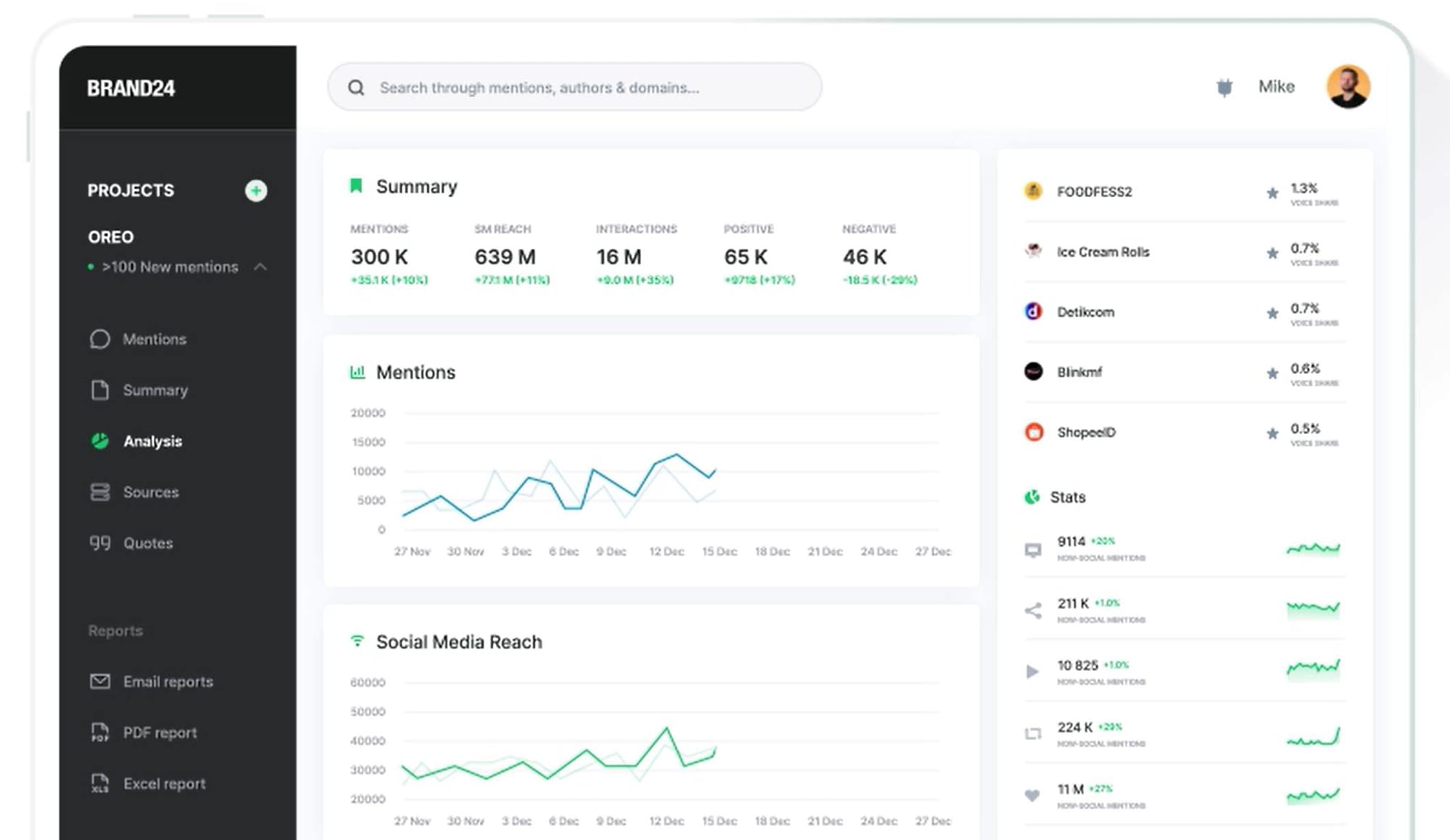
Brand24 turns the internet into real-time customer intelligence. AI tracks mentions across social, news, blogs, forums, videos, podcasts, and reviews—revealing how people truly talk about your brand, competitors, and market, the moment it happens.
AI PIN
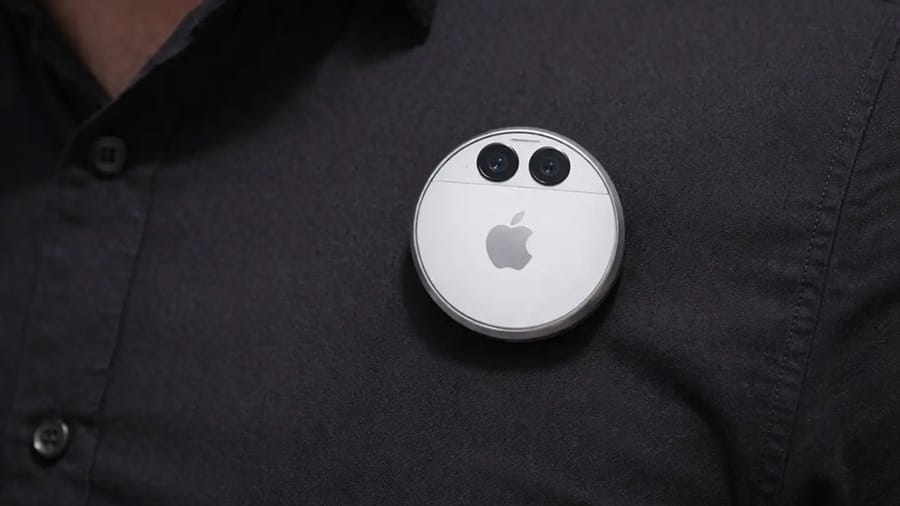
👀 What’s happening: Reports suggest Apple is exploring an AI pin style wearable, putting it on a future collision course with OpenAI, which is also expected to ship dedicated hardware. This comes after a wave of AI pin like devices already hit the market, many of them loudly, and many of them struggling to find real daily use.
🌍 How this hits reality: The category is crowded with cautionary tales. Humane AI Pin failed to justify its price or latency. Rabbit R1 shipped fast but leaned heavily on cloud agents that broke under real workflows. These devices promised screenless computing, yet users kept reaching for phones. That gap between demo magic and habit formation remains unresolved.
🛎️ Key takeaway: Apple joining raises the ceiling, but it doesn’t erase the core risk. AI pins may still be a product looking for a behavior. If Apple and OpenAI can’t anchor this to daily utility, the category may stay a compelling idea rather than a durable platform.
👀 What’s happening: Reports suggest Apple is exploring an AI pin style wearable, putting it on a future collision course with OpenAI, which is also expected to ship dedicated hardware. This comes after a wave of AI pin like devices already hit the market, many of them loudly, and many of them struggling to find real daily use.
SHORTS

👀 What’s happening: YouTube plans to let creators generate Shorts using their own AI likeness, bundling face and voice synthesis with clips, music, and auto dubbing. It is framed as empowerment, but the real shift is Shorts moving from a filming surface into a built in video generator.
🌍 How this hits reality: Shorts already pushes about 200 billion daily views, so even a small quality drop compounds fast. Generative video inside feeds tends to flatten style and pacing. We have seen this before. Socialized generators spike output, then stall engagement. The feed fills. Watch time thins. Enforcement lags creation.
🛎️ Key takeaway: This is YouTube trying to turn Shorts into a compliant version of Sora. The risk is repeating the same mistake. Generative video works as a tool. As a social layer, it often collapses into noise.
QUICK HITS
TRENDING
READ MORE
Stay ahead without drowning in information. We turn the most important signals across AI, tech, marketing, and future products into 5-minute reads you can actually finish.
TOGETHER WITH US
AI Secret Media Group is the world’s #1 AI & Tech Newsletter Group, reaching over 2 million leaders across the global innovation ecosystem, from OpenAI, Anthropic, Google, and Microsoft to top AI labs, VCs, and fast-growing startups.
We've helped promote over 500 Tech Brands. Will yours be the next?
Email our co-founder Mark directly at [email protected] if the button fails.
Good Morning, AI Enthusiasts!
Macrohard’s “Human Emulator” hints at an ambition to simulate not just tasks, but human-level behavior at scale.

LEAK
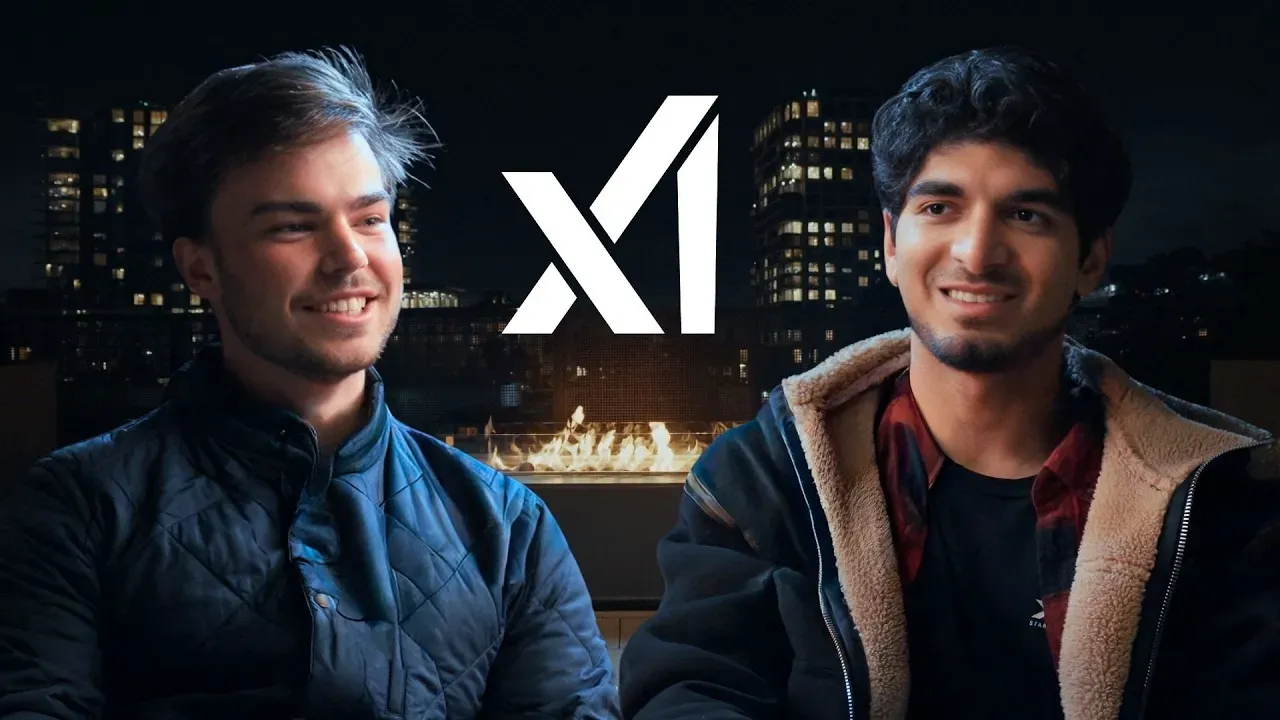
👀 What’s happening: An interview with an engineer named Sulaiman Ghori at xAI inadvertently exposed the Macrohard roadmap. He described a human emulator that copies screen reading, keyboard input, and mouse control to replace digital workers. After the clip spread, Sulaiman was terminated, signaling the sensitivity of revealing internal deployment plans.
🌍 How this hits reality: The plan bypasses software integration entirely. Macrohard learns by mimicking people at computers, then scales through small low latency models retrained daily. Deployment assumes millions of instances running on idle hardware, including Tesla vehicle computers, turning parked assets into a distributed digital labor pool.
🛎️ Key takeaway: If this trajectory continues, offices thin before factories do. Routine digital jobs compress quickly, pipelines break, and employment becomes elastic compute.
TOGETHER WITH WEBFLOW
With Webflow’s AI-native platform, teams design, manage, and optimize personalized web experiences that actually convert. From layout to optimization, Webflow brings intelligence directly into the site building process, helping brands move faster, adapt quicker, and turn ideas into measurable results without slowing down.
INFRA
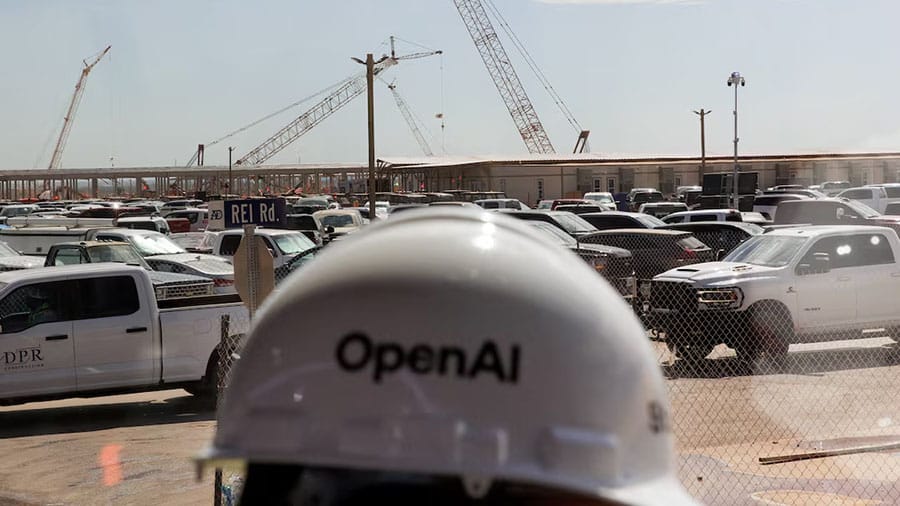
👀 What’s happening: OpenAI has rolled out a Stargate Community plan tied directly to its data center expansion. After similar moves by Microsoft, OpenAI is committing to site by site energy agreements that fund new power, storage, or transmission. The shift is that energy is now part of the project design, not an afterthought.
🌍 How this hits reality: AI growth is no longer gated by models or chips alone. Large training clusters can pull hundreds of megawatts, enough to stress regional grids and trigger political pushback. Microsoft’s approach absorbs costs through higher rates and utility coordination. OpenAI is going further, stepping in as a direct financier of generation and grid upgrades. That bypasses slow utility timelines but pulls AI labs into local infrastructure fights.
🛎️ Key takeaway: This is OpenAI deciding to build the road instead of waiting for traffic clearance. By internalizing power delivery, it trades capital and complexity for speed. If this holds, future AI leaders will be judged as much on energy execution as on model capability.
👀 What’s happening: OpenAI has rolled out a Stargate Community plan tied directly to its data center expansion. After similar moves by Microsoft, OpenAI is committing to site by site energy agreements that fund new power, storage, or transmission. The shift is that energy is now part of the project design, not an afterthought.
Microsoft’s approach absorbs costs through higher rates and utility coordination. OpenAI is going further, stepping in as a direct financier of generation and grid upgrades. That bypasses slow utility timelines but pulls AI labs into local infrastructure fights.
NEW LAUNCH

👀 What’s happening: Modulate has released its Ensemble Listening Model, a new voice AI architecture built to understand conversations rather than generate speech. Instead of one large model, it uses hundreds of smaller audio specialists working together to read emotion, timing, intent, and behavior directly from raw voice in real time.
🌍 How this hits reality: Most mainstream voice models, led by ElevenLabs, optimize for sounding human. They focus on speech generation, cloning, and expressive delivery, usually driven by text. Modulate’s model does the opposite. It never treats text as primary. It judges conversations under noise, speed, and stress, claiming higher intent accuracy and far lower cost by avoiding monolithic LLM inference.
🛎️ Key takeaway: This release marks a structural fork in voice AI. One path perfects output quality. The other prioritizes judgment, safety, and control. If listening models prove reliable, enterprise voice systems may shift away from text first designs entirely.
QUICK HITS
TRENDING
READ MORE
Stay ahead without drowning in information. We turn the most important signals across AI, tech, marketing, and future products into 5-minute reads you can actually finish.
TOGETHER WITH US
AI Secret Media Group is the world’s #1 AI & Tech Newsletter Group, reaching over 2 million leaders across the global innovation ecosystem, from OpenAI, Anthropic, Google, and Microsoft to top AI labs, VCs, and fast-growing startups.
We've helped promote over 500 Tech Brands. Will yours be the next?
Email our co-founder Mark directly at [email protected] if the button fails.
Good Morning, AI Enthusiasts!
As capital floods in and capabilities accelerate, the real question is no longer how fast AI can move—but whether the trust it relies on can keep up.

FINANCING
👀 What’s happening: Anthropic is lining up one of the largest private AI financings on record. A new round aims to raise about $25 billion at a reported $350 billion valuation, with fresh capital from Sequoia Capital, GIC, and Coatue. The scale jumps sharply from its last raise.
🌍 How this hits reality: Anthropic is being capitalized like infrastructure, not a startup. Prior commitments from Microsoft and Nvidia already reached up to $15 billion. At this size, model training, inference capacity, and enterprise adoption lock in dependencies on power, advanced chips, and long term contracts that few labs can replicate.
🛎️ Key takeaway: Anthropic’s trajectory points toward an AI utility model. If this continues, competition shifts from features to access. The bottlenecks become compute supply, energy availability, and geopolitical tolerance around who gets to build at this scale.
👀 What’s happening: Anthropic is lining up one of the largest private AI financings on record. A new round aims to raise about $25 billion at a reported $350 billion valuation, with fresh capital from Sequoia Capital, GIC, and Coatue. The scale jumps sharply from its last raise.
TOGETHER WITH LINDY
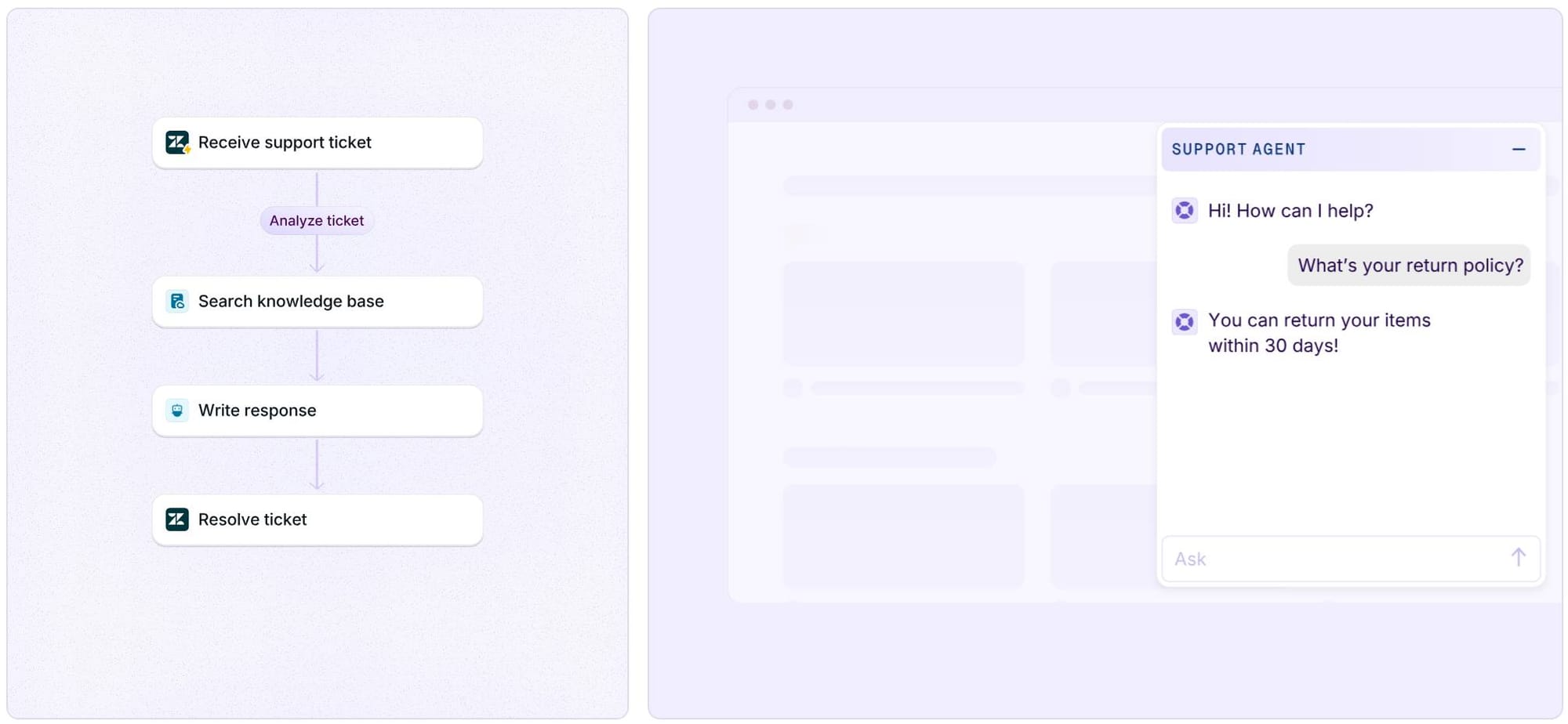
Lindy.ai turns AI from demos into coworkers. Build autonomous agents that read emails, schedule meetings, update CRMs, and chase follow-ups while you sleep. No code, just intent. Lindy plugs into your stack and quietly runs the busywork, so teams move faster, decisions land sooner, and work finally feels lighter everywhere.
NEW LAUNCH
👀 What’s happening: Black Forest Labs released FLUX.2 [klein], a small image model designed around one constraint: speed. The 4B version runs locally, generates images in under a second, and ships under an Apache 2.0 license. This is not chasing visual ceilings. It is deliberately stepping away from them.
🌍 How this hits reality: Most image models still assume 20 to 50 steps and multi second waits are fine. That assumption is breaking. Sub one second generation changes how images are used, from live design iteration to embedded UI feedback. A model that fits in roughly 13GB VRAM and needs four steps shifts cost curves hard. Quality gaps matter less when iteration cycles collapse by an order of magnitude.
🛎️ Key takeaway: FLUX.2 [klein] shows a different optimization target. The images may look average, but the speed reshapes workflows. If this direction holds, image generation becomes interactive infrastructure, not a showcase artifact, and product teams will optimize around latency first, aesthetics second.
NEW LAUNCH

👀 What’s happening: OpenAI says ChatGPT will begin showing clearly labeled shopping ads tied to conversations. Tests start for logged in free users and the Go tier, with placements below the chat. Paid plans stay ad free. The company says ads will not affect answers or share conversations.
🌍 How this hits reality: This is a multi track monetization test. Ads sit alongside subscriptions, usage limits, and APIs. The risk is dilution. Many users pay for perceived neutrality and professional distance. Introducing commerce reframes the interface from tool to funnel, even if answers remain untouched.
🛎️ Key takeaway: OpenAI is probing revenue from several angles at once. Ads may scale fastest. But shifting incentives can bend posture over time. The danger is not bias today, but drift tomorrow.
👀 What’s happening: OpenAI says ChatGPT will begin showing clearly labeled shopping ads tied to conversations. Tests start for logged in free users and the Go tier, with placements below the chat. Paid plans stay ad free. The company says ads will not affect answers or share conversations.
QUICK HITS
TRENDING
READ MORE
Stay ahead without drowning in information. We turn the most important signals across AI, tech, marketing, and future products into 5-minute reads you can actually finish.
TOGETHER WITH US
AI Secret Media Group is the world’s #1 AI & Tech Newsletter Group, reaching over 2 million leaders across the global innovation ecosystem, from OpenAI, Anthropic, Google, and Microsoft to top AI labs, VCs, and fast-growing startups.
We've helped promote over 500 Tech Brands. Will yours be the next?
Email our co-founder Mark directly at [email protected] if the button fails.

Good Morning, AI Enthusiasts!
As models like Codex gain longer memory, higher reliability, and fewer resets, the scaffolding around them starts to look redundant.

AGENTS
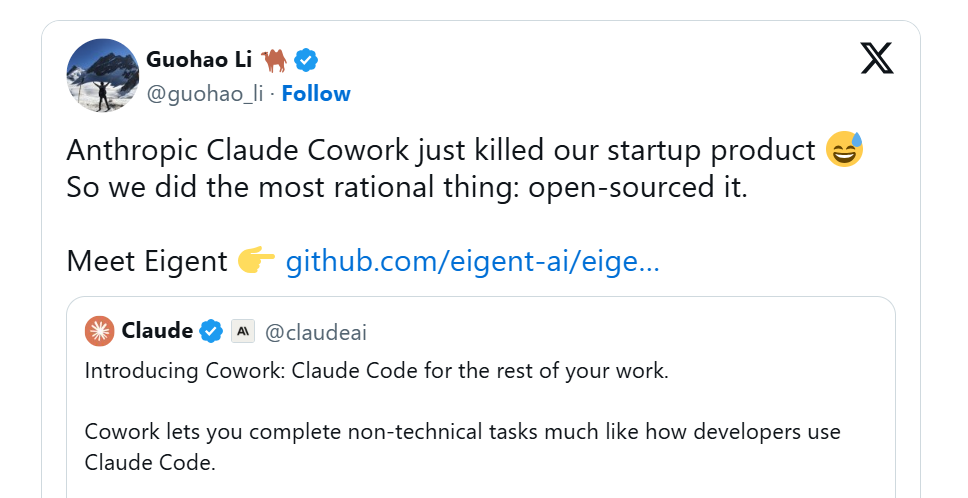
Anthropic Claude Cowork just killed our startup product 😅 So we did the most rational thing: open-sourced it.
— Guohao Li 🐫 (@guohao_li) January 13, 2026
Meet Eigent 👉 https://t.co/R82WRFoh41 https://t.co/06fag6fTdk
👀 What’s happening: After Anthropic released Claude Cowork, the team behind Eigent publicly admitted their startup was effectively dead and open sourced the product. The trigger was not better UX. It was platform level integration. The story spread on X because it captured a fear many agent startups already had.
🌍 How this hits reality: Eigent shows the difference between building a system and shipping a product clone. Many startups today are just recreating something like Manus with small tweaks. That works only until the model provider enters. Giants own distribution, defaults, trust, and pricing. When they ship the same capability natively, demand for the copy does not decline gradually. It collapses. Market size goes to zero.
🛎️ Key takeaway: Limited innovation is no longer a viable hedge. If a startup is not creating a new category or redefining the problem, it is exposed by design. When giants move down the stack, incremental agent products are not competed away. They are erased.
👀 What’s happening: After Anthropic released Claude Cowork, the team behind Eigent publicly admitted their startup was effectively dead and open sourced the product. The trigger was not better UX. It was platform level integration. The story spread on X because it captured a fear many agent startups already had.
TOGETHER WITH ELEVENLABS
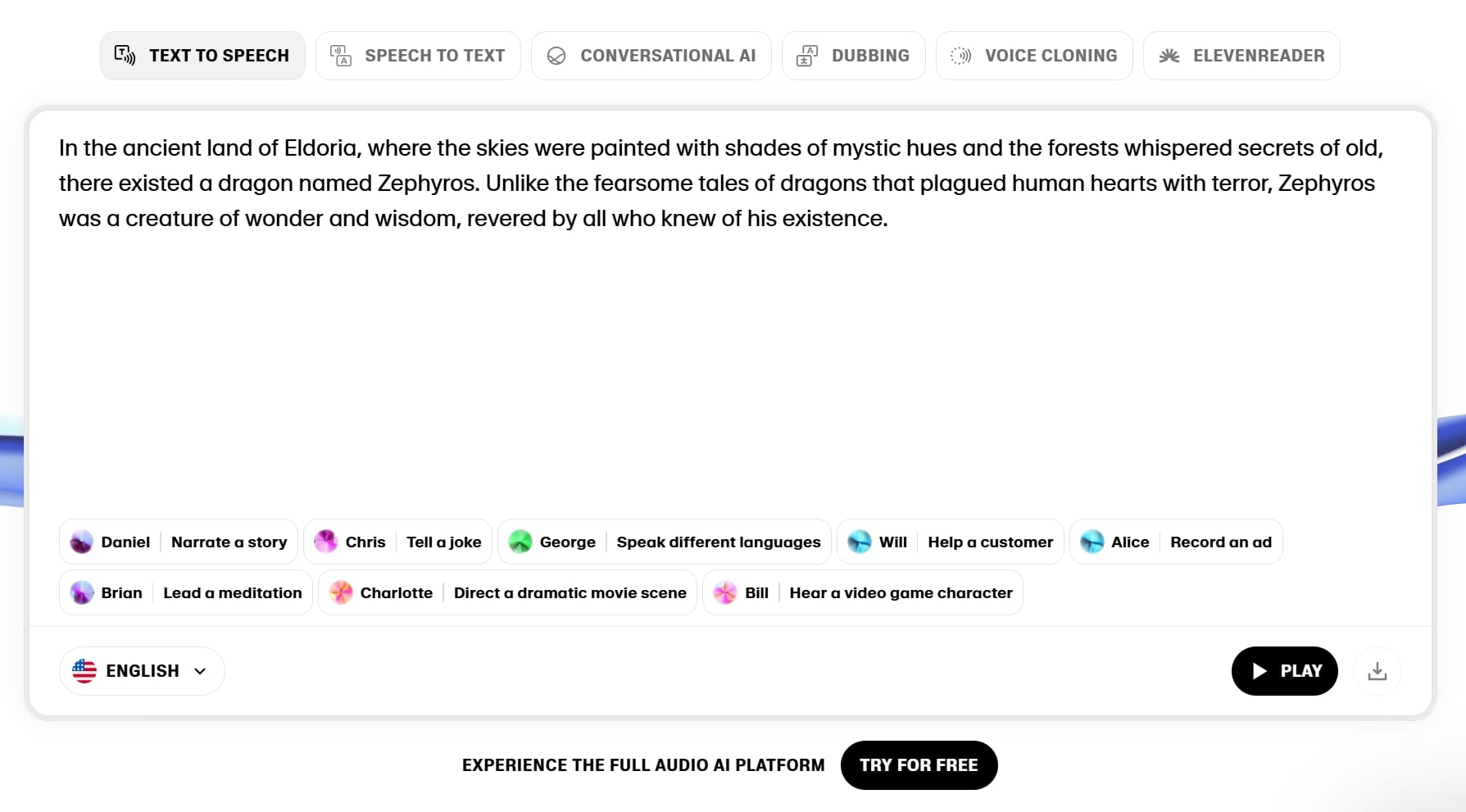
Imagine a world where the voice of an AI is so realistic, it could charm the socks off a statue. Well, buckle up, because ElevenLabs is here to turn that dream into a reality! Our cutting-edge voice models are like the Swiss Army knife of the vocal world—versatile, reliable, and just plain cool.
It creates stunning voiceovers for audiobooks, commercials, and anything else your heart desires. Say goodbye to awkward silences and hello to an audio experience that’s music to your ears—literally! Whether you’re a developer, a creator, or an enterprise with a penchant for the dramatic, we’ve got just the voice for you.
NEW LAUNCH
👀 What’s happening: OpenAI has released GPT-5.2 Codex to developers via the Responses API, opening access beyond its previous Codex-only tools. The model is positioned around a core change: built-in context compression that allows it to carry task state across long coding sessions without restarting or reloading everything.
🌍 How this hits reality: For real coding work, this directly changes refactors and migrations. Instead of re-parsing thousands of files or blowing past context limits, the model compresses intent, decisions, and partial progress into a smaller working state. That cuts token churn, reduces restarts, and keeps multi-hour workflows coherent where earlier models stalled or drifted.
🛎️ Key takeaway: The breakthrough is not smarter code but sustained focus. Context compression turns agents from short burst helpers into long haul collaborators. If others cannot match this, coding models split into two camps: fast generators and durable operators, with real work flowing to the latter.
👀 What’s happening: OpenAI has released GPT-5.2 Codex to developers via the Responses API, opening access beyond its previous Codex-only tools. The model is positioned around a core change: built-in context compression that allows it to carry task state across long coding sessions without restarting or reloading everything.
LEAK
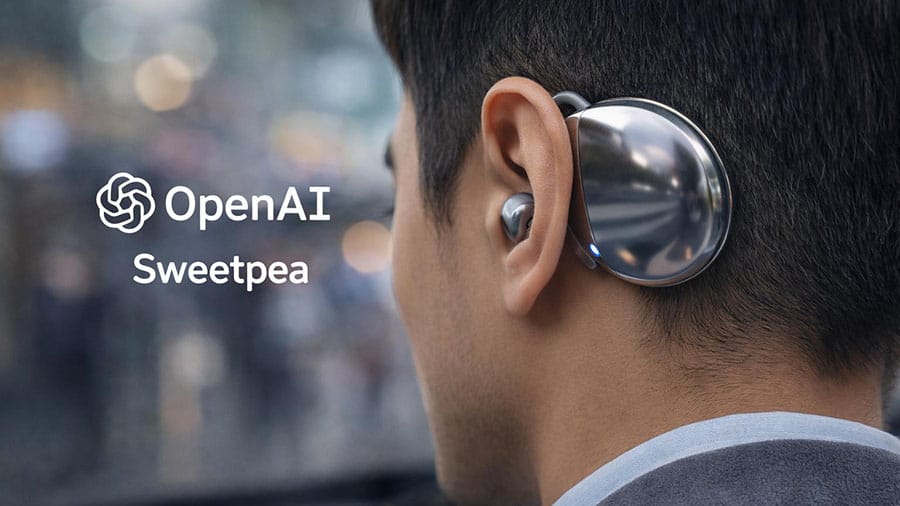
👀 What’s happening: After years of hints, leaks say OpenAI is preparing Sweetpea, a behind the ear, voice first AI audio device. This is the result of long internal hardware work, reportedly involving Sam Altman and design thinking aligned with Jony Ive. The outcome looks like an AI headset the market has already seen many times.
🌍 How this hits reality: Strip away the narrative and Sweetpea is painfully familiar. Screenless, always listening AI audio wearables have existed for years, many priced under 200 dollars. A 2nm chip does not change the category. Reliance on iPhone and Siri keeps it trapped inside Apple’s ecosystem. Nothing here resets interaction, distribution, or behavior.
🛎️ Key takeaway: This raises an uncomfortable question. If this is what years of OpenAI hardware thinking produces, the innovation gap is real. Sweetpea risks proving that strong models alone do not translate into meaningful new products or platforms.
👀 What’s happening: After years of hints, leaks say OpenAI is preparing Sweetpea, a behind the ear, voice first AI audio device. This is the result of long internal hardware work, reportedly involving Sam Altman and design thinking aligned with Jony Ive. The outcome looks like an AI headset the market has already seen many times.
QUICK HITS
TRENDING
READ MORE
Stay ahead without drowning in information. We turn the most important signals across AI, tech, marketing, and future products into 5-minute reads you can actually finish.
TOGETHER WITH US
AI Secret Media Group is the world’s #1 AI & Tech Newsletter Group, reaching over 2 million leaders across the global innovation ecosystem, from OpenAI, Anthropic, Google, and Microsoft to top AI labs, VCs, and fast-growing startups.
We've helped promote over 500 Tech Brands. Will yours be the next?
Email our co-founder Mark directly at [email protected] if the button fails.
Good Morning, AI Enthusiasts!
The past year made it feel like “agent startups” were a new layer of the stack. However Claude Cowork showed that this layer was never stable.

NEW LAUNCH
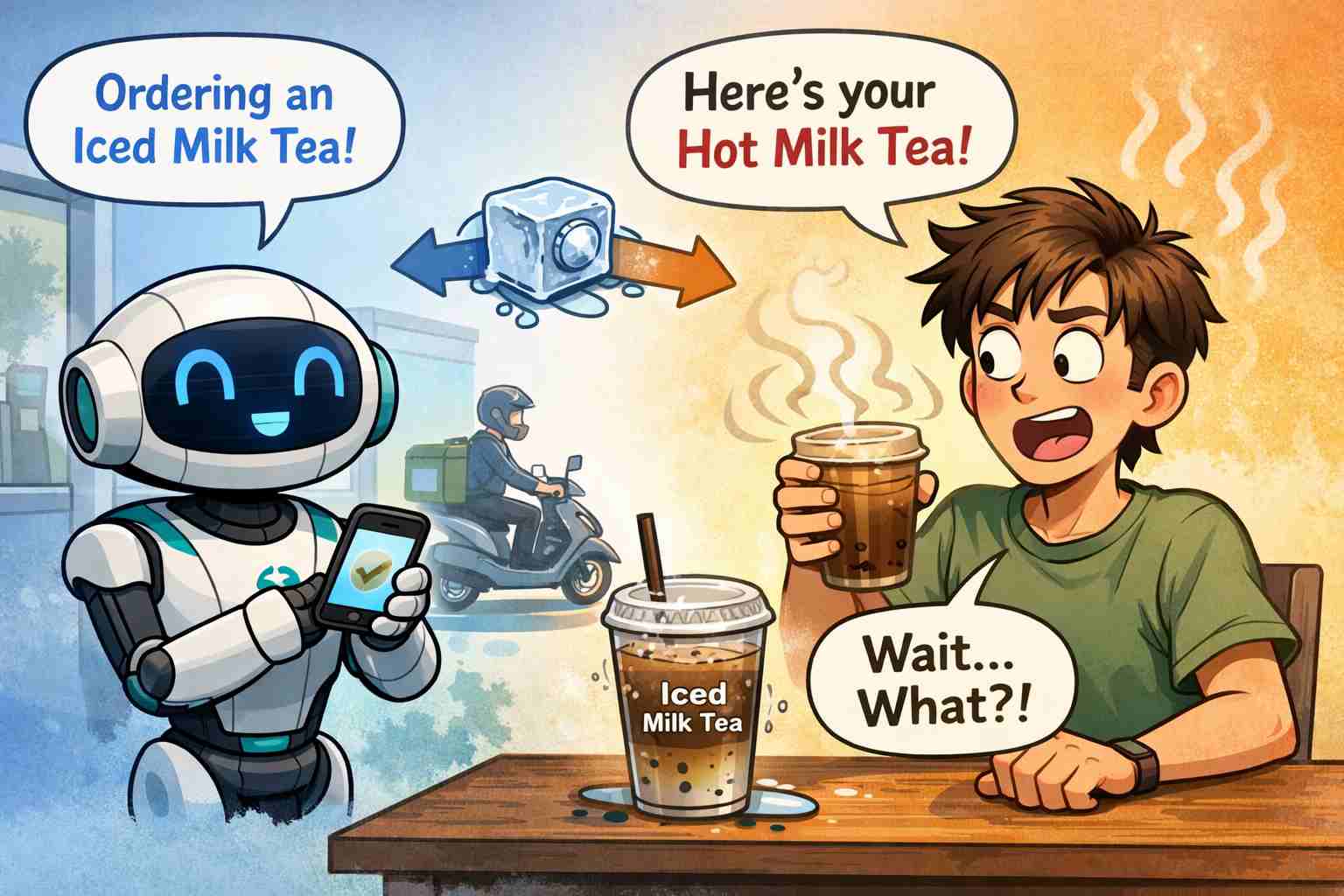
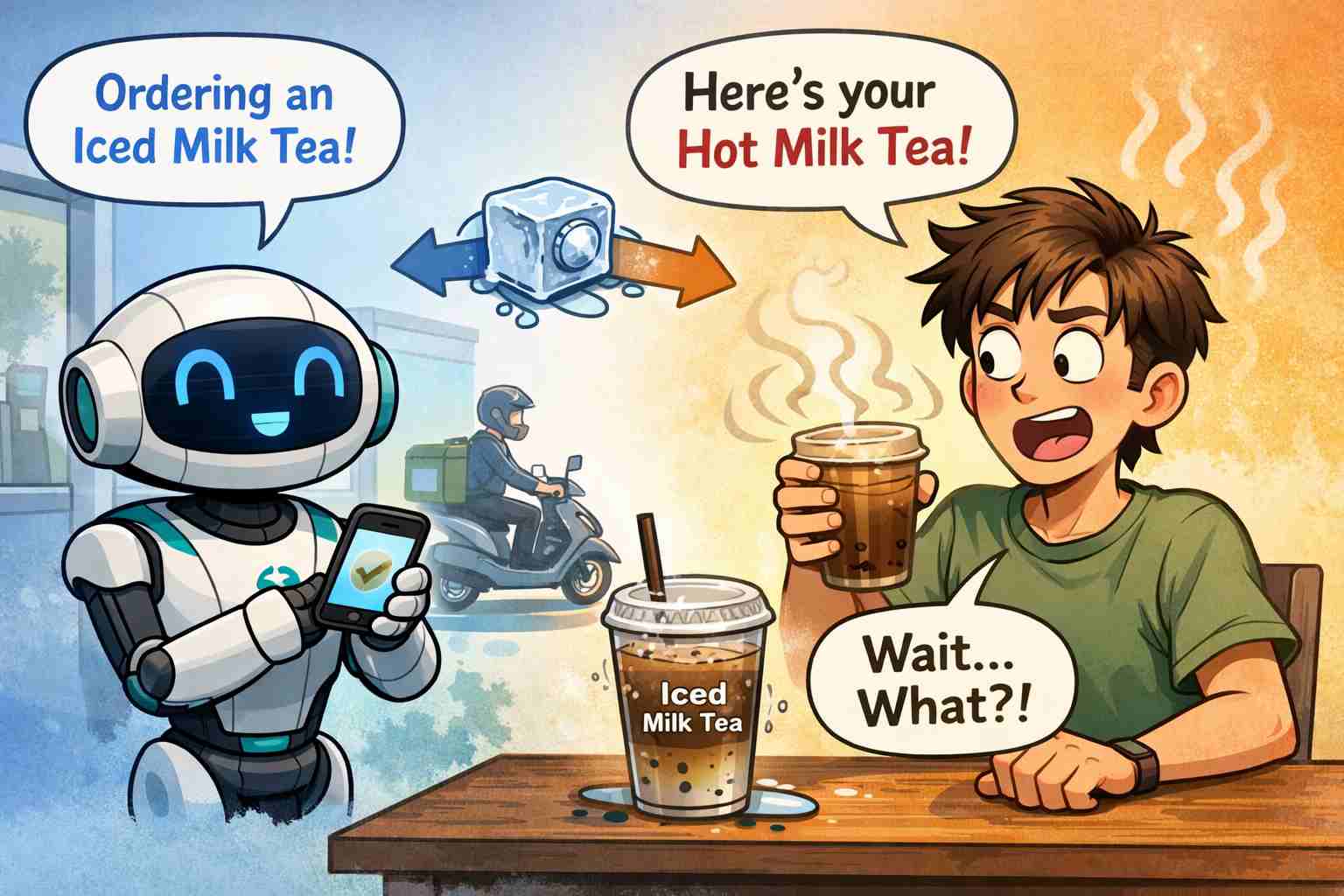
👀 What’s happening: Alibaba upgraded its Qwen app so it can order food, book travel, and complete payments directly inside chat. In testing, my team member asked for an milk tea with less iceand received a hot one instead. The system can act now, but intent still slips at the edges.
🌍 How this hits reality: This is not a feature update. It is a shift from conversational AI to transactional infrastructure. Once payments, logistics, and bookings live inside a model, every misunderstanding has a dollar value. At claimed scale above 100 million monthly users, even a 1 percent execution error becomes a customer support and trust problem, not a UX quirk.
🛎️ Key takeaway: Agentic AI is moving faster than reliability. As systems follow paths opened by OpenAI and Google, the hard work is no longer intelligence. It is precision, handoffs, and failure handling inside real commercial flows.
👀 What’s happening: Alibaba upgraded its Qwen app so it can order food, book travel, and complete payments directly inside chat. In testing, my team member asked for an milk tea with less iceand received a hot one instead. The system can act now, but intent still slips at the edges.
TOGETHER WITH HELPSCOUT
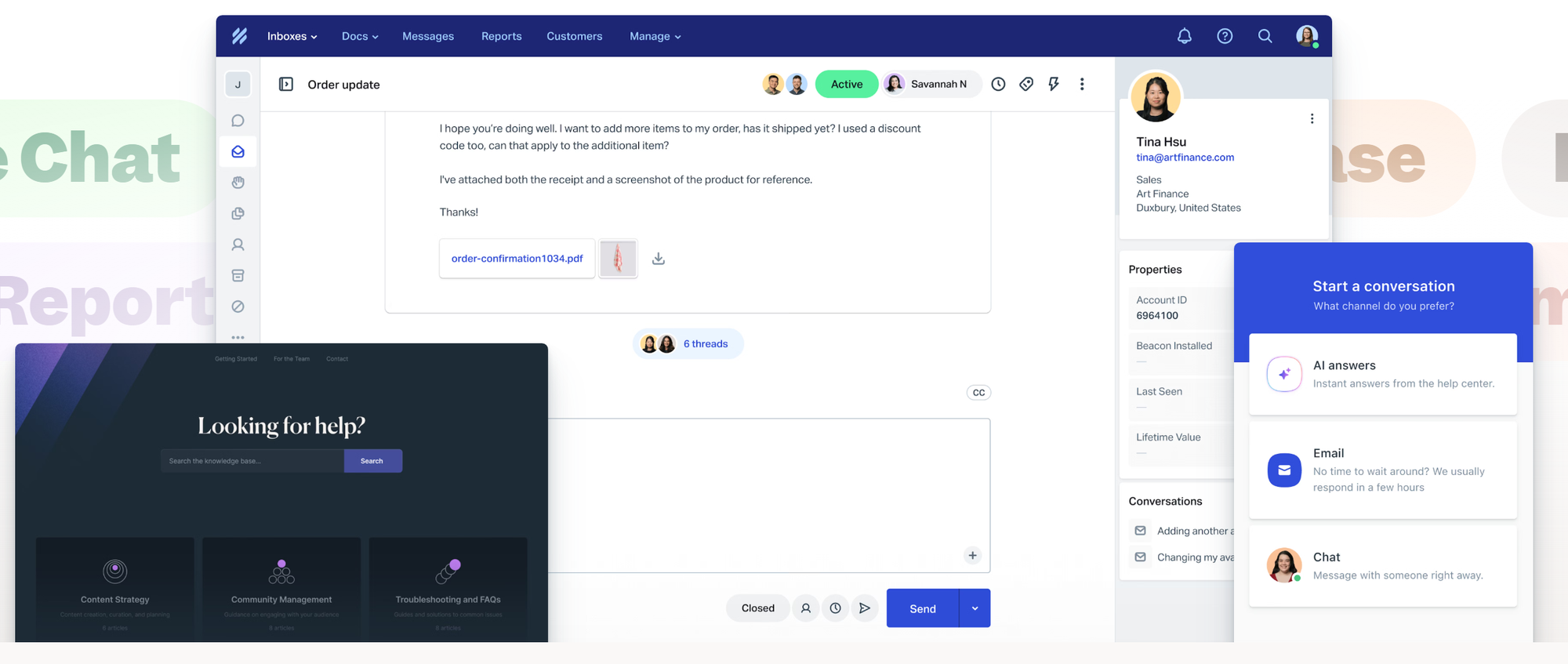
Help Scout is a customer platform with AI-powered email, chat, and knowledge base tools. AI drafts, summarizes, and translates replies instantly, automates workflows, and boosts agent efficiency. With 12,000+ teams onboard, it integrates with 90+ apps, simplifies collaboration, and enhances CSAT without ticketing complexity.
SHOPPING
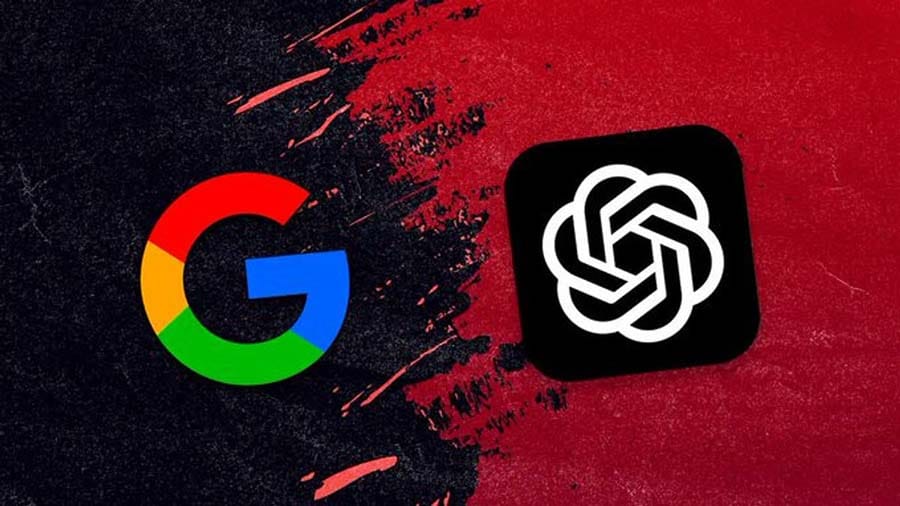
👀 What’s happening: Google introduced UCP, a universal commerce protocol that lets AI handle discovery, checkout, payment, and fulfillment across merchants. OpenAI answered with Agentic Commerce Protocol ACP, a lighter framework where AI agents trigger purchases without owning the full transaction stack. This makes the split structural, not cosmetic.
🌍 How this hits reality: UCP looks like Android for commerce. Open source in name, Google certified in practice. Merchants gain reach and user access, but must adopt Google schemas and compliance. ACP stays minimal. It plugs into existing systems, avoids payment custody, and limits liability. That lowers friction, but also limits how much commerce logic OpenAI can control.
🛎️ Key takeaway: This is Android style openness versus lightweight adaptability. Google UCP offers depth and standardization with tighter gravity. OpenAI ACP offers speed and flexibility with less lock in. Merchants will weigh scale against autonomy. The standard that feels least risky to adopt may spread fastest.
OpenAI answered with Agentic Commerce Protocol ACP, a lighter framework where AI agents trigger purchases without owning the full transaction stack. This makes the split structural, not cosmetic.
Open source in name, Google certified in practice. Merchants gain reach and user access, but must adopt Google schemas and compliance. ACP stays minimal. It plugs into existing systems, avoids payment custody, and limits liability.
CLOUD

👀 What’s happening: Microsoft is increasing spending on Anthropic models inside Azure and is now paying cloud sales teams to actively sell Claude alongside its own offerings. Internal incentives reportedly run through 2026. This marks a shift from quietly supporting alternatives to formally productizing them.
🌍 How this hits reality: Azure customers increasingly want choice as model performance, safety, and pricing diverge. OpenAI dependence concentrates leverage and risk. By adding Anthropic, Microsoft broadens coverage across regulated industries, spreads compute demand, and strengthens Azure against buyers asking for model redundancy and negotiating power.
🛎️ Key takeaway: Microsoft is hedging, not defecting. OpenAI stays central, but leverage is built ahead of future shifts. If this continues, cloud AI turns into a portfolio game, with Azure positioned as neutral layer.
OpenAI dependence concentrates leverage and risk. By adding Anthropic, Microsoft broadens coverage across regulated industries, spreads compute demand, and strengthens Azure against buyers asking for model redundancy and negotiating power.
👀 What’s happening: Microsoft is increasing spending on Anthropic models inside Azure and is now paying cloud sales teams to actively sell Claude alongside its own offerings. Internal incentives reportedly run through 2026. This marks a shift from quietly supporting alternatives to formally productizing them.
👀 What’s happening: Microsoft is increasing spending on Anthropic models inside Azure and is now paying cloud sales teams to actively sell Claude alongside its own offerings. Internal incentives reportedly run through 2026. This marks a shift from quietly supporting alternatives to formally productizing them.
QUICK HITS
TRENDING
READ MORE
Stay ahead without drowning in information. We turn the most important signals across AI, tech, marketing, and future products into 5-minute reads you can actually finish.
TOGETHER WITH US
AI Secret Media Group is the world’s #1 AI & Tech Newsletter Group, reaching over 2 million leaders across the global innovation ecosystem, from OpenAI, Anthropic, Google, and Microsoft to top AI labs, VCs, and fast-growing startups.
We've helped promote over 500 Tech Brands. Will yours be the next?
Email our co-founder Mark directly at [email protected] if the button fails.
Good Morning, AI Enthusiasts!
Something is slipping its old skin. Intelligence is becoming embodied, ambient, and unavoidable.

SIRI

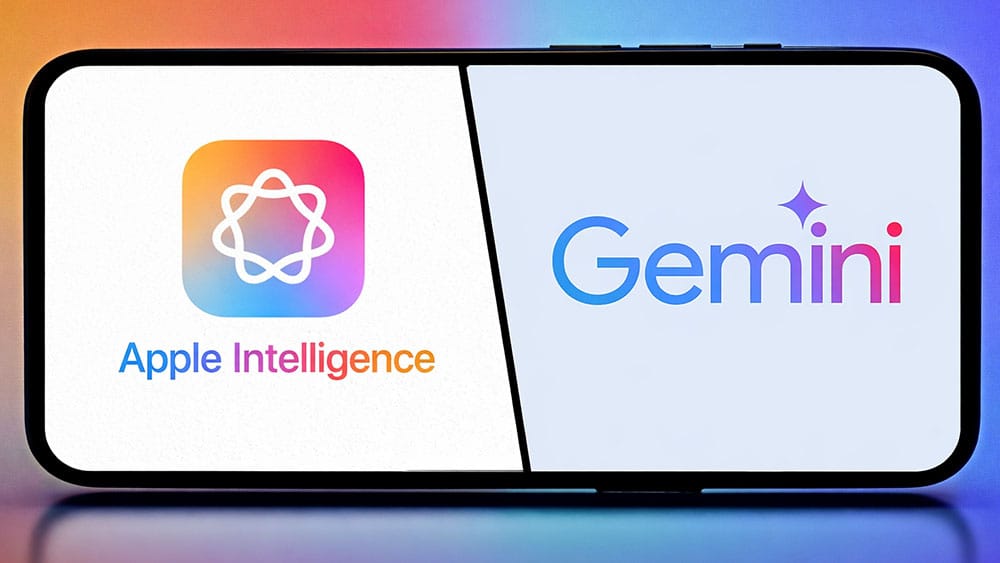
👀 What’s happening: Apple has signed a multi year deal to use Gemini as the core model behind the next version of Siri. Gemini beat out rivals from OpenAI and Anthropic after months of internal evaluation. ChatGPT remains optional, but Gemini becomes the default intelligence layer.
🌍 How this hits reality: This was not a branding choice. Apple tested for scale, latency, multimodality, and production reliability across billions of devices. Gemini already runs Android assistants and Samsung Galaxy AI. By picking Google, Apple optimized for infrastructure maturity and deployment muscle, even if it meant relying on a long time platform rival.
🛎️ Key takeaway: Gemini did not just win a contract. It won the most consequential AI bake off yet. By defeating Claude and OpenAI for Siri’s core, Google positions itself as the dominant mobile intelligence provider across ecosystems, with leverage no AI lab has previously achieved.
By defeating Claude and OpenAI for Siri’s core, Google positions itself as the dominant mobile intelligence provider across ecosystems, with leverage no AI lab has previously achieved.
By defeating Claude and OpenAI for Siri’s core, Google positions itself as the dominant mobile intelligence provider across ecosystems, with leverage no AI lab has previously achieved.
👀 What’s happening: Apple has signed a multi year deal to use Gemini as the core model behind the next version of Siri. Gemini beat out rivals from OpenAI and Anthropic after months of internal evaluation. ChatGPT remains optional, but Gemini becomes the default intelligence layer.
Apple tested for scale, latency, multimodality, and production reliability across billions of devices. Gemini already runs Android assistants and Samsung Galaxy AI. By picking Google, Apple optimized for infrastructure maturity and deployment muscle, even if it meant relying on a long time platform rival.
TOGETHER WITH HARDWIRE
The Hardwire is a weekly newsletter tracking the next wave of AI-powered hardware: consumer devices, wearables, spatial computing, and the silicon shaping it all. From product launches to deep-tech inflection points, it connects what’s being built with why it matters.
Read by founders, engineers, investors, and operators who want to understand how AI escapes the cloud and enters the physical world.
If you care about where software meets atoms, The Hardwire is where the future gets wired.
R&D
👀 What’s happening: Nvidia and Eli Lilly agreed to spend up to $1 billion over five years on a joint Bay Area lab to build AI foundation models for drug discovery. The setup combines Nvidia’s BioNeMo software and early access to Vera Rubin accelerators with Lilly’s robotic wet labs. It is less a pilot and more a permanent operating model.
🌍 How this hits reality: Drug discovery timelines already stretch 10 to 15 years and cost billions per approved drug. This move shifts the bottleneck from lab throughput to compute access and model quality. Early Vera Rubin supply, with roughly five times Blackwell performance, becomes a competitive asset. Pharma R&D, manufacturing, and even commercial ops start depending on GPU allocation and AI infrastructure roadmaps.
🛎️ Key takeaway: This is pharma accepting that compute strategy now shapes pipeline strategy. If this pattern holds, drug discovery advantages concentrate around GPU access, integrated labs, and AI platforms, not just molecules or patents.
👀 What’s happening: Nvidia and Eli Lilly agreed to spend up to $1 billion over five years on a joint Bay Area lab to build AI foundation models for drug discovery. The setup combines Nvidia’s BioNeMo software and early access to Vera Rubin accelerators with Lilly’s robotic wet labs.
NEW LAUNCH
👀 What’s happening: Anthropic has launched Claude Cowork in research preview, turning Claude into a persistent workplace agent with direct file access, task queues, and long running context. This arrives just as Meta has absorbed Manus, and as leading agent products like Genspark mature. The timing makes this feel less like a feature launch and more like a line being crossed.
🌍 How this hits reality: For years, the agents market assumed separation. Models at the bottom, agents on top, startups in between. Cowork breaks that stack. It bundles execution, memory, and tool access directly into the model owner’s product. Genspark and Manus built leadership by orchestrating third party models. That advantage erodes fast when the model itself ships with native agent behavior and system level permissions.
🛎️ Key takeaway: 2026 is shaping up as the year the model is the agent. Meta and Anthropic now sit inside the agent category, not beside it. For independent agents, this is not competition. It is a structural rewrite.
👀 What’s happening: Anthropic has launched Claude Cowork in research preview, turning Claude into a persistent workplace agent with direct file access, task queues, and long running context. This arrives just as Meta has absorbed Manus, and as leading agent products like Genspark mature.
This arrives just as Meta has absorbed Manus, and as leading agent products like Genspark mature. The timing makes this feel less like a feature launch and more like a line being crossed.
QUICK HITS
TRENDING
READ MORE
Stay ahead without drowning in information. We turn the most important signals across AI, tech, marketing, and future products into 5-minute reads you can actually finish.
TOGETHER WITH US
AI Secret Media Group is the world’s #1 AI & Tech Newsletter Group, reaching over 2 million leaders across the global innovation ecosystem, from OpenAI, Anthropic, Google, and Microsoft to top AI labs, VCs, and fast-growing startups.
We've helped promote over 500 Tech Brands. Will yours be the next?
Email our co-founder Mark directly at [email protected] if the button fails.

Good Morning, AI Enthusiasts!
The competition is no longer about who has the smartest model, but who owns the moment where intent turns into action.

SHOPPING

👀 What’s happening: OpenAI wants ChatGPT to act like a personal shopping assistant. In practice it is colliding with the messy reality of ecommerce. Across millions of stores, “in stock” often really means preorder or delayed fulfillment. Teaching an AI to reliably interpret these signals is far harder than parsing text.
🌍 How this hits reality: Commerce data was never designed to be machine trusted. Inventory fields are vague, pricing rules shift by region, and fulfillment promises are marketing driven. When an AI confidently places an order for something that will not ship for weeks, trust breaks instantly. That creates refund risk, brand disputes, and legal exposure. It also blocks OpenAI’s plan to scale transaction based revenue.
🛎️ Key takeaway: The hardest problem is not payments or models but ambiguity. “In stock” versus preorder looks small, but it is a massive technical and commercial fault line. Until AI can reason about human shortcuts in commerce data, shopping agents will stay fragile.
👀 What’s happening: OpenAI wants ChatGPT to act like a personal shopping assistant. In practice it is colliding with the messy reality of ecommerce. Across millions of stores, “in stock” often really means preorder or delayed fulfillment. Teaching an AI to reliably interpret these signals is far harder than parsing text.
TOGETHER WITH ADFYNX

Meta ads reports used to feel like headbutting a dashboard. Repeatedly.
Now you ask Adfynx one plain-English question and it spits out a clear breakdown in about a minute. What worked. What didn’t. Which creatives actually won. What to do next. All in a shareable report.
Less wasted spend. Fewer tabs. Zero analytics headache. Your brain can stand down.
NEW LAUNCH

👀 What’s happening: Google announced the Universal Commerce Protocol, an open standard for AI agent shopping unveiled at NRF. For now, it only runs inside Search AI mode and Gemini, enabling in conversation checkout with stored payment and shipping data. The scope looks narrow, but the protocol is designed to sit underneath far more surfaces.
🌍 How this hits reality: This is less a feature launch than a platform alignment. UCP allows merchants, payment providers, and agents to plug into a shared transaction layer. Search and Gemini are just initial clients. The real target is an ecosystem where commerce works consistently across assistants, apps, and future devices. That contrasts with OpenAI, which centers shopping inside a single consumer facing agent.
🛎️ Key takeaway: Google is entering agent commerce sideways, through infrastructure. If adoption spreads, buying becomes a system capability, not an app feature. The bet is that standards scale faster than personalities, and that control of rails matters more than control of chat.
👀 What’s happening: Google announced the Universal Commerce Protocol, an open standard for AI agent shopping unveiled at NRF. For now, it only runs inside Search AI mode and Gemini, enabling in conversation checkout with stored payment and shipping data. The scope looks narrow, but the protocol is designed to sit underneath far more surfaces.
NEW LAUNCH

👀 What’s happening: Anthropic has added healthcare features to Claude that let users upload medical records and fitness data to better understand their health. The release comes days after OpenAI launched ChatGPT Health, signaling that both labs now see patient facing healthcare as unavoidable, not optional.
🌍 How this hits reality: On the surface the features look similar, but the intent diverges. Claude frames itself as a medical document interpreter, not a health companion. It focuses on summaries, plain language explanations, and appointment prep. ChatGPT Health positions health as a major usage layer inside a mass market product already handling hundreds of millions of weekly health questions. One stresses containment, the other scale.
🛎️ Key takeaway: Anthropic is entering healthcare without breaking character. Claude stays cautious, enterprise minded, and compliance first. If this pattern holds, OpenAI will push the consumer edge, while Anthropic builds trust by moving slower and closer to existing medical workflows.
ChatGPT Health positions health as a major usage layer inside a mass market product already handling hundreds of millions of weekly health questions. One stresses containment, the other scale.
👀 What’s happening: Anthropic has added healthcare features to Claude that let users upload medical records and fitness data to better understand their health. The release comes days after OpenAI launched ChatGPT Health, signaling that both labs now see patient facing healthcare as unavoidable, not optional.
QUICK HITS
TRENDING
READ MORE
Stay ahead without drowning in information. We turn the most important signals across AI, tech, marketing, and future products into 5-minute reads you can actually finish.
TOGETHER WITH US
AI Secret Media Group is the world’s #1 AI & Tech Newsletter Group, reaching over 2 million leaders across the global innovation ecosystem, from OpenAI, Anthropic, Google, and Microsoft to top AI labs, VCs, and fast-growing startups.
We've helped promote over 500 Tech Brands. Will yours be the next?
Email our co-founder Mark directly at [email protected] if the button fails.
Some want to sell their owners. Some found religions. Humans just watch.
Read the storyPlus: Microsoft Strikes Back Anthropic, OpenAI Destroys Paper Generator
Plus: Private Exam Machine, AI Windows Moment
Plus: Apple Enters AI Pin, YouTube Is Making Sora
Plus: Stargate Community Plan, Voice AI Splits
Plus: Images at Light Speed, A Fragile Trust Model
Plus: Codex Without Reset, Nothing New Here
Plus: AI Shopping Split, More Than One
Plus: GPUs Into Pharma, Anthropic Launches Agents
Plus: Google Agent Commerce, Claude Health