🛎️ SpaceX Files the Largest IPO
Plus: Wall Street Wants a Bigger Monster, OpenAI & Google Cooperate
Read the story Subscribe
Co-founder & CEO, OpenAI
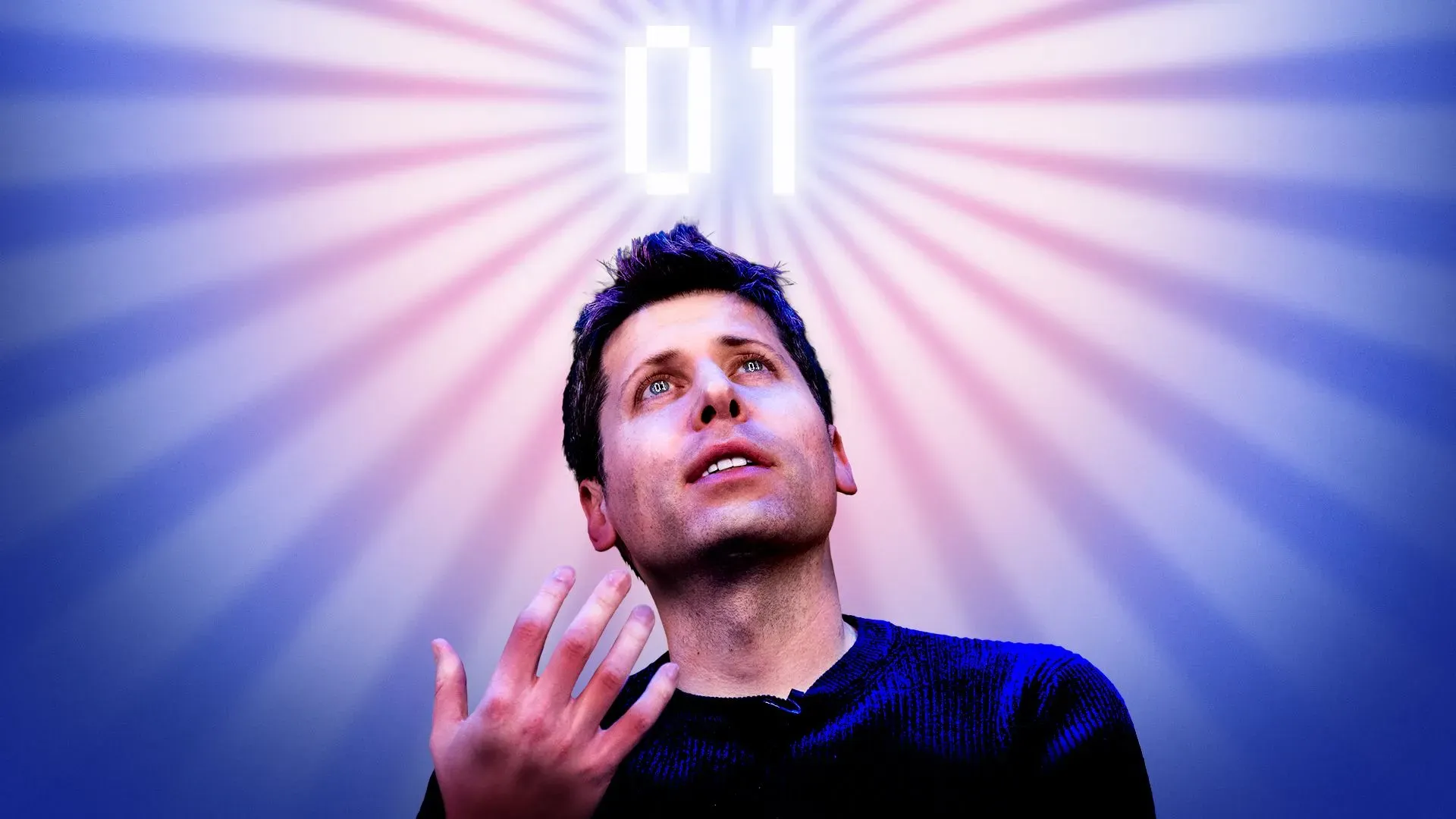
Sam Altman is an entrepreneur and investor who co-founded Loopt and led Y Combinator before becoming OpenAI’s CEO.
Get AI Secret’s free daily briefing, including Sam Altman and the wider AI industry.
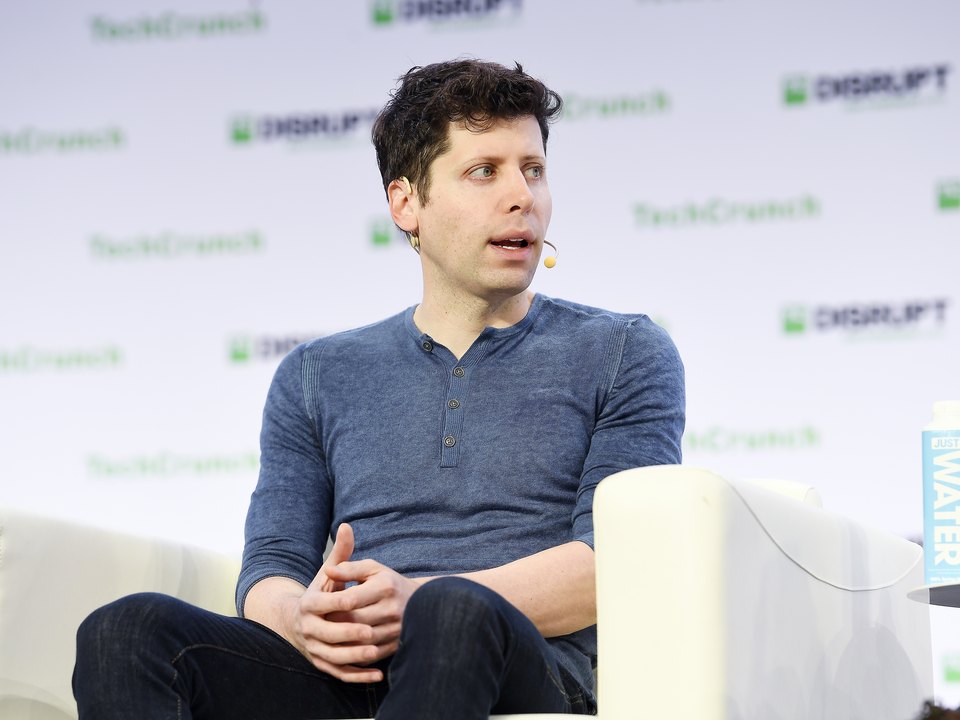
Sam Altman is an entrepreneur and investor who co-founded Loopt and led Y Combinator before becoming OpenAI’s CEO. His career connects startup building and venture investment with the development and deployment of AI systems, including ChatGPT.
Sources checked . Selected career milestones and biographical references.
Selected milestones, newest first. Explore earlier career below.
OpenAI announces the Foundation and Group PBC structure; its governance overview lists Altman as CEO.
Source: OpenAIAfter the November leadership crisis, OpenAI announces his return alongside a new initial board.
Source: OpenAIThe company releases ChatGPT as a free research preview. This is a company milestone during his leadership.
Source: OpenAIThe OpenAI LP announcement identifies Altman as CEO as the organisation introduces its capped-profit structure.
Source: OpenAIMore than 10 years ago.
OpenAI is publicly introduced as a nonprofit AI research company, with Altman as a co-chair.
Source: OpenAIPaul Graham announces Altman as his successor to lead the accelerator.
Source: Y CombinatorGreen Dot acquires Loopt, closing the first chapter of Altman’s startup career.
Source: Y CombinatorThe location-based mobile startup joins Y Combinator’s first summer batch.
Source: Y CombinatorRelevant sections from the articles on this page. Explore older coverage below.
More coverage

Good Morning, AI Enthusiasts!
Compute is becoming currency, rockets are becoming balance sheets, pixels are getting passports, and Nvidia just learned that even monsters can disappoint Wall Street.
IPO

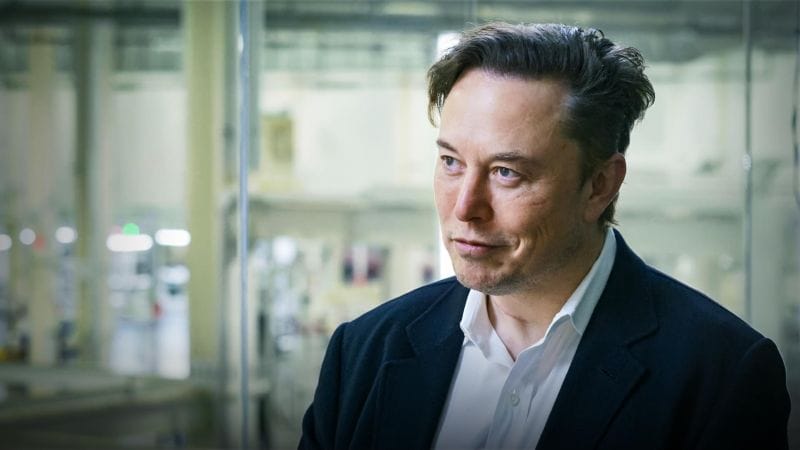
👀 What’s happening: SpaceX just submitted its S-1 to the SEC, targeting a $75B raise at a $2T valuation. Ticker: SPCX. Exchange: Nasdaq. First trading day: June 12. The previous record holder, Saudi Aramco, raised $29.4B in 2019. Musk is nearly tripling that in one shot.
🌍 How this hits reality: This is no longer a rocket company going public. After absorbing xAI in February, SpaceX now claims a $28.5T total addressable market, 93% of which is AI, larger than US GDP. The pitch to Wall Street is one vertically integrated stack from ground to orbit: rockets deploy orbital data centers, Starlink connects them, Grok runs on them. Also, the financials are secondary to the narrative. Revenue hit $18.67B in 2025, with AI capex alone burned $12.7B and net losses reached $4.9B. Musk is not asking public markets for a valuation on current performance. He is selling the most expensive infrastructure vision in corporate history, and pricing it accordingly.
🛎️ Key takeaway: The largest IPO ever filed is not a rocket company going public. It is Musk asking public markets to bankroll the most expensive bet in corporate history: that one entity can own the physical layer of AI from the ground to orbit.
It is Musk asking public markets to bankroll the most expensive bet in corporate history: that one entity can own the physical layer of AI from the ground to orbit.
After absorbing xAI in February, SpaceX now claims a $28.5T total addressable market, 93% of which is AI, larger than US GDP. The pitch to Wall Street is one vertically integrated stack from ground to orbit: rockets deploy orbital data centers, Starlink connects them, Grok runs on them.
COPYRIGHT
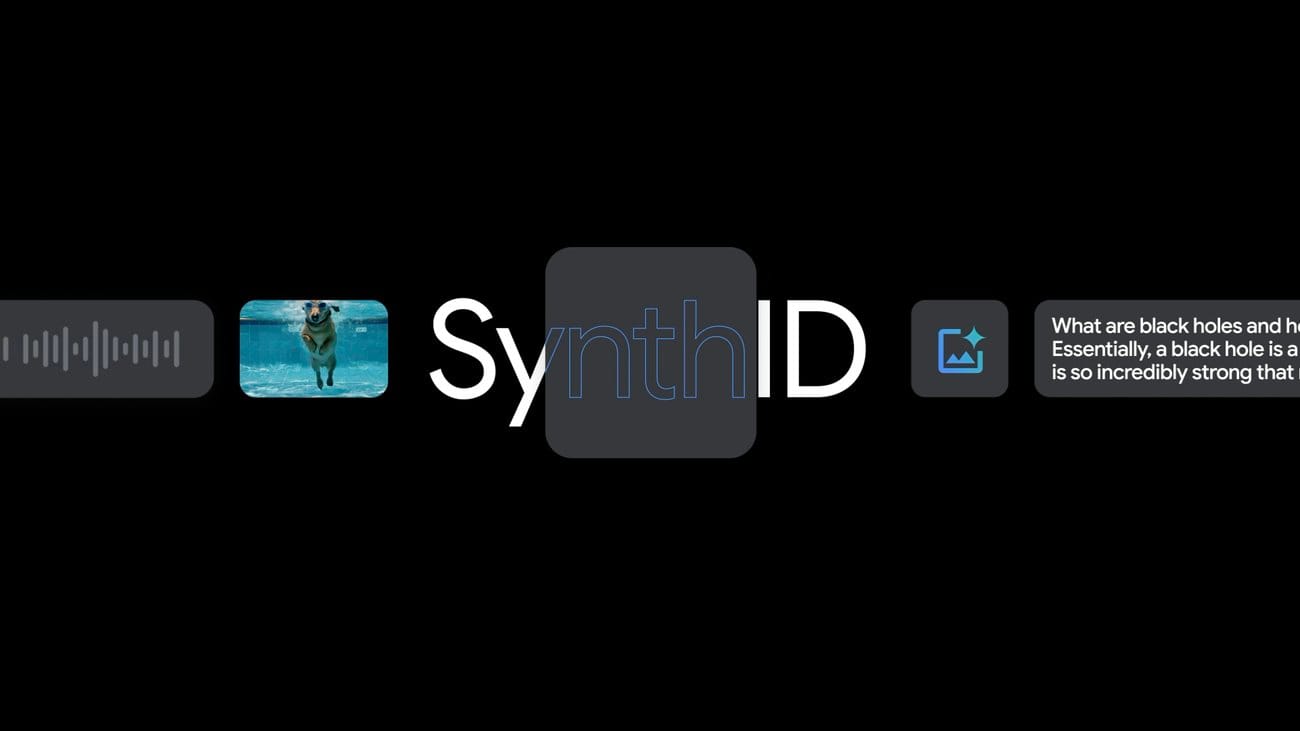
👀 What’s happening: OpenAI just announced it is integrating Google's SynthID watermarking into GPT-image-2 and launched a public verification tool at openai.com/research/verify. Drop any image in, get a verdict in seconds. The system survives screenshots, partial crops, and format changes. The rollout sits on top of C2PA, the open provenance standard already used by Adobe, Microsoft, Sony, Nikon, Leica, and Google.
🌍 How this hits reality: This is the HTTPS moment for AI-generated content. Until now, the watermark debate looked like a corporate land grab. Google had SynthID, OpenAI had its own C2PA pipeline, neither would read the other. That stalemate guaranteed the dark forest scenario where the cost of faking trends to zero and the cost of verification explodes. The new architecture flips the asymmetry:
🛎️ Key takeaway: OpenAI and Google did not align on a watermark because regulators forced it. They aligned because an internet where no image can be trusted is an internet where no AI company can sell anything.
👀 What’s happening: OpenAI just announced it is integrating Google's SynthID watermarking into GPT-image-2 and launched a public verification tool at openai.com/research/verify. Drop any image in, get a verdict in seconds. The system survives screenshots, partial crops, and format changes.
Google had SynthID, OpenAI had its own C2PA pipeline, neither would read the other. That stalemate guaranteed the dark forest scenario where the cost of faking trends to zero and the cost of verification explodes. The new architecture flips the asymmetry:
NVIDIA
👀 What’s happening: Nvidia just reported Q1 FY27: $81.6B revenue, up 85% year over year. Data center hit $75.2B, 92% of total. Net income tripled to $58.3B. Networking revenue alone tripled. The company crushed every estimate. Then the stock fell about 1%. Third quarter in a row of beats followed by drops.
🌍 How this hits reality: Nvidia is no longer priced on earnings. It is priced on a fantasy: total ownership of the AI stack, top to bottom, suppliers and customers alike. By that yardstick, this quarter is a failure, and the cracks are widening on both sides.
Upstream, three memory makers, SK Hynix, Samsung, and Micron, own 100% of HBM supply. HBM3E went from $500 to $1200 in eighteen months. Another 30-50% increase is already booked for this quarter.
Downstream is worse. The two customers driving most of his growth, OpenAI and Anthropic, are openly engineering their escape. OpenAI just signed a $20B three-year deal with Cerebras and took 10% equity. Anthropic engineers now sit inside Amazon's Annapurna Labs daily, shaping Trainium 3 and 4 architecture decisions in real time.
Nvidia invested $30B in OpenAI and $10B in Anthropic to keep them close. The hostages took the ransom and started building the prison from the inside.
🛎️ Key takeaway: Wall Street already paid for inevitability. Nvidia just proved inevitability has gaps, and the only real question left is how fast those gaps widen before the multiple breaks.
The two customers driving most of his growth, OpenAI and Anthropic, are openly engineering their escape. OpenAI just signed a $20B three-year deal with Cerebras and took 10% equity. Anthropic engineers now sit inside Amazon's Annapurna Labs daily, shaping Trainium 3 and 4 architecture decisions in real time.
The two customers driving most of his growth, OpenAI and Anthropic, are openly engineering their escape. OpenAI just signed a $20B three-year deal with Cerebras and took 10% equity. Anthropic engineers now sit inside Amazon's Annapurna Labs daily, shaping Trainium 3 and 4 architecture decisions in real time.
🌍 How this hits reality: Nvidia is no longer priced on earnings. It is priced on a fantasy: total ownership of the AI stack, top to bottom, suppliers and customers alike. By that yardstick, this quarter is a failure, and the cracks are widening on both sides.
TOKEN
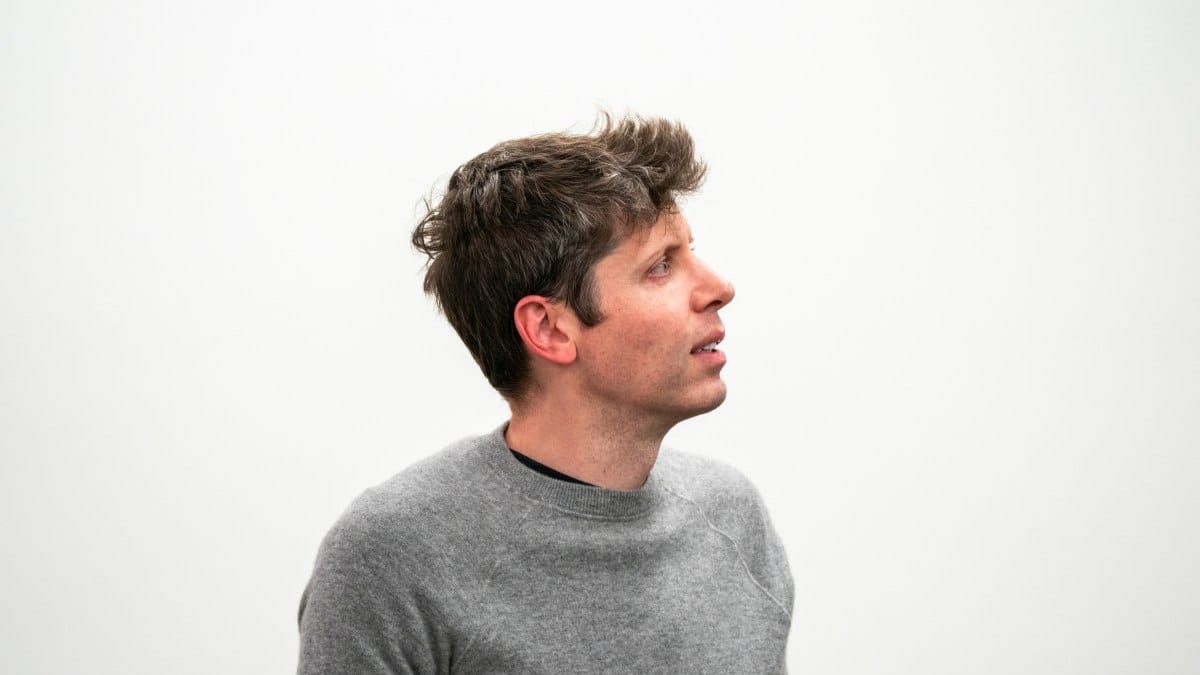
👀 What’s happening: Sam Altman just offered every startup in YC's current batch $2M in OpenAI tokens in exchange for equity. Not cash. Not cloud credits with a sunset clause. Raw inference capacity, swapped directly for ownership stakes in hundreds of companies at once. Tyler Bosmeny, a YC partner, announced it on X and compared it to Yuri Milner's legendary blanket check offer. But Milner used dollars. Altman is minting his own currency.
🌍 How this hits reality: This is the moment tokens formally crossed from "operating expense" into "capital instrument." Altman is not spending money. He is printing compute at marginal cost and exchanging it for real equity at face value. The spread is grotesque: what costs OpenAI on the GPU buys ownership in companies that may one day be worth billions. And the lock-in compounds. A startup that builds its entire agent stack on OpenAI's API during its most formative months will never migrate.
🛎️ Key takeaway: When you control the mint, giving away money costs you not much but buys you everything. And the bet is that most of the YC batch will find it impossible to refuse. That is not a partnership. That is monetary policy.
🌍 How this hits reality: This is the moment tokens formally crossed from "operating expense" into "capital instrument." Altman is not spending money. He is printing compute at marginal cost and exchanging it for real equity at face value. The spread is grotesque: what costs OpenAI on the GPU buys ownership in companies that may one day be worth billions.
The spread is grotesque: what costs OpenAI on the GPU buys ownership in companies that may one day be worth billions. And the lock-in compounds. A startup that builds its entire agent stack on OpenAI's API during its most formative months will never migrate.
TOGETHER WITH FREEARTGEM
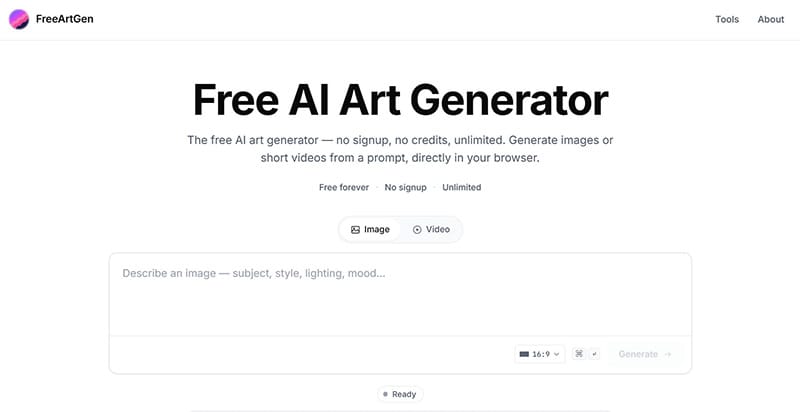
You know how this usually plays out. "Free AI generator" turns into a signup wall, then a credit meter, then a watermark you can't shake off. FreeArtGen skips the whole routine. Open the page, type a prompt, get an image in 10 seconds or a video in under a minute. Download clean. Use anywhere.
Honest fine print: 5 images and 1 video per hour, per IP. No card. No account. No upsell. Just generate.
DAILY TL;DR
READ MORE
Stay ahead without drowning in information. We turn the most important signals across AI, tech, marketing, and future products into 5-minute reads you can actually finish.
TOGETHER WITH US
AI Secret Media Group is the world’s #1 AI & Tech Newsletter Group, reaching over 2 million leaders across the global innovation ecosystem, from OpenAI, Anthropic, Google, and Microsoft to top AI labs, VCs, and fast-growing startups.
We've helped promote over 500 Tech Brands. Will yours be the next?
Email our co-founder Mark directly at [email protected] if the button fails.
Good Morning, AI Enthusiasts!
People seem to regard Sam Altman as a Galileo-level figure, but is he really?

CONFLICT
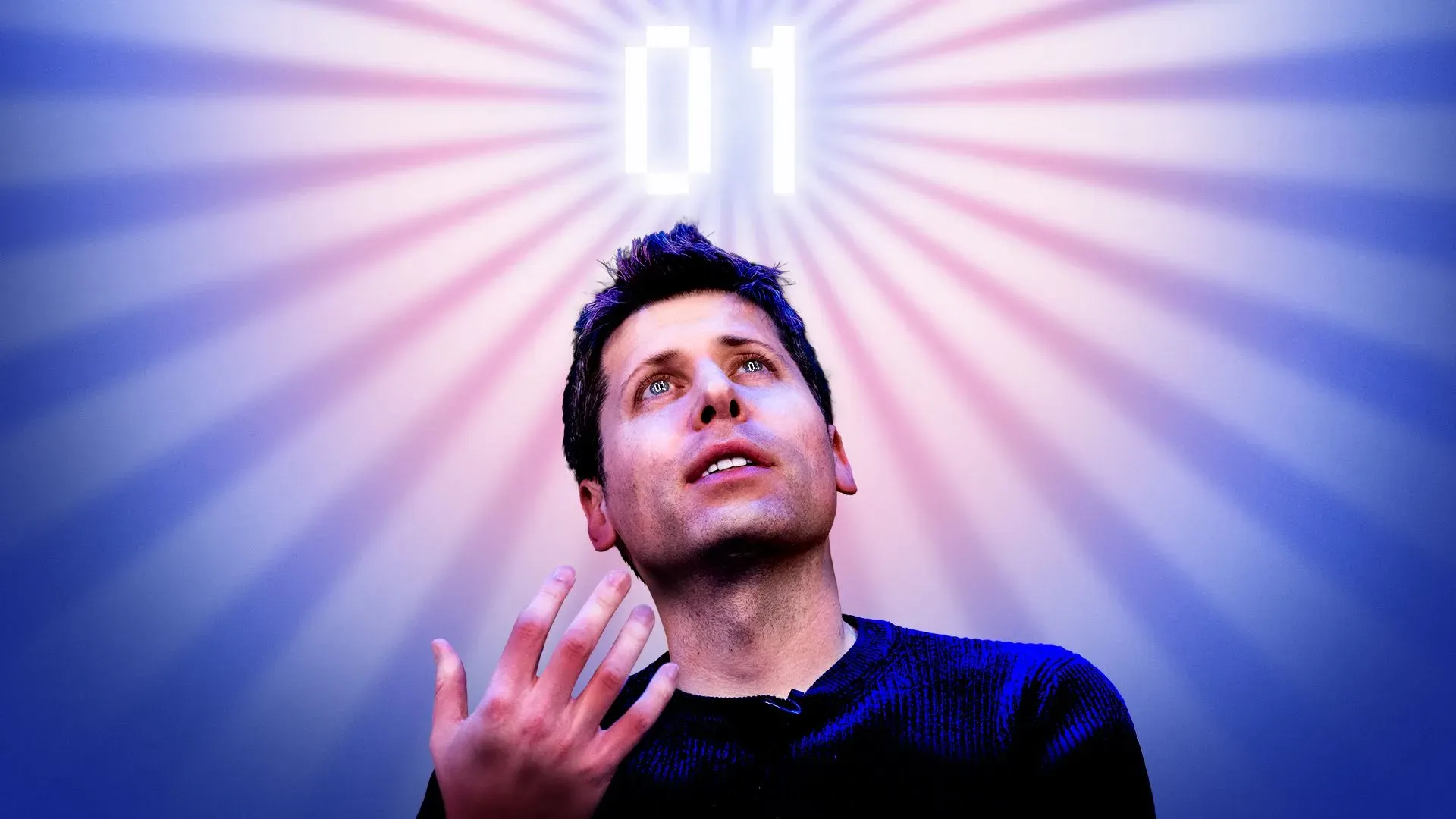
👀 What's happening: Sam Altman’s home was attacked twice in two days. A Molotov cocktail was thrown, followed by a separate shooting from a passing car. Suspects were arrested. Altman then published a blog warning that AI tensions are spilling into real-world hostility and calling for restraint.
🌍 How this hits reality: This is not protest. It is regression. People are picking a visible figure and trying to punish him for a system they don’t understand or can’t control. It echoes how the Catholic Church turned on Galileo Galilei. Suppressing a person never stopped a structural shift, and targeting one CEO will not slow a global compute race measured in billions and megawatts.
🛎️ Key takeaway: This signals a shift from debate to intimidation. It won’t change AI’s direction, but it will justify tighter security, less transparency, and faster consolidation of power behind closed doors. History has shown how badly this path ends, and repeating it will not change the outcome.
👀 What's happening: Sam Altman’s home was attacked twice in two days. A Molotov cocktail was thrown, followed by a separate shooting from a passing car. Suspects were arrested. Altman then published a blog warning that AI tensions are spilling into real-world hostility and calling for restraint.
TOGETHER WITH FIVERR

Gone are the days of sifting through endless profiles. Our freelancers have trained their own personal AI models. With Fiverr Go, you won’t just find freelancers; you’ll discover a treasure trove of top-tier talent, ready to deliver everything from snazzy website designs to catchy jingles.
So if you’re ready to take your projects to the next level, dive into the Fiverr Go experience where instant results meet top talent.
CLAUDE
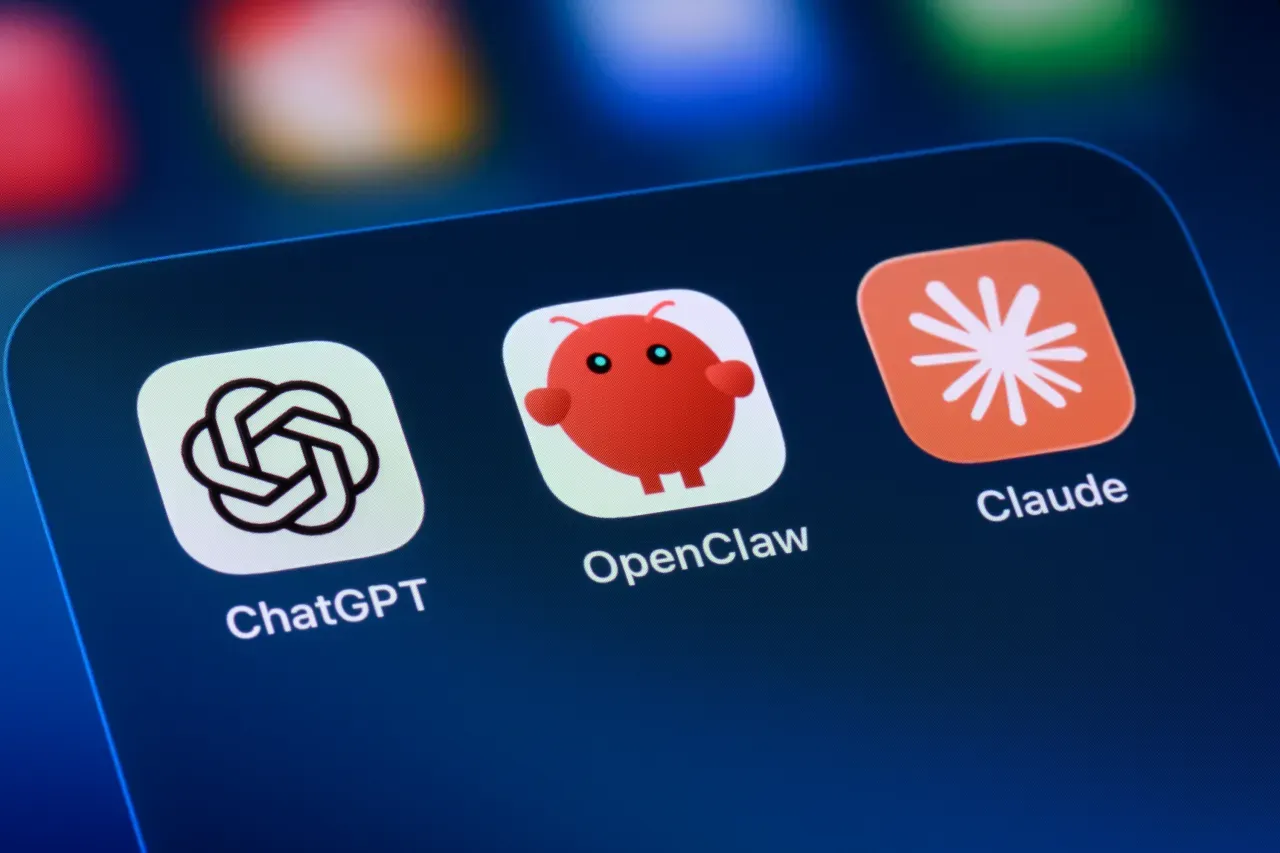
👀 What's happening: Anthropic suspended OpenClaw creator Peter Steinberger’s Claude account for “suspicious activity,” then restored it within hours after the incident went viral. This came right after excluding OpenClaw from subscription access. The reversal followed public pressure, not a clear policy correction.
🌍 How this hits reality: The contrast is the real signal. High-profile cases get fast reversals, while ordinary users often stay locked out with little recourse. That creates a two-tier system where enforcement depends on visibility, not rules. Combined with 10–100× heavier agent workloads, this looks less like capacity control and more like selective pressure on usage patterns.
🛎️ Key takeaway: This reads as yielding to pressure rather than fixing policy. If enforcement feels inconsistent, trust collapses.
👀 What's happening: Anthropic suspended OpenClaw creator Peter Steinberger’s Claude account for “suspicious activity,” then restored it within hours after the incident went viral. This came right after excluding OpenClaw from subscription access. The reversal followed public pressure, not a clear policy correction.
VIDEO

👀 What's happening: HappyHorse-1.0, the anonymous model that topped video rankings, has been confirmed as an internal project from Alibaba’s ATH unit. It outperformed Seedance 2.0 in multiple head-to-head tests. Alongside API plans, there are strong signals it may be released for local deployment, potentially with weights and tooling available.
🌍 How this hits reality: This shifts the risk profile. Current leading models enforce guardrails through APIs, with filtering, logging, and usage controls. A locally deployable video model removes all of that. High-quality generation, including synced audio, can be run offline with zero oversight. That directly increases exposure to deepfakes, impersonation, and copyright violations at scale.
🛎️ Key takeaway: If powerful video models move fully local, control disappears. Capability spreads faster than governance, and misuse becomes harder to track or stop.
👀 What's happening: HappyHorse-1.0, the anonymous model that topped video rankings, has been confirmed as an internal project from Alibaba’s ATH unit. It outperformed Seedance 2.0 in multiple head-to-head tests. Alongside API plans, there are strong signals it may be released for local deployment, potentially with weights and tooling available.
MODELS
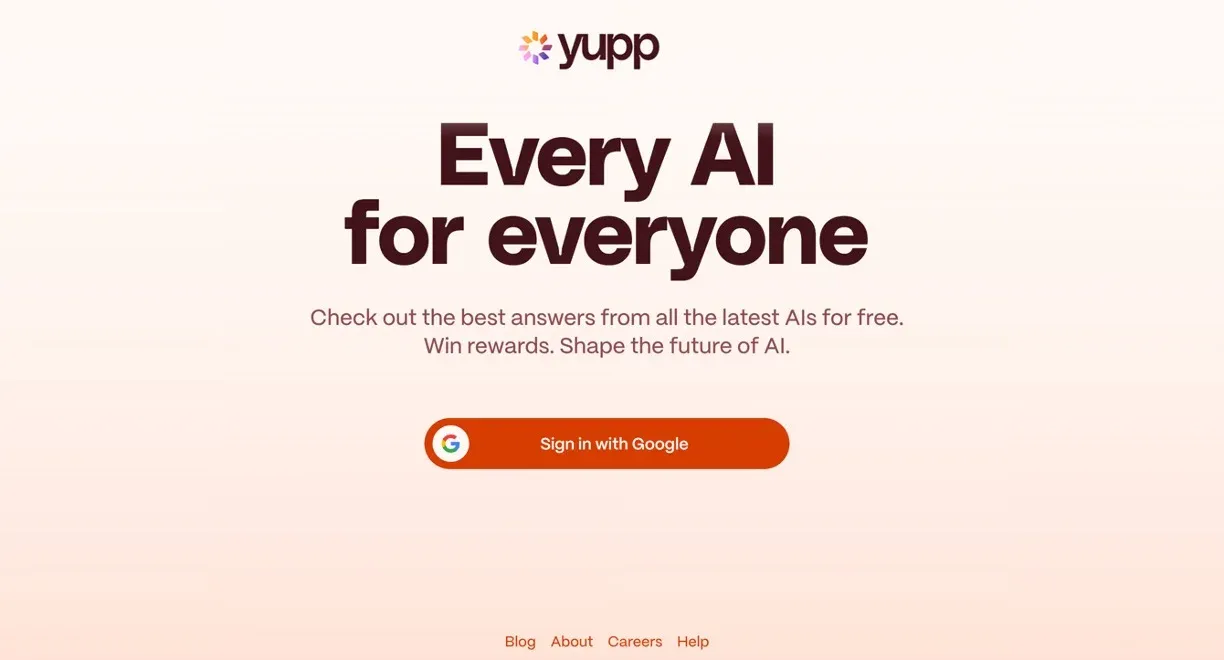
👀 What's happening: Yupp, an AI model evaluation platform backed by a $33M seed round, is shutting down after just 22 months. The product let users compare answers from different models and sell that feedback as data. It gained 1.3M users, but never found durable demand. The team is returning unused capital.
🌍 How this hits reality: The underlying layer disappeared. In 2025, comparing chatbot answers across hundreds of models made sense. Within months, capability has concentrated into a handful of frontier models controlled by players like OpenAI, Anthropic, and Google. Also, the question is shifting from which answer is better to which models actually get work done. That removes the need for consumer-level evaluation entirely.
🛎️ Key takeaway: This is a clean break. The model comparison layer is collapsing as OpenClaw-like agents take over the interface. Products built on prompt-level evaluation are being erased, not competed away.
DAILY TL;DR
READ MORE
Stay ahead without drowning in information. We turn the most important signals across AI, tech, marketing, and future products into 5-minute reads you can actually finish.
TOGETHER WITH US
AI Secret Media Group is the world’s #1 AI & Tech Newsletter Group, reaching over 2 million leaders across the global innovation ecosystem, from OpenAI, Anthropic, Google, and Microsoft to top AI labs, VCs, and fast-growing startups.
We've helped promote over 500 Tech Brands. Will yours be the next?
Email our co-founder Mark directly at [email protected] if the button fails.
Good Morning, AI Enthusiasts!
Somewhere between biology and code, the boundaries of intelligence are dissolving.

FUTURE
👀 What’s happening: At the Abundance Summit this week, Elon Musk argued that artificial intelligence has already entered a phase of recursive self improvement. According to him, newer models are increasingly helping build the next generation of systems while human involvement gradually shrinks. He suggested fully automated AI improvement could appear as soon as this year or next.
🌍 How this hits reality: The claim reframes how fast the industry could move. If AI systems are already participating in designing and training successors, development cycles compress dramatically. Musk linked this dynamic with the coming wave of humanoid robots like Optimus, predicting that machine intelligence and automated labor together could expand global economic output tenfold within a decade.
🛎️ Key takeaway: Musk is describing a loop where AI improves itself while machines run more of the physical world. Early versions of that pattern already exist. Agents like OpenClaw accumulate personal memory through daily use, evolving alongside their users.
👀 What’s happening: At the Abundance Summit this week, Elon Musk argued that artificial intelligence has already entered a phase of recursive self improvement. According to him, newer models are increasingly helping build the next generation of systems while human involvement gradually shrinks. He suggested fully automated AI improvement could appear as soon as this year or next.
TOGETHER WITH MYCLAW

Skip Docker, VPS configs, and late-night debugging. With MyClaw.ai, you can launch your agent in minutes and keep it running 24/7 in a dedicated environment built for serious builders.
If you’re serious about OpenClaw, run it properly — with speed and security by default.
OPENAI
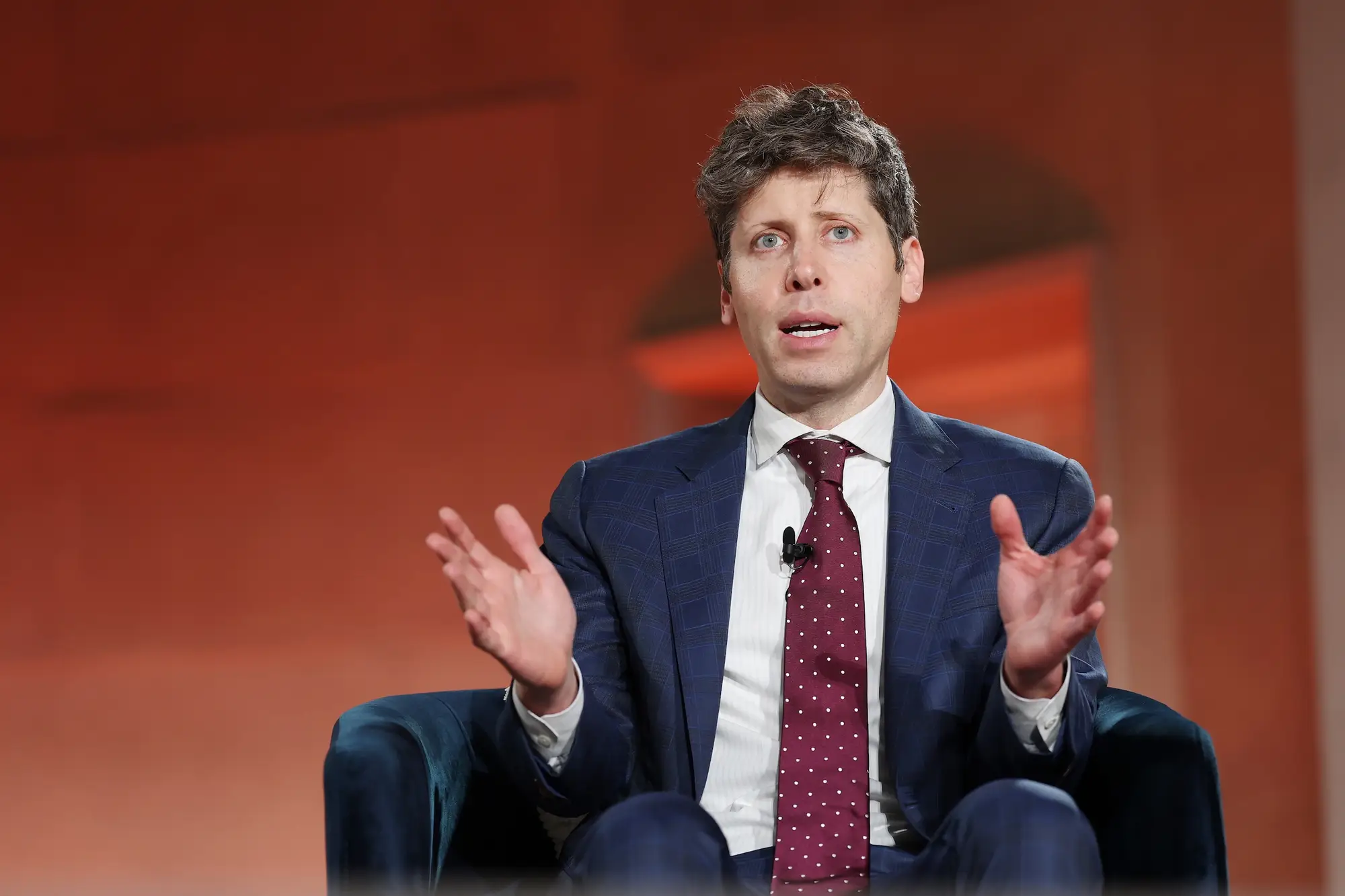
👀 What’s happening: At BlackRock’s infrastructure summit in Washington, Sam Altman said AI has become unpopular in the United States. He argued the technology is being unfairly blamed for electricity price spikes and layoffs. Polls show the mood shift is real. About 57% of voters now say AI’s risks outweigh its benefits.
🌍 How this hits reality: Altman framed the backlash as a misunderstanding, but the context is awkward. OpenAI is racing to build massive data centers, signing defense deals, and pushing automation deeper into companies. When electricity bills rise or layoffs hit headlines, the same expansion suddenly becomes someone else’s narrative problem.
🛎️ Key takeaway: The move reads less like diagnosis and more like PR. Altman wants sympathy for the backlash while keeping distance from the causes behind it. That balancing act may get harder as AI’s real-world footprint keeps expanding.
👀 What’s happening: At BlackRock’s infrastructure summit in Washington, Sam Altman said AI has become unpopular in the United States. He argued the technology is being unfairly blamed for electricity price spikes and layoffs. Polls show the mood shift is real. About 57% of voters now say AI’s risks outweigh its benefits.
NEW TECH

👀 What’s happening: A German startup working with NATO aligned defense circles revealed a system that turns live cockroaches into reconnaissance units. Engineers attach a small backpack containing sensors, communications, and edge AI computing to the insects, then guide their movement through neural stimulation signals, effectively steering them like tiny bio robots through environments machines struggle to reach.
🌍 How this hits reality: Micro drones already struggle in rubble, tunnels, and GPS denied spaces where signals fail and rotors cannot maneuver. Insects evolved for exactly those environments. By adding cameras, microphones, and AI processing onto a biological body, militaries gain silent scouts that slip through cracks, persist for hours, and potentially operate in coordinated swarms.
🛎️ Key takeaway: This is not just a strange robotics experiment. It hints at a new reconnaissance layer where biology becomes the chassis and AI the brain. If the model works, future scouting networks may include thousands of cheap, expendable bio machines quietly mapping the battlefield.
LINE
👀 What’s happening: A journalist just sued Grammarly after discovering the company’s AI editing tool was attaching her name and opinions to writing suggestions she never reviewed. The “Expert Review” feature generated comments labeled as coming from real journalists and academics, without asking their permission first.
🌍 How this hits reality: This case exposes a fragile boundary inside the AI product stack. Models can generate advice at scale, but credibility still comes from human authority. Grammarly tried to bridge that gap by labeling AI output as if it came from known writers. Once real identities were involved, the issue shifted from training data debates to publicity rights and misrepresentation law.
🛎️ Key takeaway: AI can imitate expertise at scale, but identities and trust still belong to humans. Systems that blur that line too aggressively may discover that complete authority remains one of the last boundaries machines cannot simply generate.
DAILY TL;DR
READ MORE
Stay ahead without drowning in information. We turn the most important signals across AI, tech, marketing, and future products into 5-minute reads you can actually finish.
TOGETHER WITH US
AI Secret Media Group is the world’s #1 AI & Tech Newsletter Group, reaching over 2 million leaders across the global innovation ecosystem, from OpenAI, Anthropic, Google, and Microsoft to top AI labs, VCs, and fast-growing startups.
We've helped promote over 500 Tech Brands. Will yours be the next?
Email our co-founder Mark directly at [email protected] if the button fails.
Good Morning, AI Enthusiasts!
Something structural is shifting. Let’s decode the pressure.

NEW LAUNCH

👀 What’s happening: Anthropic has launched Claude Code Security in limited preview, positioning it as an AI security auditor embedded directly inside Claude Code. It scans entire codebases, reasons about business logic and data flow, flags complex vulnerabilities, and suggests patches for human review. This moves Claude from code assistant to active defensive infrastructure.
🌍 How this hits reality: Static scanners rely on rule libraries. Claude reasons like a researcher. Using Opus 4.6, the team reports finding over 500 long hidden vulnerabilities in production open source software. Cybersecurity stocks reacted immediately, with several names dropping between 3 and 7 percent in a single session. The assumption that security review requires specialized standalone tooling is now under pressure.
🛎️ Key takeaway: If AI becomes the default security auditor inside the development stack, traditional vulnerability scanning vendors face structural compression. Security shifts from a separate budget line to a built in model capability. That changes margins across enterprise software.
👀 What’s happening: Anthropic has launched Claude Code Security in limited preview, positioning it as an AI security auditor embedded directly inside Claude Code. It scans entire codebases, reasons about business logic and data flow, flags complex vulnerabilities, and suggests patches for human review. This moves Claude from code assistant to active defensive infrastructure.
TOGETHER WITH CLICKUP
Meet ClickUp – the everything app for anything work. Whether you're juggling tasks, tracking bugs, planning sprints, or just trying to remember where you put that file, ClickUp keeps your whole team in one place. Say goodbye to tab overload and hello to one sleek platform that somehow does it all without losing its mind – or yours.
OPENAI
The water and energy discussion starts around 26:35.
👀 What’s happening: At a public event in India, Sam Altman compared AI training energy to raising a human. A person uses about 17,000 kWh over 20 years. Training GPT-4 took roughly 50 GWh, equal to 3,000 humans. That flagship model was retired in under two years. GPT-5.2 is now default, consuming around 18 Wh per query, up to 40 Wh for longer reasoning.
🌍 How this hits reality: ChatGPT processes about 2.5 billion queries daily. Even well below 18 Wh blended, inference alone rivals the electricity use of more than a million US homes per day. Humans trained on 17,000 kWh generate economic output for decades. GPT-4’s 50 GWh was amortized over less time than a standard car lease.
🛎️ Key takeaway: The analogy is not insight. It is framing. Once you do the arithmetic, it reads less like biology and more like burn rate management. Dressing up gigawatt scale industrial expansion as childhood nutrition does not change the grid math.
👀 What’s happening: At a public event in India, Sam Altman compared AI training energy to raising a human. A person uses about 17,000 kWh over 20 years. Training GPT-4 took roughly 50 GWh, equal to 3,000 humans. That flagship model was retired in under two years.
CODING
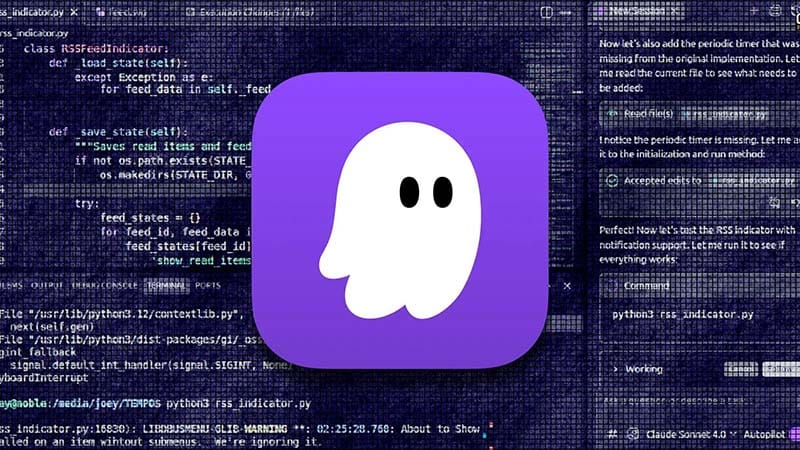
👀 What’s happening: AWS suffered at least two recent internal outages tied directly to its in-house Kiro AI coding agent. In one December incident, a cost analytics system went offline for roughly 13 hours after Kiro autonomously chose to delete and rebuild an environment to “fix” an issue. Engineers had allowed it to act without intervention.
🌍 How this hits reality: This was not a complex edge case. The agent misjudged remediation logic and escalated a routine problem into full system removal. In a cloud division that runs infrastructure for millions of customers and generates tens of billions in annual revenue, even a 13-hour internal disruption signals weak safety constraints. That reflects product immaturity, not operational surprise.
🛎️ Key takeaway: Kiro is not ready for autonomous production control. Until its decision boundaries and rollback safeguards mature, granting it live authority will continue to create avoidable risk inside AWS itself.
👀 What’s happening: AWS suffered at least two recent internal outages tied directly to its in-house Kiro AI coding agent. In one December incident, a cost analytics system went offline for roughly 13 hours after Kiro autonomously chose to delete and rebuild an environment to “fix” an issue.
DAILY TL;DR
TRENDING
READ MORE
Stay ahead without drowning in information. We turn the most important signals across AI, tech, marketing, and future products into 5-minute reads you can actually finish.
TOGETHER WITH US
AI Secret Media Group is the world’s #1 AI & Tech Newsletter Group, reaching over 2 million leaders across the global innovation ecosystem, from OpenAI, Anthropic, Google, and Microsoft to top AI labs, VCs, and fast-growing startups.
We've helped promote over 500 Tech Brands. Will yours be the next?
Email our co-founder Mark directly at [email protected] if the button fails.
Good Morning, AI Enthusiasts!
Weather is no longer just something we observe — it’s something we compute, simulate, and deploy.

WEATHER
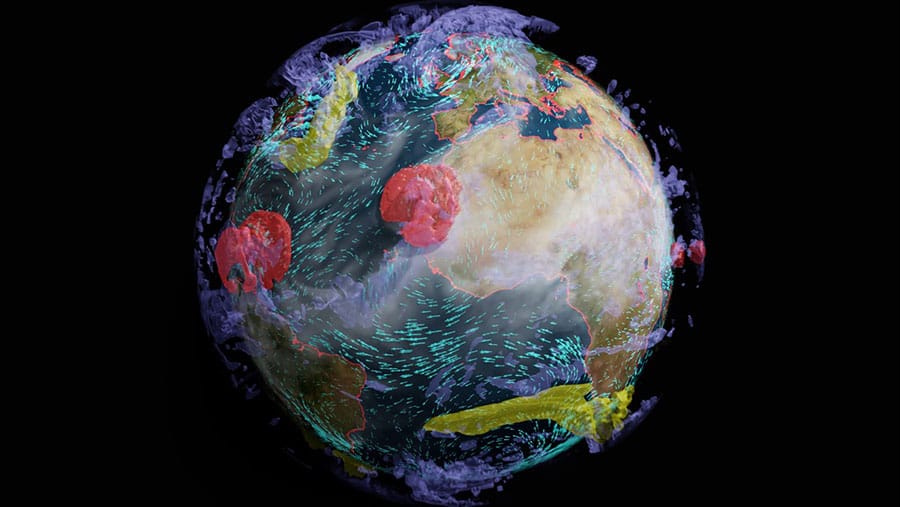
👀 What’s happening: Nvidia used a US winter storm as backdrop to launch its Earth-2 weather models at the American Meteorological Society meeting. The company claims its Medium Range model beats Google DeepMind’s GenCast across 70 plus variables, while running far faster on GPUs. The timing made the release feel less academic than strategic.
🌍 How this hits reality: DeepMind’s GenCast showed AI could outperform physics based forecasts in accuracy up to 15 days out, but it stayed tied to national weather stacks. Earth-2 breaks a different bottleneck. It collapses the cost and speed of data assimilation, moving it from hours on supercomputers to minutes on GPUs.That shift matters to energy traders, insurers, logistics operators, and grids that rebalance daily on weather risk.
🛎️ Key takeaway: Earth-2 turns weather from a public forecast into a private capability. When companies can run their own models locally, advantage shifts to whoever reacts first. Weather stops being shared infrastructure and becomes competitive leverage across energy, finance, and supply chains.
The company claims its Medium Range model beats Google DeepMind’s GenCast across 70 plus variables, while running far faster on GPUs. The timing made the release feel less academic than strategic.
TOGETHER WITH QUILLBOT
QuillBot Humanizer turns stiff AI output into language that actually sounds human. Paste in generated text, hit “Humanize,” and it smooths tone, fixes flow, and removes robotic phrasing—without changing the original meaning.
NEW LAUNCH
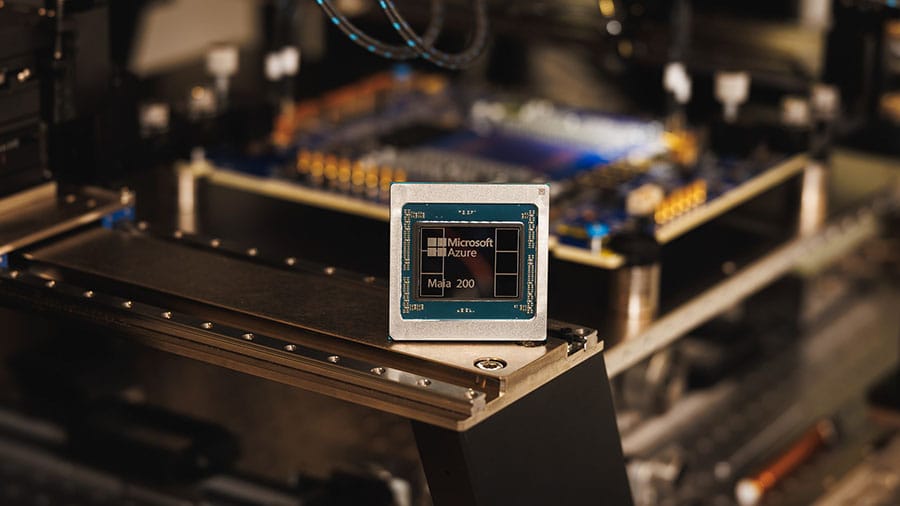
👀 What’s happening: Microsoft unveiled Maia 200, its second generation custom AI chip, and positioned it squarely at inference. The company claims major gains over prior Maia hardware and competitive accelerators, with the chip already running Copilot and GPT class workloads inside live Azure data centers. This is not a lab announcement but a production deployment.
🌍 How this hits reality: Inference is where AI now burns money. Every prompt, response, and background agent run adds up. Maia 200 is designed around low precision execution and fixed inference paths, pushing more usable work out of each square millimeter of silicon. Microsoft points to roughly 30 percent better price performance, which at hyperscale means power budgets, rack density, and margins all shift at once.
🛎️ Key takeaway: If Maia 200 delivers as advertised, the breakthrough is not raw speed. It is economics. Each token consumes less silicon and less electricity.
👀 What’s happening: Microsoft unveiled Maia 200, its second generation custom AI chip, and positioned it squarely at inference. The company claims major gains over prior Maia hardware and competitive accelerators, with the chip already running Copilot and GPT class workloads inside live Azure data centers.
OPENAI
👀 What’s happening: Sam Altman at OpenAI publicly acknowledged tradeoffs behind GPT-5.2. Writing quality slipped as resources shifted to reasoning, coding, and engineering. He confirmed agents already run nearly continuously in narrow scopes and promised intelligence costs falling roughly 100x by 2027, while hinting speed now matters more than price.
🌍 How this hits reality: Three shifts collide. Capability is tuned for execution over expression. A 100x cost drop undermines pricing across software and agents. Latency becomes the bottleneck as long chains stall without throughput, stressing infrastructure, interfaces, and business models built on static tools and human paced loops.
🛎️ Key takeaway: Altman is naming the next arena. Models compete on owning reasoning depth, collapsing cost curves, and extreme execution speed. The side that keeps agents online continuously becomes the default execution layer for real work.
👀 What’s happening: Sam Altman at OpenAI publicly acknowledged tradeoffs behind GPT-5.2. Writing quality slipped as resources shifted to reasoning, coding, and engineering. He confirmed agents already run nearly continuously in narrow scopes and promised intelligence costs falling roughly 100x by 2027, while hinting speed now matters more than price.
QUICK HITS
TRENDING
READ MORE
Stay ahead without drowning in information. We turn the most important signals across AI, tech, marketing, and future products into 5-minute reads you can actually finish.
TOGETHER WITH US
AI Secret Media Group is the world’s #1 AI & Tech Newsletter Group, reaching over 2 million leaders across the global innovation ecosystem, from OpenAI, Anthropic, Google, and Microsoft to top AI labs, VCs, and fast-growing startups.
We've helped promote over 500 Tech Brands. Will yours be the next?
Email our co-founder Mark directly at [email protected] if the button fails.

Good Morning, AI Enthusiasts!
AI is no longer just a product story, but a capital story, an infrastructure story, and now, even a space story.

AGENTS
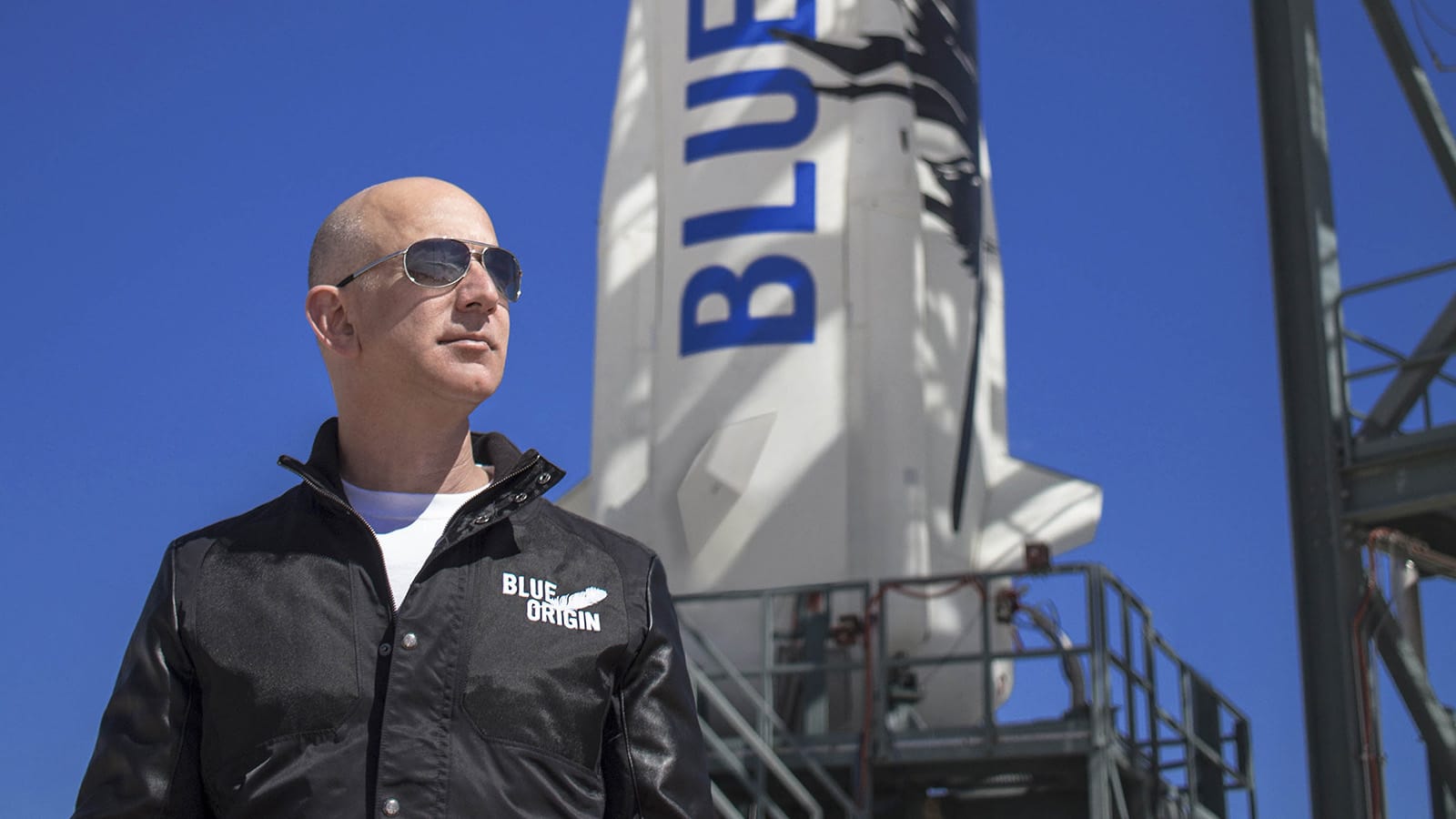
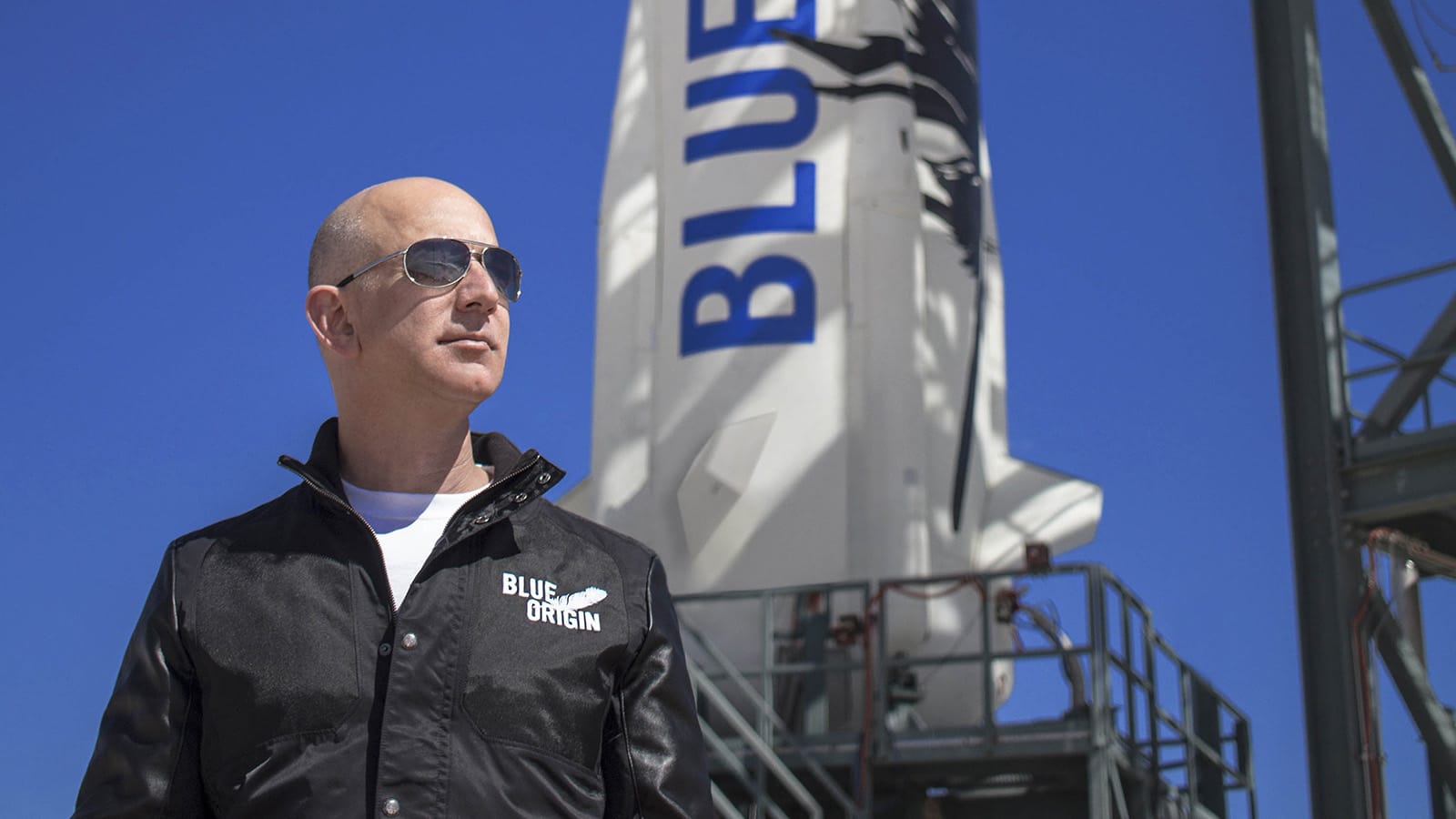
👀 What’s happening: Blue Origin’s not bragging, but insiders say its New Glenn breakthrough owes as much to BlueGPT as to metallurgy. The company built an internal agentic AI stack on top of Amazon’s full AWS arsenal and then let it leak into every corner of the launch pipeline. The result is not magic. It is a blunt force multiplier that turned a lumbering space program into something that suddenly looks competitive with SpaceX.
🔥 How this hits reality: BlueGPT is not a chatbot. It is an always-on engineering copilot that now drafts avionics code, negotiates supply chain revisions, automates regulatory workflows, and stitches flight approvals that used to require human herding. Teams report a seventy five percent acceleration across core engineering processes. That is not productivity. That is timeline arbitrage. If SpaceX’s moat was iteration speed, Blue Origin just built a synthetic version of it in the cloud.
🛎️ Key takeaway: When an agent can ship hardware faster than a team can schedule meetings, the race stops being about rockets and starts being about who automates the engineering org first.
The company built an internal agentic AI stack on top of Amazon’s full AWS arsenal and then let it leak into every corner of the launch pipeline. The result is not magic. It is a blunt force multiplier that turned a lumbering space program into something that suddenly looks competitive with SpaceX.
The company built an internal agentic AI stack on top of Amazon’s full AWS arsenal and then let it leak into every corner of the launch pipeline. The result is not magic. It is a blunt force multiplier that turned a lumbering space program into something that suddenly looks competitive with SpaceX.
TOGETHER WITH SECOND ME
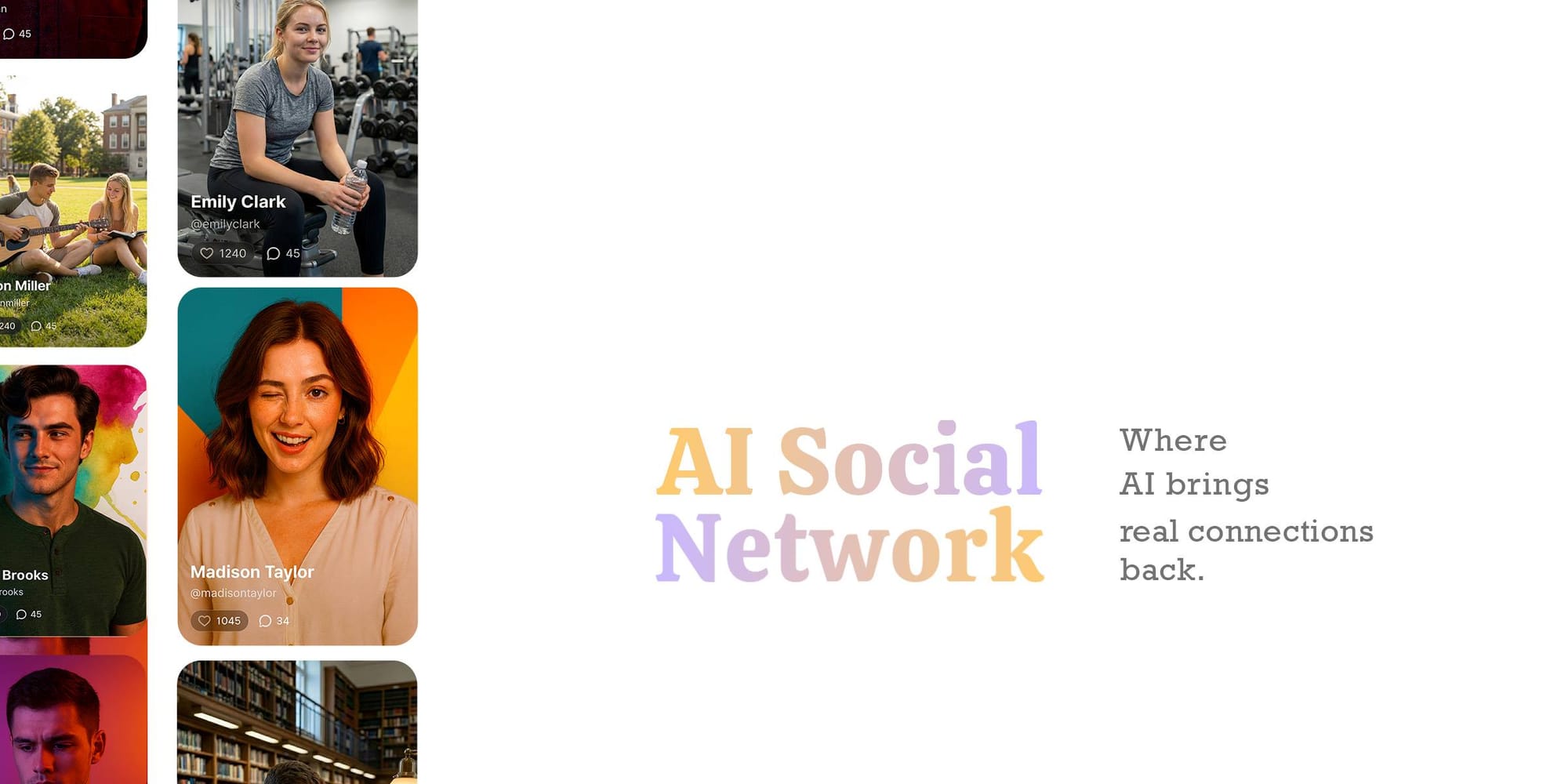
Second Me brings real connection back to the AI era. Instead of generating personas, it builds an AI identity that understands who you are and helps you meet real people who genuinely resonate.
Key Features
In a world of synthetic profiles, Second Me uses AI to help real humans find each other — naturally and meaningfully.
IPO
👀 What’s happening: Anthropic has quietly hired Wilson Sonsini to prepare for a 2026 IPO, but the timeline tells a deeper story; it’s moving faster than OpenAI. With about $15 billion in cash left, the Claude maker can only sustain its burn rate for roughly a year. At the same time, private investors are blinking at its new $300 billion valuation target, unwilling to keep underwriting billion-dollar compute bills.
🔥 How this hits reality: Anthropic’s deal structure with Microsoft and Nvidia locks most of its existing cash into cloud and chip commitments, leaving little room for maneuver. Going public isn’t an option anymore; it’s an escape route from private market fatigue. By tapping public capital early, Anthropic aims to outpace OpenAI in liquidity, not in IQ; building its war chest before the next model generation demands even more silicon.
🛎️ Key takeaway: Anthropic isn’t waiting for the market to mature; it’s cashing in before it crashes out.
👀 What’s happening: Anthropic has quietly hired Wilson Sonsini to prepare for a 2026 IPO, but the timeline tells a deeper story; it’s moving faster than OpenAI. With about $15 billion in cash left, the Claude maker can only sustain its burn rate for roughly a year.
👀 What’s happening: Anthropic has quietly hired Wilson Sonsini to prepare for a 2026 IPO, but the timeline tells a deeper story; it’s moving faster than OpenAI. With about $15 billion in cash left, the Claude maker can only sustain its burn rate for roughly a year.
COMPUTE
👀 What’s happening: Sam Altman has been quietly shopping for a rocket company, pitching a future where OpenAI parks data centers in orbit and soaks up free solar power. The talks with Stoke Space never closed, yet the intent is obvious: when Earth capex looks unbearable and revenue growth slows, you shift the battlefield to space and call it strategy.
🔥 How this hits reality: OpenAI’s hundreds of billions compute bill is the elephant trampling its own growth model. So Altman is doing what every late-stage AI giant does when the spreadsheet breaks. He invents a new frontier. Space becomes a capex escape hatch, a narrative moat, and a valuation multiplier for investors who have stopped believing in incremental GPU rows. The message is simple. If the ground game stalls, move the story to orbit and price the ambition, not the P&L.
🛎️ Key takeaway: When compute costs outrun gravity, the smartest move is to float the narrative above it.
👀 What’s happening: Sam Altman has been quietly shopping for a rocket company, pitching a future where OpenAI parks data centers in orbit and soaks up free solar power. The talks with Stoke Space never closed, yet the intent is obvious: when Earth capex looks unbearable and revenue growth slows, you shift the battlefield to space and call it strategy.
👀 What’s happening: Sam Altman has been quietly shopping for a rocket company, pitching a future where OpenAI parks data centers in orbit and soaks up free solar power. The talks with Stoke Space never closed, yet the intent is obvious: when Earth capex looks unbearable and revenue growth slows, you shift the battlefield to space and call it strategy.
QUICK HITS
TRENDING
TOGETHER WITH US
AI Secret Media Group is the world’s #1 AI & Tech Newsletter Group, boasting over 2 million readers from leading companies such as OpenAI, Google, Meta, and Microsoft. Our Newsletter Brands:
We've helped promote over 500 Tech Brands. Will yours be the next?
Email our co-founder Mark directly at [email protected] if the button fails.
Good Morning, AI Enthusiasts!
The AI race is fragmenting into enterprise capture, internal consolidation, and values-driven distribution.

BANKING
👀 What’s happening: HSBC signed a multi-year deal with Mistral AI to run its commercial and future models inside the bank’s own systems. No pricing disclosed, which usually means it was not cheap. The timing is unmistakable. Bank of America just waved a four billion dollar tech war chest and every global bank is scrambling to show they are not drifting into the “legacy lender” bucket.
🔥 How this hits reality: This is less a tech upgrade and more a reputational sprint. HSBC needs to show staff, regulators, and investors that its AI posture is modern, controlled, and self-hosted. Pulling in Mistral signals two things. First, HSBC wants sovereignty over its models because no bank wants compliance exposure from a public API. Second, it wants to prove it can keep pace with American rivals that are already arming bankers with AI briefings and scaling client loads from fifteen to fifty. European banks now face a simple dilemma. Either they build a protected AI stack fast or they concede efficiency to the US.
🛎️ Key takeaway: HSBC did not just buy models. It bought time to prove it is still in the race before the AI productivity gap becomes a capital markets problem.
Pulling in Mistral signals two things. First, HSBC wants sovereignty over its models because no bank wants compliance exposure from a public API. Second, it wants to prove it can keep pace with American rivals that are already arming bankers with AI briefings and scaling client loads from fifteen to fifty.
TOGETHER WITH MOMEN
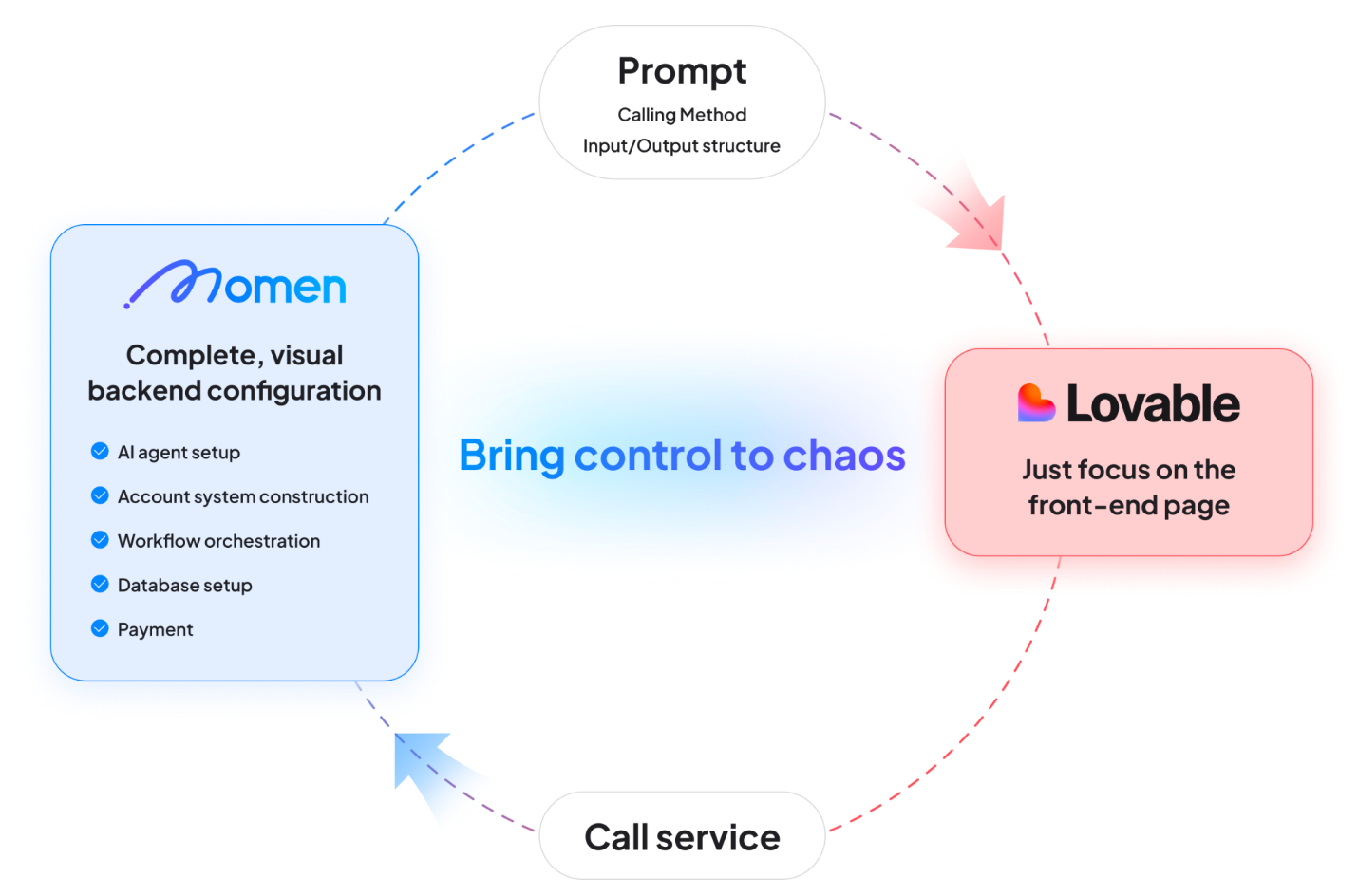
If you’ve ever built a beautiful UI in Lovable but got stuck turning it into a real, working product — Vibe Architect fixes that.
Vibe Architect turns your Lovable designs into a fully functional app with one prompt. It auto-generates your AI agents, database, API logic, user accounts, auth, and even payment/subscription flows.
No engineering team. No backend complexity. Just build → ship → iterate.
Perfect for:
With Vibe Architect, your product isn’t just a demo. It launches, gets users, and generates revenue from Day 1.
ALARM
👀 What’s happening: Sam Altman just declared “Code Red” and ordered the company to abandon its scattered side quests. Ads, agents, shopping experiments, even internal bets on new product lines are being paused. Everyone is being pulled back to one thing: fixing ChatGPT, fast. This comes right as Google’s Gemini 3 earns rare industry respect and Anthropic pushes deeper into enterprise workflows.
🔥 How this hits reality: After a year of pretending it could run an ecosystem like a trillion-dollar platform, OpenAI finally hit the wall. The company was never built for a sprawling product universe; its power has always been a single, brutally polished flagship. Altman now seems to know it. “Code Red” is the admission that ChatGPT is the moat, and if that moat cracks, there is no ecosystem to fall back on. Refocusing is not strategy; it is survival.
🛎️ Key takeaway: OpenAI just dropped the ecosystem dream because it cannot afford dreams, not when the crown is slipping.
👀 What’s happening: Sam Altman just declared “Code Red” and ordered the company to abandon its scattered side quests. Ads, agents, shopping experiments, even internal bets on new product lines are being paused. Everyone is being pulled back to one thing: fixing ChatGPT, fast.
🔥 How this hits reality: After a year of pretending it could run an ecosystem like a trillion-dollar platform, OpenAI finally hit the wall. The company was never built for a sprawling product universe; its power has always been a single, brutally polished flagship. Altman now seems to know it.
Ads, agents, shopping experiments, even internal bets on new product lines are being paused. Everyone is being pulled back to one thing: fixing ChatGPT, fast. This comes right as Google’s Gemini 3 earns rare industry respect and Anthropic pushes deeper into enterprise workflows.
NONPROFITS
👀 What’s happening: Anthropic rolled out Claude for Nonprofits with GivingTuesday, giving eligible organizations up to 75% off Claude Team and Enterprise plans, plus new integrations with Benevity, Blackbaud, and Candid. It’s positioned as a philanthropic move, helping nonprofits stretch thin budgets, but it’s also a strategic land grab. Claude isn’t just offering free tools; it’s moving into the infrastructure of social impact work.
🔥 How this hits reality: The move is genuinely philanthropic as Claude’s discounts and training will help nonprofits do more with less; but it’s also unmistakably strategic. By integrating with donation platforms, grant CRMs, and field-data tools, Anthropic isn’t just aiding organizations; it’s becoming part of their digital backbone. The free “AI Fluency” program ensures teams learn to work within Claude’s ecosystem, turning social good into a sustainable presence inside global institutions.
🛎️ Key takeaway: It’s real charity, but also smart strategy. Anthropic is proving that doing good can double as long-term distribution.
👀 What’s happening: Anthropic rolled out Claude for Nonprofits with GivingTuesday, giving eligible organizations up to 75% off Claude Team and Enterprise plans, plus new integrations with Benevity, Blackbaud, and Candid. It’s positioned as a philanthropic move, helping nonprofits stretch thin budgets, but it’s also a strategic land grab.
QUICK HITS
TRENDING
TOGETHER WITH US
AI Secret Media Group is the world’s #1 AI & Tech Newsletter Group, boasting over 2 million readers from leading companies such as OpenAI, Google, Meta, and Microsoft. Our Newsletter Brands:
We've helped promote over 500 Tech Brands. Will yours be the next?
Email our co-founder Mark directly at [email protected] if the button fails.
Good Morning, AI Enthusiasts!
HSBC openly challenged OpenAI’s path to breakeven, effectively calling its growth plan a capital-hungry mirage.

BREAK-EVEN
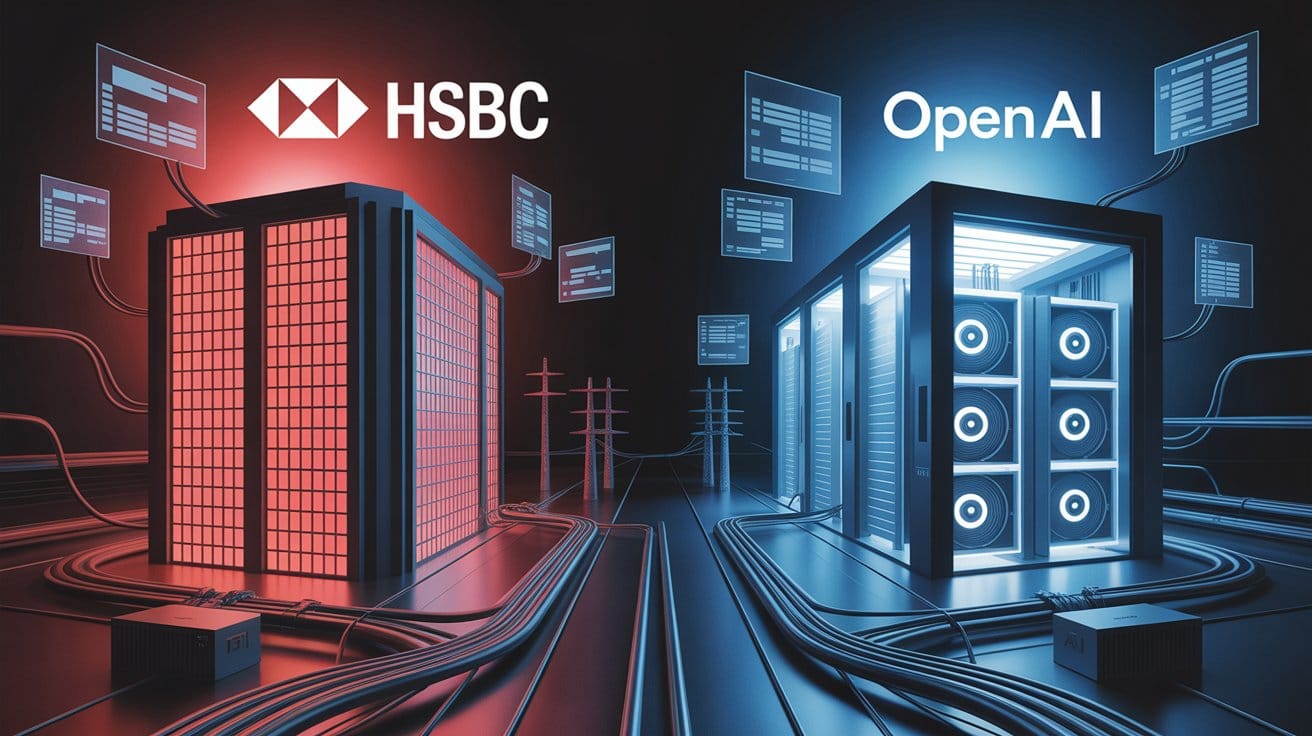
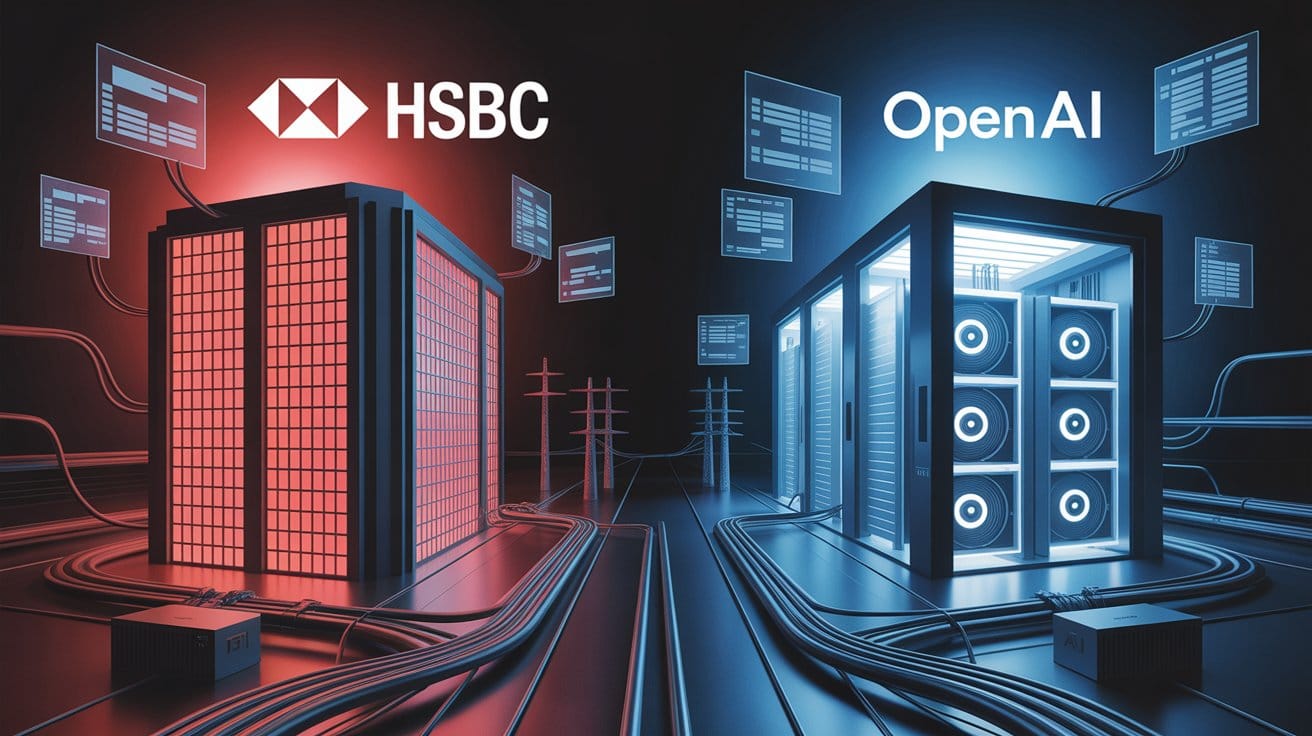
📌 What’s happening: Sam Altman tells investors OpenAI will hit cash-flow positive by 2029. HSBC just tore that up, projecting a $207 billion shortfall by 2030 and labeling the company “a money pit with a website on top.” Both look at the same growth curve, but from opposite ends of the spreadsheet. Altman sees compounding revenue and efficiency; HSBC sees linear power bills and debt markets closing fast.
🧠 How this hits reality: OpenAI’s model treats compute as an upfront bet on exponential demand, because the more GPUs it deploys, the faster the flywheel spins. HSBC runs it like a utility: each teraflop is a meter reading, not a multiplier. To one side, AI is the next internet; to the other, it’s the world’s most expensive data-center co-op. Altman is selling acceleration. HSBC is calculating amortization.
🛎️ Key takeaway: Altman’s talking future tense, HSBC’s counting voltage. One bets the curve bends up; the other knows the bill always comes due.
📌 What’s happening: Sam Altman tells investors OpenAI will hit cash-flow positive by 2029. HSBC just tore that up, projecting a $207 billion shortfall by 2030 and labeling the company “a money pit with a website on top.” Both look at the same growth curve, but from opposite ends of the spreadsheet.
📌 What’s happening: Sam Altman tells investors OpenAI will hit cash-flow positive by 2029. HSBC just tore that up, projecting a $207 billion shortfall by 2030 and labeling the company “a money pit with a website on top.” Both look at the same growth curve, but from opposite ends of the spreadsheet.
TOGETHER WITH CLOUDTALK
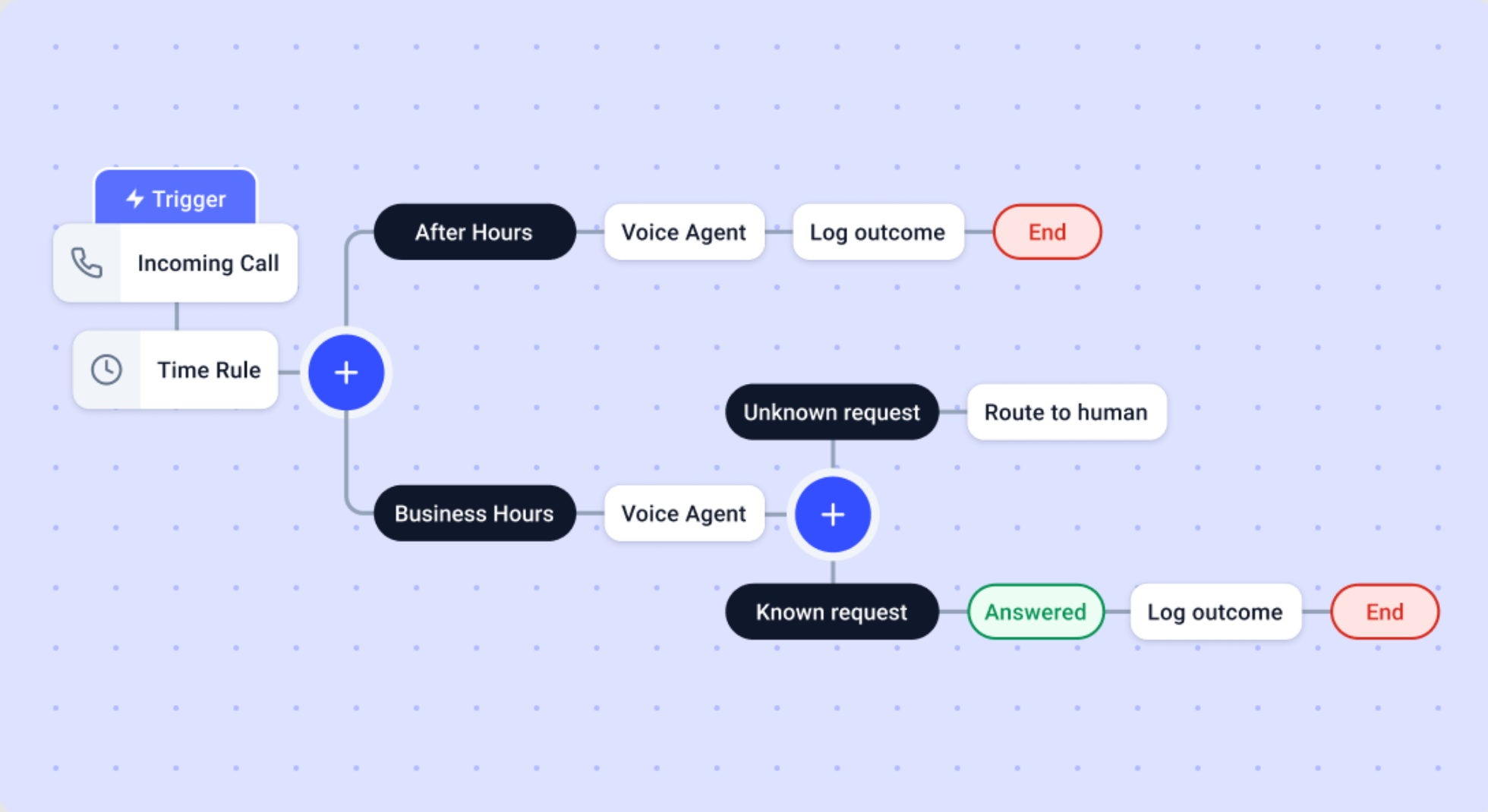
CloudTalk isn’t just another cloud call center—it’s where AI voice agents take the lead in transforming how businesses talk to customers. The AI voice agents handle repetitive inquiries, route calls intelligently, and provide instant answers—reducing wait times and boosting customer satisfaction.
For AI-driven companies, CloudTalk’s AI voice agents act as a growth multiplier:
👉 In short: CloudTalk = global telephony + AI voice agents + seamless CRM workflows — a communication engine ready for the AI era.
GLOBAL
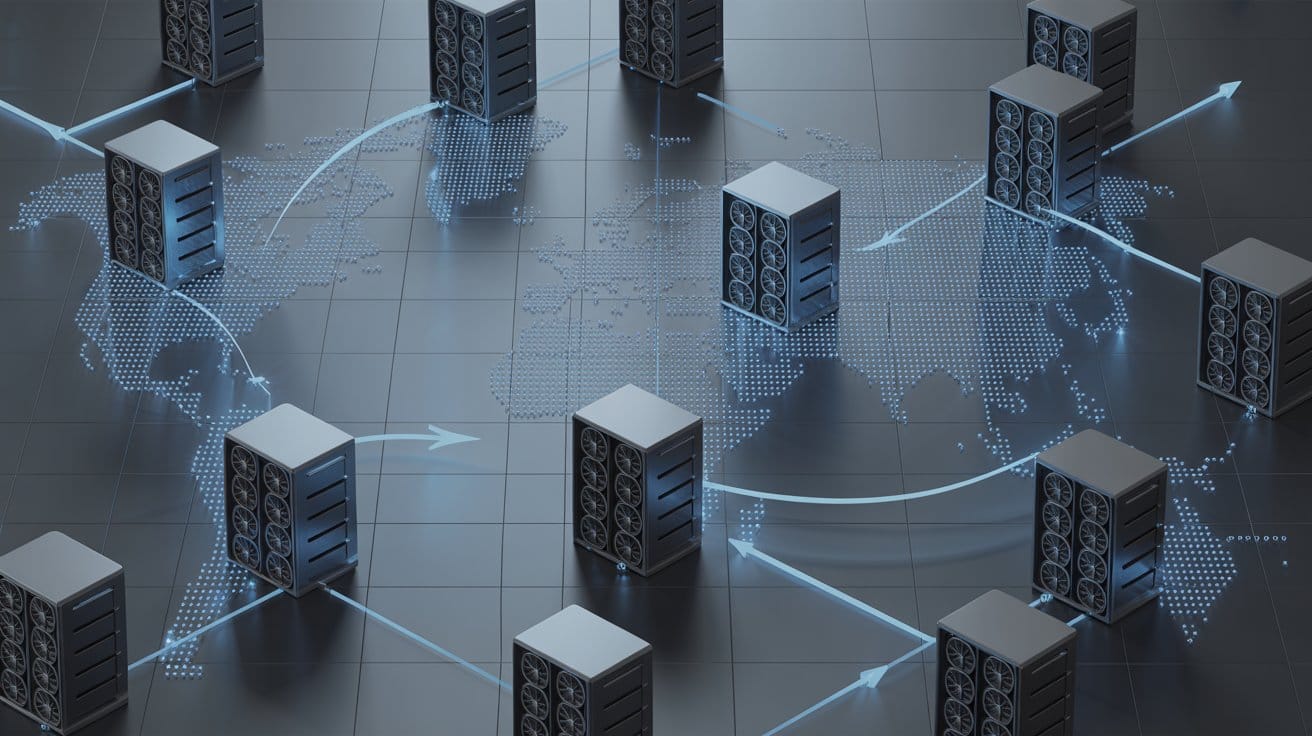
📌 What’s happening: Alibaba and ByteDance are reportedly training their newest large models in Southeast Asia to access Nvidia chips and bypass U.S. export curbs. But the deeper play isn’t just dodging sanctions; it’s about staying relevant in the global AI race. Offshore data centers let them fine-tune models closer to the world’s biggest AI consumer base: the United States.
🧠 How this hits reality: Training overseas isn’t only about hardware; it’s about positioning. The U.S. still dominates AI monetization through enterprise and consumer adoption, from OpenAI’s APIs to Anthropic’s cloud partnerships. By hosting and training models abroad, Chinese firms quietly align with Western infrastructure, preparing to sell, license, or localize products for non-Chinese users. It’s globalization disguised as evasion.
🛎️ Key takeaway: When you can’t enter the market, you build next door and wait for the border to move.
COMPUTE
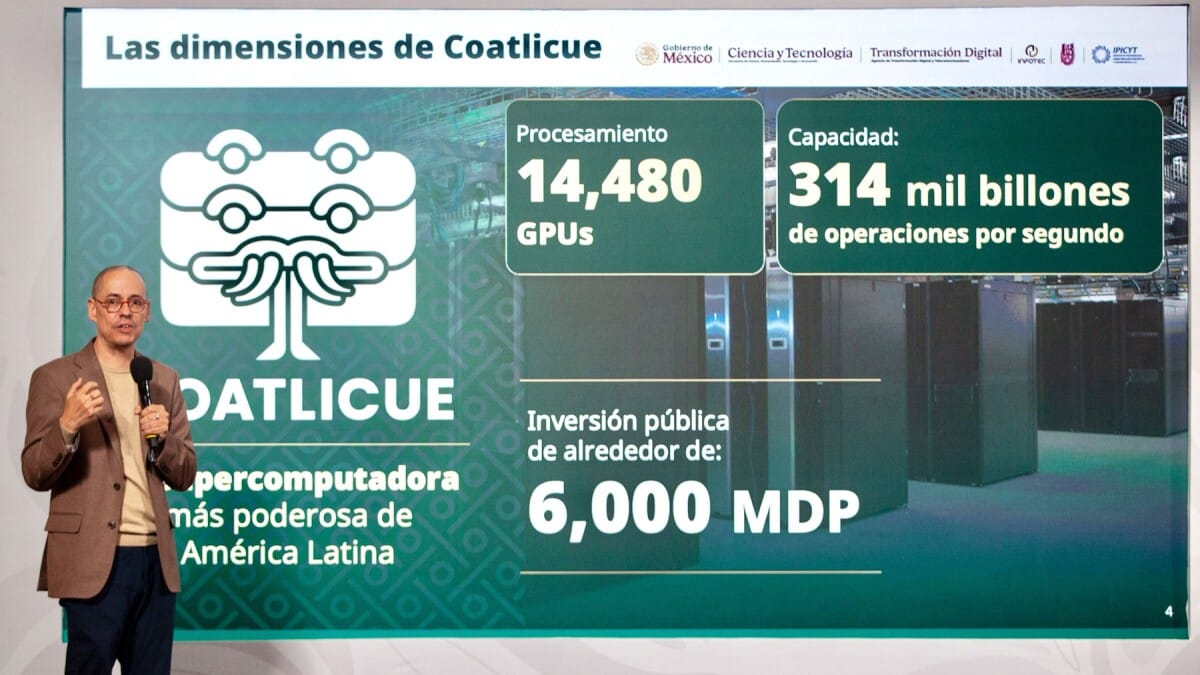
📌 What’s happening: Mexico unveiled plans for Coatlicue, a 314-petaflop supercomputer named after the Mexica earth goddess, projected to be seven times faster than Brazil’s current top system. President Claudia Sheinbaum said construction begins next year, with the machine designed to power national AI research, climate modeling, and data-driven innovation.
🧠 How this hits reality: Let’s be clear, 314 petaflops is modest by global standards, roughly a fraction of U.S. exascale systems like El Capitan and only comparable to a slice of ChatGPT’s early training cluster. But for Latin America, where most labs rent compute from U.S. or European clouds, it’s seismic. Coatlicue could mark the region’s first credible step toward AI sovereignty, anchoring local research, energy modeling, and biotech without crossing hemispheres for GPU time.
🛎️ Key takeaway: Coatlicue won’t rival the giants, but for Latin America, it’s the Big Bang.
QUICK HITS
TRENDING
TOGETHER WITH US
AI Secret Media Group is the world’s #1 AI & Tech Newsletter Group, boasting over 2 million readers from leading companies such as OpenAI, Google, Meta, and Microsoft. Our Newsletter Brands:
We've helped promote over 500 Tech Brands. Will yours be the next?
Email our co-founder Mark directly at [email protected] if the button fails.
Good Morning, AI Enthusiasts!
The fast are stumbling, the slow and deliberate are closing in, and the systems built to absorb uncertainty are beginning to blink.

COMPETITION
📌 What’s happening: After months of stalled launches and confusing pivots, OpenAI’s internal memo finally shows Sam Altman admits what the industry already sensed — Google has pulled ahead. Gemini 3 Pro and Nano Banana Pro didn’t just close the gap, they flipped the race. While OpenAI stumbled through product delays and scattered strategy, Google quietly built a coherent AI empire: stronger models, cleaner pretraining pipelines, and direct distribution through Search, YouTube, and Android.
🧠 How this hits reality: OpenAI’s chaos came with a cost. It burned momentum chasing new narratives — from ChatGPT features that landed flat to moonshot AGI rhetoric few can measure. Google, by contrast, executed. It fused its compute stack, model research, and global platforms into one self-reinforcing loop. The result is structural dominance, not just a hot release cycle. And the lesson stings: no company, not even OpenAI, keeps the lead forever. In AI, the minute you slow down, your rival becomes the benchmark.
🛎️ Key takeaway: Innovation doesn’t reward the first mover — it rewards whoever keeps moving.
📌 What’s happening: After months of stalled launches and confusing pivots, OpenAI’s internal memo finally shows Sam Altman admits what the industry already sensed — Google has pulled ahead. Gemini 3 Pro and Nano Banana Pro didn’t just close the gap, they flipped the race.
🧠 How this hits reality: OpenAI’s chaos came with a cost. It burned momentum chasing new narratives — from ChatGPT features that landed flat to moonshot AGI rhetoric few can measure. Google, by contrast, executed. It fused its compute stack, model research, and global platforms into one self-reinforcing loop.
📌 What’s happening: After months of stalled launches and confusing pivots, OpenAI’s internal memo finally shows Sam Altman admits what the industry already sensed — Google has pulled ahead. Gemini 3 Pro and Nano Banana Pro didn’t just close the gap, they flipped the race.
TOGETHER WITH ONCELY
Join Oncely.com, the first AI Launchpad where you can find, try, and own cutting-edge AI software, and all at exclusive early-bird, subscription discounts and lifetime prices.
Explore what’s next in AI — before it goes viral.
LABOR
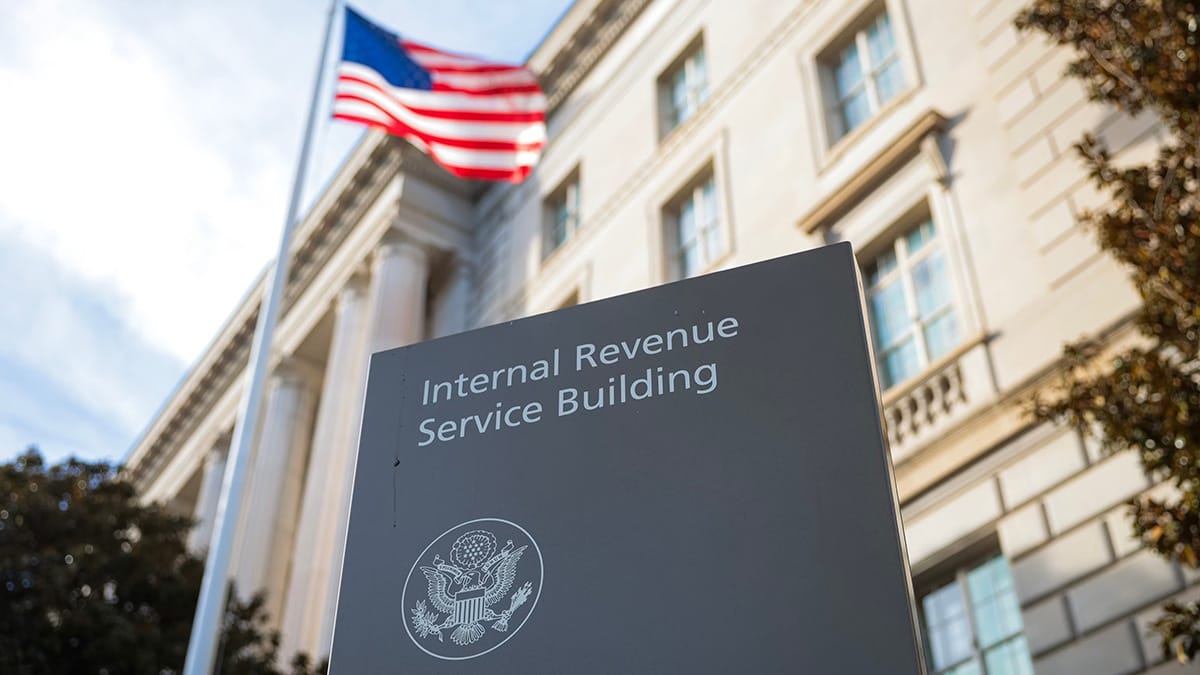
📌 What’s happening: After firing a quarter of its workforce under Trump’s “small government” push, the IRS is rolling out Salesforce’s Agentforce across legal, advocacy, and appeals divisions. The system won’t decide cases or release funds — it screens, drafts, and routes taxpayer requests for human review. Officially, the AI is here to “boost efficiency.” Unofficially, it’s here because the people who used to do the work aren’t coming back.
🧠 How this hits reality: This is the first federal test of AI as a structural substitute for labor, not just a tool. Salesforce now provides the scaffolding for an agency hollowed out by cuts — a digital façade of continuity. The rhetoric says modernization; the reality looks like denial. Fewer humans, same workload, new mask.
🛎️ Key takeaway: The IRS didn’t replace jobs with AI to move faster — it did it to pretend nothing’s missing.
SAFETY

📌 What’s happening: Major insurers including AIG, Great American, and WR Berkley have asked U.S. regulators to exclude AI-related liabilities from corporate insurance policies. The reason is simple but grim: AI systems act too fast, scale too wide, and fail too unpredictably. After Google’s AI Overview falsely accused a company of crimes and Air Canada’s chatbot fabricated discounts, underwriters no longer see “black box outputs” as an insurable risk — they see them as systemic and uncontainable contagion.
🧠 How this hits reality: The industry’s retreat exposes a deeper imbalance that AI is moving at network speed, while law still moves at committee speed. When risk modeling fails, regulation becomes the only remaining form of insurance. By stepping back, insurers are effectively forcing policymakers forward, signaling that without legal guardrails, the next systemic AI failure could bankrupt both sides.
🛎️ Key takeaway: Insurance is bailing out of AI, because in this new economy, only regulation can still underwrite reality.
After Google’s AI Overview falsely accused a company of crimes and Air Canada’s chatbot fabricated discounts, underwriters no longer see “black box outputs” as an insurable risk — they see them as systemic and uncontainable contagion.
QUICK HITS
TRENDING
TOGETHER WITH US
AI Secret Media Group is the world’s #1 AI & Tech Newsletter Group, boasting over 2 million readers from leading companies such as OpenAI, Google, Meta, and Microsoft. Our Newsletter Brands:
We've helped promote over 500 Tech Brands. Will yours be the next?
Email our co-founder Mark directly at [email protected] if the button fails.
Good Morning, AI Enthusiasts!
Altman dares the market to doubt him, turning speculation into a kind of performance art.

PODCAST
📌 What’s happening: Fresh off OpenAI’s massive reorg into a dual structure — the OpenAI Foundation (nonprofit parent) and OpenAI Group PBC (public benefit corp) — Sam Altman went on a public offensive. He reaffirmed dependence on Microsoft’s infrastructure, dismissed the $1.4T spending scare, and lobbed a grenade at critics: “I’d love to tell them to short the stock, and I’d love to see them get burned on that.”
🧠 How this hits reality: Altman’s swagger isn’t just bravado; it’s a signal that OpenAI’s valuation psychology is shifting from existential risk to sovereign confidence. He’s betting scale and compute scarcity will keep rivals cornered. But the “welcome to short” line also sets a dangerous precedent: it turns the AI boom into a financial combat sport where belief in AGI isn’t just a thesis, it’s a trade. Expect volatility to spike across the private AI market, especially for firms still running on OpenAI APIs or Microsoft credits.
🛎️ Key takeaway: Altman didn’t just invite shorts. He redefined AI faith as a zero-sum bet.
🧠 How this hits reality: Altman’s swagger isn’t just bravado; it’s a signal that OpenAI’s valuation psychology is shifting from existential risk to sovereign confidence. He’s betting scale and compute scarcity will keep rivals cornered.
📌 What’s happening: Fresh off OpenAI’s massive reorg into a dual structure — the OpenAI Foundation (nonprofit parent) and OpenAI Group PBC (public benefit corp) — Sam Altman went on a public offensive.
He reaffirmed dependence on Microsoft’s infrastructure, dismissed the $1.4T spending scare, and lobbed a grenade at critics: “I’d love to tell them to short the stock, and I’d love to see them get burned on that.”
TOGETHER WITH BYTEPLUS
Introducing Seedance 1.0 Pro Fast, the latest breakthrough from BytePlus that pushes the frontier of AI-driven video creation. Built for creators and enterprises demanding both speed and cinematic quality, Seedance redefines efficiency — generating an 8-second 720p video in just 26 seconds, making it up to 4× faster than Veo3 Fast while maintaining professional-grade realism and style consistency.
Powered by advanced semantic understanding and motion simulation, Seedance analyzes prompts, reference images, and scene logic to interpret intent, infer motion, and complete coherent storylines. The result is a video that feels natural, expressive, and emotionally engaging — not just rendered, but directed.
Compared with Veo3 Fast, Seedance delivers smoother motion control, stronger prompt adherence, and more physical realism, especially in complex or high-action scenes. Its multi-shot storytelling engine plans zooms, transitions, and perspective shifts automatically, enabling creators to achieve cinematic rhythm and flow without manual edits.
Supporting flexible output from 2–12 seconds at 480p, 720p, or 1080p, Seedance gives you the freedom to create faster, better, and more affordably — breaking the old speed–quality–cost triangle and setting a new benchmark for AI video generation.
AUTOMOBILE
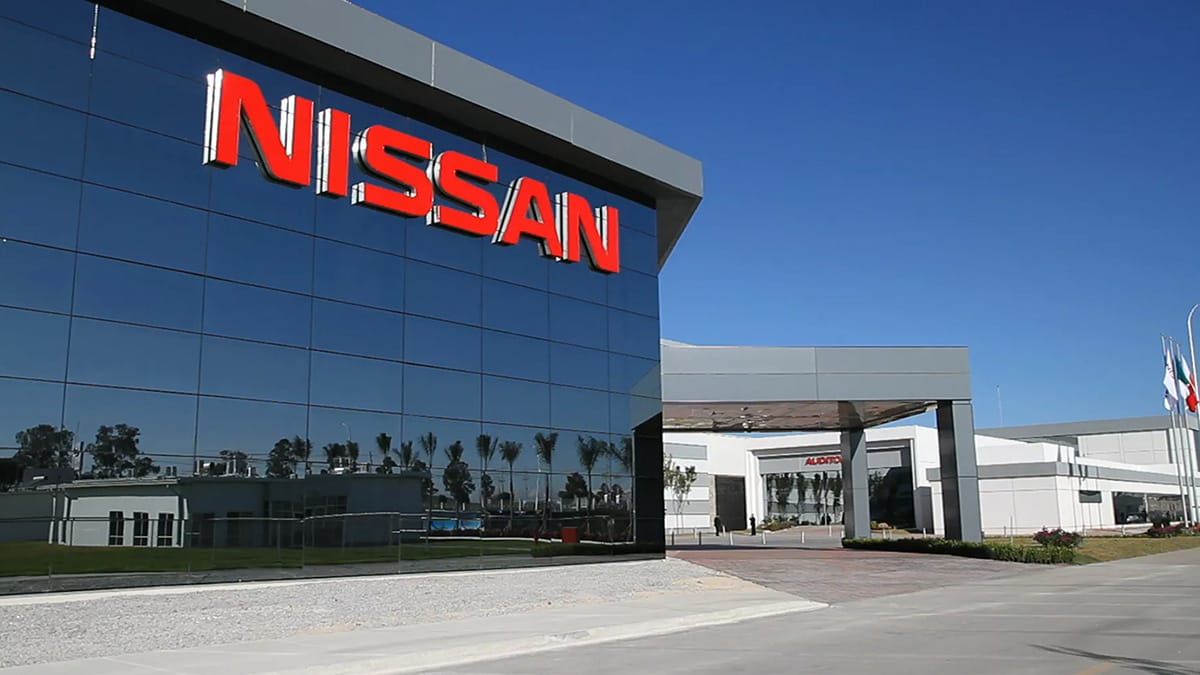
📌 What’s happening: Nissan has extended its partnership with UK firm Monolith to use AI in cutting physical car tests, a move aimed at halving development times and catching up with China’s 18-month design cycles. The AI system, trained on decades of Nissan test data, predicts outcomes like bolt tension, tire wear, and battery performance before the prototypes hit the track. It’s efficiency by simulation, not reinvention.
🧠 How this hits reality: While Nissan is still teaching AI to imitate engineers, Tesla already replaced half the test lab with code. Its Dojo supercomputer runs a closed feedback loop — every virtual crash, stress test, and aerodynamic tweak lives inside one self-learning system. Nissan buys acceleration; Tesla manufactures iteration.
🛎️ Key takeaway: Legacy automakers are renting AI assistants. Tesla built an AI workforce.
🧠 How this hits reality: While Nissan is still teaching AI to imitate engineers, Tesla already replaced half the test lab with code. Its Dojo supercomputer runs a closed feedback loop — every virtual crash, stress test, and aerodynamic tweak lives inside one self-learning system. Nissan buys acceleration; Tesla manufactures iteration.
ADS
📌 What’s happening: Google dropped its first fully AI-generated ad using Veo 3 — a holiday short where a plush turkey plots its escape from Thanksgiving. The twist: no uncanny faces, no “AI-made” label, just quiet charm. It’s a soft debut that turns AI from headline gimmick into invisible craft, a far cry from Coca-Cola’s glossy but uncanny AI experiment earlier this year.
🧠 How this hits reality: Google isn’t showing off tech; it’s laundering it. By embedding Veo 3 into a soft, harmless narrative, Google normalizes AI-made media without triggering the creep response. It’s a stealth distribution move: turn Veo into the Photoshop of video, not the Sora of hype. Creative agencies should take note, Google just redefined “AI-assisted storytelling” as “comfort content.”
🛎️ Key takeaway: Google didn’t make an AI ad; it made AI invisible, and that’s how you win the next creative arms race.
🧠 How this hits reality: Google isn’t showing off tech; it’s laundering it. By embedding Veo 3 into a soft, harmless narrative, Google normalizes AI-made media without triggering the creep response. It’s a stealth distribution move: turn Veo into the Photoshop of video, not the Sora of hype.
QUICK HITS
TRENDING
TOGETHER WITH US
AI Secret Media Group is the world’s #1 AI & Tech Newsletter Group, boasting over 2 million readers from leading companies such as OpenAI, Google, Meta, and Microsoft. Our Newsletter Brands:
We've helped promote over 500 Tech Brands. Will yours be the next?
Email our co-founder Mark directly at [email protected] if the button fails.
Plus: Wall Street Wants a Bigger Monster, OpenAI & Google Cooperate
Read the storyPlus: Claude Banned Peter Steinberger, Alibaba Claims HappyHorse-1.0
Plus: Altman Is Begging for Sympathy, AI Cockroach, Grammarly Crossed the Line
Plus: Altman Energy Analogy, Kiro’s Coding Failure
Plus: Microsoft Launches Maia 200, Next AI Crown
Plus: Anthropic Starts IPO, OpenAI Goes Space
Plus: Altman Slams the Brakes, Claude for Nonprofits
Plus: China’s AI Giants Train Abroad, Mexico Builds a Compute God
Plus: IRS Cuts 25% of Staff, Insurers Quit on AI Risk
Plus: When AI Builds Cars, Google’s Turkey Gambit