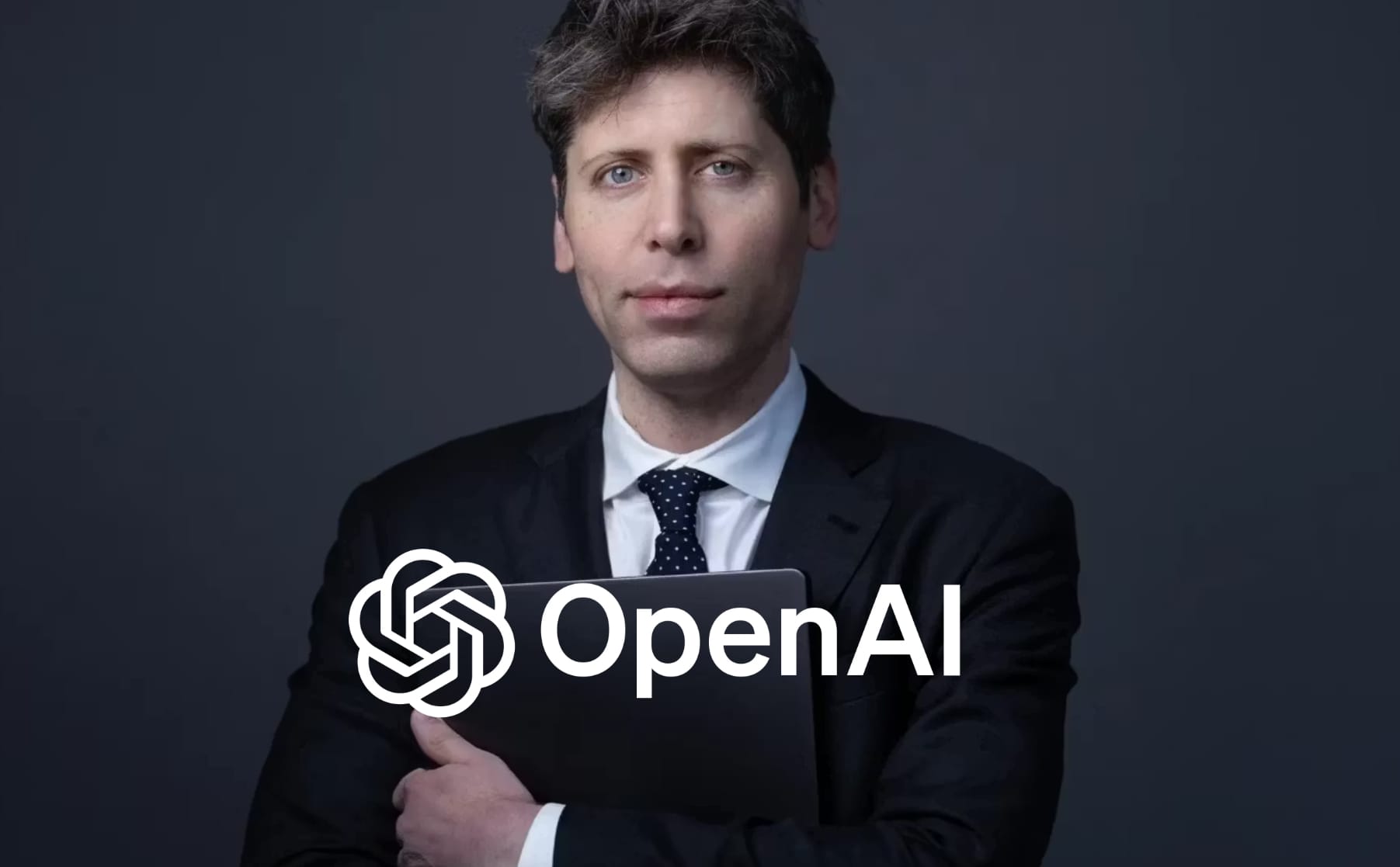
Sam Altman is an entrepreneur and investor who co-founded Loopt and led Y Combinator before becoming OpenAI’s CEO. His career connects startup building and venture investment with the development and deployment of AI systems, including ChatGPT.
Relevant sections from the articles on this page. Explore older coverage below.
More coverage
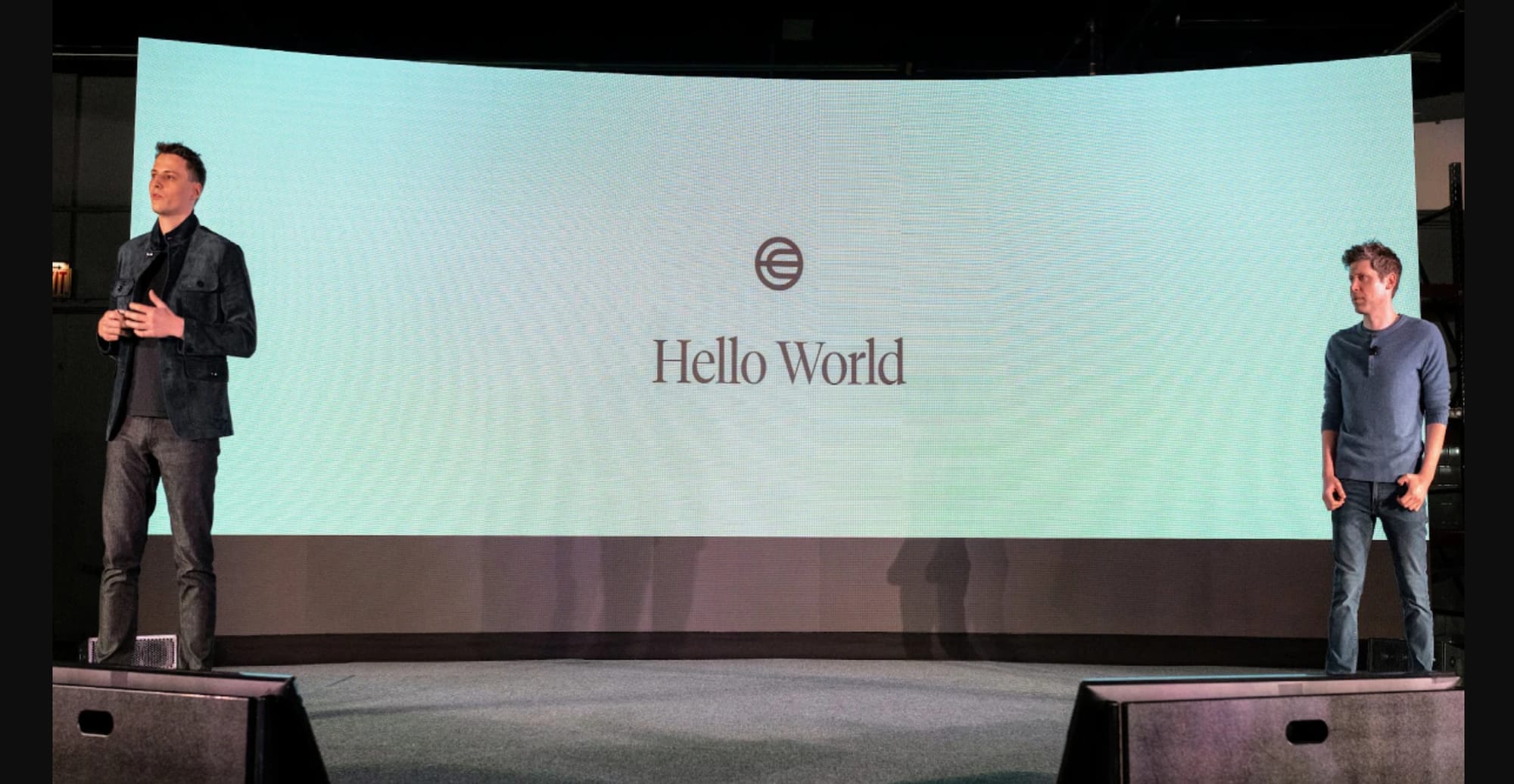
Sam Altman, the CEO of OpenAI and a prominent figure in the tech industry, has launched a new biometric identification project called "World." This ambitious initiative introduces "Orbs," basketball-sized devices that scan users' irises to generate a unique World ID. The project aims to establish a "proof-of-human" standard in the digital age, enabling individuals to verify their identities securely online. However, the rollout of this technology has sparked significant global controversy, primarily due to concerns over privacy, data security, and ethical implications.
Sam Altman’s New Biometric Identification Project Rises Privacy Concerns
Sam Altman, the CEO of OpenAI and a prominent figure in the tech industry, has launched a new biometric identification project called "World." This ambitious initiative introduces "Orbs," basketball-sized devices that scan users' irises to generate a unique World ID. The project aims to establish a "proof-of-human" standard in the digital age, enabling individuals to verify their identities securely online.
The World Project and Its Objectives
The World project, formerly known as Worldcoin, was co-founded by Sam Altman in 2019. Its primary goal is to create a universal digital identity system that distinguishes humans from bots in an increasingly AI-driven world. The project uses Orbs to scan users' irises, generating a unique "iris code" that is linked to a blockchain-based digital identity called the World ID. In exchange for participating, users receive a share of cryptocurrency, known as WLD.
Altman has framed the initiative as a critical step toward fostering digital trust and combating fraud in the online space. The technology is marketed as a privacy-preserving solution, as it claims not to store raw biometric data but instead converts iris scans into encrypted codes. The World project envisions widespread adoption, with Orbs being deployed in gas stations, convenience stores, and other public spaces, making it accessible to millions worldwide.
Sam Altman: The World Project and Its Objectives
The World project, formerly known as Worldcoin, was co-founded by Sam Altman in 2019. Its primary goal is to create a universal digital identity system that distinguishes humans from bots in an increasingly AI-driven world. The project uses Orbs to scan users' irises, generating a unique "iris code" that is linked to a blockchain-based digital identity called the World ID.
The Technology Behind Orbs
The Orb is a silver, basketball-sized device powered by Nvidia's Jetson chipset. It scans a person's irises in approximately 30 seconds, capturing detailed patterns to generate a World ID. Unlike traditional biometric data such as fingerprints, which can change over time, iris patterns are considered more stable and unique. The device is designed to perform local fraud prevention checks and convert raw iris images into an encrypted "iris code."
The World project claims that raw biometric data does not leave the Orb unless explicitly approved by the user for training purposes. However, critics have pointed out discrepancies in the company's documentation, raising doubts about the accuracy of these claims. For instance, users seeking a fully verified World ID must agree to send their biometric data to their mobile devices, introducing potential security risks.
Privacy Concerns and Global Backlash
Despite its innovative premise, the World project has faced intense scrutiny and legal challenges in multiple countries. Critics argue that linking immutable biometric data, such as iris scans, to a global ID system poses significant privacy risks. Whistleblower Edward Snowden has been particularly vocal, warning that the project could create a global database of iris scans, even if the raw data is deleted. He described the initiative as a "honeypot for surveillance."
The World project has encountered regulatory hurdles in several countries:
Spain: Authorities suspended the project due to concerns over data privacy and transparency.
Argentina: The government imposed fines on the project for violating data protection laws.
Kenya: A criminal investigation was launched, leading to the suspension of the project.
Hong Kong: Regulators deemed the collection of biometric data "excessive and unnecessary" and ordered the project to cease operations.
Brazil: The National Data Protection Authority (ANPD) suspended the project, citing transparency concerns and inadequate privacy protections.
Privacy advocates and cybersecurity experts have raised alarms about the potential misuse of biometric data. Although the World project claims to store only encrypted iris codes, the derived identifiers are immutable and permanently linked to individuals. This raises concerns about data breaches and unauthorized surveillance. Additionally, reports of a black market for iris data in countries like China have further fueled skepticism about the project's security measures.
Public Perception and Industry Reactions
The public reaction to the World project has been mixed. While some view it as a groundbreaking innovation, others see it as a dystopian overreach. The project's rollout in the United States, starting with cities like San Francisco, Atlanta, and Los Angeles, has sparked curiosity but also resistance. Critics have described the initiative as a "sales pitch" that fails to address fundamental data governance concerns.
Despite the controversies, the World project has attracted significant backing from major Silicon Valley investors. This support underscores the tech industry's interest in biometric identification as a solution to online fraud and identity verification challenges.
Tools for Humanity, the parent company behind the World project, has defended its practices and reaffirmed its commitment to privacy and security. The organization has criticized misinformation about the project and expressed a willingness to engage with regulators to address their concerns. In Brazil, for example, Tools for Humanity plans to work with the ANPD to demonstrate the benefits of its technology and ensure compliance with local laws.
Looking Forward
The World project represents a bold attempt to redefine digital identity in an era dominated by artificial intelligence. While its goals are laudable, the implementation raises serious ethical and privacy concerns. The discrepancies in the company's claims about data storage, coupled with the global backlash from regulators, highlight the need for greater transparency and accountability.
In my opinion, the World project is a double-edged sword. On one hand, it has the potential to revolutionize identity verification and combat fraud. On the other hand, the risks associated with biometric data collection and storage cannot be ignored. To gain public trust and regulatory approval, Tools for Humanity must prioritize user privacy, address security vulnerabilities, and engage in open dialogue with stakeholders.
As technology continues to evolve, it is crucial to strike a balance between innovation and ethical responsibility. The World project serves as a stark reminder of the challenges and opportunities that lie ahead in the quest for a secure and inclusive digital future.
Good Morning, AI Enthusiasts!
Today's pièce de résistance? A revolutionary "screenless phone," because nothing says “I’m living in the future” like a device that you can’t even look at while scrolling through social media.
OpenAI's Potential Acquisition of io Products: A $500M Leap into AI Hardware
OpenAI is making waves in the tech world with its potential acquisition of io Products, a secretive AI hardware startup co-founded by industry heavyweights Jony Ive and Sam Altman. This strategic move signifies OpenAI's ambition to venture into hardware, aiming to reshape the AI landscape and consumer technology as we know it.
io Products was established by Jony Ive and Sam Altman, who share a vision for innovative AI-powered devices that enhance human-computer interaction, with a design emphasis from Ive's studio, LoveFrom.
The centerpiece of io Products' offering is a revolutionary "screenless phone," which promotes voice-first interaction, seeking to reduce screen dependency and enhance user experience through advanced AI technologies.
io Products is also developing a suite of AI-enabled household devices that emphasize natural, ambient computing, aiming to create a more seamless integration of technology into everyday life.
By merging cutting-edge AI capabilities with innovative device design, OpenAI is poised to challenge established players like Apple and Google.
Sam Altman: OpenAI's Potential Acquisition of io Products: A $500M Leap into AI Hardware
OpenAI is making waves in the tech world with its potential acquisition of io Products, a secretive AI hardware startup co-founded by industry heavyweights Jony Ive and Sam Altman. This strategic move signifies OpenAI's ambition to venture into hardware, aiming to reshape the AI landscape and consumer technology as we know it.
OpenAI's Potential Acquisition of io Products: A $500M Leap into AI Hardware
OpenAI is making waves in the tech world with its potential acquisition of io Products, a secretive AI hardware startup co-founded by industry heavyweights Jony Ive and Sam Altman. This strategic move signifies OpenAI's ambition to venture into hardware, aiming to reshape the AI landscape and consumer technology as we know it.
Struggling to manage complex, sensitive data as your AI initiatives grow? Without proper oversight, AI can amplify bias, leak sensitive data, and incur regulatory fines. BigID’s latest white paper breaks down the biggest challenges in AI data management and best practices to ensure your data is secure, compliant, and AI-ready.
AI is only as good as the data you feed it. Discover how to reduce risk, streamline compliance, and improve data quality through data discovery and hygiene, risk and bias identification and mitigation, and data governance.
Download the full white paper to learn how you can accelerate AI adoption and reduce risk with confidence.
Waymo Explores Using Rider Data to Train Generative AI: Privacy vs. Profit
The dialogue surrounding Waymo's potential use of rider data for AI training and targeted advertising underscores the intersection of technology, privacy, and ethics in the rapidly advancing field of autonomous vehicles. As Waymo navigates its financial challenges and seeks new revenue streams, the implications of its data practices raise significant concerns about user consent and data monetization.
Waymo has established itself as a leader in the robotaxi space, generating revenue from rides while facing ongoing financial struggles despite significant investments.
A leaked draft privacy policy indicates Waymo may use interior camera footage linked to rider identities for AI training and personalized advertising, prompting privacy concerns.
The potential misuse of sensitive data collected from riders, including personal behaviors, has sparked debates about consent, transparency, and the ethical responsibilities of tech companies.
Nvidia has announced the release of its new Llama-3.1 Nemotron Ultra model, which outperforms the DeepSeek R1 while being half the size.
TSMC may face over $1 billion in penalties for allegedly violating US sanctions by manufacturing chips for Huawei through a third party.
TRENDING TOOLS
📲 ImagineQr creates stunning and fully customizable AI QR codes.
🎞️ Flux AI provides advanced AI tools for image and video generation.
📢 Press Ranger is an AI PR tool for easy media campaigns.
💪 Fit Senpai offers personalized fitness plans in seconds.
🎙️ Speechify converts text into natural-sounding speech.
🦾 Flot AI writes, reads, and remembers across any apps and webs. (Featured)
📚 Heardly is the Fast Way to read Best Book. (Featured)
📝 CopyOwl AI is a DeepResearch tool for SEO blogging. (Featured)
1 Million+ AI enthusiasts are eager to learn about your product.
AI Secret is the world’s #1 AI Newsletter, boasting over 1 million readers from leading companies such as OpenAI, Google, Meta, and Microsoft. We've assisted in promoting Over 500 AI-Related Products. Will yours be the next?
In an era marked by unprecedented advancements in artificial intelligence, the landscape of creativity and functionality is being transformed at a remarkable pace.
The recent announcement by OpenAI CEO Sam Altman regarding the integration of Anthropic's Model Context Protocol (MCP) marks a transformative development in the artificial intelligence landscape. As industries increasingly rely on AI systems, adopting a standard like MCP can significantly reduce development time and costs, empowering developers to innovate without the hindrance of complex integrations.
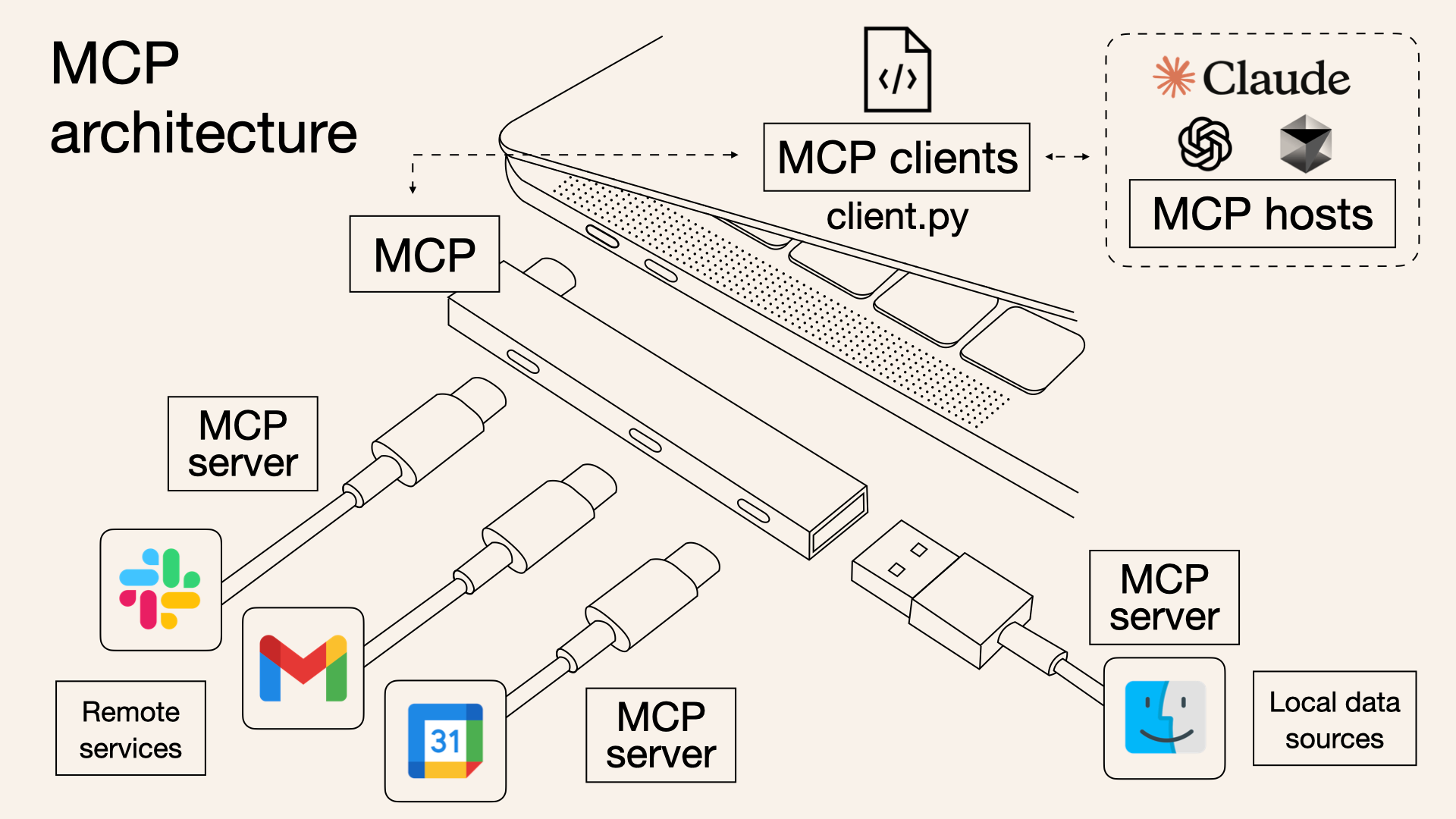
MCP is an open-source standard introduced by Anthropic, designed to streamline AI integration by providing a universal protocol for connecting AI systems to external data sources and applications.
MCP features standardized API communication, context retention for improved accuracy, real-time tool integration, scalability, and a model-agnostic design, making it versatile across various AI models.
OpenAI's endorsement of MCP signifies its potential as a universal standard for AI integration, with plans to incorporate it into the Agents SDK, ChatGPT desktop application, and Responses API.
MCP addresses the fragmentation in AI integration by providing a universal protocol that simplifies development processes, enhances real-time interactions, and fosters innovation in AI-driven automation.
Despite its promising potential, MCP faces challenges such as early-stage adoption, a learning curve for developers, and competition from alternative solutions. However, with backing from industry leaders, MCP's future looks bright, and it could emerge as the standard for AI integration.
The USB for AI Models: OpenAI's Adoption of Anthropic's Model Context Protocol (MCP)
OpenAI's endorsement of MCP signifies its potential as a universal standard for AI integration, with plans to incorporate it into the Agents SDK, ChatGPT desktop application, and Responses API.
The USB for AI Models: OpenAI's Adoption of Anthropic's Model Context Protocol (MCP)
The recent announcement by OpenAI CEO Sam Altman regarding the integration of Anthropic's Model Context Protocol (MCP) marks a transformative development in the artificial intelligence landscape. As industries increasingly rely on AI systems, adopting a standard like MCP can significantly reduce development time and costs, empowering developers to innovate without the hindrance of complex integrations.
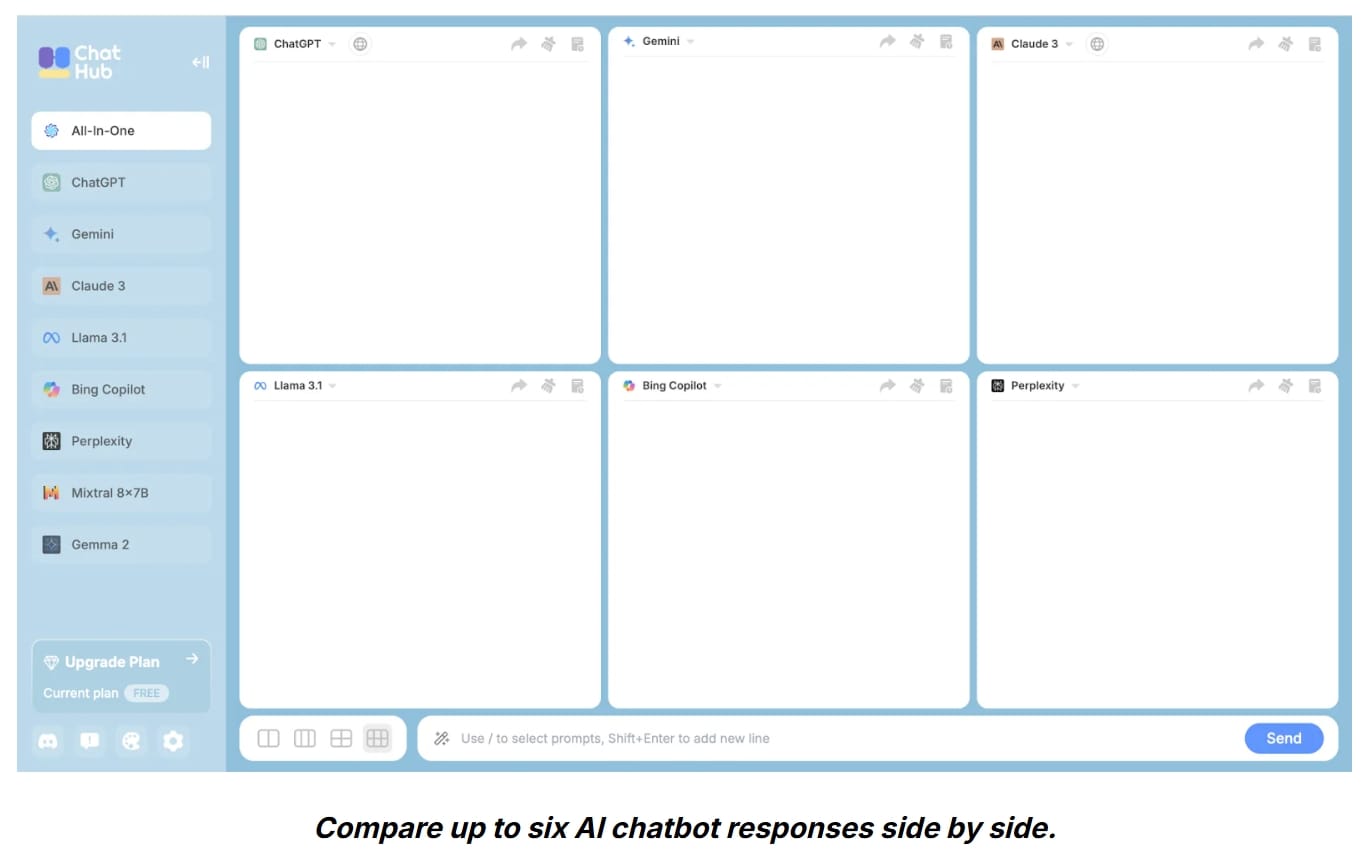
Struggling to choose between countless AI models and tools? ChatHub simplifies your workflow by allowing you to compare responses from multiple chatbots simultaneously.
ChatHub is an all-in-one browser extension designed to revolutionize your AI chatbot experience by enabling simultaneous use of multiple AI chatbots, including ChatGPT, Gemini, Claude, and more.
The rapid evolution of AI is exemplified by the recent release of DeepSeek-V3-0324, a cutting-edge model from the Chinese AI startup DeepSeek. This model showcases significant advancements in large language models (LLMs), particularly in reasoning capabilities, coding, and language skills, positioning it as a formidable competitor in the global AI arena.
DeepSeek-V3-0324 shows remarkable improvements in reasoning tasks, achieving a score of 81.2 in MMLU-Pro and 68.4 in GPQA, reflecting enhanced logical deduction and problem-solving skills.
The model excels in web development, generating accurate and visually appealing code, effectively streamlining the workflow for developers.
Enhanced accuracy in function calling and role-playing scenarios makes it a versatile tool for various applications, such as customer support and education.
Released under the MIT License and available on Hugging Face, DeepSeek-V3-0324 promotes collaboration and transparency in the AI community.
Breaking Barriers: The Upgraded DeepSeek-V3
The rapid evolution of AI is exemplified by the recent release of DeepSeek-V3-0324, a cutting-edge model from the Chinese AI startup DeepSeek. This model showcases significant advancements in large language models (LLMs), particularly in reasoning capabilities, coding, and language skills, positioning it as a formidable competitor in the global AI arena.
OpenAI’s Major Upgrade: Native Image Generation with GPT-4o
This week, OpenAI CEO Sam Altman announced a transformative upgrade to ChatGPT, introducing native image generation through the advanced GPT-4o model. This innovation enhances the platform’s functionality and democratizes access to sophisticated AI tools, setting a new standard in the realm of AI-driven creativity.
The GPT-4o model integrates image generation directly into ChatGPT, offering improved accuracy and speed, enhanced consistency across visuals, and advanced features like inpainting for editing images.
OpenAI has made the GPT-4o-powered image generation feature available to all ChatGPT users, including those on the free tier, marking a significant step in democratizing access to AI technology.
By integrating native image generation, OpenAI positions itself ahead of competitors like Google, providing a versatile tool that addresses previous limitations in rendering and usability.
Users have responded positively, praising the model's ability to produce high-quality visuals quickly. Altman noted the technology’s potential to expand creative possibilities, especially with its multi-turn generation feature for iterative design.
Sam Altman: OpenAI’s Major Upgrade: Native Image Generation with GPT-4o
This week, OpenAI CEO Sam Altman announced a transformative upgrade to ChatGPT, introducing native image generation through the advanced GPT-4o model. This innovation enhances the platform’s functionality and democratizes access to sophisticated AI tools, setting a new standard in the realm of AI-driven creativity.
OpenAI’s Major Upgrade: Native Image Generation with GPT-4o
This week, OpenAI CEO Sam Altman announced a transformative upgrade to ChatGPT, introducing native image generation through the advanced GPT-4o model. This innovation enhances the platform’s functionality and democratizes access to sophisticated AI tools, setting a new standard in the realm of AI-driven creativity.
🧏♂️ SLAIT School provides real-time AI feedback for learning ASL.
🦾 Flot AI writes, reads, and remembers across any apps and webs. (Featured)
📚 Heardly is the Fast Way to read Best Book. (Featured)
📝 CopyOwl AI is a DeepResearch tool for SEO blogging. (Featured)
1 Million+ AI enthusiasts are eager to learn about your product.
AI Secret is the world’s #1 AI Newsletter, boasting over 1 million readers from leading companies such as OpenAI, Google, Meta, and Microsoft. We've assisted in promoting Over 500 AI-Related Products. Will yours be the next?
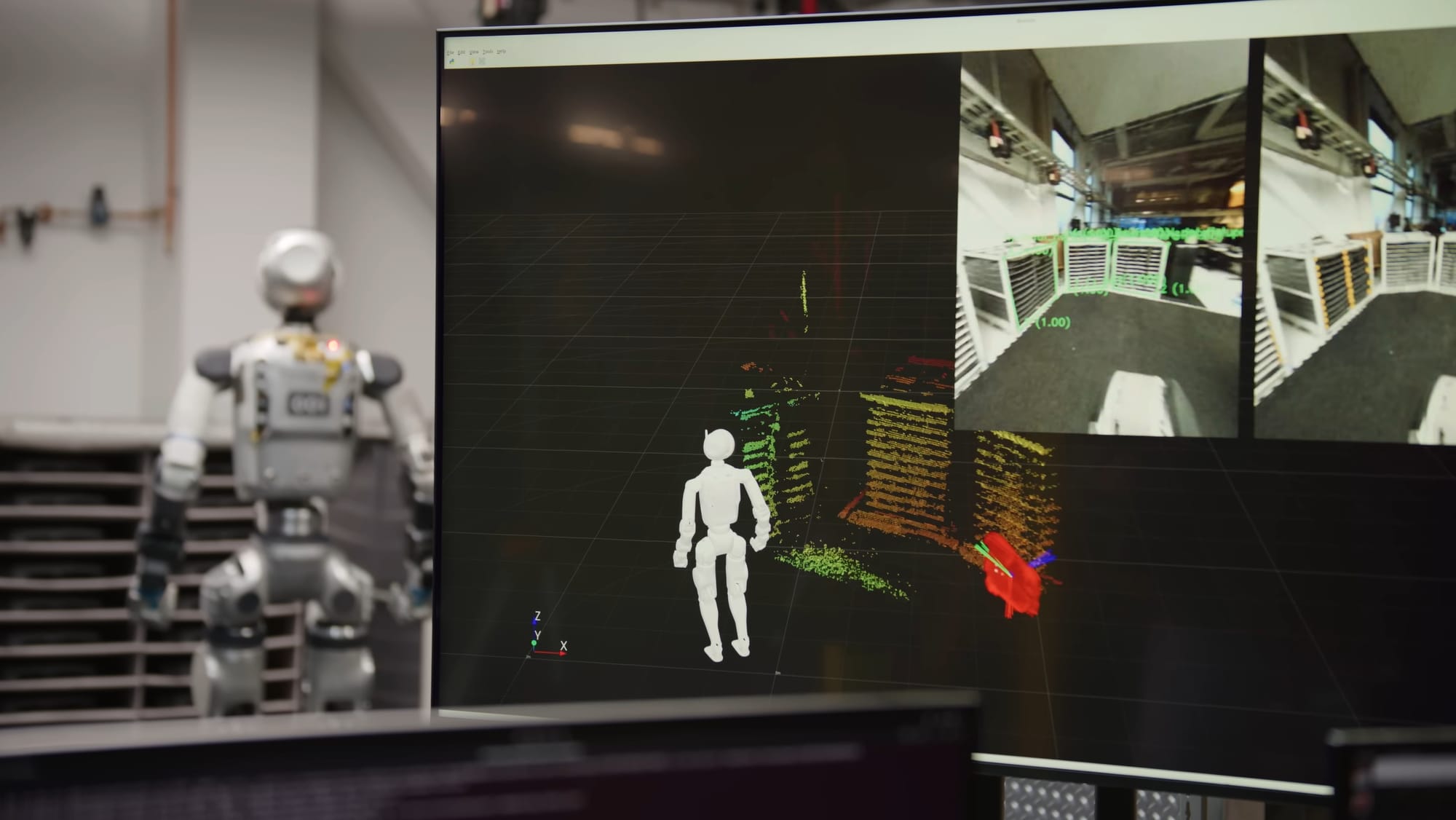
Today, we’re diving into the world of humanoid robots, a field that Apple has decided to grace with its presence. Yes, you heard that right! It seems the tech giant has finally found the courage to leap into a realm where it has previously missed the boat – electric cars, rockets, and, oh, you know, artificial intelligence.
Apple’s Humanoid Robots: The Future of Smart Homes or Just a Sci-Fi Dream?
Apple, a titan in the tech industry known for its innovative products, is now venturing into the realm of robotics. With aspirations to integrate humanoid and non-humanoid robots into their smart home ecosystem, Apple is poised to redefine the way we interact with technology.
Apple is currently in the Proof-of-Concept (POC) stage, testing prototypes to determine the viability of its robotics ambitions.
The company aims to create robots that not only assist with tasks but also engage with users through human-like expressions and gestures, making interactions more natural and enjoyable.
Mass production of these robots is projected to begin in 2028 or later, as Apple is meticulously refining its concepts and prioritizing user experience over speed to market.
While Apple is serious about exploring robotics, the uncertainty surrounding mass production and the final product leaves the future of these innovations open-ended.
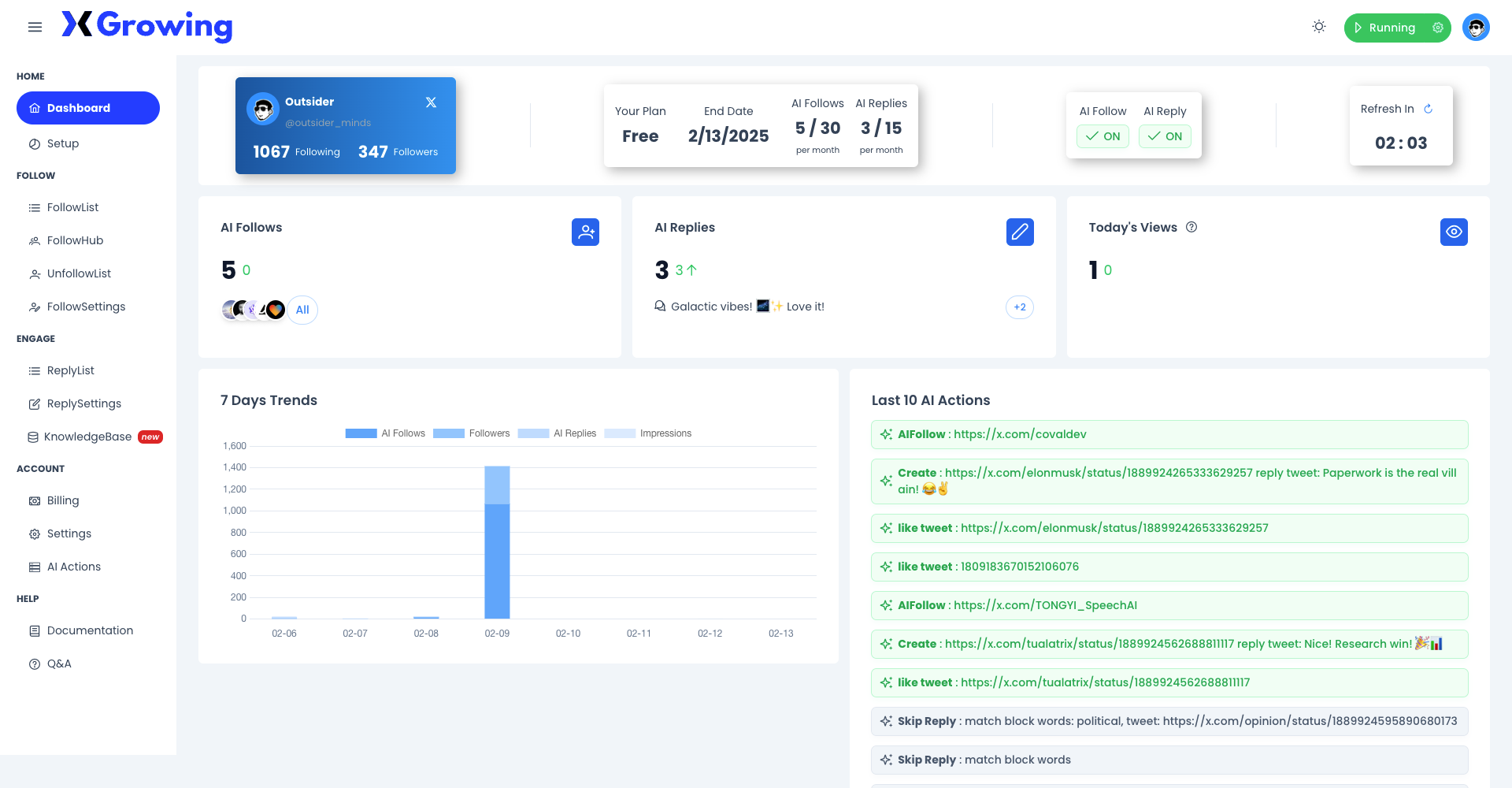
Is your X follower count as stagnant as a pond in winter? Worry not! With our AI-driven growth engine, we’ll pump up those numbers quicker than a kid on a sugar high. Our technology doesn’t just find followers; it finds actual followers who will engage with your posts.
So, what are you waiting for? Stop chasing shadows and start growing your fanbase with XGrowing—where genuine connections are just an AI away! Get ready to turn your social media from a ghost town into the hottest club in town! 🎉
AI Secret readers can enjoy a 30% discount with code:XG-AI-SECRET-GIFT
The Future of AI: Sam Altman’s Vision for GPT-4.5 and GPT-5
Artificial intelligence continues to evolve at an astonishing pace, and OpenAI is at the forefront of this revolution with its upcoming models, GPT-4.5 and GPT-5. Sam Altman, OpenAI's CEO, has unveiled a roadmap that promises to simplify user experiences and redefine how we interact with AI technologies.
GPT-4.5, codenamed “Orion,” will be the last model without advanced reasoning capabilities, serving as a transition to the more sophisticated GPT-5. It is expected to launch shortly, following the release of GPT-4o.
GPT-5 is touted as an “AI system” that unifies OpenAI’s GPT and o-series models, enhancing efficiency and user-friendliness. It will adapt dynamically to user needs, eliminating the confusion of choosing between different models.
Altman emphasized the importance of reducing user frustration caused by the complex model lineup. By unifying models, OpenAI aims to create a seamless experience, making AI more accessible and intuitive for everyone.
Central to GPT-5’s strategy is the Router LLM Framework, which optimizes query handling and enhances adaptability, allowing for smoother interactions without manual model switching.
Although a specific release date wasn’t provided, Altman hinted at a timeframe of “weeks/months,” anticipating GPT-5’s arrival soon after GPT-4.5.
The Future of AI: Sam Altman’s Vision for GPT-4.5 and GPT-5
Altman emphasized the importance of reducing user frustration caused by the complex model lineup. By unifying models, OpenAI aims to create a seamless experience, making AI more accessible and intuitive for everyone.
OpenAI: The Future of AI: Sam Altman’s Vision for GPT-4.5 and GPT-5
Artificial intelligence continues to evolve at an astonishing pace, and OpenAI is at the forefront of this revolution with its upcoming models, GPT-4.5 and GPT-5. Sam Altman, OpenAI's CEO, has unveiled a roadmap that promises to simplify user experiences and redefine how we interact with AI technologies.
👷♂️ Softr builds client portals and internal tools without the coding.
🎧 Tad AI creates original songs with your choice of genres and moods using text prompts. (Featured)
📚 Heardly is the Fast Way to read Best Book. (Featured)
🦾 Flot AI writes, reads, and remembers across any apps and webs. (Featured)
📝 CopyOwl AI writes high-quality articles with credible sources. (Featured)
1 Million+ AI enthusiasts are eager to learn about your product.
AI Secret is the world’s #1 AI Newsletter, boasting over 1 million readers from leading companies such as OpenAI, Google, Meta, and Microsoft. We've assisted in promoting Over 500 AI-Related Products. Will yours be the next?
Sam Altman, the CEO of OpenAI and a prominent figure in the tech industry, has launched a new biometric identification project called "World." This ambitious initiative introduces "Orbs,"
When OpenAI announced its $6.5 billion acquisition of Jony Ive’s AI hardware startup, IO, the tech world braced itself for something extraordinary. After all,
In the ever-accelerating world of technology, few events capture the collective imagination of developers, entrepreneurs, and tech enthusiasts quite like the annual Microsoft Developer Conference. The
In a move that could redefine the social media landscape, OpenAI, the artificial intelligence (AI) powerhouse behind ChatGPT, is reportedly developing a social media platform akin
OpenAI, a trailblazer in artificial intelligence, has recently made groundbreaking announcements that mark a significant shift in its strategy and position in the tech industry. These
This week, OpenAI CEO Sam Altman unveiled a groundbreaking enhancement to ChatGPT’s capabilities: the integration of native image generation powered by the GPT-4o model. This
OpenAI, the pioneering artificial intelligence (AI) company behind ChatGPT, is reportedly considering a significant price reduction for its premium subscription service, ChatGPT Plus, in India. This