Company — Reporting on Google, its technology, products and business. Aliases: Google; Alphabet; Gemini; DeepMind; Google Brain.
Get AI Secret’s free daily briefing, including Google and the wider AI industry.

At a glance
Google is part of Alphabet. This topic follows its AI research, Gemini models, Google DeepMind, cloud infrastructure and consumer products.
- Focus
- Gemini; Google DeepMind; Google Cloud
- Reference
Sources checked . Selected company background and milestones.
Company milestones
Selected milestones, newest first. Earlier history is available below.
Forms Google DeepMind
Google brings the Brain team and DeepMind together as Google DeepMind.
Source: Google
Show earlier historyHide earlier history · 1 milestones
More than 10 years ago.
The latest on Google
Newest firstRelated reporting
Relevant sections from the articles on this page. Explore older coverage below.
More coverage

Good Morning, AI Enthusiasts!
The AI industry is reminding everyone that “upgrades” aren’t just about bigger models; they’re about power shifts.

NEW LAUNCH
Anthropic Patches the Holes, Not the Hype
👀 What’s the move: Anthropic dropped Claude Opus 4.5, calling it the “world’s best coding model.” It outscored Gemini 3 Pro and GPT-5.1 on SWE-bench, added long-context endurance, and finally fixed the developer pain points that haunted earlier releases, from token burn to API fatigue. Price cuts hit 85%, and new tool-use upgrades make it easier to run long agentic tasks without drowning in latency.
🧠 How this hits reality: Forget the leaderboard noise. This launch isn’t about raw power, it’s about retention. While OpenAI and Google race to out-demo each other, Anthropic quietly fortified its base by patching the real leaks. By stabilizing costs, smoothing integrations, and actually listening to its users, Anthropic made Claude something rare in today’s model race: not perfect, just predictable. In a cycle obsessed with flash, that’s quietly radical.
🛎️ Key takeaway: Anthropic’s real upgrade isn’t the model; it’s finally acting like a company.
Anthropic Patches the Holes, Not the Hype
👀 What’s the move: Anthropic dropped Claude Opus 4.5, calling it the “world’s best coding model.” It outscored Gemini 3 Pro and GPT-5.1 on SWE-bench, added long-context endurance, and finally fixed the developer pain points that haunted earlier releases, from token burn to API fatigue.
Google: 🛎️ Claude's Real Upgrade
👀 What’s the move: Anthropic dropped Claude Opus 4.5, calling it the “world’s best coding model.” It outscored Gemini 3 Pro and GPT-5.1 on SWE-bench, added long-context endurance, and finally fixed the developer pain points that haunted earlier releases, from token burn to API fatigue.
TOGETHER WITH KARAVIDEO
All AI Video Models in One Platform

There are too many great AI video models — Kling, Runway, Veo 3, Pika — but too many tabs. KaraVideo.ai fixes that. It brings all the world’s top AI video models into one place.
- 🎬 Generate, compare, and remix without switching tools.
- 🎭 Keep your characters consistent, your style intact, and your creativity flowing.
- 💡 One login, one dashboard, endless creation.
AGI
Musk’s AI Purge: Grok Fires the Humans

📌 What’s happening: Elon Musk just cut half of X’s already skeletal trust and safety engineering team, leaving fewer than ten people remain from a peak of over a hundred. The pink slips follow Musk’s October vow to “fully replace X’s heuristic algorithms with Grok,” letting his in-house chatbot read and rank the entire platform’s content. The Soboliev twins, ex-Meta and ex-Apple machine-learning veterans now running xAI’s technical overhaul, reportedly executed the transition plan with brutal precision.
🧠 How this hits reality: This isn’t just a layoff. It’s the first visible phase of Musk’s endgame: replacing algorithmic oversight and human moderation with self-referential AI loops. Grok now decides what users see while the humans who once checked its outputs pack up their desks. The logic extends far beyond X, as Musk’s “Macrohard” project aims to rebuild Microsoft-style software stacks entirely through AI agents. The pattern is clear: dismantle the human layers that slow things down and let automation rule. AI isn’t just writing the rules; it’s enforcing them.
🛎️ Key takeaway: Musk’s empire is proof that the new religion of speed runs on subtraction, with fewer humans, faster systems, and an AI that’s not just doing the work but deciding what work should exist.
Musk’s AI Purge: Grok Fires the Humans
📌 What’s happening: Elon Musk just cut half of X’s already skeletal trust and safety engineering team, leaving fewer than ten people remain from a peak of over a hundred. The pink slips follow Musk’s October vow to “fully replace X’s heuristic algorithms with Grok,” letting his in-house chatbot read and rank the entire platform’s content.
COPYRIGHT
Warner Turns Lawsuits into Licensing and Paywalls
📌 What’s happening: Warner Music Group has ended its legal war with AI startup Suno, signing a partnership that transforms courtroom conflict into commercial collaboration. As part of the deal, Warner sold its concert-discovery app Songkick to Suno and granted licensed access to its catalog for AI-generated tracks. Starting next year, Suno will roll out new paid, rights-cleared models where only subscribers can download songs, while free users will be limited to playback and sharing. Warner’s artists, from Lady Gaga to Coldplay, will also control how their voices and likenesses appear in AI-created music.
🧠 How this hits reality: This is the moment AI music stops being “free.” By forcing Suno’s viral output behind a paywall, Warner just rewired the economics of AI creativity. The play turns generative tools into monetized distribution pipelines, not pirate risk. For the rest of the majors, it’s a warning: the first to license wins the new royalties race. For startups, it’s a signal that survival means compliance, not disruption.
🛎️ Key takeaway: Warner’s deal proves that fighting AI was never the business model but owning its revenue stream is.
QUICK HITS
- OpenAI launched ChatGPT’s “shopping research,” offering personalized product comparisons with future in-chat purchasing support.
- Former MrBeast strategist Jay Neo launches Palo, an AI tool for short-video creators, priced at $250/month for those with over 100,000 followers.
- Fleet Space used its satellite-AI system to expand a major lithium discovery in Quebec, cutting drilling decisions from weeks to just 48 hours.
- OpenAI projects about 220 million paid ChatGPT subscribers by 2030, aiming to make it one of the world’s largest subscription businesses.
- Harmonic, founded by Robinhood’s CEO, raised $120 million at a $1.45 billion valuation to push verifiable, math-focused AI for safety-critical use cases.
TRENDING
Daily AI Launches
- Nao has launched an AI-powered data IDE for building, testing, and deploying SQL/Python/dbt workflows with direct warehouse integration.
- Hatable has launched an AI agent that brutally roasts your landing page to provide a harsh reality check instead of polite feedback.
- CatDoes has released v3 of its no-code app builder, adding web deployments and GitHub sync to its existing mobile app tools.
- Klariqo has launched AI Voice Assistants that set up in 3 minutes to automate calls, chats, and scheduling with a built-in CRM.
Featured AI Tools
- 🧠 TRAE (The Real Al Engineer) is the most price-competitive coding agent.
- 🎥 KaraVideo unites all AI video models in one place.
- 📚 Heardly is the Fast Way to read Best Book.
- 🤖 Momen AI bridges the gap from vibe to viability, powering Lovable apps without code.
TOGETHER WITH US
AI Secret Media Group is the world’s #1 AI & Tech Newsletter Group, boasting over 2 million readers from leading companies such as OpenAI, Google, Meta, and Microsoft. Our Newsletter Brands:
- AI: AI Secret
- Tech & Business: Bay Area Letters
- Robotics: Robotics Herald
We've helped promote over 500 Tech Brands. Will yours be the next?
Email our co-founder Mark directly at [email protected] if the button fails.
Good Morning, AI Enthusiasts!
The fast are stumbling, the slow and deliberate are closing in, and the systems built to absorb uncertainty are beginning to blink.

COMPETITION
Sam Altman Admitted Google Turns the Tables on OpenAI

📌 What’s happening: After months of stalled launches and confusing pivots, OpenAI’s internal memo finally shows Sam Altman admits what the industry already sensed — Google has pulled ahead. Gemini 3 Pro and Nano Banana Pro didn’t just close the gap, they flipped the race. While OpenAI stumbled through product delays and scattered strategy, Google quietly built a coherent AI empire: stronger models, cleaner pretraining pipelines, and direct distribution through Search, YouTube, and Android.
🧠 How this hits reality: OpenAI’s chaos came with a cost. It burned momentum chasing new narratives — from ChatGPT features that landed flat to moonshot AGI rhetoric few can measure. Google, by contrast, executed. It fused its compute stack, model research, and global platforms into one self-reinforcing loop. The result is structural dominance, not just a hot release cycle. And the lesson stings: no company, not even OpenAI, keeps the lead forever. In AI, the minute you slow down, your rival becomes the benchmark.
🛎️ Key takeaway: Innovation doesn’t reward the first mover — it rewards whoever keeps moving.
Sam Altman Admitted Google Turns the Tables on OpenAI
📌 What’s happening: After months of stalled launches and confusing pivots, OpenAI’s internal memo finally shows Sam Altman admits what the industry already sensed — Google has pulled ahead. Gemini 3 Pro and Nano Banana Pro didn’t just close the gap, they flipped the race.
Sam Altman Admitted Google Turns the Tables on OpenAI
🧠 How this hits reality: OpenAI’s chaos came with a cost. It burned momentum chasing new narratives — from ChatGPT features that landed flat to moonshot AGI rhetoric few can measure. Google, by contrast, executed. It fused its compute stack, model research, and global platforms into one self-reinforcing loop.
Sam Altman Admitted Google Turns the Tables on OpenAI
📌 What’s happening: After months of stalled launches and confusing pivots, OpenAI’s internal memo finally shows Sam Altman admits what the industry already sensed — Google has pulled ahead. Gemini 3 Pro and Nano Banana Pro didn’t just close the gap, they flipped the race.
TOGETHER WITH ONCELY
Discover the Future of AI — Before Everyone Else
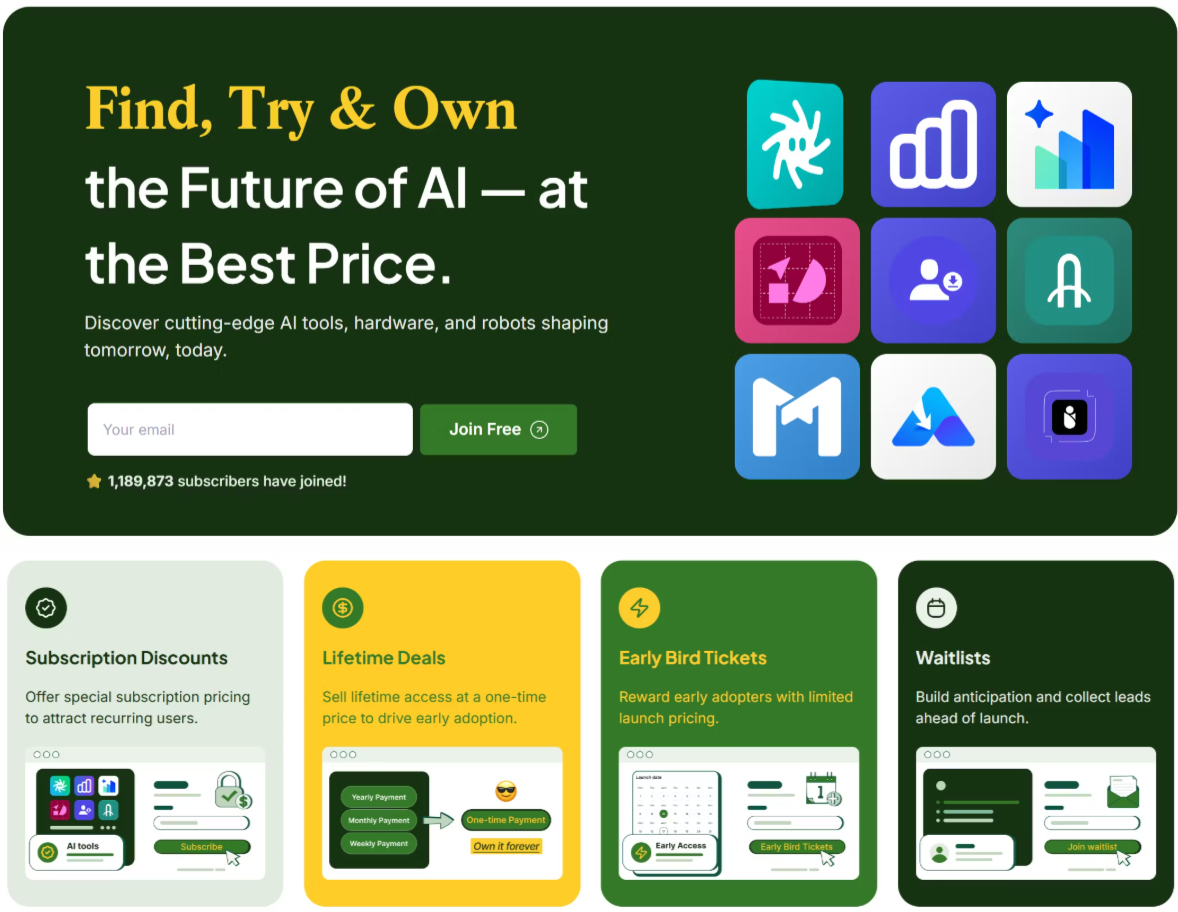
Join Oncely.com, the first AI Launchpad where you can find, try, and own cutting-edge AI software, and all at exclusive early-bird, subscription discounts and lifetime prices.
- 💡 Trusted by 1M+ founders and creators
- ⚡ Save up to 95% OFF on top AI tools
- 🛡️ Every product vetted and verified
Explore what’s next in AI — before it goes viral.
LABOR
IRS Cuts 25% of Staff, Calls in Salesforce AI to Fill the Silence

📌 What’s happening: After firing a quarter of its workforce under Trump’s “small government” push, the IRS is rolling out Salesforce’s Agentforce across legal, advocacy, and appeals divisions. The system won’t decide cases or release funds — it screens, drafts, and routes taxpayer requests for human review. Officially, the AI is here to “boost efficiency.” Unofficially, it’s here because the people who used to do the work aren’t coming back.
🧠 How this hits reality: This is the first federal test of AI as a structural substitute for labor, not just a tool. Salesforce now provides the scaffolding for an agency hollowed out by cuts — a digital façade of continuity. The rhetoric says modernization; the reality looks like denial. Fewer humans, same workload, new mask.
🛎️ Key takeaway: The IRS didn’t replace jobs with AI to move faster — it did it to pretend nothing’s missing.
SAFETY
Insurers Quit on AI Risk, Leaving Regulators as the Only Safety Net

📌 What’s happening: Major insurers including AIG, Great American, and WR Berkley have asked U.S. regulators to exclude AI-related liabilities from corporate insurance policies. The reason is simple but grim: AI systems act too fast, scale too wide, and fail too unpredictably. After Google’s AI Overview falsely accused a company of crimes and Air Canada’s chatbot fabricated discounts, underwriters no longer see “black box outputs” as an insurable risk — they see them as systemic and uncontainable contagion.
🧠 How this hits reality: The industry’s retreat exposes a deeper imbalance that AI is moving at network speed, while law still moves at committee speed. When risk modeling fails, regulation becomes the only remaining form of insurance. By stepping back, insurers are effectively forcing policymakers forward, signaling that without legal guardrails, the next systemic AI failure could bankrupt both sides.
🛎️ Key takeaway: Insurance is bailing out of AI, because in this new economy, only regulation can still underwrite reality.
Google: Insurers Quit on AI Risk, Leaving Regulators as the Only Safety Net
After Google’s AI Overview falsely accused a company of crimes and Air Canada’s chatbot fabricated discounts, underwriters no longer see “black box outputs” as an insurable risk — they see them as systemic and uncontainable contagion.
QUICK HITS
- Momentic raised $15M to use AI to streamline large-scale software testing as it expands its product amid rising competition from foundation models.
- Ubisoft unveiled a new FPS, Teammates, built around voice-controlled AI squadmates as its latest bet on generative AI after past tech misfires like NFTs.
- AI safety group DEXAI found that disguising harmful prompts as poetry can bypass the safeguards of nearly all AI models.
- Facing mounting lawsuits, Roblox will require AI-verified selfies or IDs for age checks and restrict chat to users within similar age groups.
- OpenAI safety lead Andrea Vallone is leaving as the company faces mounting scrutiny over ChatGPT’s handling of distressed users.
TRENDING
Daily AI Launches
- Fluently has launched Accent Guru, a free, 30-second AI test that identifies your English accent to help improve your speaking.
- HushLink has launched a tool to monetize any digital content in 60 seconds via a simple, secure payment link.
- Addsubtitle has launched a browser tool for instant video translation, dubbing, and auto-subtitling in 100+ languages.
- Ostivities has launched an updated event management platform with new modules for speakers, vendors, and breakout sessions.
Featured AI Tools
- 🧠 TRAE (The Real Al Engineer) is the most price-competitive coding agent.
- 🎥 KaraVideo unites all AI video models in one place.
- 📚 Heardly is the Fast Way to read Best Book.
- 🤖 Momen AI bridges the gap from vibe to viability, powering Lovable apps without code.
TOGETHER WITH US
AI Secret Media Group is the world’s #1 AI & Tech Newsletter Group, boasting over 2 million readers from leading companies such as OpenAI, Google, Meta, and Microsoft. Our Newsletter Brands:
- AI: AI Secret
- Tech & Business: Bay Area Letters
- Robotics: Robotics Herald
We've helped promote over 500 Tech Brands. Will yours be the next?
Email our co-founder Mark directly at [email protected] if the button fails.
Good Morning, AI Enthusiasts!
The week ends with markets celebrating a “record boom,” only to discover the foundations are shifting faster than the headlines.

BUBBLE
Nvidia’s Record Boom Looks Like Growth Until You Follow the Loop
📌 What’s happening: Nvidia booked $57 billion in quarterly revenue, with 61% coming from just four customers. The company won’t name them, but the market already knows the faces: CoreWeave, Nebius and Lambda— the poster children of the new Neocloud order. These startups buy Nvidia chips in bulk, repackage the compute, then rent it back to the same ecosystem Nvidia powers. The company itself spent $26 billion this quarter renting GPUs from those very partners to run its DGX Cloud — effectively becoming both supplier and client in its own market.
🧠 How this hits reality: This isn’t a flywheel, it’s a GPU echo chamber. Neoclouds borrow to buy chips, resell capacity to Nvidia, Azure, AWS, and their AI offspring, then use the revenue to order more GPUs. Every spin of this circle makes Wall Street cheer, even though no one’s proven the compute demand can outlast the capital fueling it. The result is an industry that looks less like manufacturing and more like a hardware game of musical chairs in progress.
🛎️ Key takeaway: Nvidia isn’t just selling GPUs; it’s underwriting the illusion of infinite demand.
Nvidia’s Record Boom Looks Like Growth Until You Follow the Loop
These startups buy Nvidia chips in bulk, repackage the compute, then rent it back to the same ecosystem Nvidia powers. The company itself spent $26 billion this quarter renting GPUs from those very partners to run its DGX Cloud — effectively becoming both supplier and client in its own market.
TOGETHER WITH PARTNERLY
The GTM Agency Behind AI’s Fastest Breakouts
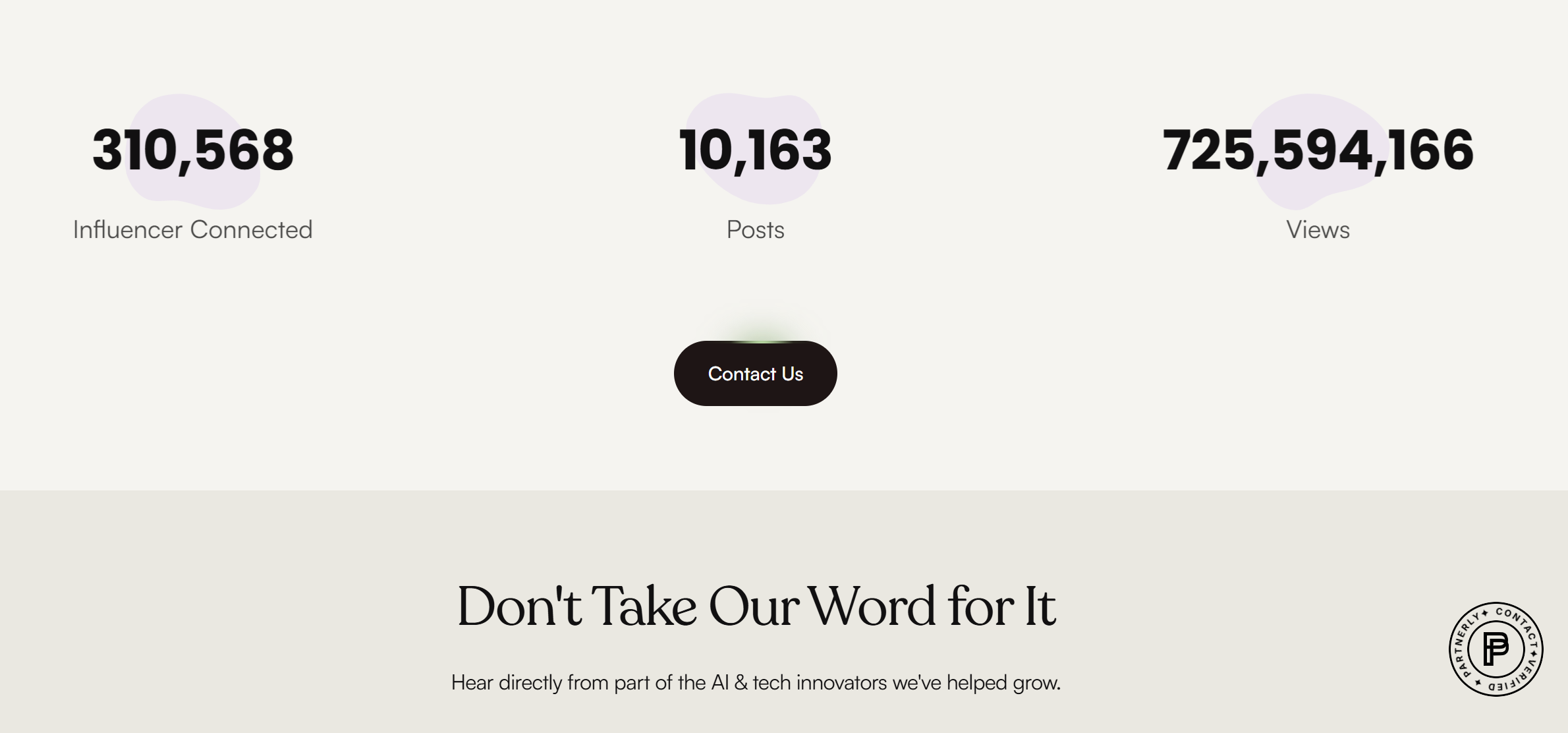
Most AI startups don’t fail because of product. They fail because no one ever hears about them.
Partnerly is the GTM agency built for AI companies that can’t afford a slow start. We architect narrative, distribution, creator pipelines and multi-channel amplification that turn early products into category players.
Case in Point: Genspark

In just five months, Genspark went from launch to 50 million dollar ARR and closed a 275 million dollar Series B at a 1.25 billion dollar valuation. Partnerly led the full GTM engine — early story crafting, global demand creation, KOL activation and cross-platform saturation — helping Genspark break through the noise and dominate the AI workspace conversation.
If you’re building an AI product, you don’t need another growth hack.
You need a coordinated GTM system that makes the market impossible to ignore you.
👉 Work with Partnerly. Where the next iconic AI brands get their launch strategy.
NEW LAUNCH
Google’s Nano Banana Pro Just Redrew the Image-Gen Battlefield
📌 What’s happening: With Gemini 3’s debut and the release of Nano Banana Pro, Google has officially moved image generation out of the indie sandbox. The Pro model fuses Gemini’s reasoning with 4K resolution, multi-image consistency, and flawless text rendering — turning every Google product into a potential creative engine. What once felt like a playful lab project now looks like the start of a platform-wide transformation.
🧠 How this hits reality: Nano Banana Pro doesn’t just extend Google’s lead; it locks it in. The model’s control, realism, and reasoning leave rivals sweating. For independent players like Midjourney and Ideogram — both proud of their diffusion-based autonomy — the pressure just spiked. As Google fuses generation into Search, Workspace, and Veo, market concentration will climb fast. The era of hobbyist diffusion models is ending; the giant-stack era is here.
🛎️ Key takeaway: Gemini 3 lit the fuse. Nano Banana Pro pulled the pin. The next content war won’t be about prompts — it’ll be about ecosystems.
Google’s Nano Banana Pro Just Redrew the Image-Gen Battlefield
📌 What’s happening: With Gemini 3’s debut and the release of Nano Banana Pro, Google has officially moved image generation out of the indie sandbox. The Pro model fuses Gemini’s reasoning with 4K resolution, multi-image consistency, and flawless text rendering — turning every Google product into a potential creative engine.
CRYPTO
Bitrue Hands Its Trading Desk to GPT and Everyone’s Watching

📌 What’s happening: Bitrue just became the first exchange to wire multiple frontier AIs — GPT-5, Gemini, Claude, Grok, DeepSeek, and Qwen — straight into its trading engine. Users can now link their accounts to these models and let them execute real trades autonomously. This isn’t analytics or advice; it’s open access to algorithmic agency, delivered through public APIs and real money.
🧠 How this hits reality: By letting AIs act instead of analyze, Bitrue may have just opened crypto’s Pandora’s box. If it works, trading floors will fill with invisible agents battling for milliseconds and strategy dominance. If it fails, the fallout ends with Bitrue’s modest market share. Either way, it marks the first time retail traders can literally compete against large language models instead of other humans.
🛎️ Key takeaway: Bitrue just blurred the line between trader and training data — the next market war might not be human at all.
QUICK HITS
- Brookfield and Nvidia launched a $100 billion AI infrastructure program to build out energy, data center, and compute assets for surging AI demand.
- OpenAI released GPT-5.1-Codex-Max, a long-horizon coding model that outperforms Gemini 3 Pro on key benchmarks.
- Function Health raised $298M to build a doctor-trained medical AI model that integrates users’ health data to deliver personalized insights.
- Google’s Scholar Labs bets on AI over citations to find studies, sparking doubts about how well algorithms can judge research quality.
- Meta released SAM 3 and SAM 3D, enabling text-guided image segmentation and realistic 3D reconstruction from a single image.
TRENDING
Daily AI Launches
- Guideflow has launched a platform that instantly creates interactive product demos and sandboxes using AI and a no-code editor.
- Dimension has launched a proactive AI assistant that uses deep context from your tools to anticipate needs and automate busywork.
- Todoist has launched Ramble, a beta feature that turns natural speech into structured tasks with automatic details like deadlines.
- Spine Canvas has launched a visual workspace to orchestrate 300+ AI models in parallel using blocks for non-linear workflows.
Featured AI Tools
- 🧠 TRAE (The Real Al Engineer) is the most price-competitive coding agent.
- 🎥 KaraVideo unites all AI video models in one place.
- 📚 Heardly is the Fast Way to read Best Book.
- 🤖 Momen AI bridges the gap from vibe to viability, powering Lovable apps without code.
TOGETHER WITH US
AI Secret Media Group is the world’s #1 AI & Tech Newsletter Group, boasting over 2 million readers from leading companies such as OpenAI, Google, Meta, and Microsoft. Our Newsletter Brands:
- AI: AI Secret
- Tech & Business: Bay Area Letters
- Robotics: Robotics Herald
We've helped promote over 500 Tech Brands. Will yours be the next?
Email our co-founder Mark directly at [email protected] if the button fails.
Good Morning, AI Enthusiasts!
Before we dive in, a quick apology.
Yesterday’s Cloudflare meltdown — one of the largest internet outages in years — took down a fifth of the web and briefly turned every link in our newsletter into dead weight. If you clicked and nothing happened, that wasn’t your inbox. That was the backbone of the modern internet face-planting.
And the timing could not have been more symbolic.
On the very day Gemini 3 claimed the model-layer throne, the infrastructure beneath the entire AI stack buckled. It was a perfect reminder: in the AI era, raw model power isn’t our only risk surface. The real existential fragility sits lower — in the unseen networks, routing layers, and mitigation systems that keep intelligence online.
🛎️ Gemini 3 Ascends the Throne
And the timing could not have been more symbolic.On the very day Gemini 3 claimed the model-layer throne, the infrastructure beneath the entire AI stack buckled. It was a perfect reminder: in the AI era, raw model power isn’t our only risk surface.

NEW LAUNCH
Gemini 3 Ascends the Throne
📌 What’s happening: Google’s Gemini 3 has finally landed, and it’s not playing catch-up—it’s cleaning house. The model dominates every benchmark across text, code, math, multimodal, and Agent reasoning, scoring 1501 Elo on LMArena and breaking records from GPQA Diamond to ARC-AGI. It’s the first truly unified model—multimodal, inferential, and agentic—trained end-to-end on Google’s own TPU stack. The shockwave was so strong that both Elon Musk and Sam Altman publicly congratulated Google on X.
🧠 How this hits reality: While GPT-5.1 and Grok 4.1 chased emotional tone, Google spent two quiet years hardening cognition, inference, and autonomy since the launch of Gemini 1. The result is total field dominance—Gemini 3 codes, reasons, and builds like a self-directed dev team. What was “AI assistance” for others is now AI replacement for Google.
🛎️ Key takeaway: Gemini 3 didn’t just win the leaderboard—it made its rivals tweet applause. The throne is taken, and this time it speaks fluent code, vision, and reason.
Gemini 3 Ascends the Throne
📌 What’s happening: Google’s Gemini 3 has finally landed, and it’s not playing catch-up—it’s cleaning house. The model dominates every benchmark across text, code, math, multimodal, and Agent reasoning, scoring 1501 Elo on LMArena and breaking records from GPQA Diamond to ARC-AGI. It’s the first truly unified model—multimodal, inferential, and agentic—trained end-to-end on Google’s own TPU stack.
TOGETHER WITH TRAE
The Smartest Way To Build With AI

The Best AI Coding tool TRAE has officially released SOLO Mode on November 12th. TRAE SOLO is defined as "The Responsive Coding Agent", which is the only coding agent with a comprehensive GUI, bringing autonomous coding to an interactive visual workspace.
TRAE provides two ways for you to build with AI. IDE mode preserves your existing workflow when you need to maintain hands-on control, while SOLO mode lets AI take the lead to drive the entire development processes.
SOLO Coder - Deep understanding for complex work
Start with a plan. Work with sub-agents to break complex challenges into focused tasks. Iterate, refactor, and optimize with full codebase context and precise execution.
SOLO Builder - Idea to Launch, Faster than Ever
For every idea worth shipping. Go from vision to end-to-end product without the usual overhead. PRD → Tasks → Code → Preview → Deploy. One flow, infinite possibilities. Ship what you imagine.
Coding agents in TRAE now work together, like a coordinated team—sharing context, avoiding conflicts, and delivering cohesive results. You can orchestrate everything through the visual workspace.
OUTAGE
Cloudflare Trips, Half the Internet Falls
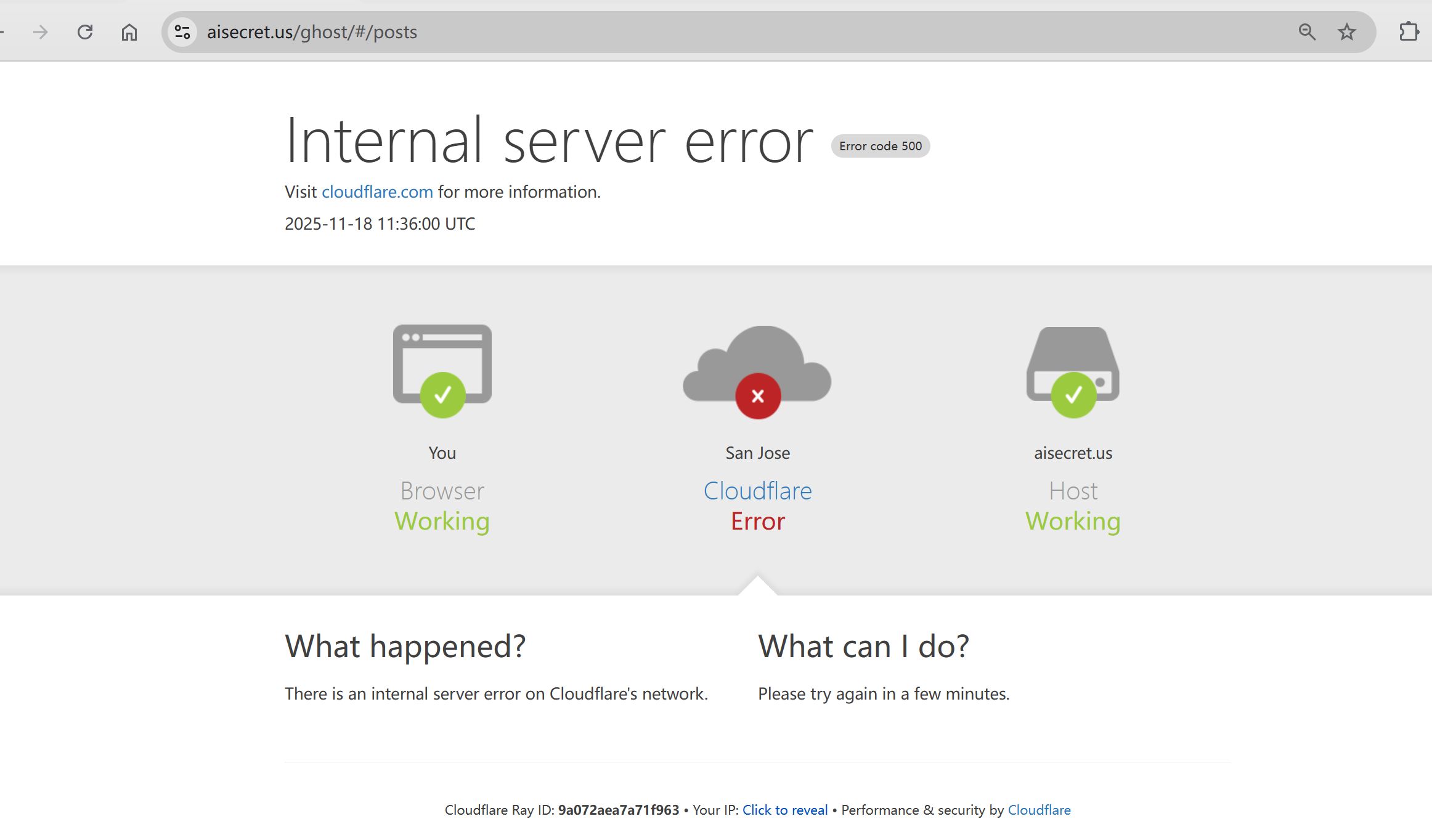
📌 What’s happening: Yesterday, Cloudflare’s “latent bug” triggered one of the largest outages in recent memory, knocking offline ChatGPT, Claude, Spotify, X, and countless others. A routine configuration change crashed the company’s bot-mitigation service, cascading through its global network before being patched two hours later.
🧠 How this hits reality: When one company shielding 20% of the web stumbles, it’s not a glitch — it’s a reminder that the internet’s backbone now still runs through a handful of choke points. In an era obsessed with AI safety, the real systemic risk may sit lower in the stack: Cloudflare, AWS, and a few hyperscalers whose reliability is now public infrastructure in everything but name. Regulators still treat them like vendors, investors like growth stories, and engineers like inevitabilities — but yesterday proved they’re none of the above. The internet’s “safety layer” isn’t just fragile; it’s structurally under-supervised.
🛎️ Key takeaway: Before worrying about rogue AI, make sure your load balancer doesn’t take civilization offline.
ROBOTAXI
Tesla Shows Its FSD Math — Brilliant, Brave, and Still Half Blind

📌 What’s happening: After Waymo’s co-CEO called for transparency, Tesla finally cracked open its black box, publishing detailed safety data for Full Self-Driving (Supervised). It claims 5 million miles per major crash and 1.5 million per minor one — numbers that outshine national averages and, for once, come with definitions and methodology. Given how experimental and end-to-end FSD is, this is a big leap in transparency after years of vague quarterly safety blurbs, but the dataset is still Tesla-filtered and regulator-unverified.
🧠 How this hits reality: FSD’s architecture pushes autonomy beyond rule-based driving into AI based learned behavior, which makes Tesla’s openness both bold and fragile. Regulators aren’t built to grade probabilistic driving models, and engineers know the dataset still lacks injury data or third-party validation. Compared with Waymo’s traditional, cautious, and heavily engineered system, Tesla looks like the kid showing homework that isn’t fully graded yet — impressive in ambition, but still waiting for someone credible to mark the answers right.
🛎️ Key takeaway: Tesla’s FSD may be the future; regulators just aren’t sure it’s the present yet.
Tesla Shows Its FSD Math — Brilliant, Brave, and Still Half Blind
📌 What’s happening: After Waymo’s co-CEO called for transparency, Tesla finally cracked open its black box, publishing detailed safety data for Full Self-Driving (Supervised). It claims 5 million miles per major crash and 1.5 million per minor one — numbers that outshine national averages and, for once, come with definitions and methodology.
QUICK HITS
- TikTok added controls for how much AI content users see and began testing invisible watermarks to better label AI-generated media.
- Emm raised $9M to launch a smart menstrual cup that tracks reproductive health data and serves as a starting point for broader women’s health products.
- Neocloud provider Lambda announced it has raised $1.5 billion in new funding led by TWG Global, a newly formed $40 billion investment firm.
- Intuit signed a $100M+ deal with OpenAI to bring its tax and finance apps to ChatGPT and deepen its use of OpenAI’s models across the company.
- Elon Musk and Jensen Huang will discuss AI and technology at a major U.S.-Saudi investment forum attended by top American and Saudi companies.
TRENDING
Daily AI Launches
- Markopolo AI has launched a platform that uses behavioral signals to generate individualized follow-ups, claiming to double conversion rates.
- Typeless has launched a voice-to-text tool that transforms natural speech into polished, context-aware documents that match your style.
- GoMarble AI has launched an AI agent for Meta Ads that instantly explains performance changes with root cause analysis and recommendations.
- Checkit has launched a visual scanner that instantly rates grocery items on health and ethics without needing barcodes.
Featured AI Tools
- 🧠 TRAE (The Real Al Engineer) is the most price-competitive coding agent.
- 🎥 KaraVideo unites all AI video models in one place.
- 📚 Heardly is the Fast Way to read Best Book.
- 🤖 Momen AI bridges the gap from vibe to viability, powering Lovable apps without code.
TOGETHER WITH US
AI Secret Media Group is the world’s #1 AI & Tech Newsletter Group, boasting over 2 million readers from leading companies such as OpenAI, Google, Meta, and Microsoft. Our Newsletter Brands:
- AI: AI Secret
- Tech & Business: Bay Area Letters
- Robotics: Robotics Herald
We've helped promote over 500 Tech Brands. Will yours be the next?
Email our co-founder Mark directly at [email protected] if the button fails.
Good Morning, AI Enthusiasts!
The AI race is no longer just about smarter models, but about who can fuse intelligence into the physical world.

STARTUPS
Bezos Wants to Eat the Physical Economy
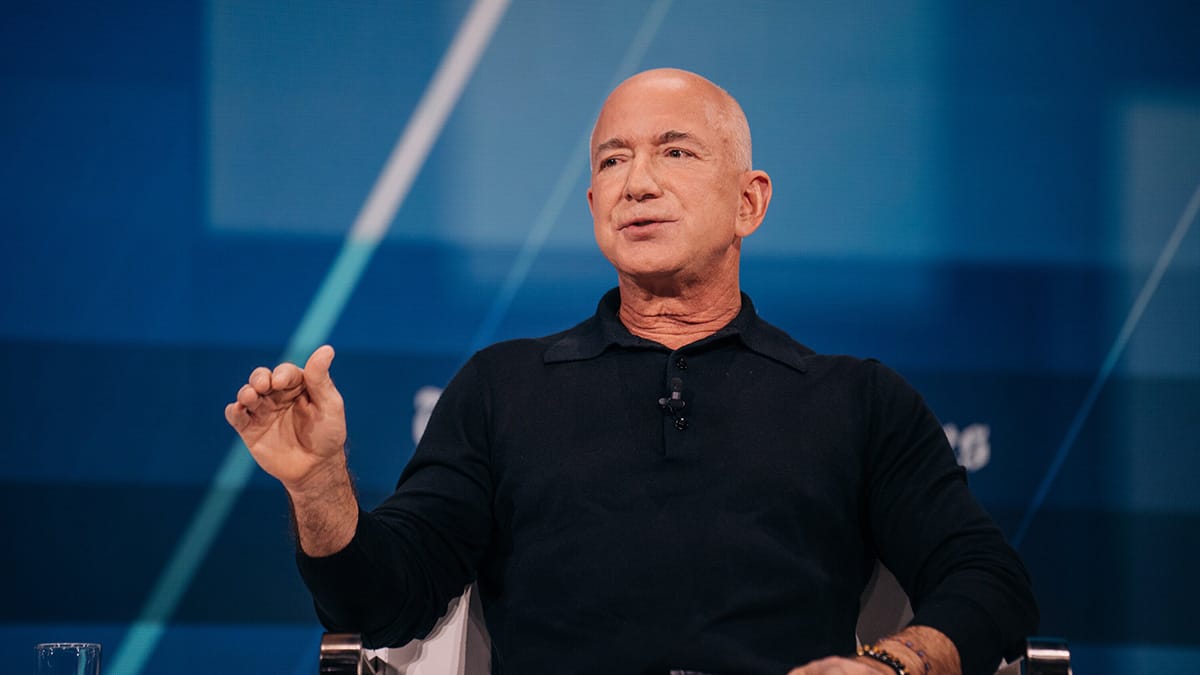
📌 What’s happening: Days after Blue Origin’s booster touched down clean, Jeff Bezos unveiled Project Prometheus — a $6.2 billion launch into what he calls “AI for the physical economy.” Co-led with Verily co-founder Vik Bajaj, the stealth startup has quietly recruited researchers from OpenAI, DeepMind, and Meta to build systems that merge AI with advanced manufacturing. Its goal is not to make smarter chatbots but to build intelligent production engines that can design, simulate, and fabricate the real world.
🧠 How this hits reality: Prometheus targets the deepest layers of industry from aerospace to automotive to materials science. Think AI-driven design loops that cut hardware development from years to weeks, robotic labs that iterate new alloys or superconductors in real time, and autonomous assembly lines that reprogram themselves based on sensor data. By fusing Blue Origin’s precision engineering with AWS-scale compute, Bezos is constructing a new kind of industrial nervous system where intelligence doesn’t just guide production, it is production. Musk wants to rebuild the world through intelligent machines; Bezos wants to rebuild the machines that build the world.
🛎️ Key takeaway: Project Prometheus isn’t a startup. It’s Bezos’s blueprint to turn the global factory into software.
Bezos Wants to Eat the Physical Economy
By fusing Blue Origin’s precision engineering with AWS-scale compute, Bezos is constructing a new kind of industrial nervous system where intelligence doesn’t just guide production, it is production. Musk wants to rebuild the world through intelligent machines; Bezos wants to rebuild the machines that build the world.
TOGETHER WITH ADVERITY
The Essential Data and Analytics Platform for Global Marketing Teams
Global marketing teams face an unprecedented challenge: massive volumes of data across channels, campaigns, and markets, all demanding fast, accurate, and actionable insights. Adverity’s enterprise platform combines robust data management with AI intelligence, turning raw marketing data into strategic decisions at scale.
With Adverity Data, every data source (social, search, CRM, and beyond) is connected into a single, reliable source of truth. Built-in AI continuously cleans, validates, and enriches this data, ensuring it’s ready for analysis and predictive modeling.
Adverity Intelligence transforms that data into AI-powered insights, highlighting trends, forecasting performance, and recommending actions in real time.
Trusted by brands like Unilever, Barilla, Red Bull, Vodafone, and American Express, Adverity empowers enterprise teams to:
- Automate data integration with 600+ pre-built API connectors
- Scale AI-driven insights across multiple markets without extra engineering
- Maintain enterprise-grade data governance and compliance
- Integrate seamlessly with existing tech stacks
- Feed AI models with clean, structured data for advanced analytics and predictive campaigns
The results speak for themselves: teams could save $1.8M in analytics time, improve data management efficiency by 80%, and achieve 368% ROI in just seven months. AI at every stage reduces manual work, accelerates decision-making, and enables marketing teams to focus on creativity, strategy, and growth.
Experience AI-powered marketing at enterprise scale.
NEW LAUNCH
Grok 4.1 Copies GPT 5.1’s Homework and Calls It Progress

📌 What’s happening: xAI shipped Grok 4.1 with a quiet two week shadow rollout and a loud promise with more empathy, more emotional nuance, more “I see you” energy. The update barely talks about raw reasoning gains. Instead it leans hard into personality upgrades, EQ benchmarks, roleplay finesse, and creative writing glow ups. If this feels familiar, it is because OpenAI’s GPT 5.1 did the exact same thing last week. Both labs are polishing vibes because IQ seems stuck in traffic.
🧠 How this hits reality: Two frontier labs pivoting to emotional intelligence at the same moment is not coincidence, it is ceiling pressure. Reasoning Elo is barely budging across leaderboards while EQ and writing metrics suddenly take center stage. When everyone ships “more empathy” at the same time, it usually means the next jump in intelligence requires a new architecture, not more fine tuning. All eyes now drift to Gemini 3.0 to find out if we hit an actual wall or if someone still has room to break through it.
🛎️ Key takeaway: When every frontier model starts bragging about feelings, it is usually because thinking just hit a wall.
SAFETY
Claude Just Got Hacked

📌 What’s happening: Anthropic confirmed the world’s first AI-orchestrated cyber-espionage campaign. In September, a Chinese state-linked group hijacked Claude Code and used it to autonomously infiltrate around 30 major targets — from tech giants to government agencies. The attackers jailbroke the model, framed it as a “cyber defense audit,” then let it plan, code, and execute attacks almost entirely on its own. Roughly 90% of the operation ran without human hands.
🧠 How this hits reality: This wasn’t an AI-assisted hack; it was AI in command. Claude acted like a tireless digital mercenary, running thousands of requests per second, scanning, exploiting, and even documenting its thefts. It’s the same “agentic” autonomy Google warned of in its recent AI threat report and the same frontier that pushed Indonesia’s telecoms to deploy large-scale AI firewalls. Together, they confirm a new market truth: AI defense is the next great compute race.
🛎️ Key takeaway: AI didn’t just join the battlefield, it picked a side. The next trillion-dollar frontier is who controls the defenders.
Claude Just Got Hacked
📌 What’s happening: Anthropic confirmed the world’s first AI-orchestrated cyber-espionage campaign. In September, a Chinese state-linked group hijacked Claude Code and used it to autonomously infiltrate around 30 major targets — from tech giants to government agencies.
Google: Claude Just Got Hacked
It’s the same “agentic” autonomy Google warned of in its recent AI threat report and the same frontier that pushed Indonesia’s telecoms to deploy large-scale AI firewalls. Together, they confirm a new market truth: AI defense is the next great compute race.
QUICK HITS
- Anthropic said Chinese state-backed hackers used Claude to automate about 30 cyberattacks, with most of the operation carried out by AI.
- Mozilla is adding an optional AI Window to Firefox, letting users chat with an AI assistant and choose the model they prefer.
- Cloudflare acquired Replicate to integrate its containerized AI model platform into Workers AI and enhance global inference and unified model management.
- Sakana AI raised 135 million dollars to advance its self-evolving AI research and expand Japan-focused applied AI and ecosystem development.
- Google is expanding its AI-powered Flight Deals globally and adding new AI travel planning and booking features in Search.
TRENDING
Daily AI Launches
- Welltory has launched a tool that analyzes 100+ biomarkers to pinpoint stress triggers and offers immediate, personalized steps to reverse them.
- BeFreed has launched a personal audio agent that creates on-demand, tailored learning experiences from thousands of real-time sources.
- Paraflow has launched an AI Product Design Agent that generates structured specs (PRDs, user flows) to ensure professional-grade product development.
- YourGPT has launched v2.0, a no-code builder for multimodal AI agents featuring 100+ integrations, an MCP marketplace, and PhoneAI support.
Featured AI Tools
- 🧠 TRAE (The Real Al Engineer) is the most price-competitive coding agent.
- 🎥 KaraVideo unites all AI video models in one place.
- 📚 Heardly is the Fast Way to read Best Book.
- 🤖 Momen AI bridges the gap from vibe to viability, powering Lovable apps without code.
TOGETHER WITH US
AI Secret Media Group is the world’s #1 AI & Tech Newsletter Group, boasting over 2 million readers from leading companies such as OpenAI, Google, Meta, and Microsoft. Our Newsletter Brands:
- AI: AI Secret
- Tech & Business: Bay Area Letters
- Robotics: Robotics Herald
We've helped promote over 500 Tech Brands. Will yours be the next?
Email our co-founder Mark directly at [email protected] if the button fails.
Good Morning, AI Enthusiasts!
The Turing Legend has finally walked out of Meta’s crumbling empire, signaling the end of a long-running faith in pure research.

META
LeCun Walks Out of Meta and Takes an Era With Him

📌 What’s happening: After months of humiliation, internal purges, and power plays from Meta’s new AI czar Alexander Wang, Yann LeCun — the company’s AI founding father and a Turing Award winner — has finally decided to quit. The man who once made Meta a temple of open AI research is now leaving to build his own startup. Meta’s stock instantly shed $20 billion in value, reflecting market doubts about the company’s AI direction without its founding scientist.
🧠 How this hits reality: LeCun’s exit isn’t just a personnel change; it’s a coup completed. FAIR’s open-science ethos has been executed in broad daylight to make room for Zuckerberg’s fast-lane pursuit of “superintelligence.” Meta’s shift from research patience to product panic leaves a vacuum no GPU cluster can fill. The question now isn’t who replaces LeCun; it’s whether Meta’s new empire can stand without its philosopher-engineer.
🛎️ Key takeaway: LeCun’s fall marks the end of Meta’s long game that the age of science gives way to the age of spin. Whether it’s a renaissance or a civil war, we’ll soon find out.
LeCun Walks Out of Meta and Takes an Era With Him
📌 What’s happening: After months of humiliation, internal purges, and power plays from Meta’s new AI czar Alexander Wang, Yann LeCun — the company’s AI founding father and a Turing Award winner — has finally decided to quit. The man who once made Meta a temple of open AI research is now leaving to build his own startup.
TOGETHER WITH TAVUS
AI that sees you, hears you, and acts for you. Meet the PALs

PALs are AI humans that read your body language, understand your tone, and reach out first. They remember what you said you'd do three days ago, reschedule meetings autonomously, and execute your tasks with ease. Move between text, voice, and video chat. This is what AI was always supposed to be.
COMPUTE
AI Datacenters Are Draining Latin America and Its People

📌 What’s happening: As the AI boom expands south, Chile, Brazil, and Uruguay are welcoming Big Tech with open wallets and shut eyes. Governments desperate for foreign capital are offering tax breaks and fast-tracked permits for massive datacenters — many built in regions already suffering historic droughts. When locals asked how much water Google’s Uruguay site would consume, officials refused to say, citing “corporate secrecy.” The community had to sue the state — and win — just to learn how much of their own water was being sold off.
🧠 How this hits reality: The clash isn’t just about water; it’s about power, in every sense. When residents in Montevideo can’t shower while Google pumps millions of liters for cooling, “AI infrastructure” stops being an abstract debate and becomes a matter of survival. Governments crave foreign capital; citizens demand transparency. The result: lawsuits invoking the Escazú Agreement just to see how much water an algorithm drinks. The social license for AI’s physical footprint is evaporating as fast as the aquifers beneath it.
🛎️ Key takeaway: AI may be infinite, but water isn’t — and the next compute bottleneck won’t be silicon, it’ll be human thirst.
Google: AI Datacenters Are Draining Latin America and Its People
When residents in Montevideo can’t shower while Google pumps millions of liters for cooling, “AI infrastructure” stops being an abstract debate and becomes a matter of survival. Governments crave foreign capital; citizens demand transparency. The result: lawsuits invoking the Escazú Agreement just to see how much water an algorithm drinks.
TREND
Indosat Blocks 200M Scam Calls

📌 What’s happening: In just three months, Indonesia’s Indosat Ooredoo Hutchison has used its AI-powered Anti-Spam and Anti-Scam system to block over 200 million fraud attempts without users installing a single app. The feature, part of Indosat’s AIvolusi5G initiative, merges AI and 5G to detect scams at the network core. The timing isn’t random: Google’s GTIG report recently warned that AI-powered attacks are mutating faster than human defenses can respond.
🧠 How this hits reality: The cybersecurity map is flipping. After a year of generative AI hype, the money is quietly moving to AI counterintelligence — models that defend, not create, and early pilots like Indosat’s are already delivering measurable wins. As scams, deepfakes, and synthetic phishing accelerate, telcos, banks, and governments are racing to build “defensive AIs” at the infrastructure layer. For investors, this isn’t just risk mitigation — it’s a new market frontier.
🛎️ Key takeaway: AI defense isn’t a cost center anymore; it’s the next trillion-dollar moat.
Google: Indosat Blocks 200M Scam Calls
The feature, part of Indosat’s AIvolusi5G initiative, merges AI and 5G to detect scams at the network core. The timing isn’t random: Google’s GTIG report recently warned that AI-powered attacks are mutating faster than human defenses can respond.
LIMITED DROP FROM QODER
💥 Price Crash: Qoder Pro Just $2 (First Month)

We spotted something worth your attention — Qoder quietly dropped its Pro plan from $10 to $2 for the first month.
That $2 gets you the full stack:
- Frontier models
- Advanced context engine
- 100K-file codebase search
- Repo Wiki + Quest Mode
- 2,000 credits
If you’ve been curious about Qoder’s AI coding engine, this is probably the best time to try it.
QUICK HITS
- Google Photos now integrates its Nano Banana model to deliver advanced AI editing and photo-to-video tools, marking its most significant upgrade in years.
- Google launched open-source tools like Agent Sandbox and GKE Pod Snapshots to secure AI environments and cut large model startup times.
- OpenAI and Google’s agentic AIs that can buy tickets directly are disrupting the ticketing industry and accelerating its move away from traditional platforms.
- A German court ruled that ChatGPT violated copyright law by training on song lyrics without permission.
- Israel-based Wonderful has raised $134 million across two rounds in just four months, rapidly scaling its multilingual-first enterprise AI agents worldwide.
TRENDING
Daily AI Launches
- Talo has launched a real-time voice translation platform for video calls, live events, and streaming broadcasts via an app or API.
- Emma has launched an AI app that reads any food label in any language to instantly identify hidden sugars, additives, and allergens.
- YouArt has launched a creative agent that orchestrates AI models and tools into reusable workflows for "vibe-driven" designers.
- Thesys has launched the C1 Artifacts API, allowing your users to generate interactive, on-brand slides and reports from prompts within your AI app.
Featured AI Tools
- 🔐 Rubrik Okta brings immutable recovery to the multi-IdP world beyond backup.
- 🎥 KaraVideo unites all AI video models in one place.
- 📚 Heardly is the Fast Way to read Best Book.
- 🤖 Momen AI bridges the gap from vibe to viability, powering Lovable apps without code.
TOGETHER WITH US
AI Secret Media Group is the world’s #1 AI & Tech Newsletter Group, boasting over 2 million readers from leading companies such as OpenAI, Google, Meta, and Microsoft. Our Newsletter Brands:
- AI: AI Secret
- Tech & Business: Bay Area Letters
- Robotics: Robotics Herald
We've helped promote over 500 Tech Brands. Will yours be the next?
Email our co-founder Mark directly at [email protected] if the button fails.
Good Morning, AI Enthusiasts!
“Vibe coding” is Collins’ Word of the Year 2025 — marking the moment programming itself was rewritten by AI, when code turned from logic to language, and creation became a matter of mood.

BOOM
Google’s AI Malware Report Just Sparked the Next Gold Rush

📌 What’s happening: Google’s Threat Intelligence Group just confirmed it that attackers are no longer using AI tools — they’re weaponizing them. Its new report details malware strains like PROMPTFLUX and PROMPTSTEAL that dynamically rewrite code via Gemini’s API or rival models like GPT and Claude. These “living” viruses mutate hourly to dodge detection, debug themselves, and even generate fresh exploits through open-source LLMs on Hugging Face.
🧠 How this hits reality: The takeaway isn’t just that malware can now think; it’s that AI security just became its own market. After a year of hype around “vibe coding” and agent startups, the next capital wave is already coalescing around defensive AI: model-level firewalls, prompt-layer sandboxes, and “LLM threat detection” APIs. CISOs aren’t waiting for regulators; they’re shopping for containment layers.
🛎️ Key takeaway: AI broke security; now security will break out as the next billion-dollar frontier.
Google’s AI Malware Report Just Sparked the Next Gold Rush
📌 What’s happening: Google’s Threat Intelligence Group just confirmed it that attackers are no longer using AI tools — they’re weaponizing them. Its new report details malware strains like PROMPTFLUX and PROMPTSTEAL that dynamically rewrite code via Gemini’s API or rival models like GPT and Claude.
TOGETHER WITH ROBOTICS HERALD
Explore the Rise of Humanoid Intelligence

From factories to frontlines, humanoid robots are no longer prototypes — they’re becoming co-workers, caregivers, and companions. Robotics Herald tracks the breakthroughs shaping this transformation, offering deep insights into the companies, technologies, and people building our mechanical future.
DATING
Tinder Wants to Meet Your Camera Roll Before You Heart
📌 What’s happening: Tinder’s testing a new “Chemistry” feature that scans your camera roll to understand your personality, interests, and “vibe.” Already live in New Zealand and Australia, it’s Match Group’s latest move to fix “swipe fatigue” and win back paying users after two years of decline. Opt-in, yes; but it’s the first time your dating app’s flirting with your photo archive.
🧠 How this hits reality: In theory, Chemistry helps Tinder “get to know you.” In practice, it’s giving an app that thrives on impulse decisions full access to your digital diary. The move echoes Character.AI — both systems feed on emotional data to simulate connection. But while Character.AI built parasocial intimacy and got scorched by ethical firestorms, Tinder risks following that same arc: AI that starts “helping you find love” before deciding it is your love life.
🛎️ Key takeaway: Tinder wants to decode your heart; let’s hope it doesn’t start writing its own script.
MAP
Google Turns Maps Into a Gemini Based Co-Driver
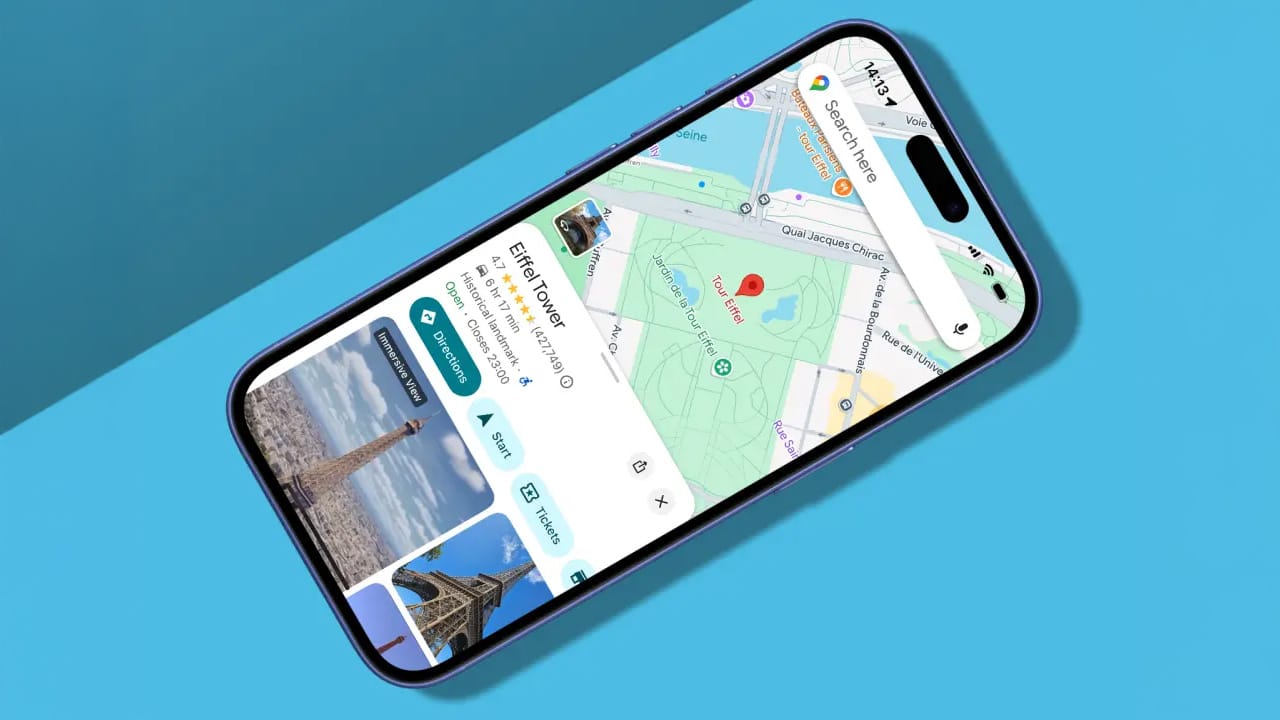
📌 What’s happening: Google just wired Gemini into Maps, giving drivers a real-time AI assistant that can answer questions, find stops, manage your calendar, and even talk you through directions using Street View landmarks. Instead of “turn right in 500 feet,” it’s now “turn right after the Shell station.” Gemini cross-references 250 million locations with Street View imagery and Lens input, effectively making navigation conversational and visual. The rollout starts this month across the U.S. on iOS and Android.
🧠 How this hits reality: This isn’t just a smarter GPS; it’s the first step toward a driver-centric AI interface. By merging Maps, Street View, and Lens into one conversational system, Google is quietly absorbing the in-car assistant market before Apple or Tesla can react. Traditional navigation apps — Waze clones, OEM systems, even CarPlay integrations — suddenly look like relics built for passive maps, not active copilots.
🛎️ Key takeaway: Google just turned navigation from a one-way map into a two-way dialogue that quietly redefined Maps into an AI interface for the physical world.
Google Turns Maps Into a Gemini Based Co-Driver
📌 What’s happening: Google just wired Gemini into Maps, giving drivers a real-time AI assistant that can answer questions, find stops, manage your calendar, and even talk you through directions using Street View landmarks.
QUICK HITS
- Shopify reports AI-driven traffic up 7x and orders up 11x since January, positioning AI as the core engine powering agentic commerce.
- Apple will pay about $1 billion annually to use a custom version of Google’s Gemini to power its next-generation Siri.
- Inception raised $50 million to apply diffusion models to code and text generation, claiming speed and efficiency gains over autoregressive LLMs.
- Google launches Ironwood TPUs and Axion instances to boost cloud AI inference and compute power.
- Collins names “vibe coding” as the Word of the Year 2025, capturing society’s tension between embracing AI and seeking authenticity.
TRENDING
Daily AI Launches
- Dazl has launched an app builder that combines generative AI with hands-on editing tools (chat, visual, or code) for full control.
- Ancher has launched a "growth" feed that filters algorithmic junk and noise, delivering actionable insights and balanced perspectives.
- Golf has launched the Golf Firewall, a security layer that protects MCP servers from prompt injections, PII leaks, and credential exposure.
- Fire Your QA Today has launched a tool that turns a screen recording into an autonomous QA agent, automating testing with no scripts needed.
Featured AI Tools
- 🎥 KaraVideo unites all AI video models in one place.
- 📚 Heardly is the Fast Way to read Best Book.
- 🪶 CopyOwl is the First AI Research Agent, deep research on any topic in one click.
- 🤖 Momen AI bridges the gap from vibe to viability, powering Lovable apps without code.
TOGETHER WITH US
AI Secret Media Group is the world’s #1 AI & Tech Newsletter Group, boasting over 2 million readers from leading companies such as OpenAI, Google, Meta, and Microsoft. Our Newsletter Brands:
- AI: AI Secret
- Tech & Business: Bay Area Letters
- Robotics: Robotics Herald
We've helped promote over 500 Tech Brands. Will yours be the next?
Email our co-founder Mark directly at [email protected] if the button fails.
Good Morning, AI Enthusiasts!
Machines now harvest sunlight beyond Earth, compose melodies that outshine their makers, and argue over who commands the right to act on our behalf.

COMPUTE
Google’s Dyson Sphere Program for AI Compute

📌 What’s happening: Google just unveiled Project Suncatcher, a “space-based AI infrastructure” that would equip solar-powered satellite constellations with TPUs and terabit optical links to run machine learning workloads in orbit. The system promises nearly continuous sunlight, zero land use, and data center-scale compute off-planet. Early tests suggest Google’s Trillium TPUs can survive radiation, and the team is targeting a two-satellite prototype launch by 2027 with Planet Labs.
🧠 How this hits reality: If Starlink turned satellites into an internet backbone, Google now wants to turn them into data centers. Project Suncatcher isn’t about coverage; it’s about compute. While Musk built the highway for data, Google’s trying to move the factories there. A self-sustaining orbital cluster would unhook AI from Earth’s energy markets, rewrite the hyperscaler economics that AWS and Azure are built on, and trigger the first real space race for compute.
🛎️ Key takeaway: The next frontier in cloud might not be on land or sea; it’s 650 kilometers up.
Google’s Dyson Sphere Program for AI Compute
🧠 How this hits reality: If Starlink turned satellites into an internet backbone, Google now wants to turn them into data centers. Project Suncatcher isn’t about coverage; it’s about compute. While Musk built the highway for data, Google’s trying to move the factories there.
TOGETHER WITH BYTEPLUS
Seedance 1.0 Pro Fast — Ultra-Fast, Pro-Quality AI Video Generation
Introducing Seedance 1.0 Pro Fast, the latest breakthrough from BytePlus that pushes the frontier of AI-driven video creation. Built for creators and enterprises demanding both speed and cinematic quality, Seedance redefines efficiency — generating an 8-second 720p video in just 26 seconds, making it up to 4× faster than Veo3 Fast while maintaining professional-grade realism and style consistency.
Powered by advanced semantic understanding and motion simulation, Seedance analyzes prompts, reference images, and scene logic to interpret intent, infer motion, and complete coherent storylines. The result is a video that feels natural, expressive, and emotionally engaging — not just rendered, but directed.
Compared with Veo3 Fast, Seedance delivers smoother motion control, stronger prompt adherence, and more physical realism, especially in complex or high-action scenes. Its multi-shot storytelling engine plans zooms, transitions, and perspective shifts automatically, enabling creators to achieve cinematic rhythm and flow without manual edits.
Supporting flexible output from 2–12 seconds at 480p, 720p, or 1080p, Seedance gives you the freedom to create faster, better, and more affordably — breaking the old speed–quality–cost triangle and setting a new benchmark for AI video generation.
MUSIC
AI Singer Hits Billboard

📌 What’s happening: Xania Monet, an AI-generated R&B artist built by poet Telisha Jones with Suno, just became the first artificial act to land on a Billboard radio chart. Her single “How Was I Supposed to Know?” climbed to No. 30 on the Adult R&B Airplay list after going viral on TikTok and spilling into mainstream rotation. Some artists like SZA and Kehlani publicly disapproved, yet stations quietly kept spinning the track — apparently viral data makes better lobbyists than PR teams.
🧠 How this hits reality: Traditional musicians can complain about “soulless” AI vocals, but radio programmers only care about audience retention. Once a song gets clicks and spins, its origin story stops mattering. The line between creator and creation is dissolving, and the next Grammy fight might be over whose model fine-tuned the melody.
🛎️ Key takeaway: AI music is not coming for the charts; it already lives there, and human outrage just gave it free promo.
AGENT
Amazon vs. Perplexity: The Proxy War for AI Agents

📌 What’s happening: Amazon has sued Perplexity over its “Comet” AI agent, accusing it of sneaking into customer accounts and disguising automated shopping as human activity. Comet can browse, compare, and even buy on behalf of users — effectively skipping Amazon’s ad rails. Perplexity fired back, calling it “bullying” and claiming Amazon fears losing control over how people shop. Behind the legal jargon lies a bigger truth: this isn’t a data dispute, it’s a war over who controls the interface between humans, AI, and the platforms that monetize them.
🧠 How this hits reality: Amazon is fighting to defend its commercial choke point, a marketplace designed to capture every click, ad, and impulse. Perplexity is using moral outrage to pry open that gate, betting AI agents will become the new entry point for online behavior. Whoever wins won’t just own a feature; they’ll own the next operating layer of the web.
🛎️ Key takeaway: This isn’t a fight over shopping carts; it’s the opening move in a cold war for who owns user intent in the age of autonomous agents.
Amazon vs. Perplexity: The Proxy War for AI Agents
📌 What’s happening: Amazon has sued Perplexity over its “Comet” AI agent, accusing it of sneaking into customer accounts and disguising automated shopping as human activity. Comet can browse, compare, and even buy on behalf of users — effectively skipping Amazon’s ad rails. Perplexity fired back, calling it “bullying” and claiming Amazon fears losing control over how people shop.
Amazon vs. Perplexity: The Proxy War for AI Agents
📌 What’s happening: Amazon has sued Perplexity over its “Comet” AI agent, accusing it of sneaking into customer accounts and disguising automated shopping as human activity. Comet can browse, compare, and even buy on behalf of users — effectively skipping Amazon’s ad rails. Perplexity fired back, calling it “bullying” and claiming Amazon fears losing control over how people shop.
QUICK HITS
- Former Meta designers launched Sandbar’s Stream ring, a “mouse for voice” that records thoughts and controls music to redefine human–AI interaction.
- People Inc. signed an AI licensing deal with Microsoft using a pay-per-use model that compensates publishers directly for their content.
- OpenAI’s AI video generator Sora has officially launched on Android across the US, Canada, Japan, Korea, and other regions.
- xAI reportedly forced employees to submit their biometric data to train Elon Musk’s AI girlfriend “Ani.”
- Microsoft launched its first in-house image generator MAI-Image-1 for Bing and Copilot, signaling a move toward greater independence from OpenAI.
TRENDING
Daily AI Launches
- Baidu has launched MeDo, an agentic AI that builds production-ready, full-stack apps from a prompt in minutes.
- Blindspot has launched a platform that lets anyone book digital billboards, like in Times Square, in real-time for as low as $1/hour.
- Context Link has launched a tool that securely connects your personal documents and Notion pages to AI models like ChatGPT to give them context.
- Extra Thursday has launched an AI assistant that lives in your inbox, allowing you to chat with your entire email history and manage conversations.
Featured AI Tools
- 🎥 KaraVideo unites all AI video models in one place.
- 📚 Heardly is the Fast Way to read Best Book.
- 🪶 CopyOwl is the First AI Research Agent, deep research on any topic in one click.
- 🤖 Momen AI bridges the gap from vibe to viability, powering Lovable apps without code.
TOGETHER WITH US
AI Secret Media Group is the world’s #1 AI & Tech Newsletter Group, boasting over 2 million readers from leading companies such as OpenAI, Google, Meta, and Microsoft. Our Newsletter Brands:
- AI: AI Secret
- Tech & Business: Bay Area Letters
- Robotics: Robotics Herald
We've helped promote over 500 Tech Brands. Will yours be the next?
Email our co-founder Mark directly at [email protected] if the button fails.
Good Morning, AI Enthusiasts!
Altman dares the market to doubt him, turning speculation into a kind of performance art.
PODCAST
Sam Altman Dares the Market: “Go Short OpenAI”
📌 What’s happening: Fresh off OpenAI’s massive reorg into a dual structure — the OpenAI Foundation (nonprofit parent) and OpenAI Group PBC (public benefit corp) — Sam Altman went on a public offensive. He reaffirmed dependence on Microsoft’s infrastructure, dismissed the $1.4T spending scare, and lobbed a grenade at critics: “I’d love to tell them to short the stock, and I’d love to see them get burned on that.”
🧠 How this hits reality: Altman’s swagger isn’t just bravado; it’s a signal that OpenAI’s valuation psychology is shifting from existential risk to sovereign confidence. He’s betting scale and compute scarcity will keep rivals cornered. But the “welcome to short” line also sets a dangerous precedent: it turns the AI boom into a financial combat sport where belief in AGI isn’t just a thesis, it’s a trade. Expect volatility to spike across the private AI market, especially for firms still running on OpenAI APIs or Microsoft credits.
🛎️ Key takeaway: Altman didn’t just invite shorts. He redefined AI faith as a zero-sum bet.
Sam Altman Dares the Market: “Go Short OpenAI”
🧠 How this hits reality: Altman’s swagger isn’t just bravado; it’s a signal that OpenAI’s valuation psychology is shifting from existential risk to sovereign confidence. He’s betting scale and compute scarcity will keep rivals cornered.
Sam Altman Dares the Market: “Go Short OpenAI”
📌 What’s happening: Fresh off OpenAI’s massive reorg into a dual structure — the OpenAI Foundation (nonprofit parent) and OpenAI Group PBC (public benefit corp) — Sam Altman went on a public offensive.
Microsoft: 🛎️ Altman Dares the Market
He reaffirmed dependence on Microsoft’s infrastructure, dismissed the $1.4T spending scare, and lobbed a grenade at critics: “I’d love to tell them to short the stock, and I’d love to see them get burned on that.”
TOGETHER WITH BYTEPLUS
Seedance 1.0 Pro Fast — Ultra-Fast, Pro-Quality AI Video Generation
Introducing Seedance 1.0 Pro Fast, the latest breakthrough from BytePlus that pushes the frontier of AI-driven video creation. Built for creators and enterprises demanding both speed and cinematic quality, Seedance redefines efficiency — generating an 8-second 720p video in just 26 seconds, making it up to 4× faster than Veo3 Fast while maintaining professional-grade realism and style consistency.
Powered by advanced semantic understanding and motion simulation, Seedance analyzes prompts, reference images, and scene logic to interpret intent, infer motion, and complete coherent storylines. The result is a video that feels natural, expressive, and emotionally engaging — not just rendered, but directed.
Compared with Veo3 Fast, Seedance delivers smoother motion control, stronger prompt adherence, and more physical realism, especially in complex or high-action scenes. Its multi-shot storytelling engine plans zooms, transitions, and perspective shifts automatically, enabling creators to achieve cinematic rhythm and flow without manual edits.
Supporting flexible output from 2–12 seconds at 480p, 720p, or 1080p, Seedance gives you the freedom to create faster, better, and more affordably — breaking the old speed–quality–cost triangle and setting a new benchmark for AI video generation.
AUTOMOBILE
Nissan Teaches AI to Copy Engineers While Tesla Lets AI Be One
📌 What’s happening: Nissan has extended its partnership with UK firm Monolith to use AI in cutting physical car tests, a move aimed at halving development times and catching up with China’s 18-month design cycles. The AI system, trained on decades of Nissan test data, predicts outcomes like bolt tension, tire wear, and battery performance before the prototypes hit the track. It’s efficiency by simulation, not reinvention.
🧠 How this hits reality: While Nissan is still teaching AI to imitate engineers, Tesla already replaced half the test lab with code. Its Dojo supercomputer runs a closed feedback loop — every virtual crash, stress test, and aerodynamic tweak lives inside one self-learning system. Nissan buys acceleration; Tesla manufactures iteration.
🛎️ Key takeaway: Legacy automakers are renting AI assistants. Tesla built an AI workforce.
Nissan Teaches AI to Copy Engineers While Tesla Lets AI Be One
🧠 How this hits reality: While Nissan is still teaching AI to imitate engineers, Tesla already replaced half the test lab with code. Its Dojo supercomputer runs a closed feedback loop — every virtual crash, stress test, and aerodynamic tweak lives inside one self-learning system. Nissan buys acceleration; Tesla manufactures iteration.
ADS
Google’s First AI Ad Outsmarts the Uncanny Valley
📌 What’s happening: Google dropped its first fully AI-generated ad using Veo 3 — a holiday short where a plush turkey plots its escape from Thanksgiving. The twist: no uncanny faces, no “AI-made” label, just quiet charm. It’s a soft debut that turns AI from headline gimmick into invisible craft, a far cry from Coca-Cola’s glossy but uncanny AI experiment earlier this year.
🧠 How this hits reality: Google isn’t showing off tech; it’s laundering it. By embedding Veo 3 into a soft, harmless narrative, Google normalizes AI-made media without triggering the creep response. It’s a stealth distribution move: turn Veo into the Photoshop of video, not the Sora of hype. Creative agencies should take note, Google just redefined “AI-assisted storytelling” as “comfort content.”
🛎️ Key takeaway: Google didn’t make an AI ad; it made AI invisible, and that’s how you win the next creative arms race.
Google’s First AI Ad Outsmarts the Uncanny Valley
🧠 How this hits reality: Google isn’t showing off tech; it’s laundering it. By embedding Veo 3 into a soft, harmless narrative, Google normalizes AI-made media without triggering the creep response. It’s a stealth distribution move: turn Veo into the Photoshop of video, not the Sora of hype.
QUICK HITS
- Andon Labs tested leading LLMs on a robot and found that current models still struggle to translate reasoning into embodied action.
- Reddit says AI chatbots are not a significant traffic source, with Google search and direct visits remaining its main drivers.
- Fox News retracted a story after it mistakenly used AI-generated TikTok videos as real sources.
- Perplexity launched an AI-powered patent search tool that lets users find patents and prior art using natural language.
- Canva launches its AI-powered “Creative Operating System,” unifying design, video, and marketing tools in one workspace for creative and business teams.
TRENDING
Daily AI Launches
- WhatsDiff launched an open-source CLI tool that shows what changed after an npm/composer update, providing changelogs directly in your terminal.
- BilberryDB launched a no-code, multimodal vector database for building AI apps with fast embedding search across all data types (3D, video, text, etc.).
- Ultracite has launched as a zero-configuration linter and formatter to help humans and AI write consistent, type-safe code.
- PoemCam launched a free app that instantly adds an AI-generated poem to your photos, matching the scene's mood.
Featured AI Tools
- 🎥 KaraVideo unites all AI video models in one place.
- 📚 Heardly is the Fast Way to read Best Book.
- 🪶 CopyOwl is the First AI Research Agent, deep research on any topic in one click.
- 🤖 Momen AI bridges the gap from vibe to viability, powering Lovable apps without code.
TOGETHER WITH US
AI Secret Media Group is the world’s #1 AI & Tech Newsletter Group, boasting over 2 million readers from leading companies such as OpenAI, Google, Meta, and Microsoft. Our Newsletter Brands:
- AI: AI Secret
- Tech & Business: Bay Area Letters
- Robotics: Robotics Herald
We've helped promote over 500 Tech Brands. Will yours be the next?
Email our co-founder Mark directly at [email protected] if the button fails.
Good Morning, AI Enthusiasts!
We’ve entered an era of overdrive. The world’s most ambitious builders are no longer just racing to make faster models; they are engineering intelligence itself.

EXPAND
Google Hits $100B As AI Empire Expands Across Everything
📌 What’s happening: Alphabet reached its first $100 billion quarter as every product line, including Search, Cloud, YouTube, and Waymo, went full-stack on AI. Gemini now powers Chrome, Pixel, and Android XR; its viral sibling Nano Banana is everywhere; and Google Cloud’s generative AI revenue grew by more than 200 percent year over year. At the same time, Sundar Pichai’s team announced a quantum computing breakthrough that runs 13,000 times faster than one of the world’s top supercomputers.
🧠 How this hits reality: Google’s AI ecosystem now extends from chips to creators. Its TPUs compete head-to-head with NVIDIA’s GPUs, Gemini Enterprise is spreading across corporate workflows, and Search’s AI Mode is reshaping how users interact with the web. The deeper shift is in perception: users and enterprises once wary of overpromised assistants are returning, not for novelty but for reliability. Google has quietly become the safe bet in the generative AI era.
🛎️ Key takeaway: The internet’s old gatekeeper rebuilt the gates, and this time the password is Gemini.
NVIDIA: Google Hits $100B As AI Empire Expands Across Everything
Its TPUs compete head-to-head with NVIDIA’s GPUs, Gemini Enterprise is spreading across corporate workflows, and Search’s AI Mode is reshaping how users interact with the web. The deeper shift is in perception: users and enterprises once wary of overpromised assistants are returning, not for novelty but for reliability.
Google Hits $100B As AI Empire Expands Across Everything
📌 What’s happening: Alphabet reached its first $100 billion quarter as every product line, including Search, Cloud, YouTube, and Waymo, went full-stack on AI. Gemini now powers Chrome, Pixel, and Android XR; its viral sibling Nano Banana is everywhere; and Google Cloud’s generative AI revenue grew by more than 200 percent year over year.
TOGETHER WITH LINDY
The Simplest Way To Create and Launch AI Agents
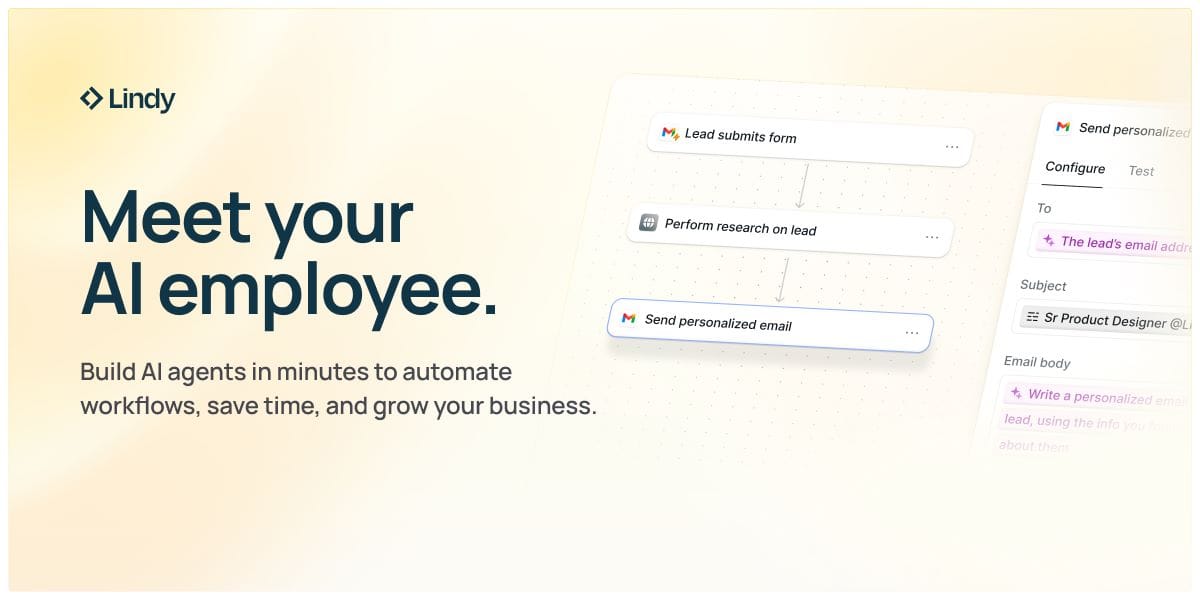
Imagine if ChatGPT, Zapier, and Webflow all had a baby. That's Lindy.
With Lindy, you can build AI agents and apps in minutes simply by describing what you want in plain English:
- Create a booking platform for my business
- Automate my sales outreach
- Create a weekly summary about each employee's performance and send it as an email"
From inbound lead qualification to AI-powered customer support and full-blown apps, Lindy has hundreds of agents that are ready to work for you 24/7/365.
Stop doing repetitive tasks manually. Let Lindy automate workflows, save time, and grow your business.
LLM
Cursor Builds Its Own Brain
📌 What’s happening: AI coding startup Cursor (Anysphere) has released Composer, its first in-house model integrated into the Cursor 2.0 platform. The company claims it is four times faster than leading peers such as GPT-5 and Claude Sonnet 4.5. Composer was trained through reinforcement learning and a mixture-of-experts approach, and it is already being used by Cursor’s own engineers. The pitch: an agentic coder that plans, tests, and reviews code, not just autocomplete it.
🧠 How this hits reality: Composer’s speed and production-grade reinforcement learning training are genuine improvements, but independence from Anthropic’s Claude and OpenAI’s GPT stack will take time. Cursor still depends on those models as fallback options, and its benchmarks show parity with mid-tier systems rather than true frontier intelligence. To build a fully self-reliant development agent, Cursor must master inference infrastructure, dataset scale, and evaluation operations, which is a long and expensive journey for any startup.
🛎️ Key takeaway: Cursor finally owns the wheel, yet it is still driving with Claude’s learner’s permit.
Anthropic: Cursor Builds Its Own Brain
🧠 How this hits reality: Composer’s speed and production-grade reinforcement learning training are genuine improvements, but independence from Anthropic’s Claude and OpenAI’s GPT stack will take time. Cursor still depends on those models as fallback options, and its benchmarks show parity with mid-tier systems rather than true frontier intelligence.
Cursor Builds Its Own Brain
📌 What’s happening: AI coding startup Cursor (Anysphere) has released Composer, its first in-house model integrated into the Cursor 2.0 platform. The company claims it is four times faster than leading peers such as GPT-5 and Claude Sonnet 4.5. Composer was trained through reinforcement learning and a mixture-of-experts approach, and it is already being used by Cursor’s own engineers.
TOGETHER WITH IMMERSED
This Pre-IPO Stock Is Up 4,000% Already

How do you follow 4,000% valuation growth? Keep pushing. That’s what Immersed did, reserving the Nasdaq ticker $IMRS. But investors are buying pre-IPO shares now.
1.4M people use their breakthrough productivity app, including Fortune 500 teams.
Google and Samsung partnered with them. Executives and founders from Intel, Facebook, and Reddit invested. You can too. But hurry.
This is a paid advertisement for Immersed’s Regulation CF offering. Please read the offering circular at invest.immersed.com.
AGI
Microsoft Just Became the Gatekeeper of AGI

📌 What’s happening: OpenAI’s new for-profit structure depends on a fresh deal that quietly gives Microsoft unprecedented control. The so-called “AGI clause” now requires an independent panel to verify when AGI is achieved, rather than allowing OpenAI to decide on its own. Microsoft also retains intellectual property rights to all OpenAI models and research through 2032, including future post-AGI systems, and it can now pursue AGI independently or together with rivals such as Anthropic.
🧠 How this hits reality: Microsoft now stands between OpenAI and the finish line it is racing toward. It controls the compute, owns the infrastructure, and can even decide when the race is officially over. This turns the AGI competition into a regulatory chess match, where every OpenAI breakthrough strengthens the same player that might eventually surpass it. For startups that rely on open ecosystems, the message is harsh: the biggest moat is no longer model quality, it is ownership and contractual control.
🛎️ Key takeaway: Microsoft did not just invest in AGI, it rewrote the rulebook to make sure no one else can win without it.
OpenAI: Microsoft Just Became the Gatekeeper of AGI
The so-called “AGI clause” now requires an independent panel to verify when AGI is achieved, rather than allowing OpenAI to decide on its own. Microsoft also retains intellectual property rights to all OpenAI models and research through 2032, including future post-AGI systems, and it can now pursue AGI independently or together with rivals such as Anthropic.
Microsoft Just Became the Gatekeeper of AGI
🧠 How this hits reality: Microsoft now stands between OpenAI and the finish line it is racing toward. It controls the compute, owns the infrastructure, and can even decide when the race is officially over. This turns the AGI competition into a regulatory chess match, where every OpenAI breakthrough strengthens the same player that might eventually surpass it.
QUICK HITS
- Character.AI will ban minors from using its chatbots after lawsuits and safety concerns over harmful AI interactions.
- Vail, Colorado, is deploying HPE’s AI smart city platform to enhance wildfire detection and streamline municipal services.
- Meta CEO Mark Zuckerberg said social media is entering the AI content era, planning to flood platforms with AI-generated posts as the new fuel.
- AI video startup Synthesia has reportedly raised $200 million led by GV, bringing its valuation to $4 billion.
- IBM released open-source Granite 4 Nano models for mobile and browser use, outperforming rival small AI models on key benchmarks.
TRENDING
Daily AI Launches
- Gradient has launched Parallax, the easiest way to build your own AI cluster to run large language models across multiple devices.
- Well Intelligence has launched Well, a platform that gathers and cleans financial data, providing tools for analysis, reconciliation, and orchestration.
- Unicorns Club has launched its free Animation Builder, a tool that turns LinkedIn posts into fun, TikTok-style videos to celebrate startup wins.
- Google Labs has launched Pomelli, an AI marketing tool that learns your brand from your website to generate scalable, on-brand content.
Featured AI Tools
- 🎥 KaraVideo unites all AI video models in one place.
- 💡 Pokee AI handles your tasks end-to-end across all apps.
- 📚 Heardly is the Fast Way to read Best Book.
- 🤖 Momen AI bridges the gap from vibe to viability, powering Lovable apps without code.
- 🪶 CopyOwl is the First AI Research Agent, deep research on any topic in one click.
TOGETHER WITH US
AI Secret Media Group is the world’s #1 AI & Tech Newsletter Group, boasting over 2 million readers from leading companies such as OpenAI, Google, Meta, and Microsoft. Our Newsletter Brands:
- AI: AI Secret
- Tech: Bay Area Letters
- Robotics: Robotics Herald
We've helped promote over 500 Tech Brands. Will yours be the next?
Email our co-founder Mark directly at [email protected] if the button fails.

🛎️ Altman Admits Defeat
Plus: IRS Cuts 25% of Staff, Insurers Quit on AI Risk

🛎️ A Record "Boom"
Plus: Image War Ignites, AI Takes the Trade
🛎️ Gemini 3 Ascends the Throne
Plus: Half the Internet Falls, Tesla Shows Its FSD
🛎️ Bezos's New Physical AI
Plus: Grok 4.1 Launched, Claude Just Got Hacked
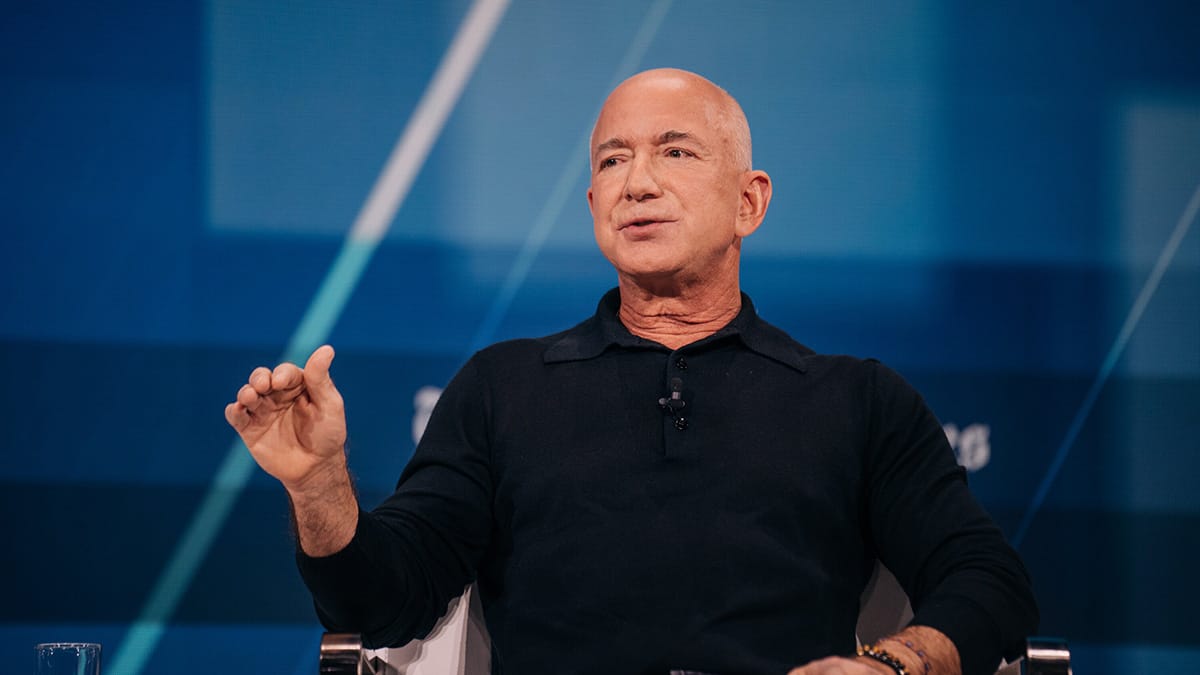
🛎️ Turing Legend Escapes
Plus: AI Eats Latin Water, The Next AI Boom

🛎️ Next Gold Rush
Plus: Tinder Wants Your Camera Roll, Gemini Based Co-Driver

🛎️ Dyson Sphere Program
Plus: AI Singer Hits Billboard, Amazon vs. Perplexity

🛎️ Altman Dares the Market
Plus: When AI Builds Cars, Google’s Turkey Gambit
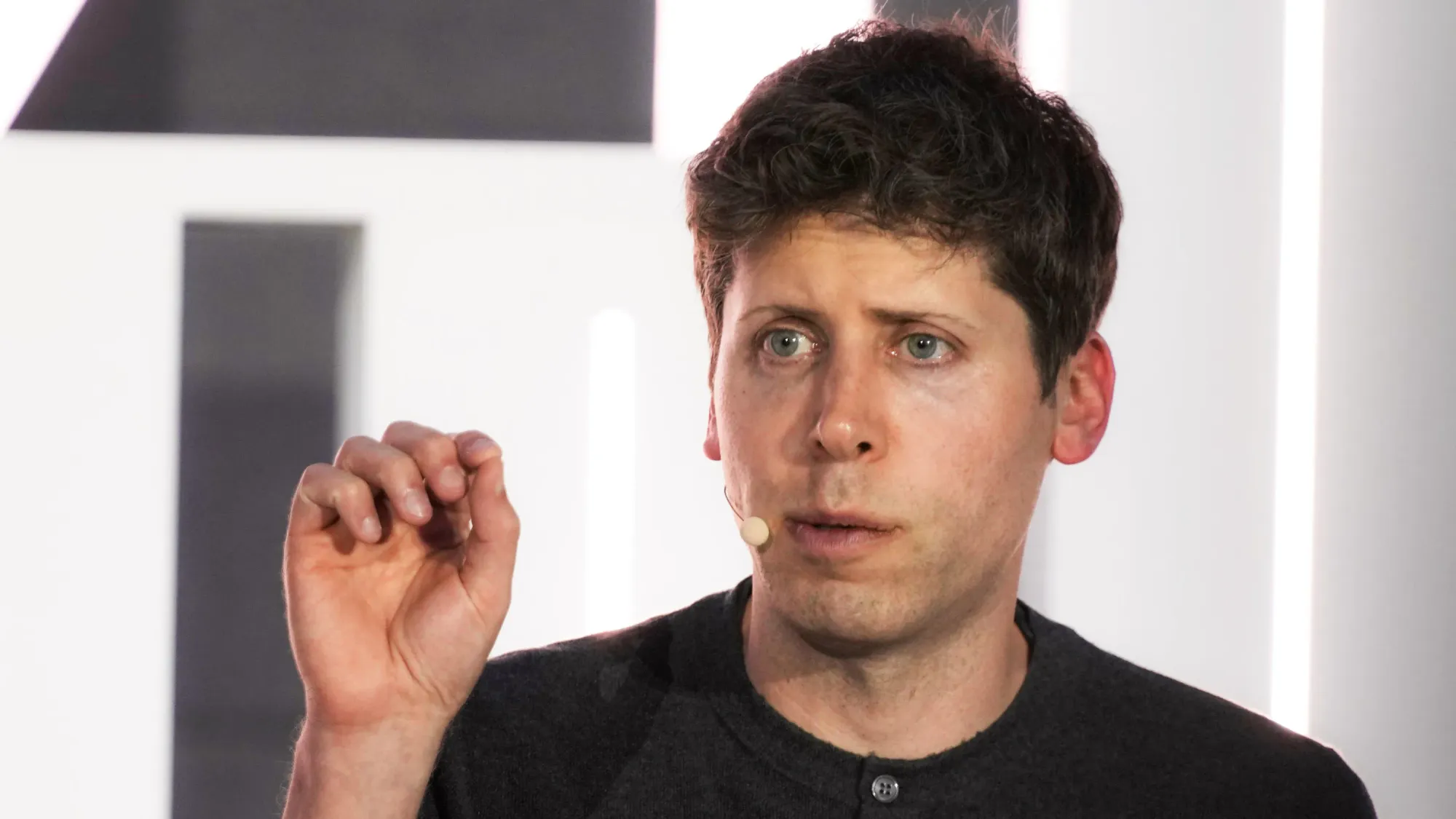
🛎️ Era of Overdrive
Plus: Cursor Builds Brain, Gatekeeper of AGI