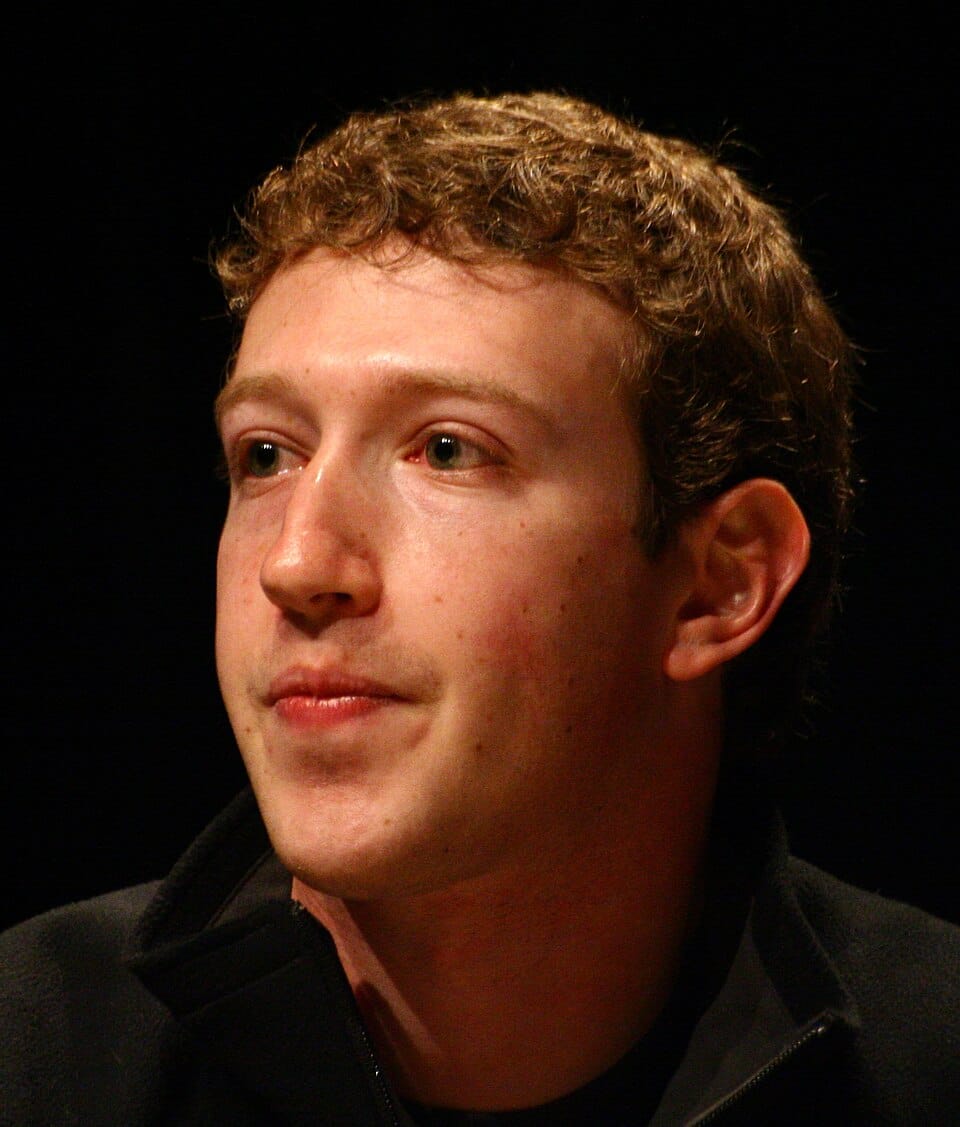
Mark Zuckerberg
Co-founder, chairman & CEO, Meta
Mark Zuckerberg co-founded Facebook while studying at Harvard.
Get AI Secret’s free daily briefing, including Mark Zuckerberg and the wider AI industry.
At a glance
Mark Zuckerberg co-founded Facebook while studying at Harvard. He took the company public and later introduced Meta as its corporate identity. His work now connects social platforms, virtual and augmented reality, and AI systems, alongside the Chan Zuckerberg Initiative.
- Current role
- Co-founder, chairman & CEO, Meta
- Born
- 14 May 1984
- Previously
- Founded Facebook while at Harvard
- Coverage
- Social platforms; AI; mixed reality
Sources checked . Selected career milestones and biographical references.
Career, in context.
Selected milestones, newest first. Explore earlier career below.
Meta releases Llama 2
The company expands access to its language models during Zuckerberg’s leadership.
Source: MetaIntroduces the Meta company brand
He presents a new corporate identity encompassing the company’s apps and technologies.
Source: Meta
Show earlier careerHide earlier career · 4 milestones
More than 10 years ago.
Launches the Chan Zuckerberg Initiative
He and Priscilla Chan establish an organisation focused on science and other long-term social goals.
Source: WikipediaTakes Facebook public
Facebook begins trading on Nasdaq with Zuckerberg remaining its chief executive.
Source: WikipediaAgrees to acquire Instagram
Facebook announces its acquisition of the photo-sharing service.
Source: WikipediaCo-founds Facebook
The social network begins at Harvard before expanding to a global audience.
Source: Wikipedia
The latest on Mark Zuckerberg
Newest firstRelated reporting
Relevant sections from the articles on this page. Explore older coverage below.
More coverage

Good Morning, AI Enthusiasts!
Meta proudly completed the first milestone in its 'independent' AI journey — moving so fast it couldn’t see the backs of its competitors anymore…
SPONSORED BY

NEW LAUNCH
Meta Launches Meta AI: Mark Zuckerberg's Vision for AI, Blended Reality, and Conversations with Satya Nadella
The launch of Meta AI by Mark Zuckerberg marks a pivotal moment in the rapidly evolving landscape of artificial intelligence. As Meta ventures into the standalone AI app market, it aims to redefine human-computer interactions by integrating AI with social media, virtual reality, and personal engagement.
- Meta AI is designed to compete directly with leading AI platforms like OpenAI's ChatGPT and Google's Gemini, utilizing Meta's efficient Llama 4 model.
- The app features a "Discover" feed for community engagement, personalized responses based on users’ social media interactions, voice conversation capabilities, and is integrated across Meta's platforms like WhatsApp and Instagram.
- Zuckerberg envisions AI as more than a tool; he sees it as a companion that can enhance emotional support and foster social connections, aiming for a future where AI integrates seamlessly with virtual and augmented realities.
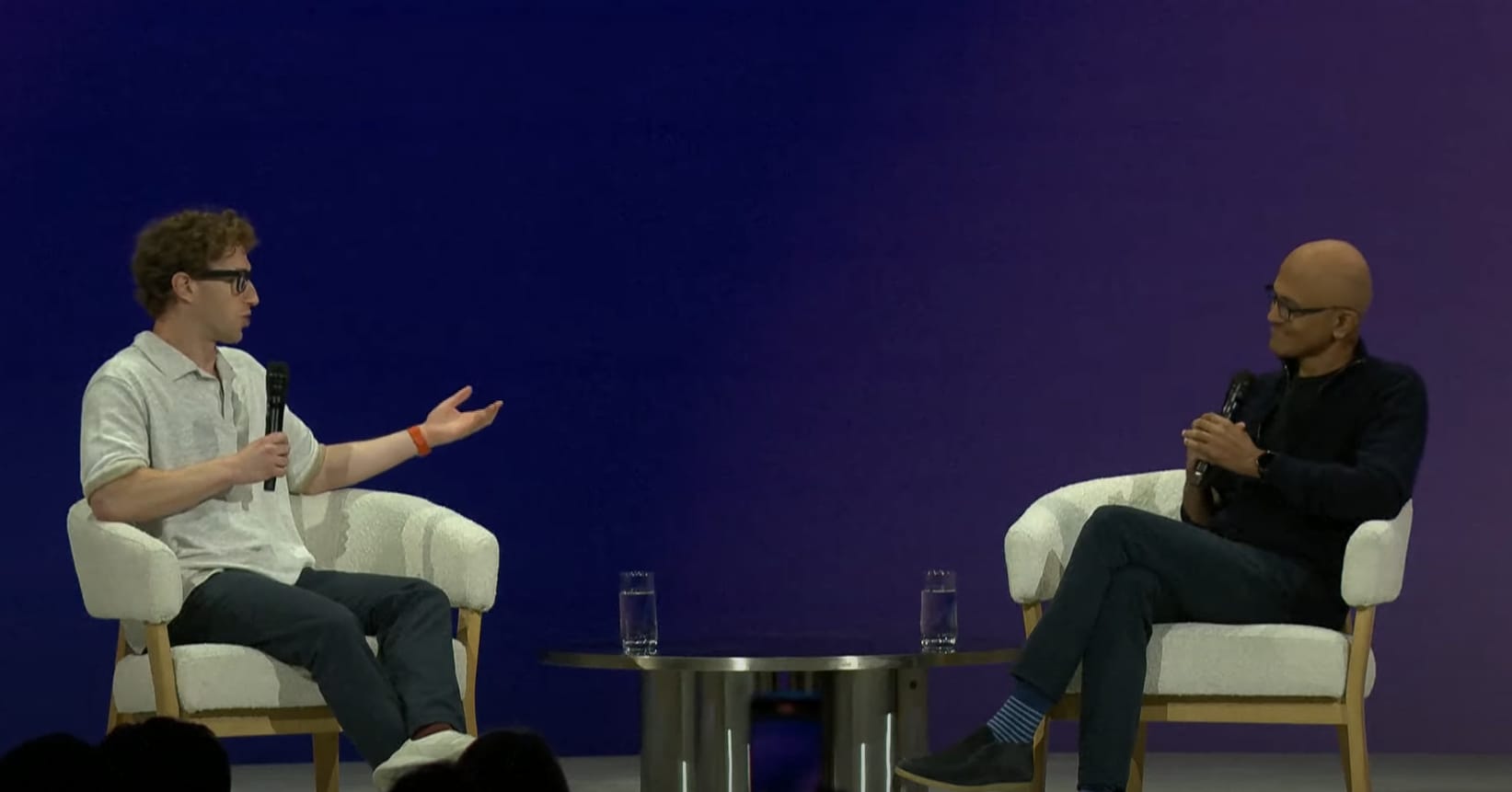
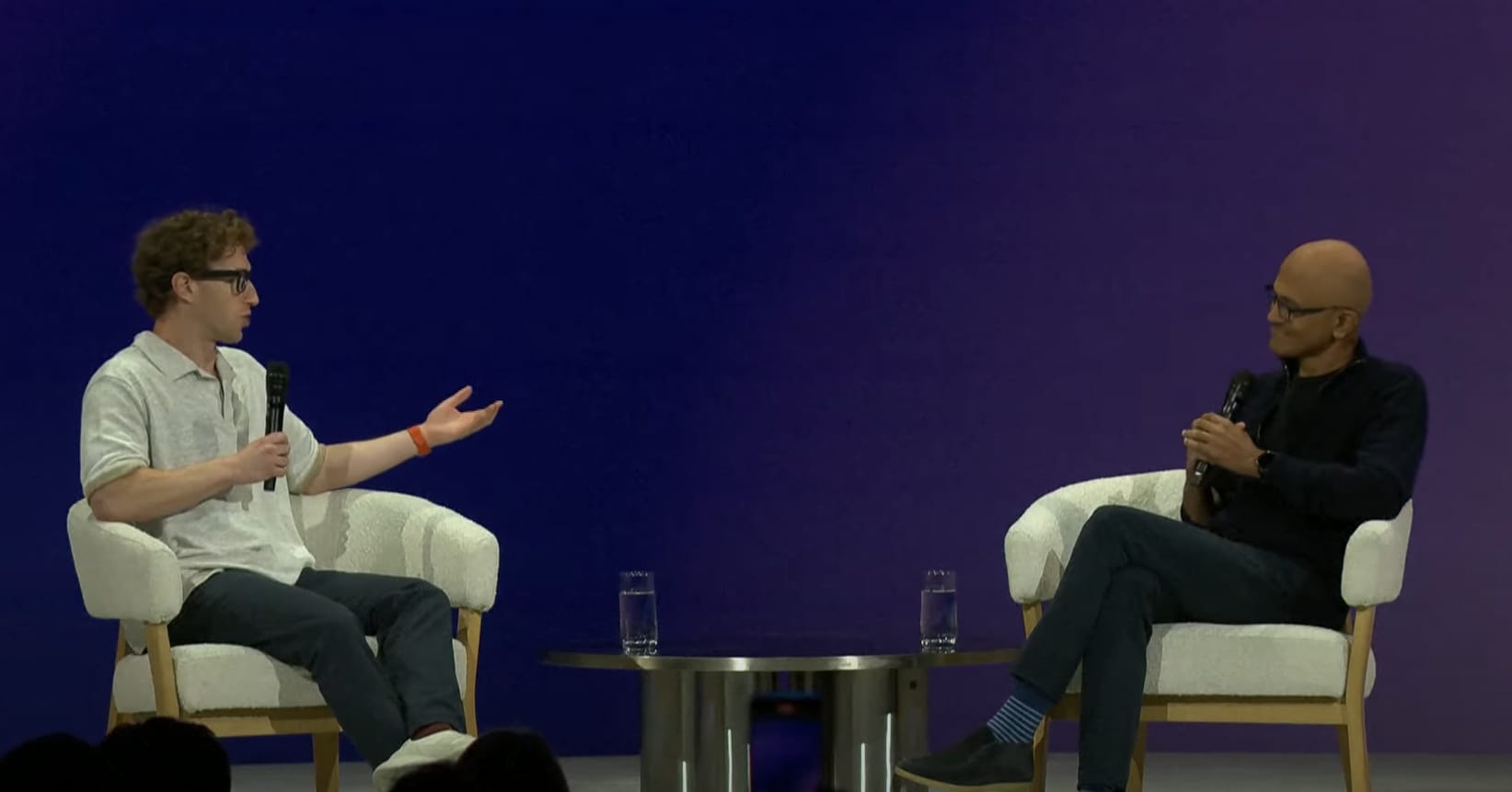
- During LlamaCon 2025, Zuckerberg and Microsoft’s Nadella discussed AI's economic impact, highlighting productivity gains, the transformation of coding through AI, and the importance of open-source strategies for democratizing access.
Meta Launches Meta AI: Mark Zuckerberg's Vision for AI, Blended Reality, and Conversations with Satya Nadella
The launch of Meta AI by Mark Zuckerberg marks a pivotal moment in the rapidly evolving landscape of artificial intelligence. As Meta ventures into the standalone AI app market, it aims to redefine human-computer interactions by integrating AI with social media, virtual reality, and personal engagement.
Meta Launches Meta AI: Mark Zuckerberg's Vision for AI, Blended Reality, and Conversations with Satya Nadella
During LlamaCon 2025, Zuckerberg and Microsoft’s Nadella discussed AI's economic impact, highlighting productivity gains, the transformation of coding through AI, and the importance of open-source strategies for democratizing access.
Meta Launches Meta AI: Mark Zuckerberg's Vision for AI, Blended Reality, and Conversations with Satya Nadella
The launch of Meta AI by Mark Zuckerberg marks a pivotal moment in the rapidly evolving landscape of artificial intelligence. As Meta ventures into the standalone AI app market, it aims to redefine human-computer interactions by integrating AI with social media, virtual reality, and personal engagement.
Microsoft: Meta Launches Meta AI: Mark Zuckerberg's Vision for AI, Blended Reality, and Conversations with Satya Nadella
During LlamaCon 2025, Zuckerberg and Microsoft’s Nadella discussed AI's economic impact, highlighting productivity gains, the transformation of coding through AI, and the importance of open-source strategies for democratizing access.
TOGETHER WITH COPYOWL
The #1 Al Research Agent
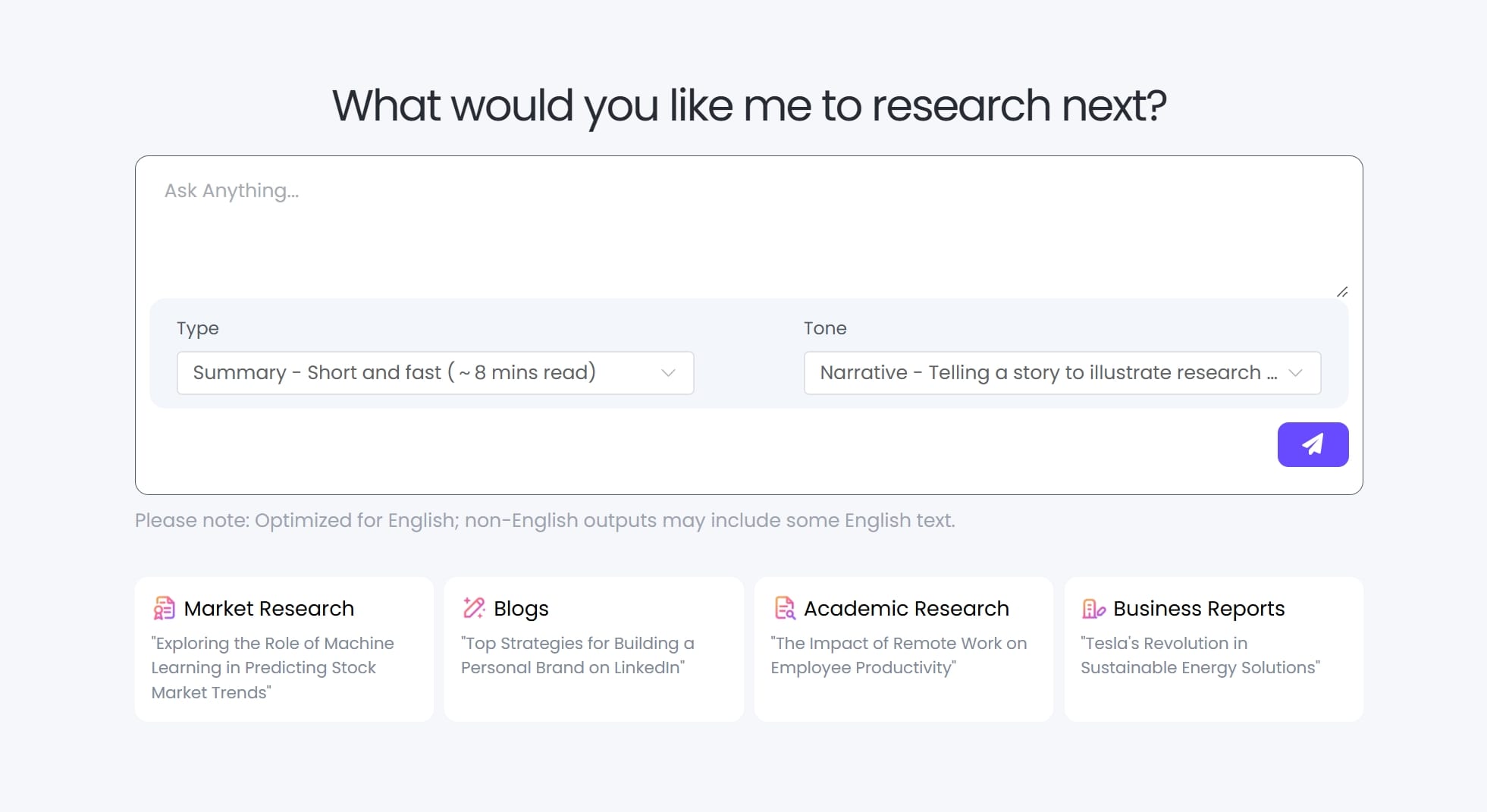
With Copyowl's powerful AI Agent, you can do Deep Research on any topics, write in-depth, fully cited essays, blogs, research papers, and business reports in minutes.
👉 visit CopyOwl and sign up, input any topic you want to research for. Then you can get:
→ Write high-quality articles instantly
→ Back them with credible sources
→ Experience the generation of zero AI illusion
Research smarter, not harder! CopyOwl handles deep research and finish the final copy for you.
CODING
30% Of Microsoft Code is Now AI-Generated
The integration of AI in software development is reaching unprecedented levels, with Microsoft CEO Satya Nadella revealing that 30% of the code in Microsoft’s repositories is now AI-generated.
- Microsoft has invested heavily in AI research, including a multi-billion-dollar partnership with OpenAI, leading to the integration of advanced AI models like GPT-4 and Codex into their development processes.
- Nadella's announcement points to a significant reliance on AI for code generation, with tools like GitHub Copilot automating coding tasks, increasing productivity, and enhancing code quality.
- Microsoft’s deep integration of AI-generated code sets it apart from competitors, bolstered by its ownership of GitHub and partnership with OpenAI, showcasing its leadership in this new frontier.
The implications of Microsoft’s revelation about AI-driven code generation are far-reaching and cannot be overstated. As the lines between human and machine-generated work blur, we are witnessing a seismic shift in the software development landscape.
Satya Nadella: 30% Of Microsoft Code is Now AI-Generated
The integration of AI in software development is reaching unprecedented levels, with Microsoft CEO Satya Nadella revealing that 30% of the code in Microsoft’s repositories is now AI-generated.
30% Of Microsoft Code is Now AI-Generated
The integration of AI in software development is reaching unprecedented levels, with Microsoft CEO Satya Nadella revealing that 30% of the code in Microsoft’s repositories is now AI-generated.
QUICK HITS
- Tim Cook aims to manufacture iPhones in the US using robotic arm technology, avoiding large-scale hiring.
- A new study reveals that generative AI tools have minimal impact on wages and employment, with only slight time savings reported by users.
- Samsung reports a 62% drop in Q1 operating profit, citing U.S. chip export curbs impacting its China business.
- Smartphone giant Xiaomi unveils its in-house AI model, MiMo, claiming it outperforms OpenAI’s and Alibaba’s models in reasoning tasks.
- TCS expands its partnership with SAP to enhance generative AI and cloud adoption for enterprise transformation.
TRENDING TOOLS
- 💰 Ubique grows your business with compelling video messages
- 🚀 Cody boosts your team productivity with AI.
- 💌 Twin Tone connects 24/7 with top creators' AI twins.
- 💻 Phind allows you to find relevant results for any development-related query.
- 📲 Type Prompt generates human-like social posts instantly.
- 📚 Heardly is the Fast Way to read Best Book. (Featured)
- 🚀 Intellectia.ai is the most powerful AI platform for smarter investment. (Featured)
1 Million+ AI enthusiasts are eager to learn about your product.
AI Secret is the world’s #1 AI Newsletter, boasting over 1 million readers from leading companies such as OpenAI, Google, Meta, and Microsoft. We've assisted in promoting Over 500 AI-Related Products. Will yours be the next?
What We Can Offer:
- Launch an Advertising Campaign
- Introduce New Product or Features
- Other Business Cooperation
Email our co-founder Mark directly at [email protected] if the button fails.
 Magna
Magna Magna
Magna Magna
Magna
Good Morning, AI Enthusiasts!
Today we’ve got a juicy tidbit about Mark Zuckerberg defending Meta against the FTC, because what’s a little antitrust drama without a sprinkle of existential dread?
SPONSORED BY

TREND
Google, OpenAI, and Anthropic Team Up to Boost Business Tools AI with MCP

The rapid evolution of artificial intelligence (AI) is being significantly shaped by key players like Google, OpenAI, and Anthropic, particularly through the introduction of the Model Context Protocol (MCP). This open-source standard aims to enhance the integration of AI systems with external tools, marking a crucial step towards a more interconnected and efficient AI ecosystem.
- MCP is an open-source framework created by Anthropic to standardize communication between large language models and external systems, facilitating seamless connections with data sources and actions.
- The protocol features a universal connector for easy integration with various tools, a client-server architecture for two-way communication, standardized communication for consistency, and an open-source nature to encourage industry-wide collaboration.
- Major companies have embraced MCP, with Google integrating it into their Gemini models and OpenAI enhancing its language models' capabilities. Anthropic's role as creator emphasizes partnerships in advancing AI standards.
Google, OpenAI, and Anthropic Team Up to Boost Business Tools AI with MCP
The rapid evolution of artificial intelligence (AI) is being significantly shaped by key players like Google, OpenAI, and Anthropic, particularly through the introduction of the Model Context Protocol (MCP). This open-source standard aims to enhance the integration of AI systems with external tools, marking a crucial step towards a more interconnected and efficient AI ecosystem.
Google, OpenAI, and Anthropic Team Up to Boost Business Tools AI with MCP
The rapid evolution of artificial intelligence (AI) is being significantly shaped by key players like Google, OpenAI, and Anthropic, particularly through the introduction of the Model Context Protocol (MCP). This open-source standard aims to enhance the integration of AI systems with external tools, marking a crucial step towards a more interconnected and efficient AI ecosystem.
Google, OpenAI, and Anthropic Team Up to Boost Business Tools AI with MCP
Major companies have embraced MCP, with Google integrating it into their Gemini models and OpenAI enhancing its language models' capabilities. Anthropic's role as creator emphasizes partnerships in advancing AI standards.
TOGETHER WITH BIGID
Best Practices For AI Data Management

Struggling to manage complex, sensitive data as your AI initiatives grow? Without proper oversight, AI can amplify bias, leak sensitive data, and incur regulatory fines. BigID’s latest white paper breaks down the biggest challenges in AI data management and best practices to ensure your data is secure, compliant, and AI-ready.
AI is only as good as the data you feed it. Discover how to reduce risk, streamline compliance, and improve data quality through data discovery and hygiene, risk and bias identification and mitigation, and data governance.
Download the full white paper to learn how you can accelerate AI adoption and reduce risk with confidence.
LAWSUIT
Mark Zuckerberg Takes the Stand: Defending Meta in FTC Antitrust Lawsuit
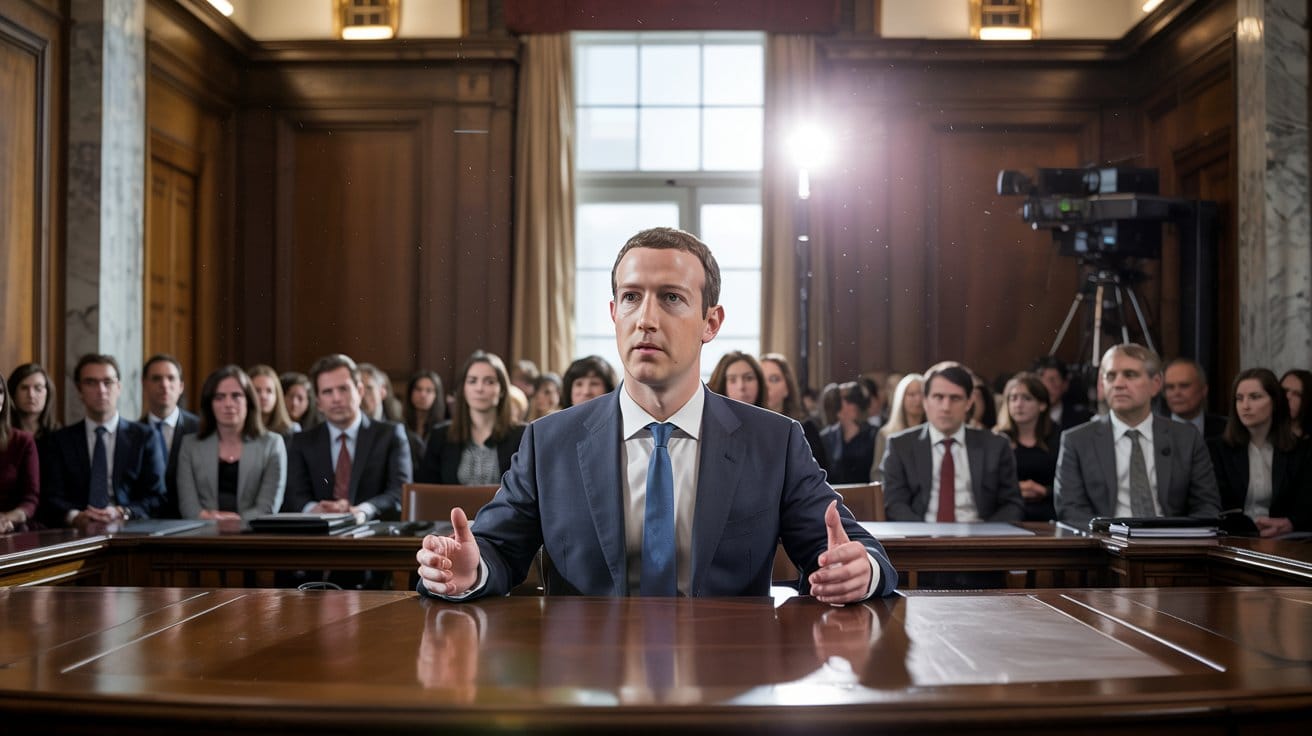
The ongoing antitrust trial against Meta spearheaded by the Federal Trade Commission (FTC), highlights the escalating concerns over monopolistic practices in the tech industry. This landmark case reflects a critical moment in the struggle to balance innovation with fair competition, potentially reshaping the landscape of social networking and the future of regulatory practices.
- The FTC's lawsuit against Meta, filed in December 2020, accuses the company of monopolistic behavior through its acquisitions of Instagram and WhatsApp, aiming to suppress competition in social networking.
- The core argument is that Meta's acquisitions were strategic moves to eliminate competitors, supported by internal emails showing Zuckerberg's concerns about these platforms' growth.
- Meta argues that the acquisitions benefited consumers, citing improvements to Instagram and WhatsApp, and claims that the social media market remains competitive despite the FTC's assertions.
- Over two days, Zuckerberg defended the acquisitions, emphasizing that they were approved by regulators and that Meta's resources enabled the platforms' success, countering the FTC's narrative.
If the FTC succeeds, it could usher in a new era of scrutiny for tech giants, fostering a more competitive marketplace that benefits consumers. Conversely, a win for Meta could embolden other companies to pursue aggressive acquisition strategies without fear of repercussions. Ultimately, this trial is not just about two companies; it’s about the very nature of competition, innovation, and consumer choice in an increasingly digital world.
Mark Zuckerberg Takes the Stand: Defending Meta in FTC Antitrust Lawsuit
Over two days, Zuckerberg defended the acquisitions, emphasizing that they were approved by regulators and that Meta's resources enabled the platforms' success, countering the FTC's narrative.
Mark Zuckerberg Takes the Stand: Defending Meta in FTC Antitrust Lawsuit
The ongoing antitrust trial against Meta spearheaded by the Federal Trade Commission (FTC), highlights the escalating concerns over monopolistic practices in the tech industry. This landmark case reflects a critical moment in the struggle to balance innovation with fair competition, potentially reshaping the landscape of social networking and the future of regulatory practices.
QUICK HITS
- Google has launched DolphinGemma, an AI model to decode dolphin communication, coinciding with National Dolphin Day.
- Nvidia plans to invest up to $500 billion in US AI infrastructure over the next four years amid tariff threats.
- China’s Kuaishou launched Kling AI 2.0, claiming it to be the world's most powerful AI video generator, now with over 22 million users.
- Apple plans to enhance its AI models by privately analyzing user data through synthetic data and differential privacy techniques.
- OpenAI CEO Sam Altman announces the company is no longer "compute-constrained" following Microsoft's loss of exclusive cloud provider status.
TRENDING TOOLS
- 🖼️ 𝕏 Header Maker boosts your brand awareness & engagement.
- 💹 Querio AI Agent connects to your DB and understand your business.
- 🦸♂️ Story Diffusion is the next generation AI comics generator.
- ⁉️ iAsk lets you ask anything and receive accurate answers.
- 🎓 EverLearns generates any course in 5 minutes.
- 🪶 CopyOwl AI is the First AI Research Agent, deep research on any topic in one click. (Featured)
- 📚 Heardly is the Fast Way to read Best Book. (Featured)
- 🚀 Intellectia.ai is the most powerful AI platform for smarter investment. (Featured)
1 Million+ AI enthusiasts are eager to learn about your product.
AI Secret is the world’s #1 AI Newsletter, boasting over 1 million readers from leading companies such as OpenAI, Google, Meta, and Microsoft. We've assisted in promoting Over 500 AI-Related Products. Will yours be the next?
What We Can Offer:
- Launch an Advertising Campaign
- Introduce New Product or Features
- Other Business Cooperation
Email our co-founder Mark directly at [email protected] if the button fails.
Magna Magna
Magna Magna
Magna
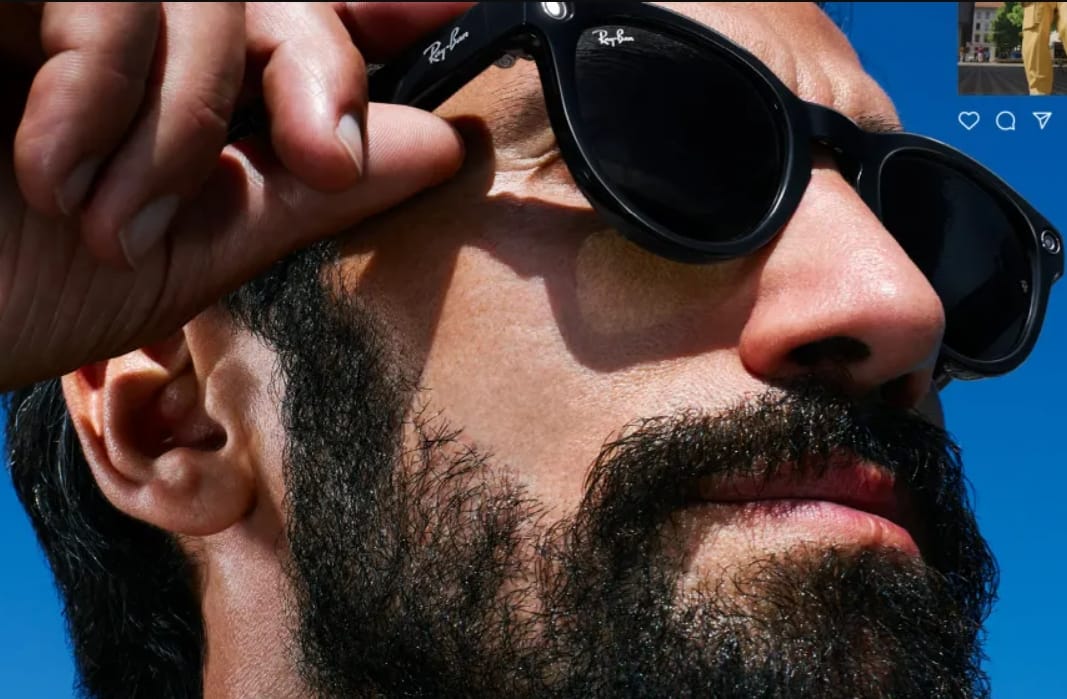
Move over, regular sunglasses! Meta's AI-powered Ray-Ban smart glasses are here to make you look cool, feel tech-savvy, and maybe even help you translate a menu in Paris without butchering French. Since their launch in October 2023, these glasses have been the talk of the town, and Meta’s marketing team has been working overtime to ensure they stay that way. From celebrity-studded Super Bowl ads to sleek campaigns that scream "fashion meets tech," Meta is pulling out all the stops to dominate the smart glasses market.
Let's dive into Meta's marketing activities for their AI Ray-Bans, exploring their strategies, campaigns, and the impact they've had on sales and consumer perception. Spoiler alert: It’s a mix of Hollywood glitz, AI wizardry, and some serious sales goals.
Meta's Marketing Activities: AI Ray-Bans Campaign
Meta's AI-powered Ray-Ban smart glasses are here to make you look cool, feel tech-savvy, and maybe even help you translate a menu in Paris without butchering French. Since their launch in October 2023, these glasses have been the talk of the town, and Meta’s marketing team has been working overtime to ensure they stay that way.
The Evolution of Ray-Ban Meta Smart Glasses
Before we get into the marketing nitty-gritty, let’s take a quick look at the product itself. Meta’s collaboration with EssilorLuxottica (the parent company of Ray-Ban) has resulted in a product that combines style with cutting-edge technology. The Ray-Ban Meta smart glasses, also known as "Ray-Ban Stories," were first launched in 2023. These glasses feature AI-powered voice assistants, discreet cameras, and audio capabilities, making them both functional and fashionable.
In 2024, the glasses received a significant upgrade with Meta AI integration, enabling features like live translations, object recognition, and even the ability to answer questions about what you’re looking at. By 2025, rumors suggest that the next-gen glasses will include built-in displays for notifications, marking a step closer to augmented reality (AR).
The Evolution of Ray-Ban Meta Smart Glasses
Meta’s collaboration with EssilorLuxottica (the parent company of Ray-Ban) has resulted in a product that combines style with cutting-edge technology. The Ray-Ban Meta smart glasses, also known as "Ray-Ban Stories," were first launched in 2023. These glasses feature AI-powered voice assistants, discreet cameras, and audio capabilities, making them both functional and fashionable.
Meta’s Marketing Strategy: A Blend of Glamor and Tech
Meta’s marketing activities for the AI Ray-Bans have been nothing short of spectacular. The company has leveraged multiple channels, including celebrity endorsements, global ad campaigns, and strategic partnerships, to position the glasses as a must-have accessory.
What do you get when you put Chris Hemsworth, Chris Pratt, and Kris Jenner in a room? Apparently, a hilarious Super Bowl ad that promotes Ray-Ban Meta smart glasses. The ad, titled "The Gallery," aired during the Super Bowl on February 9, 2025, and was one of the most talked-about commercials of the night.
In the ad, Hemsworth and Pratt try to navigate an art gallery while attempting to look sophisticated (and failing miserably), only to be outsmarted by Jenner, who uses the glasses’ AI features to steal the show. The ad brilliantly showcased the glasses’ capabilities, including live translations, video recording, and AI-powered object identification, all while keeping the tone light and humorous.
The choice of celebrities was strategic. Hemsworth and Pratt brought their Marvel fanbase, while Jenner appealed to a broader audience, including fashion enthusiasts and reality TV fans. The ad not only boosted brand visibility but also highlighted the glasses’ practical applications in everyday life.
In 2024, Meta launched the "Smart Glasses for Living All In" campaign to promote the spring/summer collection of Ray-Ban Meta glasses. The campaign featured over 150 color and lens combinations, emphasizing the glasses’ versatility and style. A short spot showcased a chic protagonist using the glasses to make mundane moments extraordinary, from grocery shopping to a night out.
The campaign was spearheaded by SpecialGuest, a creative agency, and included global retail, social media, and digital out-of-home advertising. According to Shachar Scott, Vice President of Marketing for Meta Reality Labs, the goal was to combine iconic fashion with powerful technology, making the glasses appealing to both tech enthusiasts and fashion-forward consumers.
Meta’s marketing efforts have paid off big time. By the end of 2024, the Ray-Ban Meta glasses had surpassed 1 million units in sales. In early 2025, Meta announced that over 2 million units had been sold since the product’s launch in 2023.
EssilorLuxottica, Meta’s manufacturing partner, revealed plans to ramp up production to 10 million units per year by 2026, signaling the company’s confidence in the product’s growth potential. CEO Mark Zuckerberg has set an ambitious target of 5 million sales for 2025, driven by the glasses’ evolving features and aggressive marketing campaigns.
Mark Zuckerberg: Meta’s Marketing Strategy: A Blend of Glamor and Tech
EssilorLuxottica, Meta’s manufacturing partner, revealed plans to ramp up production to 10 million units per year by 2026, signaling the company’s confidence in the product’s growth potential. CEO Mark Zuckerberg has set an ambitious target of 5 million sales for 2025, driven by the glasses’ evolving features and aggressive marketing campaigns.
Meta’s Marketing Strategy: A Blend of Glamor and Tech
In 2024, Meta launched the "Smart Glasses for Living All In" campaign to promote the spring/summer collection of Ray-Ban Meta glasses. The campaign featured over 150 color and lens combinations, emphasizing the glasses’ versatility and style. A short spot showcased a chic protagonist using the glasses to make mundane moments extraordinary, from grocery shopping to a night out.
The Role of AI and AR in Marketing
Meta’s marketing strategy isn’t just about flashy ads and celebrity endorsements. The company has also focused on educating consumers about the glasses’ AI and AR capabilities. Features like live translations, AI-driven object recognition, and voice commands have been prominently highlighted in campaigns, showcasing the glasses as more than just a fashion accessory.
By emphasizing the practical applications of AI, Meta has positioned the glasses as a tool for productivity and convenience. This approach has resonated with tech-savvy consumers who value functionality as much as style.
Meta: The Role of AI and AR in Marketing
Meta’s marketing strategy isn’t just about flashy ads and celebrity endorsements. The company has also focused on educating consumers about the glasses’ AI and AR capabilities. Features like live translations, AI-driven object recognition, and voice commands have been prominently highlighted in campaigns, showcasing the glasses as more than just a fashion accessory.
Looking Forward
While Meta’s marketing activities have been largely successful, they haven’t been without challenges. The integration of AI and AR raises ethical concerns, particularly around privacy and data security. The glasses’ discreet cameras and facial recognition capabilities have sparked debates about surveillance and consent.
Meta has addressed these concerns by incorporating features like an LED indicator that lights up when the camera is in use. However, the company will need to continue navigating these complexities as the glasses evolve.
Meta’s marketing activities for the AI Ray-Bans are a masterclass in blending technology with storytelling. From celebrity-packed Super Bowl ads to stylish campaigns that highlight the glasses’ capabilities, Meta has successfully positioned the product as a game-changer in the wearable tech market.
With ambitious sales targets and plans for future upgrades, including built-in displays and enhanced AR features, the Ray-Ban Meta glasses are poised to become a staple in both the tech and fashion worlds. However, as Meta continues to push the boundaries of AI and AR, it must also address the ethical challenges that come with such innovations.
So, whether you’re a tech geek, a fashionista, or just someone who wants to look cool while translating a menu in Paris, the Ray-Ban Meta glasses might just be the accessory you didn’t know you needed.
Meta: Looking Forward
With ambitious sales targets and plans for future upgrades, including built-in displays and enhanced AR features, the Ray-Ban Meta glasses are poised to become a staple in both the tech and fashion worlds. However, as Meta continues to push the boundaries of AI and AR, it must also address the ethical challenges that come with such innovations.
Hello, AI Enthusiasts!
The machines might soon be coding better than your average mid-level engineer, and yes, they’re still not getting coffee breaks. So, dust off your “Will Robots Take My Job?” pamphlets, folks, because the future is looking bright—or at least as bright as the glow from your laptop screen at 3 AM.

HEADLINES
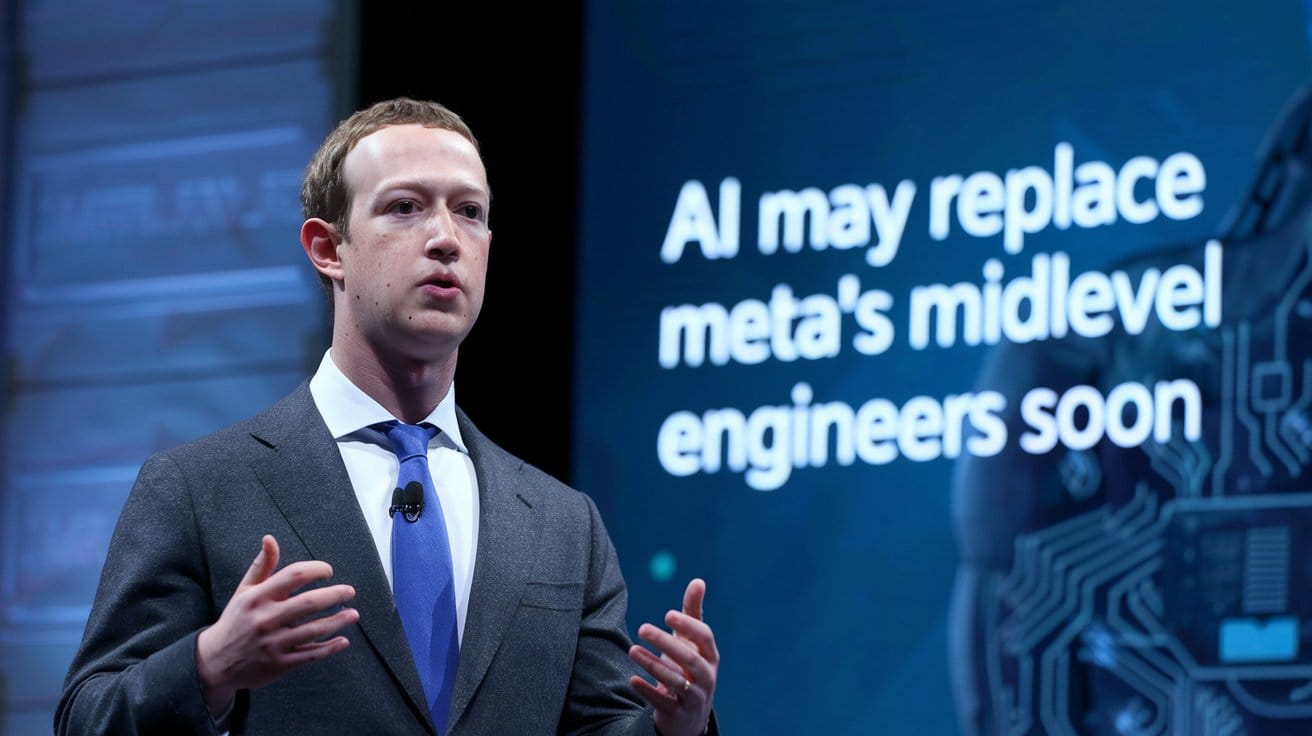
Mark Zuckerberg: AI May Replace Meta's Midlevel Engineers Soon
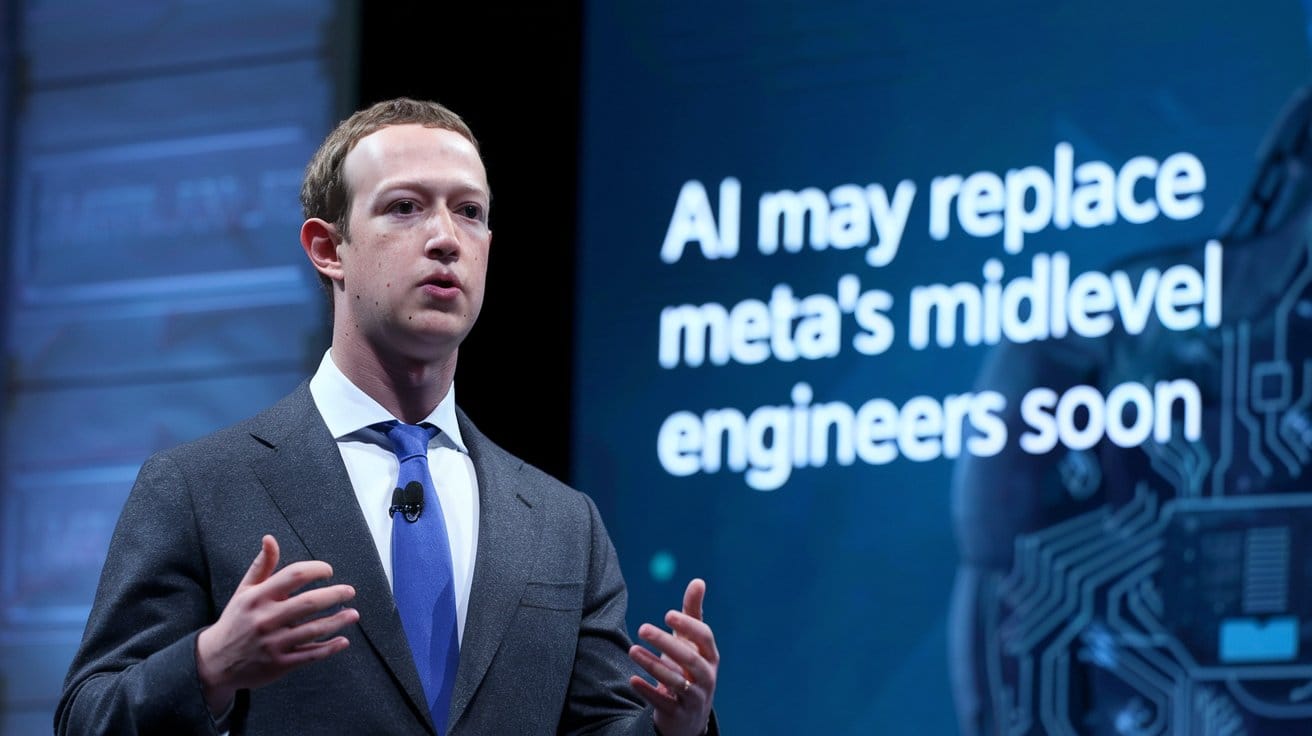
Zuckerberg's bold prediction asserts that AI will be capable of coding like mid-level engineers by 2025, leading to Meta's plan to integrate AI into their engineering teams to autonomously manage software projects.
- AI tools such as GitHub Copilot and OpenAI’s models are already aiding developers significantly, with reports indicating dramatic increases in productivity in companies utilizing these technologies.
- The focus on mid-level engineers stems from their critical role in handling complex tasks that don't require senior oversight. Automating these tasks can lead to cost savings and improved efficiency for companies like Meta.
- As AI takes over routine coding tasks, software engineers will need to adapt by acquiring new skills and focusing on overseeing AI systems, creating a collaborative relationship between humans and AI.
Mark Zuckerberg: AI May Replace Meta's Midlevel Engineers Soon
Zuckerberg's bold prediction asserts that AI will be capable of coding like mid-level engineers by 2025, leading to Meta's plan to integrate AI into their engineering teams to autonomously manage software projects.
Mark Zuckerberg: AI May Replace Meta's Midlevel Engineers Soon
Zuckerberg's bold prediction asserts that AI will be capable of coding like mid-level engineers by 2025, leading to Meta's plan to integrate AI into their engineering teams to autonomously manage software projects.
TOGETHER WITH STRATEGY BRAIN
Let AI Handle Your LinkedIn
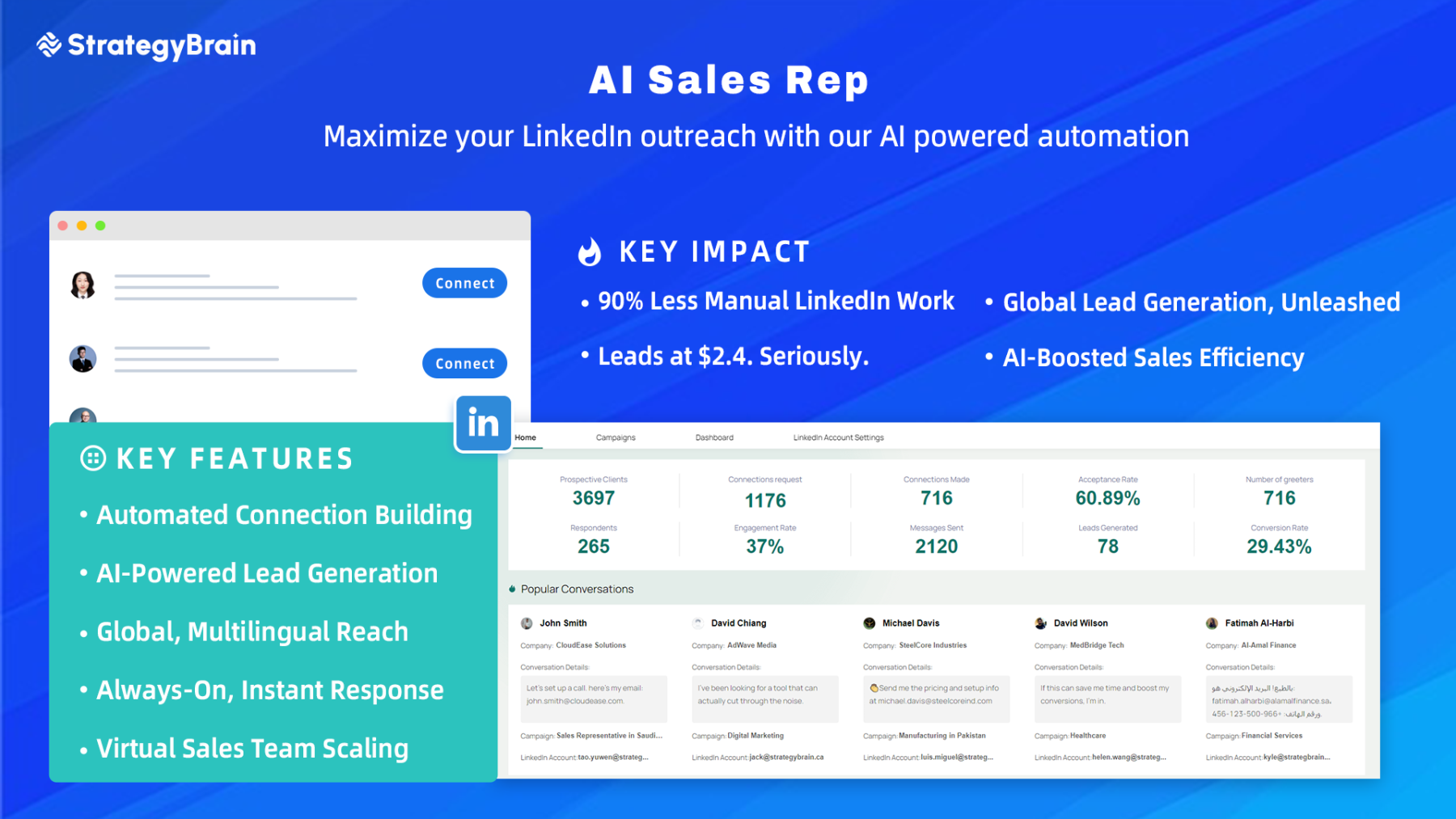
Gone are the days of clunky tools like Dux-Soup and Expandi—those felt more like strapping on training wheels to ride a bicycle with square wheels.
Here at Strategybrain, we’re committed to freeing you from the shackles of human interaction, so you can focus on what truly matters: mastering the art of closing sales. We now offer personalized features:
- Fully automatic lead generator.
- Multi-language feature helps you get started quickly.
- Multi-account system boosts your performance.
So, sit back, relax, and prepare to hand over your LinkedIn to the AI.
HEADLINES
How To Train A ‘Reasoning’ AI Model For Less Than $450?
The AI landscape has undergone a transformative shift with the unveiling of Sky-T1-32B-Preview by the NovaSky team at UC Berkeley's Sky Computing Lab. This open-source reasoning AI model stands out not only for its impressive capabilities but also for its remarkably low training cost of under $450, challenging the traditional financial barriers associated with developing advanced AI technologies.
- The NovaSky team introduced the Sky-T1-32B-Preview on January 11, 2025, marking it as the first truly open-source inference AI model. They have made the model, dataset, and training code publicly available, allowing for easy replication.
- Sky-T1 has shown strong performance across key benchmarks, outperforming OpenAI's o1 model in math and coding challenges, while it struggles with PhD-level science questions. Its self-fact-checking feature enhances reliability in specific fields.
- By utilizing synthetic data and efficient hardware—training on 8 Nvidia H100 GPUs for just 19 hours—the team has kept costs remarkably low. The open-source approach also eliminates the need for expensive datasets.
- While Sky-T1 competes well in math and coding, it falls short in science questions compared to OpenAI’s models. However, its significantly lower cost and accessibility through open-source distribution make it a formidable alternative.
QUICK HEATS
- Britain's technology secretary insists new online safety laws are non-negotiable amidst pressure from Meta's Mark Zuckerberg and Donald Trump.
- ExaAI has launched its Exacluster, featuring Nvidia's H200 GPUs, to develop a search engine aimed at surpassing Google's capabilities.
- LinkedIn's latest report reveals artificial intelligence roles are the fastest-growing job titles for 2025.
- Israel's Education Minister has declared 2025 as the Year of Artificial Intelligence to transform education through technology.
- The World Economic Forum's 2025 report predicts AI will create 170 million jobs while eliminating 92 million, resulting in a net gain of 78 million jobs by 2030.
Trending Tools
- 🗃️ UnDatas transforms unstructured data into AI ready assets.
- 🤝 Ema is your universal AI employee.
- 🎓 Socratic is a learning platform that works for all subjects.
- 🔰 Looka Logo Maker designs your own beautiful brand.
- 📝 Fillout makes any form in minutes.
- 🎧 Tad AI creates original songs with your choice of genres and moods using text prompts. (Featured)
- 📚 Heardly is the Fast Way to read Best Book. (Featured)
- 🦾 Flot AI writes, reads, and remembers across any apps and webs. (Featured)
- 📝 CopyOwl AI writes high-quality articles with credible sources. (Featured)
1 Million+ AI enthusiasts are eager to learn about your product.
AI Secret is the world’s #1 AI Newsletter, boasting over 1 million readers from leading companies such as OpenAI, Google, Meta, and Microsoft. We've assisted in promoting Over 500 AI-Related Products. Will yours be the next?
What We Can Offer:
- Launch an Advertising Campaign
- Introduce New Product or Features
- Other Business Cooperation
Email our co-founder Mark directly at [email protected] if the button fails.
Magna Magna
Magna Magna
Magna

Hello, AI Enthusiasts!
The future is here, and it’s just as awkward and clunky as that one friend who insists on showing you every feature of their new tech gadget at dinner.
AI Secret helps you grasp the latest AI trends and insights in just 5 minutes. Sign Up to Discover All the Secrets!

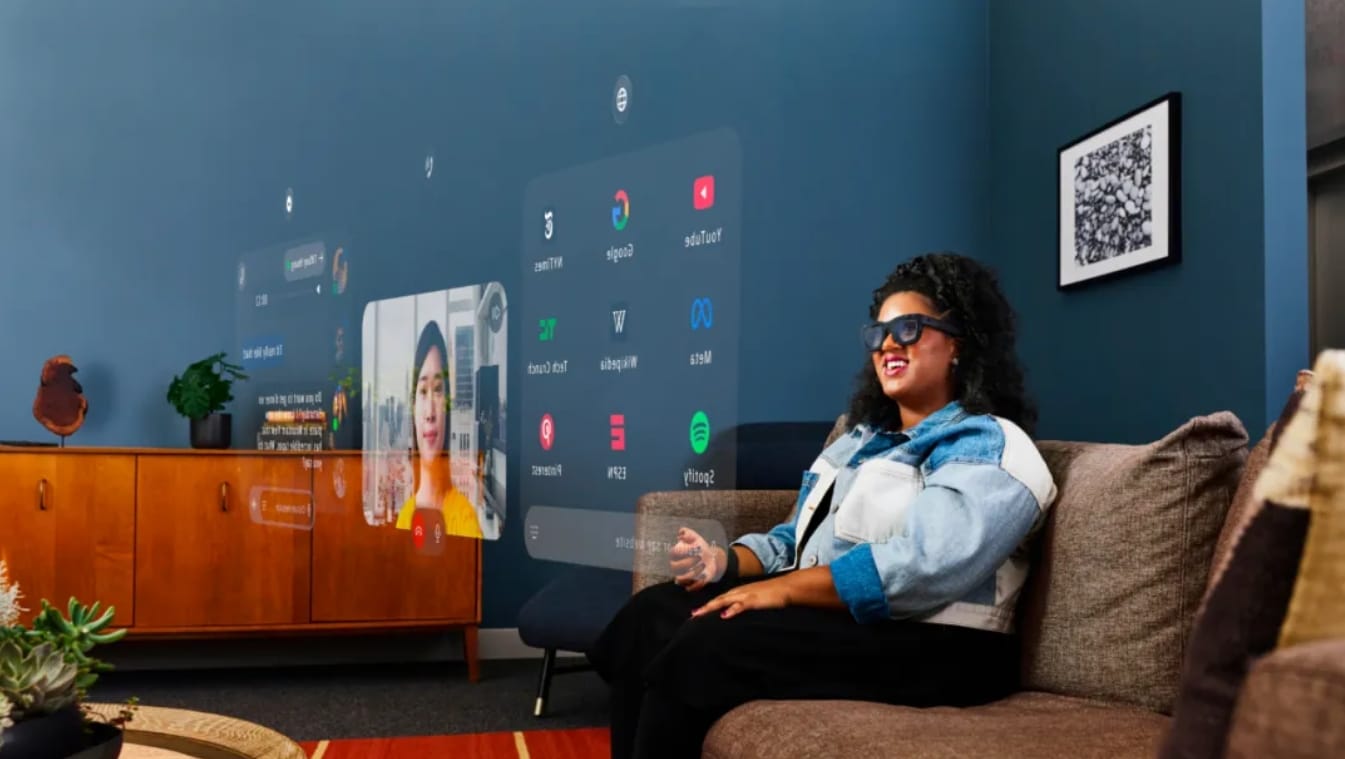
Zuckerberg announced the The World's Most Advanced Glasses
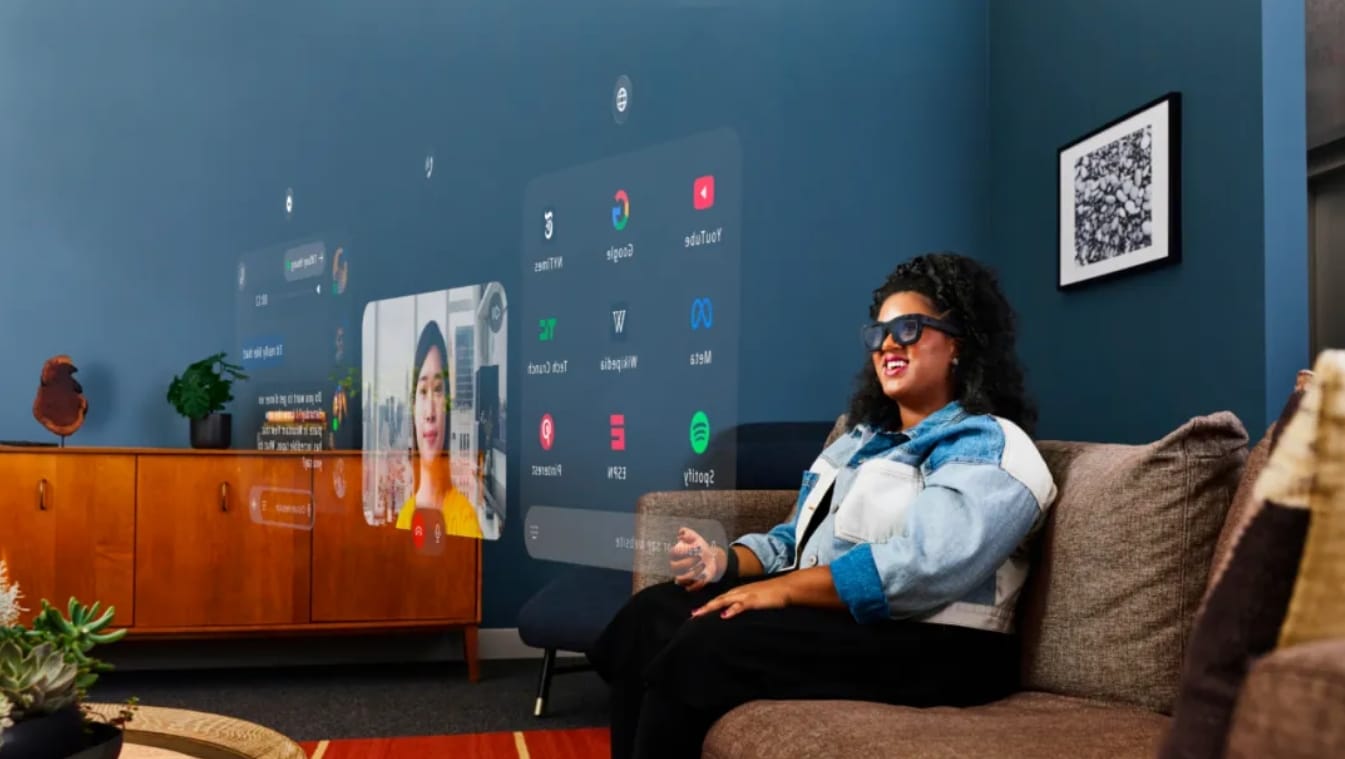
At the Meta Connect event, CEO Mark Zuckerberg announced the launch of Orion, calling it "the world's most advanced glasses." He noted that the development took ten years and that the product is still in the conceptual stage, requiring significant fine-tuning before it becomes a consumer product.
- Orion is much smaller than Snap's recently released Spectacles 5 and is described as a true augmented reality (AR) headset, utilizing built-in micro projectors in the eyeglass arms to create a heads-up display.
- In addition to standard voice prompts, Orion can be controlled via a "neural interface," a technology achieved after Meta's acquisition of CTRL-Labs in 2019, which produces a wristband compatible with the device.
- Orion is positioned as the successor to Meta's current live product, Meta Ray-Bans. The company emphasizes that while Ray-Ban Meta pioneered a new category of AI-powered glasses without a display, the XR industry has long envisioned true AR glasses that combine large holographic displays with personalized AI assistance.
- Orion is claimed to have the largest field of view among the smallest AR glasses to date, unlocking truly immersive use cases, from multitasking windows to large-screen entertainment, seamlessly integrating digital content with the physical world.
- The manufacturing cost of Orion is approximately $10,000 per unit. While Meta is accustomed to losing money on Quest headsets, this cost is significantly higher.
Zuckerberg announced the The World's Most Advanced Glasses
At the Meta Connect event, CEO Mark Zuckerberg announced the launch of Orion, calling it "the world's most advanced glasses." He noted that the development took ten years and that the product is still in the conceptual stage, requiring significant fine-tuning before it becomes a consumer product.
Meta: Zuckerberg announced the The World's Most Advanced Glasses
Orion is positioned as the successor to Meta's current live product, Meta Ray-Bans. The company emphasizes that while Ray-Ban Meta pioneered a new category of AI-powered glasses without a display, the XR industry has long envisioned true AR glasses that combine large holographic displays with personalized AI assistance.
Extract Emails from Websites with AI

MyEmailExtractor leverages AI to automate the extraction of emails, phone numbers, social media profiles, and more from websites.
Key Features:
- 🤖 AI Email Extraction: Automatically scrape email addresses from websites and business listings with pinpoint accuracy.
- 📱 Social Media Profile Extraction: Extract URLs from platforms like Facebook, LinkedIn, Instagram, and YouTube.
- 🌐 Domain Info Collection: Gather business domain data, including contact details and web addresses.
- ⏳ Data Automation: Save time with automated extraction, exporting all data to a CSV file for easy access.
This product is provided by Oncely.com. Oncely is the #1 Lifetime Deals Marketplace for AI products. The software landscape has evolved into a Lifetime era — Pay Once, Use Forever, and say goodbye to monthly fees.
OpenAI's Leadership Team Continues To Shake Up
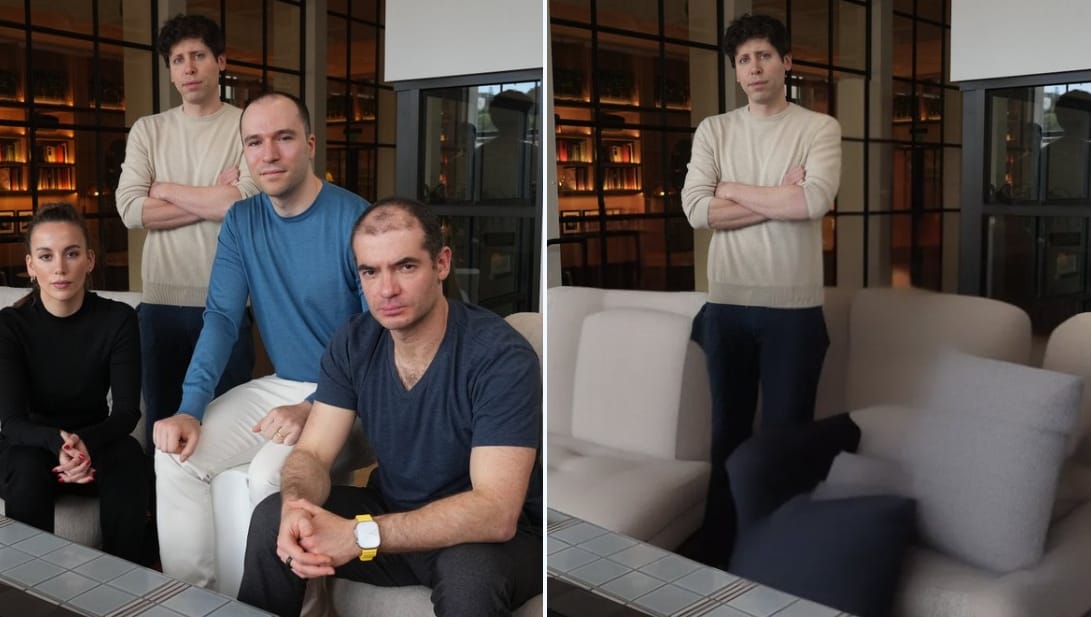
Following the resignation of OpenAI's CTO Mira Murati, CEO Sam Altman announced that other executives, Bob McGrew and Barret Zoph, also decided to leave. Altman expressed his sadness over Mira's departure but supported her decision, acknowledging her crucial role in the company's growth.
- Mark Chen has been appointed as the new Senior Vice President of Research, collaborating with Chief Scientist Jakub Pachocki. Josh Achiam will take on the role of Head of Mission Alignment, while Kevin Weil and Srinivas Narayanan will continue to lead the application teams.
- Reports indicate that OpenAI is discussing granting CEO Sam Altman a 7% equity stake and restructuring the organization into a for-profit entity. This move could signify a shift from a non-profit model to one that balances profit-making with social responsibility.
- Altman mentioned that there would be further discussions regarding these changes and their rationale during an upcoming all-staff meeting, acknowledging that while the changes may not feel entirely natural, they are part of the company's evolution.
Sam Altman: OpenAI's Leadership Team Continues To Shake Up
Following the resignation of OpenAI's CTO Mira Murati, CEO Sam Altman announced that other executives, Bob McGrew and Barret Zoph, also decided to leave. Altman expressed his sadness over Mira's departure but supported her decision, acknowledging her crucial role in the company's growth.
OpenAI's Leadership Team Continues To Shake Up
Following the resignation of OpenAI's CTO Mira Murati, CEO Sam Altman announced that other executives, Bob McGrew and Barret Zoph, also decided to leave. Altman expressed his sadness over Mira's departure but supported her decision, acknowledging her crucial role in the company's growth.
The #1 Daily Audio Book Summary APP

"Busy life, but love to read? Transform your every moment into a learning opportunity with HeardLy APP!
Whether you're commuting, working out, or just relaxing, HeardLy lets you dive into the world of books effortlessly.
With our AI-driven app, quickly master a top book in just a few minutes.
Sign up for a free trial today and gain 30-day access to master 30 top books!
Don't just fill your time—enrich it with HeardLy."
- Figma has relaunched its AI-powered app generator, now called "First Draft," after addressing concerns over its previous version.
- Reddit is introducing AI-powered automatic translation to over 35 new countries in Europe, Asia, and Latin America.
- Meta has announced the release of Llama 3.2, featuring advanced vision and lightweight text models designed for edge and mobile devices.
- Microsoft introduced a new AI feature called "Correction" to address inaccuracies in AI outputs.
- Filmmaker James Cameron joins the board of directors of AI firm StabilityAI, 40 years after warning about AI's risks in The Terminator.
- 📅 BeforeSunset AI effortlessly manages your schedule, syncing tasks across devices and adapting your workspace.
- ⏬ Generated Photos allows users explore and download images from the production-ready database.
- 💱 VWO optimizes digital experiences & maximize conversions.
- 👨🏻🏫 Teacher AI is your personal AI language teacher on the go!
- 🎬 Videotok creates viral TikToks with AI.
- 🦾 Flot AI writes, reads, and remembers across any apps and webs.
- 🔀 ChatHub enhances your AI chatbot experience by using multiple AIs at once.
- 🗺️ MapsScraperAI gathers business data from Google Maps to enhance lead generation and market research.
- 💡 MimicPC instantly runs Stable Diffusion and Flux online.
1 Million+ AI enthusiasts are eager to learn about your product.
AI Secret is the world’s #1 AI Newsletter, boasting over 1 million readers from leading companies such as OpenAI, Google, Meta, and Microsoft. We've assisted in promoting Over 500 AI-Related Products. Will yours be the next?
What We Can Offer:
- Launch an Advertising Campaign
- Introduce New Product or Features
- Other Business Cooperation
Email our co-founder Mark directly at [email protected] if the button fails.
Meta Launches Meta AI: Mark Zuckerberg's Vision for AI, Blended Reality, and Conversations with Satya Nadella
On April 29, 2025, Mark Zuckerberg, CEO of Meta, unveiled a standalone artificial intelligence (AI) app, Meta AI, marking a significant milestone in the ongoing AI
🛎️Google, OpenAI & Anthropic Join Forces
Mark Zuckerberg Defends Meta in FTC Antitrust Lawsuit
Mark Zuckerberg Takes the Stand: Defending Meta in FTC Antitrust Lawsuit
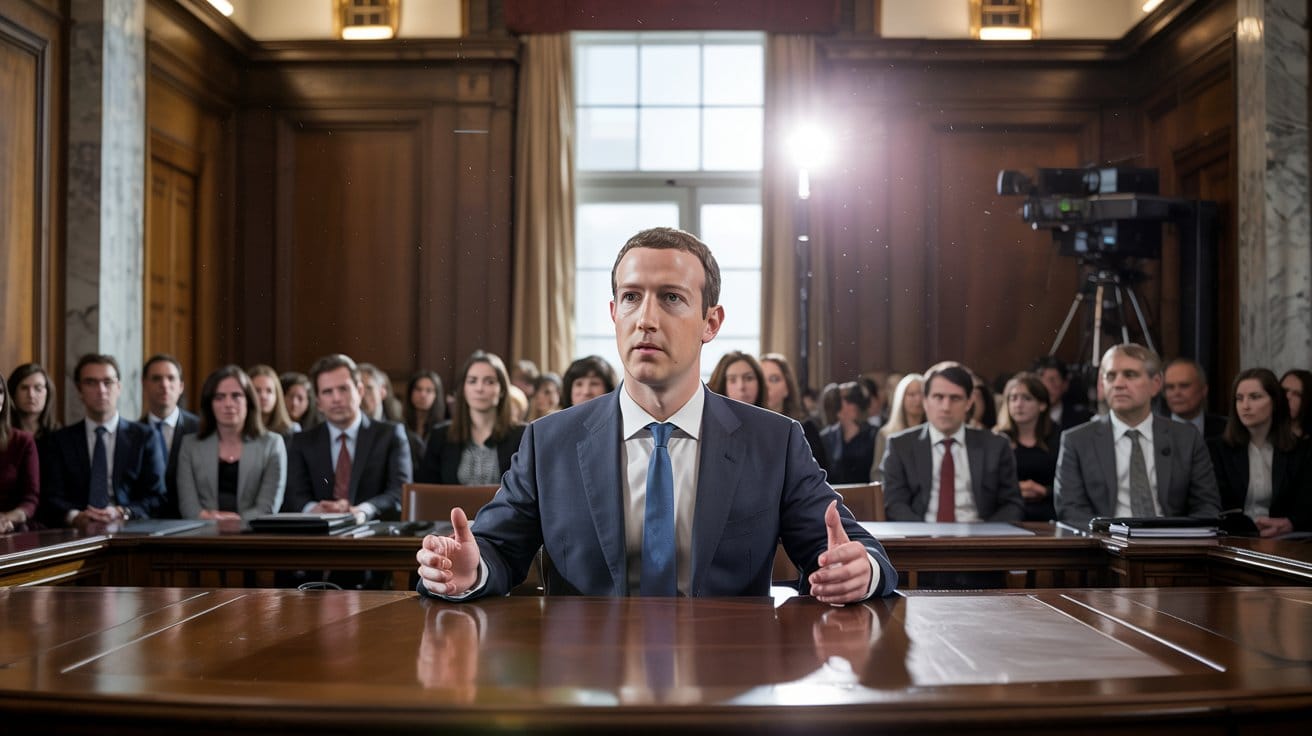
On April 14, 2025, Mark Zuckerberg, CEO of Meta Platforms, Inc., took the witness stand in a historic antitrust trial brought by the Federal Trade Commission
Meta's Marketing Activities: AI Ray-Bans Campaign
Move over, regular sunglasses! Meta's AI-powered Ray-Ban smart glasses are here to make you look cool, feel tech-savvy, and maybe even help you translate
🛎️“Luminous” Dreams
Hello, AI Enthusiasts! The machines might soon be coding better than your average mid-level engineer, and yes, they’re still not getting coffee breaks. So, dust
Mark Zuckerberg: AI May Replace Meta's Midlevel Engineers Soon
Ladies and gentlemen, the future is here, and it’s wearing a hoodie. Mark Zuckerberg, the founder of Meta (formerly Facebook), has made a bold prediction
Meta's AI Ambitions: Government Use
Meta is making significant strides to integrate its AI technologies into the fabric of governmental operations. Meta's CEO, Mark Zuckerberg, has been vocal about

Next-Generation AI Glasses
Sam Altman Might Get 7% OpenAI Equity