🛎️ First Real World Model
Plus: Meta Downed the Rabbit Hole, Anthropic's National Security
Read the story Subscribe
Company — Reporting on Microsoft, its technology, products and business. Aliases: Microsoft; Azure; Microsoft Copilot.
Get AI Secret’s free daily briefing, including Microsoft and the wider AI industry.

Microsoft develops software, cloud infrastructure and AI products. Coverage follows Azure, Copilot, AI partnerships and enterprise adoption.
Sources checked . Selected company background and milestones.
Selected milestones, newest first. Earlier history is available below.
Microsoft announces an AI assistant integrated with its productivity applications.
Source: MicrosoftMore than 10 years ago.
Relevant sections from the articles on this page. Explore older coverage below.
More coverage

Good Morning, AI Enthusiasts!
The industry as a whole tightens its grip on compute as if the future depends on who can build fastest and scale longest.

NEW LAUNCH
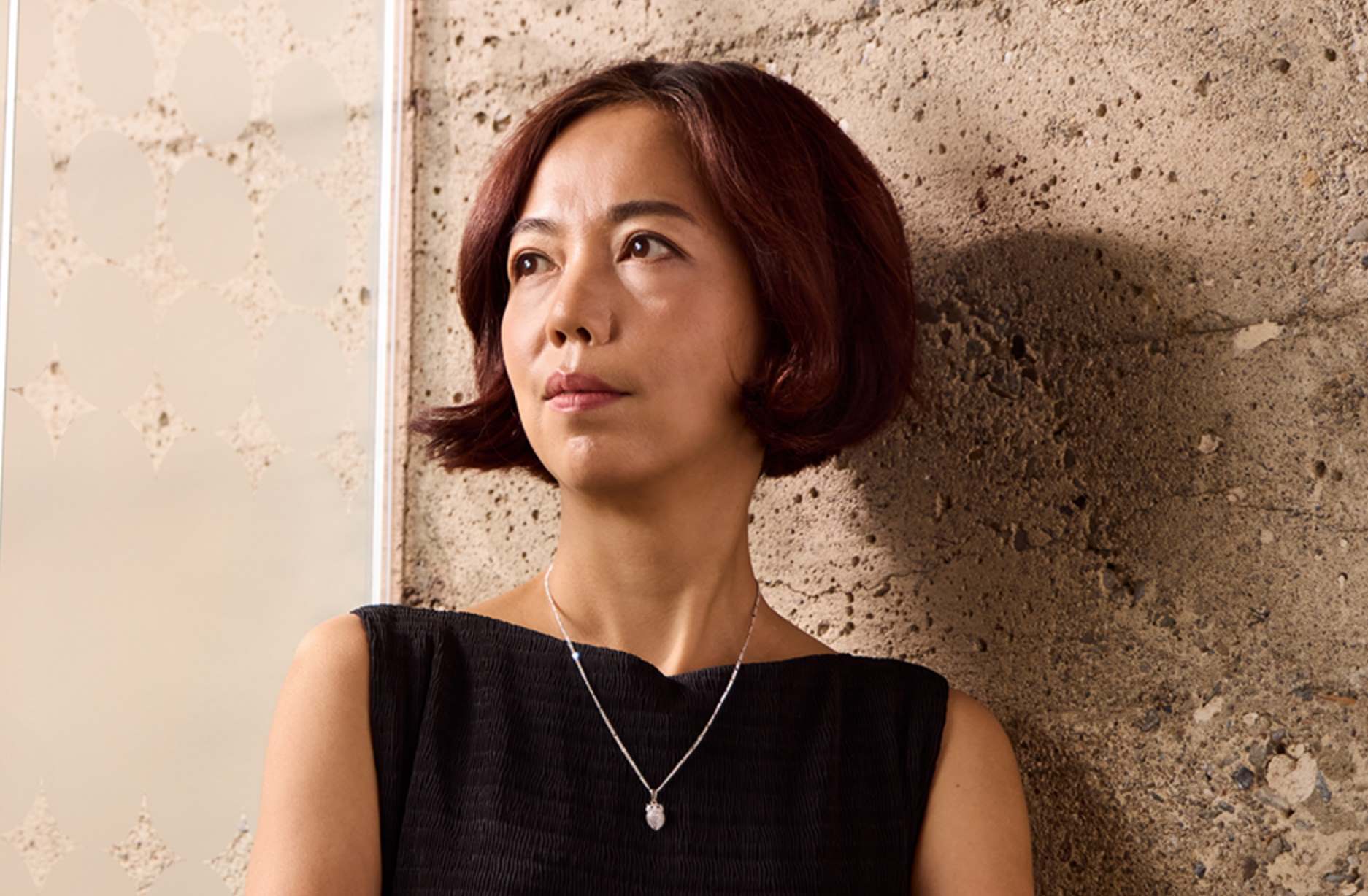
📌 What’s happening: Feifei Li's World Labs pushed Marble out of beta and into the wild, giving anyone a web interface that turns text, images, or rough layouts into full 3D worlds — with a tiered plan that starts free and tops out at ninety-five dollars a month. This isn’t another research demo; it exports meshes and Gaussian splats that drop straight into game engines, VFX pipelines, and robotics simulators. For the first time, a “world model” is not a paper, a teaser, or a NeRF viewer — it’s a product.
🧠 How this hits reality: This is the milestone everyone quietly waited for, a world model that is creative-grade, editable, composable, and pipeline-ready. Game studios just got a level editor that eats their photogrammetry workflow. VFX houses get instant pre-viz without weeks of scanning. Robotics teams get synthetic environments without writing Unity scenes from scratch. And any competitor still stuck in research mode — including Google’s still-not-shipping Genie line — just got leapfrogged by the founder of modern visual AI herself.
🛎️ Key takeaway: The first real world model just arrived, and it turns “spatial intelligence” from a keynote slide into a platform shift, the kind that will quietly rewires every industry that depends on 3D reality.
TOGETHER WITH BYTEPLUS
Introducing Seedance 1.0 Pro Fast, the latest breakthrough from BytePlus that pushes the frontier of AI-driven video creation. Built for creators and enterprises demanding both speed and cinematic quality, Seedance redefines efficiency — generating an 8-second 720p video in just 26 seconds, making it up to 4× faster than Veo3 Fast while maintaining professional-grade realism and style consistency.
Powered by advanced semantic understanding and motion simulation, Seedance analyzes prompts, reference images, and scene logic to interpret intent, infer motion, and complete coherent storylines. The result is a video that feels natural, expressive, and emotionally engaging — not just rendered, but directed.
Compared with Veo3 Fast, Seedance delivers smoother motion control, stronger prompt adherence, and more physical realism, especially in complex or high-action scenes. Its multi-shot storytelling engine plans zooms, transitions, and perspective shifts automatically, enabling creators to achieve cinematic rhythm and flow without manual edits.
Supporting flexible output from 2–12 seconds at 480p, 720p, or 1080p, Seedance gives you the freedom to create faster, better, and more affordably — breaking the old speed–quality–cost triangle and setting a new benchmark for AI video generation.
NEOCLOUD
📌 What’s happening: After unveiling its six-hundred-billion dollar AI infrastructure plan, Meta finally realized it cannot shoulder that capex without turning its compute ambition into a quasi–subprime financing scheme. The problem is obvious: Microsoft already locked up the premium neocloud vendors. So Meta is now eating the scraps, signing a three-billion dollar deal with Nebius — a company whose Q3 numbers look like a margin call waiting for a reason.
🧠 How this hits reality: This is the new hierarchy of AI power. Microsoft gets first pick of neocloud capacity; Meta gets whatever’s left, even if it comes wrapped in a one-billion-dollar quarterly capex bill and a hundred-million-dollar loss. The deal doesn’t validate Nebius; it validates Meta’s desperation. And by piling more demand onto the shakiest balance sheet in the sector, both sides inflate a bubble neither can afford to stop feeding.
🛎️ Key takeaway: Meta isn’t leading the compute race; it’s scavenging it. And when second-choice suppliers become systemically critical, you know the bubble is running the show.
Microsoft gets first pick of neocloud capacity; Meta gets whatever’s left, even if it comes wrapped in a one-billion-dollar quarterly capex bill and a hundred-million-dollar loss. The deal doesn’t validate Nebius; it validates Meta’s desperation. And by piling more demand onto the shakiest balance sheet in the sector, both sides inflate a bubble neither can afford to stop feeding.
Microsoft gets first pick of neocloud capacity; Meta gets whatever’s left, even if it comes wrapped in a one-billion-dollar quarterly capex bill and a hundred-million-dollar loss. The deal doesn’t validate Nebius; it validates Meta’s desperation. And by piling more demand onto the shakiest balance sheet in the sector, both sides inflate a bubble neither can afford to stop feeding.
NEOCLOUD
📌 What’s happening: Anthropic announced a fifty-billion plan to build U.S. data centers with Fluidstack, framed as helping Trump’s AI Action Plan and “maintaining American leadership.” The locations are Texas and New York, with a tidy jobs number bundled in for political optics. Strip away the flag-waving and you just see Fluidstack, a neocloud supplier upgraded into Anthropic’s bespoke datacenter assembler.
🧠 How this hits reality: This isn’t national industrial policy. It’s Anthropic locking in a dedicated compute factory while giving Washington a narrative it can sell on cable news. Just as Meta embraced Nebius to secure supply, Anthropic is elevating its own neocloud partner into a first-tier contractor, wrapped in stars-and-stripes messaging to avoid scrutiny over vendor concentration and capex burn.
🛎️ Key takeaway: U.S. AI giants are rebranding their neocloud dependencies as patriotism.
It’s Anthropic locking in a dedicated compute factory while giving Washington a narrative it can sell on cable news. Just as Meta embraced Nebius to secure supply, Anthropic is elevating its own neocloud partner into a first-tier contractor, wrapped in stars-and-stripes messaging to avoid scrutiny over vendor concentration and capex burn.
QUICK HITS
AI coding startup Cursor has raised 2.3 billion dollars, boosting its valuation to 29.3 billion dollars, nearly 12 times the value the company had in January.
TRENDING
TOGETHER WITH US
AI Secret Media Group is the world’s #1 AI & Tech Newsletter Group, boasting over 2 million readers from leading companies such as OpenAI, Google, Meta, and Microsoft. Our Newsletter Brands:
We've helped promote over 500 Tech Brands. Will yours be the next?
Email our co-founder Mark directly at [email protected] if the button fails.
Good Morning, AI Enthusiasts!
A world learning to balance ambition with restraint — where both markets and machines are tested not by power, but by purpose.
CREDITS
I would like to clarify a few things.
— Sam Altman (@sama) November 6, 2025
First, the obvious one: we do not have or want government guarantees for OpenAI datacenters. We believe that governments should not pick winners or losers, and that taxpayers should not bail out companies that make bad business decisions or…
📌 What’s happening: When OpenAI CFO Sarah Friar floated the idea of a financing “ecosystem” backed by private funds, banks, and even the U.S. government, investors heard one word — bailout. Within hours, nearly $500 billion in market value vanished. Nvidia plunged $173B, Microsoft logged its longest losing streak since 2022. Sam Altman scrambled to clarify: “We neither need nor want a government guarantee,” promising $20B in annualized revenue and trillions more by 2030. The damage, though, was already done.
🧠 How this hits reality: Wall Street has seen this movie before — only last time it starred Lehman Brothers. The very phrase “government backstop” triggered flashbacks to the 2008 credit crisis, when leverage outpaced liquidity and confidence proved non-renewable. OpenAI isn’t a bank, but its trillion-dollar compute ambitions rhyme with that same hubris: betting tomorrow’s trust against today’s cash flow. The market just called the bluff.
🛎️ Key takeaway: AI’s biggest shortage may not be compute; it’s credibility.
📌 What’s happening: When OpenAI CFO Sarah Friar floated the idea of a financing “ecosystem” backed by private funds, banks, and even the U.S. government, investors heard one word — bailout. Within hours, nearly $500 billion in market value vanished. Nvidia plunged $173B, Microsoft logged its longest losing streak since 2022.
TOGETHER WITH BYTEPLUS
Introducing Seedance 1.0 Pro Fast, the latest breakthrough from BytePlus that pushes the frontier of AI-driven video creation. Built for creators and enterprises demanding both speed and cinematic quality, Seedance redefines efficiency — generating an 8-second 720p video in just 26 seconds, making it up to 4× faster than Veo3 Fast while maintaining professional-grade realism and style consistency.
Powered by advanced semantic understanding and motion simulation, Seedance analyzes prompts, reference images, and scene logic to interpret intent, infer motion, and complete coherent storylines. The result is a video that feels natural, expressive, and emotionally engaging — not just rendered, but directed.
Compared with Veo3 Fast, Seedance delivers smoother motion control, stronger prompt adherence, and more physical realism, especially in complex or high-action scenes. Its multi-shot storytelling engine plans zooms, transitions, and perspective shifts automatically, enabling creators to achieve cinematic rhythm and flow without manual edits.
Supporting flexible output from 2–12 seconds at 480p, 720p, or 1080p, Seedance gives you the freedom to create faster, better, and more affordably — breaking the old speed–quality–cost triangle and setting a new benchmark for AI video generation.
NEW LAUNCH
📌 What’s happening: Beijing’s Moonshot AI has unveiled Kimi K2 Thinking, a trillion-parameter open-source model trained for just $4.6 million — the cost of a Palo Alto townhouse. It isn’t just big; it’s efficiently smart. K2 can chain 200–300 tool calls, plan and reason autonomously, and output deployable front-end code. On Humanity’s Last Exam, it scored 44.9%, topping GPT-5’s 41.7% and Claude 4.5’s 32.0%, while running natively on INT4 inference that fits on consumer GPUs.
🧠 How this hits reality: Moonshot’s playbook flips Silicon Valley’s religion of “scale or die.” Instead of chasing trillion-dollar compute budgets, China’s labs are compressing intelligence through quantization-aware training and mixture-of-experts minimalism, proving you can bend the scaling law without breaking accuracy. It’s a cultural inversion: the West equates intelligence with size; China’s betting on efficiency as strategy.
🛎️ Key takeaway: The AI race just split in two — Silicon Valley builds bigger brains, China builds smarter neurons.
📌 What’s happening: Beijing’s Moonshot AI has unveiled Kimi K2 Thinking, a trillion-parameter open-source model trained for just $4.6 million — the cost of a Palo Alto townhouse. It isn’t just big; it’s efficiently smart. K2 can chain 200–300 tool calls, plan and reason autonomously, and output deployable front-end code.
AGI

📌 What’s happening: Mustafa Suleyman, now leading Microsoft’s new AI Superintelligence Team, announced the company’s grand vision for Humanist Superintelligence (HSI) — a system designed to stay moral, interpretable, and safely limited. The pitch: no runaway autonomy, no self-improving loops, no godlike detours. Redmond insists it will build an AI that thinks with humans, not past them — even if that means giving up some performance.
🧠 How this hits reality: Of course, Microsoft says this every time it launches an AI moonshot that it’s “different,” “responsible,” and “uniquely Microsoft.” Then the industry digs in and finds an OpenAI core humming underneath the hood. This time, with relations cooling and a separate team in place, the company swears it’s going solo. Whether this is the dawn of a new AI philosophy or just another rebranded API call… well, let’s give it a few quarters.
🛎️ Key takeaway: Microsoft wants to prove it can build its own brain — not just rent OpenAI’s conscience.
🧠 How this hits reality: Of course, Microsoft says this every time it launches an AI moonshot that it’s “different,” “responsible,” and “uniquely Microsoft.” Then the industry digs in and finds an OpenAI core humming underneath the hood. This time, with relations cooling and a separate team in place, the company swears it’s going solo.
🧠 How this hits reality: Of course, Microsoft says this every time it launches an AI moonshot that it’s “different,” “responsible,” and “uniquely Microsoft.” Then the industry digs in and finds an OpenAI core humming underneath the hood. This time, with relations cooling and a separate team in place, the company swears it’s going solo.
QUICK HITS
TRENDING
TOGETHER WITH US
AI Secret Media Group is the world’s #1 AI & Tech Newsletter Group, boasting over 2 million readers from leading companies such as OpenAI, Google, Meta, and Microsoft. Our Newsletter Brands:
We've helped promote over 500 Tech Brands. Will yours be the next?
Email our co-founder Mark directly at [email protected] if the button fails.
Good Morning, AI Enthusiasts!
AI isn’t decentralized; it’s feudal, and Microsoft is building its vassal states one debt-fueled GPU fortress at a time.

NEOCLOUD

📌 What’s happening: Microsoft isn’t buying cloud capacity, it’s conscripting NeoClouds into a compute war economy. Its latest $9.7B deal with IREN turned a former bitcoin miner into a frontline AI compute supplier overnight. Before that came Nebius, locking a $17.4B mega-treaty to become a private-sector compute annex. And go back further and you hit CoreWeave, the NeoCloud shock troop which didn’t just land a multi-billion Microsoft pact; it used that contract as collateral, borrowed billions from Blackstone, and started hoarding GPUs like a sovereign defense program.
🧠 How this hits reality: These aren’t cloud providers; they’re leveraged hyperscaler shock troops mortgaging the next decade to feed Microsoft’s insatiable compute appetite. NeoClouds trade them to Wall Street for debt, and suddenly racks appear faster than regulators or power grids can keep up. Everyone calls this “innovation,” but it looks suspiciously like private-sector industrial policy with margin calls.
🛎️ Key takeaway: AI isn’t a tech cycle; it’s a collateralized compute land grab. The future runs on GPUs, debt, and whoever blinks last.
📌 What’s happening: Microsoft isn’t buying cloud capacity, it’s conscripting NeoClouds into a compute war economy. Its latest $9.7B deal with IREN turned a former bitcoin miner into a frontline AI compute supplier overnight. Before that came Nebius, locking a $17.4B mega-treaty to become a private-sector compute annex.
TOGETHER WITH HYPHALABS

The functional mushroom industry is projected to reach $66 billion. And Hypha Labs is positioning itself to lead the movement with their AI-powered Mushroom Accelerator. The device produces tiny MicroPearlsTM containing essential mushroom nutrients, like a “Keurig” for personalized medicine. Invest Hypha Labs before the share price changes on tomorrow at 11:59 PM PST.
This is a paid advertisement for Hypha Labs’ Regulation A offering. Please read the offering circular at invest.hyphalabs.com.
CLOUD

📌 What’s happening: OpenAI just inked a $38B deal with Amazon, proving that even frontier labs need a calm, solvent adult in the room after partying too hard with Microsoft’s credit-fueled war machine. OpenAI secures seven years of AWS GPUs. Amazon stock hits ATH. Everyone pretends this is about “multi-cloud resilience,” not I-love-Microsoft-but-also-please-someone-have-a-risk-team energy. Meanwhile AWS shows up to the AI arms race like the guy who skipped leg day but still buys the gym.
🧠 How this hits reality: Microsoft militarized NeoClouds, collateralized compute, and weaponized debt. AWS chose the “breathe in, breathe out, wait for the corpses to float by” strategy. Enterprises now get two cloud flavors:
🛎️ Key takeaway: Microsoft is fighting a holy GPU war; AWS is building the monastery survivors will pray in after the bubble pops.
📌 What’s happening: OpenAI just inked a $38B deal with Amazon, proving that even frontier labs need a calm, solvent adult in the room after partying too hard with Microsoft’s credit-fueled war machine. OpenAI secures seven years of AWS GPUs. Amazon stock hits ATH. Everyone pretends this is about “multi-cloud resilience,” not I-love-Microsoft-but-also-please-someone-have-a-risk-team energy.
📌 What’s happening: OpenAI just inked a $38B deal with Amazon, proving that even frontier labs need a calm, solvent adult in the room after partying too hard with Microsoft’s credit-fueled war machine. OpenAI secures seven years of AWS GPUs. Amazon stock hits ATH. Everyone pretends this is about “multi-cloud resilience,” not I-love-Microsoft-but-also-please-someone-have-a-risk-team energy.
CHIPS

📌 What’s happening: Washington talks export controls, however Microsoft secured U.S. approval to ship 60,000+ Nvidia GB300-class chips to the UAE. Trump just told 60 Minutes America won’t export the “most advanced” chips. Meanwhile, Abu Dhabi pledged $1.4T for U.S. AI/energy deals and suddenly the Middle East is a front-row NeoCloud ally.
🧠 How this hits reality: Export controls are increasingly less policy and more who’s underwriting America’s AI industrial build-out. NeoCloud wasn’t just about private compute mercenaries, now sovereign wealth funds are in the queue. If this is “national security,” it’s the privatized, collateralized version where chips follow capital, not flags.
🛎️ Key takeaway: AI geopolitics isn’t about who’s allowed to buy chips — it’s about who’s wealthy enough to make the rules bend.
📌 What’s happening: Washington talks export controls, however Microsoft secured U.S. approval to ship 60,000+ Nvidia GB300-class chips to the UAE. Trump just told 60 Minutes America won’t export the “most advanced” chips. Meanwhile, Abu Dhabi pledged $1.4T for U.S. AI/energy deals and suddenly the Middle East is a front-row NeoCloud ally.
QUICK HITS
TRENDING
TOGETHER WITH US
AI Secret Media Group is the world’s #1 AI & Tech Newsletter Group, boasting over 2 million readers from leading companies such as OpenAI, Google, Meta, and Microsoft. Our Newsletter Brands:
We've helped promote over 500 Tech Brands. Will yours be the next?
Email our co-founder Mark directly at [email protected] if the button fails.
Good Morning, AI Enthusiasts!
Altman dares the market to doubt him, turning speculation into a kind of performance art.
PODCAST
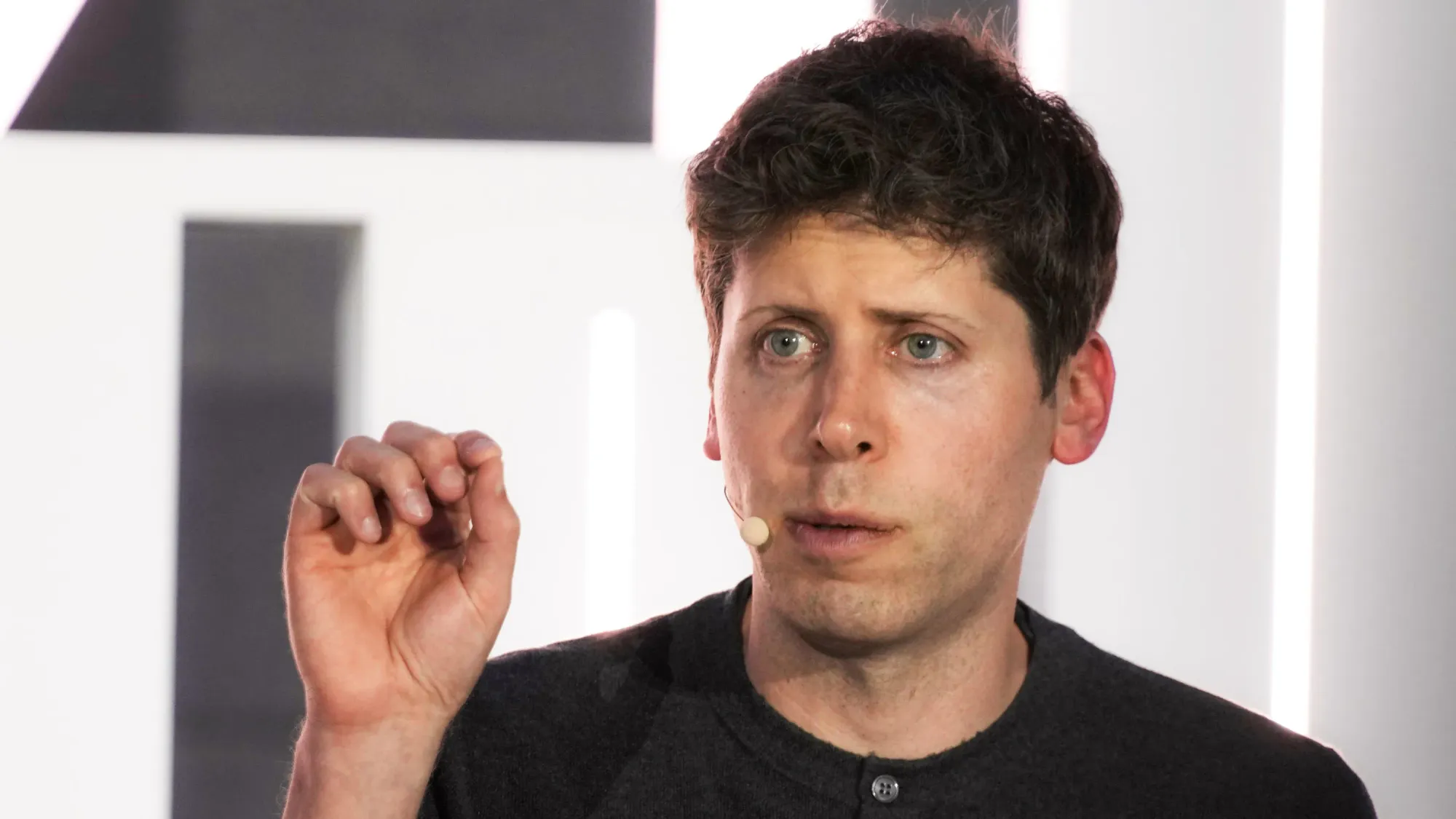
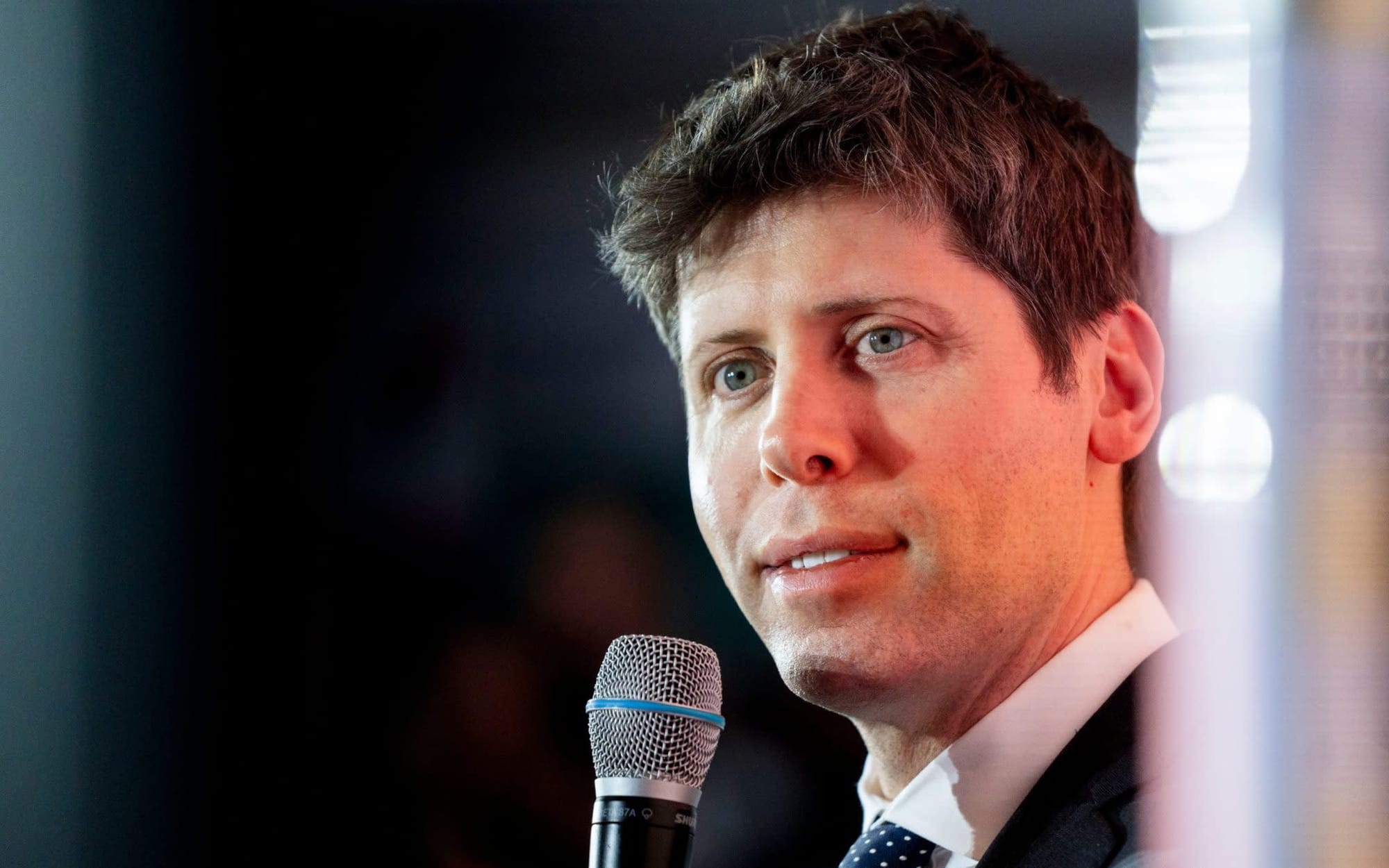
📌 What’s happening: Fresh off OpenAI’s massive reorg into a dual structure — the OpenAI Foundation (nonprofit parent) and OpenAI Group PBC (public benefit corp) — Sam Altman went on a public offensive. He reaffirmed dependence on Microsoft’s infrastructure, dismissed the $1.4T spending scare, and lobbed a grenade at critics: “I’d love to tell them to short the stock, and I’d love to see them get burned on that.”
🧠 How this hits reality: Altman’s swagger isn’t just bravado; it’s a signal that OpenAI’s valuation psychology is shifting from existential risk to sovereign confidence. He’s betting scale and compute scarcity will keep rivals cornered. But the “welcome to short” line also sets a dangerous precedent: it turns the AI boom into a financial combat sport where belief in AGI isn’t just a thesis, it’s a trade. Expect volatility to spike across the private AI market, especially for firms still running on OpenAI APIs or Microsoft credits.
🛎️ Key takeaway: Altman didn’t just invite shorts. He redefined AI faith as a zero-sum bet.
🧠 How this hits reality: Altman’s swagger isn’t just bravado; it’s a signal that OpenAI’s valuation psychology is shifting from existential risk to sovereign confidence. He’s betting scale and compute scarcity will keep rivals cornered.
📌 What’s happening: Fresh off OpenAI’s massive reorg into a dual structure — the OpenAI Foundation (nonprofit parent) and OpenAI Group PBC (public benefit corp) — Sam Altman went on a public offensive.
He reaffirmed dependence on Microsoft’s infrastructure, dismissed the $1.4T spending scare, and lobbed a grenade at critics: “I’d love to tell them to short the stock, and I’d love to see them get burned on that.”
TOGETHER WITH BYTEPLUS
Introducing Seedance 1.0 Pro Fast, the latest breakthrough from BytePlus that pushes the frontier of AI-driven video creation. Built for creators and enterprises demanding both speed and cinematic quality, Seedance redefines efficiency — generating an 8-second 720p video in just 26 seconds, making it up to 4× faster than Veo3 Fast while maintaining professional-grade realism and style consistency.
Powered by advanced semantic understanding and motion simulation, Seedance analyzes prompts, reference images, and scene logic to interpret intent, infer motion, and complete coherent storylines. The result is a video that feels natural, expressive, and emotionally engaging — not just rendered, but directed.
Compared with Veo3 Fast, Seedance delivers smoother motion control, stronger prompt adherence, and more physical realism, especially in complex or high-action scenes. Its multi-shot storytelling engine plans zooms, transitions, and perspective shifts automatically, enabling creators to achieve cinematic rhythm and flow without manual edits.
Supporting flexible output from 2–12 seconds at 480p, 720p, or 1080p, Seedance gives you the freedom to create faster, better, and more affordably — breaking the old speed–quality–cost triangle and setting a new benchmark for AI video generation.
AUTOMOBILE
📌 What’s happening: Nissan has extended its partnership with UK firm Monolith to use AI in cutting physical car tests, a move aimed at halving development times and catching up with China’s 18-month design cycles. The AI system, trained on decades of Nissan test data, predicts outcomes like bolt tension, tire wear, and battery performance before the prototypes hit the track. It’s efficiency by simulation, not reinvention.
🧠 How this hits reality: While Nissan is still teaching AI to imitate engineers, Tesla already replaced half the test lab with code. Its Dojo supercomputer runs a closed feedback loop — every virtual crash, stress test, and aerodynamic tweak lives inside one self-learning system. Nissan buys acceleration; Tesla manufactures iteration.
🛎️ Key takeaway: Legacy automakers are renting AI assistants. Tesla built an AI workforce.
🧠 How this hits reality: While Nissan is still teaching AI to imitate engineers, Tesla already replaced half the test lab with code. Its Dojo supercomputer runs a closed feedback loop — every virtual crash, stress test, and aerodynamic tweak lives inside one self-learning system. Nissan buys acceleration; Tesla manufactures iteration.
ADS
📌 What’s happening: Google dropped its first fully AI-generated ad using Veo 3 — a holiday short where a plush turkey plots its escape from Thanksgiving. The twist: no uncanny faces, no “AI-made” label, just quiet charm. It’s a soft debut that turns AI from headline gimmick into invisible craft, a far cry from Coca-Cola’s glossy but uncanny AI experiment earlier this year.
🧠 How this hits reality: Google isn’t showing off tech; it’s laundering it. By embedding Veo 3 into a soft, harmless narrative, Google normalizes AI-made media without triggering the creep response. It’s a stealth distribution move: turn Veo into the Photoshop of video, not the Sora of hype. Creative agencies should take note, Google just redefined “AI-assisted storytelling” as “comfort content.”
🛎️ Key takeaway: Google didn’t make an AI ad; it made AI invisible, and that’s how you win the next creative arms race.
🧠 How this hits reality: Google isn’t showing off tech; it’s laundering it. By embedding Veo 3 into a soft, harmless narrative, Google normalizes AI-made media without triggering the creep response. It’s a stealth distribution move: turn Veo into the Photoshop of video, not the Sora of hype.
QUICK HITS
TRENDING
TOGETHER WITH US
AI Secret Media Group is the world’s #1 AI & Tech Newsletter Group, boasting over 2 million readers from leading companies such as OpenAI, Google, Meta, and Microsoft. Our Newsletter Brands:
We've helped promote over 500 Tech Brands. Will yours be the next?
Email our co-founder Mark directly at [email protected] if the button fails.
Good Morning, AI Enthusiasts!
We’ve entered an era of overdrive. The world’s most ambitious builders are no longer just racing to make faster models; they are engineering intelligence itself.

EXPAND
📌 What’s happening: Alphabet reached its first $100 billion quarter as every product line, including Search, Cloud, YouTube, and Waymo, went full-stack on AI. Gemini now powers Chrome, Pixel, and Android XR; its viral sibling Nano Banana is everywhere; and Google Cloud’s generative AI revenue grew by more than 200 percent year over year. At the same time, Sundar Pichai’s team announced a quantum computing breakthrough that runs 13,000 times faster than one of the world’s top supercomputers.
🧠 How this hits reality: Google’s AI ecosystem now extends from chips to creators. Its TPUs compete head-to-head with NVIDIA’s GPUs, Gemini Enterprise is spreading across corporate workflows, and Search’s AI Mode is reshaping how users interact with the web. The deeper shift is in perception: users and enterprises once wary of overpromised assistants are returning, not for novelty but for reliability. Google has quietly become the safe bet in the generative AI era.
🛎️ Key takeaway: The internet’s old gatekeeper rebuilt the gates, and this time the password is Gemini.
Its TPUs compete head-to-head with NVIDIA’s GPUs, Gemini Enterprise is spreading across corporate workflows, and Search’s AI Mode is reshaping how users interact with the web. The deeper shift is in perception: users and enterprises once wary of overpromised assistants are returning, not for novelty but for reliability.
📌 What’s happening: Alphabet reached its first $100 billion quarter as every product line, including Search, Cloud, YouTube, and Waymo, went full-stack on AI. Gemini now powers Chrome, Pixel, and Android XR; its viral sibling Nano Banana is everywhere; and Google Cloud’s generative AI revenue grew by more than 200 percent year over year.
TOGETHER WITH LINDY
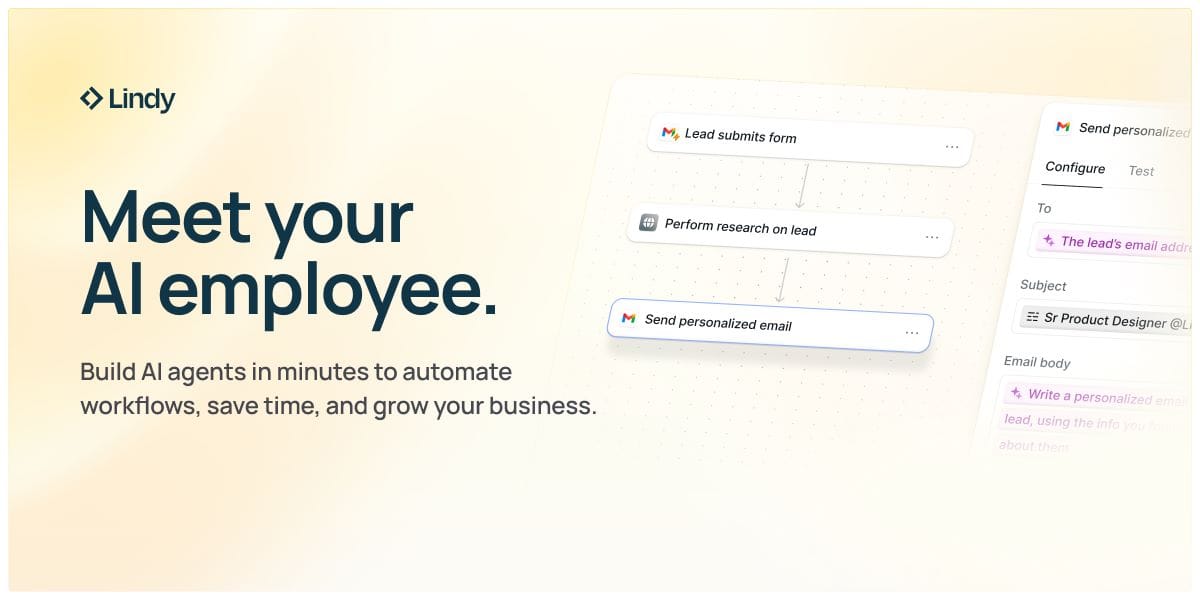
Imagine if ChatGPT, Zapier, and Webflow all had a baby. That's Lindy.
With Lindy, you can build AI agents and apps in minutes simply by describing what you want in plain English:
From inbound lead qualification to AI-powered customer support and full-blown apps, Lindy has hundreds of agents that are ready to work for you 24/7/365.
Stop doing repetitive tasks manually. Let Lindy automate workflows, save time, and grow your business.
LLM
📌 What’s happening: AI coding startup Cursor (Anysphere) has released Composer, its first in-house model integrated into the Cursor 2.0 platform. The company claims it is four times faster than leading peers such as GPT-5 and Claude Sonnet 4.5. Composer was trained through reinforcement learning and a mixture-of-experts approach, and it is already being used by Cursor’s own engineers. The pitch: an agentic coder that plans, tests, and reviews code, not just autocomplete it.
🧠 How this hits reality: Composer’s speed and production-grade reinforcement learning training are genuine improvements, but independence from Anthropic’s Claude and OpenAI’s GPT stack will take time. Cursor still depends on those models as fallback options, and its benchmarks show parity with mid-tier systems rather than true frontier intelligence. To build a fully self-reliant development agent, Cursor must master inference infrastructure, dataset scale, and evaluation operations, which is a long and expensive journey for any startup.
🛎️ Key takeaway: Cursor finally owns the wheel, yet it is still driving with Claude’s learner’s permit.
🧠 How this hits reality: Composer’s speed and production-grade reinforcement learning training are genuine improvements, but independence from Anthropic’s Claude and OpenAI’s GPT stack will take time. Cursor still depends on those models as fallback options, and its benchmarks show parity with mid-tier systems rather than true frontier intelligence.
📌 What’s happening: AI coding startup Cursor (Anysphere) has released Composer, its first in-house model integrated into the Cursor 2.0 platform. The company claims it is four times faster than leading peers such as GPT-5 and Claude Sonnet 4.5. Composer was trained through reinforcement learning and a mixture-of-experts approach, and it is already being used by Cursor’s own engineers.
TOGETHER WITH IMMERSED
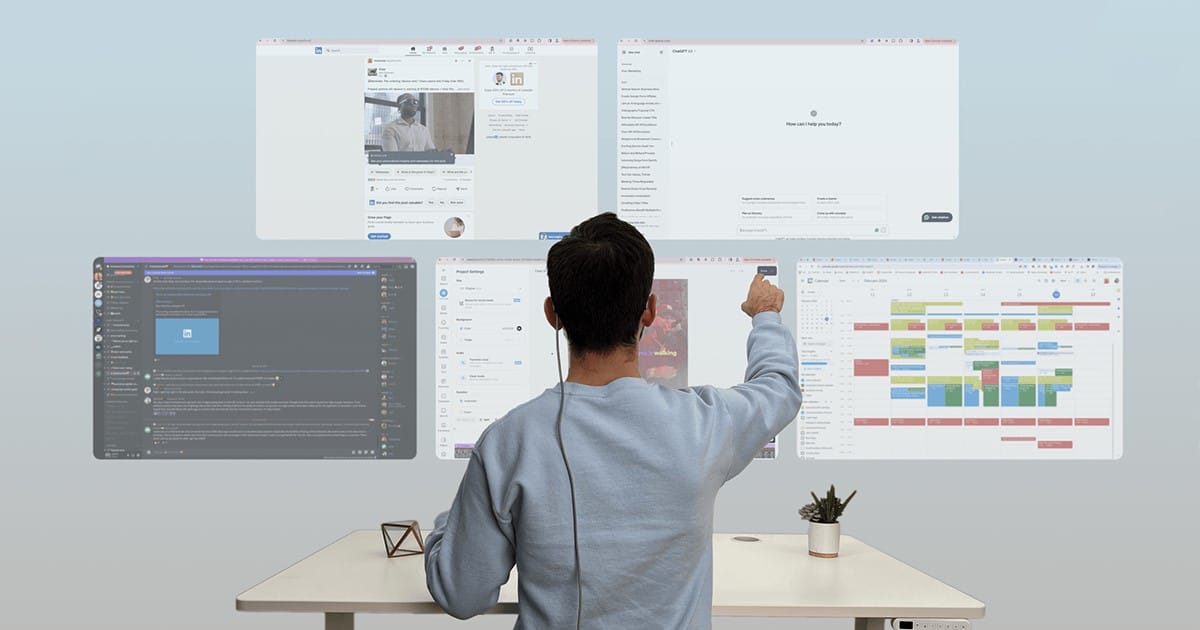
How do you follow 4,000% valuation growth? Keep pushing. That’s what Immersed did, reserving the Nasdaq ticker $IMRS. But investors are buying pre-IPO shares now.
1.4M people use their breakthrough productivity app, including Fortune 500 teams.
Google and Samsung partnered with them. Executives and founders from Intel, Facebook, and Reddit invested. You can too. But hurry.
This is a paid advertisement for Immersed’s Regulation CF offering. Please read the offering circular at invest.immersed.com.
AGI

📌 What’s happening: OpenAI’s new for-profit structure depends on a fresh deal that quietly gives Microsoft unprecedented control. The so-called “AGI clause” now requires an independent panel to verify when AGI is achieved, rather than allowing OpenAI to decide on its own. Microsoft also retains intellectual property rights to all OpenAI models and research through 2032, including future post-AGI systems, and it can now pursue AGI independently or together with rivals such as Anthropic.
🧠 How this hits reality: Microsoft now stands between OpenAI and the finish line it is racing toward. It controls the compute, owns the infrastructure, and can even decide when the race is officially over. This turns the AGI competition into a regulatory chess match, where every OpenAI breakthrough strengthens the same player that might eventually surpass it. For startups that rely on open ecosystems, the message is harsh: the biggest moat is no longer model quality, it is ownership and contractual control.
🛎️ Key takeaway: Microsoft did not just invest in AGI, it rewrote the rulebook to make sure no one else can win without it.
The so-called “AGI clause” now requires an independent panel to verify when AGI is achieved, rather than allowing OpenAI to decide on its own. Microsoft also retains intellectual property rights to all OpenAI models and research through 2032, including future post-AGI systems, and it can now pursue AGI independently or together with rivals such as Anthropic.
🧠 How this hits reality: Microsoft now stands between OpenAI and the finish line it is racing toward. It controls the compute, owns the infrastructure, and can even decide when the race is officially over. This turns the AGI competition into a regulatory chess match, where every OpenAI breakthrough strengthens the same player that might eventually surpass it.
QUICK HITS
TRENDING
TOGETHER WITH US
AI Secret Media Group is the world’s #1 AI & Tech Newsletter Group, boasting over 2 million readers from leading companies such as OpenAI, Google, Meta, and Microsoft. Our Newsletter Brands:
We've helped promote over 500 Tech Brands. Will yours be the next?
Email our co-founder Mark directly at [email protected] if the button fails.
Good Morning, AI Enthusiasts!
OpenAI has effectively written the playbook for how “AI for humanity” can coexist with trillion-dollar ambitions. The next chapter will not be about whether it goes public, but how soon.
RESTRUCTURE
📌 What’s happening: OpenAI has completed its long-awaited corporate restructuring, marking a decisive break from its non-profit roots. The company now operates as OpenAI Group, a for-profit public benefit corporation fully controlled by the OpenAI Foundation, which functions as a non-profit holding entity. Under the new model, the Foundation owns 26 percent of OpenAI Group and retains board appointment power, ensuring that governance remains mission-driven even as capital markets open up. Microsoft holds about 27 percent, valued at roughly 135 billion dollars, while the remaining shares are distributed among investors and employees.
🧠 How this hits reality: The recapitalization cements a two-tier governance model that blends altruism with ambition. The Foundation preserves the organization’s original public-interest mandate, while OpenAI Group gains the freedom to raise funds, acquire companies, and pursue commercial expansion without previous legal restraints. The structure also includes a “public benefit clause,” requiring OpenAI to balance profit with broader societal impact. Microsoft’s extended IP rights through 2032 further stabilize the relationship that underpins OpenAI’s infrastructure. With SoftBank’s 30 billion dollar investment finalized and state regulators from California and Delaware dropping their objections, the company has effectively secured a green light for the next phase — a likely public listing.
🛎️ Key takeaway: OpenAI is no longer a non-profit moonshot; it is now a market-ready hybrid with a moral boardroom. The AGI lab that once defied venture logic just rewired itself for Wall Street.
The company now operates as OpenAI Group, a for-profit public benefit corporation fully controlled by the OpenAI Foundation, which functions as a non-profit holding entity. Under the new model, the Foundation owns 26 percent of OpenAI Group and retains board appointment power, ensuring that governance remains mission-driven even as capital markets open up.
Microsoft’s extended IP rights through 2032 further stabilize the relationship that underpins OpenAI’s infrastructure. With SoftBank’s 30 billion dollar investment finalized and state regulators from California and Delaware dropping their objections, the company has effectively secured a green light for the next phase — a likely public listing.
TOGETHER WITH BYTEPLUS
Introducing Seedance 1.0 Pro Fast, the latest breakthrough from BytePlus that pushes the frontier of AI-driven video creation. Built for creators and enterprises demanding both speed and cinematic quality, Seedance redefines efficiency — generating an 8-second 720p video in just 26 seconds, making it up to 4× faster than Veo3 Fast while maintaining professional-grade realism and style consistency.
Powered by advanced semantic understanding and motion simulation, Seedance analyzes prompts, reference images, and scene logic to interpret intent, infer motion, and complete coherent storylines. The result is a video that feels natural, expressive, and emotionally engaging — not just rendered, but directed.
Compared with Veo3 Fast, Seedance delivers smoother motion control, stronger prompt adherence, and more physical realism, especially in complex or high-action scenes. Its multi-shot storytelling engine plans zooms, transitions, and perspective shifts automatically, enabling creators to achieve cinematic rhythm and flow without manual edits.
Supporting flexible output from 2–12 seconds at 480p, 720p, or 1080p, Seedance gives you the freedom to create faster, better, and more affordably — breaking the old speed–quality–cost triangle and setting a new benchmark for AI video generation.
PHARMA

📌 What’s happening: The world’s leading pharmaceutical company Eli Lilly is partnering with Nvidia to build its own DGX SuperPOD, an AI supercomputer designed to train models on millions of biological experiments in order to accelerate drug discovery and development. These models will power Lilly TuneLab, a federated platform that allows biotech partners to access Lilly’s AI capabilities without revealing proprietary data, creating what is essentially a shared intelligence layer for pharmaceutical research.
🧠 How this hits reality: This collaboration marks Lilly’s transition from being an AI user to becoming an AI infrastructure builder. By running Nvidia’s DGX B300 systems internally, Lilly is turning its data moat into a developer ecosystem while cutting years from preclinical testing cycles. The move also sets a new standard for “sovereign AI” in healthcare, giving the company full-stack control from molecules to models without relying on external cloud vendors. Competitors that depend on outsourced compute may find themselves outpaced.
🛎️ Key takeaway: Lilly is not just training models; it is training the next generation of biotech to build on its brain.
By running Nvidia’s DGX B300 systems internally, Lilly is turning its data moat into a developer ecosystem while cutting years from preclinical testing cycles. The move also sets a new standard for “sovereign AI” in healthcare, giving the company full-stack control from molecules to models without relying on external cloud vendors.
INFRA
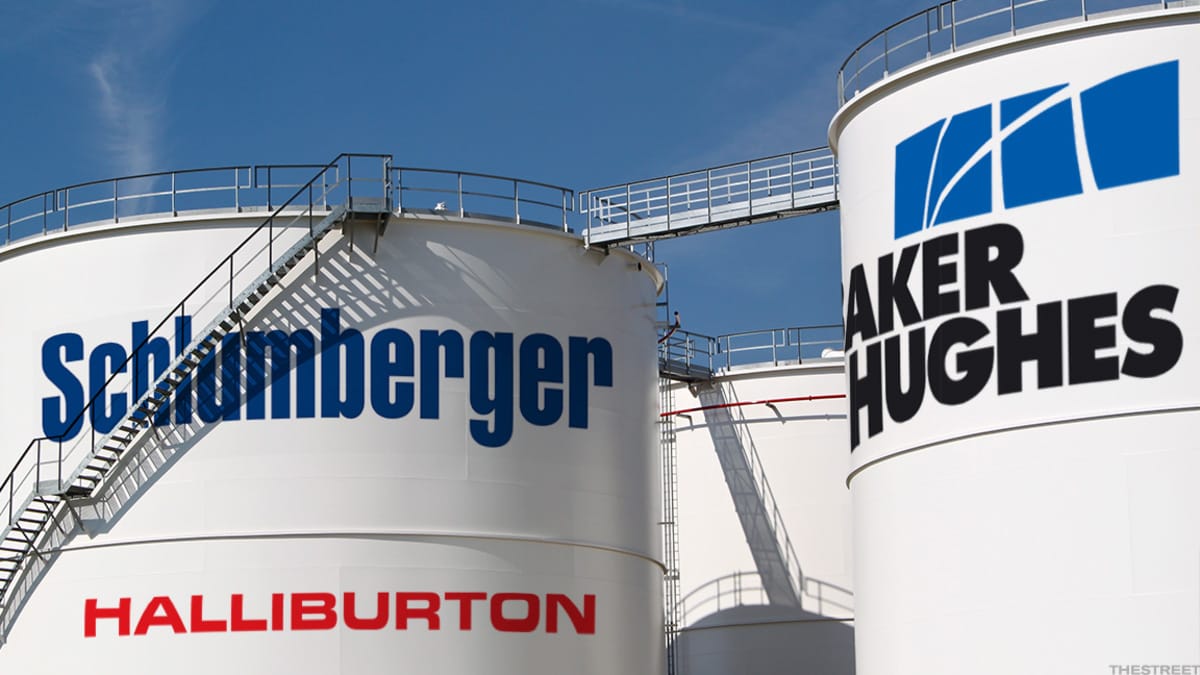
📌 What’s happening: SLB, Halliburton, and Baker Hughes—once the backbone of global drilling are now wiring up the AI boom. With oil prices stuck near $60 and rigs going idle, the oilfield triumvirate is redirecting turbines, grid tech, and decades of heavy-infrastructure muscle toward powering hyperscale data centers. Baker Hughes has already booked 1.2 GW in data-center power orders, Halliburton is co-funding 2.3 GW with VoltaGrid for Oracle’s AI buildout, and SLB’s Digital unit just logged 11% quarterly growth.
🧠 How this hits reality: The fossil fuel supply chain is mutating into AI infrastructure supply. These firms are not only selling barrels anymore, they’re selling watts, uptime, and thermal efficiency. Cloud players get industrial-grade reliability; oilfield giants get a new lease on relevance. The energy transition just got hijacked by compute demand.
🛎️ Key takeaway: When AI eats the world, even oilfields learn Python—or at least power its servers.
Baker Hughes has already booked 1.2 GW in data-center power orders, Halliburton is co-funding 2.3 GW with VoltaGrid for Oracle’s AI buildout, and SLB’s Digital unit just logged 11% quarterly growth.
QUICK HITS
TRENDING
TOGETHER WITH US
AI Secret Media Group is the world’s #1 AI & Tech Newsletter Group, boasting over 2 million readers from leading companies such as OpenAI, Google, Meta, and Microsoft. Our Newsletter Brands:
We've helped promote over 500 Tech Brands. Will yours be the next?
Email our co-founder Mark directly at [email protected] if the button fails.
Good Morning, AI Enthusiasts!
The browser, the planet, and your laptop are all becoming surfaces for AI to see, reason, and act.

NEW LAUNCH
📌 What’s happening: Two days after OpenAI showed off its Atlas browser, Microsoft rolled out a near-identical “AI browser” update for Edge. The so-called Copilot Mode now reads tabs, summarizes info, and performs “Actions” like booking hotels or filling forms, all wrapped in a chat window that looks suspiciously like Atlas. Officially, this is a long-planned feature refresh. Unofficially, it’s Microsoft making sure no one mistakes whose AI runs the web.
🧠 How this hits reality: This wasn’t a product launch; it was a territorial response. Microsoft can’t afford for OpenAI’s browser to redefine user entry points into the internet. Edge’s sudden “AI evolution” is a defensive move to keep the agent layer inside Windows — not drifting toward OpenAI’s neutral playground. It’s less rivalry over UX and more about who controls the interface of intelligence itself.
🛎️ Key takeaway: Atlas showed what’s next; Microsoft showed who’s scared.
Microsoft can’t afford for OpenAI’s browser to redefine user entry points into the internet. Edge’s sudden “AI evolution” is a defensive move to keep the agent layer inside Windows — not drifting toward OpenAI’s neutral playground. It’s less rivalry over UX and more about who controls the interface of intelligence itself.
📌 What’s happening: Two days after OpenAI showed off its Atlas browser, Microsoft rolled out a near-identical “AI browser” update for Edge. The so-called Copilot Mode now reads tabs, summarizes info, and performs “Actions” like booking hotels or filling forms, all wrapped in a chat window that looks suspiciously like Atlas.
TOGETHER WITH ELEVENLABS
Imagine a world where the voice of an AI is so realistic, it could charm the socks off a statue. Well, buckle up, because ElevenLabs is here to turn that dream into a reality! Our cutting-edge voice models are like the Swiss Army knife of the vocal world—versatile, reliable, and just plain cool.
It creates stunning voiceovers for audiobooks, commercials, and anything else your heart desires. Say goodbye to awkward silences and hello to an audio experience that’s music to your ears—literally! Whether you’re a developer, a creator, or an enterprise with a penchant for the dramatic, we’ve got just the voice for you.
PREDICTION
📌 What’s happening: Google rolled out its biggest update to Earth AI since July, baking Gemini’s reasoning into geospatial models that can now connect live data streams, from satellite imagery to weather forecasts and population maps, to flag potential disasters before they unfold. Governments, utilities, and nonprofits can now “chat” with Earth AI to ask questions like where a river dried up, where floods may hit next, or which regions face toxic algae risks.
🧠 How this hits reality: This turns Google Earth from a visualization tool into an early-warning intelligence system. For cities, it’s predictive governance; for insurers, it’s preemptive risk modeling; for NGOs, it’s faster disaster response. The line between geospatial analysis and crisis management just blurred, and whoever owns the climate data pipeline owns the future.
🛎️ Key takeaway: Google isn’t just mapping the world anymore; it’s teaching it to think ahead of us.
📌 What’s happening: Google rolled out its biggest update to Earth AI since July, baking Gemini’s reasoning into geospatial models that can now connect live data streams, from satellite imagery to weather forecasts and population maps, to flag potential disasters before they unfold.
ACQUI-HIRE
👀 What’s the move: OpenAI just picked up Software Applications, a tiny but pedigreed Mac automation startup building “Sky,” an unreleased AI layer for macOS that sees your screen, reasons over what you’re doing, and acts on your behalf. The founders—Ari Weinstein and Conrad Kramer—are the same duo behind Workflow, the iOS tool Apple acquired in 2017 and turned into “Shortcuts.” In short: OpenAI just hired back Apple’s own automation architects.
🧠 How this hits reality: This isn’t about one small app; it’s about operating systems. “Sky” was built to make LLMs native to the desktop, not a chat window. With this team, OpenAI can push ChatGPT beyond the browser and into real OS-level control, something even Apple hasn’t nailed with Siri or Apple Intelligence. If successful, ChatGPT stops being a website and becomes an invisible co-worker inside your Mac.
🛎️ Key takeaway: OpenAI didn’t just buy an app; it bought the muscle memory of how Apple taught machines to do things for you.
With this team, OpenAI can push ChatGPT beyond the browser and into real OS-level control, something even Apple hasn’t nailed with Siri or Apple Intelligence. If successful, ChatGPT stops being a website and becomes an invisible co-worker inside your Mac.
With this team, OpenAI can push ChatGPT beyond the browser and into real OS-level control, something even Apple hasn’t nailed with Siri or Apple Intelligence. If successful, ChatGPT stops being a website and becomes an invisible co-worker inside your Mac.
QUICK HITS
TRENDING
TOGETHER WITH US
AI Secret Media Group is the world’s #1 AI & Tech Newsletter Group, boasting over 2 million readers from leading companies such as OpenAI, Google, Meta, and Microsoft. Our Newsletter Brands:
We've helped promote over 500 Tech Brands. Will yours be the next?
Email our co-founder Mark directly at [email protected] if the button fails.

From factories to frontlines, humanoid robots are no longer prototypes — they’re becoming co-workers, caregivers, and companions. Robotics Herald tracks the breakthroughs shaping this transformation, offering deep insights into the companies, technologies, and people building our mechanical future.

From frontier labs to public markets, the Bay Area remains the control room of technological capitalism. Bay Area Letters delivers sharp commentary on the forces reshaping the future — from AGI and robotics to synthetic biology and space. Each edition connects scientific breakthroughs with market movements, decoding how tomorrow’s technologies become today’s trillion-dollar narratives.
Good Morning, AI Enthusiasts!
The lines between thought, code, and commerce are dissolving.

BCI
Hi everyone! Sorry for the late update. I’ll try to get back to Sundays.
— Nick Wray (@Telepath_8) October 6, 2025
TL;DR: !!!!!
This was truly a week for the books. I can’t remember the last time I put in a solid 8 hour work day and last week I put in 3 in a row. It was one of the most incredible experiences of my life… pic.twitter.com/7jtU5qVEdo
📌 What’s happening: Neuralink has reached a remarkable milestone as an ALS patient named Nick Wray successfully used the company’s implanted brain chip to control a robotic arm entirely through thought. In a recent public demonstration, Wray operated the arm to pick up a cup, take a drink, open a refrigerator, put on a hat, and heat food in a microwave. This achievement is part of Neuralink’s FDA-approved “CONVOY” study, which aims to restore autonomy for patients with severe paralysis. What once existed only on computer screens is now extending into the physical world, marking a major step in the evolution of brain–computer technology.
🧠 How this hits reality: This moment represents a shift from science fiction to science fact. Brain–computer interfaces have long been able to translate neural activity into digital actions, but Neuralink’s latest experiment shows that thought can now produce tangible movement. The chip uses 128 ultra-fine threads to detect neural signals and wirelessly transmit them as Bluetooth commands, allowing mental intention to guide physical precision. The result is no longer just assistive technology but the beginning of human extension technology, offering paralyzed patients restored independence and setting the stage for broader cognitive–robotic interaction. Hospitals, rehabilitation programs, and robotics firms will need to rethink their future around this convergence of mind and machine.
🛎️ Key takeaway: The ability to control reality through thought has begun. Neuralink has shown that the human mind no longer ends where the body does—it now reaches into the physical world.
TOGETHER WITH QODER
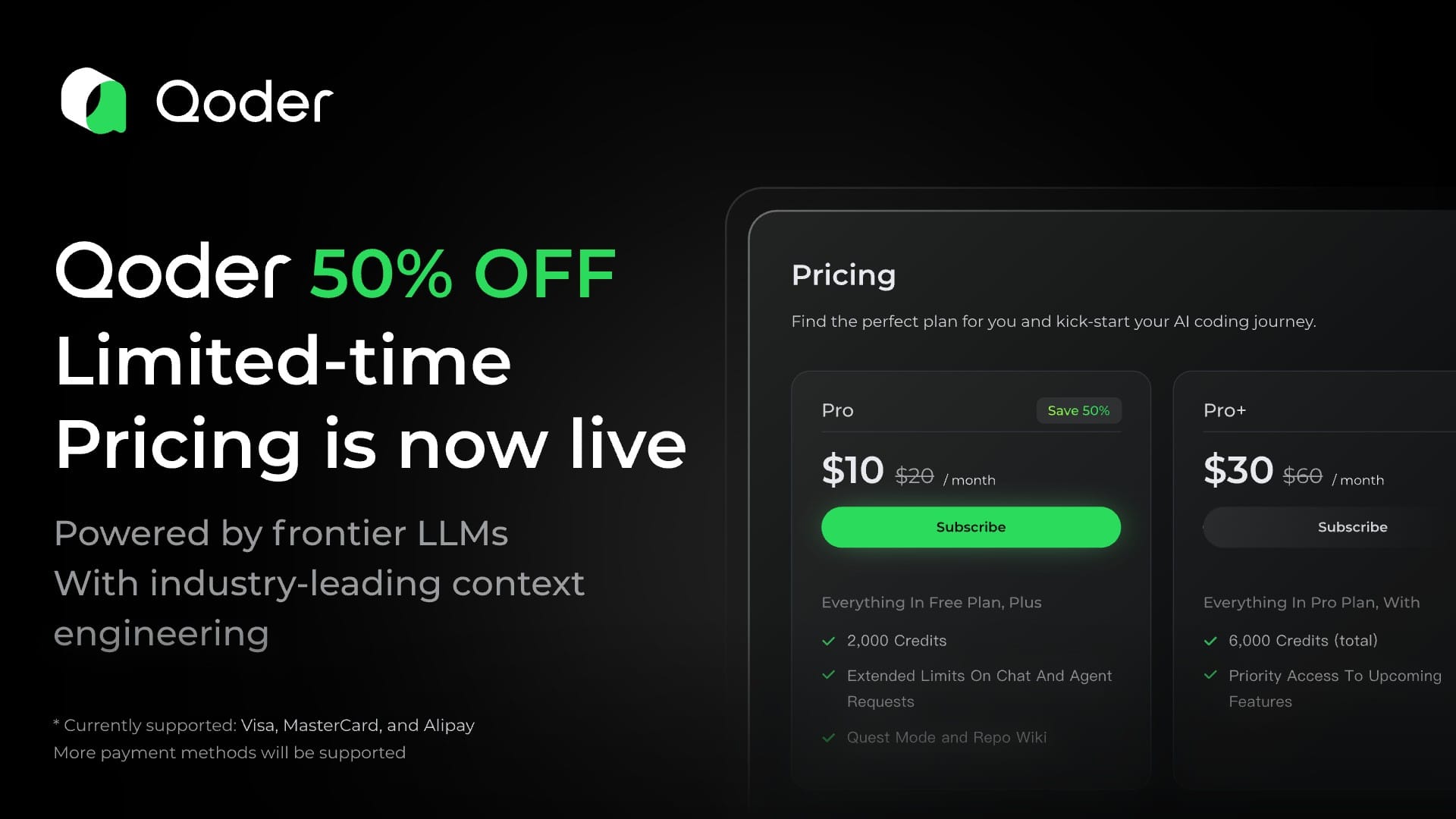
Qoder isn’t just another coding assistant—it’s an agentic coding platform built for real-world software development. In just five days, over 100,000 developers have joined, signaling a shift from “vibe coding” toward project-level engineering intelligence.
Its flagship Repo Wiki turns hidden knowledge into team assets: automatically generating architecture maps, reference graphs, and technical specs that stay in sync with your code. Add context with manual edits, export to Markdown or PDF, and share instantly across teams.
Meanwhile, Smart Context Control puts developers in charge of credits. With “Compact Chat,” Qoder intelligently summarizes conversations, cutting token use while keeping essential context—delivering efficiency and sustainability for long projects.
To celebrate this milestone, Qoder is offering a limited-time 50% discount on Pro and Pro+ plans (new signups and renewals) for AI Secret Readers, making it easier than ever to experience the future of coding.
WORKFLOW
📌 What’s happening: Berlin-based n8n has raised $180 million in Series C funding led by Accel with participation from Nvidia’s investment arm, pushing its valuation to $2.5 billion. The company has transformed from a no-code automation tool into an AI orchestration platform, with over 80% of workflows now embedding agentic logic. CEO Jan Oberhauser says enterprise users like Vodafone have saved millions by using n8n to combine human decisions, deterministic rules, and AI actions within a single workflow.
🧠 How this hits reality: OpenAI’s AgentKit is trying to make workflow automation accessible to everyone by turning complex orchestration into a visual drag-and-drop process. It lowers the barrier for non-technical teams, but the experience still feels early and rigid. n8n, by contrast, chose the developer path. Its JSON-based flow engine lets engineers build agentic automations that once required heavy custom coding, while still plugging into any stack or model. There is no right or wrong direction here, but with AI now amplifying what developers can do, n8n is clearly running ahead in real-world adoption.
🛎️ Key takeaway: n8n thrives because it amplifies human builders instead of sidelining them, and in this era of half-finished autonomy, that’s exactly where the market puts its money.
📌 What’s happening: Berlin-based n8n has raised $180 million in Series C funding led by Accel with participation from Nvidia’s investment arm, pushing its valuation to $2.5 billion. The company has transformed from a no-code automation tool into an AI orchestration platform, with over 80% of workflows now embedding agentic logic.
TREND
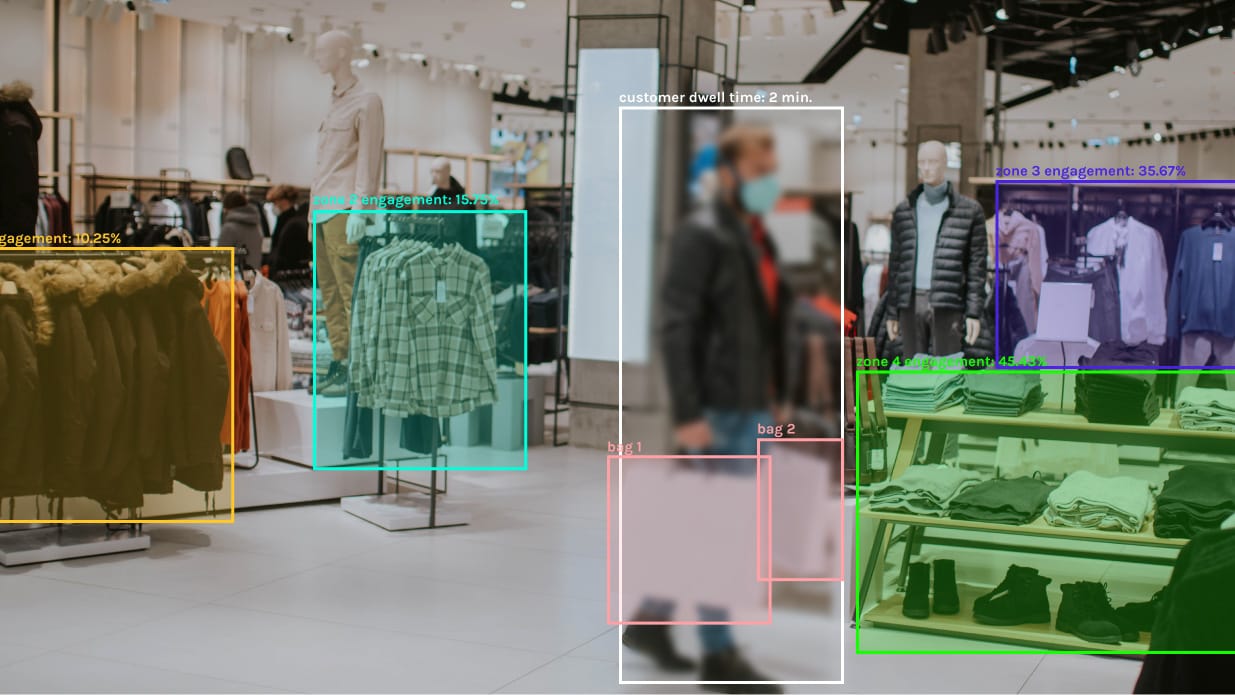
📌 What’s happening: From Gap’s full-stack partnership with Google Cloud to Revolve’s AI stylist and The Body Shop’s predictive supply chain, retail is no longer transforming but being rewritten. In the past week, more than a dozen global retailers unveiled AI integrations that include digital closets, AR try-ons, dynamic shelf pricing, and retail media networks. The message is clear: personalization has become the minimum standard, and data liquidity is now the real logistics advantage.
🧠 How this hits reality: Retail is splitting into two camps. One is rebuilding workflows around AI-native platforms such as Gap, M&S, and Breuninger, while the other is patching AI layers onto legacy systems. The winners are not chasing customer delight; they are pursuing operational elasticity, building systems that can learn, predict, and optimize before human teams even act. Retail media, once treated as an advertising afterthought, has become the core profit engine. Every screen, shelf, and shopping cart is turning into a point of inference.
🛎️ Key takeaway: AI is not only selling to consumers but quietly rewriting how commerce thinks. The smartest retailers are no longer hiring influencers; they are training models that can start shopping for customers before the customers even know what they want.
QUICK HITS
Microsoft ’s Windows Copilot now lets users create Office documents and link Gmail or Outlook directly from chat, turning it into a full productivity hub.
TRENDING
TOGETHER WITH US
AI Secret Media Group is the world’s #1 AI & Tech Newsletter Group, boasting over 1 million readers from leading companies such as OpenAI, Google, Meta, and Microsoft. Our Newsletter Brands:
We've helped promote over 500 Tech Brands. Will yours be the next?
Email our co-founder Mark directly at [email protected] if the button fails.
Latest Daily Rundowns
 Magna
Magna MagnaMagna
More AI Stories
Ben Magna
Magna Magna
Magna
Good Morning, AI Enthusiasts!
AI no longer stays in the lab, it drips into desire, strategy, and foresight, reshaping the everyday into something both stranger and more inevitable.

RETAIL
📌 What’s happening: Magnum, about to spin out of Unilever and list publicly, is plugging Chilean startup NotCo’s AI into its R&D pipeline. The mandate: cut calories, swap dairy for plants, tame volatile cocoa prices, and crank out “next viral flavors” faster than human food scientists ever could. NotCo’s résumé already includes Kraft Heinz’s plant-based mac-and-cheese and mayo.
🧠 How this hits reality: NotCo isn’t a kitchen lab, it runs Giuseppe, a generative AI trained on thousands of plants at the molecular level. The model maps ingredients to taste, texture, and nutrition, then spits out plant-based combinations that mimic dairy or sugar while slashing cost and calories. For Magnum, that means AI can redesign ice cream at the molecular recipe layer, not just marketing fluff. This is more than reformulation. CPG incumbents are outsourcing innovation to algorithmic labs. The losers: legacy R&D teams, brand “heritage” narratives, and anyone betting consumers won’t notice AI in their cones.
🛎️ Key takeaway: Magnum isn’t just serving ice cream, it’s serving the first taste of algorithm-designed indulgence, and the freezer aisle may never be human again.
TOGETHER WITH MEETING REMINDERS

Meeting Reminders is your polite-but-persistent calendar enforcer. Forget chasing people down or waiting in empty Zoom rooms—it automatically pings participants until they actually show up. No more “sorry, lost track of time” excuses. Perfect for managers, freelancers, or anyone who hates being ghosted, it keeps your schedule tight and your patience intact. Basically, it’s like hiring a professional nag, but one that doesn’t charge by the hour.
GAMING

📌 What’s happening: Google is baking Gemini Live straight into Google Play Store titles. The AI can literally “see” your screen, answer questions by voice, and feed you hints mid-battle without switching windows. It’s a page lifted from Microsoft’s Gaming Copilot, but with Google’s distribution muscle across 200,000+ Play titles and a PC bridge.
🧠 How this hits reality: Game guides, wikis, and YouTube walkthroughs just got undercut at the root. Why alt-tab when the AI coach is already in-game, context-aware, and whispering the next move? Studios lose some control over player progression pacing, while ad-driven help platforms could watch traffic evaporate. Google, meanwhile, quietly turns gameplay itself into another Gemini data stream.
🛎️ Key takeaway: Cheat codes are obsolete. The platform now decides how fast you learn to win.
📌 What’s happening: Google is baking Gemini Live straight into Google Play Store titles. The AI can literally “see” your screen, answer questions by voice, and feed you hints mid-battle without switching windows. It’s a page lifted from Microsoft’s Gaming Copilot, but with Google’s distribution muscle across 200,000+ Play titles and a PC bridge.
📌 What’s happening: Google is baking Gemini Live straight into Google Play Store titles. The AI can literally “see” your screen, answer questions by voice, and feed you hints mid-battle without switching windows. It’s a page lifted from Microsoft’s Gaming Copilot, but with Google’s distribution muscle across 200,000+ Play titles and a PC bridge.
FORECAST

📌 What’s happening: Seattle–SF startup Planette is building long-range climate intelligence that fills the gap between two-week forecasts and 2050 apocalypse scenarios. Their AI platform Joro, plus quantum-inspired system QubitCast (built with NASA), crunches Earth system models across atmosphere, ocean, ice, and land. Unlike legacy weather bureaus, their AI compresses millions of physics equations into actionable signals, delivering forecasts months out, not days.
🧠 How this hits reality: If you trade commodities, insure crops, or hedge pension risk, “probabilities of extreme events” aren’t academic, they’re profit margins. Planette’s Eddy tool gives retail users four-month foresight, while hedge funds get six. Farmers in Ethiopia and insurers in New York suddenly share the same playbook. Traditional meteorology looks quaint when AI finds “needles in haystacks” faster than supercomputers.
🛎️ Key takeaway: Climate volatility just became quantifiable alpha and Planette is turning chaos into a subscription line item.
QUICK HITS
TRENDING
TOGETHER WITH US
AI Secret Media Group is the world’s #1 AI & Tech Newsletter Group, boasting over 1 million readers from leading companies such as OpenAI, Google, Meta, and Microsoft. Our Newsletter Brands:
We've helped promote over 500 Tech Brands. Will yours be the next?
Email our co-founder Mark directly at [email protected] if the button fails.
Latest Daily Rundowns
MagnaMagnaMagnaMore AI Stories
Ben Ben
Ben Ben
Ben
Plus: Meta Downed the Rabbit Hole, Anthropic's National Security
Read the storyPlus: Moonshot Defies the Scale Law, Humanist Superintelligence
The future runs on Silicon, not rules.
Plus: When AI Builds Cars, Google’s Turkey Gambit
Plus: Cursor Builds Brain, Gatekeeper of AGI
Plus: Lilly Joins AI, Barrels to Bytes
Plus: Chat with Earth AI, OpenAI’s Mac Play
Plus: n8n Hits $2.5B, Retail’s AI Gold Rush
Plus: Gaming Coach, Forecasting Becomes Profit Engine
The Cloud Dream Never Died, It Just Changed Shape