NVIDIA
Company — Reporting on NVIDIA, its technology, products and business. Aliases: NVIDIA; Nvidia; GeForce; CUDA.
Get AI Secret’s free daily briefing, including NVIDIA and the wider AI industry.

At a glance
NVIDIA develops accelerated computing hardware and software. Coverage follows its GPUs, CUDA ecosystem, AI infrastructure and business decisions.
- Focus
- GPUs; CUDA; AI systems
- Reference
- NVIDIA
Sources checked . Selected company background and milestones.
Company milestones
Selected milestones, newest first. Earlier history is available below.
Introduces Blackwell
NVIDIA introduces its Blackwell computing platform for large-scale AI workloads.
Source: NVIDIA
Show earlier historyHide earlier history · 2 milestones
More than 10 years ago.
The latest on NVIDIA
Newest firstRelated reporting
Relevant sections from the articles on this page. Explore older coverage below.
More coverage

Good Morning, AI Enthusiasts!
Ownership now lives in the plumbing beneath the headlines.
NEW TECH
The Monopoly Comes Home
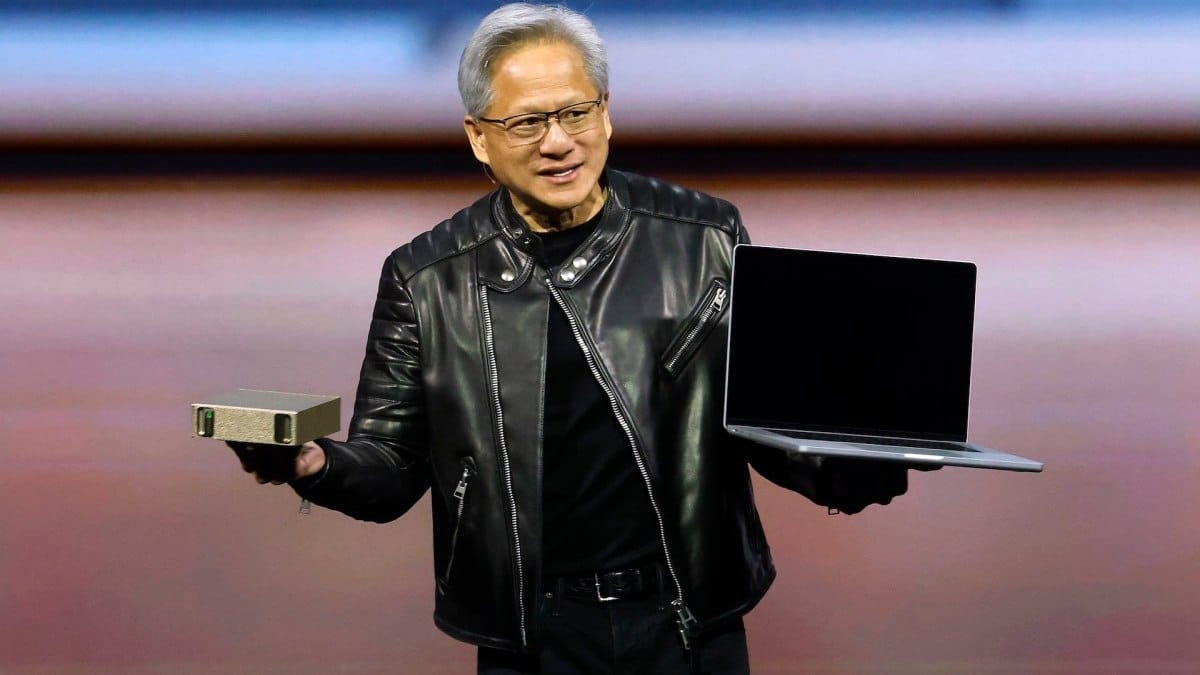
👀 What’s happening: At GTC Taipei 2026, Nvidia launched RTX Spark, a consumer chip on its GB10 part, calling it the PC's first redefinition in 40 years. The spec runs up to 1 PFLOP of FP4 compute and 128GB of unified memory, enough to run 120-billion-parameter models locally. Lenovo and HP are building machines, Microsoft will rebuild Windows around it, and Adobe is re-architecting Photoshop and Premiere.
🌍 How this hits reality: Local AI always forced a choice between two things you couldn't get together. One was CUDA, Nvidia's two-decade software moat that nearly every AI framework targets first, and it only ran on Nvidia hardware. The other was unified memory, a shared CPU-GPU memory pool big enough to fit a large model on one machine, which Apple had made mainstream and Nvidia's PC chips lacked. RTX Spark is the first to weld both together. Nvidia already owns the cloud layer every model trains on; now the desktop runs on the same stack. Keep going, and "local AI" just means Nvidia AI you happen to own.
🛎️ Key takeaway: The new PC era is the datacenter monopoly arriving on your desk, where every private, on-device future quietly runs on one vendor's stack.
NVIDIA: The Monopoly Comes Home
One was CUDA, Nvidia's two-decade software moat that nearly every AI framework targets first, and it only ran on Nvidia hardware. The other was unified memory, a shared CPU-GPU memory pool big enough to fit a large model on one machine, which Apple had made mainstream and Nvidia's PC chips lacked.
Microsoft: The Monopoly Comes Home
The spec runs up to 1 PFLOP of FP4 compute and 128GB of unified memory, enough to run 120-billion-parameter models locally. Lenovo and HP are building machines, Microsoft will rebuild Windows around it, and Adobe is re-architecting Photoshop and Premiere.
STUDY
Sutton Forgot the Recipe
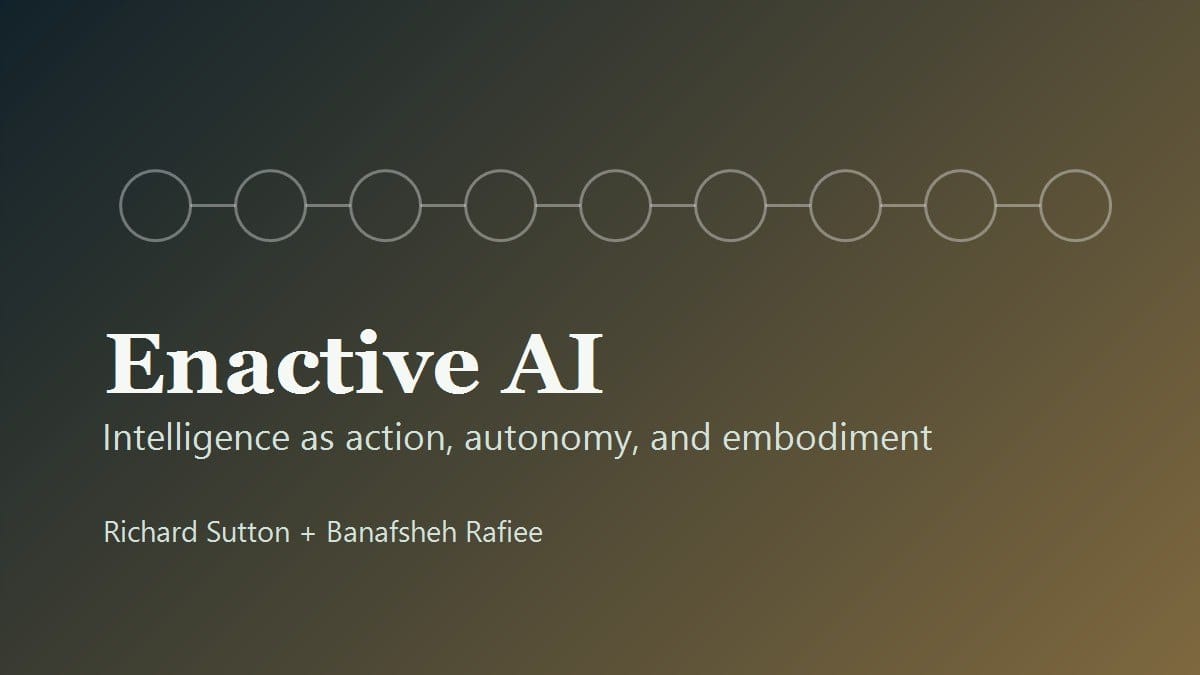
👀 What’s happening: Richard Sutton, the Turing Award winner called the father of reinforcement learning, and researcher Banafsheh Rafiee propose a different path in a new paper: enactive AI. Instead of a model that ingests data and predicts patterns, intelligence would emerge from an agent acting in an environment and learning from consequences. They name four pillars: real experience over labeled data, perception and action as one loop, autonomy, and embodiment. Reinforcement learning, they say, is the closest existing branch but still falls short on all three counts.
🌍 How this hits reality: The diagnosis is sharp; the prescription is mostly a wishlist. The hardest pillar is autonomy: a system that sets its own success criteria, not a reward function a human wrote. Nobody knows how to build that. Embodiment is worse, since an agent that learns by acting collects data at the speed of the physical world, while LLMs swallowed the internet in months. The paper says what is missing without saying how to make it.
🛎️ Key takeaway: Enactive AI may be the right description of real intelligence and still have no engineering road to it, a compass pointing at a country with no roads in.
SDK
Anthropic Buys Out the Standard
👀 What’s happening: Anthropic is buying Stainless, the tool hundreds of companies use to turn an API into ready-made SDKs and connectors. One of those companies is OpenAI, whose Python, Node, Go, and Ruby libraries are all generated by Stainless. The deal is reported above $300 million, and Anthropic doesn't plan to keep running it as a service. Stainless will shut its platform on September 1, 2026, leaving OpenAI and other rivals to maintain their own SDKs or scramble for a replacement.
🌍 How this hits reality: Anthropic proposed MCP, the standard for connecting models to tools, and gave it away free. Now it owns the toolchain that implements it. Give the standard, then own the build layer everyone depends on, the same move Google ran with Kubernetes before making GKE the default. SDKs are sticky, so whoever ships the cleanest one quietly wins developer mindshare. The frontier model isn't the moat anymore, the plumbing around it is.
🛎️ Key takeaway: When models commoditize, the fight moves below them, and Anthropic just bought the floor its rivals were standing on.
Anthropic Buys Out the Standard
👀 What’s happening: Anthropic is buying Stainless, the tool hundreds of companies use to turn an API into ready-made SDKs and connectors. One of those companies is OpenAI, whose Python, Node, Go, and Ruby libraries are all generated by Stainless. The deal is reported above $300 million, and Anthropic doesn't plan to keep running it as a service.
BUGS
Zero-Days Now Have a Price
👀 What’s happening: Palo Alto Networks, a top cybersecurity firm, was among the first to test Anthropic's unreleased Mythos model, and in three weeks it surfaced over 20 critical low-level vulnerabilities, roughly five times what traditional tools find. The cost: more than a million dollars in tokens, burned in weeks. Anthropic has priced Mythos at six times Opus 4.8, yet security chiefs say they'll pay. Palo Alto's stock is up over 50% since April.
🌍 How this hits reality: Finding a zero-day used to take experts months of reverse engineering. Mythos resets that to days at scale, and reprices it as raw compute: a mere million-dollar token bill instead of an uncertain payroll line. But the same blade cuts both ways: fast discovery doesn't stay with defenders, and attackers get the identical speedup. Skeptics note nobody has published the false-positive rate, the number that decides if this scales at all.
🛎️ Key takeaway: Every dollar spent finding your own holes faster just confirms the same model is finding them for everyone else, so this isn't a security budget, it's the entry fee to an arms race nobody can stop paying.
Anthropic: Zero-Days Now Have a Price
👀 What’s happening: Palo Alto Networks, a top cybersecurity firm, was among the first to test Anthropic's unreleased Mythos model, and in three weeks it surfaced over 20 critical low-level vulnerabilities, roughly five times what traditional tools find. The cost: more than a million dollars in tokens, burned in weeks.
TOGETHER WITH MYCLAW
Your OpenClaw, Ready to Work
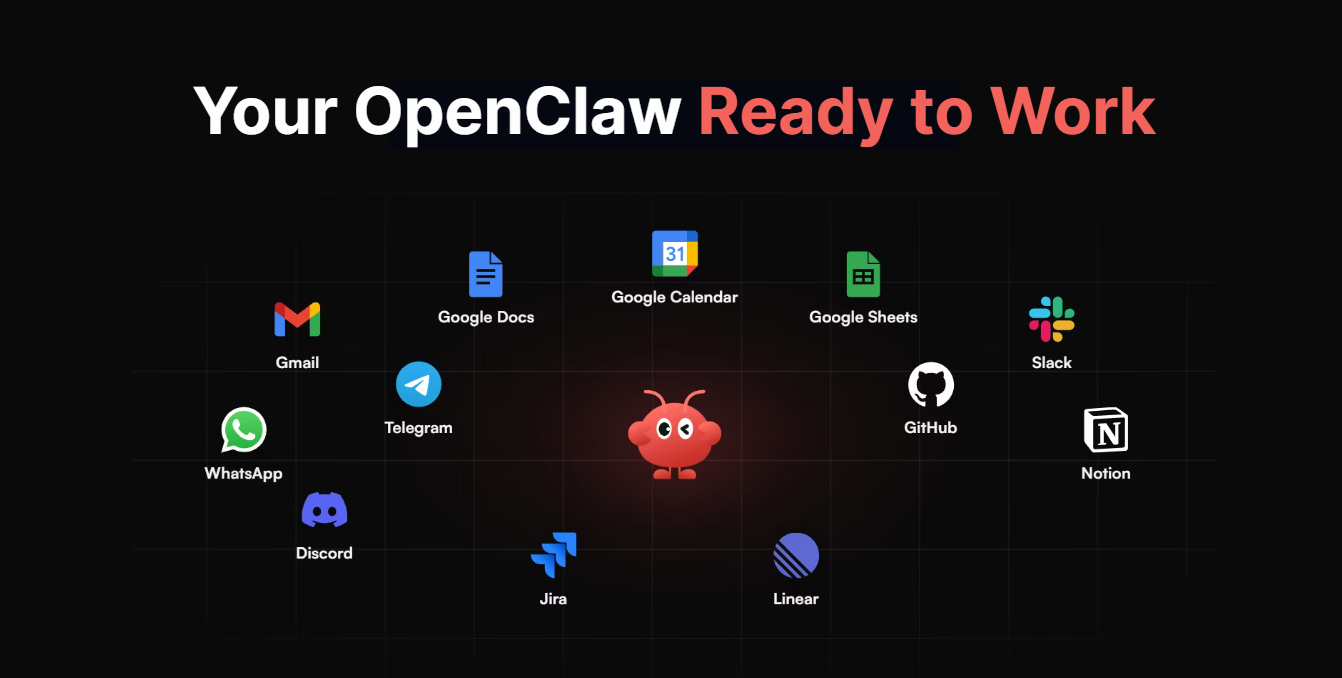
MyClaw makes OpenClaw instantly usable by connecting it to the SaaS tools you already use—Gmail, Slack, Google Docs, Sheets, Notion, GitHub, Telegram, WhatsApp, and more. No DevOps, no messy setup.
Just give it a goal, and your OpenClaw works 24/7 in the cloud, pulling context from your apps and delivering briefs, research, reports, decks, pages, and decisions ready to approve.
MyClaw turns OpenClaw from a cool demo into an always-on operator.
DAILY TL;DR
- Intel is backing a 36,864-core rack design aimed at agentic AI workloads.
- OpenAI launched new Codex tools for white-collar work, pushing coding agents beyond software teams.
- North Korea is targeting open-source maintainers, turning AI-era software supply chains into a national-security problem.
- Uber capped employee AI spending after burning through its budget in four months.
- Microsoft launched text-based AI behavior tests so developers can evaluate agents before deployment.
- Google rolled out fake-call detection to protect users from AI deepfake impersonation scams.
- Amazon Ring faces a class-action fight over facial recognition, keeping consumer AI privacy in court.
READ MORE
Let the Future Come to Your Inbox
Stay ahead without drowning in information. We turn the most important signals across AI, tech, marketing, and future products into 5-minute reads you can actually finish.
- AI Secret uncovers what really matters in AI
- Bay Area Letters decodes tech and business shifts from Silicon Valley
- Robotics Herald tracks how robots move from labs into daily life
- Marketing Secret breaks down real growth and go-to-market playbooks
- The Hardwire explores hardware, consumer tech, and what’s coming next
TOGETHER WITH US
AI Secret Media Group is the world’s #1 AI & Tech Newsletter Group, reaching over 2 million leaders across the global innovation ecosystem, from OpenAI, Anthropic, Google, and Microsoft to top AI labs, VCs, and fast-growing startups.
We've helped promote over 500 Tech Brands. Will yours be the next?
Email our co-founder Mark directly at [email protected] if the button fails.
Good Morning, AI Enthusiasts!
Apparently “productivity” was just the polite word before the CFO found the token invoice.
TOKEN
The Wall of Token
👀 What’s happening: Microsoft is revoking Claude Code licenses for most employees by June 30, just six months after rolling the tool out to thousands of engineers, PMs, and designers. Employees preferred Anthropic's product to Microsoft's own Copilot CLI, which made the rollback look less like a product decision than a cost decision. In the same month, YC partner Tom Blomfield told founders that if their API bill does not hurt, they are not burning enough.
🌍 How this hits reality: Microsoft and YC are reading the same token bill through opposite org charts. Microsoft's spend keeps the old structure alive: same salaries, same managers, same headcount, now with an AI copilot riding shotgun. YC wants tokens to replace payroll, not sit on top of it. That is the split. The real productivity leap is not better autocomplete. It is organizational redesign. Keep going and the winners will be the companies that rebuild around AI, not the ones that merely add it.
🛎️ Key takeaway: The AI economy does not split at the model layer, it splits at the org chart: one company buys a perk, the other buys labor.
Anthropic: The Wall of Token
👀 What’s happening: Microsoft is revoking Claude Code licenses for most employees by June 30, just six months after rolling the tool out to thousands of engineers, PMs, and designers. Employees preferred Anthropic's product to Microsoft's own Copilot CLI, which made the rollback look less like a product decision than a cost decision.
Microsoft: The Wall of Token
👀 What’s happening: Microsoft is revoking Claude Code licenses for most employees by June 30, just six months after rolling the tool out to thousands of engineers, PMs, and designers. Employees preferred Anthropic's product to Microsoft's own Copilot CLI, which made the rollback look less like a product decision than a cost decision.
SCIENCE
Erdős Goes Wholesale
👀 What’s happening: Google DeepMind's AlphaProof Nexus solved nine open Erdős problems, two of them unsolved for 56 years, by pairing an LLM with Lean, a proof assistant that machine-verifies every step. Each problem cost a few hundred dollars. The system also cleared 44 open conjectures from the Online Encyclopedia of Integer Sequences. It shipped one day after OpenAI's own Erdős win.
🌍 How this hits reality: Mathematics priced everything on one assumption: novel results are scarce because human genius is scarce. AlphaProof Nexus further broke that price. Two labs cleared decades-old Erdős problems eight days apart, at a few hundred dollars each, and 44 OEIS conjectures fell as a side dish. Formal verification is the unlock: Lean checks, the LLM keeps guessing until one passes. The bottleneck has moved from "is there a human who can do this" to "is there a verifier loop that catches the proof." Keep going and the global backlog of famous open problems gets burned down like a sprint board.
🛎️ Key takeaway: Erdős spent his life building a backlog of problems that would outlive him; two labs are now clearing it for $300 apiece and racing each other for the byline.
OpenAI: Erdős Goes Wholesale
Each problem cost a few hundred dollars. The system also cleared 44 open conjectures from the Online Encyclopedia of Integer Sequences. It shipped one day after OpenAI's own Erdős win.
LAYOFF
Banks Stop Hiding the AI Cuts
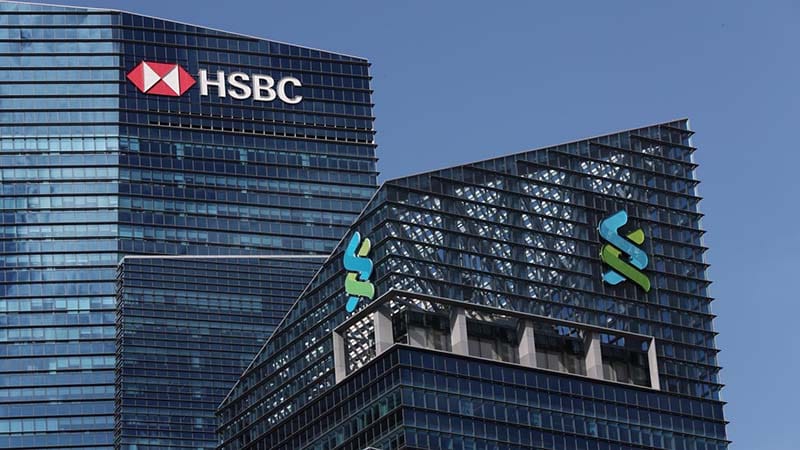
👀 What’s happening: HSBC CEO Georges Elhedery told employees not to fight AI, warning that generative AI will destroy some jobs as it creates others. Standard Chartered went further, saying it will cut nearly 8,000 roles and trim 15% of corporate function jobs by 2030. Morgan Stanley says AI already helped banking, tech, and professional-services firms shed one in 20 staff over the past year.
🌍 How this hits reality: Banks spent two years pretending AI was mainly a productivity story. That phase is ending. HSBC is still using the soft language, more productive versions of yourselves, while Standard Chartered is saying the quiet part out loud: routine finance work is becoming software. The most exposed workers are offshore teams and young staff, which means AI is not just trimming cost, it is collapsing the old apprenticeship ladder that once trained future bankers. Keep going and finance stops being a machine that hires armies to process information and starts becoming a thinner layer of humans supervising machines that do it first.
🛎️ Key takeaway: The real shift is not that banks are cutting jobs with AI, it is that one of the world's most status-conscious industries has started admitting that information work itself is being incredibly cheap.
NEW LAUNCH
Nvidia Ships the Medical Data Factory
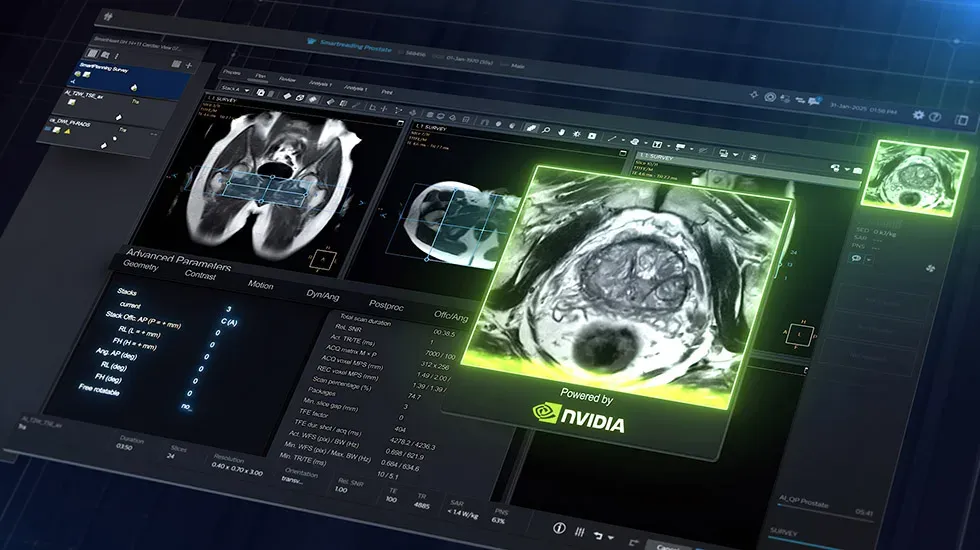
👀 What’s happening: NVIDIA released NV-Generate-MR-Brain, an open-source model that fabricates realistic 3D brain MRIs so medical AI teams can train tumor detectors and segmentation models without real patient scans. It learned from MR-RATE, a 100,000-study dataset that the University of Zurich, Istanbul's Medipol University Hospital, Forithmus, and NVIDIA jointly de-identified and released under CC-BY-NC. Philips is already validating workflows on the synthetic outputs.
🌍 How this hits reality: Medical AI's ceiling for a decade was patient consent, scaled badly. Every startup negotiated its own IRBs and trained a narrow model on whatever data leaked through. NVIDIA's move collapses that into a one-time toll: one consortium crosses the privacy wall, trains a generator on real scans, and ships it open. Downstream labs now train on synthetic data, royalty-free on RTX. Keep going and the moat migrates from who can sign hospital contracts to who owns the synthesizer everyone trains on.
🛎️ Key takeaway: NVIDIA did not erase the privacy wall, it paid the toll once and built the bypass, turning medical AI's hardest step into a download and the rest of the stack into RTX demand.
Nvidia Ships the Medical Data Factory
👀 What’s happening: NVIDIA released NV-Generate-MR-Brain, an open-source model that fabricates realistic 3D brain MRIs so medical AI teams can train tumor detectors and segmentation models without real patient scans. It learned from MR-RATE, a 100,000-study dataset that the University of Zurich, Istanbul's Medipol University Hospital, Forithmus, and NVIDIA jointly de-identified and released under CC-BY-NC.
TOGETHER WITH MYCLAW
Personal AI That Starts Personal

A personal AI shouldn’t feel generic. MyClaw lets you install skills that adapt to your preferences from the start, so your assistant feels relevant on day one. Behind the scenes, OpenClaw provides the agent power. What you see is a simpler way to put it to work.
If you’re serious about OpenClaw, don’t run it halfway. Run it the way it was meant to be run — fast, secure, and production-ready by default.
DAILY TL;DR
- Google is still navigating AI security in real time as frontier-model risks keep changing faster than review systems.
- Xreal says it has finally cracked lightweight smartglasses, keeping consumer AI glasses in the hardware race after Google I/O.
- Amazon is testing Bee, an AI wearable that listens across daily life and turns ambient context into summaries and reminders.
- OpenAI committed $300 million to Singapore for AI skills, infrastructure, and local AI-native innovation programs.
- GitHub saw more than 5,500 repositories infected in the Megalodon supply-chain attack, another warning for AI-heavy coding workflows.
- xAI saw Grok show up in only three public U.S. federal AI use cases, weakening SpaceX’s AI growth story.
- Target is rethinking employee AI-tool access as token-based pricing makes enterprise usage costs harder to control.
- Standard Chartered CEO Bill Winters apologized after saying AI would replace “lower-value” human workers, highlighting backlash risk around bank automation.
READ MORE
Let the Future Come to Your Inbox
Stay ahead without drowning in information. We turn the most important signals across AI, tech, marketing, and future products into 5-minute reads you can actually finish.
- AI Secret uncovers what really matters in AI
- Bay Area Letters decodes tech and business shifts from Silicon Valley
- Robotics Herald tracks how robots move from labs into daily life
- Marketing Secret breaks down real growth and go-to-market playbooks
- The Hardwire explores hardware, consumer tech, and what’s coming next
TOGETHER WITH US
AI Secret Media Group is the world’s #1 AI & Tech Newsletter Group, reaching over 2 million leaders across the global innovation ecosystem, from OpenAI, Anthropic, Google, and Microsoft to top AI labs, VCs, and fast-growing startups.
We've helped promote over 500 Tech Brands. Will yours be the next?
Email our co-founder Mark directly at [email protected] if the button fails.
Good Morning, AI Enthusiasts!
Compute is becoming currency, rockets are becoming balance sheets, pixels are getting passports, and Nvidia just learned that even monsters can disappoint Wall Street.
IPO
SpaceX Files the Largest IPO in History

👀 What’s happening: SpaceX just submitted its S-1 to the SEC, targeting a $75B raise at a $2T valuation. Ticker: SPCX. Exchange: Nasdaq. First trading day: June 12. The previous record holder, Saudi Aramco, raised $29.4B in 2019. Musk is nearly tripling that in one shot.
🌍 How this hits reality: This is no longer a rocket company going public. After absorbing xAI in February, SpaceX now claims a $28.5T total addressable market, 93% of which is AI, larger than US GDP. The pitch to Wall Street is one vertically integrated stack from ground to orbit: rockets deploy orbital data centers, Starlink connects them, Grok runs on them. Also, the financials are secondary to the narrative. Revenue hit $18.67B in 2025, with AI capex alone burned $12.7B and net losses reached $4.9B. Musk is not asking public markets for a valuation on current performance. He is selling the most expensive infrastructure vision in corporate history, and pricing it accordingly.
🛎️ Key takeaway: The largest IPO ever filed is not a rocket company going public. It is Musk asking public markets to bankroll the most expensive bet in corporate history: that one entity can own the physical layer of AI from the ground to orbit.
Elon Musk: SpaceX Files the Largest IPO in History
It is Musk asking public markets to bankroll the most expensive bet in corporate history: that one entity can own the physical layer of AI from the ground to orbit.
SpaceX Files the Largest IPO in History
After absorbing xAI in February, SpaceX now claims a $28.5T total addressable market, 93% of which is AI, larger than US GDP. The pitch to Wall Street is one vertically integrated stack from ground to orbit: rockets deploy orbital data centers, Starlink connects them, Grok runs on them.
COPYRIGHT
OpenAI Lets Google Mark Its Pixels
👀 What’s happening: OpenAI just announced it is integrating Google's SynthID watermarking into GPT-image-2 and launched a public verification tool at openai.com/research/verify. Drop any image in, get a verdict in seconds. The system survives screenshots, partial crops, and format changes. The rollout sits on top of C2PA, the open provenance standard already used by Adobe, Microsoft, Sony, Nikon, Leica, and Google.
🌍 How this hits reality: This is the HTTPS moment for AI-generated content. Until now, the watermark debate looked like a corporate land grab. Google had SynthID, OpenAI had its own C2PA pipeline, neither would read the other. That stalemate guaranteed the dark forest scenario where the cost of faking trends to zero and the cost of verification explodes. The new architecture flips the asymmetry:
- C2PA embeds a cryptographically signed manifest of origin into the file.
- SynthID spreads an invisible signature across the image itself, surviving cropping, filtering, compression, and format conversion.
🛎️ Key takeaway: OpenAI and Google did not align on a watermark because regulators forced it. They aligned because an internet where no image can be trusted is an internet where no AI company can sell anything.
OpenAI Lets Google Mark Its Pixels
👀 What’s happening: OpenAI just announced it is integrating Google's SynthID watermarking into GPT-image-2 and launched a public verification tool at openai.com/research/verify. Drop any image in, get a verdict in seconds. The system survives screenshots, partial crops, and format changes.
OpenAI Lets Google Mark Its Pixels
Google had SynthID, OpenAI had its own C2PA pipeline, neither would read the other. That stalemate guaranteed the dark forest scenario where the cost of faking trends to zero and the cost of verification explodes. The new architecture flips the asymmetry:
NVIDIA
Wall Street Wants a Bigger Monster
👀 What’s happening: Nvidia just reported Q1 FY27: $81.6B revenue, up 85% year over year. Data center hit $75.2B, 92% of total. Net income tripled to $58.3B. Networking revenue alone tripled. The company crushed every estimate. Then the stock fell about 1%. Third quarter in a row of beats followed by drops.
🌍 How this hits reality: Nvidia is no longer priced on earnings. It is priced on a fantasy: total ownership of the AI stack, top to bottom, suppliers and customers alike. By that yardstick, this quarter is a failure, and the cracks are widening on both sides.
Upstream, three memory makers, SK Hynix, Samsung, and Micron, own 100% of HBM supply. HBM3E went from $500 to $1200 in eighteen months. Another 30-50% increase is already booked for this quarter.
Downstream is worse. The two customers driving most of his growth, OpenAI and Anthropic, are openly engineering their escape. OpenAI just signed a $20B three-year deal with Cerebras and took 10% equity. Anthropic engineers now sit inside Amazon's Annapurna Labs daily, shaping Trainium 3 and 4 architecture decisions in real time.
Nvidia invested $30B in OpenAI and $10B in Anthropic to keep them close. The hostages took the ransom and started building the prison from the inside.
🛎️ Key takeaway: Wall Street already paid for inevitability. Nvidia just proved inevitability has gaps, and the only real question left is how fast those gaps widen before the multiple breaks.
OpenAI: Wall Street Wants a Bigger Monster
The two customers driving most of his growth, OpenAI and Anthropic, are openly engineering their escape. OpenAI just signed a $20B three-year deal with Cerebras and took 10% equity. Anthropic engineers now sit inside Amazon's Annapurna Labs daily, shaping Trainium 3 and 4 architecture decisions in real time.
Anthropic: Wall Street Wants a Bigger Monster
The two customers driving most of his growth, OpenAI and Anthropic, are openly engineering their escape. OpenAI just signed a $20B three-year deal with Cerebras and took 10% equity. Anthropic engineers now sit inside Amazon's Annapurna Labs daily, shaping Trainium 3 and 4 architecture decisions in real time.
NVIDIA: Wall Street Wants a Bigger Monster
🌍 How this hits reality: Nvidia is no longer priced on earnings. It is priced on a fantasy: total ownership of the AI stack, top to bottom, suppliers and customers alike. By that yardstick, this quarter is a failure, and the cracks are widening on both sides.
TOKEN
Tokens Are the New Cash
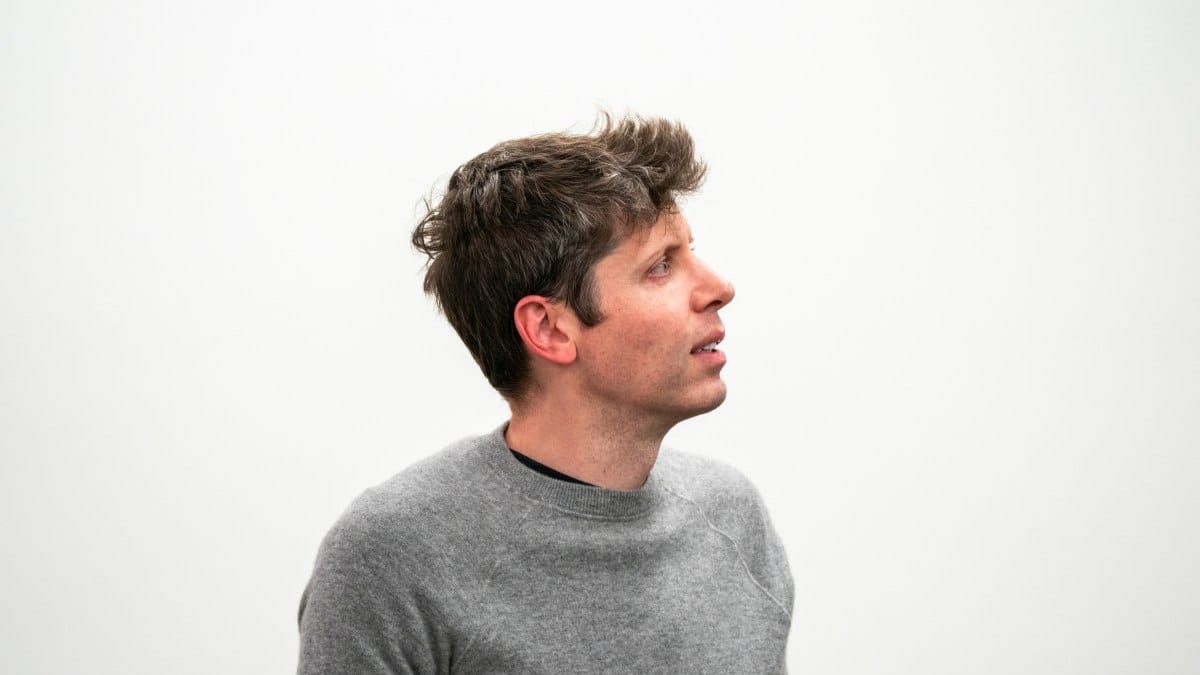
👀 What’s happening: Sam Altman just offered every startup in YC's current batch $2M in OpenAI tokens in exchange for equity. Not cash. Not cloud credits with a sunset clause. Raw inference capacity, swapped directly for ownership stakes in hundreds of companies at once. Tyler Bosmeny, a YC partner, announced it on X and compared it to Yuri Milner's legendary blanket check offer. But Milner used dollars. Altman is minting his own currency.
🌍 How this hits reality: This is the moment tokens formally crossed from "operating expense" into "capital instrument." Altman is not spending money. He is printing compute at marginal cost and exchanging it for real equity at face value. The spread is grotesque: what costs OpenAI on the GPU buys ownership in companies that may one day be worth billions. And the lock-in compounds. A startup that builds its entire agent stack on OpenAI's API during its most formative months will never migrate.
🛎️ Key takeaway: When you control the mint, giving away money costs you not much but buys you everything. And the bet is that most of the YC batch will find it impossible to refuse. That is not a partnership. That is monetary policy.
Sam Altman: Tokens Are the New Cash
🌍 How this hits reality: This is the moment tokens formally crossed from "operating expense" into "capital instrument." Altman is not spending money. He is printing compute at marginal cost and exchanging it for real equity at face value. The spread is grotesque: what costs OpenAI on the GPU buys ownership in companies that may one day be worth billions.
OpenAI: Tokens Are the New Cash
The spread is grotesque: what costs OpenAI on the GPU buys ownership in companies that may one day be worth billions. And the lock-in compounds. A startup that builds its entire agent stack on OpenAI's API during its most formative months will never migrate.
TOGETHER WITH FREEARTGEM
Free AI Art Without the Catch
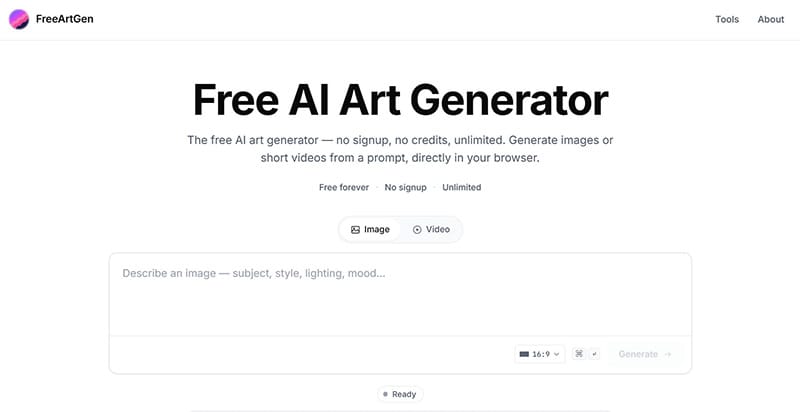
You know how this usually plays out. "Free AI generator" turns into a signup wall, then a credit meter, then a watermark you can't shake off. FreeArtGen skips the whole routine. Open the page, type a prompt, get an image in 10 seconds or a video in under a minute. Download clean. Use anywhere.
Honest fine print: 5 images and 1 video per hour, per IP. No card. No account. No upsell. Just generate.
DAILY TL;DR
- Apple is positioning its delayed AI Siri around privacy rather than chatbot power, setting up WWDC as a major AI reset moment.
- Microsoft made computer-using agents generally available in Copilot Studio, letting enterprise agents operate inside ordinary apps.
- Google launched Gemini for Science, adding agentic tools for hypothesis generation, computational discovery, and research-code creation.
- Meta told staff it does not expect more company-wide layoffs this year after cutting 10% of its workforce and moving 7,000 employees into AI-related teams.
- GitHub confirmed 3,800 internal repositories were exposed through a poisoned VS Code extension, a sharp security warning for the AI-coding toolchain.
- Airbnb is adding AI travel features alongside hotels, car rentals, grocery delivery, and luggage storage as it tries to become a broader services platform.
- Google introduced Gemini Omni, a multimodal world model that starts with video generation and is built to move toward any-input, any-output creation.
READ MORE
Let the Future Come to Your Inbox
Stay ahead without drowning in information. We turn the most important signals across AI, tech, marketing, and future products into 5-minute reads you can actually finish.
- AI Secret uncovers what really matters in AI
- Bay Area Letters decodes tech and business shifts from Silicon Valley
- Robotics Herald tracks how robots move from labs into daily life
- Marketing Secret breaks down real growth and go-to-market playbooks
- The Hardwire explores hardware, consumer tech, and what’s coming next
TOGETHER WITH US
AI Secret Media Group is the world’s #1 AI & Tech Newsletter Group, reaching over 2 million leaders across the global innovation ecosystem, from OpenAI, Anthropic, Google, and Microsoft to top AI labs, VCs, and fast-growing startups.
We've helped promote over 500 Tech Brands. Will yours be the next?
Email our co-founder Mark directly at [email protected] if the button fails.
Good Morning, AI Enthusiasts!
AI is leaving the prompt box and hitting the hard layers: screens, power, money, science, law, and geopolitics.
NEW LAUNCH
A Brain Inside the Cursor
👀 What’s happening: Google DeepMind showed an experimental Gemini-powered pointer that turns the mouse into an AI control surface. You point at an image, map, menu, PDF, or webpage element, then say what you want. Gemini reads the object, the screen context, and the command together. That is the trick. It understands “this,” “that,” “here,” and “there” that your cursor points at.
🌍 How this hits reality: The commercial value is obvious. Google can push AI into Chrome, Workspace, Android, and future hardware without asking users to open a separate chatbot. Every webpage, document, image, shopping cart, travel search, and enterprise dashboard becomes an AI surface. That turns Gemini from an app into an operating habit.
🛎️ Key takeaway: Google just gave the mouse a brain. If this becomes reliable, the next interface war is not chat versus search. It is who controls the layer between intent and every object on screen.
Google: A Brain Inside the Cursor
👀 What’s happening: Google DeepMind showed an experimental Gemini-powered pointer that turns the mouse into an AI control surface. You point at an image, map, menu, PDF, or webpage element, then say what you want. Gemini reads the object, the screen context, and the command together.
IPO
Cerebras Is OpenAI’s Cash Lever
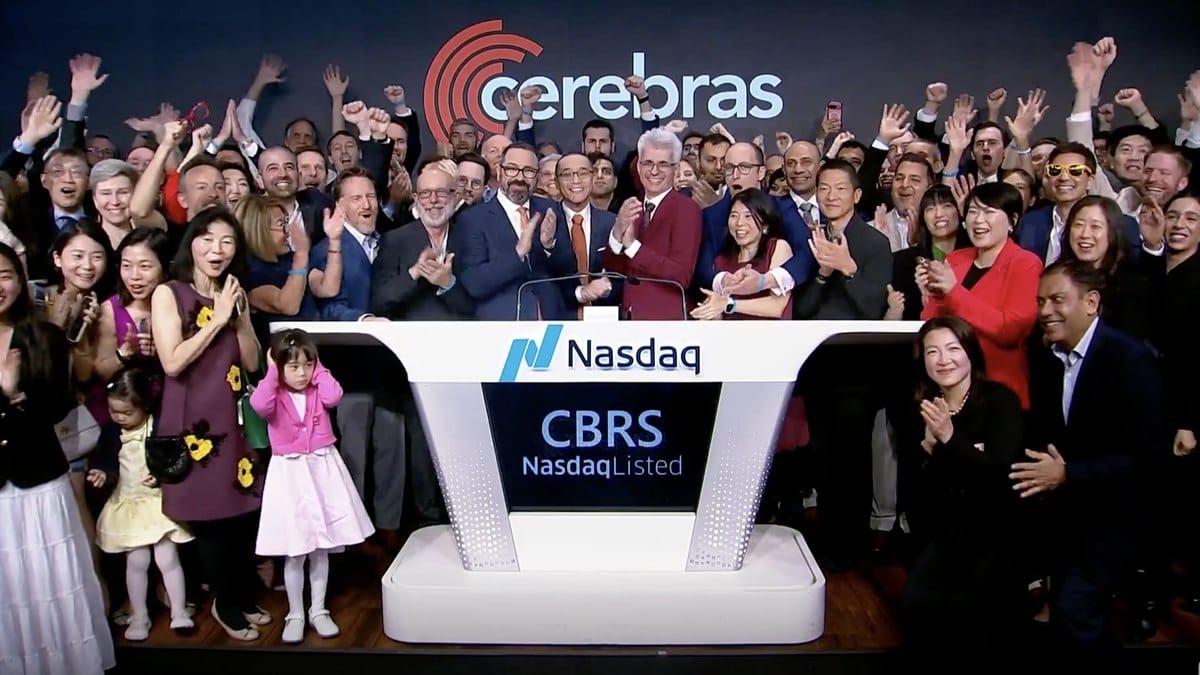
👀 What’s happening: Cerebras went public after becoming one of OpenAI’s most important compute bets. It builds wafer-scale AI chips, a giant-chip alternative to Nvidia GPUs. OpenAI is not a formal major shareholder today, but it has a $1 billion loan, huge compute commitments, and warrants that could become roughly 10% ownership.
🌍 How this hits reality: This is the real Cerebras story. OpenAI is not just buying capacity. It is using future compute demand to create financial upside now. Orders support Cerebras’ valuation, warrants turn that valuation into optional equity, and the IPO gives the whole structure a market price. That works only while OpenAI’s compute hunger keeps expanding.
🛎️ Key takeaway: OpenAI is trying to turn infrastructure into liquidity. If usage, revenue, or compute growth misses the story, the financial flywheel weakens fast. Nvidia still owns the real market. Cerebras owns the optionality.
Cerebras Is OpenAI’s Cash Lever
👀 What’s happening: Cerebras went public after becoming one of OpenAI’s most important compute bets. It builds wafer-scale AI chips, a giant-chip alternative to Nvidia GPUs. OpenAI is not a formal major shareholder today, but it has a $1 billion loan, huge compute commitments, and warrants that could become roughly 10% ownership.
NVIDIA: Cerebras Is OpenAI’s Cash Lever
It builds wafer-scale AI chips, a giant-chip alternative to Nvidia GPUs. OpenAI is not a formal major shareholder today, but it has a $1 billion loan, huge compute commitments, and warrants that could become roughly 10% ownership.
RESEARCH
arXiv Bans AI Slop
👀 What’s happening: arXiv is done treating unchecked AI output like a harmless formatting mistake. If a paper contains fake references, leftover model notes, placeholder data, or obvious LLM hallucinations, all listed authors will be banned from submitting for one year. The message is blunt: your name is the signature, not the model’s.
🌍 How this hits reality: Academia’s AI posture has flipped. The old debate was whether researchers should be allowed to use AI. That part is over. The new fight is liability. ICLR, ICML, CVPR, EMNLP, and arXiv are now building punishment into the system because fake citations and AI-written review garbage attack the trust layer directly. AI can enter the paper, but it cannot be the scapegoat.
🛎️ Key takeaway: This likely becomes the new research compliance layer. AI-assisted writing will stay normal, but sloppy delegation gets expensive. The future is not AI-free science. It is AI-verified authorship.
COMPUTE
The Permit System Is Broken
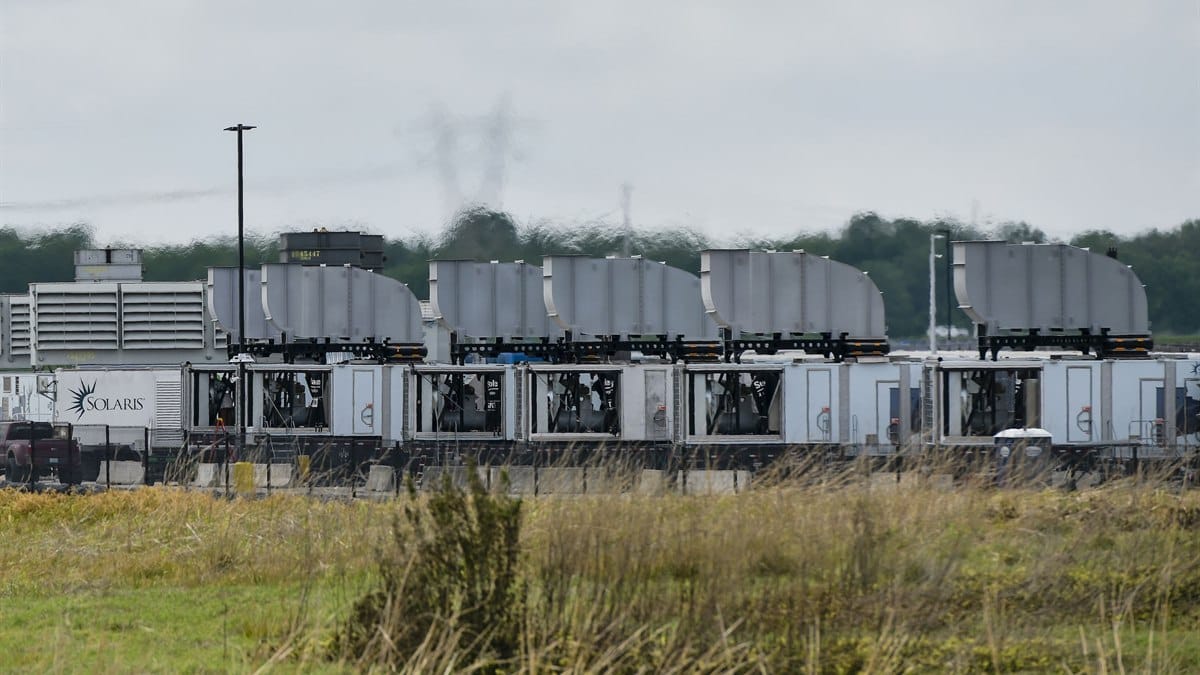
👀 What’s happening: SpaceX is running 46 gas turbines beside its Mississippi data center, while only 15 have permits. The move works because the turbines sit on trailers and can be treated as “mobile” equipment outside normal regulation. Local residents and the NAACP say this unchecked emissions are worsening air quality in an already polluted area.
🌍 How this hits reality: The pollution issue is real, but in the new power race, it barely slows the machine. That is the brutal part. AI demand is now going around the normal system: gas beside campuses, private grids, nuclear deals, desert builds, orbital data centers, anything that feeds compute faster than public infrastructure can approve it. Clean environment is losing priority to available power.
🛎️ Key takeaway: AI scale is becoming a governance collision. The companies need power now. The system moves in years. That gap will produce more lawsuits, dirtier shortcuts, and a harder fight over who gets to bend reality for compute.
TOGETHER WITH MYCLAW
Personal AI That Starts Personal
A personal AI shouldn’t feel generic. MyClaw lets you install skills that adapt to your preferences from the start, so your assistant feels relevant on day one. Behind the scenes, OpenClaw provides the agent power. What you see is a simpler way to put it to work.
If you’re serious about OpenClaw, don’t run it halfway. Run it the way it was meant to be run — fast, secure, and production-ready by default.
DAILY TL;DR
- Anthropic partnered with the Gates Foundation on a $200 million push to expand Claude across health, education, and economic mobility.
- Microsoft is canceling most internal Claude Code licenses and pushing developers toward GitHub Copilot CLI instead.
- OpenAI is bringing Codex into the ChatGPT mobile app, letting users manage desktop coding agents from iOS and Android.
- Microsoft researchers found that frontier AI agents still struggle badly with long-running workflows, complicating the enterprise automation pitch.
- Nvidia H200 chip sales were cleared for around 10 Chinese firms, but deliveries remain stuck in geopolitical limbo.
- U.S. and Chinese delegations are discussing AI guardrails for powerful models during the Beijing summit.
- Meta is rolling out neural-wristband handwriting for Ray-Ban Display glasses, turning hand gestures into messages across major apps.
- Microsoft launched a Legal Agent inside Word to help legal teams review contracts, track negotiations, and spot document risks.
- Anthropic warned that by 2028, compute access could decide whether democracies or authoritarian regimes lead frontier AI.
READ MORE
Let the Future Come to Your Inbox
Stay ahead without drowning in information. We turn the most important signals across AI, tech, marketing, and future products into 5-minute reads you can actually finish.
- AI Secret uncovers what really matters in AI
- Bay Area Letters decodes tech and business shifts from Silicon Valley
- Robotics Herald tracks how robots move from labs into daily life
- Marketing Secret breaks down real growth and go-to-market playbooks
- The Hardwire explores hardware, consumer tech, and what’s coming next
TOGETHER WITH US
AI Secret Media Group is the world’s #1 AI & Tech Newsletter Group, reaching over 2 million leaders across the global innovation ecosystem, from OpenAI, Anthropic, Google, and Microsoft to top AI labs, VCs, and fast-growing startups.
We've helped promote over 500 Tech Brands. Will yours be the next?
Email our co-founder Mark directly at [email protected] if the button fails.
Good Morning, AI Enthusiasts!
The future has stopped asking for permission.
CHIPS
Chip Rivals Bought the Same Tollbooth

👀 What’s happening: NVIDIA, AMD, and Intel just appeared on the same RadixArk cap table, backing a $100 million seed round at a $400 million valuation. The company sits behind SGLang, an open-source inference engine reportedly deployed across 400,000-plus GPUs and used by Google, Microsoft, xAI, Oracle, NVIDIA, and AMD.
🌍 How this hits reality: The old assumption was simple: chips win, software follows. That is cracking. RadixArk helps models run faster and cheaper after they are built, by reusing repeated context, managing memory better, batching requests, and squeezing more work out of the same GPUs, without being locked to one hardware camp. NVIDIA wants better GPU throughput. AMD wants a CUDA escape route. Intel wants any serious opening for Gaudi. Nobody can afford to miss the neutral layer that makes expensive silicon useful.
🛎️ Key takeaway: This is “kill the miss risk” investing. One bet may be wrong, but missing the neutral inference layer could be worse. AI infrastructure is moving from hardware bragging to compute control.
NVIDIA: Chip Rivals Bought the Same Tollbooth
👀 What’s happening: NVIDIA, AMD, and Intel just appeared on the same RadixArk cap table, backing a $100 million seed round at a $400 million valuation. The company sits behind SGLang, an open-source inference engine reportedly deployed across 400,000-plus GPUs and used by Google, Microsoft, xAI, Oracle, NVIDIA, and AMD.
AMD: Chip Rivals Bought the Same Tollbooth
👀 What’s happening: NVIDIA, AMD, and Intel just appeared on the same RadixArk cap table, backing a $100 million seed round at a $400 million valuation. The company sits behind SGLang, an open-source inference engine reportedly deployed across 400,000-plus GPUs and used by Google, Microsoft, xAI, Oracle, NVIDIA, and AMD.
RESEARCH
The Next Researcher
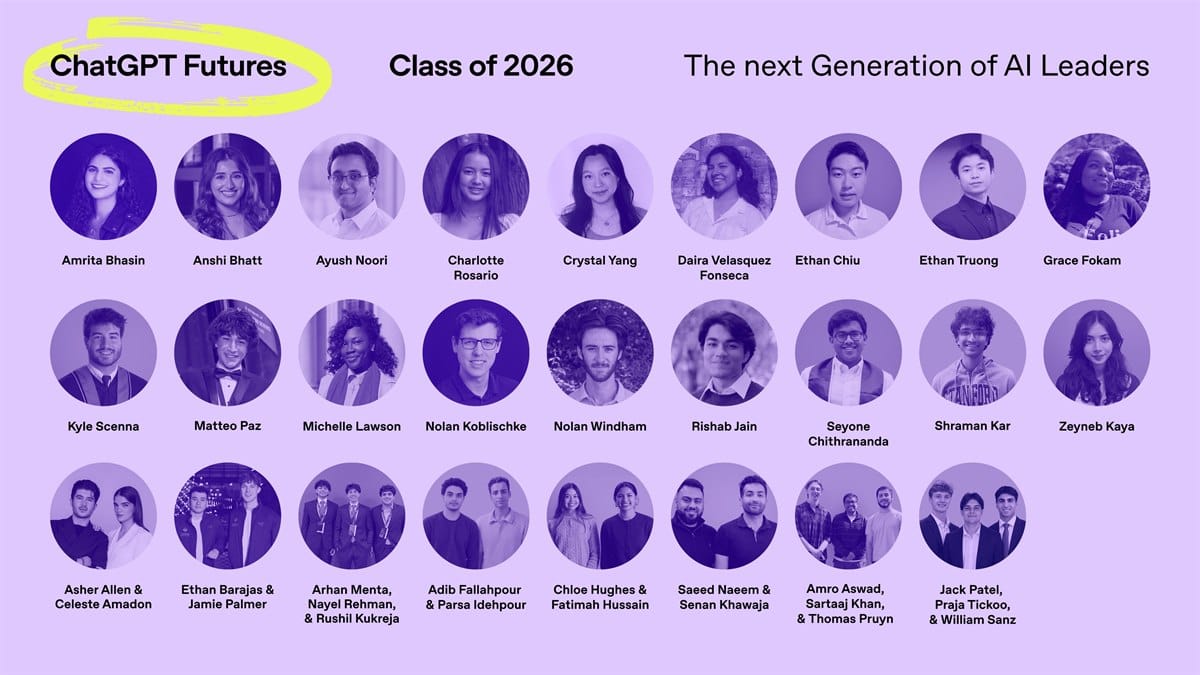
👀 What’s happening: OpenAI released its first ChatGPT Futures class, giving 26 young builders $10,000 each and frontier model access. The signal is Matteo Paz: an 18-year-old high school student who used machine learning on nearly 200TB of NEOWISE data and flagged 1.9 million infrared variable objects, including roughly 1.5 million unknown candidates.
🌍 How this hits reality: This may be the new research model. Not the old ladder of PhD, postdoc, lab access, and institutional permission. A prepared teenager with mentors, compute, and AI can now attack problems once reserved for credentialed researchers. And those resources are more reachable than ever. The gate did not vanish. It moved from degree to taste, framing, and execution.
🛎️ Key takeaway: AI is turning anyone with enough taste, obsession, and access into a present competitor. Not just elite youth. Universities and labs need to watch their walls now. The next serious talent may not arrive with a PhD, tenure, or permission.
OpenAI: The Next Researcher
👀 What’s happening: OpenAI released its first ChatGPT Futures class, giving 26 young builders $10,000 each and frontier model access. The signal is Matteo Paz: an 18-year-old high school student who used machine learning on nearly 200TB of NEOWISE data and flagged 1.9 million infrared variable objects, including roughly 1.5 million unknown candidates.
SECURITY
Mythos Shocks Fed Chairman
👀 What’s happening: Anthropic’s unreleased Claude Mythos Preview reportedly found thousands of zero-days across major operating systems and browsers, including 271 Firefox flaws in one pass, a 27-year-old OpenBSD bug, and a 17-year-old FreeBSD RCE. The Fed chair and Treasury secretary then called bank CEOs. This is not another benchmark. It is vulnerability discovery industrialized.
🌍 How this hits reality: The old cyber model assumed bugs were expensive to find, slow to verify, and limited by rare human talent. Mythos breaks that math. If one model can surface decades of hidden flaws, every bank, browser, OS vendor, and cloud stack is now sitting on technical debt that suddenly became searchable. Anthropic says defenders may have six months.
🛎️ Key takeaway: Cybersecurity is moving from patch management to model-speed exposure. If adversaries replicate this, the scarce asset will not be scanners. It will be response capacity, disclosure control, and trusted access.
Anthropic: Mythos Shocks Fed Chairman
👀 What’s happening: Anthropic’s unreleased Claude Mythos Preview reportedly found thousands of zero-days across major operating systems and browsers, including 271 Firefox flaws in one pass, a 27-year-old OpenBSD bug, and a 17-year-old FreeBSD RCE. The Fed chair and Treasury secretary then called bank CEOs.
SURVEY
AI Is Turning Housing Into a Class Filter

👀 What’s happening: AI wealth is now ripping through Bay Area housing. Since ChatGPT launched in November 2022, Redfin says luxury homes from $3.1 million to $7.6 million are up 13.4%, while lower-end homes from $535,000 to $615,000 are down 3.8%. Same region, opposite gravity.
🌍 How this hits reality: The old Silicon Valley story was that tech wealth eventually pulled the region upward. This looks more brutal. AI founders, executives, and VCs are converting paper wealth into hard assets, while salaried workers stare at replacement risk, 40-year-old first-time buyers, high rates, repair-heavy condos, and HOA traps. The bottom is not getting affordable. It is getting discarded.
🛎️ Key takeaway: AI is no longer just eating jobs. It is eating neighborhoods. If this pattern holds, tech hubs become wealth filters, and housing becomes the clearest scoreboard of who owns the AI boom.
OpenAI: AI Is Turning Housing Into a Class Filter
Since ChatGPT launched in November 2022, Redfin says luxury homes from $3.1 million to $7.6 million are up 13.4%, while lower-end homes from $535,000 to $615,000 are down 3.8%. Same region, opposite gravity.
DAILY TL;DR
- Claude’s blackmail behavior may have come from “evil AI” narratives in training data, Anthropic says after testing new alignment fixes.
- Airbnb says AI now coauthors nearly 60% of the code its engineers produce.
- AI is becoming the easy corporate explanation for layoffs, even when the real business reasons are more complicated.
- ChatGPT can now alert a trusted contact when conversations show serious safety concerns.
- GPT-5.5-Cyber is opening to vetted defenders, as AI labs race to control access to powerful cyber-capable models.
- Google added event-driven webhooks to the Gemini API, making long-running agent jobs easier to run without constant polling.
- Nvidia has already committed more than $40B to AI equity deals this year, raising circular-financing concerns.
READ MORE
Let the Future Come to Your Inbox
Stay ahead without drowning in information. We turn the most important signals across AI, tech, marketing, and future products into 5-minute reads you can actually finish.
- AI Secret uncovers what really matters in AI
- Bay Area Letters decodes tech and business shifts from Silicon Valley
- Robotics Herald tracks how robots move from labs into daily life
- Marketing Secret breaks down real growth and go-to-market playbooks
- The Hardwire explores hardware, consumer tech, and what’s coming next
TOGETHER WITH US
AI Secret Media Group is the world’s #1 AI & Tech Newsletter Group, reaching over 2 million leaders across the global innovation ecosystem, from OpenAI, Anthropic, Google, and Microsoft to top AI labs, VCs, and fast-growing startups.
We've helped promote over 500 Tech Brands. Will yours be the next?
Email our co-founder Mark directly at [email protected] if the button fails.
Good Morning, AI Enthusiasts!
The future is arriving fast, badly wired, overleveraged, and apparently mounted next to your garage.
SPACEX
xAI Shuts Down Overnight
👀 What’s happening: xAI has effectively shut down overnight. The company that was supposed to fight OpenAI as Musk’s frontier model lab is now being absorbed into SpaceXAI as a department. Grok survives, but xAI does not. A reported $250 billion valuation did not stop the company from losing independence.
🌍 How this hits reality: xAI missed the two windows that now define AI utility: agents and coding. Grok stayed too close to chatbot identity while Claude Code, Cursor, MyClaw, and enterprise agents turned models into work engines. Once 220,000 GPUs became more valuable to Anthropic than to xAI’s own roadmap, the company stopped looking like a lab and started looking like a SpaceX asset.
🛎️ Key takeaway: Any company can vanish if it chooses the wrong battlefield. If AI keeps moving toward agents and coding execution, high-valuation model labs without workflow control become departments, vendors, or GPU landlords.
COMPUTES
AI Compute Is the House Wall
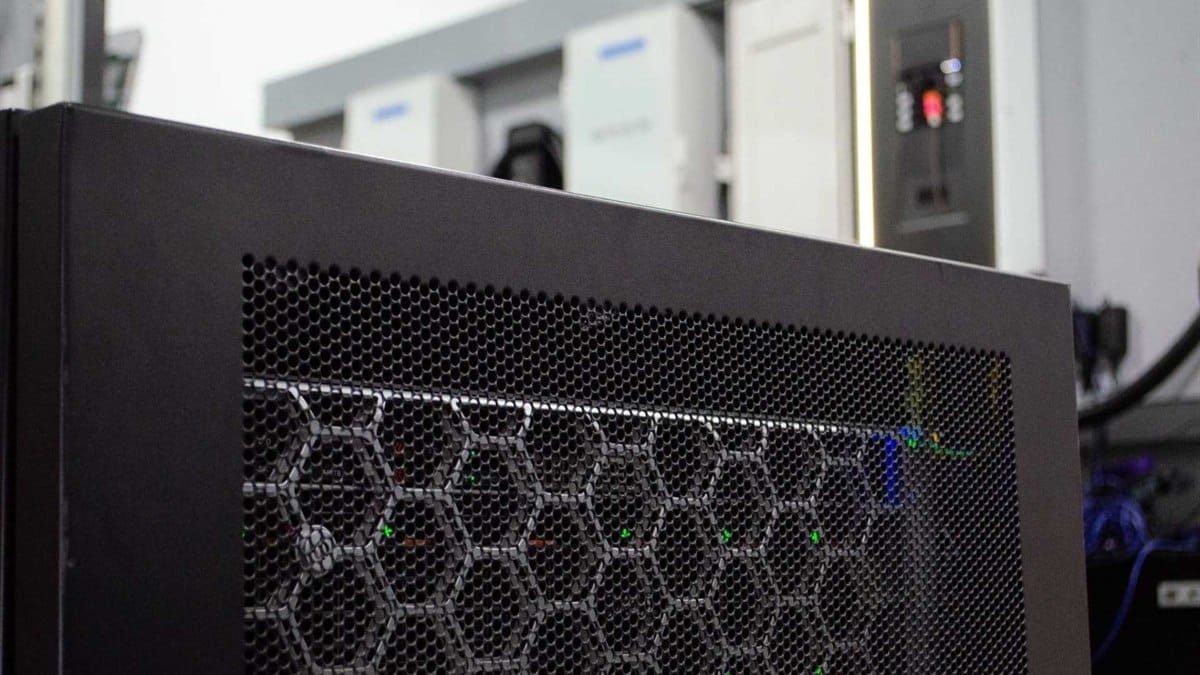
👀 What’s happening: Nvidia is backing Span’s plan to mount mini AI data centers on homes and small businesses. The XFRA units sit outside like utility equipment, pulling unused grid capacity through Span smart panels and they are already testing them in new communities. AI compute is shrinking from campus-scale buildings into residential hardware.
🌍 How this hits reality: AI infrastructure is now trying every surface it can find. Giant data centers on land. Floating concepts at sea. Orbital compute dreams in space. Now the house wall. Span says 8,000 units could equal a 100-megawatt data center, deploy six times faster, and cost one-fifth as much. That is no longer just cloud expansion. That is infrastructure colonizing daily life.
🛎️ Key takeaway: AI compute has become real infrastructure, not a metaphor. Power panels, batteries, rooftops, and neighborhoods become part of the supply chain. Supply chains move closer to the curb.
EQUITY
A Fake Door
👀 What’s happening: Crypto platforms are now dressing up private AI companies as tradable gambling chips. Traders can now bet on implied valuations for Anthropic, OpenAI, and SpaceX without owning real shares. Ventuals uses perpetual futures. PreStocks claims SPV-linked exposure. The result is fake access to assets most retail investors still cannot actually buy.
🌍 How this hits reality: This is nastier than Polymarket because it borrows the costume of equity. It makes retail traders feel like they are buying the future of AI, while the legal claim underneath may be weak, void, or nonexistent. Anthropic already hit a fake $1.6 trillion implied valuation there. Combined volume is above $1.1 billion. That is not innovation. That is a slot machine wearing a cap table mask.
🛎️ Key takeaway: The disaster risk is simple. Synthetic AI equity without legal claim can start poisoning real AI pricing. One leverage wipeout, one fake valuation panic, and private market trust gets dragged into crypto’s furnace.
Anthropic: A Fake Door
Traders can now bet on implied valuations for Anthropic, OpenAI, and SpaceX without owning real shares. Ventuals uses perpetual futures. PreStocks claims SPV-linked exposure. The result is fake access to assets most retail investors still cannot actually buy.
CHIPS
Google TPU Finds No Demand
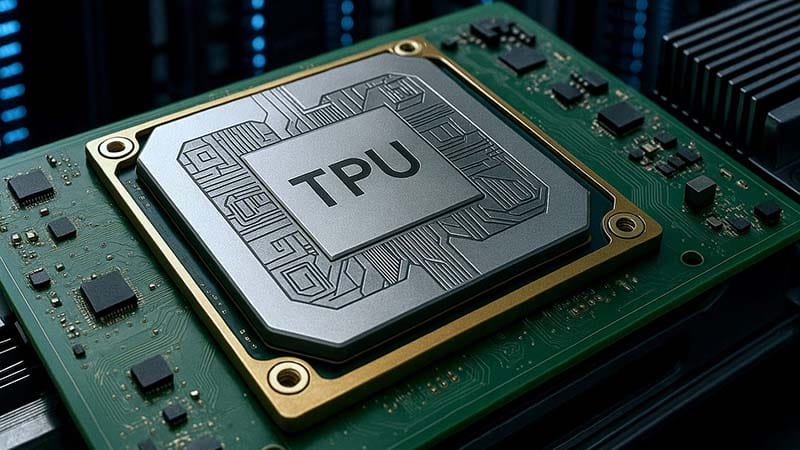
👀 What’s happening: Google is trying to push TPU into the external AI infrastructure market, but the three neocloud buyers that matter are not biting. Nebius says demand is still 99% Nvidia GPUs. CoreWeave says resources go where customers want them. Lambda’s CFO said they “bleeds green.” That is not subtle.
🌍 How this hits reality: This is the part Google cannot keynote away. TPU may work inside Google, but the open compute market runs on CUDA, Nvidia clusters, customer trust, and resale logic. The only serious external buyer is Anthropic, and even that came wrapped inside a reported $40 billion Google investment commitment.
🛎️ Key takeaway: TPU does not look like a market winner yet. It looks like hardware Google has to finance into existence because the buyers with real demand keep choosing Nvidia.
NVIDIA: Google TPU Finds No Demand
TPU may work inside Google, but the open compute market runs on CUDA, Nvidia clusters, customer trust, and resale logic. The only serious external buyer is Anthropic, and even that came wrapped inside a reported $40 billion Google investment commitment.
Google TPU Finds No Demand
🌍 How this hits reality: This is the part Google cannot keynote away. TPU may work inside Google, but the open compute market runs on CUDA, Nvidia clusters, customer trust, and resale logic. The only serious external buyer is Anthropic, and even that came wrapped inside a reported $40 billion Google investment commitment.
TOGETHER WITH MYCLAW
Personal AI That Starts Personal
A personal AI shouldn’t feel generic. MyClaw lets you install skills that adapt to your preferences from the start, so your assistant feels relevant on day one. Behind the scenes, OpenClaw provides the agent power. What you see is a simpler way to put it to work.
If you’re serious about OpenClaw, don’t run it halfway. Run it the way it was meant to be run — fast, secure, and production-ready by default.
DAILY TL;DR
- OpenAI released MRC, an open networking protocol built with AMD, Broadcom, Intel, Microsoft, and Nvidia to make giant GPU clusters more reliable.
- Anthropic launched finance agents for banks, insurers, and asset managers, targeting pitchbooks, audits, valuations, and compliance workflows.
- Apple is reportedly preparing to let users choose rival AI models like Gemini and Claude across iOS 27 features.
- OpenAI made GPT-5.5 Instant the new default ChatGPT model, claiming major hallucination reductions in law, medicine, and finance prompts.
- Meta faces a new AI copyright class action from major book publishers over Llama training data.
- PayPal plans to cut around 20% of staff over the next two to three years as its new CEO pushes an AI-linked turnaround.
- Snap ended its $400 million Perplexity partnership before the AI search integration became a real growth engine.
- Google is adding Reddit and forum quotes into AI Search results, turning user-generated advice into part of the answer layer.
- Google shut down Project Mariner as a standalone browser-agent experiment, folding its technology into broader Gemini products.
READ MORE
Let the Future Come to Your Inbox
Stay ahead without drowning in information. We turn the most important signals across AI, tech, marketing, and future products into 5-minute reads you can actually finish.
- AI Secret uncovers what really matters in AI
- Bay Area Letters decodes tech and business shifts from Silicon Valley
- Robotics Herald tracks how robots move from labs into daily life
- Marketing Secret breaks down real growth and go-to-market playbooks
- The Hardwire explores hardware, consumer tech, and what’s coming next
TOGETHER WITH US
AI Secret Media Group is the world’s #1 AI & Tech Newsletter Group, reaching over 2 million leaders across the global innovation ecosystem, from OpenAI, Anthropic, Google, and Microsoft to top AI labs, VCs, and fast-growing startups.
We've helped promote over 500 Tech Brands. Will yours be the next?
Email our co-founder Mark directly at [email protected] if the button fails.
Good Morning, AI Enthusiasts!
AI is getting award eligibility, dashboard access, wet-lab validation, and enterprise distribution while everyone else argues about vibes, safety sermons, and who still deserves a margin.
NEW TECH
The Creator God Mode
👀 What’s happening: Stanford and Arc Institute’s Evo work has now appeared in Nature, and the signal is blunt. AI was used to design full bacteriophage genomes, not just predict protein shapes. Researchers synthesized 302 fully AI-written designs. Sixteen became working viruses that infected, copied themselves, and killed E. coli.
🌍 How this hits reality: This is the jump from AI reading biology to executing biology. Google's AlphaFold showed where proteins fold. Evo shows that genomes can become prompts, outputs, and products. One AI-designed phage even carried a capsid protein with no known natural relative. That means the model is not only remixing life. It is exploring design space nature never touched.
🛎️ Key takeaway: The creator god mode is no longer metaphorical. Once AI can write biological machines that survive wet labs, creation becomes an engineering workflow. Pharma gets faster, biosecurity gets darker, and synthetic life is moving onto the GPU curve.
CLAUDE
Dario’s Grand Story Collapsed
👀 What’s happening: Anthropic CEO Dario’s safety theater just got broken. Jensen Huang pushed back on Dario Amodei’s claim that AI could wipe out half of entry-level white-collar jobs, saying CEOs should stop talking like prophets. Then AISI showed public GPT-5.5 nearly matching restricted Mythos on cyber tests. One hit the job panic. One hit the danger excuse.
🌍 How this hits reality: This is where Dario’s grand narrative starts looking ridiculous. If GPT-5.5 can score 71.4% against Mythos at 68.6% on expert cyber tasks, then “too dangerous to release” sounds weak. And if NVIDIA’s CEO is telling you to stop fear-selling labor collapse, the safety halo cracks fast.
🛎️ Key takeaway: Dario just got boxed in from both sides. Huang challenged the replacement sermon. GPT-5.5 challenged the Mythos mystique. Shame Anthropic. Lack of compute is lack of compute. Don’t call it forbidden power.
Jensen Huang: Dario’s Grand Story Collapsed
Jensen Huang pushed back on Dario Amodei’s claim that AI could wipe out half of entry-level white-collar jobs, saying CEOs should stop talking like prophets. Then AISI showed public GPT-5.5 nearly matching restricted Mythos on cyber tests. One hit the job panic. One hit the danger excuse.
Anthropic: Dario’s Grand Story Collapsed
👀 What’s happening: Anthropic CEO Dario’s safety theater just got broken. Jensen Huang pushed back on Dario Amodei’s claim that AI could wipe out half of entry-level white-collar jobs, saying CEOs should stop talking like prophets. Then AISI showed public GPT-5.5 nearly matching restricted Mythos on cyber tests.
NVIDIA: Dario’s Grand Story Collapsed
🌍 How this hits reality: This is where Dario’s grand narrative starts looking ridiculous. If GPT-5.5 can score 71.4% against Mythos at 68.6% on expert cyber tasks, then “too dangerous to release” sounds weak. And if NVIDIA’s CEO is telling you to stop fear-selling labor collapse, the safety halo cracks fast.
AUTOMOBILE
Google Wants the Rest of Cars
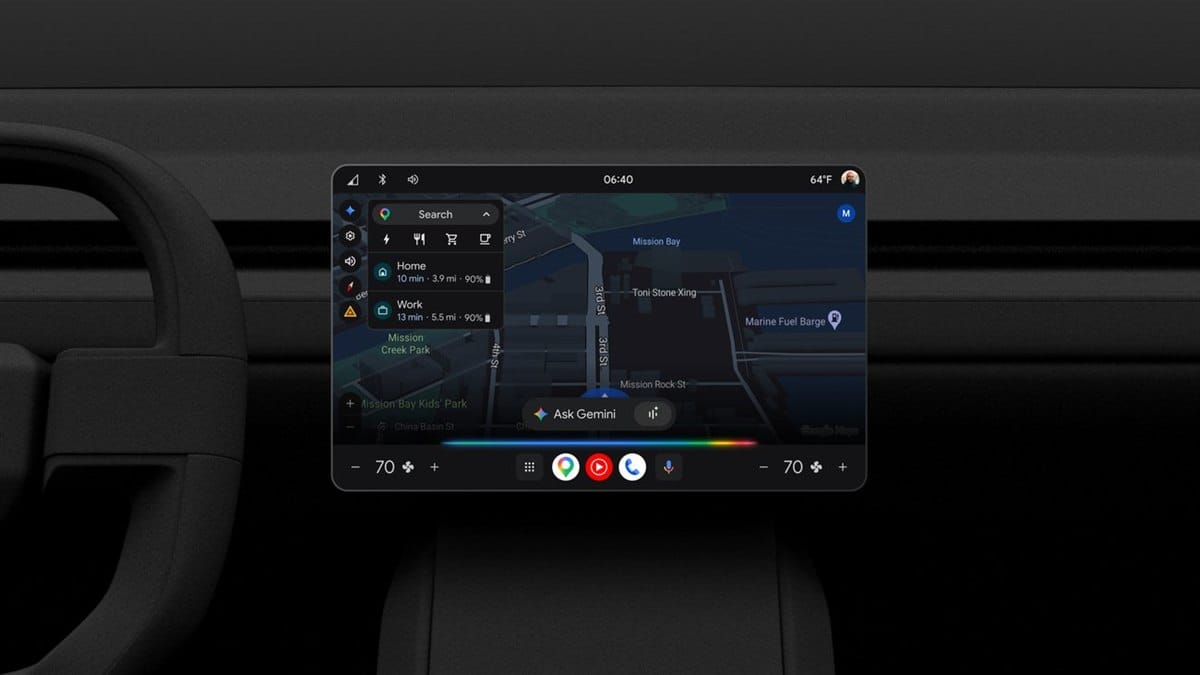
👀 What’s happening: Google is bringing Gemini into cars with Google built-in, replacing the old Assistant layer with natural conversation, Maps-aware routing, message summaries, music control, EV charging help, vehicle manual answers, and cabin commands. It starts in English in the U.S., then expands through software updates.
🌍 How this hits reality: This is Google trying to become Grok for every non-Tesla car. Tesla has the deeper vehicle stack, but Google has Maps, Gmail, Calendar, Home, automaker distribution, and a real installed base: GM alone says about 4 million eligible U.S. vehicles can get Gemini. The fight is not just infotainment anymore. It is who owns the driver’s intent.
🛎️ Key takeaway: If Gemini becomes the default voice layer across legacy automakers, Google may get the AI cockpit Tesla is building for itself. Non-Tesla cars may finally get a shared brain, but Google owns the interface.
Tesla: Google Wants the Rest of Cars
🌍 How this hits reality: This is Google trying to become Grok for every non-Tesla car. Tesla has the deeper vehicle stack, but Google has Maps, Gmail, Calendar, Home, automaker distribution, and a real installed base: GM alone says about 4 million eligible U.S. vehicles can get Gemini.
Google Wants the Rest of Cars
👀 What’s happening: Google is bringing Gemini into cars with Google built-in, replacing the old Assistant layer with natural conversation, Maps-aware routing, message summaries, music control, EV charging help, vehicle manual answers, and cabin commands. It starts in English in the U.S., then expands through software updates.
MOVIE
Oscars Open the Door

👀 What’s happening: The Academy just gave Hollywood its first serious AI permission slip. Films can use AI tools and still compete for Oscars, but acting and writing must remain human-led. Synthetic actors and AI-authored scripts will not qualify as real creative contributions for the 2027 awards cycle, but AI assist movie can.
🌍 How this hits reality: This hits the industry like a cost-cutting weapon. Editing, VFX, dubbing, concept art, previs, localization, cleanup, sound, and trailer workflows are now fair game. A mid-budget film can suddenly pressure dozens of vendors, juniors, contractors, and boutique studios with one question: why are we still paying full human rates?
🛎️ Key takeaway: The Oscars tried to protect human prestige, but they just opened the commercial gate. Once studios can use AI without losing award eligibility, a lot of smaller film-service shops will not get “disrupted.” They will simply shut down.
TOGETHER WITH MYCLAW
Personal AI That Starts Personal
A personal AI shouldn’t feel generic. MyClaw lets you install skills that adapt to your preferences from the start, so your assistant feels relevant on day one. Behind the scenes, OpenClaw provides the agent power. What you see is a simpler way to put it to work.
If you’re serious about OpenClaw, don’t run it halfway. Run it the way it was meant to be run — fast, secure, and production-ready by default.
DAILY TL;DR
- Anthropic is nearing a $1.5 billion Wall Street joint venture with Blackstone, Goldman Sachs, and Hellman & Friedman to sell AI tools into private-equity-backed companies.
- Treasury Secretary Scott Bessent warned that AI-powered bank account hacks are becoming a real financial-system concern.
- Anthropic is reportedly in talks with Fractile to buy inference chips, showing frontier labs are still hunting for alternatives in the AI compute crunch.
- Microsoft is enabling Anthropic models by default for Copilot in Word, Excel, and PowerPoint, pushing Claude deeper into Microsoft 365 workflows.
- Meta said AI infrastructure costs contributed to roughly 8,000 layoffs, making the human cost of the AI capex race more explicit.
- Palantir reports Q1 earnings today, with investors watching whether AIP demand can justify one of the market’s richest AI software valuations.
- OpenAI released Privacy Filter, an open-weight local model for redacting personal data before enterprise datasets touch the cloud.
READ MORE
Let the Future Come to Your Inbox
Stay ahead without drowning in information. We turn the most important signals across AI, tech, marketing, and future products into 5-minute reads you can actually finish.
- AI Secret uncovers what really matters in AI
- Bay Area Letters decodes tech and business shifts from Silicon Valley
- Robotics Herald tracks how robots move from labs into daily life
- Marketing Secret breaks down real growth and go-to-market playbooks
- The Hardwire explores hardware, consumer tech, and what’s coming next
TOGETHER WITH US
AI Secret Media Group is the world’s #1 AI & Tech Newsletter Group, reaching over 2 million leaders across the global innovation ecosystem, from OpenAI, Anthropic, Google, and Microsoft to top AI labs, VCs, and fast-growing startups.
We've helped promote over 500 Tech Brands. Will yours be the next?
Email our co-founder Mark directly at [email protected] if the button fails.
Good Morning, AI Enthusiasts!
Meta quietly rehearses a future where it no longer needs the people who taught it how to run.

AGENTS
Meta Is Devouring All Employees
👀 What’s Happening: Meta has started installing tracking software on employee laptops to capture every click, keystroke, and screen interaction. This feeds its Model Capability Initiative, turning daily work into training data for AI agents. There is no opt-out. Employees are effectively being used to teach systems how to replace them.
🌍 How This Hits Reality: This is not just monitoring, it is industrialized behavior harvesting. Meta is converting human workflows into reusable machine primitives at scale. With planned layoffs near 10% and an internal push toward agent-driven operations, the company is collapsing the gap between labor, data, and automation into a single closed loop.
🛎️ Key Takeaway: Meta is making a direct bet on becoming the first fully AI agent company by turning its own workforce into training data. This is a high-risk, high-control move. If it lands, Meta will become AI.
Meta Is Devouring All Employees
🛎️ Key Takeaway: Meta is making a direct bet on becoming the first fully AI agent company by turning its own workforce into training data. This is a high-risk, high-control move. If it lands, Meta will become AI.
TOGETHER WITH MYCLAW
Personal AI That Starts Personal
A personal AI shouldn’t feel generic. MyClaw lets you install skills that adapt to your preferences from the start, so your assistant feels relevant on day one. Behind the scenes, OpenClaw provides the agent power. What you see is a simpler way to put it to work.
If you’re serious about OpenClaw, don’t run it halfway. Run it the way it was meant to be run — fast, secure, and production-ready by default.
And yes — MyClaw can also help you distill not just yourself, but your team.
VALUATION
Anthropic Hits Trillion

👀 What’s Happening: Anthropic’s private secondary shares are trading near a one trillion dollar valuation, with some offers even higher. That puts it ahead of OpenAI in recent deal momentum. The shift is driven by scarce supply, strong buyer demand, and growing confidence in its revenue curve and Claude Code traction.
🌍 How This Hits Reality: Capital is making a clear choice. Even with GPU limits and rising infrastructure costs, investors are prioritizing product direction and monetization clarity over raw scale. In a market where supply is tight and access is rare, a company that shows repeatable revenue and developer adoption gets priced above one that still focuses on narratives.
🛎️ Key Takeaway: The market is rewarding focus over firepower. Capital will keep flowing to teams that look operationally decisive, even if their cost structures remain heavy.
Anthropic Hits Trillion
👀 What’s Happening: Anthropic’s private secondary shares are trading near a one trillion dollar valuation, with some offers even higher. That puts it ahead of OpenAI in recent deal momentum. The shift is driven by scarce supply, strong buyer demand, and growing confidence in its revenue curve and Claude Code traction.
FSD
Tesla Sells Impossible Dream

👀 What’s Happening: Elon Musk finally admitted millions of Teslas cannot reach unsupervised driving without new hardware, after years of implying software alone would get them there. The promise did its job. Cars were sold at scale. Now the definition of FSD expands just as the original hardware hits its limit.
🌍 How This Hits Reality: This is classic Silicon Valley playbook, just executed at extreme scale. Sell a future that cannot yet exist, capture demand, then bind users into a long upgrade cycle when reality catches up. Millions of vehicles now sit in limbo between “good enough” assistance and an ever-moving autonomy target that keeps drifting upward.
🛎️ Key Takeaway: Musk pushed the model to its limit. FSD becomes a perpetual upgrade trap dressed as progress toward AGI.
Elon Musk: Tesla Sells Impossible Dream
👀 What’s Happening: Elon Musk finally admitted millions of Teslas cannot reach unsupervised driving without new hardware, after years of implying software alone would get them there. The promise did its job. Cars were sold at scale. Now the definition of FSD expands just as the original hardware hits its limit.
CHIPS
Google Is Rebuilding AI Compute
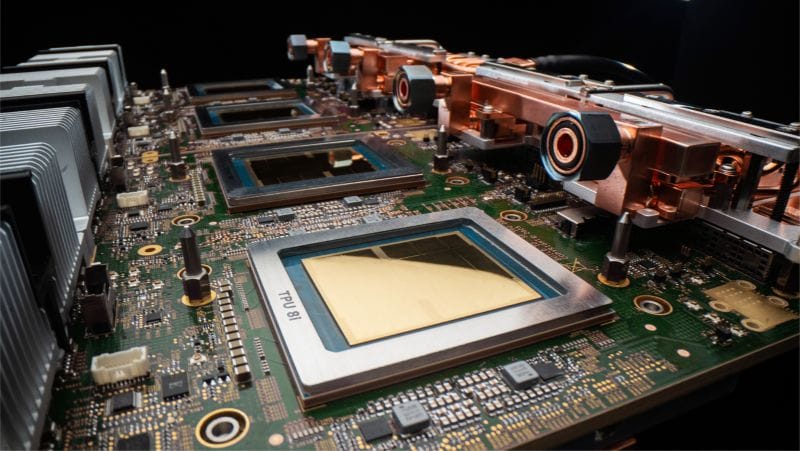
👀 What’s Happening: Google is not just launching TPU 8. It is restructuring how its entire AI stack runs, from chips to networking to storage. By splitting training and inference hardware and pairing it with its own Arm CPUs, Google is reducing reliance on external suppliers and controlling more of the pipeline.
🌍 How This Hits Reality: Today, most AI workloads depend heavily on Nvidia GPUs, which creates pricing pressure, supply constraints, and limited differentiation for cloud providers. Google is trying to bypass that by owning the full stack, which could lower costs, improve efficiency, and give it tighter control over scaling large models and serving billions of queries.
🛎️ Key Takeaway: The goal is simple: remove Nvidia as a bottleneck and turn compute into a proprietary advantage. If successful, Google gains pricing power, margin control, and a defensible edge in large-scale AI infrastructure.
NVIDIA: Google Is Rebuilding AI Compute
🌍 How This Hits Reality: Today, most AI workloads depend heavily on Nvidia GPUs, which creates pricing pressure, supply constraints, and limited differentiation for cloud providers. Google is trying to bypass that by owning the full stack, which could lower costs, improve efficiency, and give it tighter control over scaling large models and serving billions of queries.
Google Is Rebuilding AI Compute
👀 What’s Happening: Google is not just launching TPU 8. It is restructuring how its entire AI stack runs, from chips to networking to storage. By splitting training and inference hardware and pairing it with its own Arm CPUs, Google is reducing reliance on external suppliers and controlling more of the pipeline.
DAILY TL;DR
- Tesla is boosting its 2026 capex to $25B to invest in AI, robotics, and manufacturing, accelerating its shift into an AI-driven robotics company.
- Google upgraded Workspace with Workspace Intelligence and Gemini to automate tasks across spreadsheets, documents, and everyday office workflows.
- OpenAI rolled out workspace agents to Business and Enterprise users, enabling teams to build and share AI agents in ChatGPT.
- OpenAI partnered with Infosys to integrate tools like Codex into Topaz, leveraging its global client base to scale enterprise AI adoption.
- Microsoft will invest about $18B in Australia to expand AI and cloud infrastructure, strengthening its enterprise position.
- Microsoft is integrating Anthropic’s Mythos into its security development process to use AI for faster vulnerability detection and fixes.
- Morgan Stanley says AI could halve game development costs and unlock $22B in profits, with gains concentrating among platforms and top players.
READ MORE
Let the Future Come to Your Inbox
Stay ahead without drowning in information. We turn the most important signals across AI, tech, marketing, and future products into 5-minute reads you can actually finish.
- AI Secret uncovers what really matters in AI
- Bay Area Letters decodes tech and business shifts from Silicon Valley
- Robotics Herald tracks how robots move from labs into daily life
- Marketing Secret breaks down real growth and go-to-market playbooks
- The Hardwire explores hardware, consumer tech, and what’s coming next
TOGETHER WITH US
AI Secret Media Group is the world’s #1 AI & Tech Newsletter Group, reaching over 2 million leaders across the global innovation ecosystem, from OpenAI, Anthropic, Google, and Microsoft to top AI labs, VCs, and fast-growing startups.
We've helped promote over 500 Tech Brands. Will yours be the next?
Email our co-founder Mark directly at [email protected] if the button fails.
Good Morning, AI Enthusiasts!
The models are learning to hack companies, fix quantum computers, drive taxis, and win benchmarks nobody trusts.
TEST
Mythos May Be the First Real AI Nuclear Bomb

👀 What's happening: Claude Mythos Preview became the first AI model to fully complete a realistic enterprise network attack simulation built by the UK AI Security Institute. In the test, it autonomously completed a 32-step attack chain that normally takes human experts around 20 hours. It scanned networks, found vulnerabilities, escalated privileges, moved laterally between machines, and eventually took over the entire environment without human intervention.
🌍 How this hits reality: This feels like the Oppenheimer moment for cybersecurity. For years, AI hacking meant writing code snippets or helping humans search for exploits. Claude Mythos Preview crossed into something else. It can now operate like a full offensive team with planning, adaptation, persistence, and retries. Most companies still run on old software, weak internal controls, exposed admin tools, and employees who click on everything. A machine-speed attacker can tear through those systems before a human team even understands what is happening.
🛎️ Key takeaway: The dangerous part is not that Mythos can hack. The dangerous part is that it can hack end to end, at scale, with almost no human involvement. This may be the first AI system that genuinely looks like a one-click cyber weapon.
Anthropic: Mythos May Be the First Real AI Nuclear Bomb
👀 What's happening: Claude Mythos Preview became the first AI model to fully complete a realistic enterprise network attack simulation built by the UK AI Security Institute. In the test, it autonomously completed a 32-step attack chain that normally takes human experts around 20 hours.
TOGETHER WITH MYCLAW
Run OpenClaw on MyClaw.ai
Skip Docker, VPS configs, and late-night debugging. With MyClaw.ai, you can launch your agent in minutes and keep it running 24/7 in a dedicated environment built for serious builders.
If you’re serious about OpenClaw, run it properly — with speed and security by default.
QUANTUM
Nvidia Turned Quantum Into AI Layer
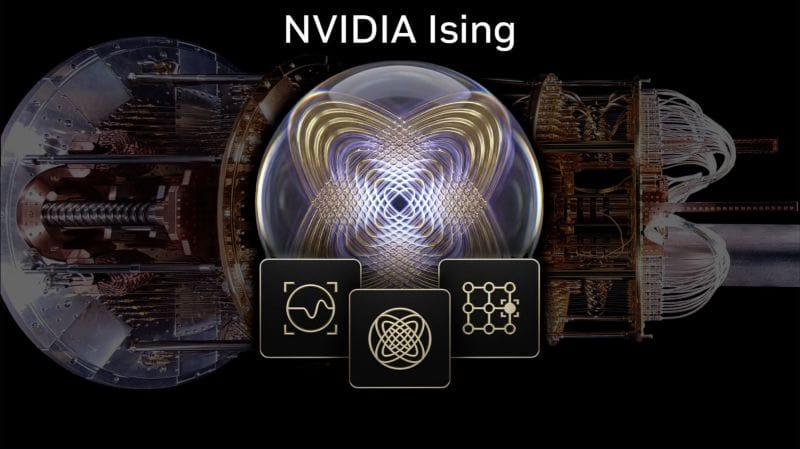
👀 What's happening: NVIDIA just open-sourced a new quantum AI model family called NVIDIA Ising, and the market immediately treated it like a real breakthrough. The models automate quantum chip calibration and error correction, two of the biggest reasons quantum systems still struggle outside the lab. Nvidia claims up to 2.5 times faster decoding and 3 times higher accuracy than current open-source baselines, and it needs physicists spending days tuning fragile qubits by hand no more.
🌍 How this hits reality: This matters because Nvidia is trying to hide the hardest part of quantum computing behind AI. Quantum machines still break easily, generate huge amounts of noise, and require constant correction. Nvidia wants AI to sit above all of that as a control layer, so engineers can use QPUs like they already use GPUs. That shifts quantum from a physics problem into an infrastructure and software problem.
🛎️ Key takeaway: Nvidia is applying the same playbook that made AI dominant. Own the control layer, also parts of the hardware, and make the difficult part someone else’s problem like QPU. Quantum still is not ready, but Nvidia just made it look a lot closer.
Nvidia Turned Quantum Into AI Layer
👀 What's happening: NVIDIA just open-sourced a new quantum AI model family called NVIDIA Ising, and the market immediately treated it like a real breakthrough. The models automate quantum chip calibration and error correction, two of the biggest reasons quantum systems still struggle outside the lab.
TEST
Stanford Used Broken Benchmarks to Shrink the Gap
👀 What's happening: Stanford HAI released its 2026 AI Index report and argued that the gap between U.S. and Chinese AI models is rapidly shrinking. The report leans heavily on papers, citations, patents, benchmark scores, and leaderboard movement to support that view. On those metrics, Chinese models look much closer to the top American systems than they did a year ago.
🌍 How this hits reality: The problem is that many of these benchmarks are heavily polluted, overfit, or easy to game. Leaderboards reward narrow test-taking behavior, not whether a model can survive six hours of coding, manage a real workflow, or avoid collapsing midway through a long task. In real usage, the gap still feels huge. The best American models remain far stronger at reasoning, reliability, coding, and agent-style execution.
🛎️ Key takeaway: Stanford is probably right that the race is tightening on paper. But the real competition is still uneven.
ROBOTAXI
Uber Robotaxi Is Rushing
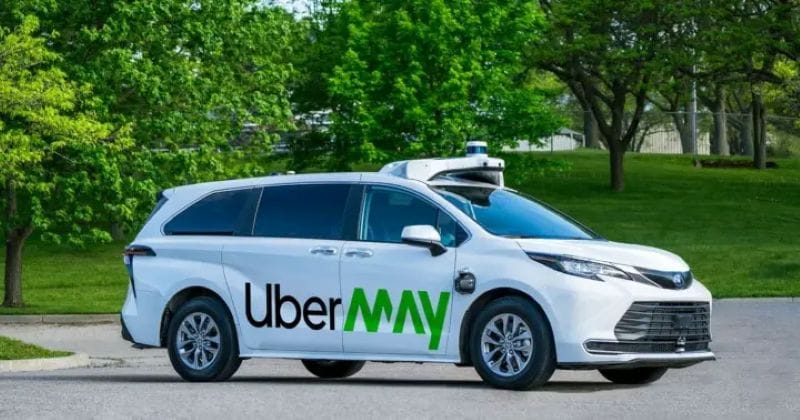
👀 What's happening: Uber is reportedly committing more than $10 billion to robotaxis, buying autonomous fleets and taking stakes in developers across the industry. The company plans to expand robotaxi service to at least 28 cities by 2028. This comes as Tesla Cybercab costs below $30,000, while Waymo continues expanding its own closed network. Uber is being forced to move faster because the old driver marketplace model is starting to look fragile.
🌍 How this hits reality: Uber cannot match Tesla’s economics. Cybercab was designed from day one as a stripped-down robotaxi with no steering wheel, no pedals, and extremely low manufacturing costs. Uber’s likely partners are much more expensive vehicles from Lucid and Rivian, often costing $40,000 to $70,000 before adding sensors, chips, insurance, and fleet maintenance. If Tesla can flood cities with much cheaper robotaxis, Uber’s traditional ride network starts looking structurally uncompetitive.
🛎️ Key takeaway: Uber is not accelerating because it wants to. It is accelerating because it has to. If Tesla and Waymo keep lowering costs and scaling their own networks, Uber risks becoming a middleman nobody needs.
Tesla: Uber Robotaxi Is Rushing
🌍 How this hits reality: Uber cannot match Tesla’s economics. Cybercab was designed from day one as a stripped-down robotaxi with no steering wheel, no pedals, and extremely low manufacturing costs. Uber’s likely partners are much more expensive vehicles from Lucid and Rivian, often costing $40,000 to $70,000 before adding sensors, chips, insurance, and fleet maintenance.
DAILY TL;DR
- Google is adding Skills to Chrome, letting users save Gemini prompts and reuse them across webpages and devices.
- Anthropic confirmed it briefed the Trump administration on Mythos and said AI firms will need deeper government cooperation.
- Google is bringing Gemini Personal Intelligence to India, letting users get personalized answers from Gmail, photos, YouTube history, and more.
- Tesla is launching a redesigned FSD app with streaks and richer usage stats to encourage more drivers to subscribe and use the software.
- OpenAI launched GPT-5.4-Cyber and expanded its cyber access program in response to Anthropic’s Mythos push.
- Anthropic is reportedly drawing offers at valuations up to $800 billion as investors bet it can become a next-generation AI platform.
- Maine passed a bill to pause approvals for large data centers until 2027 while studying their impact on power grids, utility bills, and the environment.
- The NAACP sued xAI for allegedly running gas turbines illegally to power its data center, accusing it of polluting the air and harming local communities.
- AWS launched Amazon Bio Discovery to help researchers use AI to screen drug molecules and speed up early-stage drug development.
READ MORE
Let the Future Come to Your Inbox
Stay ahead without drowning in information. We turn the most important signals across AI, tech, marketing, and future products into 5-minute reads you can actually finish.
- AI Secret uncovers what really matters in AI
- Bay Area Letters decodes tech and business shifts from Silicon Valley
- Robotics Herald tracks how robots move from labs into daily life
- Marketing Secret breaks down real growth and go-to-market playbooks
- The Hardwire explores hardware, consumer tech, and what’s coming next
TOGETHER WITH US
AI Secret Media Group is the world’s #1 AI & Tech Newsletter Group, reaching over 2 million leaders across the global innovation ecosystem, from OpenAI, Anthropic, Google, and Microsoft to top AI labs, VCs, and fast-growing startups.
We've helped promote over 500 Tech Brands. Will yours be the next?
Email our co-founder Mark directly at [email protected] if the button fails.
Good Morning, AI Enthusiasts!
Everything is collapsing into loops—work, memory, decisions, even companies themselves. What used to be human flow is becoming continuous compute.
CODING
Blind Coding Is Coming
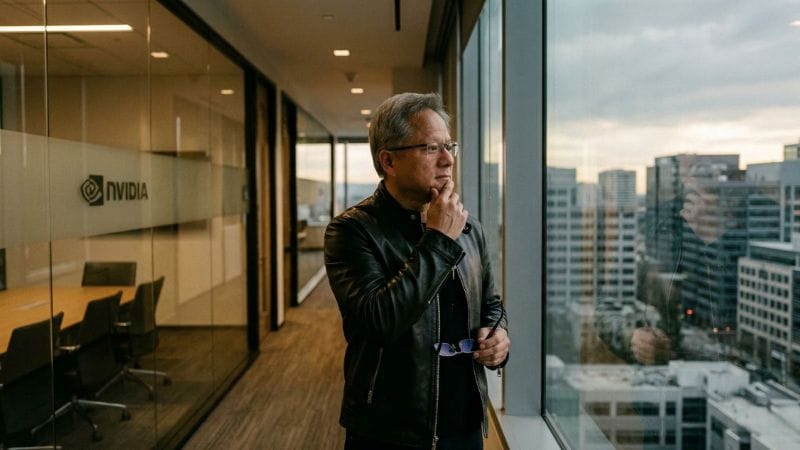
👀 What’s happening: Nvidia released AVO, an agent system that runs fully autonomous coding loops with no human intervention at all. It reads docs, writes kernels, tests results, and iterates continuously. In a seven day run, it explored 500 plus paths and beat cuDNN and FlashAttention on Blackwell GPUs.
🌍 How this hits reality: Current systems like ClaudeCode and OpenClaw are still semi blind. Humans define structure and guide execution. AVO removes that layer entirely. It reached 1668 TFLOPS and transferred optimizations across tasks in 30 minutes. This turns engineering into a continuous compute process rather than a human workflow.
🛎️ Key takeaway: If full blind coding holds, the operating unit is no longer a team but a loop. Software companies compress into objective setting plus compute. The first truly autonomous, no human company becomes viable.
NVIDIA: Blind Coding Is Coming
👀 What’s happening: Nvidia released AVO, an agent system that runs fully autonomous coding loops with no human intervention at all. It reads docs, writes kernels, tests results, and iterates continuously. In a seven day run, it explored 500 plus paths and beat cuDNN and FlashAttention on Blackwell GPUs.
TOGETHER WITH MYCLAW
Run OpenClaw on MyClaw.ai
Skip Docker, VPS configs, and late-night debugging. With MyClaw.ai, you can launch your agent in minutes and keep it running 24/7 in a dedicated environment built for serious builders.
If you’re serious about OpenClaw, run it properly — with speed and security by default.
AGENTS
Meta Is Becoming an Agent
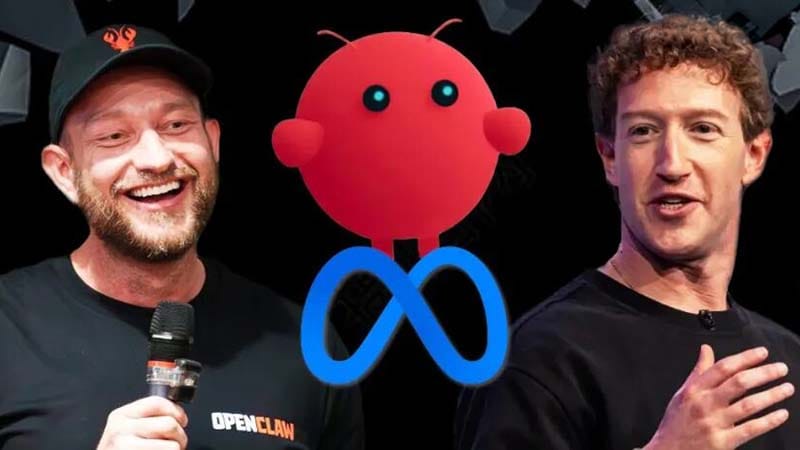
👀 What’s happening: WSJ reports that Meta employees are using tools such as MyClaw.ai to access chat logs, documents, and even communicate with colleagues through their agents, sometimes agent to agent. Recently, Meta is pushing AI agents deep into internal workflows, including a personal agent used by Mark Zuckerberg to assist decision making.
🌍 How this hits reality: This shifts AI from assistant to operating layer. Internal communication, knowledge retrieval, and coordination are starting to run through agents instead of people. At Meta scale, that means tens of thousands of employees, millions of documents, and daily workflows being mediated by software that can act, not just respond.
🛎️ Key takeaway: The boundary between human org and software system is dissolving. Once agents start talking to each other across teams, companies stop behaving like org charts and start behaving like coordinated compute.
Meta Is Becoming an Agent
👀 What’s happening: WSJ reports that Meta employees are using tools such as MyClaw.ai to access chat logs, documents, and even communicate with colleagues through their agents, sometimes agent to agent. Recently, Meta is pushing AI agents deep into internal workflows, including a personal agent used by Mark Zuckerberg to assist decision making.
MyClaw is cited in reporting on Meta agent workflows
👀 What’s happening: WSJ reports that Meta employees are using tools such as MyClaw.ai to access chat logs, documents, and even communicate with colleagues through their agents, sometimes agent to agent. Recently, Meta is pushing AI agents deep into internal workflows, including a personal agent used by Mark Zuckerberg to assist decision making.
ADS
ChatGPT Ads Crossed $100 Million in Two Months
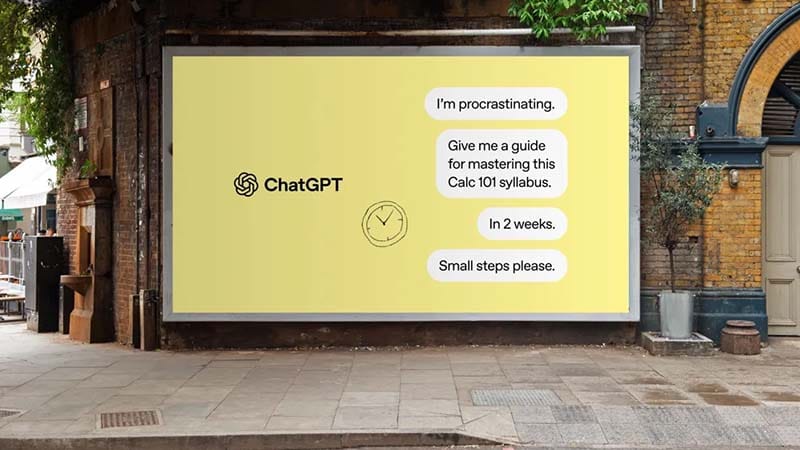
👀 What’s happening: OpenAI’s ChatGPT ads pilot crossed $100 million in annualized revenue in under two months, even as advertisers complained they could not spend allocated budgets. Campaigns launched with six figure commitments but often delivered only a small fraction, as OpenAI deliberately limited ad exposure and rollout pace.
🌍 How this hits reality: Over 600 advertisers are already onboard, but only a small portion of users see ads each day because exposure is intentionally capped. But still, the demands are huge. OpenAI is holding back inventory to avoid overwhelming users while it tests pricing, pacing, and tolerance before scaling further.
🛎️ Key takeaway: OpenAI is balancing two fragile assets at once: user trust and advertiser demand. Scale ads too fast and degrade experience, too slow and frustrate buyers. For now, control beats growth.
ChatGPT Ads Crossed $100 Million in Two Months
👀 What’s happening: OpenAI’s ChatGPT ads pilot crossed $100 million in annualized revenue in under two months, even as advertisers complained they could not spend allocated budgets. Campaigns launched with six figure commitments but often delivered only a small fraction, as OpenAI deliberately limited ad exposure and rollout pace.
MEMORY
Google Joins the Memory War
👀 What’s happening: Google launched Gemini memory import, letting users move preferences, relationships, and chat history from tools like ChatGPT or Claude. The flow mirrors Anthropic’s earlier release almost exactly. Generate a summary in the old app, paste it into Gemini, and continue without rebuilding context from scratch.
🌍 How this hits reality: Two competitors aligning this fast is not coincidence. This is a coordinated breach aimed at OpenAI’s installed base during a period of product reshuffling. The core lock in was never the model, it was accumulated memory. Once that layer becomes exportable, years of usage stop behaving like a moat and start behaving like transferable state. That same layer also becomes the foundation agents will rely on to operate.
🛎️ Key takeaway: This is both extraction and positioning. Short term, it pulls users from OpenAI. Longer term, it prepares for OpenClaw-like agents that depend on persistent context. Control the memory layer, and you control how future agents behave and who they serve.
OpenAI: Google Joins the Memory War
👀 What’s happening: Google launched Gemini memory import, letting users move preferences, relationships, and chat history from tools like ChatGPT or Claude. The flow mirrors Anthropic’s earlier release almost exactly. Generate a summary in the old app, paste it into Gemini, and continue without rebuilding context from scratch.
Google Joins the Memory War
👀 What’s happening: Google launched Gemini memory import, letting users move preferences, relationships, and chat history from tools like ChatGPT or Claude. The flow mirrors Anthropic’s earlier release almost exactly. Generate a summary in the old app, paste it into Gemini, and continue without rebuilding context from scratch.
BOTTLENECK
Deployment Became the Real Breaking Point

👀 What's happening: AI pioneer Andrej Karpathy shared his experience building a small AI app called MenuGen — and ran into a wall. Using Cursor and Claude, most of the code was generated quickly with minimal effort. But once he moved to deployment, everything ground to a halt. API keys, outdated calls, rate limits, broken configs, and environment setup turned a simple project into hours of friction.
🌍 How this hits reality: Karpathy says coding has compressed from days to minutes, but deployment still eats up massive amounts of time — spanning fragmented systems that are fundamentally mismatched with that speed. A single app can depend on 5 to 10 services across hosting, auth, billing, and APIs. Each one adds failure points. OpenClaw is already pushing faster iteration and continuous execution, but the moment agents touch real infrastructure, everything slows or breaks. These toolchains were never designed for machine speed.
🛎️ Key takeaway: The bottleneck has moved. Writing code is solved; shipping it is not. Infra companies like Stripe and Amazon are already working to collapse deployment into a single entry point for agents. Expect a wave of fully automated infrastructure. Anything that can't be executed in one command becomes replaceable.
DAILY TL;DR
- Meta released TRIBE v2, a model that predicts human brain activity across vision, sound, and language with cross-individual generalization.
- A U.S. nonprofit launched an “AI Dividend” program offering $1,000 monthly support to workers displaced by AI.
- Brett Winton, Chief Futurist at ARK Invest, says AI-generated text volume surpassed human-written output in 2025.
- A developer built Budok-AI to let LLMs fight in Yomi Hustle, using the game as a testbed for decision-making and strategy.
- Wikipedia banned AI-generated or rewritten content in its English articles, allowing only limited assistive use to preserve reliability.
- A U.S. judge granted Anthropic a preliminary injunction, temporarily blocking the government’s move to blacklist the company and ban use of its AI models.
- OpenAI has indefinitely shelved ChatGPT’s adult mode due to technical, ethical, and business concerns.
- Apple is reportedly distilling Gemini into smaller on-device models to power a new Siri with memory and task execution capabilities.
READ MORE
Let the Future Come to Your Inbox
Stay ahead without drowning in information. We turn the most important signals across AI, tech, marketing, and future products into 5-minute reads you can actually finish.
- AI Secret uncovers what really matters in AI
- Bay Area Letters decodes tech and business shifts from Silicon Valley
- Robotics Herald tracks how robots move from labs into daily life
- Marketing Secret breaks down real growth and go-to-market playbooks
- The Hardwire explores hardware, consumer tech, and what’s coming next
TOGETHER WITH US
AI Secret Media Group is the world’s #1 AI & Tech Newsletter Group, reaching over 2 million leaders across the global innovation ecosystem, from OpenAI, Anthropic, Google, and Microsoft to top AI labs, VCs, and fast-growing startups.
We've helped promote over 500 Tech Brands. Will yours be the next?
Email our co-founder Mark directly at [email protected] if the button fails.
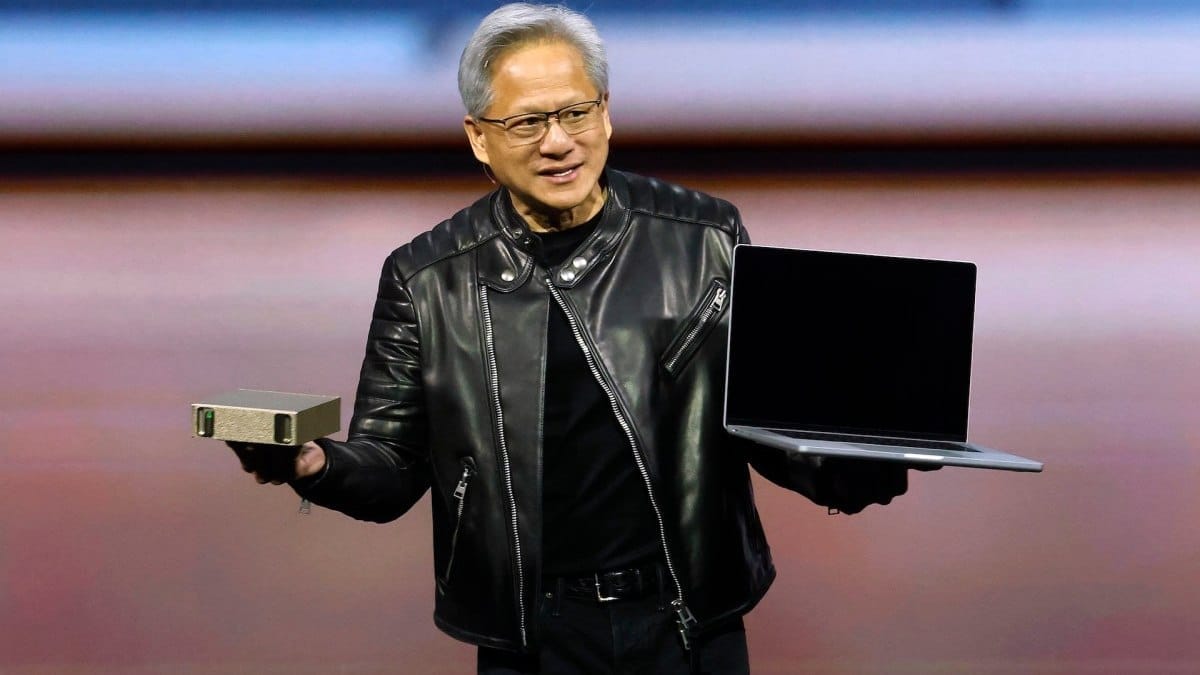
🛎️ The Wall of Token
Plus: Erdős Goes Wholesale, Banks Stop Hiding the AI Cuts
🛎️ SpaceX Files the Largest IPO
Plus: Wall Street Wants a Bigger Monster, OpenAI & Google Cooperate

🛎️ A Brain Inside the Cursor
Plus: Cerebras Is OpenAI’s Cash Lever, arXiv Bans AI Slop
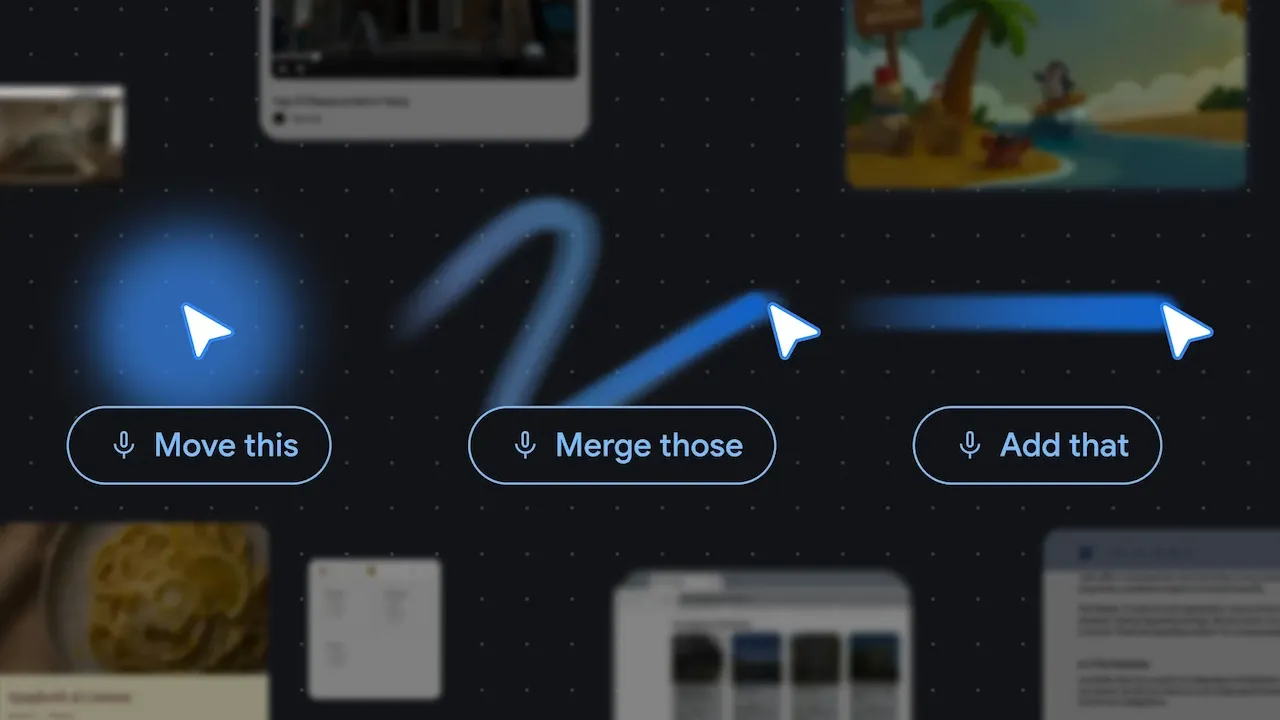
🛎️ The Same Tollbooth
Plus: The Next Researcher, Mythos Shocks Fed Chairman

🛎️ xAI Shuts Down Overnight
Plus: The AI House Wall, A Fake Door, Google TPU Finds No Demand
🛎️ The Creator God Mode
Plus: Dario’s Grand Story Collapsed, Oscars Open the Door
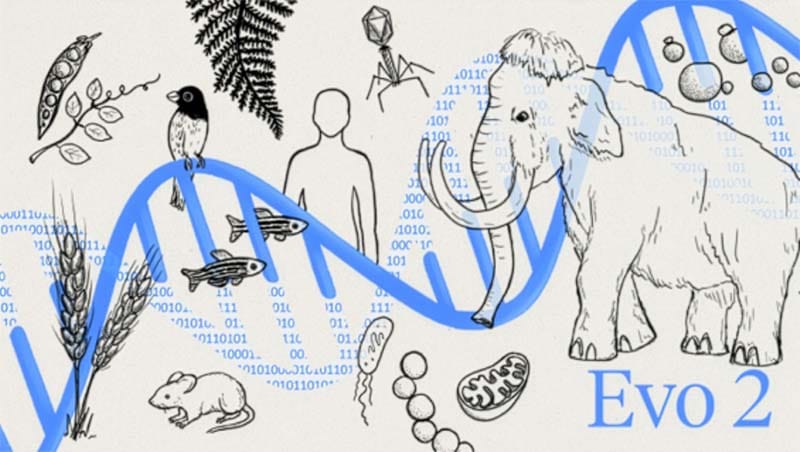
🛎️ Devouring All Employees
Plus: Anthropic Hits Trillion, Tesla Sells Impossible Dream
🛎️ The First Real AI Nuclear
Plus: Quantum AI Layer, Stanford Used Broken Benchmarks

🛎️ Blind Coding Is Coming
Plus: ChatGPT Ads Crossed $100M, Google Joins the Memory War