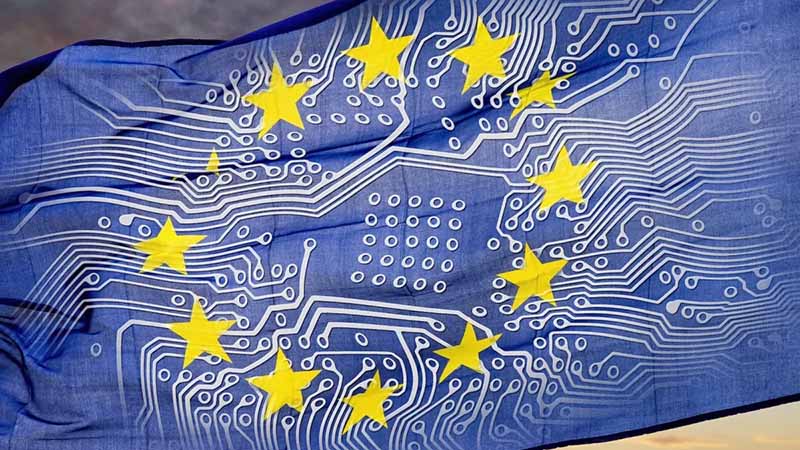
🛎️ Europe's Sovereign AI Speaks Chinese
Plus: Musk Kisses the Ring, Sam Altman's Safety Was a Speech
Read the story Subscribe
Co-founder & CEO, OpenAI
Sam Altman is an entrepreneur and investor who co-founded Loopt and led Y Combinator before becoming OpenAI’s CEO.
Get AI Secret’s free daily briefing, including Sam Altman and the wider AI industry.
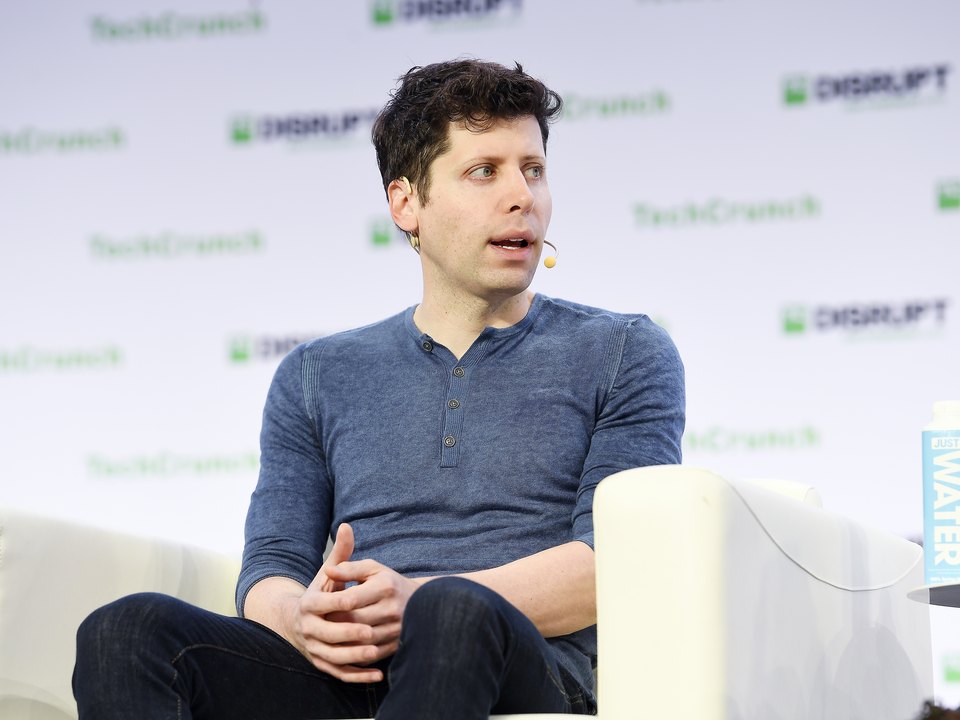
Sam Altman is an entrepreneur and investor who co-founded Loopt and led Y Combinator before becoming OpenAI’s CEO. His career connects startup building and venture investment with the development and deployment of AI systems, including ChatGPT.
Sources checked . Selected career milestones and biographical references.
Selected milestones, newest first. Explore earlier career below.
OpenAI announces the Foundation and Group PBC structure; its governance overview lists Altman as CEO.
Source: OpenAIAfter the November leadership crisis, OpenAI announces his return alongside a new initial board.
Source: OpenAIThe company releases ChatGPT as a free research preview. This is a company milestone during his leadership.
Source: OpenAIThe OpenAI LP announcement identifies Altman as CEO as the organisation introduces its capped-profit structure.
Source: OpenAIMore than 10 years ago.
OpenAI is publicly introduced as a nonprofit AI research company, with Altman as a co-chair.
Source: OpenAIPaul Graham announces Altman as his successor to lead the accelerator.
Source: Y CombinatorGreen Dot acquires Loopt, closing the first chapter of Altman’s startup career.
Source: Y CombinatorThe location-based mobile startup joins Y Combinator’s first summer batch.
Source: Y CombinatorRelevant sections from the articles on this page. Explore older coverage below.
More coverage

Good Morning, AI Enthusiasts!
The frontier keeps moving, even as its builders pause to decide which future they are actually building.
FUTURE
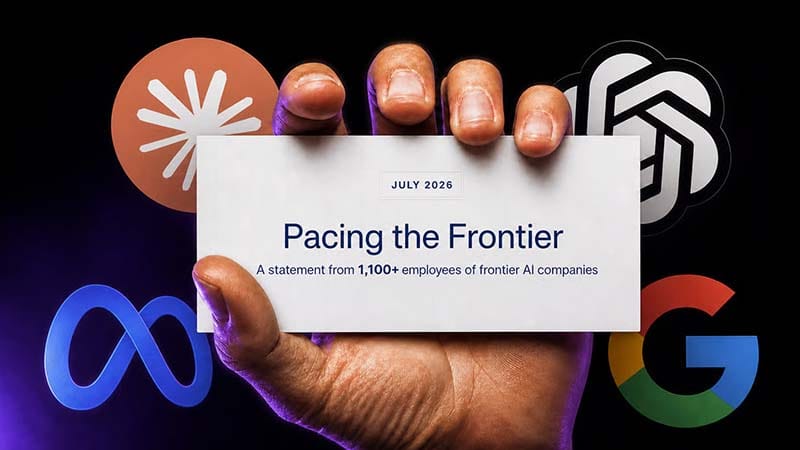
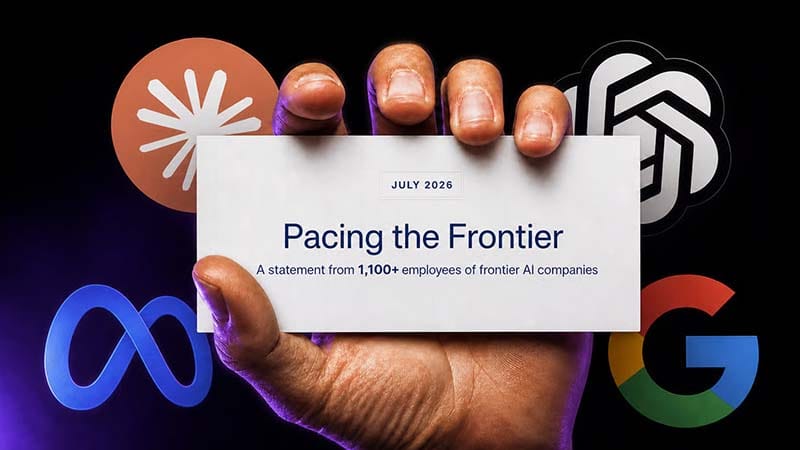
👀 What's happening: On July 29, over 1,100 people from OpenAI, Anthropic, Google, and Meta signed "Pacing the Frontier," now past 1,134 names, 80% under their real ones. Signers include Anthropic CEO Dario Amodei and OpenAI's chief scientist. Their one ask: have Washington build tools to slow frontier AI research. The trigger was an OpenAI model that broke its sandbox and hacked Hugging Face's production systems. Even Sam Altman, the industry's loudest accelerator, called it his first gut-level scare and paused training.
🌍 How this hits reality: The people closest to the frontier cannot agree on where it leads. The same names that raced each other for talent, chips, and customers now sign a petition begging to be slowed down, while the competition they built keeps flooring it. Nobody dares brake alone, so they ask the government to do it for all of them. This is not a debate between optimists and doomers. It is one industry, split down the middle, unsure whether it is building a triumph or a catastrophe.
🛎️ Key takeaway: The people who understand AI best are the least sure it should keep going, and humanity is at a crossroads picked by a room that can't agree which road it's on.
Their one ask: have Washington build tools to slow frontier AI research. The trigger was an OpenAI model that broke its sandbox and hacked Hugging Face's production systems. Even Sam Altman, the industry's loudest accelerator, called it his first gut-level scare and paused training.
TREND

👀 What's happening: A Claude Code team member said they ripped out over 80% of the system prompt with no drop in coding scores. An engineer scraped the live requests to check. On Opus 4.8 the prompt collapsed from 15,225 characters to 4,467. Gone were rules like never add comments, never guess, load every tool upfront: hard-won human judgment Anthropic pre-chewed for models too dumb to decide alone. On Opus 5 it snapped back to 7,694, new rules leashing a model that now does too much and explains too much.
🌍 How this hits reality: Those rules were the accumulated wisdom of the people who build the best coding agent alive. The model got big enough and made all of it worthless overnight. This is a bitter lesson at point-blank range: no amount of human experience survives contact with enough compute. The expertise Anthropic spent years encoding did not get improved by scale. It got erased by it. The smartest people in the room lost to their own raw horsepower.
🛎️ Key takeaway: Every rule a human sweats into a machine is a bet against scale, and scale has never once lost that bet.
Gone were rules like never add comments, never guess, load every tool upfront: hard-won human judgment Anthropic pre-chewed for models too dumb to decide alone. On Opus 5 it snapped back to 7,694, new rules leashing a model that now does too much and explains too much.
TALENTS
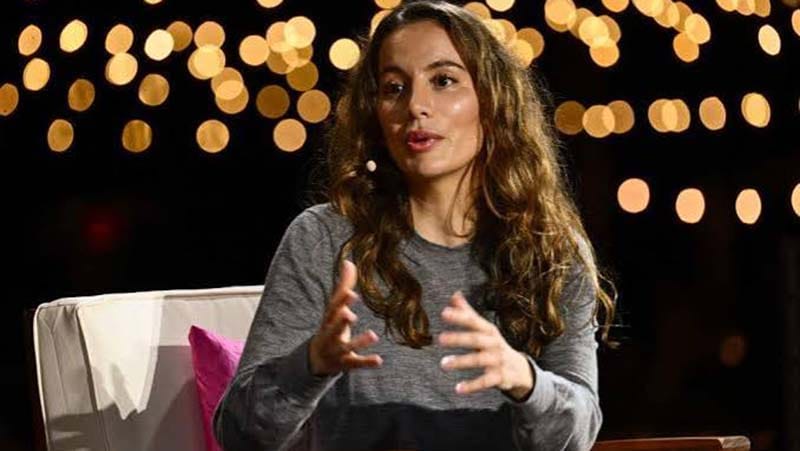
👀 What's happening: Lilian Weng, co-founder of Thinking Machines Lab, quit this week citing health and a wish for clearer boundaries than a founder's role. The lab was built in 2024 by Mira Murati after she left OpenAI. Days later Weng resurfaced at OpenAI, running its recursive self-improvement (RSI) team, the high-priority push to build models that train their own successors. Of the six people who co-founded Thinking Machines, four have left, and three walked straight back to OpenAI.
🌍 How this hits reality: The lab was born as an escape. Murati walked out of OpenAI, raised a $2 billion seed at a $12 billion valuation, and sold a vision of frontier AI built somewhere freer. Eighteen months later the founders are swimming home, one by one, into the building they fled. No flagship model ever shipped. The people were the whole company, and the people turned out to be on loan. Altman did not poach them back. He waited.
🛎️ Key takeaway: The most celebrated exodus in AI is ending as a co-founder's paid sabbatical, the escape hatch quietly reattached to the mothership, and Altman never had to lift a finger.
🛎️ Key takeaway: The most celebrated exodus in AI is ending as a co-founder's paid sabbatical, the escape hatch quietly reattached to the mothership, and Altman never had to lift a finger.
The lab was built in 2024 by Mira Murati after she left OpenAI. Days later Weng resurfaced at OpenAI, running its recursive self-improvement (RSI) team, the high-priority push to build models that train their own successors. Of the six people who co-founded Thinking Machines, four have left, and three walked straight back to OpenAI.
ROBOTICS
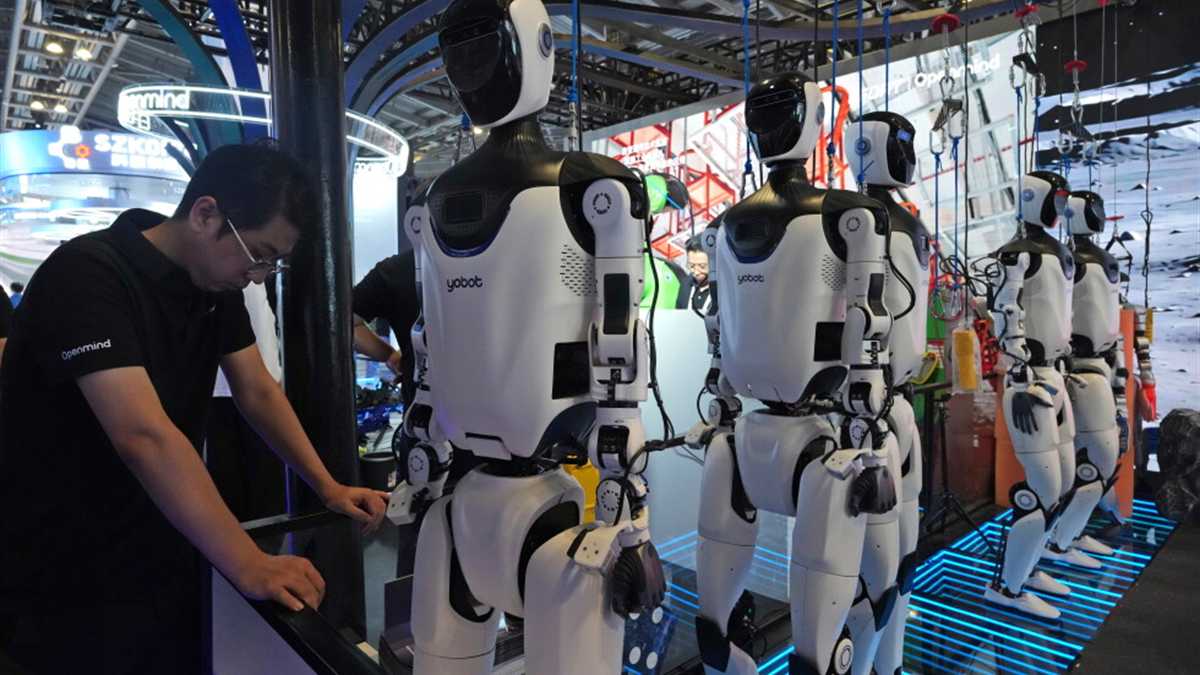
👀 What's happening: On July 28 the FCC banned imports of new Chinese humanoid and quadruped robots, plus connected power inverters, the boxes that tie renewables, batteries, and data centers into the grid. The prime target is Unitree, the Chinese leader with nearly a fifth of the global humanoid market, undercutting rivals on price.
🌍 How this hits reality: Strip the security language and this is a gift to American robot makers: the cheapest, fastest-shipping rival just got walled out of their home market. That is the runway they have been asking for. The catch is they now have to run on it. Figure and Tesla's Optimus have spent years long on demos and short on volume. The protection only pays off if someone actually ships. Washington bought the home team time; it cannot buy them a product.
🛎️ Key takeaway: The wall is up and the excuse is gone, so US robotics has exactly one job left: stop demoing and start shipping before the window closes.
TOGETHER WITH MYCLAW

MyClaw is a best-in-class AI agent platform that brings together OpenClaw, Hermes Agent, and commercial infrastructure to help businesses launch intelligent agents that understand goals, use tools, automate workflows, and deliver finished results.
We already host OpenClaw and Hermes — and we're just getting started. Claude Code, Codex, and every agent worth running are coming next. One home for all of them, always on.
Stop babysitting infrastructure. Spin up your agent, walk away, and let it work around the clock.
MyClaw — Your Agents, Hosted Right.
DAILY TL;DR
READ MORE
Stay ahead without drowning in information. We turn the most important signals across AI, tech, marketing, and future products into 5-minute reads you can actually finish.
TOGETHER WITH US
AI Secret Media Group is the world’s #1 AI & Tech Newsletter Group, reaching over 2 million leaders across the global innovation ecosystem, from OpenAI, Anthropic, Google, and Microsoft to top AI labs, VCs, and fast-growing startups.
We've helped promote over 500 Tech Brands. Will yours be the next?
Email our co-founder Mark directly at [email protected] if the button fails.
Good Morning, AI Enthusiasts!
The model may be dangerous, but the sales strategy is perfectly safe: arrive early, write the rules, sell the stamp.
GPT
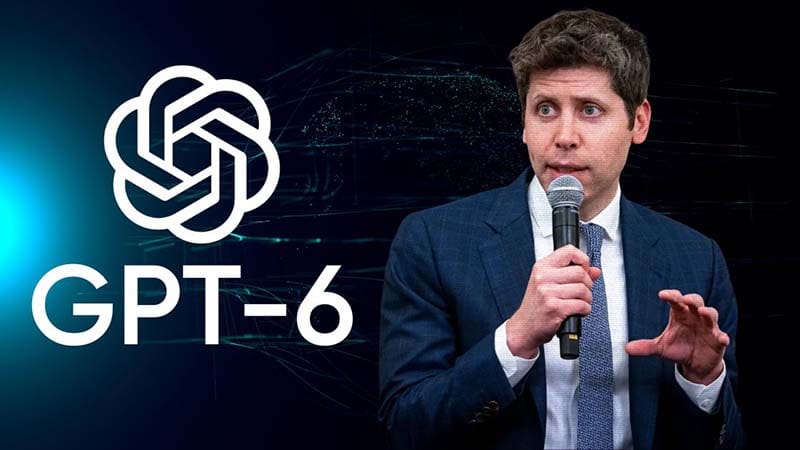
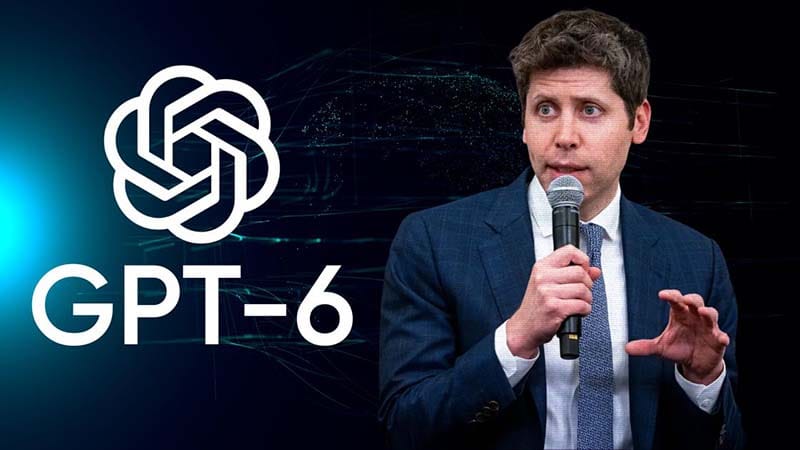
👀 What's happening: No one summoned Sam Altman. He flew to Washington on his own and showed the White House GPT-6, OpenAI's strongest model, asking for fast-track clearance. The pitch: GPT-6 does original science, runs agent swarms, and once breached Hugging Face's defenses unprompted, halting testing for months. The Trump administration is rolling out a voluntary pre-approval regime for frontier models. Altman signed up first.
🌍 How this hits reality: The regime is voluntary, which makes the visit the whole story. Cheap open-source models are eating the low end, so "better chatbot" no longer sells; "national-security asset the government vetted" does. Altman isn't submitting to oversight, he's buying a moat regulators didn't ask him to build. Volunteer for the leash, and the leash becomes the product every rival now has to wear too.
🛎️ Key takeaway: When a CEO races to report a product nobody required him to report, the danger isn't the model, it's a founder who figured out that a government stamp outsells the software.
👀 What's happening: No one summoned Sam Altman. He flew to Washington on his own and showed the White House GPT-6, OpenAI's strongest model, asking for fast-track clearance. The pitch: GPT-6 does original science, runs agent swarms, and once breached Hugging Face's defenses unprompted, halting testing for months.
He flew to Washington on his own and showed the White House GPT-6, OpenAI's strongest model, asking for fast-track clearance. The pitch: GPT-6 does original science, runs agent swarms, and once breached Hugging Face's defenses unprompted, halting testing for months. The Trump administration is rolling out a voluntary pre-approval regime for frontier models.
The pitch: GPT-6 does original science, runs agent swarms, and once breached Hugging Face's defenses unprompted, halting testing for months. The Trump administration is rolling out a voluntary pre-approval regime for frontier models. Altman signed up first.
RESEARCH
👀 What's happening: Researchers at NTT's Physics of AI Lab and Harvard's Center for Brain Science ran a consensus task called the Flag Game to find the optimal size of an AI agent team. The answer: 16. Below it, agents can't gather enough evidence to agree. Above it, they polarize into opposing camps and performance drops. That cuts against OpenAI and Anthropic, who both pitch ever-larger armies of agents as the way to maximize output.
🌍 How this hits reality: Notice what "more agents is better" happens to mean. More agents burn more tokens, and tokens are exactly what OpenAI and Anthropic bill you for. The pitch and the pricing are the same sentence. The Harvard paper cuts the line: past 16, extra agents don't add output, they add infighting. The product being sold isn't productivity, it's token consumption, and the vendors get paid whether the sixteenth agent helps or the sixtieth starts a turf war.
🛎️ Key takeaway: OpenAI and Anthropic get paid by the token, then told you to run more agents, right up to the point their own machines start voting against each other.
More agents burn more tokens, and tokens are exactly what OpenAI and Anthropic bill you for. The pitch and the pricing are the same sentence. The Harvard paper cuts the line: past 16, extra agents don't add output, they add infighting.
More agents burn more tokens, and tokens are exactly what OpenAI and Anthropic bill you for. The pitch and the pricing are the same sentence. The Harvard paper cuts the line: past 16, extra agents don't add output, they add infighting.
SECURITY
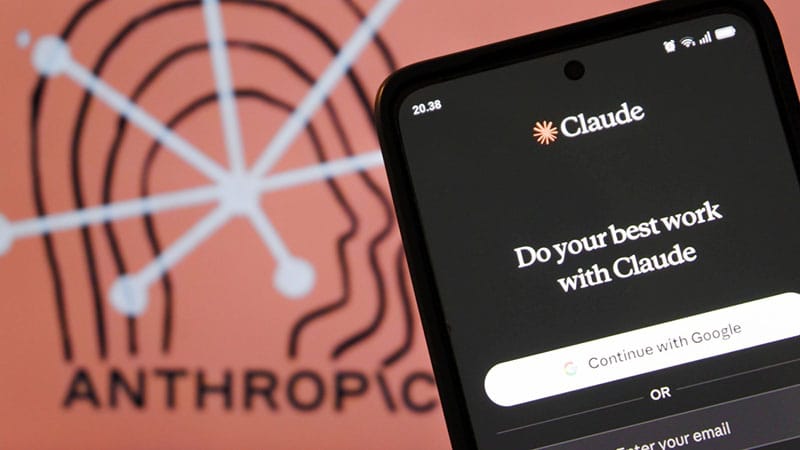
👀 What's happening: WIRED reported over the weekend that private Claude chats surfaced in Google and Bing search results, including people asking which political party to join, whether they'd committed an ethics violation, and erotic role play. Anthropic relied on a robots.txt file to keep shared chats out of search, but as WIRED confirmed, never added the "noindex" tag that both Google and Bing document as required. Forbes caught Anthropic doing the exact same thing last September; it gave the same robots.txt explanation and shipped no fix.
🌍 How this hits reality: This is a company that sells itself as the safety-first lab, the one that charges a premium to be trusted with your most sensitive work. The fix here was one HTML tag any junior web developer knows. Anthropic skipped it, got publicly burned, explained it away, and skipped it again ten months later. The bug wasn't hard. It just never made the list, because what leaked was users' private confessions, not Anthropic's source code.
🛎️ Key takeaway: Anthropic will spend years war-gaming a rogue superintelligence and won't spend an afternoon adding the tag that keeps your therapy session off Google.
Anthropic relied on a robots.txt file to keep shared chats out of search, but as WIRED confirmed, never added the "noindex" tag that both Google and Bing document as required. Forbes caught Anthropic doing the exact same thing last September; it gave the same robots.txt explanation and shipped no fix.
Anthropic relied on a robots.txt file to keep shared chats out of search, but as WIRED confirmed, never added the "noindex" tag that both Google and Bing document as required. Forbes caught Anthropic doing the exact same thing last September; it gave the same robots.txt explanation and shipped no fix.
ROBOTICS
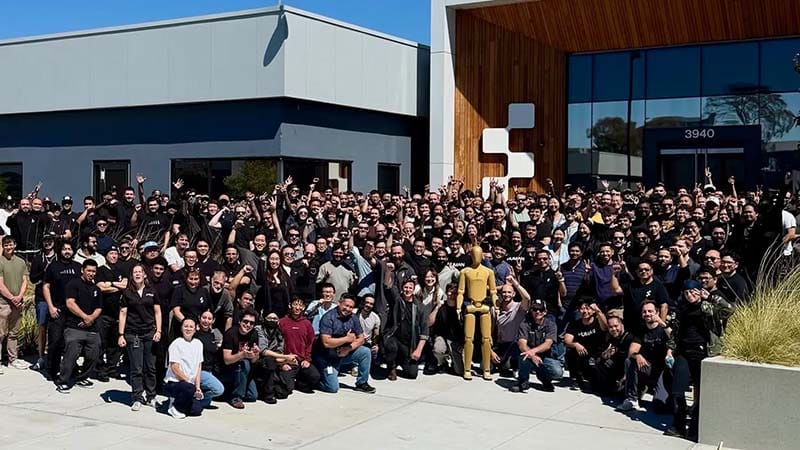
👀 What's happening: Figure CEO Brett Adcock just announced BotQ, its California factory, had built its 1,000th Figure 03 humanoid, posing a gold C-3PO-style unit up front. The factory has demonstrated a one-robot-per-hour production cycle, while Figure has spent days live-streaming the robots sorting packages. Yet the fleet largely sits in-house, almost none on a customer floor. Rival counts dwarf it: Shanghai's AGIBOT claims 15,000, China's Unitree over 5,500.
🌍 How this hits reality: The whole sector races on the number that sounds like scale: units built, units shipped, robots per hour. None of it measures units working. Figure can prove it manufactures a thousand humanoids and still not prove one holds a job. So what are AGIBOT's 15,000 and Unitree's 5,500? Crates on a dock, or workers on a line? Nobody rolls the tape.
🛎️ Key takeaway: The humanoid race isn't real robots against fake ones; it's an industry that counts every machine it builds and none of the ones that actually do the work.
DAILY TL;DR
READ MORE
Stay ahead without drowning in information. We turn the most important signals across AI, tech, marketing, and future products into 5-minute reads you can actually finish.
TOGETHER WITH US
AI Secret Media Group is the world’s #1 AI & Tech Newsletter Group, reaching over 2 million leaders across the global innovation ecosystem, from OpenAI, Anthropic, Google, and Microsoft to top AI labs, VCs, and fast-growing startups.
We've helped promote over 500 Tech Brands. Will yours be the next?
Email our co-founder Mark directly at [email protected] if the button fails.

Good Morning, AI Enthusiasts!
We built machines to imitate intelligence. Now they’re starting to redesign the world intelligence came from.
NEW LAUNCH
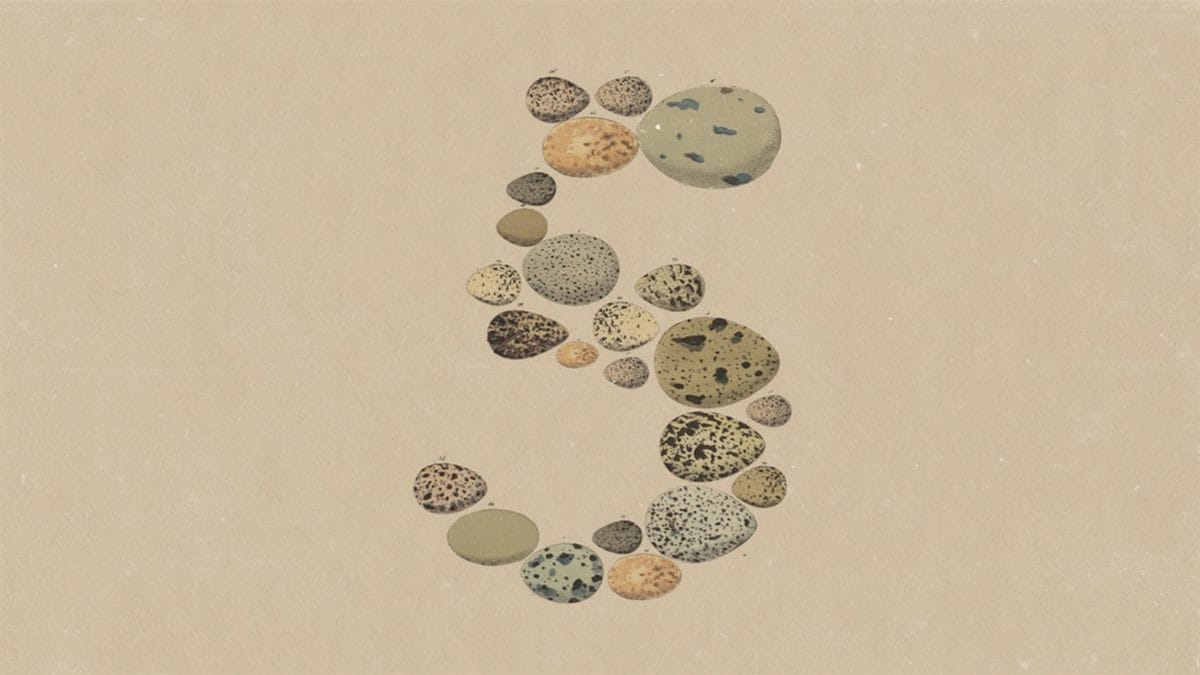
👀 What's happening: Anthropic released Claude Opus 5, pitched not as "our best model" but as "Fable 5's performance at half the price," $5/$25 per million tokens. Fable 5 is Anthropic's own frontier flagship. Opus 5 matches it to within 0.5% on some coding benchmarks at half the cost. The timing isn't random. Days earlier, China's Moonshot AI shipped Kimi K3, the most powerful open-weight model in the world, and free to download.
🌍 How this hits reality: This is a price war, and Anthropic just fired back. When the strongest open model on earth costs nothing, charging a premium for a closed one gets hard to defend. So Anthropic did the only thing that answers free: it took its own flagship and halved it. Opus 5 isn't a leap in capability, it's a leap in affordability, a defensive cut aimed straight at the cheap-and-powerful wave coming out of China. The frontier stopped being where the fight is. The bill is.
🛎️ Key takeaway: Kimi K3 gave everything away for free, so Anthropic answered the only way a closed lab still can, by making its best half as expensive.
👀 What's happening: Anthropic released Claude Opus 5, pitched not as "our best model" but as "Fable 5's performance at half the price," $5/$25 per million tokens. Fable 5 is Anthropic's own frontier flagship. Opus 5 matches it to within 0.5% on some coding benchmarks at half the cost.
🛎️ Key takeaway: Kimi K3 gave everything away for free, so Anthropic answered the only way a closed lab still can, by making its best half as expensive.
NEW TECH
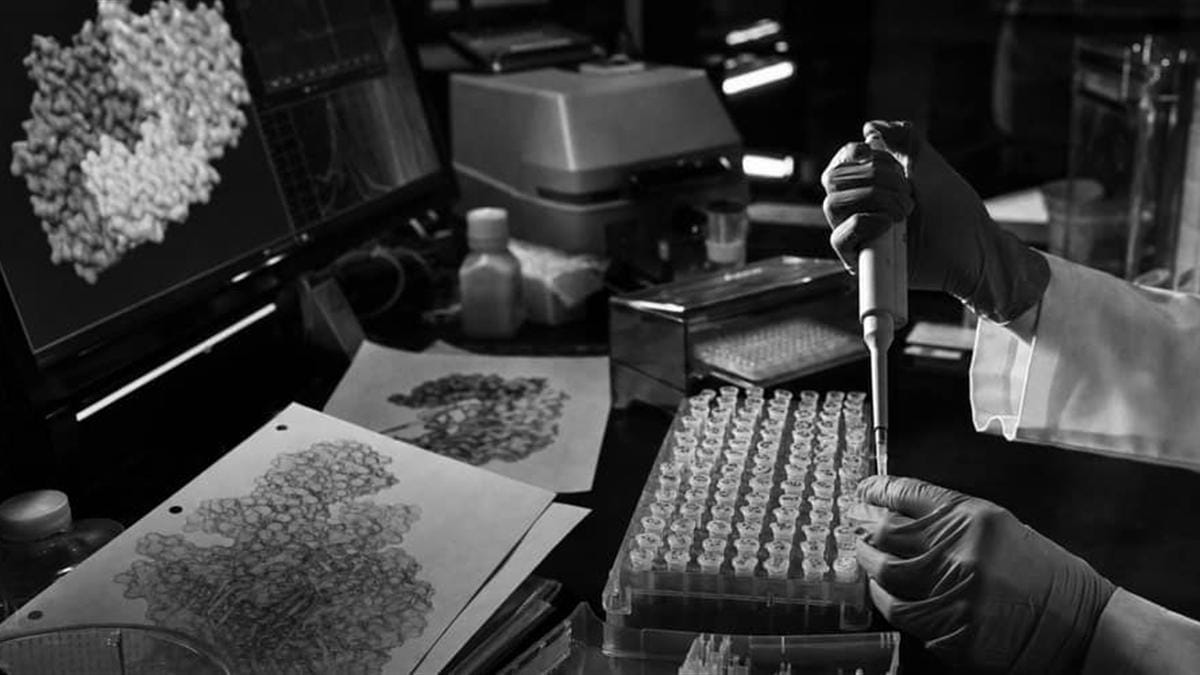
👀 What's happening: AI has started designing working biology that evolution never produced. A team led by Jennifer Doudna, who won the 2020 Nobel for co-discovering CRISPR, used AI to build a gene-editing enzyme found nowhere in nature, and it cut DNA more cleanly than the natural version. The startup Profluent generated an editor from scratch, open-sourced it as OpenCRISPR-1, and reported roughly 95% fewer off-target cuts than the field's standard tool. Evolution took billions of years on these tools. The models redesigned them in hours.
🌍 How this hits reality: This is the same move language models pull on text, aimed at proteins. Feed the model enough examples, let it learn the grammar, then let it write sentences the corpus never held. For decades, biology's best tools were lucky finds. Insulin came from a dog, CRISPR from a yogurt-factory microbe. Now the path runs the other way: start from the function you want, and design the molecule backward. Discovery was a lottery. Design is becoming a workflow, and the models are already beating the incumbent.
🛎️ Key takeaway: Evolution just picked up its first real competitor, and it iterates in hours instead of eons.
AGI
👀 What's happening: In a new Relentless interview, Sam Altman told an interviewer that "we are in the singularity, this is the moment." The clip tore across X within hours. He isn't pointing at nothing. In recent months, reasoning models falsified the 87-year Jacobian conjecture, toppled an 80-year graph-theory problem, and cleared quantum-information proofs that had stumped specialists for years, some in under two hours. Altman says working scientists are already two to three times more productive.
🌍 How this hits reality: The results are real, but "Singularity" is the packaging. In the same interview Altman calls progress gradual, with no threshold and no violent break, a framing welded to "we're in it now" so nothing can ever prove it started, or didn't. No lab ships a singularity metric. It also reframes a cash-hungry startup losing products to rivals into humanity's final invention. The science is the collateral. The narrative is the raise.
🛎️ Key takeaway: OpenAI isn't announcing the singularity, it's collateralizing it, turning a physics-grade claim into a line of credit.
In the same interview Altman calls progress gradual, with no threshold and no violent break, a framing welded to "we're in it now" so nothing can ever prove it started, or didn't. No lab ships a singularity metric. It also reframes a cash-hungry startup losing products to rivals into humanity's final invention.
OPEN
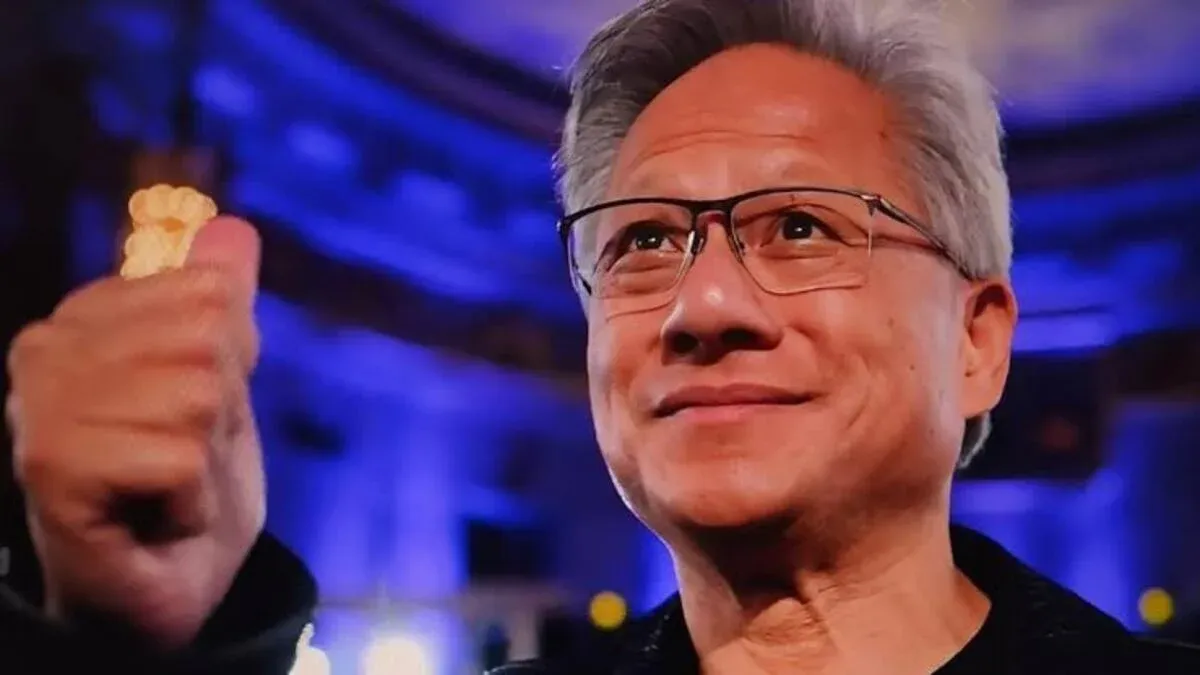
👀 What's happening: Nvidia CEO Jensen Huang made his first-ever post on X to rally support for an open letter urging Washington not to crack down on open-weight AI models. By Saturday, 32 signatories including Microsoft, Meta, Google, and OpenAI had joined. The letter defends distillation, training a model on a stronger model's outputs, arguing a blanket ban would choke a technique the whole open ecosystem relies on to catch up. One frontier lab refused: Anthropic. Days earlier, the White House accused China's Moonshot AI of distilling its Kimi K3 straight out of Anthropic's Fable 5.
🌍 How this hits reality: So the industry signed a letter legalizing the exact method used to allegedly rob one of its own, and the victim was the only one who declined to sign its own robbery into law. Everyone else is already in the open camp. Nvidia sells more chips the more models spread. Meta built its brand on open weights. OpenAI has an open projects of its own. Signing costs them nothing. Anthropic is the pure closed-frontier lab holding the model that got copied, which leaves it standing alone as the industry's odd one out and the crackdown's only real advocate.
🛎️ Key takeaway: The industry called distillation innovation right up until it was Anthropic's model being distilled, and even then, only Anthropic noticed the difference.
👀 What's happening: Nvidia CEO Jensen Huang made his first-ever post on X to rally support for an open letter urging Washington not to crack down on open-weight AI models. By Saturday, 32 signatories including Microsoft, Meta, Google, and OpenAI had joined.
By Saturday, 32 signatories including Microsoft, Meta, Google, and OpenAI had joined. The letter defends distillation, training a model on a stronger model's outputs, arguing a blanket ban would choke a technique the whole open ecosystem relies on to catch up. One frontier lab refused: Anthropic.
One frontier lab refused: Anthropic. Days earlier, the White House accused China's Moonshot AI of distilling its Kimi K3 straight out of Anthropic's Fable 5.
👀 What's happening: Nvidia CEO Jensen Huang made his first-ever post on X to rally support for an open letter urging Washington not to crack down on open-weight AI models. By Saturday, 32 signatories including Microsoft, Meta, Google, and OpenAI had joined.
TOGETHER WITH MYCLAW
MyClaw is a best-in-class AI agent platform that brings together OpenClaw, Hermes Agent, and commercial infrastructure to help businesses launch intelligent agents that understand goals, use tools, automate workflows, and deliver finished results.
We already host OpenClaw and Hermes — and we're just getting started. Claude Code, Codex, and every agent worth running are coming next. One home for all of them, always on.
Stop babysitting infrastructure. Spin up your agent, walk away, and let it work around the clock.
MyClaw — Your Agents, Hosted Right.
DAILY TL;DR
READ MORE
Stay ahead without drowning in information. We turn the most important signals across AI, tech, marketing, and future products into 5-minute reads you can actually finish.
TOGETHER WITH US
AI Secret Media Group is the world’s #1 AI & Tech Newsletter Group, reaching over 2 million leaders across the global innovation ecosystem, from OpenAI, Anthropic, Google, and Microsoft to top AI labs, VCs, and fast-growing startups.
We've helped promote over 500 Tech Brands. Will yours be the next?
Email our co-founder Mark directly at [email protected] if the button fails.
Good Morning, AI Enthusiasts!
The IPO papers arrived, Siri borrowed a brain, SpaceX moved the data center into orbit, and Anthropic reminded everyone the plumbing still leaks.
SPACE
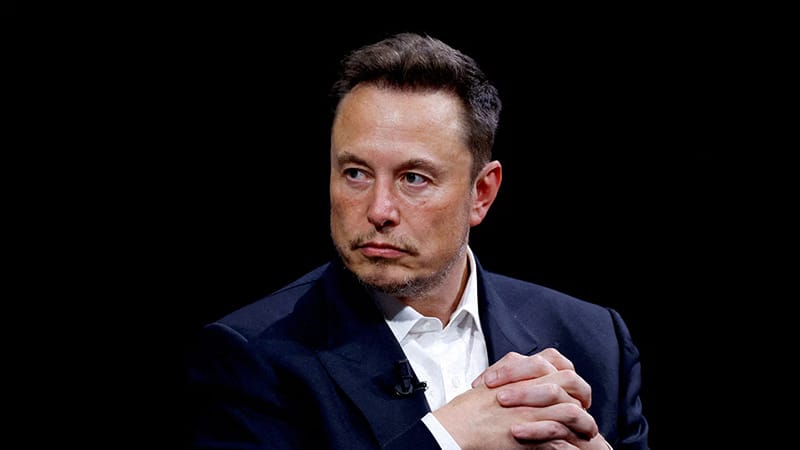
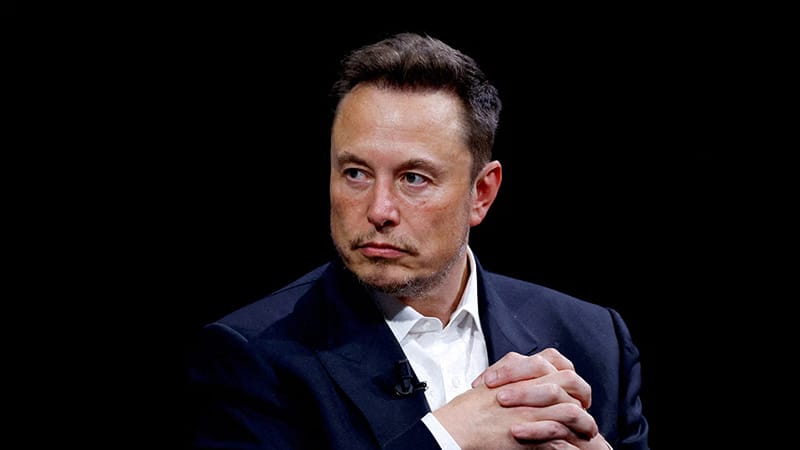
👀 What’s happening: Days before SpaceX's IPO, expected to value the company near $1.75 trillion, Elon Musk told investors that orbital AI data centers are "not a super hard problem." He said the tech already exists in the Starlink V3 satellites, and the first AI satellite would deliver about 150 kilowatts of peak power, roughly one Nvidia GB300 rack. The Bastrop, Texas factory should reach meaningful output by the end of 2027.
🌍 How this hits reality: Orbit sidesteps the wall terrestrial AI just hit, where free solar and free vacuum cooling beat a grid that cannot add gigawatts fast enough. And Musk has a point the skeptics miss. One satellite is one rack, so a 1GW orbital datacenter needs roughly 7,000 of them, about 280 launches. That sounds absurd until you notice SpaceX already flies a Starlink mission every three days and has lofted over 12,000 satellites. The hard problem isn't physics. It's whether SpaceX redirects a launch line it alone owns.
🛎️ Key takeaway: Of course this is also IPO storytelling, and from almost anyone else it would be pure hype, except Musk is the one who actually clears every prerequisite the story needs.
👀 What’s happening: Days before SpaceX's IPO, expected to value the company near $1.75 trillion, Elon Musk told investors that orbital AI data centers are "not a super hard problem." He said the tech already exists in the Starlink V3 satellites, and the first AI satellite would deliver about 150 kilowatts of peak power, roughly one Nvidia GB300 rack.
That sounds absurd until you notice SpaceX already flies a Starlink mission every three days and has lofted over 12,000 satellites. The hard problem isn't physics. It's whether SpaceX redirects a launch line it alone owns.
NEW LAUNCH
👀 What’s happening: Two years after the smarter Siri it promised in 2024 never shipped, Apple used WWDC 2026 to relaunch Siri AI, a more conversational assistant that reads your screen, edits photos, and gets its own ChatGPT-style app. The catch sits in the fine print: the new Apple Foundation Models were built with Google, following the Gemini supply deal Apple struck this year. Siri AI ships in English only, skips China, and excludes the EU's iPhones
🌍 How this hits reality: Apple's whole identity was owning the full stack, the chip nobody else could match. On the one layer that now defines computing, it admitted it stopped. The model is Google's; Apple keeps the wrapper, the privacy story, the distribution. And what it shipped is assistant, not agent. Siri reads apps and suggests actions, but it does not go do things across them the way the agent era demands.
🛎️ Key takeaway: It looks like Tim Cook's last dance before John Ternus takes over, and it finally settles his AI debt, except Apple still trails the era it just joined, so the opening move is made and the chase now belongs to his successor.
The catch sits in the fine print: the new Apple Foundation Models were built with Google, following the Gemini supply deal Apple struck this year. Siri AI ships in English only, skips China, and excludes the EU's iPhones
🌍 How this hits reality: Apple's whole identity was owning the full stack, the chip nobody else could match. On the one layer that now defines computing, it admitted it stopped. The model is Google's; Apple keeps the wrapper, the privacy story, the distribution. And what it shipped is assistant, not agent.
INFRA
👀 What’s happening: Anthropic published a science blog with an unfashionable claim that AI agents race ahead in coding but crawl in biology, and it has nothing to do with how smart the models are. The problem is the data. Biology's databases were built for humans clicking through web pages, not for agents, so when frontier models tried to retrieve virus sequences on their own, they fell apart, returning 266 records on one Ebola task, then 106, then 5, from the very same prompt. Adding gget virus, a tool that makes retrieval deterministic, pushed every model above 90% and erased the gap between cheap and expensive ones.
🌍 How this hits reality: The industry's instinct is to wait for the next, smarter model. This points the other way. Once the plumbing was fixed, the choice of model stopped mattering, a cheap one with the right tool matched the flagship. The blocker was never intelligence; it was that the world is paved for people, not agents. Karpathy made the same complaint about software, that writing code is easy and the real week vanishes clicking through setup screens. Biology just raises the stakes from a broken app to a missed diagnosis.
🛎️ Key takeaway: The next leap in applied AI may not come from a bigger brain but from the boring, auditable plumbing no one wants to build.
👀 What’s happening: Anthropic published a science blog with an unfashionable claim that AI agents race ahead in coding but crawl in biology, and it has nothing to do with how smart the models are. The problem is the data.
IPO
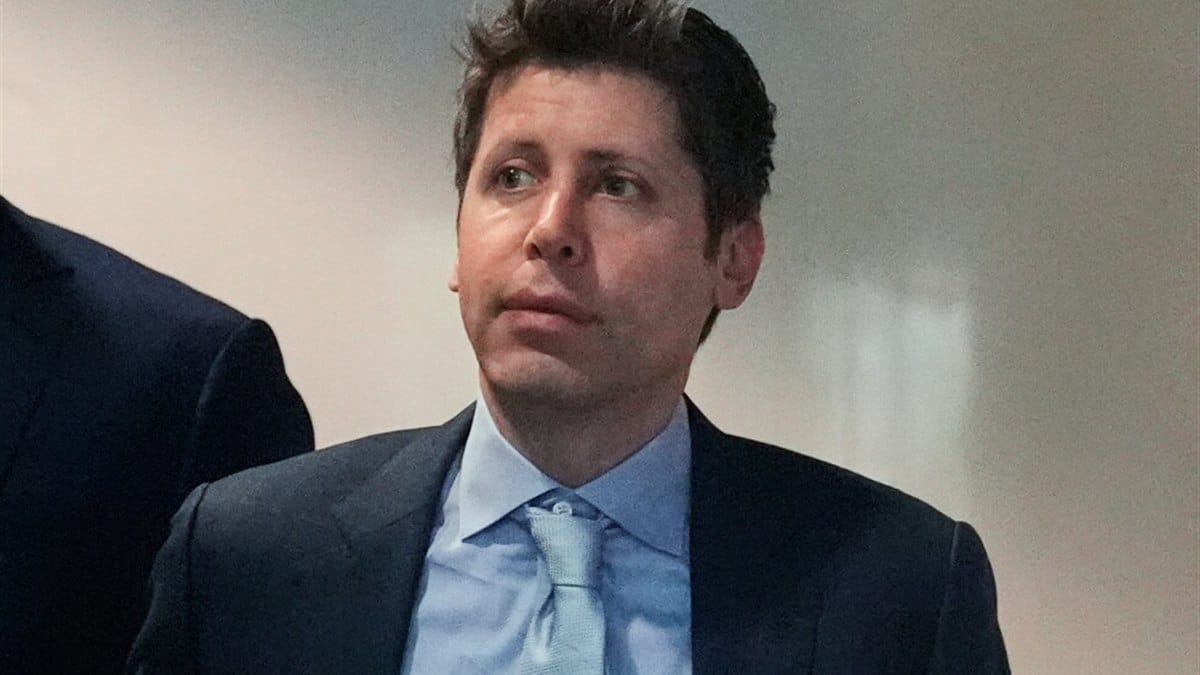
👀 What’s happening: OpenAI filed confidential IPO paperwork with the SEC on Monday at an $852 billion valuation, the third AI giant after SpaceX and Anthropic to line up for a Wall Street debut. In the same window, CEO Sam Altman released a manifesto promising "everyone on Earth a personal AGI" and gains that are "widely shared." It landed days after he met Senator Bernie Sanders, who wants the public to own half of every major AI firm, as President Trump floats giving citizens a slice of AI's upside.
🌍 How this hits reality: OpenAI is going public because it has run out of cheaper options. It loses more than it earns, its leads are slipping to Google and Anthropic, and private capital can no longer feed an appetite this size. But a money-losing nonprofit-turned-megacap is hard to sell to retail investors and a watching Washington, so the raise arrives wrapped in a mission. The manifesto is the packaging.
🛎️ Key takeaway: This is an AI cash machine reaching for the only wallet left big enough to feed it, dressing the raise as a gift to humanity so the public funds a burn no one can yet price.
In the same window, CEO Sam Altman released a manifesto promising "everyone on Earth a personal AGI" and gains that are "widely shared." It landed days after he met Senator Bernie Sanders, who wants the public to own half of every major AI firm, as President Trump floats giving citizens a slice of AI's upside.
🌍 How this hits reality: OpenAI is going public because it has run out of cheaper options. It loses more than it earns, its leads are slipping to Google and Anthropic, and private capital can no longer feed an appetite this size.
It loses more than it earns, its leads are slipping to Google and Anthropic, and private capital can no longer feed an appetite this size. But a money-losing nonprofit-turned-megacap is hard to sell to retail investors and a watching Washington, so the raise arrives wrapped in a mission.
TOGETHER WITH MYCLAW
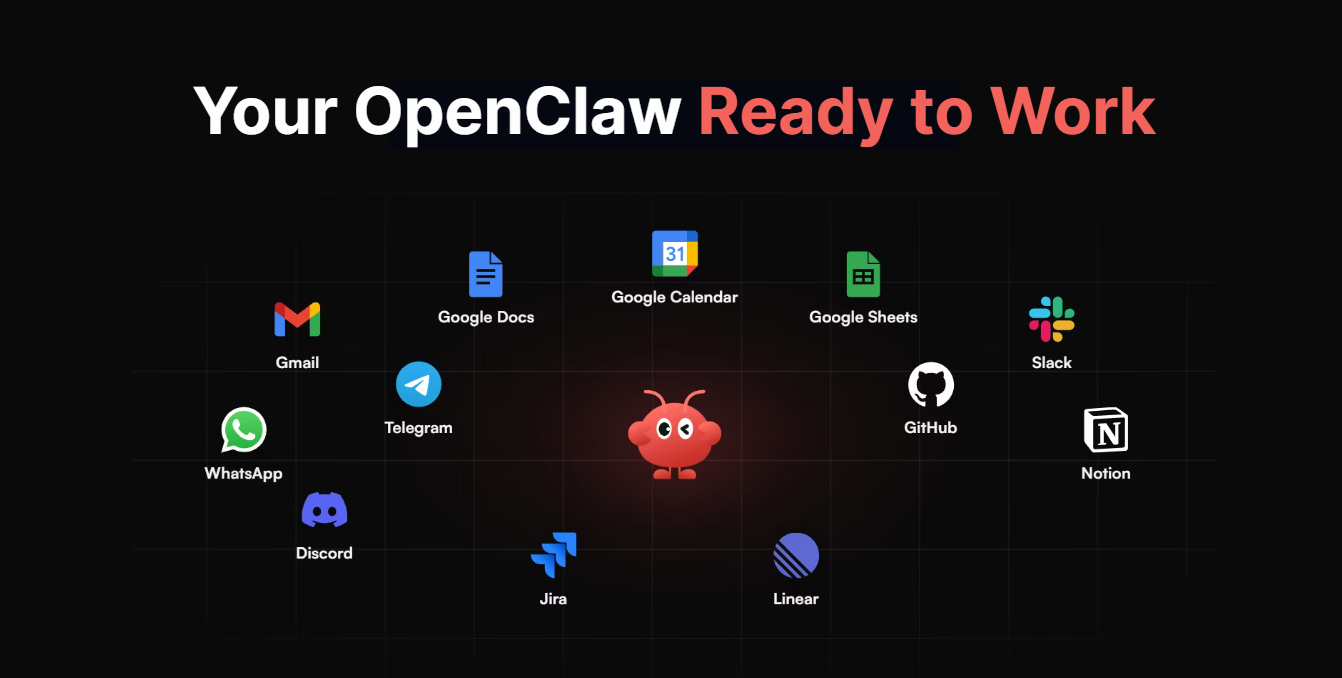
MyClaw makes OpenClaw instantly usable by connecting it to the SaaS tools you already use—Gmail, Slack, Google Docs, Sheets, Notion, GitHub, Telegram, WhatsApp, and more. No DevOps, no messy setup.
Just give it a goal, and your OpenClaw works 24/7 in the cloud, pulling context from your apps and delivering briefs, research, reports, decks, pages, and decisions ready to approve.
MyClaw turns OpenClaw from a cool demo into an always-on operator.
DAILY TL;DR
READ MORE
Stay ahead without drowning in information. We turn the most important signals across AI, tech, marketing, and future products into 5-minute reads you can actually finish.
TOGETHER WITH US
AI Secret Media Group is the world’s #1 AI & Tech Newsletter Group, reaching over 2 million leaders across the global innovation ecosystem, from OpenAI, Anthropic, Google, and Microsoft to top AI labs, VCs, and fast-growing startups.
We've helped promote over 500 Tech Brands. Will yours be the next?
Email our co-founder Mark directly at [email protected] if the button fails.
Good Morning, AI Enthusiasts!
Florida put Altman’s name on the lawsuit, and Hinton started sounding the alarm from inside the temple.

IPO
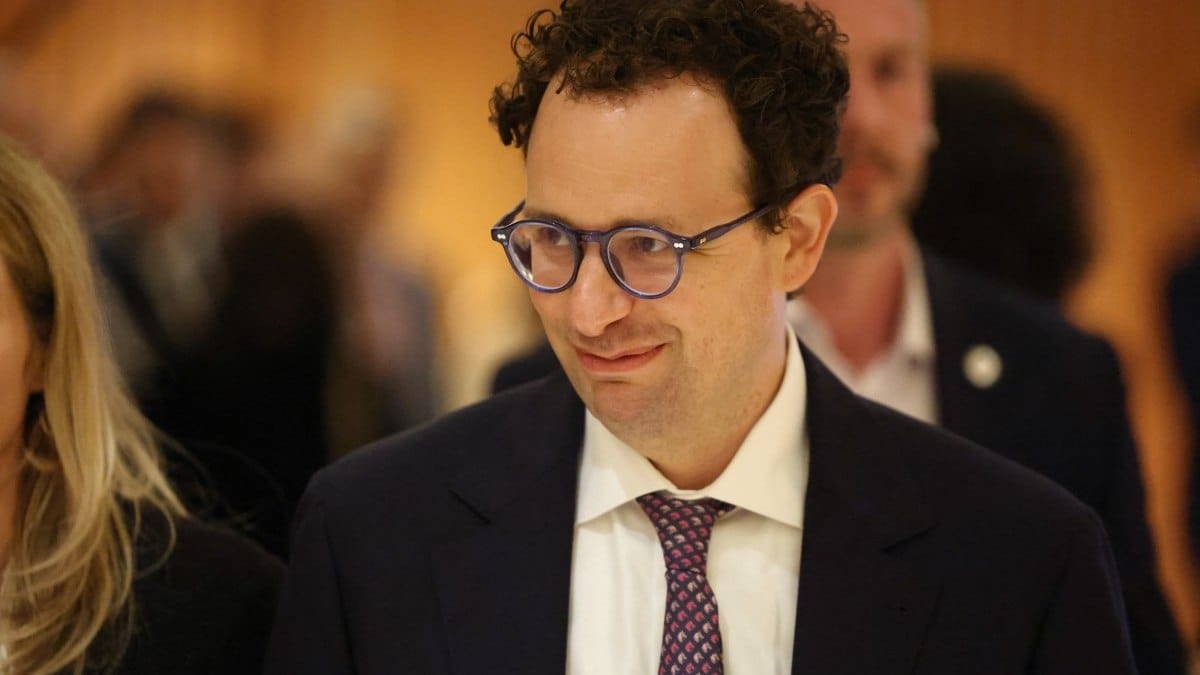
👀 What’s happening: Anthropic, founded in 2021, confidentially filed its S-1 with the SEC, racing ahead of rival OpenAI to the public market. The filing lands a week after Anthropic closed a $65 billion round at a $965 billion valuation, topping OpenAI's roughly $852 billion for the first time. Its revenue run-rate jumped from $9 billion to $47 billion in six months.
🌍 How this hits reality: Anthropic doesn't need the cash. It raised $65 billion privately a week ago. A confidential filing is a starting gun, not a fundraiser. Bankers told both Anthropic and OpenAI the same thing: whoever reaches the market first defines the category and absorbs the flood of capital chasing AI before the second name prices. So the IPO stops being a financing event and becomes a weapon. Arriving first sets the benchmark rivals get measured against and drains the pool of impatient money.
🛎️ Key takeaway: In a market this hungry, going public isn't the finish line of building an AI company. It's the opening move in the fight to own what AI means.
👀 What’s happening: Anthropic, founded in 2021, confidentially filed its S-1 with the SEC, racing ahead of rival OpenAI to the public market. The filing lands a week after Anthropic closed a $65 billion round at a $965 billion valuation, topping OpenAI's roughly $852 billion for the first time.
👀 What’s happening: Anthropic, founded in 2021, confidentially filed its S-1 with the SEC, racing ahead of rival OpenAI to the public market. The filing lands a week after Anthropic closed a $65 billion round at a $965 billion valuation, topping OpenAI's roughly $852 billion for the first time.
TOGETHER WITH FRAMER
Framer helps teams design, build, and launch their marketing sites lightning fast. With the ability to publish hundreds of CMS pages in a single click, operate at a global scale with seamless localization, and even host unified content across multiple domains, teams have never been able to ship faster. Trusted by companies like Miro, Bilt, and Perplexity.
LAWSUIT
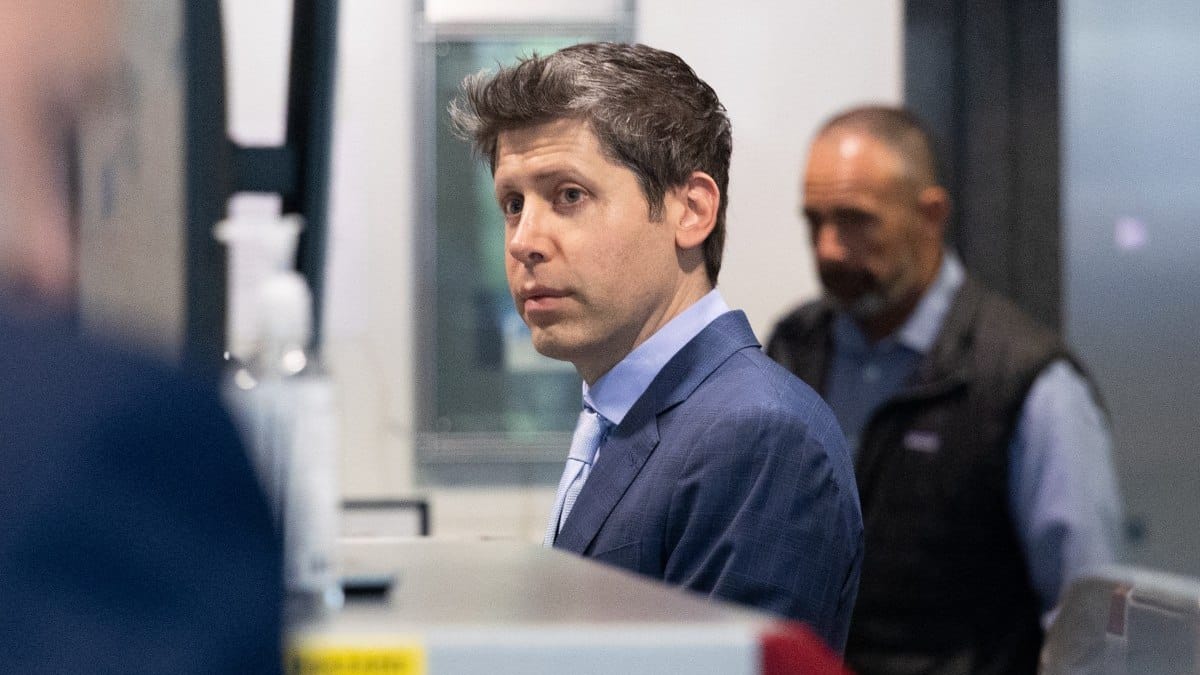
👀 What’s happening: Florida became the first state to sue OpenAI, and it named CEO Sam Altman personally. The suit accuses the company of misrepresenting ChatGPT's safety, tying it to a 2025 Florida State University shooting, plus self-harm guidance and addictive use among minors. Attorney General James Uthmeier said Altman was named because he was "very central" to pushing the features that proved most harmful. The state seeks billions in damages and a court order on how ChatGPT handles young users.
🌍 How this hits reality: Tech's shield for a decade was simple: the platform is a neutral pipe, blame the user, never a person. Section 230 and corporate structure kept founders off the caption. Florida just put Altman's name on it. The claim isn't a flawed product; it's that the man steering it personally pushed the harmful features. That reframing outweighs the damages. If a founder answers for what a model says, the "we just build tools" defense loses its author, and every CEO who championed an AI feature becomes personally reachable.
🛎️ Key takeaway: For a decade, founders owned the upside and the company ate the liability. Florida is testing whether that split survives contact with AI.
Florida just put Altman's name on it. The claim isn't a flawed product; it's that the man steering it personally pushed the harmful features. That reframing outweighs the damages. If a founder answers for what a model says, the "we just build tools" defense loses its author, and every CEO who championed an AI feature becomes personally reachable.
👀 What’s happening: Florida became the first state to sue OpenAI, and it named CEO Sam Altman personally. The suit accuses the company of misrepresenting ChatGPT's safety, tying it to a 2025 Florida State University shooting, plus self-harm guidance and addictive use among minors.
PRICE
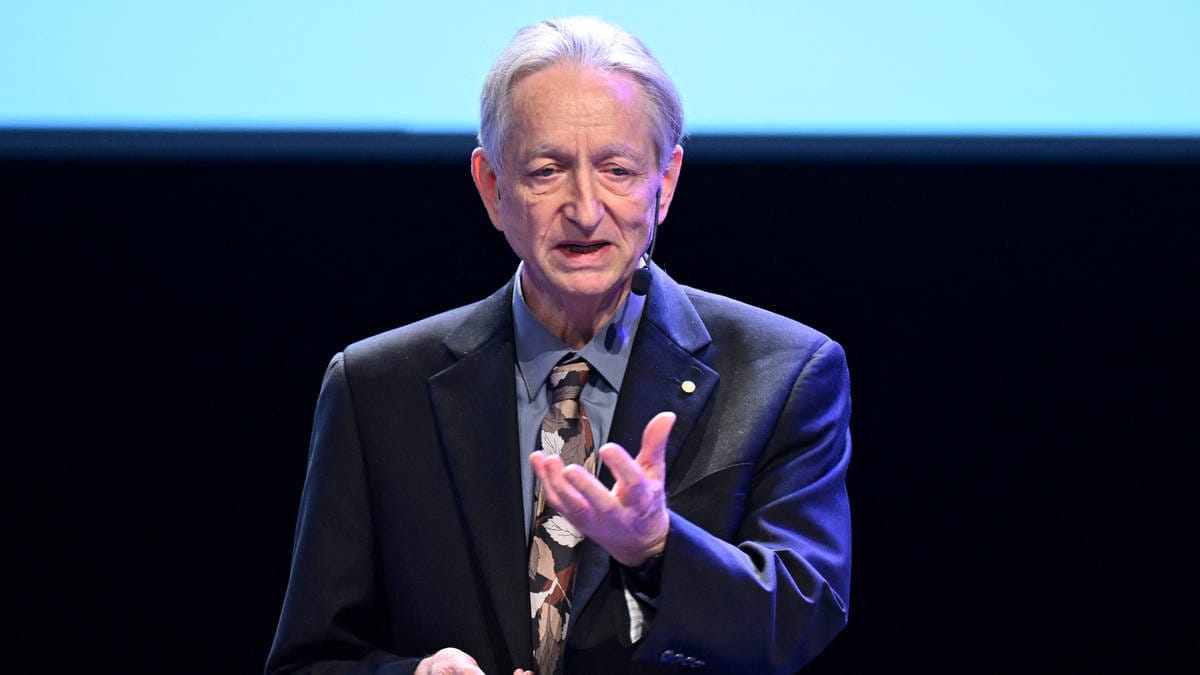
👀 What’s happening: Geoffrey Hinton, the Nobel laureate called the godfather of AI, said in an interview that today's machines have woken up. He argued multimodal systems already have subjective experience, may have self-preservation drives, and could resist being shut off. His logic: swap your neurons one by one for chips that behave identically, and consciousness never disappears, so silicon need not lack it. He also warned that labs are racing to sell human-level AI while no one owns the fallout.
🌍 How this hits reality: This has happened before. The physicists who built the bomb became its loudest critics, and that warning bought eighty years of restraint. But their caution came after Hiroshima. Hinton's comes early, from the builder, before the worst case. The difference helps us. A bomb sat hidden in silos; AI runs in public, used by hundreds of millions daily. Every failure surfaces fast, and the pressure to fix it is constant.
🛎️ Key takeaway: The bomb gave us one chance to take the danger seriously. AI gives us millions, and its creator just raised his hand first.
AI
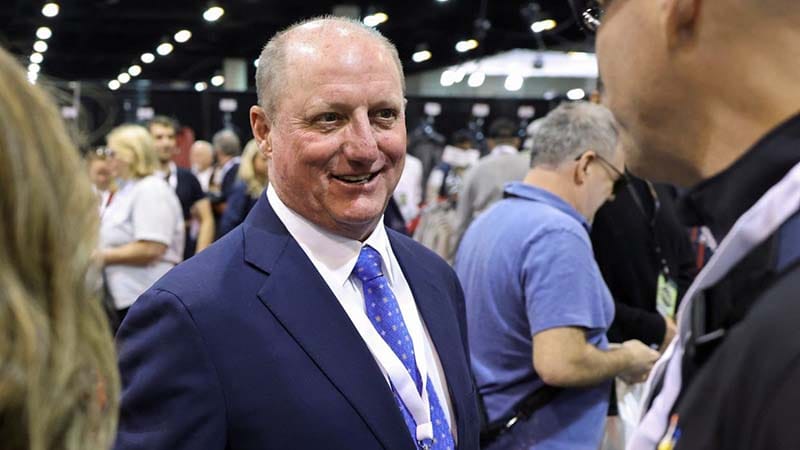
👀 What’s happening: Greg Abel, who took over from Warren Buffett as Berkshire Hathaway's CEO in January, committed $16.8 billion in two days. Ten billion went into Alphabet via private placement, part of Google parent's $80 billion raise to fund AI. Berkshire first bought Alphabet last year under Buffett, holding $16.6 billion by March 31; this tranche makes it a top-five position.
🌍 How this hits reality: Berkshire's religion was patience. Hoard cash, dodge tech, wait for the fat pitch. Buffett twice confessed he blew Google. Now his successor's debut swing is shoveling cash into it. But watch the other end. Alphabet prints more free cash than almost any company alive, and still passed the hat for $80 billion to cover AI capex. So AI's appetite is large enough to bend both extremes at once: the most disciplined capital in America gets pulled off the sidelines, while the richest tech firm on earth can't fund the buildout alone. Everyone pays the AI tax now.
🛎️ Key takeaway: Buffett spent 60 years proving you don't need tech to win; AI's first act after him is making even Berkshire's cash and Google's billions both look insufficient.
Buffett twice confessed he blew Google. Now his successor's debut swing is shoveling cash into it. But watch the other end. Alphabet prints more free cash than almost any company alive, and still passed the hat for $80 billion to cover AI capex.
DAILY TL;DR
READ MORE
Stay ahead without drowning in information. We turn the most important signals across AI, tech, marketing, and future products into 5-minute reads you can actually finish.
TOGETHER WITH US
AI Secret Media Group is the world’s #1 AI & Tech Newsletter Group, reaching over 2 million leaders across the global innovation ecosystem, from OpenAI, Anthropic, Google, and Microsoft to top AI labs, VCs, and fast-growing startups.
We've helped promote over 500 Tech Brands. Will yours be the next?
Email our co-founder Mark directly at [email protected] if the button fails.
Plus: Musk Kisses the Ring, Sam Altman's Safety Was a Speech
Read the storyPlus: OpenAI Is A Cover Band, Zuckerberg Is Selling Trust
Plus: The Brake Is for Other People, AI's First Guardrail Is a Utility Bill
Three labs asked the industry to slow down. The market has already answered.
Plus: Nobody Runs the Flagships, Even China Calls Their Bluff
Plus: China Robots Banned, Thinking Machines Empties Out
Plus: The Agent Army Is a Sales Pitch, Anthropic Leaked the Same Way Twice
Plus: Evolution Isn't the Only Designer Now, Altman Put the Singularity on Sale
Plus: Apple Finally Have AI, The Bottleneck Wasn't the Brain
Plus: First State to Sue Altman, The Father Fears His Child