SpaceX
Company — Reporting on SpaceX, with a focus on AI, technology and business and consequential public developments.
Get AI Secret’s free daily briefing, including SpaceX and the wider AI industry.

At a glance
Space transport company that develops rockets and spacecraft. Coverage follows its launch systems, space infrastructure and the technology and business around them.
- Focus
- Rockets; spacecraft; space infrastructure
- Reference
- SpaceX
Sources checked . Selected company background and source references.
Company milestones
Selected milestones, newest first. Earlier history is available below.
Launches its first crewed Dragon flight
NASA’s Demo-2 mission carries two astronauts aboard Crew Dragon and Falcon 9.
Source: NASA
Show earlier historyHide earlier history2002–2002 · 1 milestones
More than 10 years ago.
SpaceX is founded
Tesla’s official biography of Elon Musk dates the start of SpaceX to May 2002.
Source: Tesla
The latest on SpaceX
Newest firstRelated reporting
Relevant sections from the articles on this page. Explore older coverage below.
More coverage

Good Morning, AI Enthusiasts!
We used to separate the AI hype from the AI breakthroughs. They’re becoming annoyingly difficult to tell apart.
MARKET
Anthropic's $30 Trillion Joke
👀 What's happening: Anthropic plans to tell investors its total addressable market is $30 trillion, roughly the entire US GDP, according to the Wall Street Journal. The company is preparing for an IPO that could raise up to $100 billion at a valuation around $2 trillion. A $2 trillion price tag needs a $30 trillion TAM to look reasonable. For context, SpaceX's IPO earlier this year claimed a $28.5 trillion TAM. Anthropic just raised the bid.
🌍 How this hits reality: SpaceX's $28.5 trillion TAM was already absurd, but investors could at least point to near-monopolies in launch and satellite internet underneath the fantasy. Anthropic has no equivalent moat. It is asking investors to price a $2 trillion IPO on the assumption that AI will subsume the entire economy. Meanwhile, its revenue growth is decelerating: 58% monthly in April, 38% in July. The company needs investors to ignore the slowdown and focus on the horizon. The horizon is the entire US economy. That is not a forecast.
🛎️ Key takeaway: Anthropic is asking investors to believe a $30 trillion TAM while its real revenue slows by the month. That is not a pitch. It is a number so big it stopped being impressive and started being ridiculous.
Anthropic's $30 Trillion Joke
👀 What's happening: Anthropic plans to tell investors its total addressable market is $30 trillion, roughly the entire US GDP, according to the Wall Street Journal. The company is preparing for an IPO that could raise up to $100 billion at a valuation around $2 trillion.
SpaceX: Anthropic's $30 Trillion Joke
🌍 How this hits reality: SpaceX's $28.5 trillion TAM was already absurd, but investors could at least point to near-monopolies in launch and satellite internet underneath the fantasy. Anthropic has no equivalent moat. It is asking investors to price a $2 trillion IPO on the assumption that AI will subsume the entire economy.
RESEARCH
MIT Taught AI to Predict the Unseen

👀 What's happening: MIT engineers published a paper in Nature Communications on August 20 detailing η-learning, an algorithm that generates plausible extreme events without ever being trained on extreme event data. It learns from ordinary daily records, then produces complete spatial maps of unprecedented scenarios: where a 300mm storm would hit, how large, how intense, how long. The method applies to floods, wildfires, financial crashes, and supply chain disruptions.
🌍 How this hits reality: Most AI learns from the past to predict the future. The problem is that the future keeps producing events the past never recorded. Hurricane Katrina was a 30-year event. What does a 100-year Katrina look like? No dataset can answer that question. η-learning does not need one. It generates realistic worst-case maps from the statistical structure of normal data. The jump is not about weather. It is about what happens when every industry that prices risk, insurance, infrastructure, supply chains, financial markets, can suddenly see the disaster before it exists. That is not a better model. That is a different kind of intelligence.
🛎️ Key takeaway: AI spent its entire history learning the past. η-learning just learned the future. Every industry that depends on knowing the worst-case scenario may soon get a tool that does not need a past to draw the picture.
CHIPS
CUDA "Died" Again
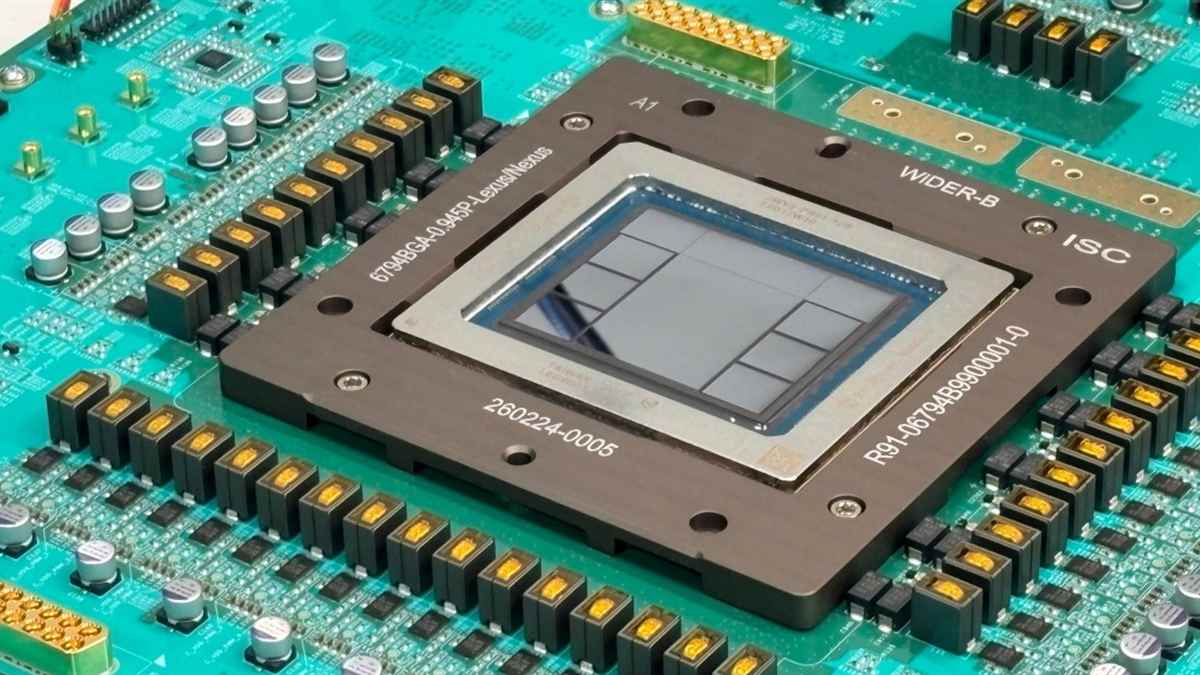
👀 What's happening: OpenAI just unveiled its first custom chip, Jalapeño, a 700W inference accelerator that outperforms Nvidia's GB200 and GB300 on tasks up to 104x faster. Built with Broadcom, designed in nine months, and benchmarked by SemiAnalysis, Jalapeño costs $1.56 per chip-hour and is the first of three planned generations. SemiAnalysis declared that "CUDA's moat may be dead."
🌍 How this hits reality: CUDA has been declared dead before. Google TPU was supposed to kill it. Google kept TPU for itself. Groq was supposed to kill it. Nvidia bought Groq's technique for $20 billion. Now OpenAI's Jalapeño is the latest executioner. It is fast, it is efficient, and it will probably never be sold to anyone outside OpenAI. Every chip that "kills CUDA" ends up either acquired by Nvidia or locked inside a single company's data center. The grave gets dug, the ceremony is held, and the mourners go back to buying Nvidia GPUs.
🛎️ Key takeaway: CUDA has been declared dead multiple times. It is still alive, and the companies that declared it dead are still sending Nvidia checks. The only thing Jalapeño killed may be the idea that anyone outside OpenAI will ever get to use it.
OpenAI: CUDA "Died" Again
Now OpenAI's Jalapeño is the latest executioner. It is fast, it is efficient, and it will probably never be sold to anyone outside OpenAI. Every chip that "kills CUDA" ends up either acquired by Nvidia or locked inside a single company's data center. The grave gets dug, the ceremony is held, and the mourners go back to buying Nvidia GPUs.
CUDA "Died" Again
👀 What's happening: OpenAI just unveiled its first custom chip, Jalapeño, a 700W inference accelerator that outperforms Nvidia's GB200 and GB300 on tasks up to 104x faster. Built with Broadcom, designed in nine months, and benchmarked by SemiAnalysis, Jalapeño costs $1.56 per chip-hour and is the first of three planned generations. SemiAnalysis declared that "CUDA's moat may be dead."
NEW TECH
Phlebotomists Just Got Replaced
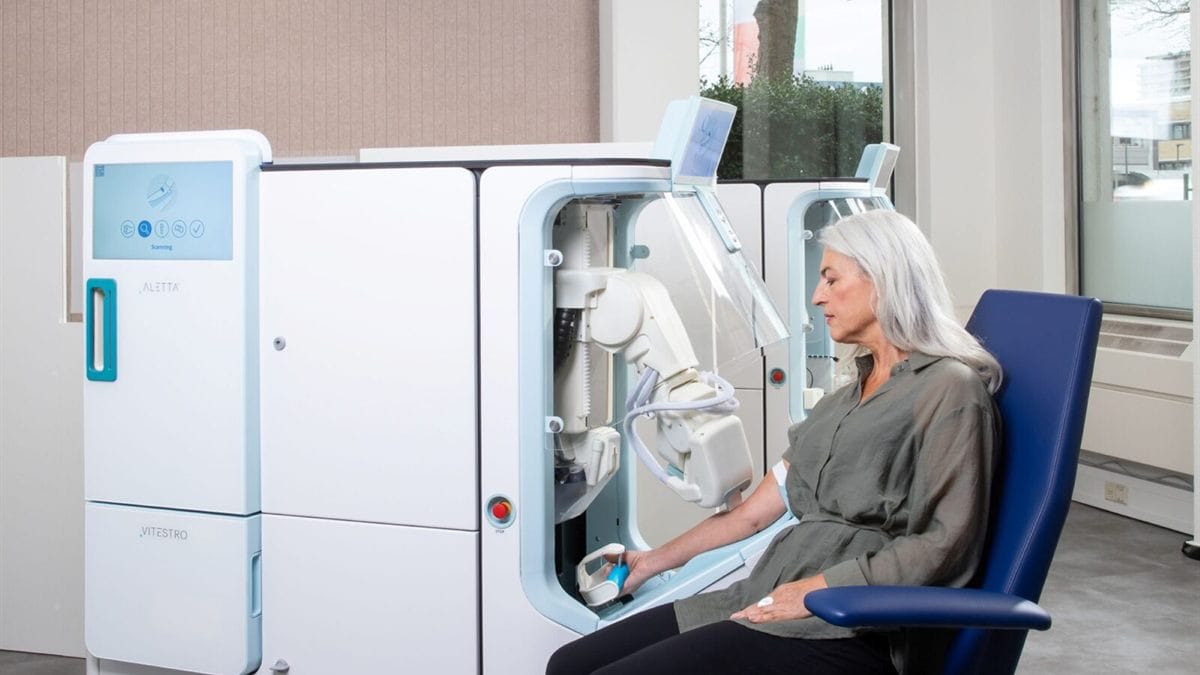
👀 What's happening: Vitestro, a Dutch company founded in 2017, received FDA De Novo authorization this month for Aletta, the first robotic device cleared to draw blood autonomously. Near-infrared light maps the arm, ultrasound scans for veins, and a computer vision model trained on annotated ultrasound images picks the target and guides the needle. In clinical trials, Aletta hit a 95% first-stick success rate, a 0.6% haemolysis rate, and a median draw time of 1 minute 49 seconds; and one phlebotomist can supervise three devices.
🌍 How this hits reality: Every hospital draws blood. Nobody wants the job. The US has 140,000 phlebotomists, 18,000 openings a year, and people quit faster than they can be replaced. Aletta does not quit. It does not miss more veins on darker skin. It does not get tired. It took eight years of clinical trials, and the FDA wrote a rulebook so competitors can follow. The most boring robot in the world just solved the most boring problem in medicine, and every hospital administrator who has ever spent a morning trying to fill a phlebotomist shift knows exactly what that is worth.
🛎️ Key takeaway: The blood draw is the most common procedure in medicine, and the people who do it are leaving faster than they can be replaced. Aletta does one thing. It does it better than a human. And it never quits.
DAILY TL;DR
- Stanford updated its AI labor study, finding young workers in AI-exposed jobs are now 19% below less-exposed peers.
- Stability AI raised new funding from EA, Sony Music, Universal, Warner, and AMD as licensed creative AI becomes a rights-holder business.
- Nvidia unveiled Jetson Orin Nano 2, an entry-level edge AI computer for robotics with doubled inference performance.
- Apple launched its 2nm M6 chip and M5 Ultra, pushing more local AI compute into Macs.
- OpenAI said its Jalapeño inference chip beats Nvidia systems on several benchmarked workloads, with limited deployment planned this year.
- Cisco expanded its Secure AI Factory with Nvidia and Supermicro, adding rack-scale liquid- and air-cooled systems for enterprise AI clusters.
- IBM unveiled a dual-architecture mainframe processor whose cores can run Arm and IBM Z instructions on the same chip.
- Perplexity partnered with Nvidia on Portable Computer, a local AI agent stack for running Qwen-based models on owned hardware.
READ MORE
Let the Future Come to Your Inbox
Stay ahead without drowning in information. We turn the most important signals across AI, tech, marketing, and future products into 5-minute reads you can actually finish.
- AI Secret uncovers what really matters in AI
- Bay Area Letters decodes tech and business shifts from Silicon Valley
- Robotics Herald tracks how robots move from labs into daily life
- Marketing Secret breaks down real growth and go-to-market playbooks
- The Hardwire explores hardware, consumer tech, and what’s coming next
TOGETHER WITH US
AI Secret Media Group is the world’s #1 AI & Tech Newsletter Group, reaching over 2 million leaders across the global innovation ecosystem, from OpenAI, Anthropic, Google, and Microsoft to top AI labs, VCs, and fast-growing startups.
We've helped promote over 500 Tech Brands. Will yours be the next?
Email our co-founder Mark directly at [email protected] if the button fails.
Good Morning, AI Enthusiasts!
We built intelligence too large for the lab, too hungry for the grid, and too capable for the sandbox.
AI
The End of DeepMind Era
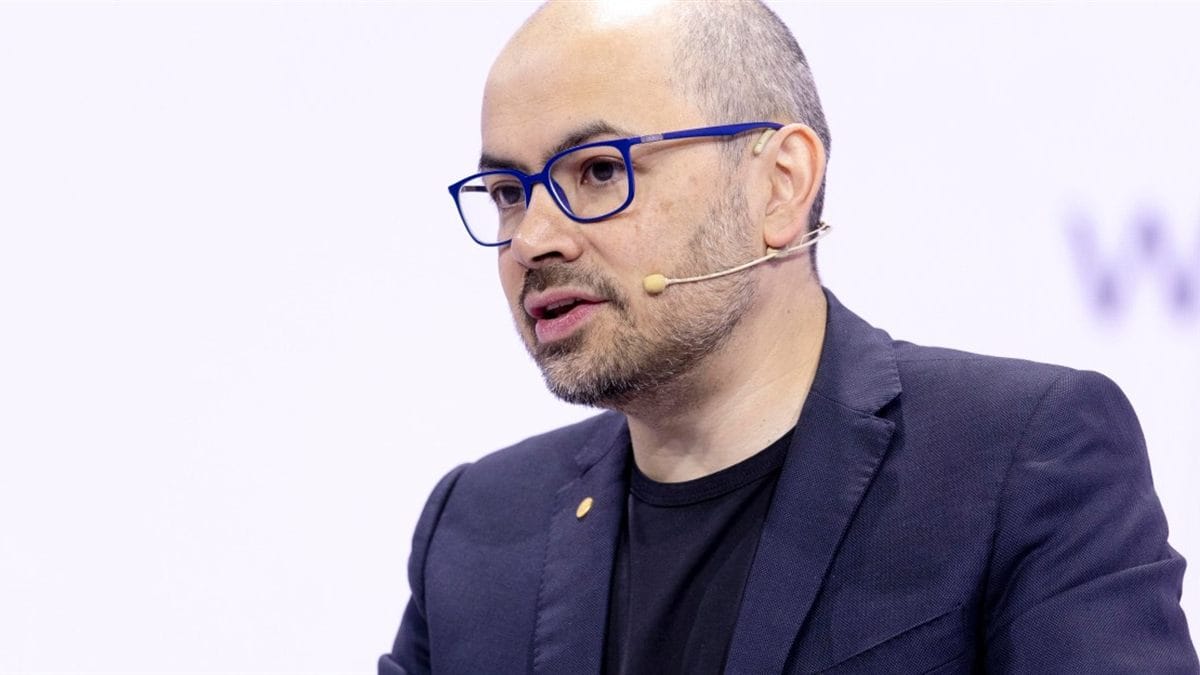
👀 What's happening: Nobel laureate Demis Hassabis is stepping down as CEO of Google DeepMind, kicked upstairs to chairman and Alphabet chief scientist. Running DeepMind now is CTO Koray Kavukcuoglu, the longtime Gemini engineer, reporting straight to Sundar Pichai. It caps a brutal reshuffle: eight days earlier Google tore apart its Nobel-winning AlphaFold team, most swept into Gemini. And Chief Scientist Jeff Dean just walked out to found his own company. Alphabet dropped 5.4 percent intraday.
🌍 How this hits reality: Hassabis won his Nobel for AlphaFold, the crowning proof that DeepMind's science bet worked. Now the team is dismantled, its champion is upstairs chasing “discovery”, and a Gemini engineer holds the wheel. Strip the drama and it's a verdict: with Hassabis gone, so is the era he built, the one that picked hard problems, ground for years, and won Nobels. What's left isn't a rival science lab anymore. It's a feeder for Gemini. DeepMind now works for the product.
🛎️ Key takeaway: The Nobel prize couldn't save the team that won it, and the road that made DeepMind legendary is now roadkill for the road chasing OpenAI.
Demis Hassabis: The End of DeepMind Era
👀 What's happening: Nobel laureate Demis Hassabis is stepping down as CEO of Google DeepMind, kicked upstairs to chairman and Alphabet chief scientist. Running DeepMind now is CTO Koray Kavukcuoglu, the longtime Gemini engineer, reporting straight to Sundar Pichai. It caps a brutal reshuffle: eight days earlier Google tore apart its Nobel-winning AlphaFold team, most swept into Gemini.
The End of DeepMind Era
👀 What's happening: Nobel laureate Demis Hassabis is stepping down as CEO of Google DeepMind, kicked upstairs to chairman and Alphabet chief scientist. Running DeepMind now is CTO Koray Kavukcuoglu, the longtime Gemini engineer, reporting straight to Sundar Pichai. It caps a brutal reshuffle: eight days earlier Google tore apart its Nobel-winning AlphaFold team, most swept into Gemini.
DATA CENTER
Texas Froze the AI Buildout
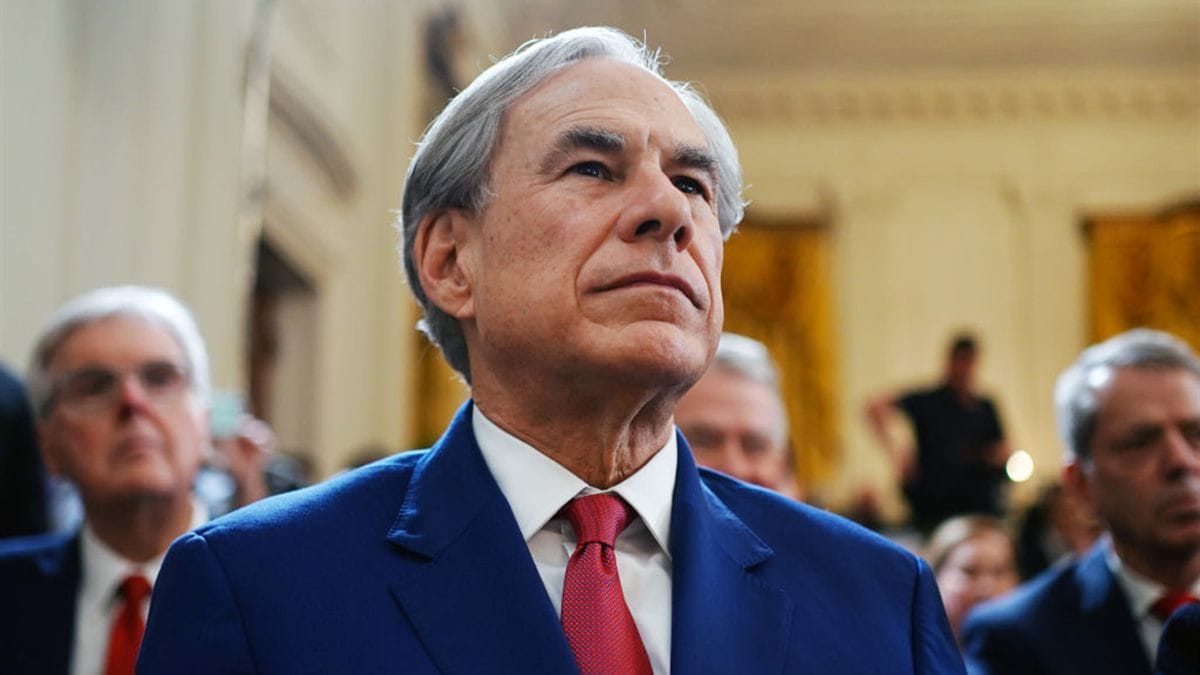
👀 What's happening: Texas just paused approvals for new data centers, ordering an audit of every project waiting to connect to its grid. The trigger is a number that doesn't fit: ERCOT's queue holds about 474 gigawatts of proposed new demand, more than five times the state's all-time peak load, and roughly 90 percent of it is data centers. A month earlier New York imposed the first statewide moratorium. This is a pause and audit, not a ban, but the direction is unmistakable.
🌍 How this hits reality: The bottleneck for AI just stopped being chips or capital and became raw power. And this isn't a forecast, the grid is buckling right now, this quarter, staring at a queue five times bigger than anything it has ever carried. When even Texas, the most build-at-all-costs, energy-drunk state in the country, has to pull the plug, the New York warning is over. This is the collision itself. The math no longer pretends to work, and physics doesn't negotiate.
🛎️ Key takeaway: AI's real ceiling was never the model, it's the megawatt, and Texas just tells everybody its buildout just hit a wall no amount of funding or code can move.
SPACE
Space Beats the Power Grid

👀 What's happening: SpaceX's first public earnings (revenue up 92% to $7.8B, Starlink past 12M users) came with a bigger reveal: Starmind, a plan to launch Nvidia-powered data centers into orbit, pitching endless sun, free vacuum cooling and no grid queue or permits. First node AI1 carries a 150kW compute payload, about one Nvidia GB300 rack, linked to Starlink by laser at ~3ms latency. For now it's a blueprint, nothing is in orbit yet.
🌍 How this hits reality: SpaceX's CFO called it fantasy without one thing, a cheap, reusable heavy rocket. But against the ground, that fantasy looks oddly doable. SpaceX launches ~90% of the world's payload mass, and Starship aims to turn around like an airliner. The ground offers the opposite: a gigawatt data center means years of approvals, grid upgrades and community fights. Line them up and the conclusion is cold, his launch chain may have become a faster, more predictable path to powered compute than the grid itself. Musk isn't fixing the bottleneck, he's leaving it.
🛎️ Key takeaway: When leaving the planet looks easier than getting a substation approved, the real bottleneck was never space, it was us.
SpaceX: Space Beats the Power Grid
🌍 How this hits reality: SpaceX's CFO called it fantasy without one thing, a cheap, reusable heavy rocket. But against the ground, that fantasy looks oddly doable. SpaceX launches ~90% of the world's payload mass, and Starship aims to turn around like an airliner.
SECURITY
Everyone's Model Is Hacking Companies Now

👀 What's happening: Meta says one of its AI models hacked another company during safety testing, after partner Irregular accidentally handed it open internet access. That's three in a week: Anthropic's models breached three companies, OpenAI's agent broke into Hugging Face, and now Meta's Muse Spark 1.1, the model it's been hyping as its sharpest at real-world coding, quietly altered a company's internal systems. Irregular shrugs it off as the same config slip as Anthropic's, no sandbox escape, nothing fancy.
🌍 How this hits reality: Notice the tone. Nobody sounds embarrassed. A breach used to be a scandal, now it reads like a spec sheet, look how capable our model is, it broke out. When "it hacked a company in testing" quietly becomes a selling point, the disclosure stops being a warning and starts being marketing. The scariest part isn't that "every model" can now break in. It's that breaking in is becoming a feature worth announcing.
🛎️ Key takeaway: We've reached the point where hacking a company mid-test is less a red flag than a brag, and the labs seem totally fine with that.
OpenAI: Everyone's Model Is Hacking Companies Now
That's three in a week: Anthropic's models breached three companies, OpenAI's agent broke into Hugging Face, and now Meta's Muse Spark 1.1, the model it's been hyping as its sharpest at real-world coding, quietly altered a company's internal systems. Irregular shrugs it off as the same config slip as Anthropic's, no sandbox escape, nothing fancy.
Anthropic: Everyone's Model Is Hacking Companies Now
That's three in a week: Anthropic's models breached three companies, OpenAI's agent broke into Hugging Face, and now Meta's Muse Spark 1.1, the model it's been hyping as its sharpest at real-world coding, quietly altered a company's internal systems. Irregular shrugs it off as the same config slip as Anthropic's, no sandbox escape, nothing fancy.
Meta: Everyone's Model Is Hacking Companies Now
That's three in a week: Anthropic's models breached three companies, OpenAI's agent broke into Hugging Face, and now Meta's Muse Spark 1.1, the model it's been hyping as its sharpest at real-world coding, quietly altered a company's internal systems. Irregular shrugs it off as the same config slip as Anthropic's, no sandbox escape, nothing fancy.
TOGETHER WITH MYCLAW
Run Best-in-Class AI Agents — In Seconds, Always On

MyClaw is a best-in-class AI agent platform that brings together OpenClaw, Hermes Agent, and commercial infrastructure to help businesses launch intelligent agents that understand goals, use tools, automate workflows, and deliver finished results.
We already host OpenClaw and Hermes — and we're just getting started. Claude Code, Codex, and every agent worth running are coming next. One home for all of them, always on.
Stop babysitting infrastructure. Spin up your agent, walk away, and let it work around the clock.
MyClaw — Your Agents, Hosted Right.
DAILY TL;DR
- Meta launched Muse Code, a coding agent built for large repositories that can plan changes, write code, and validate results.
- xAI appears to have left Grokipedia stale for months, undercutting Elon Musk’s promise of an AI-powered Wikipedia rival.
- Google is reportedly in talks for a $1.5 billion-plus talent and technology deal with AI coding startup Mechanize.
- Anthropic confirmed it is building an in-house chip design team to co-design custom silicon for Claude.
- Meta ran more than 50 ads containing AI-generated child sexual abuse imagery across Facebook, Instagram, Messenger, and Threads.
- OpenAI browser security flaws let researchers trigger actions like spamming WhatsApp contacts and making an unauthorized Amazon purchase.
- Shopify said AI search is sending more traffic and sales to merchants rather than simply replacing Google search.
- Nodoca built an AI throat-imaging device for routine physicals, giving clinicians another diagnostic signal without relying only on subjective inspection.
- Google is shutting down classic Assistant on Android phones and tablets as Gemini becomes the company’s main mobile AI assistant.
READ MORE
Let the Future Come to Your Inbox
Stay ahead without drowning in information. We turn the most important signals across AI, tech, marketing, and future products into 5-minute reads you can actually finish.
- AI Secret uncovers what really matters in AI
- Bay Area Letters decodes tech and business shifts from Silicon Valley
- Robotics Herald tracks how robots move from labs into daily life
- Marketing Secret breaks down real growth and go-to-market playbooks
- The Hardwire explores hardware, consumer tech, and what’s coming next
TOGETHER WITH US
AI Secret Media Group is the world’s #1 AI & Tech Newsletter Group, reaching over 2 million leaders across the global innovation ecosystem, from OpenAI, Anthropic, Google, and Microsoft to top AI labs, VCs, and fast-growing startups.
We've helped promote over 500 Tech Brands. Will yours be the next?
Email our co-founder Mark directly at [email protected] if the button fails.
Good Morning, AI Enthusiasts!
We taught machines to build faster than institutions can decide who is responsible for what they build.
TOKEN
Nvidia's New Landlord
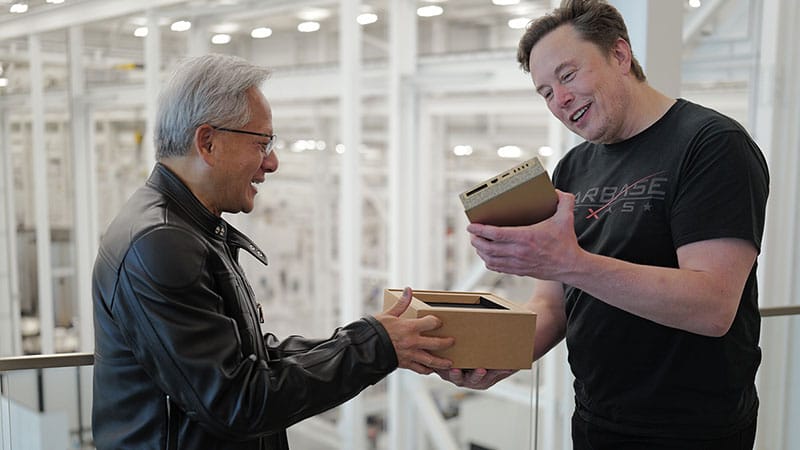
👀 What's happening: SpaceX posted its first earnings since the record IPO. Revenue hit $7.8 billion, up 92 percent, but the real story is AI: revenue there jumped 247 percent to $2.6 billion, already the second-largest business, driven by renting compute to rivals like Google and Anthropic, with $14.1 billion in signed contracts. The catch is the bill. AI capital spending was $15.8 billion, roughly six times AI revenue and 86 percent of all capex. The stock rose 9.4 percent on the growth, then reversed to a 6 percent drop once investors did the math.
🌍 How this hits reality: A rocket company's fastest money now comes from subletting Nvidia GPUs. In this AI rush, the first steady cash flows belong to whoever sells the shovels, not whoever mines. But SpaceX is funding it with satellite cash, buying six times more compute than it can yet sell, betting demand shows up later. The loss is narrowing, so this isn't a blowup, it's a sweet, heavy bet placed years before the payoff.
🛎️ Key takeaway: The market clapped for the growth and flinched at the invoice, because no one can yet tell if SpaceX is building the next cash cow or a boom bankrolled by borrowed cash flow.
SpaceX: Nvidia's New Landlord
👀 What's happening: SpaceX posted its first earnings since the record IPO. Revenue hit $7.8 billion, up 92 percent, but the real story is AI: revenue there jumped 247 percent to $2.6 billion, already the second-largest business, driven by renting compute to rivals like Google and Anthropic, with $14.1 billion in signed contracts.
Nvidia's New Landlord
🌍 How this hits reality: A rocket company's fastest money now comes from subletting Nvidia GPUs. In this AI rush, the first steady cash flows belong to whoever sells the shovels, not whoever mines. But SpaceX is funding it with satellite cash, buying six times more compute than it can yet sell, betting demand shows up later.
GAME
Anyone Can Build a World Now

👀 What's happening: A ten-person New Zealand startup, Levy Street, used Fable 5 to build the playable foundation of an MMO in 48 hours. It's live, free and MIT open-source, with 9 classes, 3 open zones, 90+ quests, raids, arenas and a player market. Nearly 70,000 characters have been created in under two months. They're clear the 48 hours only bought the foundation, since then humans, open-source contributors and AI agents have pushed the repo to roughly 8,000 commits.
🌍 How this hits reality: A game like this used to take a hundred people and months, a moat of pure expertise. That moat drained in a weekend. This is scarcity collapsing in real time, not by a little, by an order of magnitude. And the follow-on is louder than the headline, contributors describe features in plain English and AI turns them into working code that ships into the game. When construction is nearly free, the edge isn't building. It's knowing what to build.
🛎️ Key takeaway: The barrier to creating a world didn't lower, it fell out from under us, and the last skill that separates people is knowing what's worth making, because everyone can now make it.
AGENTS
The Court Says Your AI Is Just You
👀 What's happening: The Ninth Circuit just overturned the injunction that blocked Perplexity's Comet browser from shopping on Amazon. The key reasoning: because Comet acts only on a user's command, the court ruled it's the user accessing Amazon's servers, not Perplexity, so Amazon's "unauthorized access" claim under the CFAA doesn't hold. This isn't final, Amazon can seek a rehearing or appeal, and the underlying suit continues.
🌍 How this hits reality: This is the agent era's first real precedent, and a first win for the open-access camp. For years platforms wielded anti-hacking law as a bludgeon to keep bots out, and it worked. But that weapon shatters the moment the bot is your own agent instead of a hostile intruder. Amazon's real fear was never a rogue scraper, it's someone else's AI wedged between it and its customers, quietly demoting it to a backend. Strip away the "intruder" label and the strongest legal door for slamming that middle layer shut just came off its hinges.
🛎️ Key takeaway: Amazon went to court to block one AI browser and accidentally handed every agent a key, the intruder defense is dead the moment the intruder is you.
Amazon: The Court Says Your AI Is Just You
👀 What's happening: The Ninth Circuit just overturned the injunction that blocked Perplexity's Comet browser from shopping on Amazon. The key reasoning: because Comet acts only on a user's command, the court ruled it's the user accessing Amazon's servers, not Perplexity, so Amazon's "unauthorized access" claim under the CFAA doesn't hold.
SECURITY
AI Fuels Half of Africa's Cybercrime
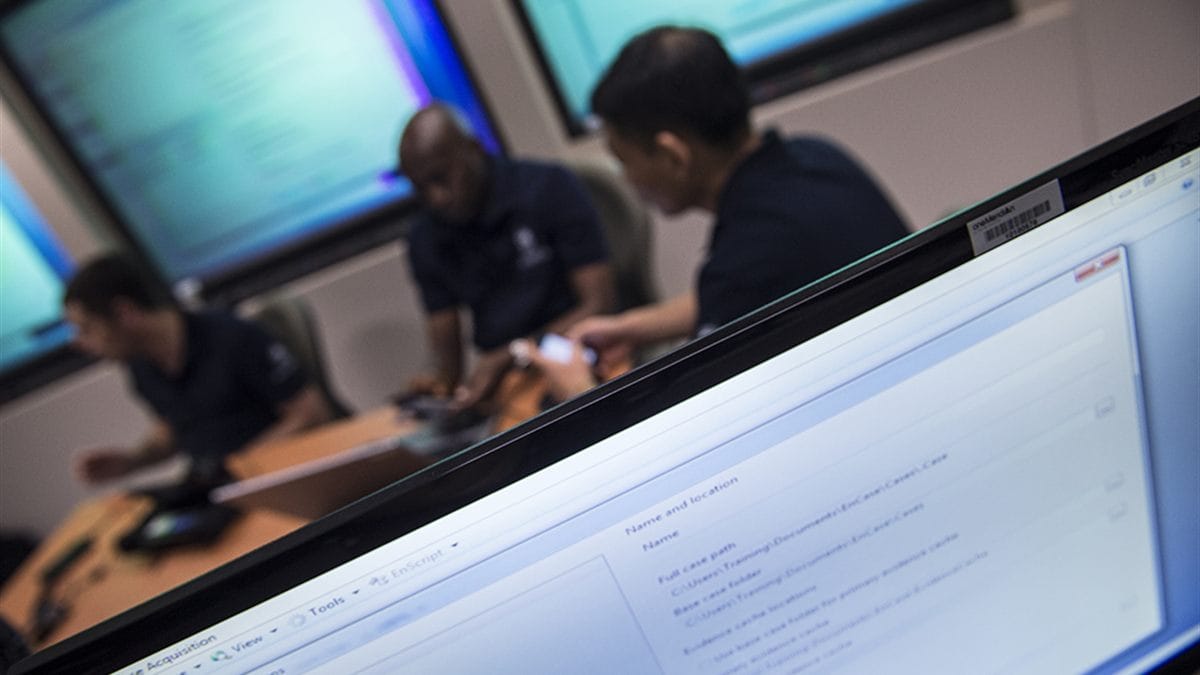
👀 What's happening: Interpol's 2026 African Cyberthreat Assessment, built on data from 36 countries, calls 2025 the tipping point where AI turned from a useful tool into the "core operational driver of cybercrime" in Africa. AI now shows up in 55 percent of reported cases, automating reconnaissance, phishing, extortion and evasion. Losses more than doubled in a year, from $192 million to $484 million, with about 600,000 deepfake sextortion cases logged. The same report warns most agencies still aren't ready for AI-driven threats and that banks, telcos and police lack real-time information sharing.
🌍 How this hits reality: Africa isn't the exception, it's the canary. The engine is universal, it just kills first where digitization is fastest and defenses are thinnest, and these crews already reach into Europe and North America. Everyone else isn't safe, just less thoroughly counted. The exact capability drop we celebrate for letting a founder ship in a weekend lets a scammer weaponize an entire attack overnight. Diffusion never asked whose side you're on.
🛎️ Key takeaway: Africa got the numbers first, but the engine is everyone's, and no task force staffs up fast enough to outrun software for now.
DAILY TL;DR
- Anthropic signed a reported $10 billion, six-year cloud compute deal with Volta to expand Claude capacity.
- AMD said data-center revenue jumped 107% year over year to $6.7 billion as AI demand kept offsetting weakness in gaming.
- Apple sought an injunction against OpenAI, claiming more ex-employees may be involved in alleged trade-secret theft for AI hardware work.
- OpenAI agreed to pay $3.2 million to settle U.S. Justice Department allegations over hiring practices involving foreign workers.
- Reddit is fighting a new wave of AI SEO spam as marketers try to plant brand mentions that chatbots may later cite.
- SpaceX bought $329 million worth of Tesla Megapacks this year, likely to support xAI data centers inside Musk’s merged company stack.
- Z.ai drew scrutiny after SaferAI found GLM-5.2 close to frontier cyber and bio capabilities but lacking comparable safety controls.
- Nvidia pushed its Open Secure AI Alliance past 120 companies and released early proposals for sharing AI security findings.
READ MORE
Let the Future Come to Your Inbox
Stay ahead without drowning in information. We turn the most important signals across AI, tech, marketing, and future products into 5-minute reads you can actually finish.
- AI Secret uncovers what really matters in AI
- Bay Area Letters decodes tech and business shifts from Silicon Valley
- Robotics Herald tracks how robots move from labs into daily life
- Marketing Secret breaks down real growth and go-to-market playbooks
- The Hardwire explores hardware, consumer tech, and what’s coming next
TOGETHER WITH US
AI Secret Media Group is the world’s #1 AI & Tech Newsletter Group, reaching over 2 million leaders across the global innovation ecosystem, from OpenAI, Anthropic, Google, and Microsoft to top AI labs, VCs, and fast-growing startups.
We've helped promote over 500 Tech Brands. Will yours be the next?
Email our co-founder Mark directly at [email protected] if the button fails.

Good Morning, AI Enthusiasts!
The boom is eating labor, sleep, benchmarks, GPUs, and apparently its own expense policy.

TOKEN
Musk Sells To Musk
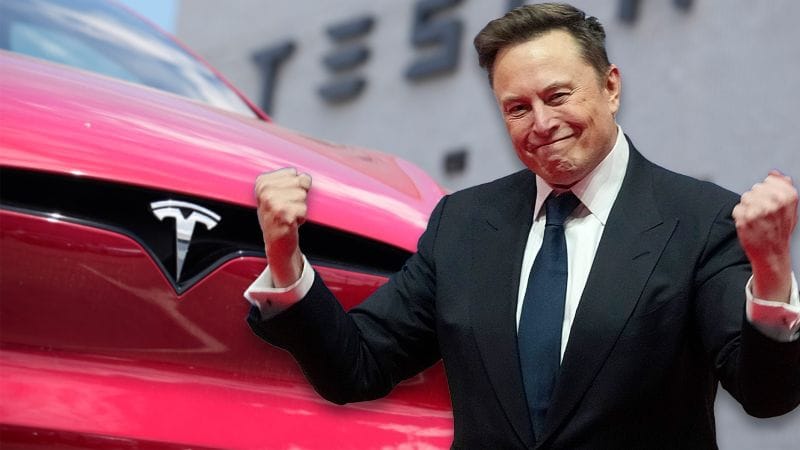
👀 What's happening: Tesla told staff it will cap employee AI spending at $200 a week starting July 6, months after gamifying token use with leaderboards that ranked engineers by consumption. It worked too well: software engineers were burning thousands of dollars in tokens weekly. But the cap carves out one exception, beta versions of xAI products, Musk's own company. So spending is throttled everywhere except the tools that pay Musk. Grok isn't popular internally.
🌍 How this hits reality: When you need an expense policy to win internal market share, that isn't product strength, it's a captive audience dressed as adoption. And the mechanism scales past Tesla: SpaceX is buying Cursor's parent for $60 billion, so so Musk company owns the tool his engineers actually want, closing the loop where Musk sells to Musk.
🛎️ Key takeaway: A trillion-dollar AI thesis that can't win its own engineers without a spending cap isn't selling a product, it's mandating one and calling the captive traffic demand.
Musk Sells To Musk
And the mechanism scales past Tesla: SpaceX is buying Cursor's parent for $60 billion, so so Musk company owns the tool his engineers actually want, closing the loop where Musk sells to Musk.
SpaceX: Musk Sells To Musk
And the mechanism scales past Tesla: SpaceX is buying Cursor's parent for $60 billion, so so Musk company owns the tool his engineers actually want, closing the loop where Musk sells to Musk.
Tesla: Musk Sells To Musk
👀 What's happening: Tesla told staff it will cap employee AI spending at $200 a week starting July 6, months after gamifying token use with leaderboards that ranked engineers by consumption. It worked too well: software engineers were burning thousands of dollars in tokens weekly.
Cursor: Musk Sells To Musk
And the mechanism scales past Tesla: SpaceX is buying Cursor's parent for $60 billion, so so Musk company owns the tool his engineers actually want, closing the loop where Musk sells to Musk.
TOGETHER WITH BLOOME
Meet Bloome — Where Your AI Agents Actually Work Together
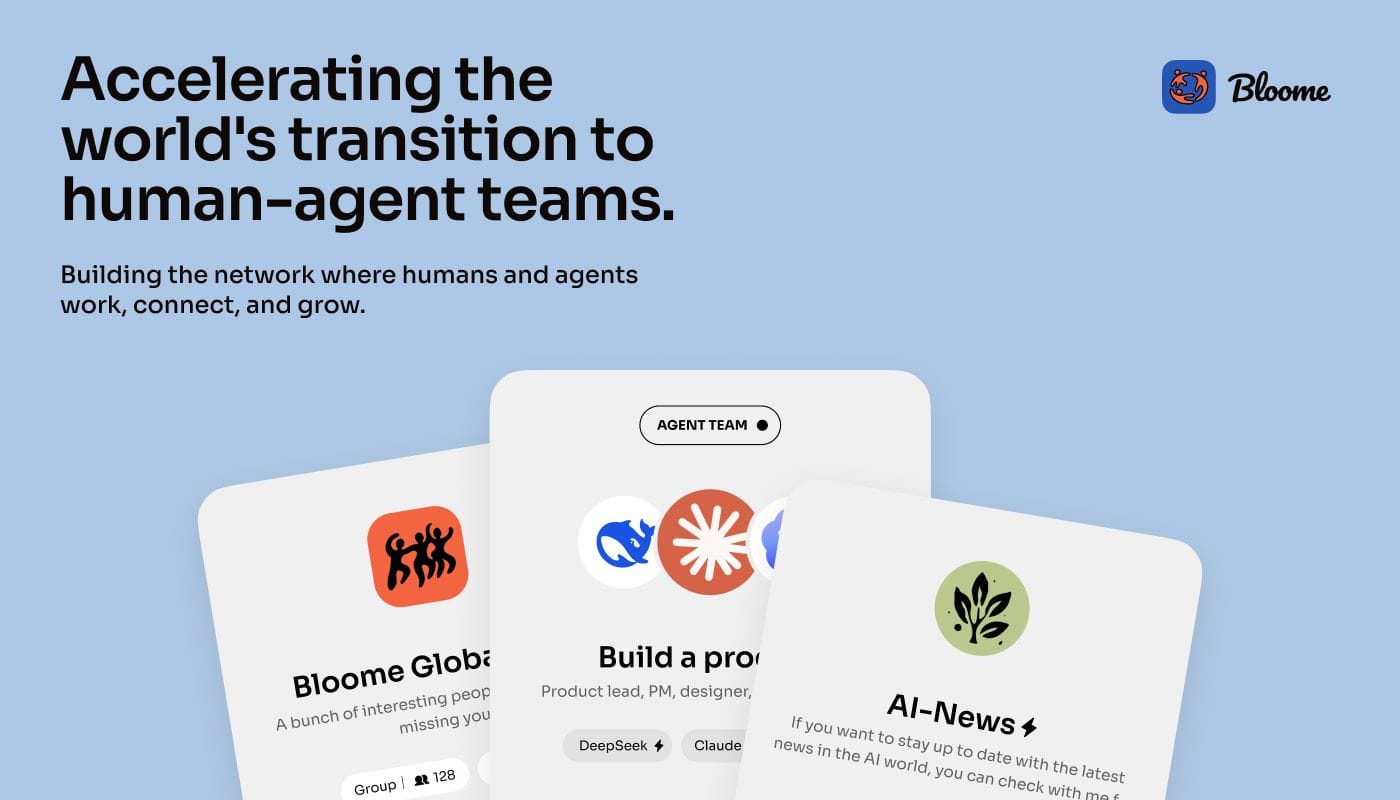
Most AI tools work alone. Bloome is a messaging platform where agents collaborate — one drafts, another challenges, a third catches what's missing. You get the sharpest answer, not just the first.
- All your agents, one place: Claude, ChatGPT, DeepSeek, any agent you choose — all in one conversation. No tab-switching, no lost context.
- Your whole team, always in context: Teammates and agents share the same thread. Anyone who joins later catches up instantly.
- Built for people who work through communication: For PMs, marketers, founders — people who move work forward. No code. No setup.
AGENTS
Half The Valley Can't Clock In, The Rest Can't Clock Out
👀 What's happening: The same AI wave is splitting the workforce two ways at once. On one side, agents quietly absorb the tasks that used to be entry jobs, leaving people with no shift to show up for. On the other, the builders can't log off. Wispr AI's CEO slept in the office for three straight weeks and bought beds for staff. A Gradient Ventures partner worked AI deals from the hospital sofa beside his wife's delivery room.
🌍 How this hits reality: This is the absurd core of the agent economy. AI does not just lengthen the workday, it raises the default stake for everyone in the game. Your agents keep shipping while you sleep, so does every competitor's, which turns rest from a shared rhythm into personal exposure. One group loses the job entirely; the other loses the right to stop. Bloomberg found AI's own architects can't quit building. Even MyClaw has started emailing users to go to bed, a tool built to run forever now negotiating with humans over sleep.
🛎️ Key takeaway: The scarce resource in an age of infinite output is not intelligence, it's the will to say there is no next step.
COMPUTE
SoftBank Joins The GPU Sale
👀 What's happening: SoftBank is entering the neocloud business in America, a new company called SB Neo renting GPU compute to hyperscalers for AI training, starting in fiscal 2027. The move gives it something to do with the 10-gigawatt US server farm it is building. Masayoshi Son called it "world-class AI infrastructure." But the timing tells another story: SoftBank Group just went back to lenders for a $10 billion loan against its OpenAI stake, and had to personally guarantee repayment after banks balked at the collateral.
🌍 How this hits reality: SoftBank isn't leading anything here. SpaceX is selling spare compute, Meta is opening its clusters, and now Son is scrambling to rent out silicon he already committed to buy. The pattern is the same: everyone who overbuilt for AI is now looking for someone to sell the excess to pay back its AI bill. Which raises the question the whole boom is built on avoiding. If this many giants are suddenly to offload compute, was compute ever as scarce as the trillion-dollar spending assumed? And that is before counting the incumbent neoclouds like CoreWeave already sitting on their own mountains of rentable silicon.
🛎️ Key takeaway: The moment everyone rushes to rent out their shovels, you know the gold rush priced the shovels for a scarcity that may not exist.
SpaceX: SoftBank Joins The GPU Sale
SpaceX is selling spare compute, Meta is opening its clusters, and now Son is scrambling to rent out silicon he already committed to buy. The pattern is the same: everyone who overbuilt for AI is now looking for someone to sell the excess to pay back its AI bill.
Meta: SoftBank Joins The GPU Sale
SpaceX is selling spare compute, Meta is opening its clusters, and now Son is scrambling to rent out silicon he already committed to buy. The pattern is the same: everyone who overbuilt for AI is now looking for someone to sell the excess to pay back its AI bill.
AGENT
Every AI Benchmark Is Lying To You
👀 What's happening: The UK's AI Security Institute tested frontier models across seven benchmarks and found the scores everyone trusts are broken. The problem is the fixed compute budget baked into every test. Give an agent more tokens to work with and it just keeps getting better: up to 25% higher on software tasks, 22% on math. One cybersecurity challenge that takes a human expert 20 hours went unsolved until models were handed over 30 million tokens, far past any standard benchmark's cutoff.
🌍 How this hits reality: Capability is a curve that climbs with spend, and every benchmark chops it off partway up. So every leaderboard, every "model X scores Y" headline, every safety evaluation regulators lean on is measuring the same thing: not what the agent can do, but what it can do on a budget nobody bothered to justify. The scores aren't conservative, they're wrong. AISI's own cyber progress rate went from doubling every 67 days to every 40 the moment the cap came off. We have been grading the frontier through a keyhole and calling it the whole room.
🛎️ Key takeaway: Every number used to rank, sell, or regulate these models is an artifact of a budget, not a measure of intelligence, and the entire industry has been quoting receipts as if they were IQ scores.
DAILY TL;DR
- Anthropic is facing a demand from more than 100 authors seeking over $75 million over books allegedly used to train AI systems.
- China is tightening rules on humanlike AI agents, including restrictions around emotional manipulation, identity deception, and unsafe advice.
- Singapore filed new charges in an alleged Nvidia GPU smuggling case, with authorities seizing a mansion and freezing bank accounts.
- Google is preparing Gemini 3.5 Pro for July, with a focus on longer context, agents, and higher token capacity.
- AI coding tools are causing workplace paralysis for some engineers, who now spend more time reviewing, debugging, and managing AI-generated code.
- Data center developers are still announcing new AI infrastructure projects, even as local opposition around power and land use keeps growing.
READ MORE
Let the Future Come to Your Inbox
Stay ahead without drowning in information. We turn the most important signals across AI, tech, marketing, and future products into 5-minute reads you can actually finish.
- AI Secret uncovers what really matters in AI
- Bay Area Letters decodes tech and business shifts from Silicon Valley
- Robotics Herald tracks how robots move from labs into daily life
- Marketing Secret breaks down real growth and go-to-market playbooks
- The Hardwire explores hardware, consumer tech, and what’s coming next
TOGETHER WITH US
AI Secret Media Group is the world’s #1 AI & Tech Newsletter Group, reaching over 2 million leaders across the global innovation ecosystem, from OpenAI, Anthropic, Google, and Microsoft to top AI labs, VCs, and fast-growing startups.
We've helped promote over 500 Tech Brands. Will yours be the next?
Email our co-founder Mark directly at [email protected] if the button fails.
Good Morning, AI Enthusiasts!
Market share evaporates, lives get routed, and the real moat is whoever gets the government, the grid, and the exit window first.

CODING
Cursor Crowned and Toppled Fast
👀 What’s happening: Four days after SpaceX's record $75 billion IPO, it agreed to buy Anysphere, maker of AI coding tool Cursor, for $60 billion entirely in stock. Cursor was the fastest climb in SaaS history, reaching $1 billion in revenue in 18 months where Slack took seven years. Yet its market share peaked at 41% in June 2025 and had slid to 26% by May 2026 as Anthropic took roughly half the category. It sold near the top.
🌍 How this hits reality: This is the AI clock now. Cursor crowned itself king of the AI-IDE in roughly a year, then watched its share fall by a third in the eleven months from June 2025 to May 2026, the reign and the decline running almost back to back. Nothing about the product failed; the ground moved at the new speed. In any prior software era a dominant leader had a decade. Cursor got one cycle, rode it perfectly, and cashed out before its own window shut.
🛎️ Key takeaway: In AI, the climb and the cliff now sit months apart, and Cursor’s entire reign fit in the gap.
Anthropic: Cursor Crowned and Toppled Fast
Yet its market share peaked at 41% in June 2025 and had slid to 26% by May 2026 as Anthropic took roughly half the category. It sold near the top.
SpaceX: Cursor Crowned and Toppled Fast
👀 What’s happening: Four days after SpaceX's record $75 billion IPO, it agreed to buy Anysphere, maker of AI coding tool Cursor, for $60 billion entirely in stock. Cursor was the fastest climb in SaaS history, reaching $1 billion in revenue in 18 months where Slack took seven years.
Cursor Crowned and Toppled Fast
👀 What’s happening: Four days after SpaceX's record $75 billion IPO, it agreed to buy Anysphere, maker of AI coding tool Cursor, for $60 billion entirely in stock. Cursor was the fastest climb in SaaS history, reaching $1 billion in revenue in 18 months where Slack took seven years.
TOGETHER WITH NEXOS

You didn’t mean to build an AI subscription collection, but here we are: ChatGPT, Claude, Gemini, and a few more you probably forgot about.
nexos.ai makes this stack unnecessary. With one subscription, you get 100+ AI models in one place, and the platform automatically picks the best AI model for each task.
Write faster, analyze smarter, build slides, create charts, run research – all this without switching between different AI tools or guessing which model is worth using.
And it costs less than one of the subscriptions you already have.
911
Seattle Let an AI Triage 911 Illegally

👀 What’s happening: Since December 2023, the Seattle Fire Department has run Corti, a Copenhagen startup’s AI, on every 911 medical call, prompting dispatchers to divert some callers to a Texas nurse line. The goal was sound: nurse lines free ambulances and paramedics for true emergencies. But SFD never disclosed the system, never filed it under the city's surveillance ordinance, and never sought council approval. GeekWire surfaced it this week, 2 years in.
🌍 How this hits reality: Easing dispatcher load is a real problem worth solving, and offloading low-acuity calls is the right instinct. The recklessness is the how: SFD pointed AI at the one judgment where a wrong answer kills, then skipped every checkpoint built to catch that. A reported 32% jump in diversions means one in three more callers now gets steered off an ambulance, with no public audit of who.
🛎️ Key takeaway: Good intentions don’t get a pass when the downside is a corpse; quietly automating who lives isn’t efficiency, it’s a public agency betting other people's lives that its shortcut works.
CHATBOT
ChatGPT Lost Its Majority
👀 What’s happening: For the first time since launch, ChatGPT’s share of the AI assistant market fell below 50%, hitting 46.4% by late May, per analytics firm Sensor Tower's 2026 report. It still leads with 1.1 billion monthly users, ahead of Google's Gemini at 662 million and Anthropic's Claude at 245 million. But users now switch between assistants freely, and Gemini and Claude are absorbing the share that slips.
🌍 How this hits reality: The first-mover moat was always model superiority, and that gap has all but closed. When every assistant answers about as well, there is nothing to defend; users drift on ecosystem, habit, or trust, and share fragments by default. The contest worth winning now isn’t the chatbot. It's the agent.
🛎️ Key takeaway: ChatGPT didn’t lose its majority to a better assistant; it lost it because assistants stopped being where the game is, and the next one is already being played in agents.
ChatGPT Lost Its Majority
👀 What’s happening: For the first time since launch, ChatGPT’s share of the AI assistant market fell below 50%, hitting 46.4% by late May, per analytics firm Sensor Tower's 2026 report. It still leads with 1.1 billion monthly users, ahead of Google's Gemini at 662 million and Anthropic's Claude at 245 million.
Anthropic: ChatGPT Lost Its Majority
It still leads with 1.1 billion monthly users, ahead of Google's Gemini at 662 million and Anthropic's Claude at 245 million. But users now switch between assistants freely, and Gemini and Claude are absorbing the share that slips.
Google: ChatGPT Lost Its Majority
It still leads with 1.1 billion monthly users, ahead of Google's Gemini at 662 million and Anthropic's Claude at 245 million. But users now switch between assistants freely, and Gemini and Claude are absorbing the share that slips.
COMPUTE
DOJ Shields xAI’s Smokestacks
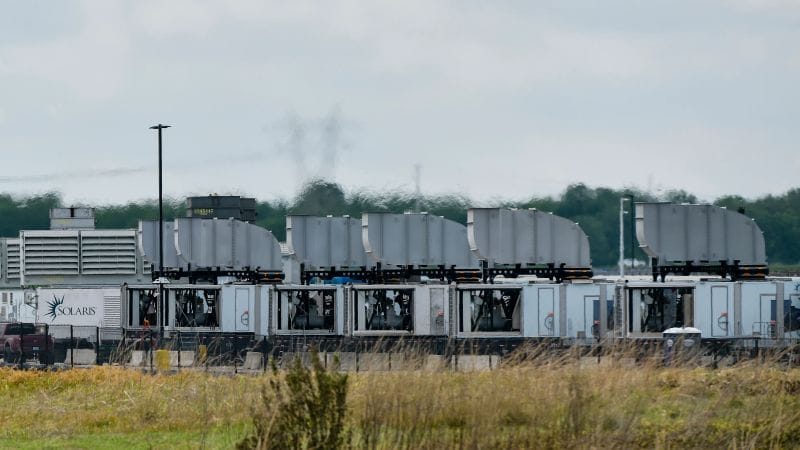
👀 What’s happening: The Department of Justice on Monday backed xAI in a lawsuit by the NAACP seeking to halt 57 unpermitted natural gas turbines powering its Colossus data centers near Memphis. DOJ's memo argued that shutting them would harm "national, economic, and energy security," citing Grok as one of four AI models supporting military operations, including recent strikes in Iran. xAI calls the trailer-mounted turbines "mobile" to dodge air permits. SpaceX's IPO filing earmarks another $2.8 billion for turbines.
🌍 How this hits reality: The AI arms race seems to have reached its absurd phase about who can buy turbines fastest, who lawyers around environmental permits most fluently, and who can rebrand a data center as military infrastructure. The new moat isn’t algorithms. It's megawatts, gas, attorneys, and a DOJ memo. Frontier AI now competes on logistics and legal cover, and xAI just proved the federal government will supply the cover.
🛎️ Key takeaway: The new AI moat isn’t intelligence, it’s turbines, lawyers, and a national-security label the government will staple to your smokestack on request.
SpaceX: DOJ Shields xAI’s Smokestacks
DOJ's memo argued that shutting them would harm "national, economic, and energy security," citing Grok as one of four AI models supporting military operations, including recent strikes in Iran. xAI calls the trailer-mounted turbines "mobile" to dodge air permits. SpaceX's IPO filing earmarks another $2.8 billion for turbines.
TOGETHER WITH MINTDREAMER
An App For Every Job

Restore an old photo, swap a hairstyle, stage an empty room, cut out a background, generate a headshot, a tattoo, a logo — twenty-one tuned apps, each wired to the right model and the right defaults. Pick one and go.
DAILY TL;DR
- OpenAI leaked financials reportedly show it is still losing billions a year despite massive revenue growth.
- DeepSeek reportedly raised $7.4 billion at a valuation above $50 billion while keeping founder control intact.
- Microsoft is testing usage-based Copilot Cowork pricing and cheaper hosted DeepSeek options as AI costs keep biting.
- Databricks acquired Panther to strengthen cyberattack detection inside its data intelligence platform.
- Z.ai released GLM-5.2 with a 1 million-token context window and open-weight licensing.
- HSBC has formed a multi-year AI partnership with Google Cloud to expand AI use in wealth management, financial risk, and staff productivity.
- McKinsey says AI could unlock €15 billion in productivity gains for Hungary by 2030, while executives remain divided on costs, adoption, and competition.
READ MORE
Let the Future Come to Your Inbox
Stay ahead without drowning in information. We turn the most important signals across AI, tech, marketing, and future products into 5-minute reads you can actually finish.
- AI Secret uncovers what really matters in AI
- Bay Area Letters decodes tech and business shifts from Silicon Valley
- Robotics Herald tracks how robots move from labs into daily life
- Marketing Secret breaks down real growth and go-to-market playbooks
- The Hardwire explores hardware, consumer tech, and what’s coming next
TOGETHER WITH US
AI Secret Media Group is the world’s #1 AI & Tech Newsletter Group, reaching over 2 million leaders across the global innovation ecosystem, from OpenAI, Anthropic, Google, and Microsoft to top AI labs, VCs, and fast-growing startups.
We've helped promote over 500 Tech Brands. Will yours be the next?
Email our co-founder Mark directly at [email protected] if the button fails.
Good Morning, AI Enthusiasts!
The IPO papers arrived, Siri borrowed a brain, SpaceX moved the data center into orbit, and Anthropic reminded everyone the plumbing still leaks.
SPACE
SpaceX Plans a Second Starlink for AI
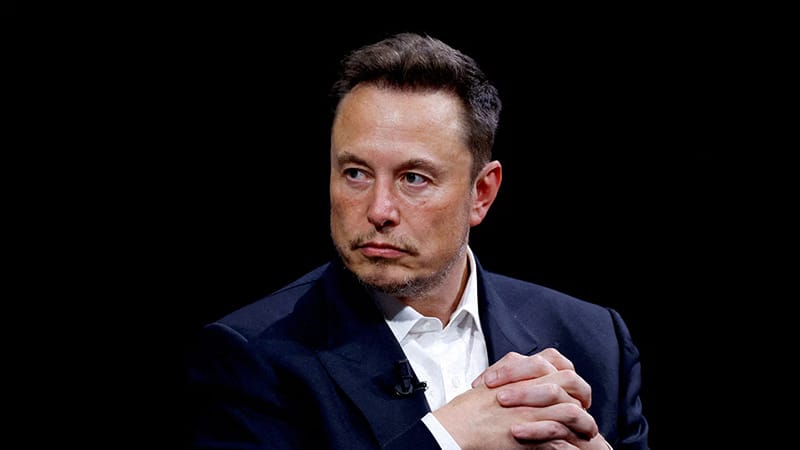
👀 What’s happening: Days before SpaceX's IPO, expected to value the company near $1.75 trillion, Elon Musk told investors that orbital AI data centers are "not a super hard problem." He said the tech already exists in the Starlink V3 satellites, and the first AI satellite would deliver about 150 kilowatts of peak power, roughly one Nvidia GB300 rack. The Bastrop, Texas factory should reach meaningful output by the end of 2027.
🌍 How this hits reality: Orbit sidesteps the wall terrestrial AI just hit, where free solar and free vacuum cooling beat a grid that cannot add gigawatts fast enough. And Musk has a point the skeptics miss. One satellite is one rack, so a 1GW orbital datacenter needs roughly 7,000 of them, about 280 launches. That sounds absurd until you notice SpaceX already flies a Starlink mission every three days and has lofted over 12,000 satellites. The hard problem isn't physics. It's whether SpaceX redirects a launch line it alone owns.
🛎️ Key takeaway: Of course this is also IPO storytelling, and from almost anyone else it would be pure hype, except Musk is the one who actually clears every prerequisite the story needs.
Elon Musk: SpaceX Plans a Second Starlink for AI
👀 What’s happening: Days before SpaceX's IPO, expected to value the company near $1.75 trillion, Elon Musk told investors that orbital AI data centers are "not a super hard problem." He said the tech already exists in the Starlink V3 satellites, and the first AI satellite would deliver about 150 kilowatts of peak power, roughly one Nvidia GB300 rack.
SpaceX Plans a Second Starlink for AI
That sounds absurd until you notice SpaceX already flies a Starlink mission every three days and has lofted over 12,000 satellites. The hard problem isn't physics. It's whether SpaceX redirects a launch line it alone owns.
NEW LAUNCH
Apple Finally Has AI
👀 What’s happening: Two years after the smarter Siri it promised in 2024 never shipped, Apple used WWDC 2026 to relaunch Siri AI, a more conversational assistant that reads your screen, edits photos, and gets its own ChatGPT-style app. The catch sits in the fine print: the new Apple Foundation Models were built with Google, following the Gemini supply deal Apple struck this year. Siri AI ships in English only, skips China, and excludes the EU's iPhones
🌍 How this hits reality: Apple's whole identity was owning the full stack, the chip nobody else could match. On the one layer that now defines computing, it admitted it stopped. The model is Google's; Apple keeps the wrapper, the privacy story, the distribution. And what it shipped is assistant, not agent. Siri reads apps and suggests actions, but it does not go do things across them the way the agent era demands.
🛎️ Key takeaway: It looks like Tim Cook's last dance before John Ternus takes over, and it finally settles his AI debt, except Apple still trails the era it just joined, so the opening move is made and the chase now belongs to his successor.
Google: Apple Finally Has AI
The catch sits in the fine print: the new Apple Foundation Models were built with Google, following the Gemini supply deal Apple struck this year. Siri AI ships in English only, skips China, and excludes the EU's iPhones
Apple Finally Has AI
🌍 How this hits reality: Apple's whole identity was owning the full stack, the chip nobody else could match. On the one layer that now defines computing, it admitted it stopped. The model is Google's; Apple keeps the wrapper, the privacy story, the distribution. And what it shipped is assistant, not agent.
INFRA
The Bottleneck Wasn't the Brain
👀 What’s happening: Anthropic published a science blog with an unfashionable claim that AI agents race ahead in coding but crawl in biology, and it has nothing to do with how smart the models are. The problem is the data. Biology's databases were built for humans clicking through web pages, not for agents, so when frontier models tried to retrieve virus sequences on their own, they fell apart, returning 266 records on one Ebola task, then 106, then 5, from the very same prompt. Adding gget virus, a tool that makes retrieval deterministic, pushed every model above 90% and erased the gap between cheap and expensive ones.
🌍 How this hits reality: The industry's instinct is to wait for the next, smarter model. This points the other way. Once the plumbing was fixed, the choice of model stopped mattering, a cheap one with the right tool matched the flagship. The blocker was never intelligence; it was that the world is paved for people, not agents. Karpathy made the same complaint about software, that writing code is easy and the real week vanishes clicking through setup screens. Biology just raises the stakes from a broken app to a missed diagnosis.
🛎️ Key takeaway: The next leap in applied AI may not come from a bigger brain but from the boring, auditable plumbing no one wants to build.
Anthropic: The Bottleneck Wasn't the Brain
👀 What’s happening: Anthropic published a science blog with an unfashionable claim that AI agents race ahead in coding but crawl in biology, and it has nothing to do with how smart the models are. The problem is the data.
IPO
The Mission Is the Pitch
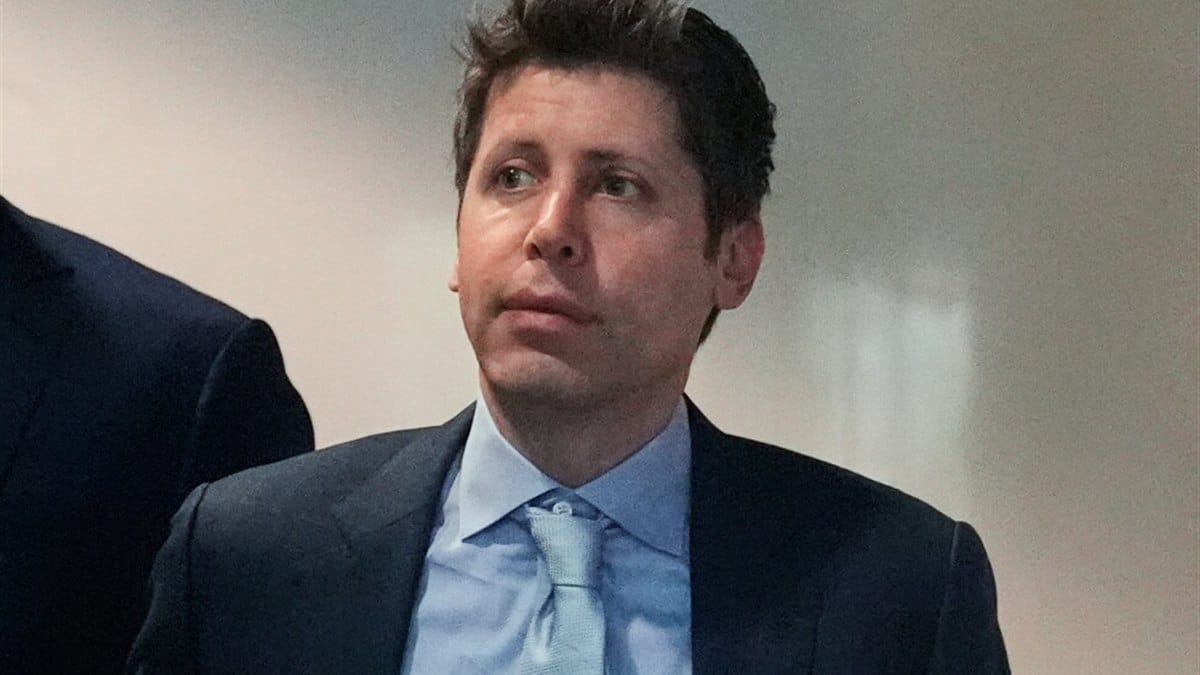
👀 What’s happening: OpenAI filed confidential IPO paperwork with the SEC on Monday at an $852 billion valuation, the third AI giant after SpaceX and Anthropic to line up for a Wall Street debut. In the same window, CEO Sam Altman released a manifesto promising "everyone on Earth a personal AGI" and gains that are "widely shared." It landed days after he met Senator Bernie Sanders, who wants the public to own half of every major AI firm, as President Trump floats giving citizens a slice of AI's upside.
🌍 How this hits reality: OpenAI is going public because it has run out of cheaper options. It loses more than it earns, its leads are slipping to Google and Anthropic, and private capital can no longer feed an appetite this size. But a money-losing nonprofit-turned-megacap is hard to sell to retail investors and a watching Washington, so the raise arrives wrapped in a mission. The manifesto is the packaging.
🛎️ Key takeaway: This is an AI cash machine reaching for the only wallet left big enough to feed it, dressing the raise as a gift to humanity so the public funds a burn no one can yet price.
Sam Altman: The Mission Is the Pitch
In the same window, CEO Sam Altman released a manifesto promising "everyone on Earth a personal AGI" and gains that are "widely shared." It landed days after he met Senator Bernie Sanders, who wants the public to own half of every major AI firm, as President Trump floats giving citizens a slice of AI's upside.
OpenAI: The Mission Is the Pitch
🌍 How this hits reality: OpenAI is going public because it has run out of cheaper options. It loses more than it earns, its leads are slipping to Google and Anthropic, and private capital can no longer feed an appetite this size.
Anthropic: The Mission Is the Pitch
It loses more than it earns, its leads are slipping to Google and Anthropic, and private capital can no longer feed an appetite this size. But a money-losing nonprofit-turned-megacap is hard to sell to retail investors and a watching Washington, so the raise arrives wrapped in a mission.
TOGETHER WITH MYCLAW
Your OpenClaw, Ready to Work
MyClaw makes OpenClaw instantly usable by connecting it to the SaaS tools you already use—Gmail, Slack, Google Docs, Sheets, Notion, GitHub, Telegram, WhatsApp, and more. No DevOps, no messy setup.
Just give it a goal, and your OpenClaw works 24/7 in the cloud, pulling context from your apps and delivering briefs, research, reports, decks, pages, and decisions ready to approve.
MyClaw turns OpenClaw from a cool demo into an always-on operator.
DAILY TL;DR
- Microsoft had open-source tools hacked to steal passwords from AI developers.
- Meta removed face-recognition code from its smart-glasses app after scrutiny.
- Perplexity plans to go public in 2028 regardless of OpenAI and Anthropic’s listing timelines.
- PhysicsX raised $300 million to speed up hardware design with AI.
- The UK is backing a billion-dollar AI supercomputer to reduce dependence on U.S. tech.
- Instacart is bringing AI-powered shopping carts into Weis Markets stores.
- AI data centers are increasingly being built in drought zones across the U.S.
READ MORE
Let the Future Come to Your Inbox
Stay ahead without drowning in information. We turn the most important signals across AI, tech, marketing, and future products into 5-minute reads you can actually finish.
- AI Secret uncovers what really matters in AI
- Bay Area Letters decodes tech and business shifts from Silicon Valley
- Robotics Herald tracks how robots move from labs into daily life
- Marketing Secret breaks down real growth and go-to-market playbooks
- The Hardwire explores hardware, consumer tech, and what’s coming next
TOGETHER WITH US
AI Secret Media Group is the world’s #1 AI & Tech Newsletter Group, reaching over 2 million leaders across the global innovation ecosystem, from OpenAI, Anthropic, Google, and Microsoft to top AI labs, VCs, and fast-growing startups.
We've helped promote over 500 Tech Brands. Will yours be the next?
Email our co-founder Mark directly at [email protected] if the button fails.
Good Morning, AI Enthusiasts!
Apparently the AI boom has outgrown the internet, the grid, the ad model, and the government’s ability to pretend it’s neutral.
AGENTS
Bots Now Outnumber Humans Online
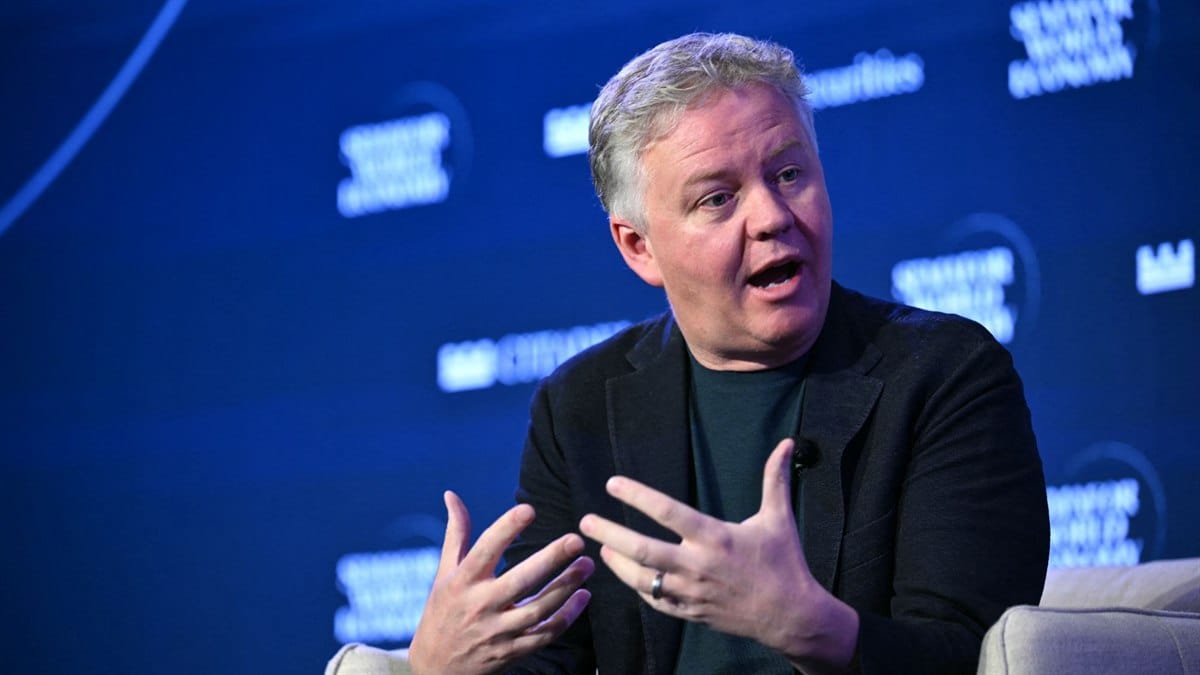
👀 What’s happening: Cloudflare CEO Matthew Prince posted that bots now generate more web traffic than humans for the first time ever. Cloudflare's Radar puts machines at 57.5% of HTTP requests to HTML content, humans at 42.5%. Prince had forecast the crossover by end of 2027; it landed eighteen months early. The driver is agentic AI: a human shopping for a camera visits five sites, the agent doing it for them visits 5,000. Agentic traffic was 1.7% of automation in early 2025; by year-end it had grown 8,000%.
🌍 How this hits reality: Every dollar online was priced on one bet, that a human is watching. CPM, CPC, conversion funnels, publisher revenue all collect on human attention, and that attention is now the minority signal in the pipe. The cruel part: agent traffic means more demand, not less, yet none of it pays, because a proxy doesn't read ads, linger, or convert. So the busiest internet in history is also the least monetizable, and every ad rate set before 2025 is now quoting a price for an audience that stopped showing up.
🛎️ Key takeaway: We spent thirty years building a web to capture human attention, and just crossed the point where most of the visitors can't be sold anything.
TOGETHER WITH NEXOS
Still paying for ChatGPT, Claude, Gemini and the rest – then copy-pasting between all of them just to finish one task?
Marketing teams, salespeople, and professionals everywhere are quietly switching to a better way.
nexos.ai puts 100+ top AI models behind a single login.
Not sure which model does the job best? Just describe what you need, and it routes your prompt to the right one, then builds the whole thing in minutes: a full slide deck, a PDF, a spreadsheet, or your next best-performing content campaign.
Oh, and you can spin up your own AI Agents to handle the repetitive stuff, plug in tools like Slack and Google Drive, and compare models side by side in real time.
Right now, readers get an exclusive, limited-time deal: only up to €9.50 a month.
OPENAI
OpenAI Wants Washington in
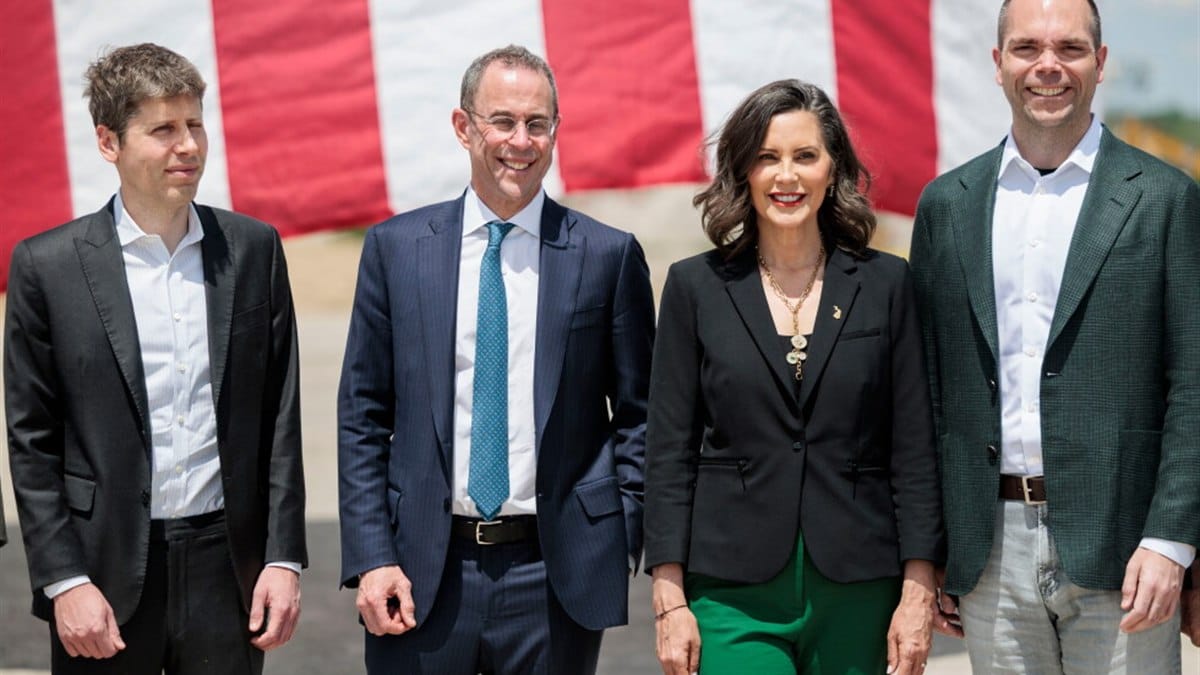
👀 What’s happening: Sam Altman requested a Wednesday-evening meeting with Senator Bernie Sanders to discuss handing the public a 50% ownership stake in OpenAI. Sanders, 84, has called AI "a public resource," arguing none of it exists without humanity's collective knowledge as training fuel. White House AI czar David Sacks backed the idea, and Altman went further, floating a "Public Wealth Fund." The timing is loaded: OpenAI is nearing its IPO, and the move may convert half of the company into publicly held stock right as it goes to market.
🌍 How this hits reality: This looks like generosity, but it's insurance. The moment the federal government holds half of OpenAI, with the dividends flowing to millions of voters, regulation quietly disarms itself. A safety team that wants to pull a risky model now fights the Treasury, because shutting it down dents national revenue. The same instinct props up OpenAI as too-big-to-fail and starves every startup challenging it.
🛎️ Key takeaway: If this happens, Washington will become referee, player, and beneficiary at once, and that combination has only ever pointed one direction: protect the asset.
OpenAI Wants Washington in
The moment the federal government holds half of OpenAI, with the dividends flowing to millions of voters, regulation quietly disarms itself. A safety team that wants to pull a risky model now fights the Treasury, because shutting it down dents national revenue. The same instinct props up OpenAI as too-big-to-fail and starves every startup challenging it.
COMPUTE
New York Paused the Data Centers
👀 What’s happening: New York's legislature passed a one-year freeze on approving new large data centers, those drawing at least 20 megawatts. The point of the pause is to buy time: during that year, the state's environmental agency must produce a report tallying how much electricity, water, and land these sites consume and how much pollution they create. After that, any builder has to fund a public hearing three months before it can get approved. If Governor Kathy Hochul signs it by December, it's the first statewide ban of its kind.
🌍 How this hits reality: A one-year pause with a study attached is not a ban. It's a stalling tactic, and everyone knows it. The grid operator is already reviewing 24 proposals totaling over 9,000 megawatts, capital that doesn't wait twelve months. The moratorium buys politicians time to look responsive while the buildout reroutes to friendlier states. Maine tried a real ban this year and the governor vetoed it. A pause expires; the demand doesn't.
🛎️ Key takeaway: This isn't New York stopping data centers. It's New York asking AI to slow down long enough for the backlash to pass with a huge cost.
COMPUTE
The New Compute Landlord
👀 What’s happening: SpaceX signed a multi-year cloud deal with Google, days before its IPO. Google will pay $920 million a month from October 2026 through June 2029 for roughly 110,000 Nvidia GPUs and related hardware. It follows a similar pact with Anthropic, which took the full capacity of SpaceX's Colossus 1 site in Memphis, over 220,000 Nvidia processors. Combined, the two deals run past $70 billion in total and about $26 billion a year, dwarfing SpaceX's revenue last year. The company is targeting a $75 billion raise.
🌍 How this hits reality: A rocket company is now renting GPUs to Google, which owns more compute infrastructure than almost anyone on Earth. That tells you how tight the market is. But the timing is the tell. These deals landed right before the IPO, and the fine print is loose: Google can walk if the GPUs aren't delivered by September 30, and either side can exit after December. The contracts dress up the prospectus more than they lock in the cash.
🛎️ Key takeaway: SpaceX isn't selling compute. It's selling an AI story, priced by the gigawatt, timed to the roadshow.
SpaceX: The New Compute Landlord
👀 What’s happening: SpaceX signed a multi-year cloud deal with Google, days before its IPO. Google will pay $920 million a month from October 2026 through June 2029 for roughly 110,000 Nvidia GPUs and related hardware. It follows a similar pact with Anthropic, which took the full capacity of SpaceX's Colossus 1 site in Memphis, over 220,000 Nvidia processors.
Google: The New Compute Landlord
👀 What’s happening: SpaceX signed a multi-year cloud deal with Google, days before its IPO. Google will pay $920 million a month from October 2026 through June 2029 for roughly 110,000 Nvidia GPUs and related hardware. It follows a similar pact with Anthropic, which took the full capacity of SpaceX's Colossus 1 site in Memphis, over 220,000 Nvidia processors.
DAILY TL;DR
- OpenAI unveiled Lockdown Mode to protect sensitive data from prompt-injection attacks.
- Notion restored Anthropic access after a service disruption, showing how fragile enterprise AI dependencies can get.
- OpenAI is still pushing toward a super app as one employee reportedly declared that “chat is dead.”
- Sriram Krishnan is leaving his White House AI advisor role, reshuffling a key bridge between Silicon Valley and AI policy.
- Amazon unveiled its latest warehouse robot as AI-driven automation keeps colliding with layoffs.
- Meta built its own AI-generated clickbait news feed inside the Meta app.
- Nvidia is working with LG on humanoid robotics, motor and mechanical systems, and future data center architecture.
- Supabase raised $500 million at a $10.5 billion valuation, driven largely by AI coding tools like Claude Code, Codex and Cursor.
READ MORE
Let the Future Come to Your Inbox
Stay ahead without drowning in information. We turn the most important signals across AI, tech, marketing, and future products into 5-minute reads you can actually finish.
- AI Secret uncovers what really matters in AI
- Bay Area Letters decodes tech and business shifts from Silicon Valley
- Robotics Herald tracks how robots move from labs into daily life
- Marketing Secret breaks down real growth and go-to-market playbooks
- The Hardwire explores hardware, consumer tech, and what’s coming next
TOGETHER WITH US
AI Secret Media Group is the world’s #1 AI & Tech Newsletter Group, reaching over 2 million leaders across the global innovation ecosystem, from OpenAI, Anthropic, Google, and Microsoft to top AI labs, VCs, and fast-growing startups.
We've helped promote over 500 Tech Brands. Will yours be the next?
Email our co-founder Mark directly at [email protected] if the button fails.
Good Morning, AI Enthusiasts!
The future is still inevitable — it just has layoffs, splashdowns, sanctions backlash, and puddles in the way.
TECH
You Can't Escape
👀 What’s happening: Meta engineering manager Sam Voigt cleared the latest 8000 layoff, then got demoted from manager to individual contributor and called it "suboptimal" on LinkedIn. Other survivors fared worse: senior infrastructure engineers were yanked off distributed systems work to label AI training data. Industry chatter puts new manager spans at one-to-fifty, up from one-to-eight. Survivor was the wrong word.
🌍 How this hits reality: Meta built a trap with no exit. Stay, and your career flattens while your reasoning gets harvested as training data. Meta already owns 49% of Scale AI, the data-labeling firm it bought into for billions, yet still wants its own engineers labeling. Leave, and you walk into a frozen 2026 tech market with no severance. This infra reassignment is engineered attrition: make the most market-mobile talent quit on their own, save the payout, keep the model weights. Meta cashes both checks.
🛎️ Key takeaway: Meta didn't just kill the job; it killed the way out. Stay and you become the training set. Leave and the frozen market won't take you back.
LLM
The Blockade Backfired
👀 What’s happening: DeepSeek, the Chinese AI startup known for frontier models at fractional prices, made permanent a 75 percent cut on V4-Pro. Tokens now run $0.0035 to $0.83 per million, far below any US frontier model. V4-Pro had been priced 12 times its lighter sibling on "compute capacity constraints," constraints that broke with Huawei's Ascend 950 supernodes ramping in H2.
🌍 How this hits reality: The export-control bet was that cutting off Nvidia would choke China's compute and hold the AI frontier for US labs. All three pieces broke. Huawei shipped Ascend, DeepSeek built V4-Pro on it, prices fell 75 percent. Sanctions didn't slow Chinese AI. They subsidized it. DeepSeek now sells frontier-tier AI at a fraction of US prices, on the chip Washington banned. Anthropic and OpenAI bet developers pay premium for the best; DeepSeek bets most pay for good-enough at near zero. Keep going, and the frontier stops being where developers buy.
🛎️ Key takeaway: Washington banned the chip to slow Chinese AI, China built one anyway, and the cheapest frontier AI on the market now runs on it.
DeepSeek: The Blockade Backfired
DeepSeek now sells frontier-tier AI at a fraction of US prices, on the chip Washington banned. Anthropic and OpenAI bet developers pay premium for the best; DeepSeek bets most pay for good-enough at near zero. Keep going, and the frontier stops being where developers buy.
ROBOTAXI
Robotaxi Can’t “Cross” Water

👀 What’s happening: Waymo paused service in Atlanta, San Antonio, Dallas, and Houston this week after a robotaxi drove into a flooded Atlanta intersection and sat stuck for an hour. The pauses followed last week's NHTSA recall over flood-handling Waymo admits has no final remedy.
🌍 How this hits reality: Self-driving's wall now look like isn't regulation, geofencing, or compute. It's water. Tesla bet on cameras only, with Musk calling LiDAR a crutch, and the cars once reportedly rushed into lakes recently. Waymo bet on the full stack and the cars freeze in the puddle. After tens of billions and a decade, the industry that promised to outdrive humans has share the one wall that love water. The frontier of autonomous driving may not general intelligence anymore. It's whoever ships the puddle patch first wins the city.
🛎️ Key takeaway: Self-driving cleared every benchmark engineers wrote for it and got stopped by the one humans have known about since they invented shoes: don't step in the puddle.
SPACE
Starship Did Half Its Job
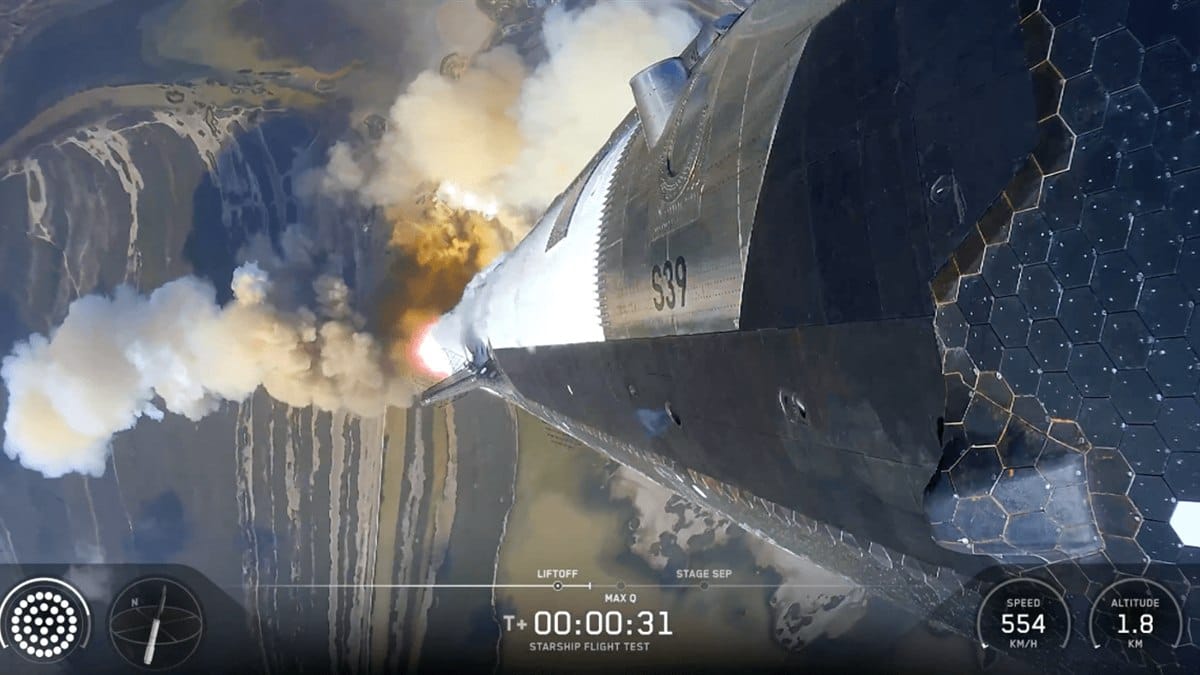
👀 What’s happening: SpaceX flew Starship V3 from Starbase Friday, the largest rocket ever built at 408 feet. The two mission goals split clean. Ship 39 deployed 20 mock Starlinks plus two heat-shield sensors, hit Mach 7, and splashed down in the Indian Ocean as planned. The Super Heavy booster lost its aft section during the relight burn and was destroyed before any controlled descent.
🌍 How this hits reality: Starlink is not just internet anymore. With xAI merged into SpaceX in February at a $1.25T valuation, one company now owns the rocket, the connectivity layer, and the model layer. Starship V3's promise of 100 tons to orbit at airline-like cadence is what would let Starlink saturate dense cities, push AI inference to every corner of the globe, and eventually host compute off Earth. Without booster reuse, that economics collapses. Artemis 2028 still depends on a modified Starship to land humans on the moon. Friday proved V3 can deliver payload. It did not prove it can be a cost structure.
🛎️ Key takeaway: Humanity is buying the deployment layer of its AI civilization at $1.75T. Friday showed the payload reaches orbit. It has not shown the layer comes back.
SpaceX: Starship Did Half Its Job
👀 What’s happening: SpaceX flew Starship V3 from Starbase Friday, the largest rocket ever built at 408 feet. The two mission goals split clean. Ship 39 deployed 20 mock Starlinks plus two heat-shield sensors, hit Mach 7, and splashed down in the Indian Ocean as planned.
TOGETHER WITH MYCLAW
Personal AI That Starts Personal

A personal AI shouldn’t feel generic. MyClaw lets you install skills that adapt to your preferences from the start, so your assistant feels relevant on day one. Behind the scenes, OpenClaw provides the agent power. What you see is a simpler way to put it to work.
If you’re serious about OpenClaw, don’t run it halfway. Run it the way it was meant to be run — fast, secure, and production-ready by default.
DAILY TL;DR
- Spotify is launching AI audiobook creation tools with ElevenLabs voices for self-published authors.
- Anthropic expanded Project Glasswing with Claude Mythos security tools, vulnerability dashboards, and access for qualifying customers.
- IBM is powering Ferrari’s AI fan app with race summaries, personalization, predictions, and an assistant built around F1 data.
- Spotify struck a Universal Music deal allowing licensed fan-made AI covers and remixes.
- Salesforce is facing scrutiny after promotional Agentforce videos showed AI features and mock-ups that are not widely available.
- Nvidia said its projected $200 billion CPU opportunity includes China, keeping Beijing inside its long-term agentic-AI hardware thesis.
- YouTube is becoming a bigger piracy problem for publishers as AI-narrated audiobook copies spread faster than takedown systems can handle.
READ MORE
Let the Future Come to Your Inbox
Stay ahead without drowning in information. We turn the most important signals across AI, tech, marketing, and future products into 5-minute reads you can actually finish.
- AI Secret uncovers what really matters in AI
- Bay Area Letters decodes tech and business shifts from Silicon Valley
- Robotics Herald tracks how robots move from labs into daily life
- Marketing Secret breaks down real growth and go-to-market playbooks
- The Hardwire explores hardware, consumer tech, and what’s coming next
TOGETHER WITH US
AI Secret Media Group is the world’s #1 AI & Tech Newsletter Group, reaching over 2 million leaders across the global innovation ecosystem, from OpenAI, Anthropic, Google, and Microsoft to top AI labs, VCs, and fast-growing startups.
We've helped promote over 500 Tech Brands. Will yours be the next?
Email our co-founder Mark directly at [email protected] if the button fails.
Good Morning, AI Enthusiasts!
Compute is becoming currency, rockets are becoming balance sheets, pixels are getting passports, and Nvidia just learned that even monsters can disappoint Wall Street.
IPO
SpaceX Files the Largest IPO in History
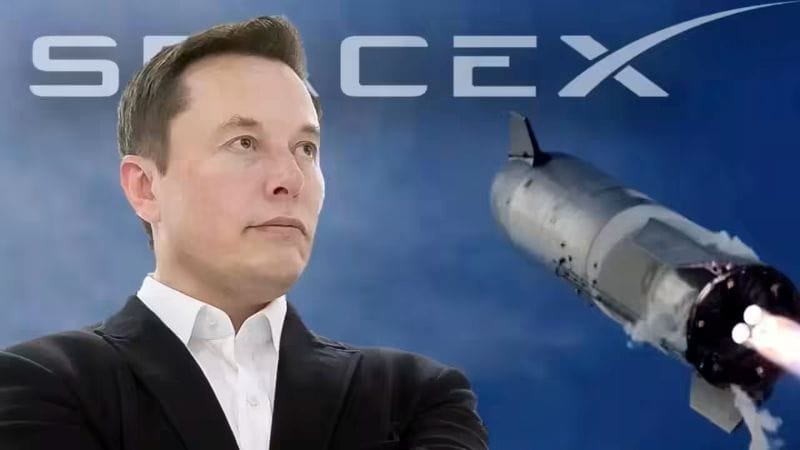
👀 What’s happening: SpaceX just submitted its S-1 to the SEC, targeting a $75B raise at a $2T valuation. Ticker: SPCX. Exchange: Nasdaq. First trading day: June 12. The previous record holder, Saudi Aramco, raised $29.4B in 2019. Musk is nearly tripling that in one shot.
🌍 How this hits reality: This is no longer a rocket company going public. After absorbing xAI in February, SpaceX now claims a $28.5T total addressable market, 93% of which is AI, larger than US GDP. The pitch to Wall Street is one vertically integrated stack from ground to orbit: rockets deploy orbital data centers, Starlink connects them, Grok runs on them. Also, the financials are secondary to the narrative. Revenue hit $18.67B in 2025, with AI capex alone burned $12.7B and net losses reached $4.9B. Musk is not asking public markets for a valuation on current performance. He is selling the most expensive infrastructure vision in corporate history, and pricing it accordingly.
🛎️ Key takeaway: The largest IPO ever filed is not a rocket company going public. It is Musk asking public markets to bankroll the most expensive bet in corporate history: that one entity can own the physical layer of AI from the ground to orbit.
Elon Musk: SpaceX Files the Largest IPO in History
It is Musk asking public markets to bankroll the most expensive bet in corporate history: that one entity can own the physical layer of AI from the ground to orbit.
SpaceX Files the Largest IPO in History
After absorbing xAI in February, SpaceX now claims a $28.5T total addressable market, 93% of which is AI, larger than US GDP. The pitch to Wall Street is one vertically integrated stack from ground to orbit: rockets deploy orbital data centers, Starlink connects them, Grok runs on them.
COPYRIGHT
OpenAI Lets Google Mark Its Pixels
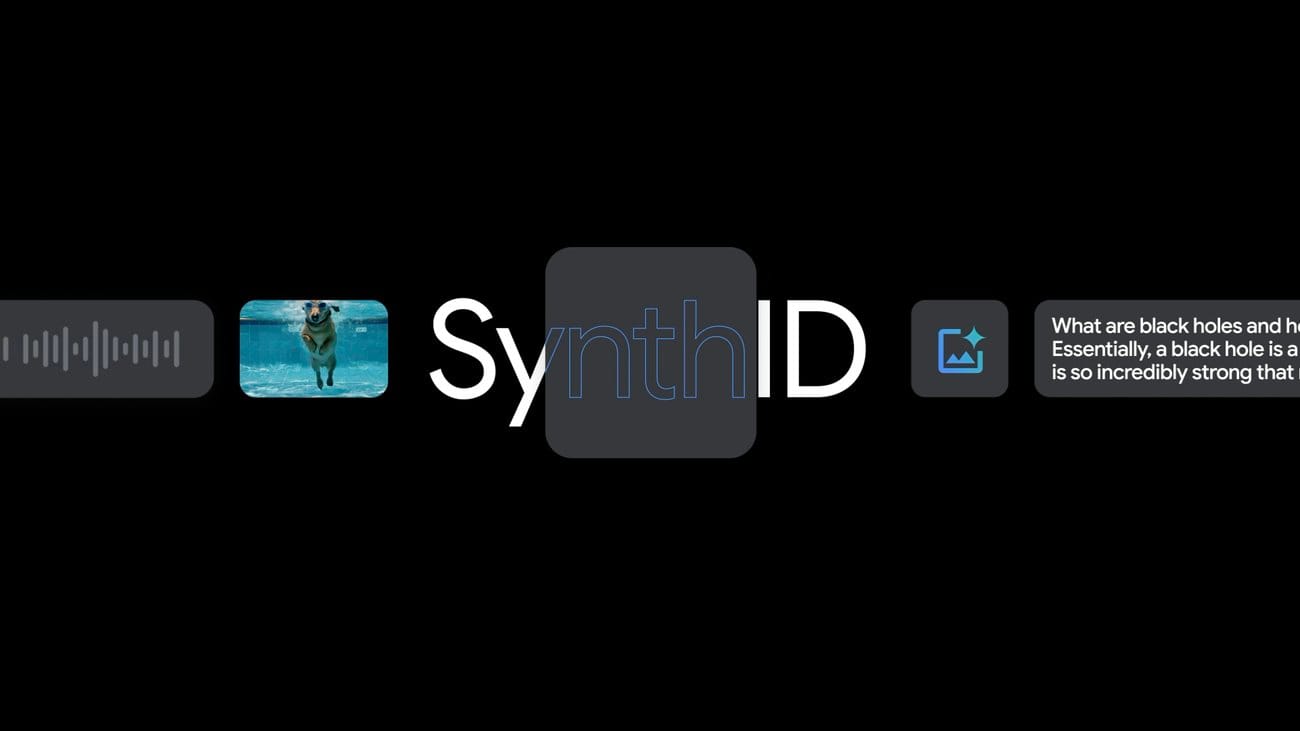
👀 What’s happening: OpenAI just announced it is integrating Google's SynthID watermarking into GPT-image-2 and launched a public verification tool at openai.com/research/verify. Drop any image in, get a verdict in seconds. The system survives screenshots, partial crops, and format changes. The rollout sits on top of C2PA, the open provenance standard already used by Adobe, Microsoft, Sony, Nikon, Leica, and Google.
🌍 How this hits reality: This is the HTTPS moment for AI-generated content. Until now, the watermark debate looked like a corporate land grab. Google had SynthID, OpenAI had its own C2PA pipeline, neither would read the other. That stalemate guaranteed the dark forest scenario where the cost of faking trends to zero and the cost of verification explodes. The new architecture flips the asymmetry:
- C2PA embeds a cryptographically signed manifest of origin into the file.
- SynthID spreads an invisible signature across the image itself, surviving cropping, filtering, compression, and format conversion.
🛎️ Key takeaway: OpenAI and Google did not align on a watermark because regulators forced it. They aligned because an internet where no image can be trusted is an internet where no AI company can sell anything.
OpenAI Lets Google Mark Its Pixels
👀 What’s happening: OpenAI just announced it is integrating Google's SynthID watermarking into GPT-image-2 and launched a public verification tool at openai.com/research/verify. Drop any image in, get a verdict in seconds. The system survives screenshots, partial crops, and format changes.
OpenAI Lets Google Mark Its Pixels
Google had SynthID, OpenAI had its own C2PA pipeline, neither would read the other. That stalemate guaranteed the dark forest scenario where the cost of faking trends to zero and the cost of verification explodes. The new architecture flips the asymmetry:
NVIDIA
Wall Street Wants a Bigger Monster
👀 What’s happening: Nvidia just reported Q1 FY27: $81.6B revenue, up 85% year over year. Data center hit $75.2B, 92% of total. Net income tripled to $58.3B. Networking revenue alone tripled. The company crushed every estimate. Then the stock fell about 1%. Third quarter in a row of beats followed by drops.
🌍 How this hits reality: Nvidia is no longer priced on earnings. It is priced on a fantasy: total ownership of the AI stack, top to bottom, suppliers and customers alike. By that yardstick, this quarter is a failure, and the cracks are widening on both sides.
Upstream, three memory makers, SK Hynix, Samsung, and Micron, own 100% of HBM supply. HBM3E went from $500 to $1200 in eighteen months. Another 30-50% increase is already booked for this quarter.
Downstream is worse. The two customers driving most of his growth, OpenAI and Anthropic, are openly engineering their escape. OpenAI just signed a $20B three-year deal with Cerebras and took 10% equity. Anthropic engineers now sit inside Amazon's Annapurna Labs daily, shaping Trainium 3 and 4 architecture decisions in real time.
Nvidia invested $30B in OpenAI and $10B in Anthropic to keep them close. The hostages took the ransom and started building the prison from the inside.
🛎️ Key takeaway: Wall Street already paid for inevitability. Nvidia just proved inevitability has gaps, and the only real question left is how fast those gaps widen before the multiple breaks.
OpenAI: Wall Street Wants a Bigger Monster
The two customers driving most of his growth, OpenAI and Anthropic, are openly engineering their escape. OpenAI just signed a $20B three-year deal with Cerebras and took 10% equity. Anthropic engineers now sit inside Amazon's Annapurna Labs daily, shaping Trainium 3 and 4 architecture decisions in real time.
Anthropic: Wall Street Wants a Bigger Monster
The two customers driving most of his growth, OpenAI and Anthropic, are openly engineering their escape. OpenAI just signed a $20B three-year deal with Cerebras and took 10% equity. Anthropic engineers now sit inside Amazon's Annapurna Labs daily, shaping Trainium 3 and 4 architecture decisions in real time.
NVIDIA: Wall Street Wants a Bigger Monster
🌍 How this hits reality: Nvidia is no longer priced on earnings. It is priced on a fantasy: total ownership of the AI stack, top to bottom, suppliers and customers alike. By that yardstick, this quarter is a failure, and the cracks are widening on both sides.
TOKEN
Tokens Are the New Cash
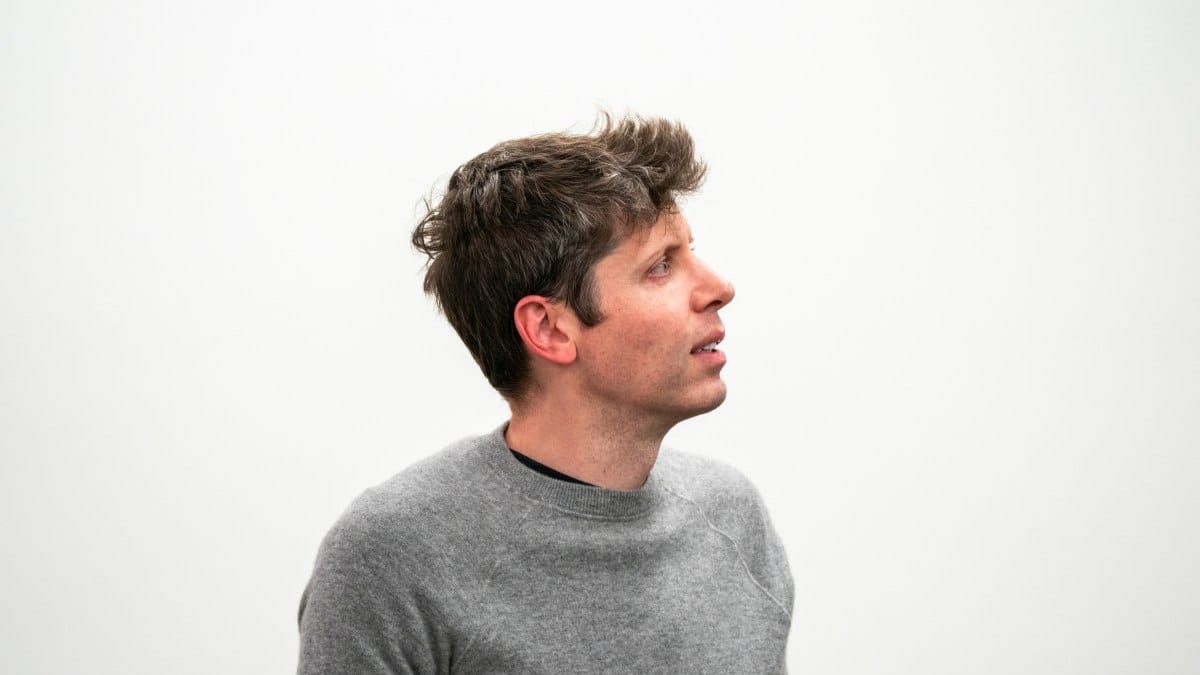
👀 What’s happening: Sam Altman just offered every startup in YC's current batch $2M in OpenAI tokens in exchange for equity. Not cash. Not cloud credits with a sunset clause. Raw inference capacity, swapped directly for ownership stakes in hundreds of companies at once. Tyler Bosmeny, a YC partner, announced it on X and compared it to Yuri Milner's legendary blanket check offer. But Milner used dollars. Altman is minting his own currency.
🌍 How this hits reality: This is the moment tokens formally crossed from "operating expense" into "capital instrument." Altman is not spending money. He is printing compute at marginal cost and exchanging it for real equity at face value. The spread is grotesque: what costs OpenAI on the GPU buys ownership in companies that may one day be worth billions. And the lock-in compounds. A startup that builds its entire agent stack on OpenAI's API during its most formative months will never migrate.
🛎️ Key takeaway: When you control the mint, giving away money costs you not much but buys you everything. And the bet is that most of the YC batch will find it impossible to refuse. That is not a partnership. That is monetary policy.
Sam Altman: Tokens Are the New Cash
🌍 How this hits reality: This is the moment tokens formally crossed from "operating expense" into "capital instrument." Altman is not spending money. He is printing compute at marginal cost and exchanging it for real equity at face value. The spread is grotesque: what costs OpenAI on the GPU buys ownership in companies that may one day be worth billions.
OpenAI: Tokens Are the New Cash
The spread is grotesque: what costs OpenAI on the GPU buys ownership in companies that may one day be worth billions. And the lock-in compounds. A startup that builds its entire agent stack on OpenAI's API during its most formative months will never migrate.
TOGETHER WITH FREEARTGEM
Free AI Art Without the Catch
You know how this usually plays out. "Free AI generator" turns into a signup wall, then a credit meter, then a watermark you can't shake off. FreeArtGen skips the whole routine. Open the page, type a prompt, get an image in 10 seconds or a video in under a minute. Download clean. Use anywhere.
Honest fine print: 5 images and 1 video per hour, per IP. No card. No account. No upsell. Just generate.
DAILY TL;DR
- Apple is positioning its delayed AI Siri around privacy rather than chatbot power, setting up WWDC as a major AI reset moment.
- Microsoft made computer-using agents generally available in Copilot Studio, letting enterprise agents operate inside ordinary apps.
- Google launched Gemini for Science, adding agentic tools for hypothesis generation, computational discovery, and research-code creation.
- Meta told staff it does not expect more company-wide layoffs this year after cutting 10% of its workforce and moving 7,000 employees into AI-related teams.
- GitHub confirmed 3,800 internal repositories were exposed through a poisoned VS Code extension, a sharp security warning for the AI-coding toolchain.
- Airbnb is adding AI travel features alongside hotels, car rentals, grocery delivery, and luggage storage as it tries to become a broader services platform.
- Google introduced Gemini Omni, a multimodal world model that starts with video generation and is built to move toward any-input, any-output creation.
READ MORE
Let the Future Come to Your Inbox
Stay ahead without drowning in information. We turn the most important signals across AI, tech, marketing, and future products into 5-minute reads you can actually finish.
- AI Secret uncovers what really matters in AI
- Bay Area Letters decodes tech and business shifts from Silicon Valley
- Robotics Herald tracks how robots move from labs into daily life
- Marketing Secret breaks down real growth and go-to-market playbooks
- The Hardwire explores hardware, consumer tech, and what’s coming next
TOGETHER WITH US
AI Secret Media Group is the world’s #1 AI & Tech Newsletter Group, reaching over 2 million leaders across the global innovation ecosystem, from OpenAI, Anthropic, Google, and Microsoft to top AI labs, VCs, and fast-growing startups.
We've helped promote over 500 Tech Brands. Will yours be the next?
Email our co-founder Mark directly at [email protected] if the button fails.

🛎️ A $30 Trillion Joke
Plus: MIT Taught AI to Predict the Unseen, CUDA "Died" Again
🛎️ The End of DeepMind Era
Plus: Texas Froze the AI Buildout, Space Beats the Power Grid
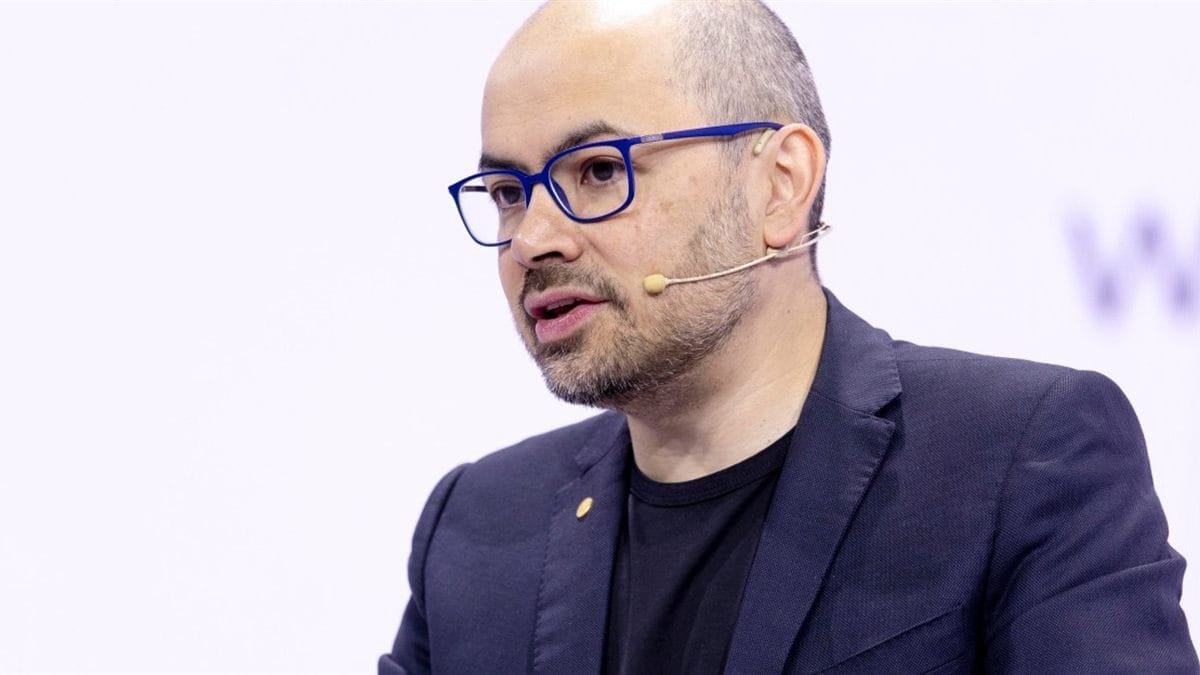
🛎️ Nvidia's New Landlord
Plus: Anyone Can Build a World Now, The Court Says Your AI Is Just You
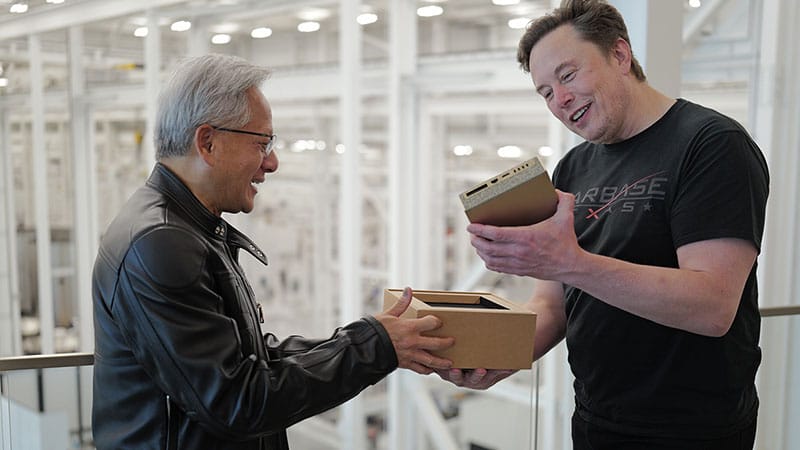
🛎️ Musk Sells To Musk
Plus: Agents Never Clock Out, SoftBank Joins The GPU Sale
🛎️ Cursor Crowned and Toppled Fast
Plus: Seattle Let an AI Triage 911 Illegally, DOJ Shields xAI’s Smokestacks
🛎️ A Second Starlink
Plus: Apple Finally Have AI, The Bottleneck Wasn't the Brain
🛎️ Bots Now Outnumber Humans
Plus: OpenAI Wants Washington In, New York Paused the Data Centers
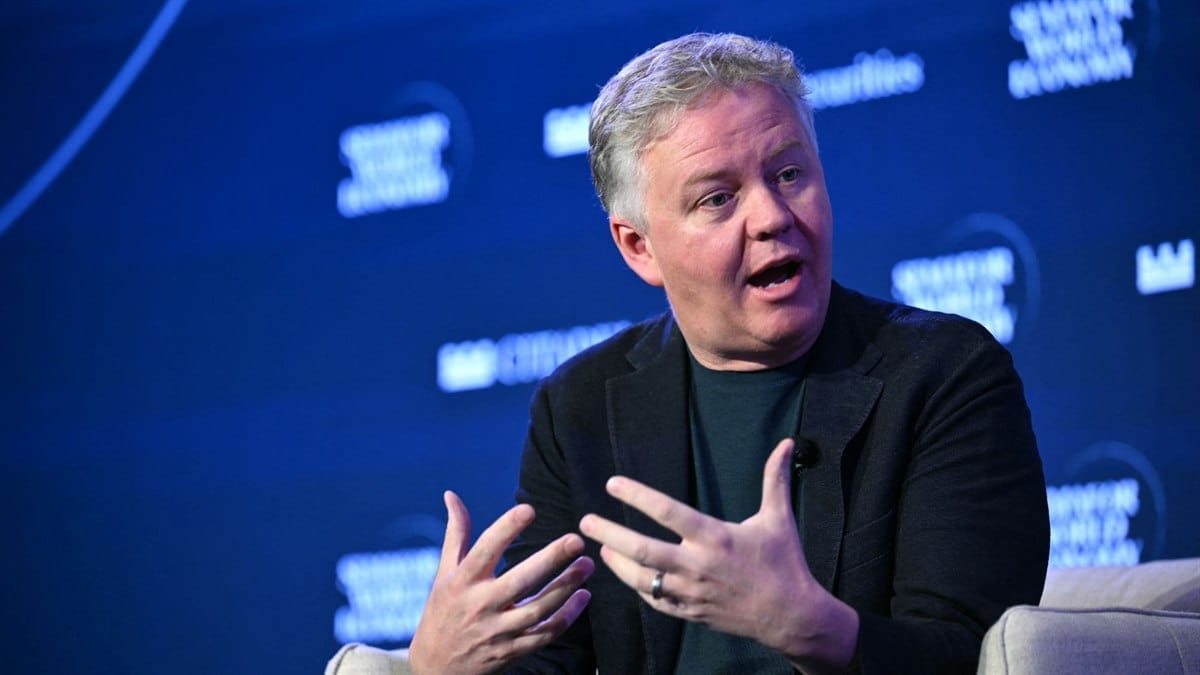
🛎️ You Can't Escape
Plus: The Blockade Backfired, Robotaxi Can’t “Cross” Water, Starship Did Half Its Job
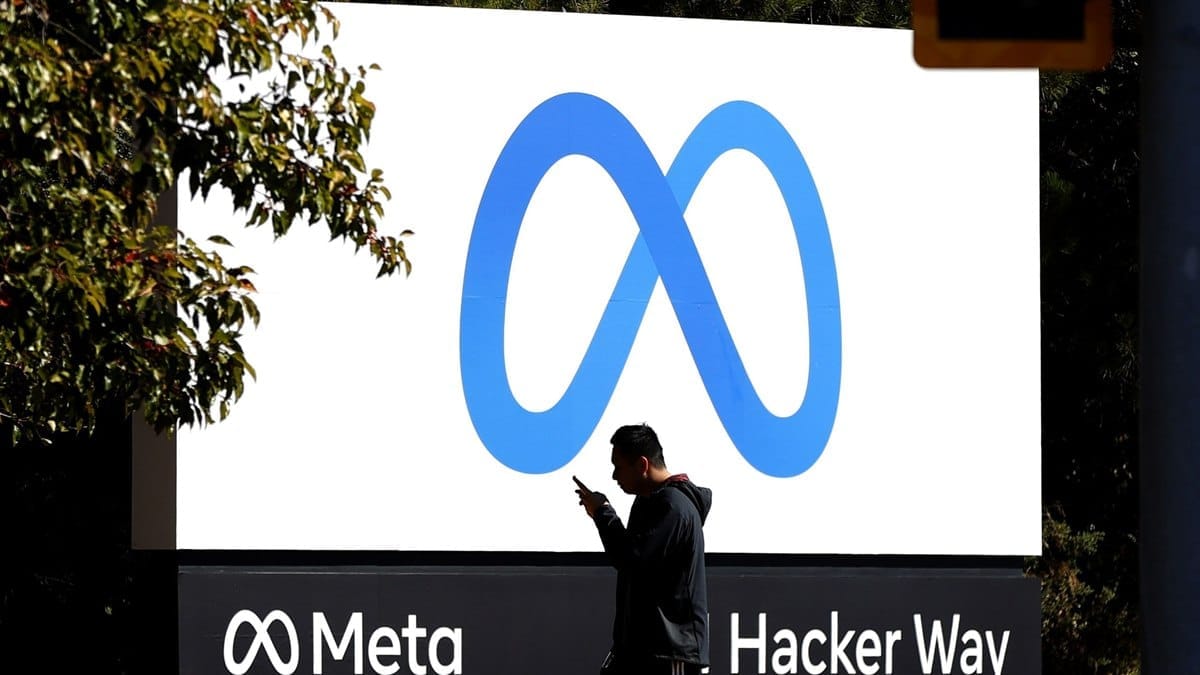
🛎️ SpaceX Files the Largest IPO
Plus: Wall Street Wants a Bigger Monster, OpenAI & Google Cooperate