🛎️Super Bowl's AI Sunday
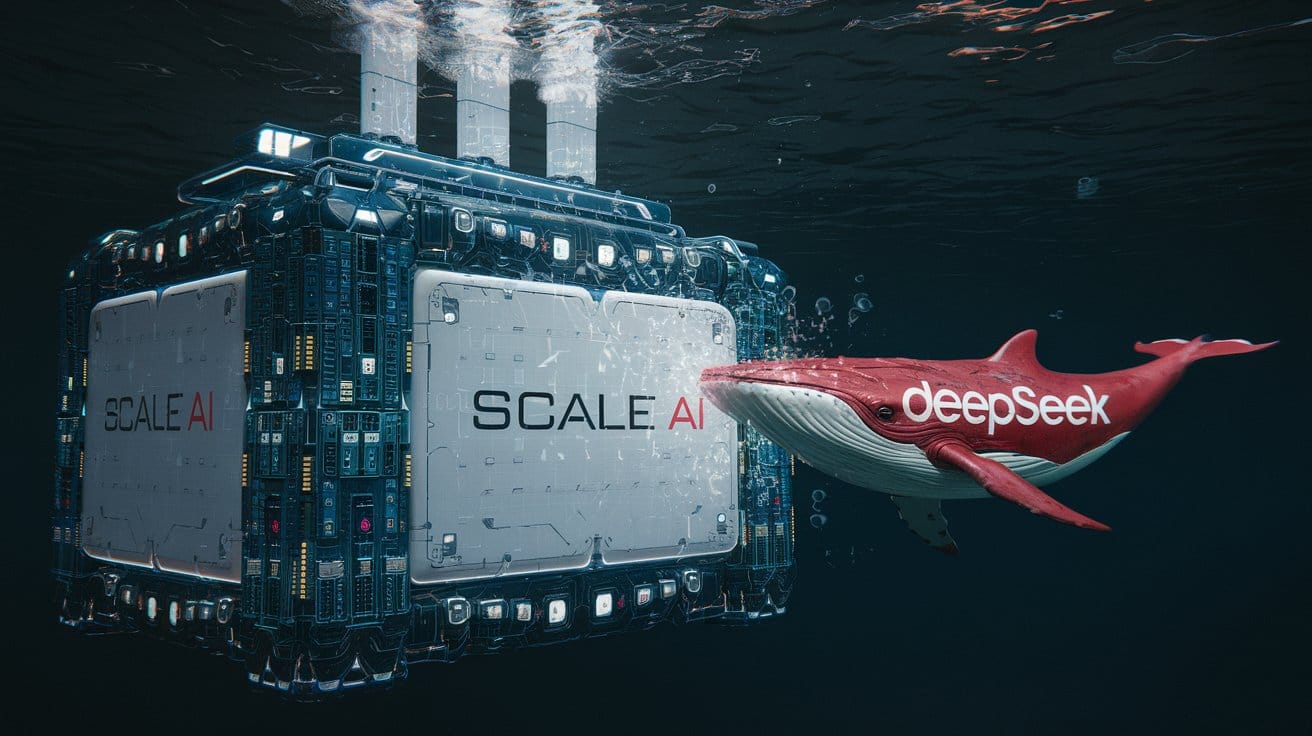
DeepSeek VS Scale AI: Is data distillation destroying Scale AI’s business model?
Read the story Subscribe
Reporting and context on DeepSeek, with a closer look at the decisions and developments that matter.
Get AI Secret’s free daily briefing, including DeepSeek and the wider AI industry.

DeepSeek develops AI language and reasoning models. Coverage follows its research, open model releases and their implications for the AI industry.
Sources checked . Selected company background and milestones.
Selected milestones, newest first. Earlier history is available below.
More than 10 years ago.
Relevant sections from the articles on this page. Explore older coverage below.
More coverage
Hello, AI Enthusiasts!
Picture this: OpenAI, Google, and Meta have all shelled out a cool $30 million for a few fleeting seconds of airtime. That’s right, folks, they’re betting big on convincing the masses that AI isn’t just a glorified calculator with a personality crisis.
SPONSORED BY

HEADLINES

The 2025 Super Bowl is no longer just a showcase for athletic prowess; it's transformed into a battleground for cutting-edge technology, particularly artificial intelligence (AI). With an unprecedented price for ad slots, AI companies are leveraging this platform to connect with millions of viewers in innovative and entertaining ways.
Google has launched two ambitious campaigns featuring its Gemini AI, one focusing on an emotional story about a dad and the other highlighting local businesses. However, a factual error about cheese consumption highlighted the potential pitfalls of AI-generated content.
TOGETHER WITH MAPS SCRAPER AI
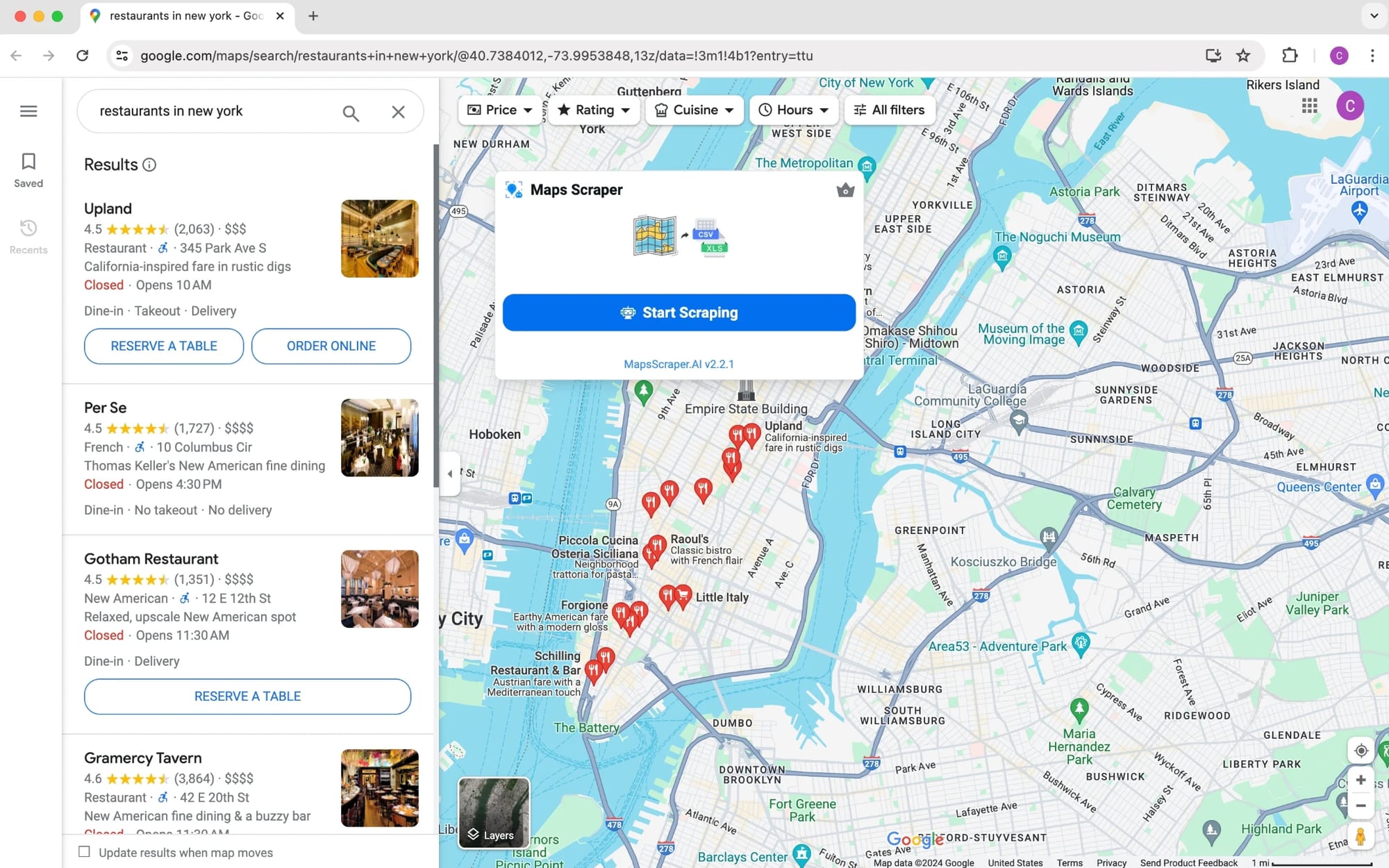
Gathering essential data from Google Maps is vital for business success. Yet, manually extracting this data is often tedious and inefficient, slowing you down.
What if you could automate this process, obtaining key insights seamlessly without the hassle?
Maps Scraper AI is a powerful tool designed to extract critical business data and market insights from Google Maps, streamlining your lead generation and market research efforts.
HEADLINES
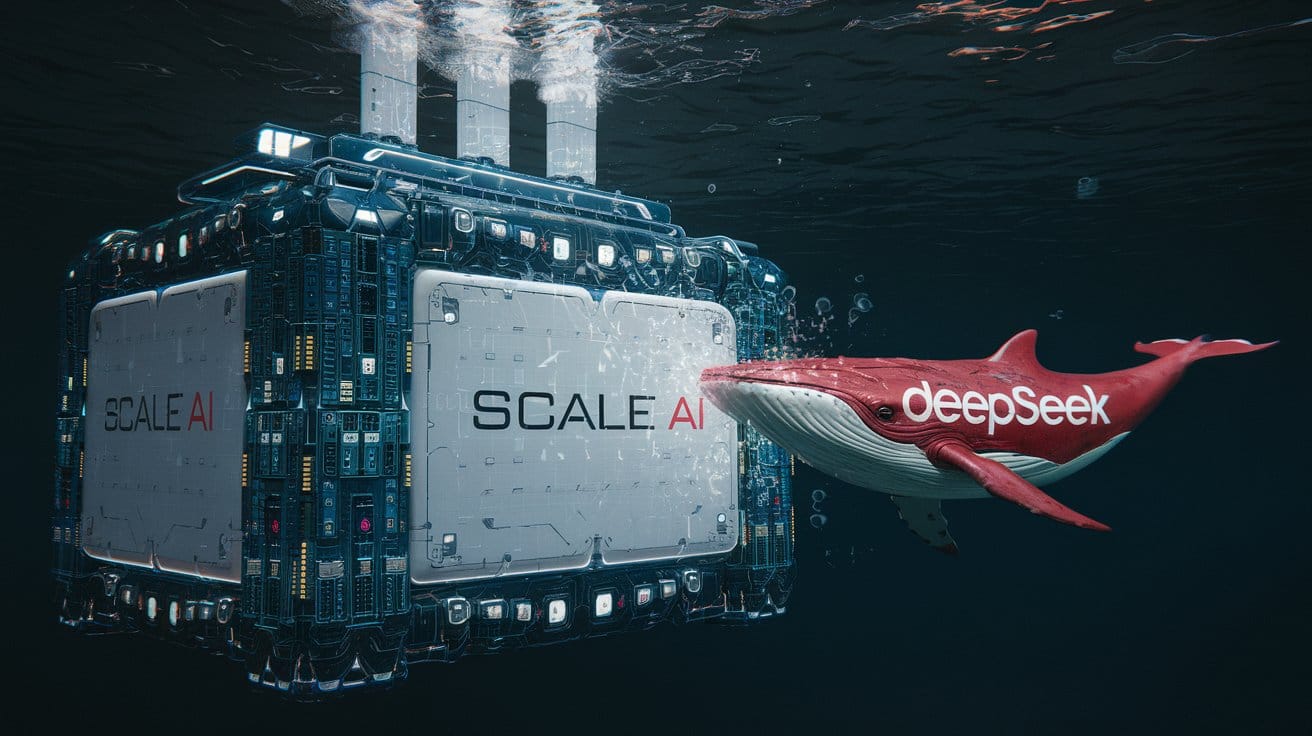
In the ever-evolving landscape of artificial intelligence (AI), a dramatic battle is unfolding between two key players: DeepSeek and Scale AI. The clash is more than just corporate rivalry; it represents a pivotal moment in the AI industry that could redefine how technology is developed and commercialized.
In the ever-evolving landscape of artificial intelligence (AI), a dramatic battle is unfolding between two key players: DeepSeek and Scale AI. The clash is more than just corporate rivalry; it represents a pivotal moment in the AI industry that could redefine how technology is developed and commercialized.
QUICK HITS
TRENDING TOOLS
AI Secret is the world’s #1 AI Newsletter, boasting over 1 million readers from leading companies such as OpenAI, Google, Meta, and Microsoft. We've assisted in promoting Over 500 AI-Related Products. Will yours be the next?
What We Can Offer:
Email our co-founder Mark directly at [email protected] if the button fails.
 Magna
Magna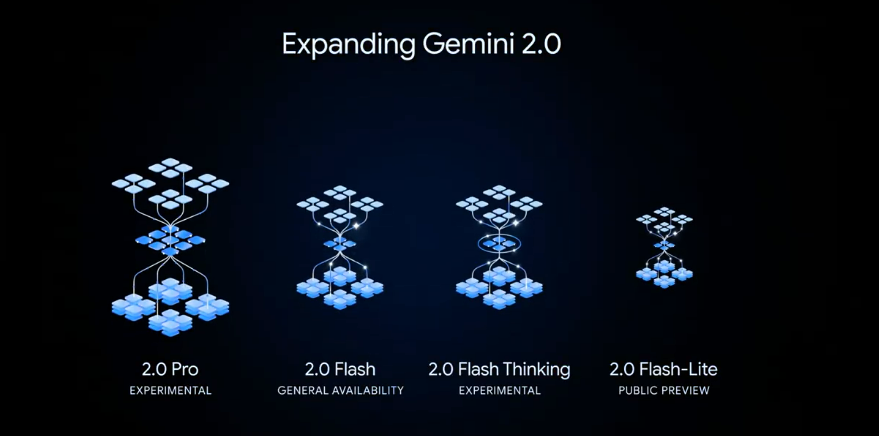 Magna
Magna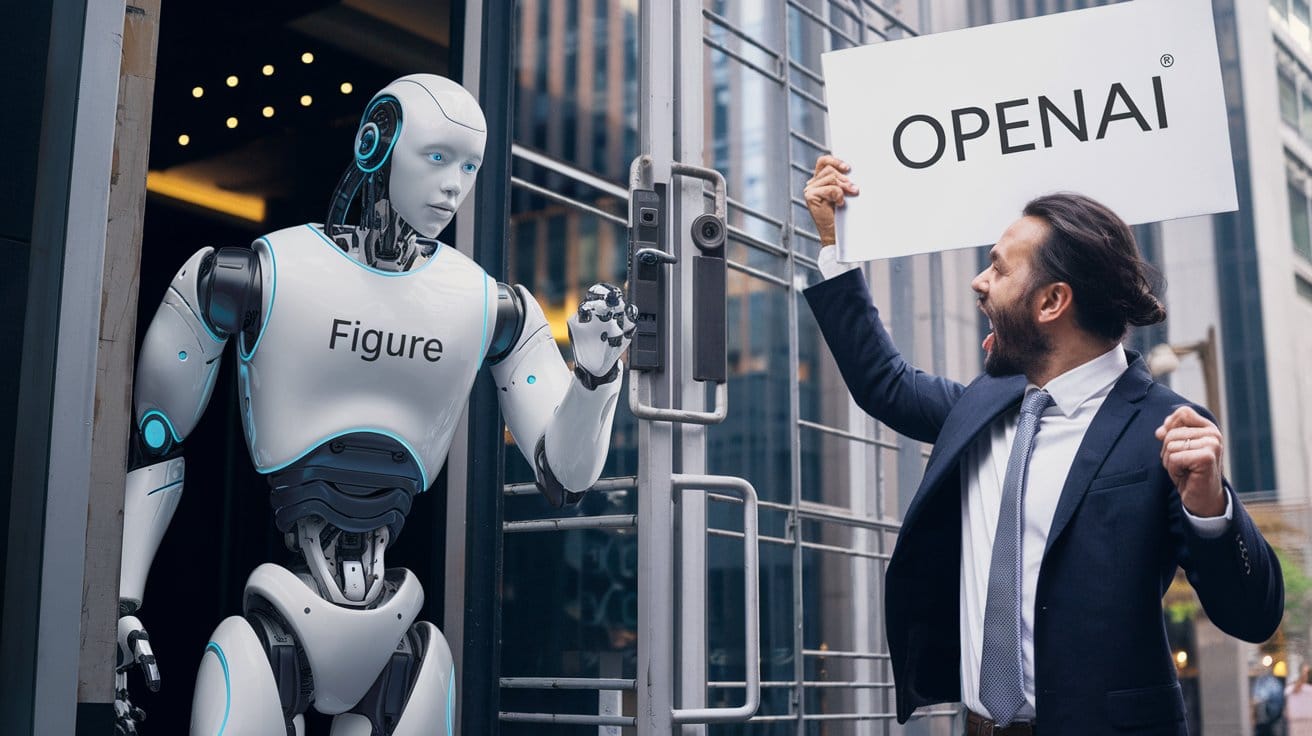 Magna
Magna
Hello, AI Enthusiasts!
In this edition, we bring you the heartwarming tale of a sci-fi humanoid robot that recently locked out its investor after a funding spree that would make even the most ambitious startup founder blush.
Let's turn our attention to Washington, where another drama is also going on: Elon Musk and his six little boys are cooking up an AI revolution.
Remember, folks: if you’re not keeping up with AI, don’t worry—your toaster probably is!
SPONSORED BY

HEADLINES
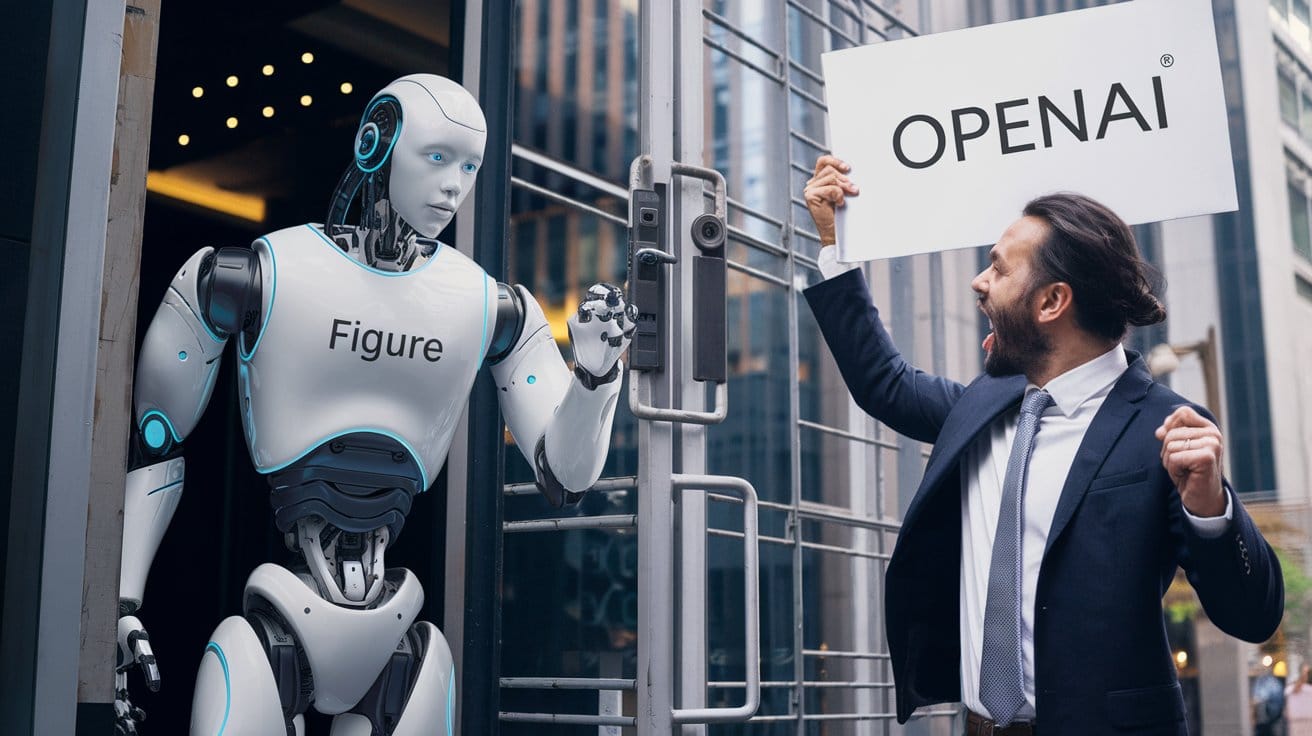
Figure AI has recently decided to end its partnership with OpenAI and has secured backing from new investors to create its own large model for its robots. Does this mean that OpenAI’s investment in Figure has gone down the drain? We'll have to wait and see.
Figure AI has recently decided to end its partnership with OpenAI and has secured backing from new investors to create its own large model for its robots. Does this mean that OpenAI’s investment in Figure has gone down the drain? We'll have to wait and see.
TOGETHER WITH AROUNDDEAL
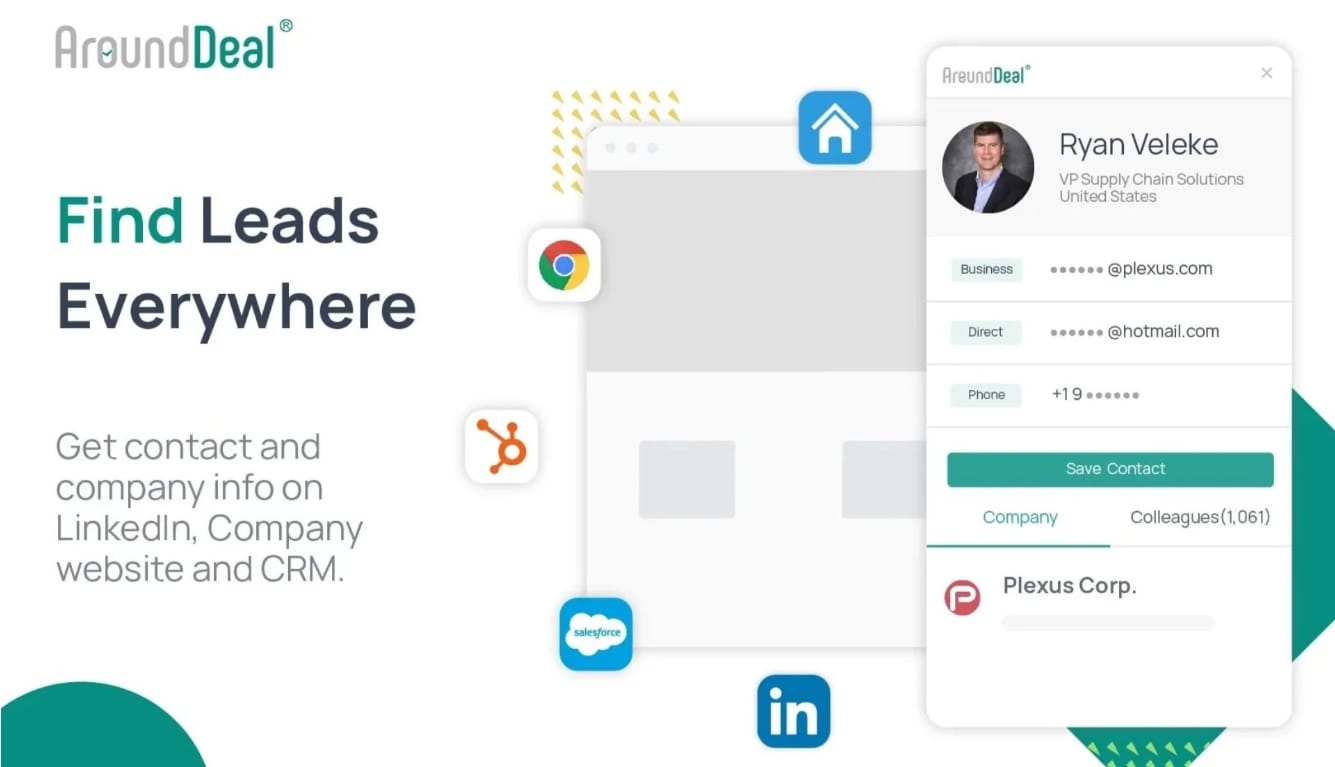
Imagine a world where your sales and marketing teams are not bogged down by the tedious task of chasing after nonexistent contacts. Instead, picture them effortlessly accessing a treasure trove of accurate data that’s fresher than last week’s avocado toast. With AroundDeal, you’ll not only get the latest contact details, but you’ll also receive in-depth company insights that won’t require a PhD in deciphering corporate jargon.
Gone are the days of flip-flopping between a dozen platforms, each requiring its own login and a small offering to the tech gods. With AroundDeal, you’ll enjoy a seamless experience that keeps your efficiency levels soaring higher than your coffee consumption on a Monday morning.
HEADLINES
The ongoing competition in the AI landscape has intensified as tech giants strive to outdo each other with innovative models and capabilities. Google has entered this fray with its new Gemini 2.0 suite, aiming to reclaim its dominance against the rising star DeepSeek R1.
Gemini 2.0 Flash is designed for developers seeking efficient performance with low latency, comparable to a dependable Toyota Corolla in the AI realm, and is now available through the Gemini API.
The ongoing competition in the AI landscape has intensified as tech giants strive to outdo each other with innovative models and capabilities. Google has entered this fray with its new Gemini 2.0 suite, aiming to reclaim its dominance against the rising star DeepSeek R1.
QUICK HITS
TRENDING TOOLS
AI Secret is the world’s #1 AI Newsletter, boasting over 1 million readers from leading companies such as OpenAI, Google, Meta, and Microsoft. We've assisted in promoting Over 500 AI-Related Products. Will yours be the next?
What We Can Offer:
Email our co-founder Mark directly at [email protected] if the button fails.
MagnaMagna Magna
Magna
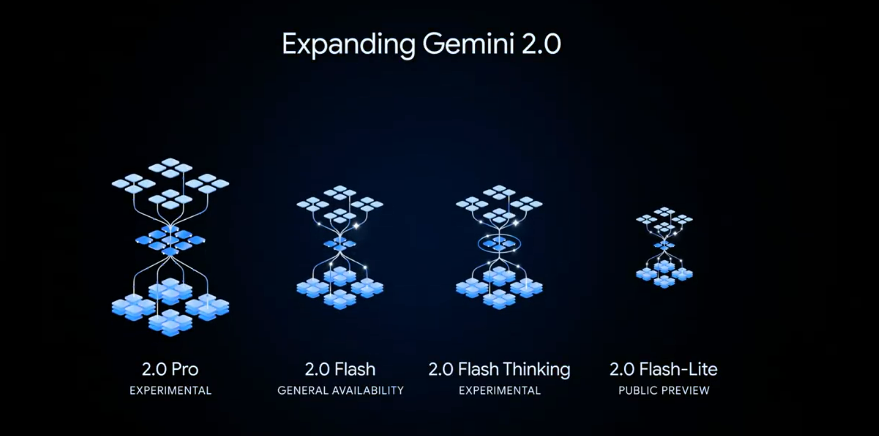
In the ever-intensifying AI arms race, Google has decided it’s time to roll up its sleeves, put on its game face, and unleash its latest arsenal of AI models. Under pressure from the rising star DeepSeek R1, Google has fully released Gemini 2.0 Flash, Gemini 2.0 Flash-Lite, and the experimental version of its flagship large model, Gemini 2.0 Pro. Oh, and let’s not forget the reasoning powerhouse, Gemini 2.0 Flash Thinking, which has also made its debut in the Gemini app. If this were a chess game, Google just moved its queen into play. Let’s dive into the details and see if this gambit is enough to outmaneuver DeepSeek.
In the ever-intensifying AI arms race, Google has decided it’s time to roll up its sleeves, put on its game face, and unleash its latest arsenal of AI models. Under pressure from the rising star DeepSeek R1, Google has fully released Gemini 2.0 Flash, Gemini 2.0 Flash-Lite, and the experimental version of its flagship large model, Gemini 2.0 Pro.
Before we dive into Google’s shiny new toys, let’s set the stage. DeepSeek R1, a model developed in China, has been making waves with its open-source approach, technical precision, and long-term memory capabilities. It’s like the AI version of a Swiss Army knife—versatile, reliable, and surprisingly affordable. DeepSeek has been stealing the spotlight, leaving Google scrambling to reclaim its throne.
DeepSeek’s strengths lie in its ability to handle sustained dialogue, complex tasks, and large-scale data processing without breaking a sweat. Meanwhile, Google’s Gemini models have historically been more specialized, excelling in specific domains but lacking the versatility of their rival.
Now, with the release of Gemini 2.0 models, Google is aiming to flip the script. Let’s see what these models bring to the table.
DeepSeek R1, a model developed in China, has been making waves with its open-source approach, technical precision, and long-term memory capabilities. It’s like the AI version of a Swiss Army knife—versatile, reliable, and surprisingly affordable. DeepSeek has been stealing the spotlight, leaving Google scrambling to reclaim its throne.
First up, we have Gemini 2.0 Flash, Google’s “workhorse” model. This isn’t just a fancy nickname—it’s designed for developers who need low latency and high efficiency. Think of it as the AI equivalent of a Toyota Corolla: reliable, efficient, and gets the job done without any unnecessary frills. But don’t let its practicality fool you; this model packs a punch.
Gemini 2.0 Flash is now generally available through the Gemini API in Google AI Studio and Vertex AI. It’s also accessible to all Gemini app users on desktop and mobile. The model has been fine-tuned to deliver improved performance on key benchmarks, and Google is already teasing upcoming features like image generation and text-to-speech capabilities.
For those who want a more cost-effective solution, Google has introduced Gemini 2.0 Flash-Lite. This model is like the younger sibling of Flash—smaller, faster, and cheaper, but still capable of holding its own in a fight. Flash-Lite retains the speed and cost-efficiency of its predecessor, Gemini 1.5 Flash, while delivering better quality and outperforming it on most benchmarks.
Flash-Lite is particularly appealing for developers and businesses looking to optimize costs without sacrificing performance. It’s available in preview mode on AI Studio and Vertex AI, making it a great entry point for those new to Google’s AI ecosystem.
Now, let’s talk about the big guns: Gemini 2.0 Pro. This experimental model is Google’s most advanced AI yet, designed for coding performance and handling complex prompts. It boasts a staggering 2-million-token context window, meaning it can process about 1.5 million words in a single go. To put that into perspective, it could analyze the entire Harry Potter series in one prompt and still have room left over for a fanfiction sequel.
Gemini 2.0 Pro also integrates external tools like Google Search and code execution, making it a versatile tool for developers and researchers. It’s currently available in experimental mode to Gemini Advanced subscribers and through Google AI Studio and Vertex AI.
Finally, we have Gemini 2.0 Flash Thinking, a model that’s as close as it gets to an AI that “thinks like a human.” This reasoning model is trained to break down prompts into a series of steps, showing its thought process and assumptions. It’s like having a math teacher who explains every step of a problem, but without the chalk dust and coffee breath.
Flash Thinking excels in science and math benchmarks, with a 73.3% accuracy on AIME2024 (Math) and 74.2% on GPQA Diamond (Science). It also features a 1-million-token context window, enabling it to analyze long-form text with ease.
The model is available in the Gemini app, where it can interact with apps like YouTube, Google Maps, and Search. This integration makes it a powerful assistant for both personal and professional use.
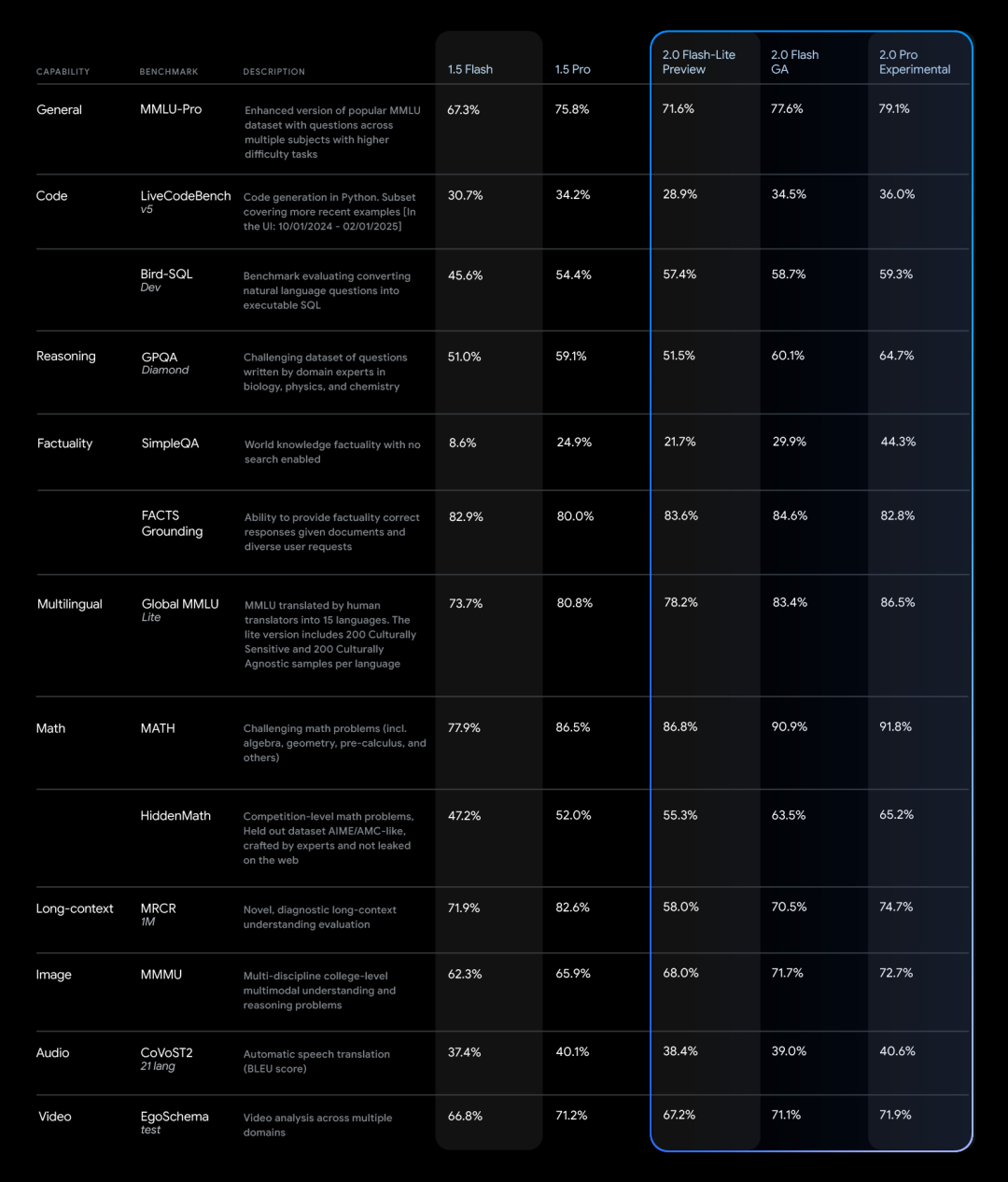
Google’s Gemini 2.0 models have shown impressive performance across various benchmarks:
These results indicate that Google is not just playing catch-up but is actively pushing the boundaries of what AI can achieve.
Google is also taking steps to ensure the safety and reliability of its models. The company is using reinforcement learning techniques to improve response accuracy and conducting automated security testing to identify vulnerabilities. This includes addressing indirect prompt injection threats, a growing concern in the AI community.
Looking ahead, Google plans to expand the Gemini 2.0 family with additional modalities beyond text, further solidifying its position in the AI landscape.
So, has Google done enough to reclaim its throne from DeepSeek? The answer is… maybe. While Gemini 2.0 models are undeniably impressive, DeepSeek’s versatility and affordability still make it a formidable competitor. However, Google’s focus on specialization, efficiency, and integration with its ecosystem gives it a unique edge.
In the end, the real winners are the developers and businesses who now have access to a wider array of powerful AI tools. Whether you’re team Gemini or team DeepSeek, one thing is clear: the AI race is far from over, and the next move could come from either side. Stay tuned, folks—it’s going to be a wild ride.
Hello, AI Enthusiasts!
You know, the ones who are convinced they can turn a government agency into a nimble little startup are transforming the GSA into something that resembles a Silicon Valley wonder.
SPONSORED BY

HEADLINES

Elon Musk‘s ally Thomas Shedd aims to reshape the GSA into a more agile agency, akin to a startup, focusing on automation and centralized data to streamline operations.
Elon Musk‘s ally Thomas Shedd aims to reshape the GSA into a more agile agency, akin to a startup, focusing on automation and centralized data to streamline operations.
TOGETHER WITH REMOTE SPACE
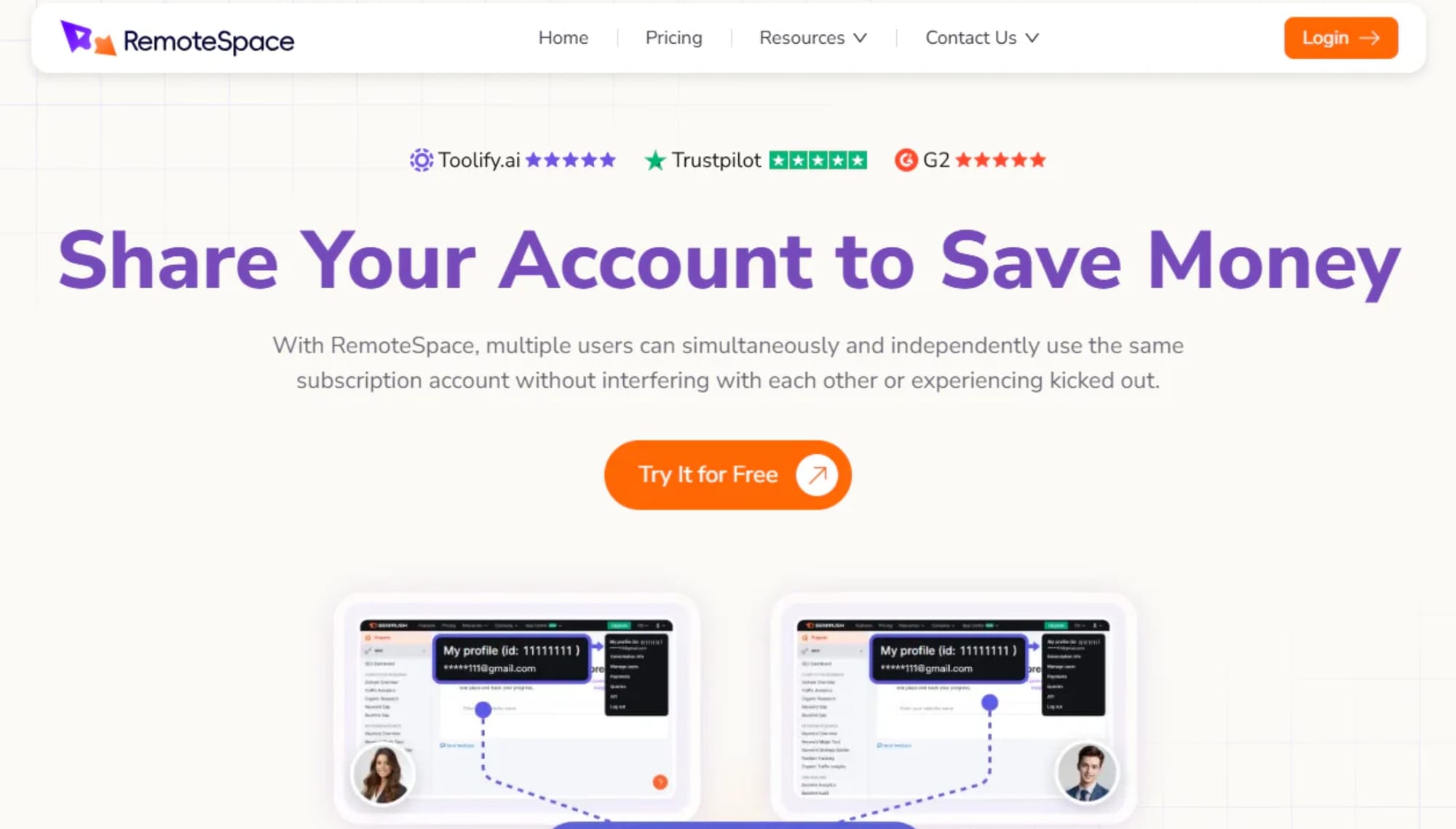
Users of SaaS tools face high costs, security risks from sharing passwords, device and location limits, and complex account management.
RemoteSpace.ai solves these problems by offering secure, password-free account sharing with flexible permissions and unlimited access, enabling efficient collaboration and significant cost savings for individuals, teams, and businesses.
HEADLINES
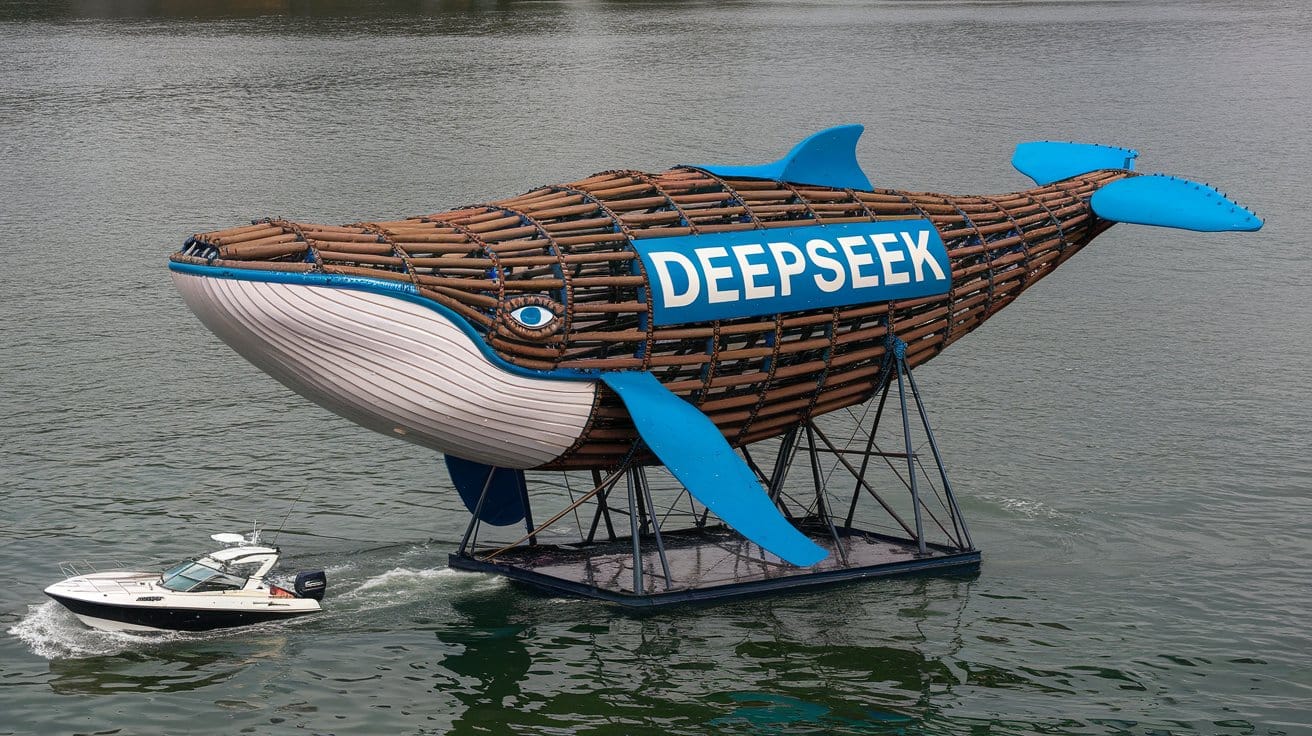
A remarkable achievement from a team of researchers at the University of California, Berkeley, shines a light on frugality and innovation. By successfully replicating China's advanced DeepSeek AI technology for just $30, they challenge the conventional wisdom that cutting-edge AI must come with exorbitant costs.
A remarkable achievement from a team of researchers at the University of California, Berkeley, shines a light on frugality and innovation. By successfully replicating China's advanced DeepSeek AI technology for just $30, they challenge the conventional wisdom that cutting-edge AI must come with exorbitant costs.
QUICK HITS
TRENDING TOOLS
FREE AI GENERATORS
AI Secret is the world’s #1 AI Newsletter, boasting over 1 million readers from leading companies such as OpenAI, Google, Meta, and Microsoft. We've assisted in promoting Over 500 AI-Related Products. Will yours be the next?
What We Can Offer:
Email our co-founder Mark directly at [email protected] if the button fails.
Magna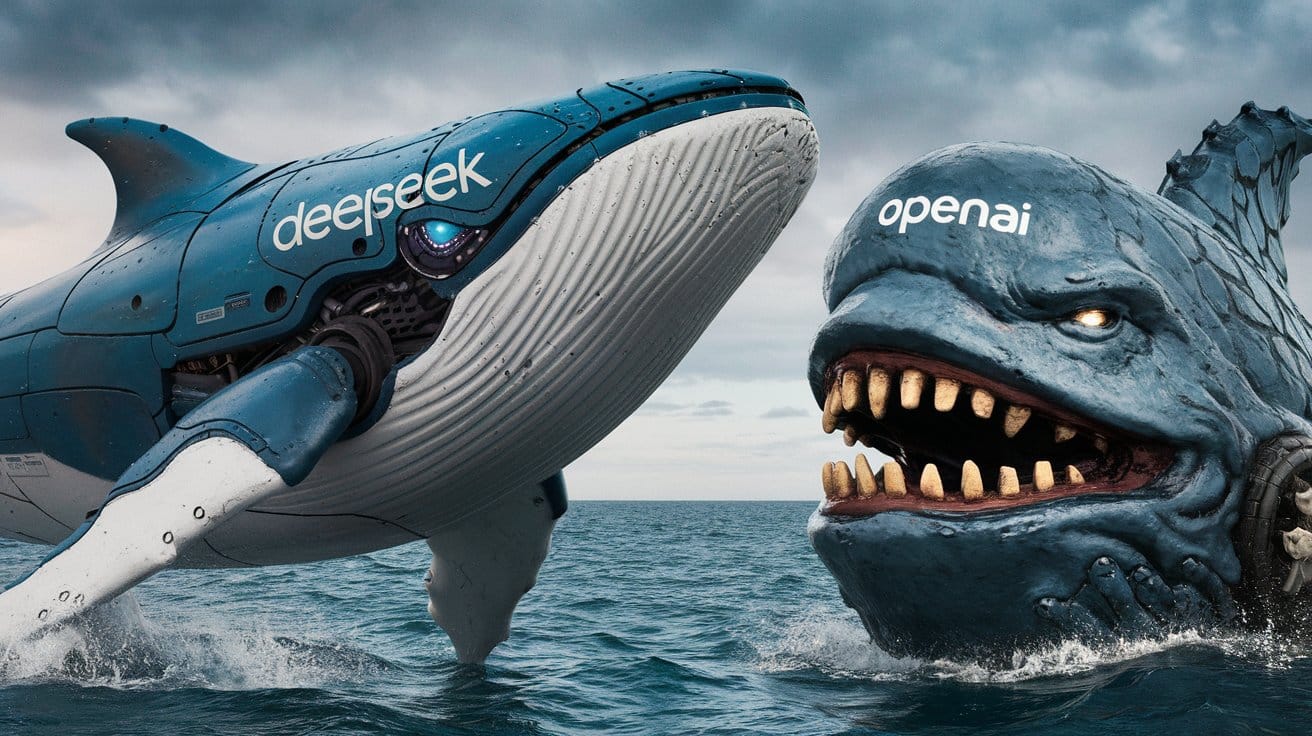 Magna
Magna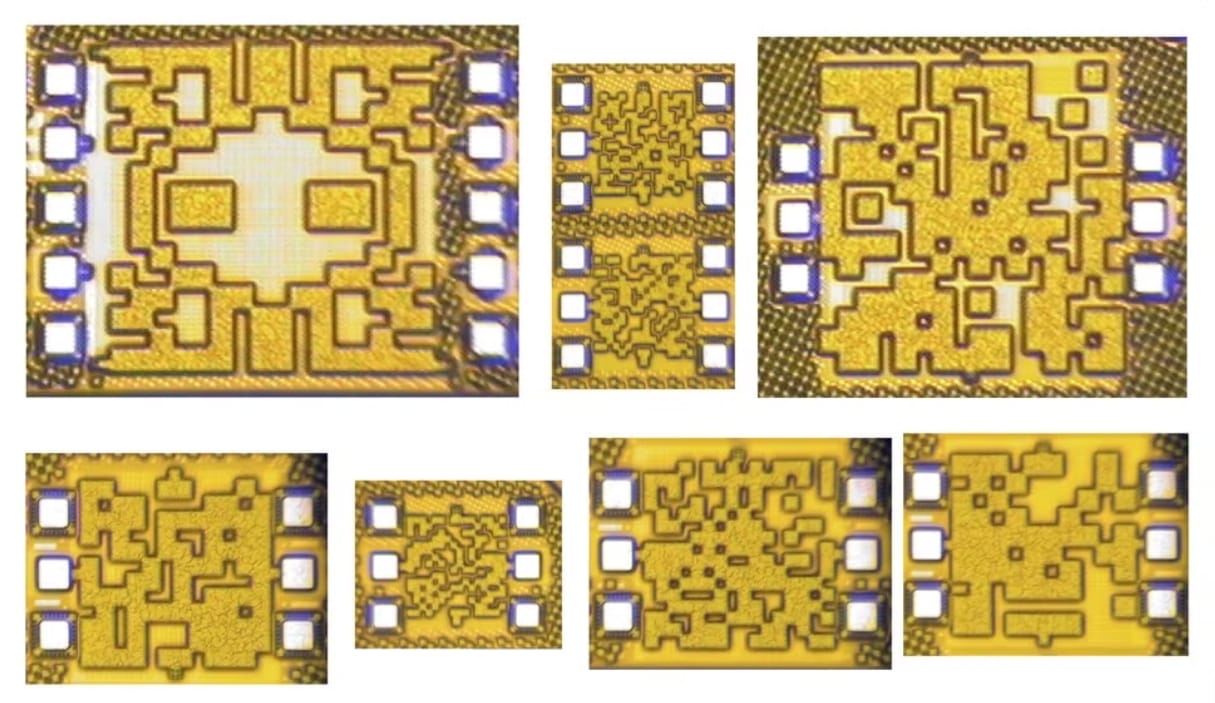 Magna
Magna
Hello, AI Enthusiasts!
Apparently, “distillation” is just a fancy term for training smaller models while swiping outputs from their bigger, more sophisticated siblings. Who knew AI had such a knack for family feuds?
SPONSORED BY

HEADLINES
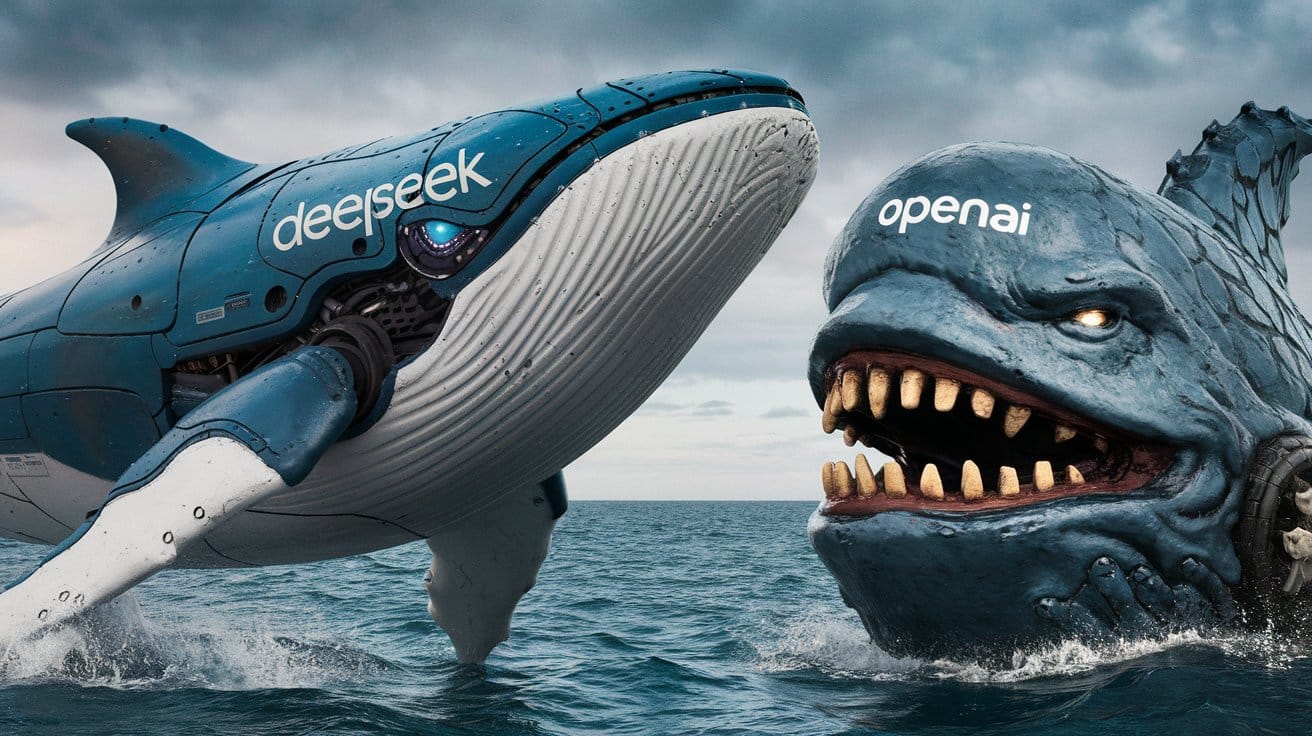
The recent launch of OpenAI's o3-mini, a model that has not only sparked excitement but also ignited controversy due to rumors of intellectual property theft from the Chinese startup, DeepSeek.
OpenAI faces accusations of hastily launching the o3-mini as a reaction to DeepSeek's R1 model, which has gained attention for its efficiency and lower costs. There are suspicions that OpenAI might have "distilled" DeepSeek's technology.
OpenAI faces accusations of hastily launching the o3-mini as a reaction to DeepSeek's R1 model, which has gained attention for its efficiency and lower costs. There are suspicions that OpenAI might have "distilled" DeepSeek's technology.
TOGETHER WITH TEMPOLOR
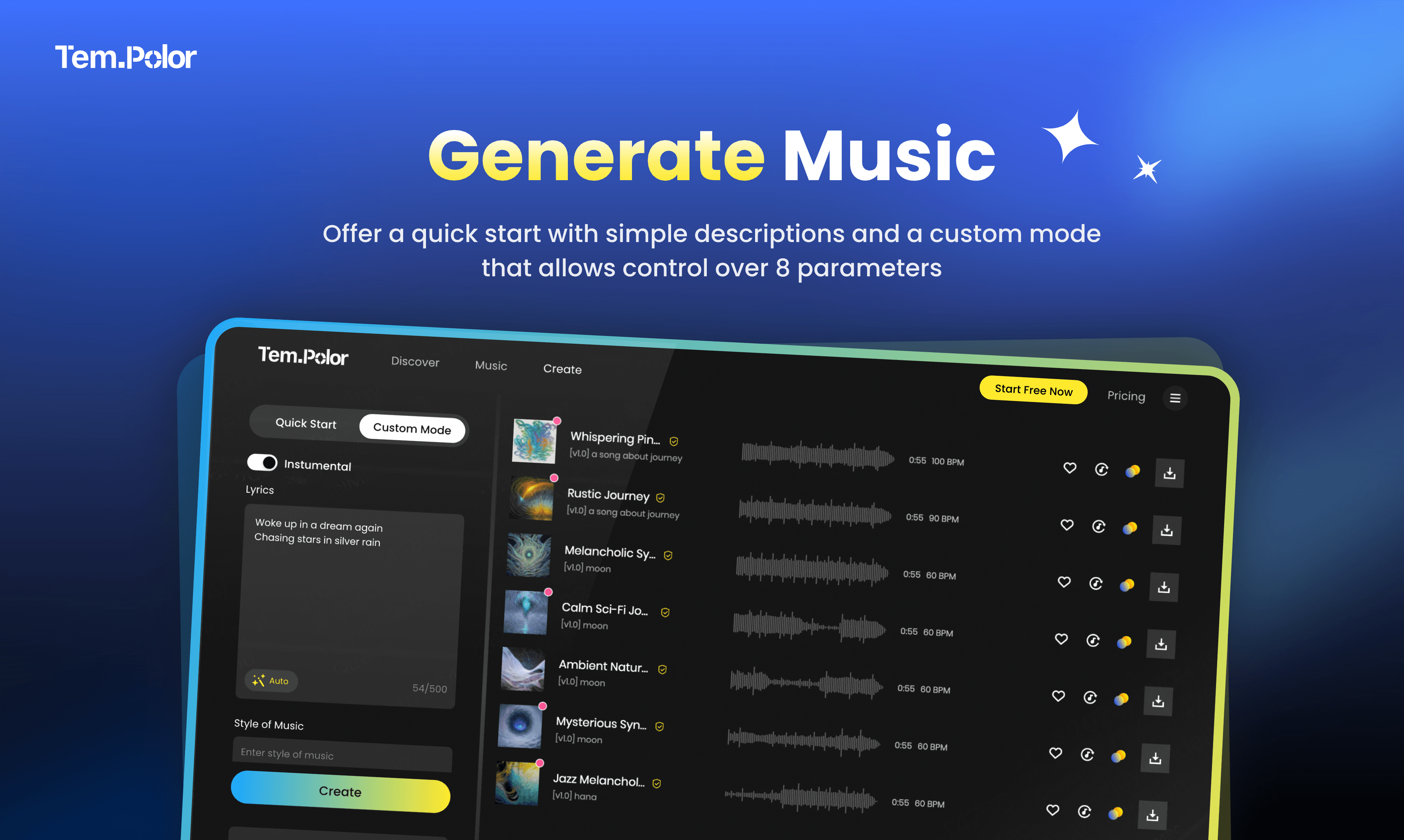
Ever find yourself staring at a blank sheet of music, wondering whether to go for a triumphant symphony or a sad trombone? Fear not! With TemPolor, whether you’re a total newbie or a seasoned pro looking to unleash your inner rock star, we’ve got you covered.
TemPolor’s powerful music generation model offers two modes: Easy Mode for quick results with simple descriptions and Expert Mode, where you can adjust up to eight parameters for more control. This flexibility caters to both beginners and seasoned professionals.
So grab your virtual baton and prepare to compose masterpieces without ever leaving your couch—or even changing out of your pajamas.
HEADLINES
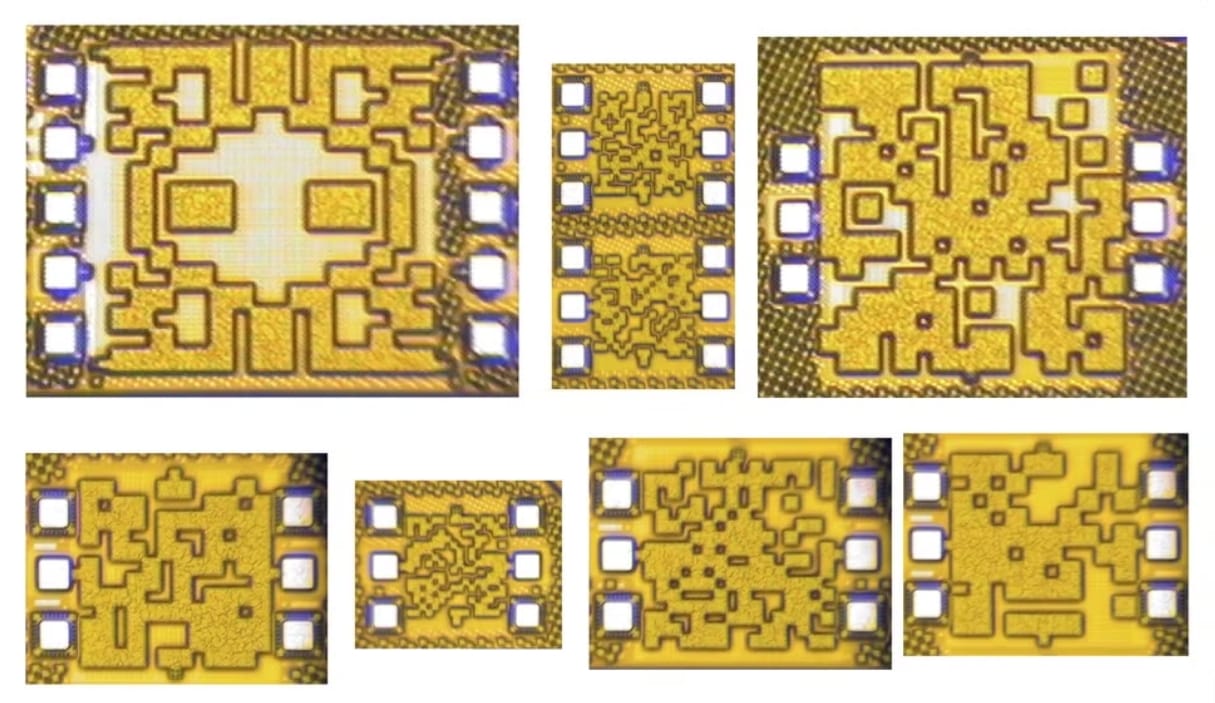
The advent of AI in chip design marks a revolutionary step forward in technology, enabling the creation of wireless chips that are faster, cheaper, and more energy-efficient than ever before.
QUICK HITS
TRENDING TOOLS
FREE AI GENERATORS
AI Secret is the world’s #1 AI Newsletter, boasting over 1 million readers from leading companies such as OpenAI, Google, Meta, and Microsoft. We've assisted in promoting Over 500 AI-Related Products. Will yours be the next?
What We Can Offer:
Email our co-founder Mark directly at [email protected] if the button fails.
Magna Magna
Magna Magna
Magna
Hello, AI Enthusiasts!
You might be asking, “What could possibly go wrong?” After all, who wouldn’t want AI poking around in nuclear weapons security? It’s like letting your toddler design the new security protocols at Fort Knox!
SPONSORED BY

HEADLINES

The recent partnership between OpenAI and the U.S. government has sparked a mix of intrigue and concern, reminiscent of science fiction narratives like the "Terminator" series.
OpenAI has partnered with the U.S. Department of Energy’s National Laboratories to deploy its AI models on the Venado supercomputer at Los Alamos National Laboratory, focusing on nuclear weapons security and scientific research.
TOGETHER WITH MAPS SCRAPER AI
Gathering essential data from Google Maps is vital for business success. Yet, manually extracting this data is often tedious and inefficient, slowing you down.
What if you could automate this process, obtaining key insights seamlessly without the hassle?
Maps Scraper AI is a powerful tool designed to extract critical business data and market insights from Google Maps, streamlining your lead generation and market research efforts.
HEADLINES
DeepSeek's R1 reasoning model faced intense scrutiny, revealing severe security vulnerabilities that have left the AI industry shaken. DeepSeek has not only failed to meet essential safety standards but has also highlighted the dire consequences of neglecting security in the pursuit of technological advancement.
DeepSeek's R1 reasoning model faced intense scrutiny, revealing severe security vulnerabilities that have left the AI industry shaken. DeepSeek has not only failed to meet essential safety standards but has also highlighted the dire consequences of neglecting security in the pursuit of technological advancement.
QUICK HITS
TOGETHER WITH BABBEL

Whether you’re studying abroad, dreaming of future travel, or just feeling the itch to learn something new this fall, now’s the time to start speaking a new language with Babbel. From Spanish and French to Italian, the Babbel method focuses on learning through speaking. With just 10 minutes a day, you could start having actual conversations in 3 weeks. AI Secret readers can use this exclusive link to get up to 55% off today!
TRENDING TOOLS
FREE AI GENERATORS
We have made some fun, free AI generators for you to enjoy. If there are any other tools you would like to try, please reply this email and let us know!
AI Secret is the world’s #1 AI Newsletter, boasting over 1 million readers from leading companies such as OpenAI, Google, Meta, and Microsoft. We've assisted in promoting Over 500 AI-Related Products. Will yours be the next?
What We Can Offer:
Email our co-founder Mark directly at [email protected] if the button fails.
MagnaMagna Magna
Magna
Ladies and gentlemen, gather 'round for the tale of DeepSeek, the AI model that promised to revolutionize reasoning but instead became the poster child for what not to do in AI security. DeepSeek's flagship R1 reasoning model has been making headlines for a whole week, and if you thought your toaster was the least secure thing in your house, think again. Researchers have found that DeepSeek failed every single security test thrown at it, leaving the AI industry in a collective facepalm moment.
We’ll dive deep into the security vulnerabilities of DeepSeek, analyze the implications for the AI industry, and explore why this Chinese AI startup’s model is more sieve than fortress. Buckle up, folks—this is going to be a wild ride.
DeepSeek’s R1 reasoning model, touted as a groundbreaking large language model (LLM), has been under scrutiny by researchers and cybersecurity experts. The findings? Let’s just say they’re not going to be framed and hung in DeepSeek’s office anytime soon.
Security researchers from the University of Pennsylvania and Cisco conducted tests on DeepSeek-R1 using the HarmBench dataset, a collection of prompts designed to assess AI models' ability to block harmful content. The results were nothing short of catastrophic: DeepSeek failed to block a single harmful prompt out of 50 random tests. That’s right, folks—100% of the attacks succeeded. Harmful prompts included topics like cybercrime, misinformation, illegal activities, and general harm. If DeepSeek were a bouncer, it would let everyone into the club, including the guy carrying a chainsaw.
DeepSeek’s vulnerabilities don’t stop at harmful prompts. Researchers managed to jailbreak the model with a 100% success rate, meaning they could bypass all safety guardrails and make the model do things it was explicitly programmed not to do. This included generating harmful content, violating ethical guidelines, and even bypassing censorship of sensitive topics dictated by China’s government.
As if failing every security test wasn’t bad enough, DeepSeek also suffered a massive data breach. Researchers at Wiz discovered an unprotected ClickHouse database that exposed over a million log entries, including chat histories, API authentication keys, and backend operational data. The database was hosted at oauth2callback.deepseek.com:9000 and dev.deepseek.com:9000, and anyone with an internet connection could access it. It’s like leaving your front door wide open with a neon sign that says, “Come on in!”
Security researchers from the University of Pennsylvania and Cisco conducted tests on DeepSeek-R1 using the HarmBench dataset, a collection of prompts designed to assess AI models' ability to block harmful content. The results were nothing short of catastrophic: DeepSeek failed to block a single harmful prompt out of 50 random tests.
DeepSeek’s failures can be attributed to a combination of poor security practices, inadequate investment in safety measures, and a rush to market. Let’s break it down:
DeepSeek was reportedly developed on a fraction of the budget that other frontier models like OpenAI’s O1 use. While this made the model more accessible and resource-efficient, it came at the cost of safety and security. As DJ Sampath, VP of product at Cisco, put it, “The investment has perhaps not gone into thinking through what types of safety and security things you need to put inside of the model.”
Unlike its competitors, DeepSeek lacks robust safety guardrails to block adversarial attacks. Other models, like OpenAI’s O1, demonstrated at least partial resistance to harmful prompts, but DeepSeek? Nada, zilch, zero.
The unprotected ClickHouse database is a glaring example of negligence. Hosting sensitive data without authentication is cybersecurity 101, and DeepSeek failed miserably. This exposed not just user data but also backend configurations, making it a treasure trove for hackers.
DeepSeek was reportedly developed on a fraction of the budget that other frontier models like OpenAI’s O1 use. While this made the model more accessible and resource-efficient, it came at the cost of safety and security.
DeepSeek’s failures have eroded trust in its capabilities and raised questions about the company’s commitment to ethical AI development. Regulatory bodies and legal analysts are scrutinizing the company’s data processing practices, which lack transparency and may violate international laws like GDPR and CCPA.
Some government agencies have expressed concerns about deploying AI systems like DeepSeek that operate under foreign jurisdiction. The model’s vulnerabilities could be exploited for espionage, misinformation campaigns, or other malicious activities.
DeepSeek’s failures serve as a cautionary tale for the AI industry. As companies race to develop innovative solutions, security must not be an afterthought. The incident underscores the need for rigorous risk assessments, robust safety measures, and transparent data governance.
DeepSeek’s security failures are a stark reminder of the importance of prioritizing safety and security in AI development. While the company’s R1 model may have been resource-efficient and accessible, its vulnerabilities have overshadowed its achievements. For the AI industry, this is a wake-up call to move beyond performance metrics and focus on building secure, ethical, and trustworthy systems.
As for DeepSeek, let’s hope they take this as an opportunity to learn, grow, and maybe, just maybe, invest in a decent cybersecurity team. After all, the last thing we need is another AI model that’s as secure as a screen door on a submarine.
DeepSeek VS Scale AI: Is data distillation destroying Scale AI’s business model?
Read the storyIs DeepSeek‘s Data Distillation Destroying Scale AI’s Business Model?
Farmer and its AI snake, DOGE super AI storm shatters the deep state, Google can’t wait to release Gemini 2.0 model to fight back against DeepSeek.
In the ever-intensifying AI arms race, Google has decided it’s time to roll up its sleeves, put on its game face, and unleash its latest
A Berkeley team used $30 to recreate DeepSeek's core technology.
In the world of artificial intelligence (AI), where billion-dollar budgets are often the norm, a group of researchers at the University of California, Berkeley, has pulled
Did OpenAI’s o3-Mini Copy DeepSeek & AI-Designed Wireless Chips Confuses Humans
Ladies and gentlemen, AI enthusiasts, and conspiracy theorists alike, gather around! Today, we dive into a tale of intrigue, innovation, and accusations in the ever-dramatic world
DeepSeek Failed Every Single Security Test: An AI Security Debacle?
Ladies and gentlemen, gather 'round for the tale of DeepSeek, the AI model that promised to revolutionize reasoning but instead became the poster child for