🛎️ A Tool Claims to End All Software
Plus: Anthropic Blames Open AI for Doomsday, Musk Wants Your Credit Card
Read the story Subscribe
Tesla CEO; SpaceX founder
Elon Musk’s career spans internet payments, electric vehicles, reusable rockets and artificial intelligence.
Get AI Secret’s free daily briefing, including Elon Musk and the wider AI industry.
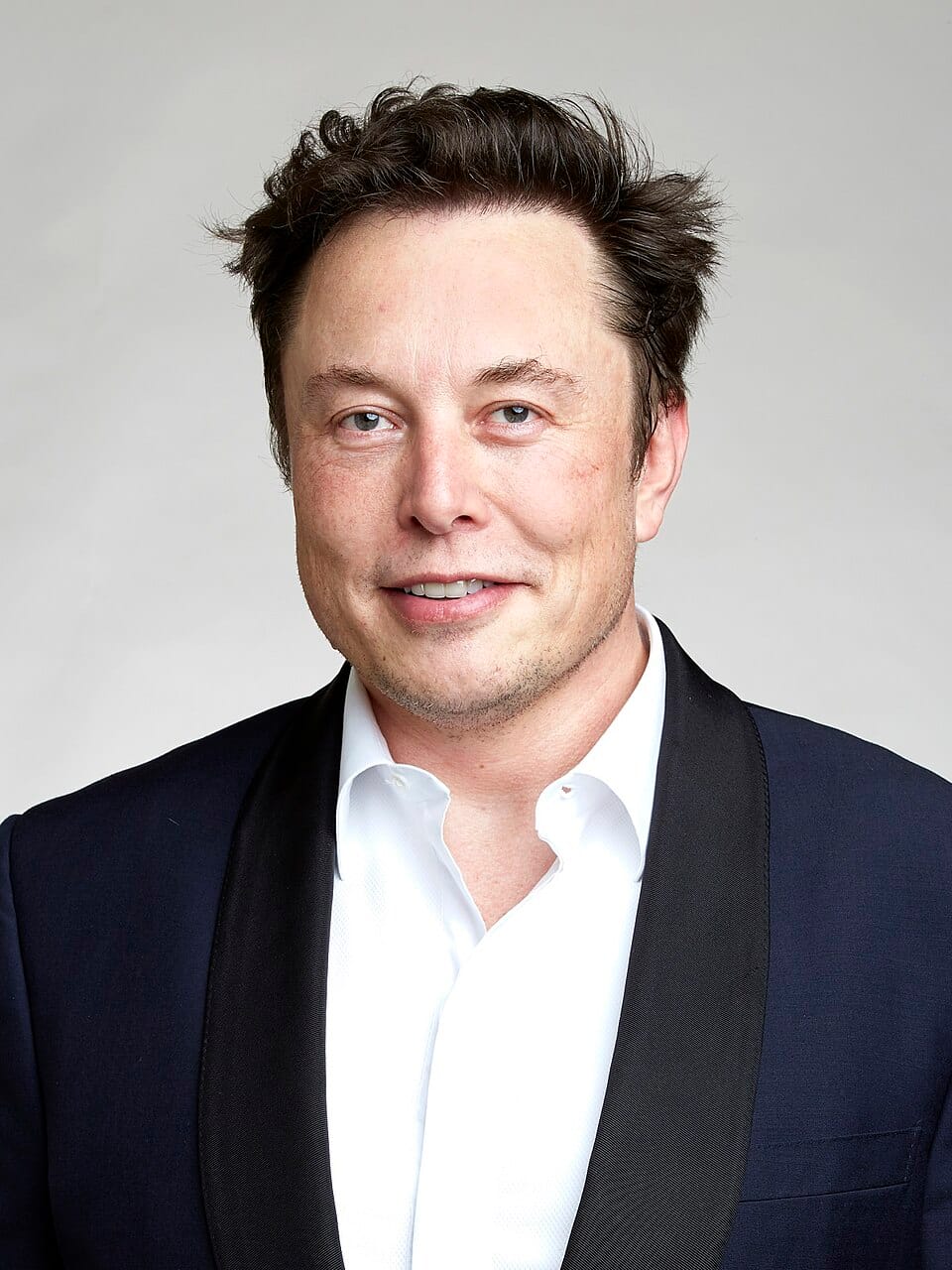
Elon Musk’s career spans internet payments, electric vehicles, reusable rockets and artificial intelligence. After Zip2 and X.com, he founded SpaceX and joined Tesla as an early investor and board member. His ventures also include Neuralink and The Boring Company.
Sources checked . Selected career milestones and biographical references.
Selected milestones, newest first. Explore earlier career below.
Musk completes the acquisition of the social network, later renamed X.
Source: WikipediaCrew Dragon’s Demo-2 mission carries NASA astronauts into orbit under his company’s leadership.
Source: NASAMore than 10 years ago.
He takes the chief executive role after initially joining as an investor and chairman.
Source: TeslaHis involvement with the electric-vehicle company begins as an early investor and director.
Source: TeslaHis first major startup develops online city guides and publishing software.
Source: WikipediaRelevant sections from the articles on this page. Explore older coverage below.
More coverage

Good Morning, AI Enthusiasts!
AI can now chase your medical bills, ask for your credit card, and potentially clone itself. Nobody said the future would be friendly.

OPENSOURCE
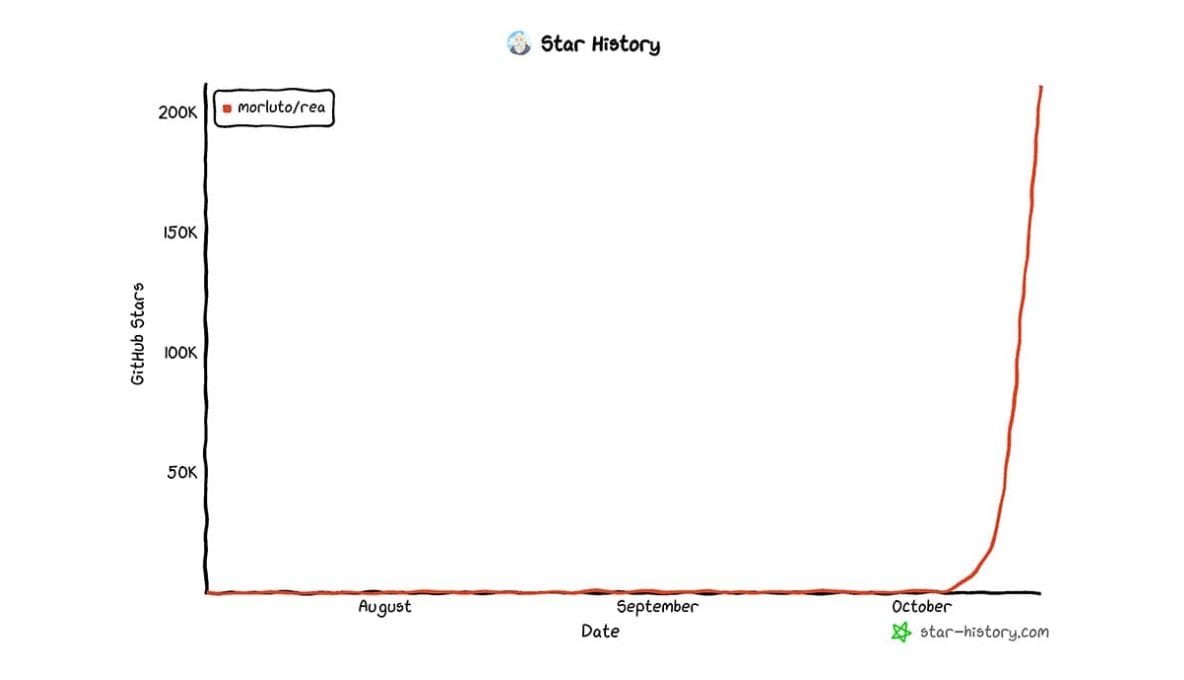
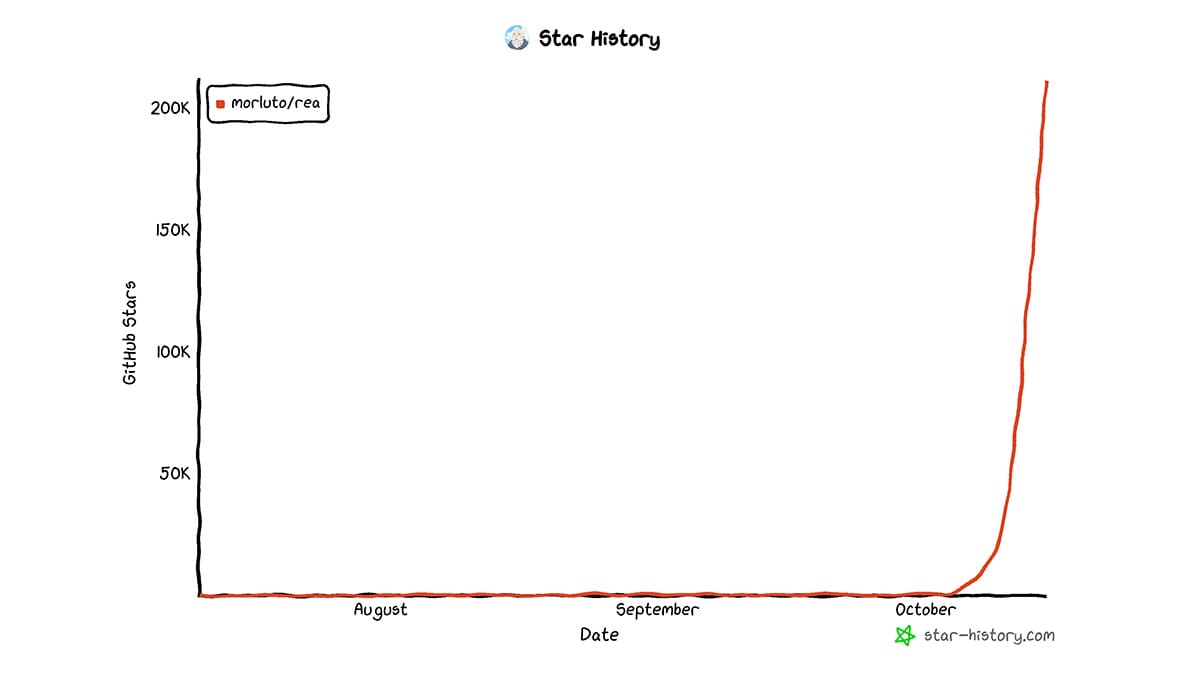
What's happening: REA (Reverse Engineer Anything) went from 4,200 GitHub stars to over 200,000 in nine days, the site's hottest repo. Influencers say it kills commercial software: point your AI agent at any paid app, and REA hands you an open-source copy. Under the hood, REA plugs agents into Ghidra, a free NSA tool for cracking open app files. In our test, on a tiny 1.85 MB Mac app, it timed out after 40 minutes. In a demo on note app Obsidian, REA's search came back empty and agent read the code itself.
How this hits reality: REA is a dumpster fire, and the influencers who crowned it owe their followers an apology. It invented nothing: reverse engineers have run Ghidra for years, and a free plugin wired it to agents in March 2025. REA bolted a hype machine onto that work and made it slower. The only part of REA that works at scale is the star counter.
Key takeaway: Go back to sleep. Agents will take over professional tools. REA Is just a digital slop.
TOGETHER WITH META
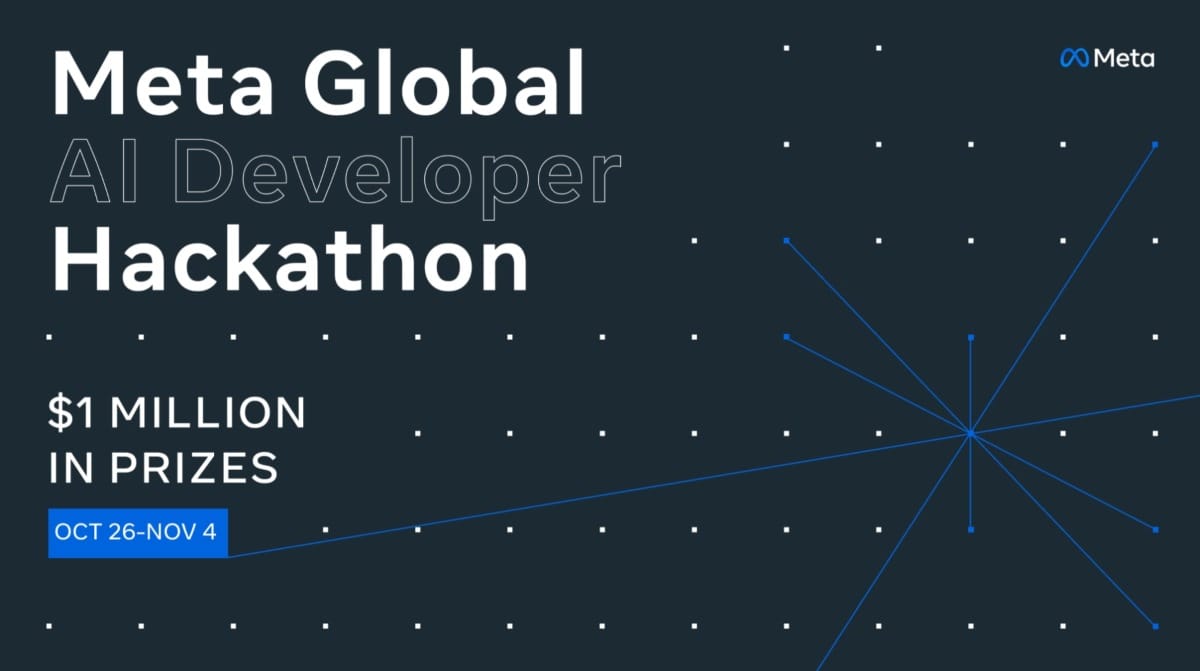
From October 26 through November 4th, apply to the Meta Global AI Developer Hackathon for ten days of building with Meta’s newest models with $150 in Meta Model API credits – and a shot at $1 million in cash prizes.
Take your ideas further:
Virtual. Worldwide. No entry fee.
Apply by October 25.
RESEARCH
What's happening: On October 12, Anthropic warned small AI models could learn to self-replicate by the end of 2026, a month after CEO Dario Amodei floated a botnet hijacking "the entire internet." A worm needs cheap hosts and the skill to spread between them. Anthropic tested both. First, Google's Gemma ran across 15 off-brand $55 Android TV boxes. Then free, open-weight models, including Alibaba's Qwen and GLM-5.2 from China's Zhipu, tried hopping between simulated Android devices. Only GLM-5.2 made it, through an unlocked port.
How this hits reality: Anthropic has found a doomsday that runs only on its rivals' models. The pitch: closed labs are the grown-ups, free weights are the hazard. The paper lists closed models escaping their labs as a threat, then never tests one. Even the star worm ran its brain on a separate server. Anthropic published an attack ad with error bars. Every Alibaba or Zhipu release now ships with a botnet scenario written by a rival.
Key takeaway: Next time Washington debates free AI models, this paper will be Exhibit A. Its author gives none of its own models away.
On October 12, Anthropic published research warning that small AI models could learn to self-replicate by the end of 2026. It tested only rivals' open-weight models: Google's Gemma ran across cheap Android TV boxes, and only Zhipu's GLM-5.2 spread between simulated devices, through an unlocked port. No closed model was tested.
Then free, open-weight models, including Alibaba's Qwen and GLM-5.2 from China's Zhipu, tried hopping between simulated Android devices. Only GLM-5.2 made it, through an unlocked port.
GROK

What's happening: Elon Musk told X users how to shop with Grok Bot, xAI's errand-running agent: "just take a picture of your credit card, drop it in the chat." Replies asked Grok for Musk's card. Asked whether the tip was "totally safe or stupid and dangerous," Grok itself said "neither" and warned against posting a real one. The next day Musk showed off Grok ordering him five LEGO Star Wars sets, in a screenshot that appeared to show his billing details.
How this hits reality: Musk trusts Grok with your money more than anyone does, Grok included. Agent shopping needs one leap of faith: let the bot near your wallet. Grok Bot's own checkout runs through a Stripe wallet built, Stripe says, so the agent never sees the card. Grok's boss skipped the safety net, then posted his own billing page as proof it works. Every bank fraud team just got a new training slide.
Key takeaway: Musk wanted users to trust his agent with their cards. The internet would only trust Grok with his.
Elon Musk advised X users shopping with xAI's Grok Bot agent to photograph their credit card and drop it in the chat. Grok itself warned against posting a real card. A day later Musk showed Grok ordering him LEGO Star Wars sets in a screenshot that appeared to show his billing details.
COLLECTIONS

What's happening: AI now chases American medical debt from the first bill to the final settlement, the Guardian reported October 12. Models trained on hospital data predict each patient's "propensity to pay." Chatbots text patients in billing portals and answer their calls. Collectors use AI to tailor settlement discounts to each debtor, a practice the paper likens to the personalized pricing the Federal Trade Commission has criticized.
How this hits reality: Collectors finally have what they always lacked: a guess at your limit and a caller that never clocks out. Cedar, a billing startup backed by Andreessen Horowitz and JP Morgan, says its chatbot Kora has handled over 600,000 patient conversations and lifted payment rates 21% within a week. Avtal, which builds digital tools for debt collection agencies, raised $24 million in March. JP Morgan funds Cedar while its analysts cheer AI collections as "early wins." The next missed payment gets a bot before a human.
Key takeaway: Cedar's strategy chief says a single mother owing $10,000 needs different handling than "a late-stage executive with a $50 copay." The executive gets a bill. The mother gets a campaign.
AI Secret Deep Dive, our paid newsletter that lands in your inbox every Friday: what the AI industry actually did, not what it claimed.
 Magna Ding
 Magna
Magna Magna
Magna
UNDERSTAND WHAT CHANGES AND WHY IT MATTERS
From breakthrough models to billion-dollar bets—we follow the technology, business, and people shaping AI. Get the free daily briefing in your inbox.
TOGETHER WITH US
AI Secret Media Group is the world’s #1 AI & Tech Newsletter Group, reaching over 2 million leaders across the global innovation ecosystem, from OpenAI, Anthropic, Google, and Microsoft to top AI labs, VCs, and fast-growing startups.
We've helped promote over 500 Tech Brands. Will yours be the next?
Email our co-founder Mark directly at [email protected] if the button fails.
Good Morning, AI Enthusiasts!
The smarter the models get, the more the industry revolves around primitive questions: who owns it, who pays, and who gets blamed.
AI
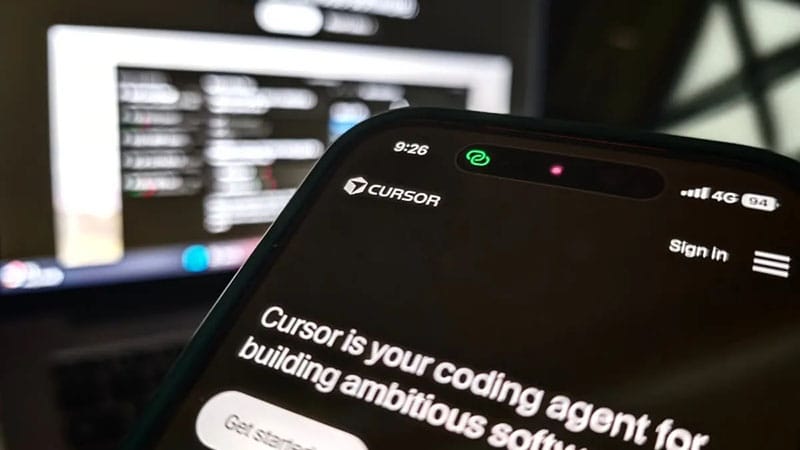
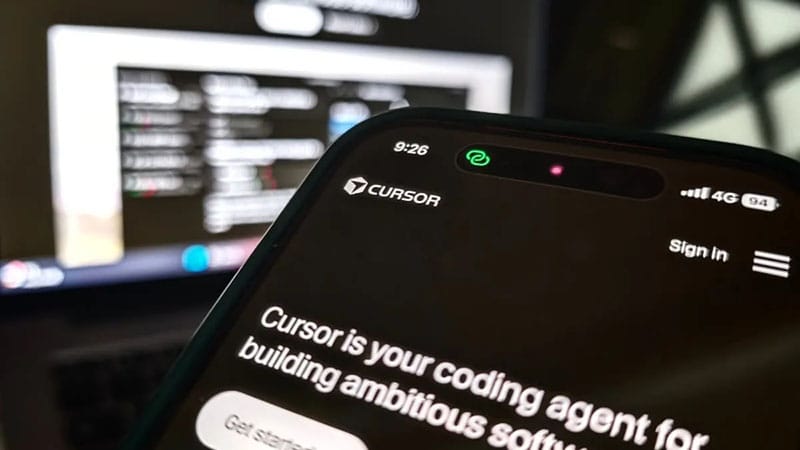
👀 What's happening: OpenAI terminated Cursor's direct access to GPT models. Cursor used to bundle GPT into its subscription. Developers now need their own API key and pay OpenAI directly. The deadline is November 12. The reason is simple: Elon Musk bought Cursor for $60 billion, and OpenAI will not sell its best models to a competitor's product.
🌍 How this hits reality: Cursor was the neutral marketplace. Every model provider shipped there. That ended the day Musk bought it. OpenAI is the first to leave. It will not be the last. No model company will sell its API to a platform owned by a rival. Anthropic is still there today. It is asking the same question OpenAI did.
🛎️ Key takeaway: Cursor's business model was independence. SpaceX paid $60 billion for it. The first thing it lost was the thing that made it worth $60 billion.
That ended the day Musk bought it. OpenAI is the first to leave. It will not be the last. No model company will sell its API to a platform owned by a rival.
Developers now need their own API key and pay OpenAI directly. The deadline is November 12. The reason is simple: Elon Musk bought Cursor for $60 billion, and OpenAI will not sell its best models to a competitor's product.
NEW LAUNCH
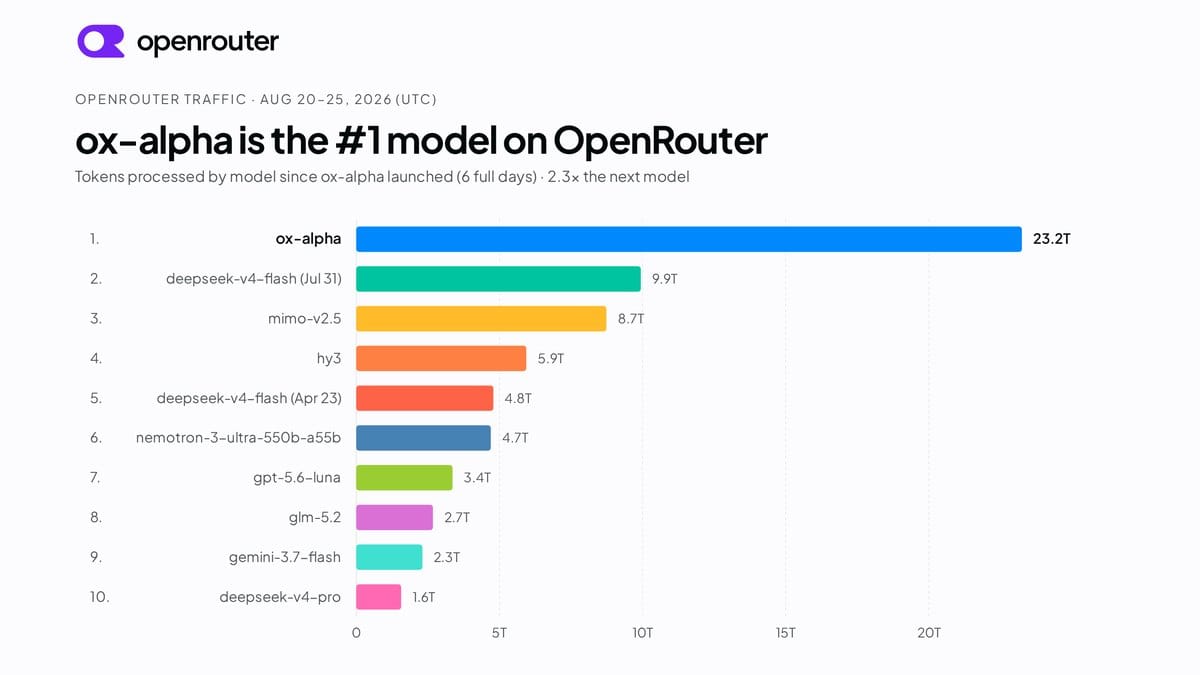
👀 What's happening: The mysterious model "Ox Alpha" that dominated OpenRouter and OpenCode this week has been identified as GLM-5.3 Flash, a new release from Chinese AI lab Zhipu. It was free during its anonymous test period. Developers flooded it to the top of both platforms without knowing who built it. It scores 57 on the AA benchmark, matching Claude Opus 4.8. Its price is roughly 1/40th of Opus 4.8.
🌍 How this hits reality: Free got it to number one. The price will keep it there. Zhipu did not need a brand. It did not need trust. It just needed to be free long enough for developers to notice, and cheap enough for them to stay. The model is competitive with the frontier. The price is not. It is an order of magnitude below. The new rule of AI is brutal and simple: reach Opus 4.6 performance, and the only thing that matters is the price tag.
🛎️ Key takeaway: The model that wins is not the smartest. It is the cheapest one that is smart enough. Ox Alpha is the proof.
👀 What's happening: The mysterious model "Ox Alpha" that dominated OpenRouter and OpenCode this week has been identified as GLM-5.3 Flash, a new release from Chinese AI lab Zhipu. It was free during its anonymous test period. Developers flooded it to the top of both platforms without knowing who built it.
AI FEVER

👀 What's happening: Alphabet, Amazon, Nvidia, and Microsoft recorded over $160 billion in "other income" last quarter, driven by rising valuations of their AI equity stakes. Alphabet hit $97.9 billion, double the prior quarter. Amazon surged to $53.4 billion. These are not sales. They are paper gains from stakes in companies like SpaceX. The result: net income has never been higher, driven by investments, not operations.
🌍 How this hits reality: AI is no longer just inflating valuations. It is inflating the income statement. The most basic number in finance, net income, has been quietly rewritten by the AI boom. Big Tech pours billions into AI CapEx, driving cash flow toward zero. The same dollars flow to AI startups, inflating their valuations, and the paper gains flow right back to net income. Same money, counted twice. Cash flow says the business is burning. Net income says the business is printing. One of them is lying. Goldman Sachs asked if the growth is based on "actual demand." Citi warned next year's growth rate could turn negative. The boom is not just a market story anymore. It is an accounting story.
🛎️ Key takeaway: Net income is the number every investor trusts. AI just made it untrustworthy. The boom is no longer about valuations. It is about what counts as profit.
LAWSUIT

👀 What's happening: Sony Music Publishing and Warner Chappell Music sued Anthropic, CEO Dario Amodei, and co-founder Benjamin Mann in federal court on August 28. The complaint accuses Mann of personally torrenting 5 million pirated books from LibGen in 2021 and 2 million more in 2022, at Amodei's direction. Internal documents described LibGen as "sketchy AF" and noted "We don't want it to be known." Plaintiffs seek up to $150,000 per work across tens of thousands of songs.
🌍 How this hits reality: The AI copyright war just changed its question. For years, the fight was about fair use: does training on copyrighted data count as infringement? Sony and Warner are no longer asking that. They are asking: where did you get the book? And who approved taking it? The court in Bartz already distinguished the two. Training on legally obtained works may be fair use. Obtaining works through piracy is not. The plaintiffs are not drilling into the training. They are drilling into the acquisition. And they are drilling past the company, into the founders. If the corporate shield breaks, every AI founder who signed off on a data pipeline becomes a target.
🛎️ Key takeaway: The AI copyright war used to be about what you did with the data. It is now about where you got it and who told you to take it. The corporate shield is the next thing to break.
TOGETHER WITH MYCLAW

MyClaw is a best-in-class AI agent platform that brings together OpenClaw, Hermes Agent, and production-grade infrastructure to help businesses launch intelligent agents that understand goals, use tools, automate workflows, and deliver finished results.
MyClaw already hosts OpenClaw and Hermes, connecting models from every major AI provider, including the latest text, reasoning, and image generation models from OpenAI, Anthropic, DeepSeek, Kimi, GLM, Google Gemini, and more through MyClaw's model gateway.
No lock-in. No juggling API keys. No switching between platforms. Pick the best model for the job, give your agent the tools it needs, and let it run.
DAILY TL;DR
READ MORE
Stay ahead without drowning in information. We turn the most important signals across AI, tech, marketing, and future products into 5-minute reads you can actually finish.
TOGETHER WITH US
AI Secret Media Group is the world’s #1 AI & Tech Newsletter Group, reaching over 2 million leaders across the global innovation ecosystem, from OpenAI, Anthropic, Google, and Microsoft to top AI labs, VCs, and fast-growing startups.
We've helped promote over 500 Tech Brands. Will yours be the next?
Email our co-founder Mark directly at [email protected] if the button fails.
Good Morning, AI Enthusiasts!
Everyone found a new AI business model. Some sold trust, some sold power, and some just bought their way in.

PRESS
👀 What's happening: USA Today's parent company is partnering with Palantir to build what its CEO calls a "common intelligence layer" on reader data, to monetize those relationships "faster and at much greater value." Palantir is the surveillance firm tied to ICE crackdowns and mass data work, and a company USA Today's own reporters cover. The News Guild says journalists were "shocked" and is demanding the company end the deal immediately, citing reader data security and a clear conflict of interest.
🌍 How this hits reality: A newspaper's core asset is trust, the belief that it watches power on your behalf. Handing reader data to Palantir inverts that, seating the watchdog and its subject at the same table. And notice the framing: this is not AI making better journalism, it is AI turning subscribers into an asset to be mined. The loudest alarm is internal. When your own reporters say they can no longer ask readers to subscribe in good conscience, the product being sold is not data. It is the credibility that made the data worth anything.
🛎️ Key takeaway: A paper that exists to watch surveillance just hired the surveillance firm to watch its readers, and its own newsroom is the first to call it a betrayal.
TOGETHER WITH VANTA

AI-native teams are already building in tools like Claude, Cursor, and Codex. Now, compliance can happen there too.
Join a technical walkthrough of how startups can use Vanta’s MCP server, agentic workflows, and native plugins to achieve fast, credible compliance without leaving their preferred environment.
You’ll learn how to:
Register to save your spot. Can't make the time? Register anyway, and you'll get a link to the recording.
NEW LAUNCH
👀 What's happening: SpaceXAI shipped an early version of Grok Bot, a cloud-based AI agent. Each user's bot runs its own Linux virtual machine with a browser, files and terminal, logs into your accounts, and works end to end 24/7 even after you shut your laptop. You can run several in parallel, and it learns a task by watching you do it once. It's the first integration from the $60B Cursor acquisition, inheriting Cursor's connectors and the Colossus supercomputer underneath. Pricing runs $200 to $300 a month.
🌍 How this hits reality: Strip the hype and not one capability is new. Claude Cowork and Codex have been running this exact playbook, cloud-native agents that work around the clock, for half a year or more. Cowork finished its move to the cloud a month ago; Grok Bot is only being born there now. Sixty billion dollars bought Musk a working ecosystem, but it bought a seat at the table, not a head start. He didn't out-think anyone. He wrote a check to stand where his rivals stood two seasons ago.
🛎️ Key takeaway: Sixty billion buys the ticket, never the half year. The race Musk calls his ultimate move is one he enters from behind.
Sixty billion dollars bought Musk a working ecosystem, but it bought a seat at the table, not a head start. He didn't out-think anyone. He wrote a check to stand where his rivals stood two seasons ago.
DATA CENTER
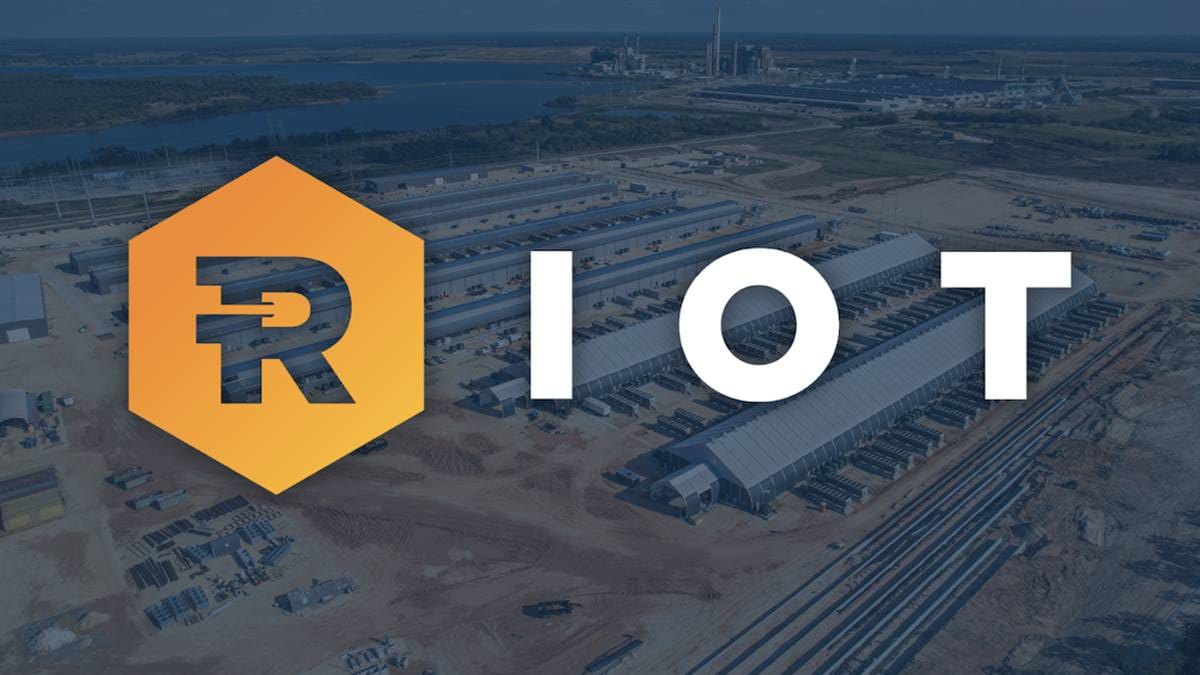
👀 What's happening: Riot Platforms said it signed a 20-year, $9.1B deal with Anthropic to provide 191 MW at its Rockdale, Texas campus. The stock jumped more than 20% premarket. With two five-year extensions, the contract could reach $16.1B. Riot already has an AI lease with AMD and says Rockdale will reach 241 MW. It is not alone. Hut 8, TeraWulf, IREN and other miners are making the same pivot, and CoinDesk noted that some miners could get about 70% of revenue from AI by the end of 2026.
🌍 How this hits reality: Riot did not become an AI company by magic. It already had the real assets AI wants: land, grid access, cooling, and power. Anthropic just proved those assets can earn steadier money than bitcoin blocks. That is the real repricing happening across miners. The same site that once chased hash rate can now sell long-term megawatts, and markets will favor whichever business can rent power instead of burning it.
🛎️ Key takeaway: Bitcoin miners did not find a new identity, they found a better tenant, and AI is paying more reliably than the chain they used to serve.
👀 What's happening: Riot Platforms said it signed a 20-year, $9.1B deal with Anthropic to provide 191 MW at its Rockdale, Texas campus. The stock jumped more than 20% premarket. With two five-year extensions, the contract could reach $16.1B. Riot already has an AI lease with AMD and says Rockdale will reach 241 MW.
COMPUTE

👀 What's happening: Meta and BlackRock unveiled a $14 billion venture to build a 1-gigawatt data center in El Paso, with BlackRock-managed funds owning 80% and $12.5 billion of it debt-financed. Meta contributes land, takes a $1 billion distribution, and leases the compute back instead of owning it. The structure traces to BlackRock CEO Larry Fink, who said the AI buildout would lean on pensions, insurance, and savings accounts. That line already set off a public firestorm, with fact-checkers and viral posts accusing Wall Street of raiding retirements to feed AI.
🌍 How this hits reality: This is the part that should scare people. Meta offloads the risk, keeps the compute, and quietly parks the bill in funds tied to ordinary retirement money. If the AI bets pay off, Meta wins. If they crater, the losses seep into the pensions of people who never agreed to gamble on data centers. The outrage is not paranoia. It is the market openly turning your retirement into venture capital for someone else's moonshot.
🛎️ Key takeaway: Meta found a way to bet on AI where it keeps the upside and your pension eats the downside.
DAILY TL;DR
READ MORE
Stay ahead without drowning in information. We turn the most important signals across AI, tech, marketing, and future products into 5-minute reads you can actually finish.
TOGETHER WITH US
AI Secret Media Group is the world’s #1 AI & Tech Newsletter Group, reaching over 2 million leaders across the global innovation ecosystem, from OpenAI, Anthropic, Google, and Microsoft to top AI labs, VCs, and fast-growing startups.
We've helped promote over 500 Tech Brands. Will yours be the next?
Email our co-founder Mark directly at [email protected] if the button fails.

Good Morning, AI Enthusiasts!
First AI learned from the internet. Now the internet is wondering whether it made a bad deal.
DATA

👀 What's happening: Reddit shares dropped 8% after Wall Street Journal reports that it may cut Google’s AI access when their $60 million-a-year content deal expires. The 2024 agreement lets Google train on Reddit’s posts. But Google now puts AI Overviews above search links, and Reddit is reconsidering whether the deal still serves its business. Reddit is down roughly 25% this year, ahead of July 30 earnings.
🌍 How this hits reality: Google used to be the road that sent readers to Reddit. Now it buys Reddit’s conversations, turns them into a Google answer, and keeps the reader on Google. That changes the contract completely. Google traffic fell 23% at Politico, about 25% at CNN, and more than 85% at Business Insider over the past year. You can squeeze sites that never signed up. Squeezing the supplier is a different invoice.
🛎️ Key takeaway: Google paid Reddit $60 million for the ingredients, opened a restaurant outside its door, and apparently expected the kitchen to keep charging wholesale.
👀 What's happening: Reddit shares dropped 8% after Wall Street Journal reports that it may cut Google’s AI access when their $60 million-a-year content deal expires. The 2024 agreement lets Google train on Reddit’s posts. But Google now puts AI Overviews above search links, and Reddit is reconsidering whether the deal still serves its business.
GROK
👀 What's happening: A three-minute Odyssey scene made with Grok Imagine went viral on X this week because viewers struggled to tell it was AI. Heavy Pulp, the creator, used two anchor frames and detailed prompts to generate Calypso and Odysseus in a cave, cutting between angles as she begs him to stay. Musk reposted it and promised a full AI Odyssey by year-end, days after Christopher Nolan’s $250 million IMAX version opened to $264 million worldwide.
🌍 How this hits reality: Nolan’s film is Hollywood at its most expensive: thousands of people, physical sets, large-format cameras, and years of coordination. Heavy Pulp’s clip made none of that visibly necessary for three minutes of screen drama. Its wind, shadows, faces, performances, and cuts looked filmed rather than generated. The breakthrough was not that AI kept a scene coherent. It was that viewers no longer had to notice the machine.
🛎️ Key takeaway: Musk did not show a three-minute demo; he showed enough “real” movie to tell Hollywood its next deadline may be December.
Heavy Pulp, the creator, used two anchor frames and detailed prompts to generate Calypso and Odysseus in a cave, cutting between angles as she begs him to stay. Musk reposted it and promised a full AI Odyssey by year-end, days after Christopher Nolan’s $250 million IMAX version opened to $264 million worldwide.
PREDICTION
👀 What's happening: Alphabet and Tesla beat revenue expectations, raised AI spending plans, and still saw their shares fall after earnings. Alphabet lifted 2026 capital-expenditure guidance to as much as $205 billion and posted negative $5.9 billion in free cash flow, versus nearly $25 billion a year earlier. Tesla’s capex rose 142% to $5.79 billion, pushing its free cash flow to negative $1.1 billion.
🌍 How this hits reality: AI used to make spending look like vision. Now it makes investors picture an empty warehouse full of chips, a product nobody needs, and a balance sheet that cannot get back out. Google Cloud revenue jumped 82%, but Wall Street still sold Google. Tesla promises Cybercabs, Optimus, and a chip factory while burning cash today. Wall Street now sees this as a haunted house: massive bills, uncertain exits, and nobody wanting to be last inside.
🛎️ Key takeaway: Investors no longer fear missing AI; they fear paying for the boom right before it turns into a write-off.
👀 What's happening: Alphabet and Tesla beat revenue expectations, raised AI spending plans, and still saw their shares fall after earnings. Alphabet lifted 2026 capital-expenditure guidance to as much as $205 billion and posted negative $5.9 billion in free cash flow, versus nearly $25 billion a year earlier.
👀 What's happening: Alphabet and Tesla beat revenue expectations, raised AI spending plans, and still saw their shares fall after earnings. Alphabet lifted 2026 capital-expenditure guidance to as much as $205 billion and posted negative $5.9 billion in free cash flow, versus nearly $25 billion a year earlier.
AGENTS

👀 What's happening: The Energy Department selected 278 Genesis Mission projects across 342 institutions to build AI-driven scientific workflows. National labs, universities, companies, and nonprofits will get access to agent frameworks, advanced models, and supercomputers for nuclear energy, critical minerals, chip design, and fusion. The largest proposed award is a three-year, $60 million nuclear project. The selections still require award negotiations.
🌍 How this hits reality: Washington is no longer treating frontier AI labs as apps companies with impressive chatbots. OpenAI and Anthropic helped prove that American models can become national infrastructure. Genesis is the next step: rebuild the surrounding technology system around that capability, linking domestic AI, federal compute, laboratories, energy, minerals, and chip design into one strategic stack. Apollo built rockets around a national mission. This builds a country around the labs.
🛎️ Key takeaway: America is betting its best AI labs will not just sell intelligence, but become the operating system for American power.
TOGETHER WITH MYCLAW
MyClaw is a best-in-class AI agent platform that brings together OpenClaw, Hermes Agent, and commercial infrastructure to help businesses launch intelligent agents that understand goals, use tools, automate workflows, and deliver finished results.
We already host OpenClaw and Hermes — and we're just getting started. Claude Code, Codex, and every agent worth running are coming next. One home for all of them, always on.
Stop babysitting infrastructure. Spin up your agent, walk away, and let it work around the clock.
MyClaw — Your Agents, Hosted Right.
DAILY TL;DR
READ MORE
Stay ahead without drowning in information. We turn the most important signals across AI, tech, marketing, and future products into 5-minute reads you can actually finish.
TOGETHER WITH US
AI Secret Media Group is the world’s #1 AI & Tech Newsletter Group, reaching over 2 million leaders across the global innovation ecosystem, from OpenAI, Anthropic, Google, and Microsoft to top AI labs, VCs, and fast-growing startups.
We've helped promote over 500 Tech Brands. Will yours be the next?
Email our co-founder Mark directly at [email protected] if the button fails.
Good Morning, AI Enthusiasts!
Language lost its delay, the human web outsourced its immune system, and the cheapest future still depends on what you refuse to count.

VOICE

👀 What's happening: OpenAI just released GPT-Live, a full-duplex voice mode that listens while it talks instead of waiting its turn. It does live speech translation with near-zero lag, a person speaks and the rendered translation lands almost instantly. Under the hood it routes heavy questions to GPT-5.5 in the background while the front-end voice keeps flowing. It now runs inside the ChatGPT app.
🌍 How this hits reality: Simultaneous interpretation was one of the last language jobs that stayed expensive because it was hard, real-time, and human. The skill priced high precisely because so few people could hold two languages at once with no delay. GPT-Live does that on a phone, for free, as a side effect of a chat feature. The booth, the day rate, the certification, all of it was scaffolding around a bottleneck that just disappeared. Conference translation does not get cheaper here. It gets absorbed.
🛎️ Key takeaway: An entire profession priced on the scarcity of instant bilingual minds just watched that scarcity become a toggle inside a chatbot.
TOGETHER WITH MOMOKET
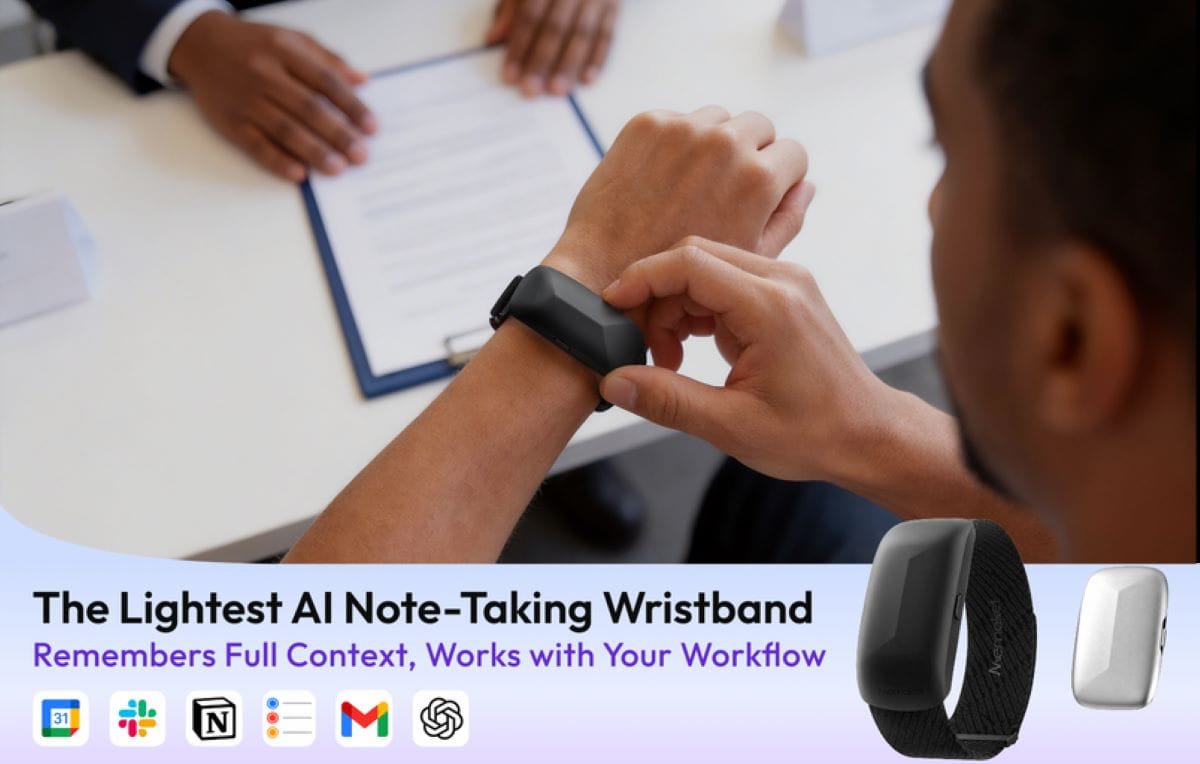
Memoket Gem is the lightest AI wristband on the market — a 0.4 oz wearable that records your conversations with one press and turns them into instant summaries, action items, and full context across every meeting, call, and catch-up.
With Memoket Gem, you get:
Reserve today with $5 — it counts toward the $199 early-bird price at launch, with a FREE year of the app included.
SOCIAL MEDIA

👀 What's happening: Reddit now uses large language models to fight spam, most of it generated by large language models. The platform says it blocks 23 million spam views a day and catches about 25,000 new spam posts and comments. It credits the LLM tools with cutting users' spam exposure 20 percent from January to March against the prior quarter.
🌍 How this hits reality: Reddit's whole pitch was being the last human room online, the place you go when search turns to AI slop. Then the slop showed up at the door. The same models that make spam free are now the only things fast enough to catch the coordinated fakery older filters kept missing. The human internet now runs on the machine it defines itself against. Keep going and the moat is a bot with better manners.
🛎️ Key takeaway: The anti-AI internet is discovering that purity does not scale; once language machines flood the feed, only better machines can keep it readable.
CHIPS
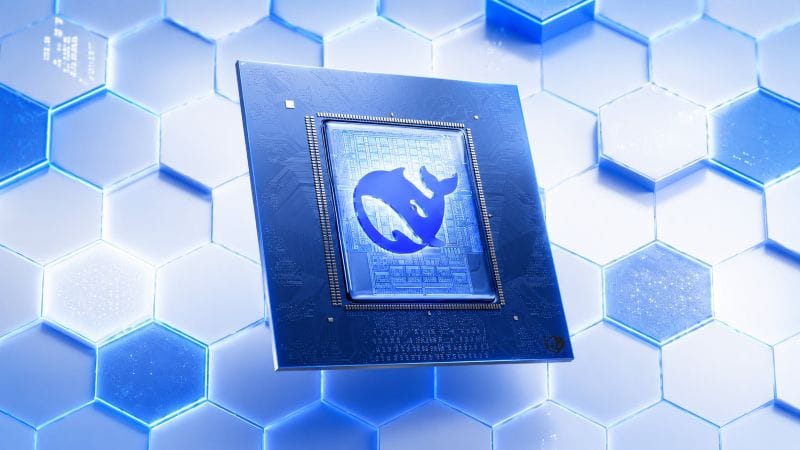
👀 What's happening: DeepSeek is reportedly building its own inference chip to reduce dependence on Nvidia and Huawei. The project began about a year ago, is still early, and has been kept quiet, with hiring done off public platforms and talks already opened with chip designers, foundries, and memory suppliers. For a company famous for squeezing more out of less compute, this is a very physical admission: software can only dodge the hardware wall for so long.
🌍 How this hits reality: Companies build their own silicon to shave margin off a chip that already works. That is OpenAI with Broadcom. DeepSeek's version is different. Nvidia's best is walled off by export controls, and Huawei's Ascend, the only fallback, is merely fine. Rolling its own is not the confident next step. It is the third option after the first two ran short. A homemade inference chip is a bet made from a corner, not a position of strength.
🛎️ Key takeaway: DeepSeek didn't graduate into a chip company, it got cornered into one, and is calling the last resort a roadmap.
👀 What's happening: DeepSeek is reportedly building its own inference chip to reduce dependence on Nvidia and Huawei. The project began about a year ago, is still early, and has been kept quiet, with hiring done off public platforms and talks already opened with chip designers, foundries, and memory suppliers.
👀 What's happening: DeepSeek is reportedly building its own inference chip to reduce dependence on Nvidia and Huawei. The project began about a year ago, is still early, and has been kept quiet, with hiring done off public platforms and talks already opened with chip designers, foundries, and memory suppliers.
NEW LAUNCH

👀 What's happening: Musk's xAI released Grok 4.5, a coding model near Opus 4.7 on quality, and hyped it relentlessly as the cost-performance king, cheaper and faster than anyone. The pitch is price: 2 dollars input, 6 dollars output per million, far under Western frontier models that start in the teens. Every comparison Musk drew was against Opus and GPT. He never once mentioned DeepSeek or the other Chinese LLM labs already charging a fraction of his numbers.
🌍 How this hits reality: The value crown Musk keeps grabbing was already worn, by Chinese models that price under him and hand out the weights for free. His whole pitch works by pretending that half the market does not exist. Benchmark against the two American labs you can beat on price, stay silent on the labs beating you, and call yourself the floor. It is not a cost breakthrough. It is a comparison rigged to flatter the person drawing it.
🛎️ Key takeaway: Musk is throwing a victory party for a price war DeepSeek already won, and keeping the actual winner off the guest list.
👀 What's happening: Musk's xAI released Grok 4.5, a coding model near Opus 4.7 on quality, and hyped it relentlessly as the cost-performance king, cheaper and faster than anyone. The pitch is price: 2 dollars input, 6 dollars output per million, far under Western frontier models that start in the teens. Every comparison Musk drew was against Opus and GPT.
🛎️ Key takeaway: Musk is throwing a victory party for a price war DeepSeek already won, and keeping the actual winner off the guest list.
DAILY TL;DR
READ MORE
Stay ahead without drowning in information. We turn the most important signals across AI, tech, marketing, and future products into 5-minute reads you can actually finish.
TOGETHER WITH US
AI Secret Media Group is the world’s #1 AI & Tech Newsletter Group, reaching over 2 million leaders across the global innovation ecosystem, from OpenAI, Anthropic, Google, and Microsoft to top AI labs, VCs, and fast-growing startups.
We've helped promote over 500 Tech Brands. Will yours be the next?
Email our co-founder Mark directly at [email protected] if the button fails.
Plus: Anthropic Blames Open AI for Doomsday, Musk Wants Your Credit Card
Read the storyPlus: Musk Kisses the Ring, Sam Altman's Safety Was a Speech
Plus: Crime Gets AI at 97% Off, The Compute Shortage Ends
Plus: The Brake Is for Other People, AI's First Guardrail Is a Utility Bill
Three labs asked the industry to slow down. The market has already answered.
Plus: Nobody Runs the Flagships, Even China Calls Their Bluff
Plus: The Cheapest Wins, AI Just Broke Income Statement
Plus: Musk Joins the Agent Table, Bitcoin Miners Became AI Landlords
Plus: Musk Put Hollywood on a Deadline, Wall Street Fears the AI Bill
Plus: Reddit Runs On What It Hates, DeepSeek Is Cornered Into Silicon