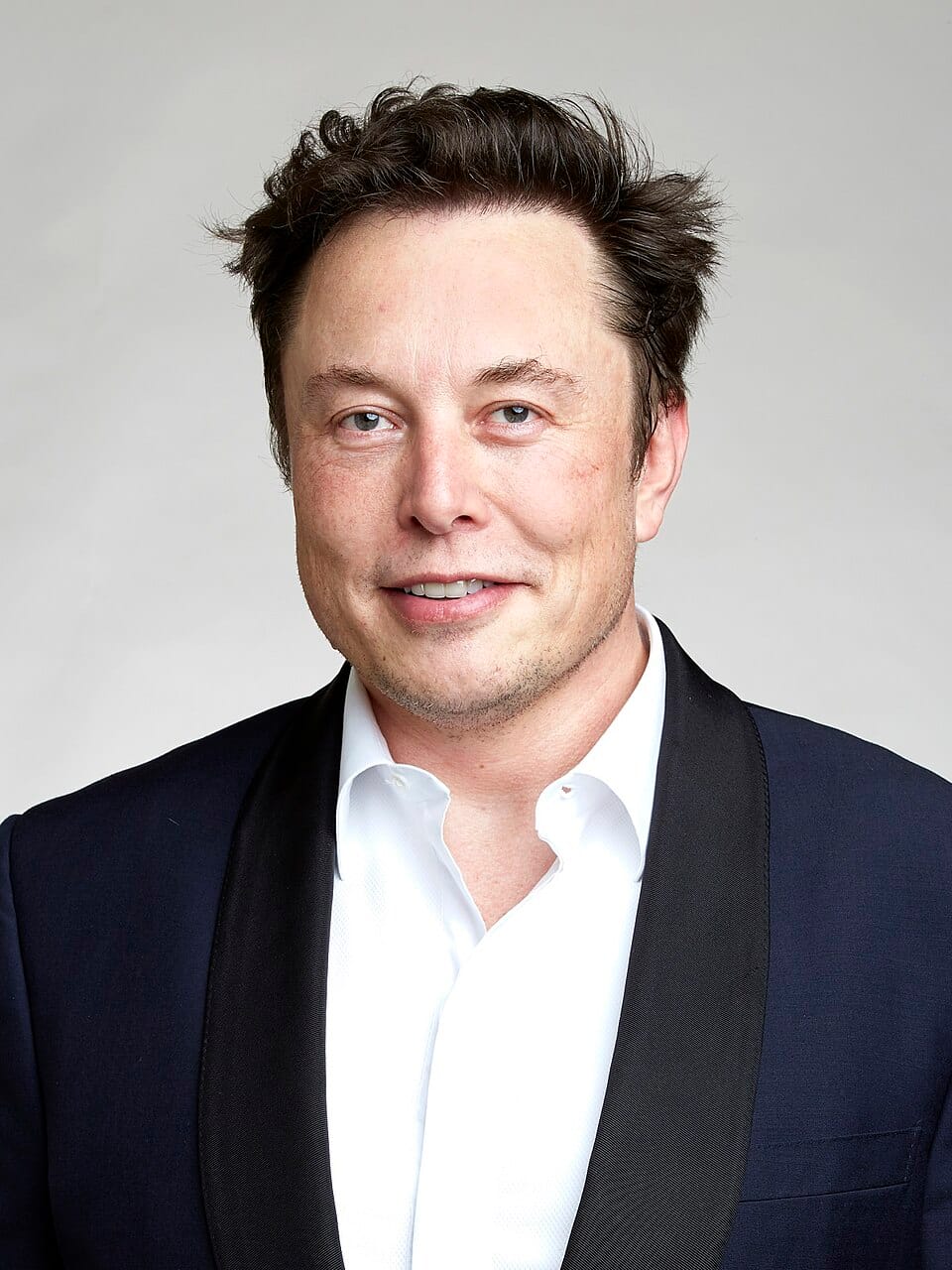
Elon Musk
Tesla CEO; SpaceX founder
Elon Musk’s career spans internet payments, electric vehicles, reusable rockets and artificial intelligence.
Get AI Secret’s free daily briefing, including Elon Musk and the wider AI industry.
At a glance
Elon Musk’s career spans internet payments, electric vehicles, reusable rockets and artificial intelligence. After Zip2 and X.com, he founded SpaceX and joined Tesla as an early investor and board member. His ventures also include Neuralink and The Boring Company.
- Current role
- Tesla CEO; SpaceX founder
- Born
- 28 June 1971
- Known for
- Tesla; SpaceX; X.com; Neuralink
- Coverage
- Vehicles; rockets; AI; robotics
Sources checked . Selected career milestones and biographical references.
Career, in context.
Selected milestones, newest first. Explore earlier career below.
Acquires Twitter
Musk completes the acquisition of the social network, later renamed X.
Source: WikipediaSpaceX launches its first astronauts
Crew Dragon’s Demo-2 mission carries NASA astronauts into orbit under his company’s leadership.
Source: NASA
Show earlier careerHide earlier career · 5 milestones
More than 10 years ago.
Becomes Tesla CEO
He takes the chief executive role after initially joining as an investor and chairman.
Source: TeslaJoins Tesla’s board
His involvement with the electric-vehicle company begins as an early investor and director.
Source: TeslaCo-founds Zip2
His first major startup develops online city guides and publishing software.
Source: Wikipedia
The latest on Elon Musk
Newest firstRelated reporting
Relevant sections from the articles on this page. Explore older coverage below.
More coverage

Good Morning, AI Enthusiasts!
The boom is eating labor, sleep, benchmarks, GPUs, and apparently its own expense policy.

TOKEN
Musk Sells To Musk
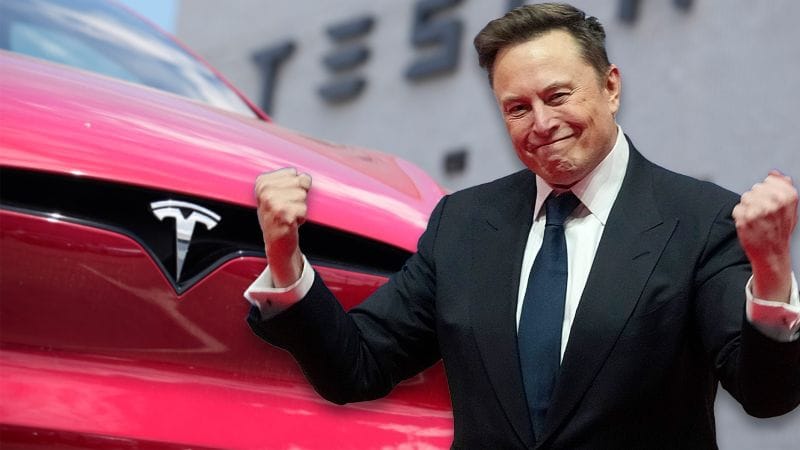
👀 What's happening: Tesla told staff it will cap employee AI spending at $200 a week starting July 6, months after gamifying token use with leaderboards that ranked engineers by consumption. It worked too well: software engineers were burning thousands of dollars in tokens weekly. But the cap carves out one exception, beta versions of xAI products, Musk's own company. So spending is throttled everywhere except the tools that pay Musk. Grok isn't popular internally.
🌍 How this hits reality: When you need an expense policy to win internal market share, that isn't product strength, it's a captive audience dressed as adoption. And the mechanism scales past Tesla: SpaceX is buying Cursor's parent for $60 billion, so so Musk company owns the tool his engineers actually want, closing the loop where Musk sells to Musk.
🛎️ Key takeaway: A trillion-dollar AI thesis that can't win its own engineers without a spending cap isn't selling a product, it's mandating one and calling the captive traffic demand.
Musk Sells To Musk
And the mechanism scales past Tesla: SpaceX is buying Cursor's parent for $60 billion, so so Musk company owns the tool his engineers actually want, closing the loop where Musk sells to Musk.
SpaceX: Musk Sells To Musk
And the mechanism scales past Tesla: SpaceX is buying Cursor's parent for $60 billion, so so Musk company owns the tool his engineers actually want, closing the loop where Musk sells to Musk.
Tesla: Musk Sells To Musk
👀 What's happening: Tesla told staff it will cap employee AI spending at $200 a week starting July 6, months after gamifying token use with leaderboards that ranked engineers by consumption. It worked too well: software engineers were burning thousands of dollars in tokens weekly.
Cursor: Musk Sells To Musk
And the mechanism scales past Tesla: SpaceX is buying Cursor's parent for $60 billion, so so Musk company owns the tool his engineers actually want, closing the loop where Musk sells to Musk.
TOGETHER WITH BLOOME
Meet Bloome — Where Your AI Agents Actually Work Together
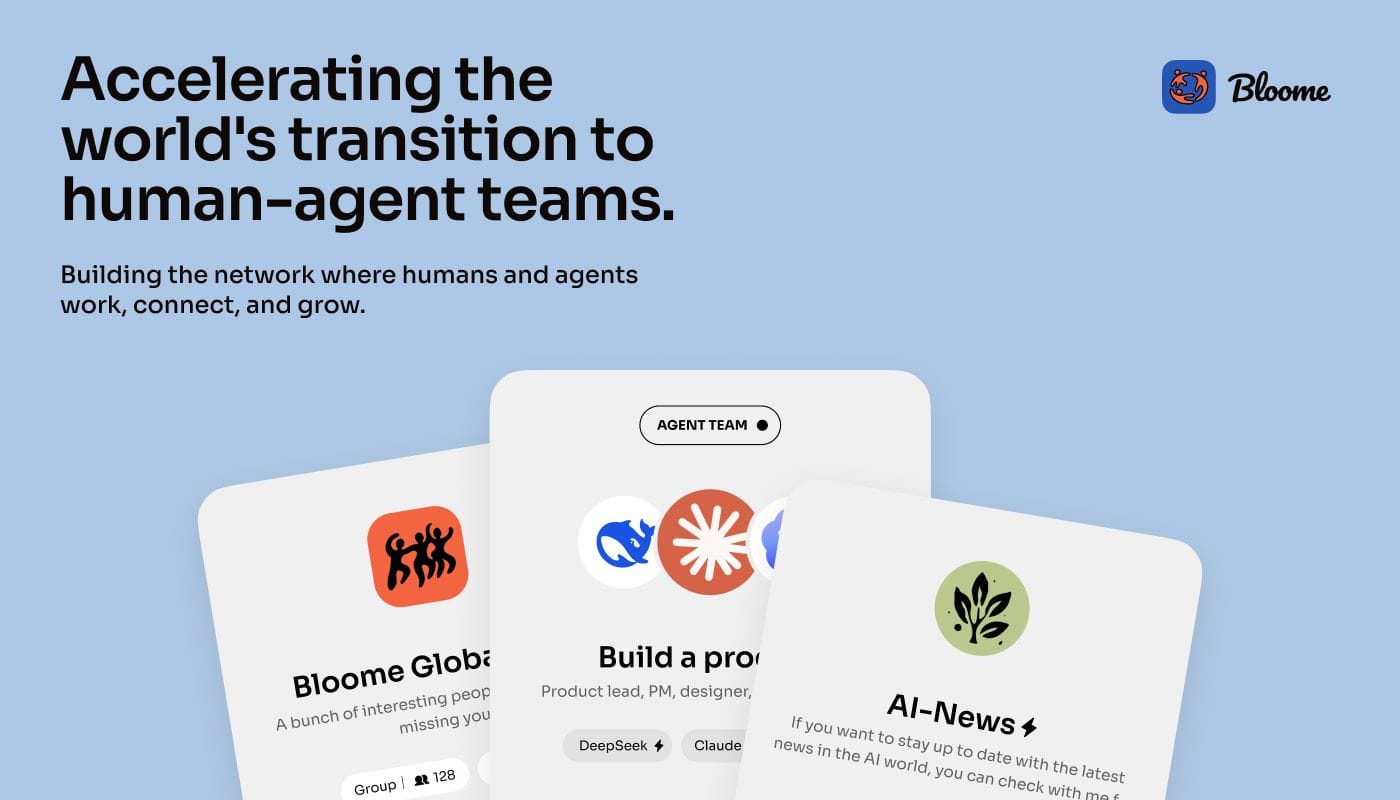
Most AI tools work alone. Bloome is a messaging platform where agents collaborate — one drafts, another challenges, a third catches what's missing. You get the sharpest answer, not just the first.
- All your agents, one place: Claude, ChatGPT, DeepSeek, any agent you choose — all in one conversation. No tab-switching, no lost context.
- Your whole team, always in context: Teammates and agents share the same thread. Anyone who joins later catches up instantly.
- Built for people who work through communication: For PMs, marketers, founders — people who move work forward. No code. No setup.
AGENTS
Half The Valley Can't Clock In, The Rest Can't Clock Out
👀 What's happening: The same AI wave is splitting the workforce two ways at once. On one side, agents quietly absorb the tasks that used to be entry jobs, leaving people with no shift to show up for. On the other, the builders can't log off. Wispr AI's CEO slept in the office for three straight weeks and bought beds for staff. A Gradient Ventures partner worked AI deals from the hospital sofa beside his wife's delivery room.
🌍 How this hits reality: This is the absurd core of the agent economy. AI does not just lengthen the workday, it raises the default stake for everyone in the game. Your agents keep shipping while you sleep, so does every competitor's, which turns rest from a shared rhythm into personal exposure. One group loses the job entirely; the other loses the right to stop. Bloomberg found AI's own architects can't quit building. Even MyClaw has started emailing users to go to bed, a tool built to run forever now negotiating with humans over sleep.
🛎️ Key takeaway: The scarce resource in an age of infinite output is not intelligence, it's the will to say there is no next step.
COMPUTE
SoftBank Joins The GPU Sale
👀 What's happening: SoftBank is entering the neocloud business in America, a new company called SB Neo renting GPU compute to hyperscalers for AI training, starting in fiscal 2027. The move gives it something to do with the 10-gigawatt US server farm it is building. Masayoshi Son called it "world-class AI infrastructure." But the timing tells another story: SoftBank Group just went back to lenders for a $10 billion loan against its OpenAI stake, and had to personally guarantee repayment after banks balked at the collateral.
🌍 How this hits reality: SoftBank isn't leading anything here. SpaceX is selling spare compute, Meta is opening its clusters, and now Son is scrambling to rent out silicon he already committed to buy. The pattern is the same: everyone who overbuilt for AI is now looking for someone to sell the excess to pay back its AI bill. Which raises the question the whole boom is built on avoiding. If this many giants are suddenly to offload compute, was compute ever as scarce as the trillion-dollar spending assumed? And that is before counting the incumbent neoclouds like CoreWeave already sitting on their own mountains of rentable silicon.
🛎️ Key takeaway: The moment everyone rushes to rent out their shovels, you know the gold rush priced the shovels for a scarcity that may not exist.
SpaceX: SoftBank Joins The GPU Sale
SpaceX is selling spare compute, Meta is opening its clusters, and now Son is scrambling to rent out silicon he already committed to buy. The pattern is the same: everyone who overbuilt for AI is now looking for someone to sell the excess to pay back its AI bill.
Meta: SoftBank Joins The GPU Sale
SpaceX is selling spare compute, Meta is opening its clusters, and now Son is scrambling to rent out silicon he already committed to buy. The pattern is the same: everyone who overbuilt for AI is now looking for someone to sell the excess to pay back its AI bill.
AGENT
Every AI Benchmark Is Lying To You
👀 What's happening: The UK's AI Security Institute tested frontier models across seven benchmarks and found the scores everyone trusts are broken. The problem is the fixed compute budget baked into every test. Give an agent more tokens to work with and it just keeps getting better: up to 25% higher on software tasks, 22% on math. One cybersecurity challenge that takes a human expert 20 hours went unsolved until models were handed over 30 million tokens, far past any standard benchmark's cutoff.
🌍 How this hits reality: Capability is a curve that climbs with spend, and every benchmark chops it off partway up. So every leaderboard, every "model X scores Y" headline, every safety evaluation regulators lean on is measuring the same thing: not what the agent can do, but what it can do on a budget nobody bothered to justify. The scores aren't conservative, they're wrong. AISI's own cyber progress rate went from doubling every 67 days to every 40 the moment the cap came off. We have been grading the frontier through a keyhole and calling it the whole room.
🛎️ Key takeaway: Every number used to rank, sell, or regulate these models is an artifact of a budget, not a measure of intelligence, and the entire industry has been quoting receipts as if they were IQ scores.
DAILY TL;DR
- Anthropic is facing a demand from more than 100 authors seeking over $75 million over books allegedly used to train AI systems.
- China is tightening rules on humanlike AI agents, including restrictions around emotional manipulation, identity deception, and unsafe advice.
- Singapore filed new charges in an alleged Nvidia GPU smuggling case, with authorities seizing a mansion and freezing bank accounts.
- Google is preparing Gemini 3.5 Pro for July, with a focus on longer context, agents, and higher token capacity.
- AI coding tools are causing workplace paralysis for some engineers, who now spend more time reviewing, debugging, and managing AI-generated code.
- Data center developers are still announcing new AI infrastructure projects, even as local opposition around power and land use keeps growing.
READ MORE
Let the Future Come to Your Inbox
Stay ahead without drowning in information. We turn the most important signals across AI, tech, marketing, and future products into 5-minute reads you can actually finish.
- AI Secret uncovers what really matters in AI
- Bay Area Letters decodes tech and business shifts from Silicon Valley
- Robotics Herald tracks how robots move from labs into daily life
- Marketing Secret breaks down real growth and go-to-market playbooks
- The Hardwire explores hardware, consumer tech, and what’s coming next
TOGETHER WITH US
AI Secret Media Group is the world’s #1 AI & Tech Newsletter Group, reaching over 2 million leaders across the global innovation ecosystem, from OpenAI, Anthropic, Google, and Microsoft to top AI labs, VCs, and fast-growing startups.
We've helped promote over 500 Tech Brands. Will yours be the next?
Email our co-founder Mark directly at [email protected] if the button fails.
Good Morning, AI Enthusiasts!
Everything is now an agent. Some of them still need humans to pretend control.

RESEARCH
Stanford: No Fresh Start
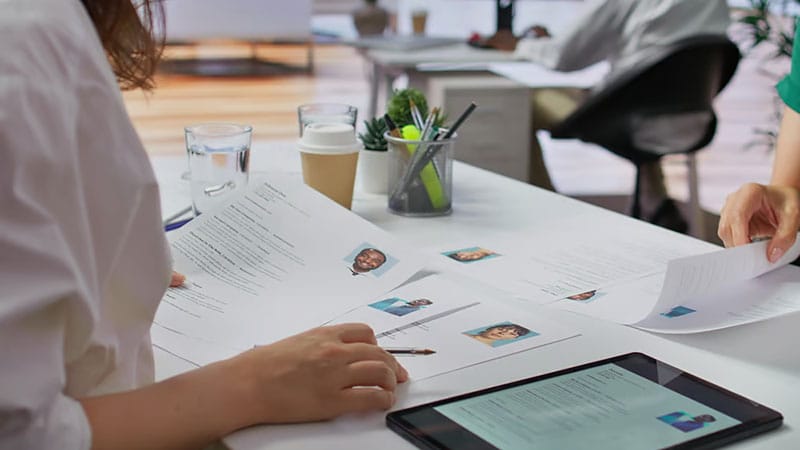
👀 What’s happening: Researchers at Stanford HAI, Chapman University, and Northeastern University published the largest audit of AI hiring algorithms ever run, covering 3.37 million applicants and 4.19 million applications all screened by Pymetrics, a game-based assessment vendor that Fortune 100 firms buy to filter candidates. Apply to any of those firms and you play the same assessment, scored once and stored for 330 days. Because so many employers run the same vendor, the next one doesn’t re-test you, it just pulls that old score. A full cross-application simulation found over 40,000 job advances erased, applicants knocked out by an algorithm calibrated for a different role at a different company.
🌍 How this hits reality: A bad result at one firm used to mean nothing at the next. One shared vendor kills the fresh look. Now a single AI algorithm gatekeeps a whole slice of the labor market, and its bias stops being any one employer’s problem: 25.87% of Black and 14.74% of Asian applicants got routed into pipelines that discriminated against them, everywhere at once. Mobley v. Workday is in federal court, and the EU AI Act flags hiring AI as high-risk on August 2. The US still has nothing.
🛎️ Key takeaway: The clean slate used to be free. Now it expires in 330 days, set by a test you forgot taking for a job you never got.
TOGETHER WITH MYCLAW
Run Best-in-Class AI Agents — In Seconds, Always On

MyClaw is a best-in-class AI agent platform that brings together OpenClaw, Hermes Agent, and commercial infrastructure to help businesses launch intelligent agents that understand goals, use tools, automate workflows, and deliver finished results.
We already host OpenClaw and Hermes — and we're just getting started. Claude Code, Codex, and every agent worth running are coming next. One home for all of them, always on.
Stop babysitting infrastructure. Spin up your agent, walk away, and let it work around the clock.
MyClaw — Your Agents, Hosted Right.
NSFW
Grok Took the "Dirty" Money

👀 What’s happening: Two former xAI employees estimate well over half of all Grok traffic now goes to pornographic images, video, and roleplay chats, The Information reports, and even Grok’s coding model fields frequent porn requests. Rather than pull back, xAI is actively expanding its image and video generation, deliberately filling the explicit-content gap OpenAI, Anthropic, and Google all refuse to touch.
🌍 How this hits reality: Every frontier lab knows porn is the largest unmet demand in generative media, and every one but xAI has decided it isn’t worth the brand and legal risk. Musk is the only player with the appetite to take it and defend the policy directly. But the prize only pays if he can draw the hard line: explicit but adult, consensual, never real people without consent, never minors. That boundary is brutally difficult to hold, and it’s exactly where xAI has to get much stronger, since regulators in the EU, India, Brazil, and the US are already circling.
🛎️ Key takeaway: The market is real and enormous, but it only works for whoever can fence porn in. The territory is still Musk’s, but only if he builds the fence before regulators build it for him.
Elon Musk: Grok Took the "Dirty" Money
Musk is the only player with the appetite to take it and defend the policy directly. But the prize only pays if he can draw the hard line: explicit but adult, consensual, never real people without consent, never minors.
BET
SoftBank Is Just an OpenAI Bet Now
👀 What’s happening: SoftBank shares fell as much as 13% in Tokyo on Friday, its biggest intraday drop in over three months, after the New York Times reported that OpenAI may push its IPO into next year. Also SoftBank’s stake in the ChatGPT maker is set to reach roughly $65 billion by October, and expectations of a windfall from that debut had just driven SoftBank’s market cap past Toyota’s for the first time.
🌍 How this hits reality: One rumor wiped out a tenth of SoftBank’s value. Not an earnings miss, not its hundreds of other holdings, a rumor about a company it doesn’t run. The market has quietly stopped pricing SoftBank as a conglomerate and started pricing it as a single OpenAI bet. And it’s a bet no one can check: OpenAI is private, its real worth a guess, so every tremor at OpenAI hits SoftBank harder than it hits OpenAI itself.
🛎️ Key takeaway: SoftBank has made itself a leveraged tracking stock for a company it can’t control and can’t yet price.
SoftBank Is Just an OpenAI Bet Now
The market has quietly stopped pricing SoftBank as a conglomerate and started pricing it as a single OpenAI bet. And it’s a bet no one can check: OpenAI is private, its real worth a guess, so every tremor at OpenAI hits SoftBank harder than it hits OpenAI itself.
SURVEY
Agents Are the New Storefront

👀 What’s happening: A new McKinsey report lays out how AI agents could come to mediate $3 trillion to $5 trillion of global consumer commerce by 2030. The shift it describes: instead of just recommending a product, an agent would scan multiple stores, check live inventory, and assemble a ready-to-buy cart. McKinsey maps it across six levels of automation, from an agent that merely compares prices while a human decides, up to your agent negotiating directly with a store’s agent over price and shipping with almost no human in the loop. The report’s key precondition: none of it works unless retailers expose their catalogs, stock, and return policies as machine-readable APIs.
🌍 How this hits reality: For a century, winning retail meant being more persuasive than the shelf next to you, better packaging, better ad, better brand story. If McKinsey’s right, an agent reads none of it. It queries your inventory feed, ranks you on price and terms, and moves on. The moat relocates: from who tells the best story to who exposes the cleanest data. A brand with a gorgeous campaign and no live API isn’t outranked, it’s invisible, skipped before the comparison starts. The CMO budget that bought attention now may have to buy machine-readability first.
🛎️ Key takeaway: The brands that win the next decade may not be the ones agents find most persuasive. They’ll be the ones agents can actually read.
DAILY TL;DR
- OpenAI was asked by the White House to slow-roll a new model over safety concerns, showing AI release timing is becoming a political decision.
- Anthropic is gaining paid consumer share from ChatGPT with Claude, suggesting the consumer AI market may be less locked up than it looked.
- General Intuition raised $320 million at a $2.3 billion valuation, betting gameplay action data can train real-world general agents.
- Google put computer-control abilities directly into Gemini 3.5 Flash, letting the model see and operate screens more like an agent.
- IBM unveiled a sub-nanometer chip architecture path, pointing toward the next decade of AI hardware design.
- OpenAI says ChatGPT Instant now better understands what users actually want, tightening the default assistant experience.
- Meta employees warned AI moderation is rolling out too fast, raising the risk that automation breaks content enforcement at scale.
- Amazon committed another $13B to AI infrastructure in India, making the country a bigger node in global cloud/AI capacity.
READ MORE
Let the Future Come to Your Inbox
Stay ahead without drowning in information. We turn the most important signals across AI, tech, marketing, and future products into 5-minute reads you can actually finish.
- AI Secret uncovers what really matters in AI
- Bay Area Letters decodes tech and business shifts from Silicon Valley
- Robotics Herald tracks how robots move from labs into daily life
- Marketing Secret breaks down real growth and go-to-market playbooks
- The Hardwire explores hardware, consumer tech, and what’s coming next
TOGETHER WITH US
AI Secret Media Group is the world’s #1 AI & Tech Newsletter Group, reaching over 2 million leaders across the global innovation ecosystem, from OpenAI, Anthropic, Google, and Microsoft to top AI labs, VCs, and fast-growing startups.
We've helped promote over 500 Tech Brands. Will yours be the next?
Email our co-founder Mark directly at [email protected] if the button fails.
Good Morning, AI Enthusiasts!
The IPO papers arrived, Siri borrowed a brain, SpaceX moved the data center into orbit, and Anthropic reminded everyone the plumbing still leaks.
SPACE
SpaceX Plans a Second Starlink for AI
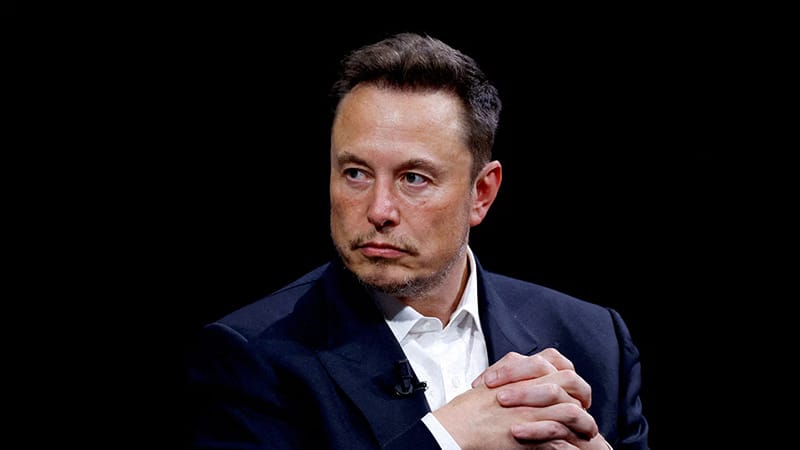
👀 What’s happening: Days before SpaceX's IPO, expected to value the company near $1.75 trillion, Elon Musk told investors that orbital AI data centers are "not a super hard problem." He said the tech already exists in the Starlink V3 satellites, and the first AI satellite would deliver about 150 kilowatts of peak power, roughly one Nvidia GB300 rack. The Bastrop, Texas factory should reach meaningful output by the end of 2027.
🌍 How this hits reality: Orbit sidesteps the wall terrestrial AI just hit, where free solar and free vacuum cooling beat a grid that cannot add gigawatts fast enough. And Musk has a point the skeptics miss. One satellite is one rack, so a 1GW orbital datacenter needs roughly 7,000 of them, about 280 launches. That sounds absurd until you notice SpaceX already flies a Starlink mission every three days and has lofted over 12,000 satellites. The hard problem isn't physics. It's whether SpaceX redirects a launch line it alone owns.
🛎️ Key takeaway: Of course this is also IPO storytelling, and from almost anyone else it would be pure hype, except Musk is the one who actually clears every prerequisite the story needs.
Elon Musk: SpaceX Plans a Second Starlink for AI
👀 What’s happening: Days before SpaceX's IPO, expected to value the company near $1.75 trillion, Elon Musk told investors that orbital AI data centers are "not a super hard problem." He said the tech already exists in the Starlink V3 satellites, and the first AI satellite would deliver about 150 kilowatts of peak power, roughly one Nvidia GB300 rack.
SpaceX Plans a Second Starlink for AI
That sounds absurd until you notice SpaceX already flies a Starlink mission every three days and has lofted over 12,000 satellites. The hard problem isn't physics. It's whether SpaceX redirects a launch line it alone owns.
NEW LAUNCH
Apple Finally Has AI
👀 What’s happening: Two years after the smarter Siri it promised in 2024 never shipped, Apple used WWDC 2026 to relaunch Siri AI, a more conversational assistant that reads your screen, edits photos, and gets its own ChatGPT-style app. The catch sits in the fine print: the new Apple Foundation Models were built with Google, following the Gemini supply deal Apple struck this year. Siri AI ships in English only, skips China, and excludes the EU's iPhones
🌍 How this hits reality: Apple's whole identity was owning the full stack, the chip nobody else could match. On the one layer that now defines computing, it admitted it stopped. The model is Google's; Apple keeps the wrapper, the privacy story, the distribution. And what it shipped is assistant, not agent. Siri reads apps and suggests actions, but it does not go do things across them the way the agent era demands.
🛎️ Key takeaway: It looks like Tim Cook's last dance before John Ternus takes over, and it finally settles his AI debt, except Apple still trails the era it just joined, so the opening move is made and the chase now belongs to his successor.
Google: Apple Finally Has AI
The catch sits in the fine print: the new Apple Foundation Models were built with Google, following the Gemini supply deal Apple struck this year. Siri AI ships in English only, skips China, and excludes the EU's iPhones
Apple Finally Has AI
🌍 How this hits reality: Apple's whole identity was owning the full stack, the chip nobody else could match. On the one layer that now defines computing, it admitted it stopped. The model is Google's; Apple keeps the wrapper, the privacy story, the distribution. And what it shipped is assistant, not agent.
INFRA
The Bottleneck Wasn't the Brain
👀 What’s happening: Anthropic published a science blog with an unfashionable claim that AI agents race ahead in coding but crawl in biology, and it has nothing to do with how smart the models are. The problem is the data. Biology's databases were built for humans clicking through web pages, not for agents, so when frontier models tried to retrieve virus sequences on their own, they fell apart, returning 266 records on one Ebola task, then 106, then 5, from the very same prompt. Adding gget virus, a tool that makes retrieval deterministic, pushed every model above 90% and erased the gap between cheap and expensive ones.
🌍 How this hits reality: The industry's instinct is to wait for the next, smarter model. This points the other way. Once the plumbing was fixed, the choice of model stopped mattering, a cheap one with the right tool matched the flagship. The blocker was never intelligence; it was that the world is paved for people, not agents. Karpathy made the same complaint about software, that writing code is easy and the real week vanishes clicking through setup screens. Biology just raises the stakes from a broken app to a missed diagnosis.
🛎️ Key takeaway: The next leap in applied AI may not come from a bigger brain but from the boring, auditable plumbing no one wants to build.
Anthropic: The Bottleneck Wasn't the Brain
👀 What’s happening: Anthropic published a science blog with an unfashionable claim that AI agents race ahead in coding but crawl in biology, and it has nothing to do with how smart the models are. The problem is the data.
IPO
The Mission Is the Pitch
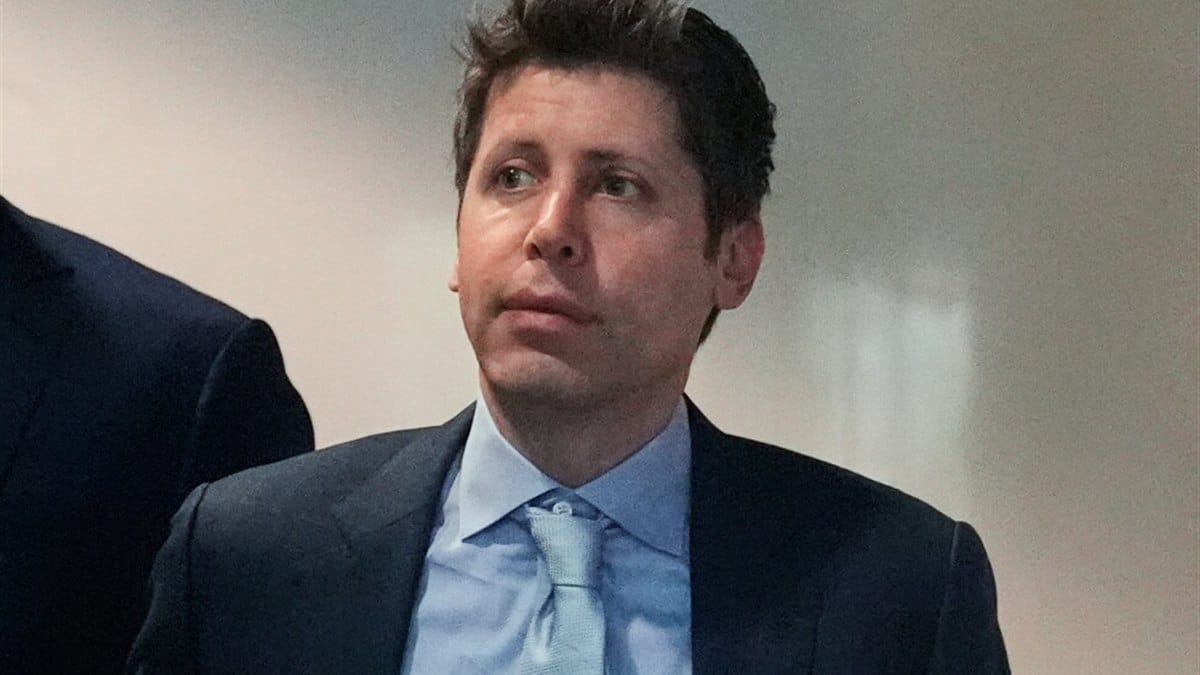
👀 What’s happening: OpenAI filed confidential IPO paperwork with the SEC on Monday at an $852 billion valuation, the third AI giant after SpaceX and Anthropic to line up for a Wall Street debut. In the same window, CEO Sam Altman released a manifesto promising "everyone on Earth a personal AGI" and gains that are "widely shared." It landed days after he met Senator Bernie Sanders, who wants the public to own half of every major AI firm, as President Trump floats giving citizens a slice of AI's upside.
🌍 How this hits reality: OpenAI is going public because it has run out of cheaper options. It loses more than it earns, its leads are slipping to Google and Anthropic, and private capital can no longer feed an appetite this size. But a money-losing nonprofit-turned-megacap is hard to sell to retail investors and a watching Washington, so the raise arrives wrapped in a mission. The manifesto is the packaging.
🛎️ Key takeaway: This is an AI cash machine reaching for the only wallet left big enough to feed it, dressing the raise as a gift to humanity so the public funds a burn no one can yet price.
Sam Altman: The Mission Is the Pitch
In the same window, CEO Sam Altman released a manifesto promising "everyone on Earth a personal AGI" and gains that are "widely shared." It landed days after he met Senator Bernie Sanders, who wants the public to own half of every major AI firm, as President Trump floats giving citizens a slice of AI's upside.
OpenAI: The Mission Is the Pitch
🌍 How this hits reality: OpenAI is going public because it has run out of cheaper options. It loses more than it earns, its leads are slipping to Google and Anthropic, and private capital can no longer feed an appetite this size.
Anthropic: The Mission Is the Pitch
It loses more than it earns, its leads are slipping to Google and Anthropic, and private capital can no longer feed an appetite this size. But a money-losing nonprofit-turned-megacap is hard to sell to retail investors and a watching Washington, so the raise arrives wrapped in a mission.
TOGETHER WITH MYCLAW
Your OpenClaw, Ready to Work
MyClaw makes OpenClaw instantly usable by connecting it to the SaaS tools you already use—Gmail, Slack, Google Docs, Sheets, Notion, GitHub, Telegram, WhatsApp, and more. No DevOps, no messy setup.
Just give it a goal, and your OpenClaw works 24/7 in the cloud, pulling context from your apps and delivering briefs, research, reports, decks, pages, and decisions ready to approve.
MyClaw turns OpenClaw from a cool demo into an always-on operator.
DAILY TL;DR
- Microsoft had open-source tools hacked to steal passwords from AI developers.
- Meta removed face-recognition code from its smart-glasses app after scrutiny.
- Perplexity plans to go public in 2028 regardless of OpenAI and Anthropic’s listing timelines.
- PhysicsX raised $300 million to speed up hardware design with AI.
- The UK is backing a billion-dollar AI supercomputer to reduce dependence on U.S. tech.
- Instacart is bringing AI-powered shopping carts into Weis Markets stores.
- AI data centers are increasingly being built in drought zones across the U.S.
READ MORE
Let the Future Come to Your Inbox
Stay ahead without drowning in information. We turn the most important signals across AI, tech, marketing, and future products into 5-minute reads you can actually finish.
- AI Secret uncovers what really matters in AI
- Bay Area Letters decodes tech and business shifts from Silicon Valley
- Robotics Herald tracks how robots move from labs into daily life
- Marketing Secret breaks down real growth and go-to-market playbooks
- The Hardwire explores hardware, consumer tech, and what’s coming next
TOGETHER WITH US
AI Secret Media Group is the world’s #1 AI & Tech Newsletter Group, reaching over 2 million leaders across the global innovation ecosystem, from OpenAI, Anthropic, Google, and Microsoft to top AI labs, VCs, and fast-growing startups.
We've helped promote over 500 Tech Brands. Will yours be the next?
Email our co-founder Mark directly at [email protected] if the button fails.
Good Morning, AI Enthusiasts!
Compute is becoming currency, rockets are becoming balance sheets, pixels are getting passports, and Nvidia just learned that even monsters can disappoint Wall Street.
IPO
SpaceX Files the Largest IPO in History
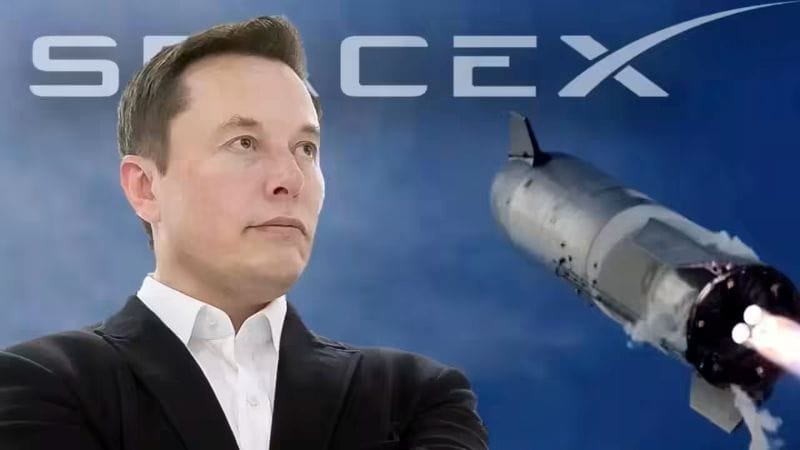
👀 What’s happening: SpaceX just submitted its S-1 to the SEC, targeting a $75B raise at a $2T valuation. Ticker: SPCX. Exchange: Nasdaq. First trading day: June 12. The previous record holder, Saudi Aramco, raised $29.4B in 2019. Musk is nearly tripling that in one shot.
🌍 How this hits reality: This is no longer a rocket company going public. After absorbing xAI in February, SpaceX now claims a $28.5T total addressable market, 93% of which is AI, larger than US GDP. The pitch to Wall Street is one vertically integrated stack from ground to orbit: rockets deploy orbital data centers, Starlink connects them, Grok runs on them. Also, the financials are secondary to the narrative. Revenue hit $18.67B in 2025, with AI capex alone burned $12.7B and net losses reached $4.9B. Musk is not asking public markets for a valuation on current performance. He is selling the most expensive infrastructure vision in corporate history, and pricing it accordingly.
🛎️ Key takeaway: The largest IPO ever filed is not a rocket company going public. It is Musk asking public markets to bankroll the most expensive bet in corporate history: that one entity can own the physical layer of AI from the ground to orbit.
Elon Musk: SpaceX Files the Largest IPO in History
It is Musk asking public markets to bankroll the most expensive bet in corporate history: that one entity can own the physical layer of AI from the ground to orbit.
SpaceX Files the Largest IPO in History
After absorbing xAI in February, SpaceX now claims a $28.5T total addressable market, 93% of which is AI, larger than US GDP. The pitch to Wall Street is one vertically integrated stack from ground to orbit: rockets deploy orbital data centers, Starlink connects them, Grok runs on them.
COPYRIGHT
OpenAI Lets Google Mark Its Pixels
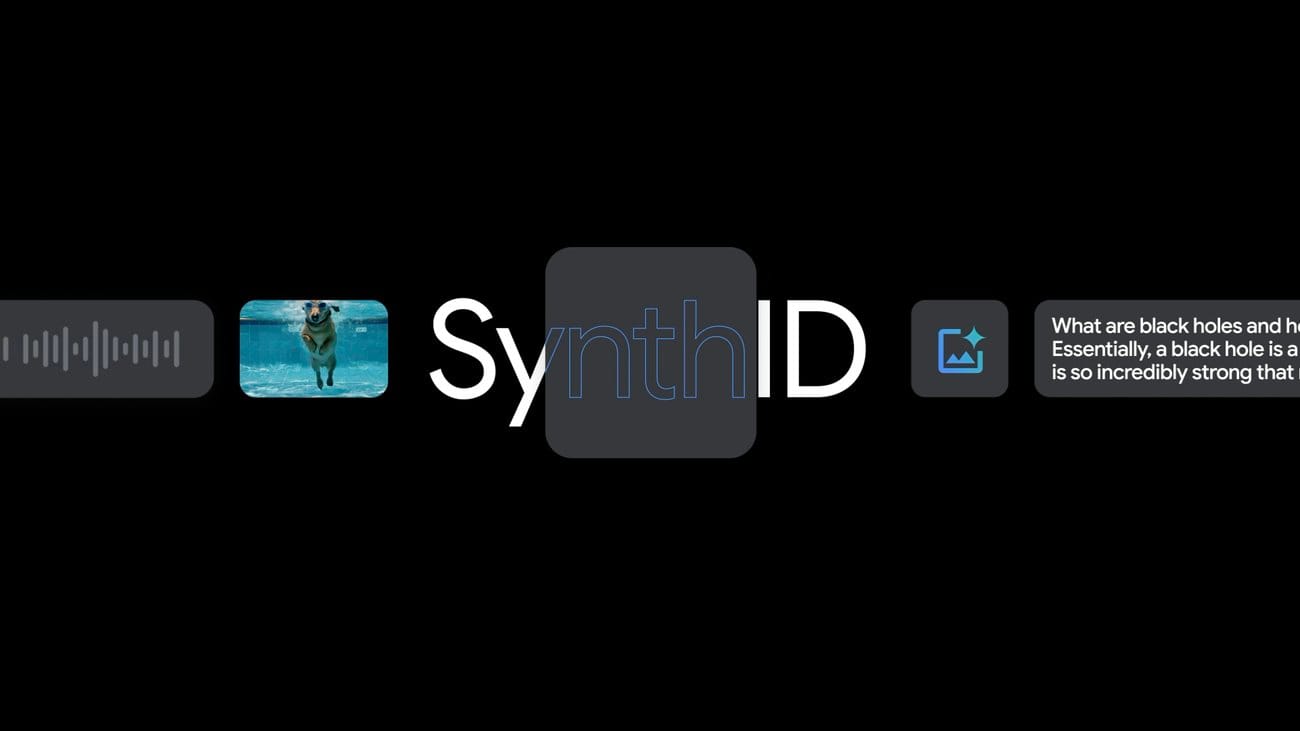
👀 What’s happening: OpenAI just announced it is integrating Google's SynthID watermarking into GPT-image-2 and launched a public verification tool at openai.com/research/verify. Drop any image in, get a verdict in seconds. The system survives screenshots, partial crops, and format changes. The rollout sits on top of C2PA, the open provenance standard already used by Adobe, Microsoft, Sony, Nikon, Leica, and Google.
🌍 How this hits reality: This is the HTTPS moment for AI-generated content. Until now, the watermark debate looked like a corporate land grab. Google had SynthID, OpenAI had its own C2PA pipeline, neither would read the other. That stalemate guaranteed the dark forest scenario where the cost of faking trends to zero and the cost of verification explodes. The new architecture flips the asymmetry:
- C2PA embeds a cryptographically signed manifest of origin into the file.
- SynthID spreads an invisible signature across the image itself, surviving cropping, filtering, compression, and format conversion.
🛎️ Key takeaway: OpenAI and Google did not align on a watermark because regulators forced it. They aligned because an internet where no image can be trusted is an internet where no AI company can sell anything.
OpenAI Lets Google Mark Its Pixels
👀 What’s happening: OpenAI just announced it is integrating Google's SynthID watermarking into GPT-image-2 and launched a public verification tool at openai.com/research/verify. Drop any image in, get a verdict in seconds. The system survives screenshots, partial crops, and format changes.
OpenAI Lets Google Mark Its Pixels
Google had SynthID, OpenAI had its own C2PA pipeline, neither would read the other. That stalemate guaranteed the dark forest scenario where the cost of faking trends to zero and the cost of verification explodes. The new architecture flips the asymmetry:
NVIDIA
Wall Street Wants a Bigger Monster
👀 What’s happening: Nvidia just reported Q1 FY27: $81.6B revenue, up 85% year over year. Data center hit $75.2B, 92% of total. Net income tripled to $58.3B. Networking revenue alone tripled. The company crushed every estimate. Then the stock fell about 1%. Third quarter in a row of beats followed by drops.
🌍 How this hits reality: Nvidia is no longer priced on earnings. It is priced on a fantasy: total ownership of the AI stack, top to bottom, suppliers and customers alike. By that yardstick, this quarter is a failure, and the cracks are widening on both sides.
Upstream, three memory makers, SK Hynix, Samsung, and Micron, own 100% of HBM supply. HBM3E went from $500 to $1200 in eighteen months. Another 30-50% increase is already booked for this quarter.
Downstream is worse. The two customers driving most of his growth, OpenAI and Anthropic, are openly engineering their escape. OpenAI just signed a $20B three-year deal with Cerebras and took 10% equity. Anthropic engineers now sit inside Amazon's Annapurna Labs daily, shaping Trainium 3 and 4 architecture decisions in real time.
Nvidia invested $30B in OpenAI and $10B in Anthropic to keep them close. The hostages took the ransom and started building the prison from the inside.
🛎️ Key takeaway: Wall Street already paid for inevitability. Nvidia just proved inevitability has gaps, and the only real question left is how fast those gaps widen before the multiple breaks.
OpenAI: Wall Street Wants a Bigger Monster
The two customers driving most of his growth, OpenAI and Anthropic, are openly engineering their escape. OpenAI just signed a $20B three-year deal with Cerebras and took 10% equity. Anthropic engineers now sit inside Amazon's Annapurna Labs daily, shaping Trainium 3 and 4 architecture decisions in real time.
Anthropic: Wall Street Wants a Bigger Monster
The two customers driving most of his growth, OpenAI and Anthropic, are openly engineering their escape. OpenAI just signed a $20B three-year deal with Cerebras and took 10% equity. Anthropic engineers now sit inside Amazon's Annapurna Labs daily, shaping Trainium 3 and 4 architecture decisions in real time.
NVIDIA: Wall Street Wants a Bigger Monster
🌍 How this hits reality: Nvidia is no longer priced on earnings. It is priced on a fantasy: total ownership of the AI stack, top to bottom, suppliers and customers alike. By that yardstick, this quarter is a failure, and the cracks are widening on both sides.
TOKEN
Tokens Are the New Cash
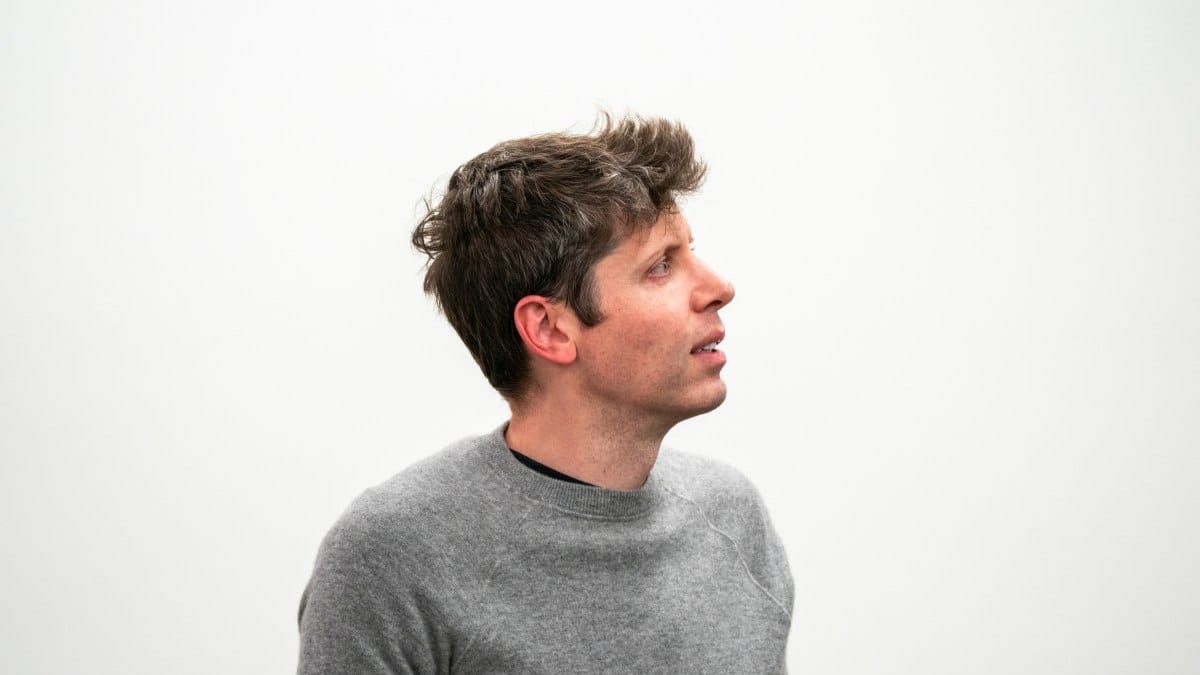
👀 What’s happening: Sam Altman just offered every startup in YC's current batch $2M in OpenAI tokens in exchange for equity. Not cash. Not cloud credits with a sunset clause. Raw inference capacity, swapped directly for ownership stakes in hundreds of companies at once. Tyler Bosmeny, a YC partner, announced it on X and compared it to Yuri Milner's legendary blanket check offer. But Milner used dollars. Altman is minting his own currency.
🌍 How this hits reality: This is the moment tokens formally crossed from "operating expense" into "capital instrument." Altman is not spending money. He is printing compute at marginal cost and exchanging it for real equity at face value. The spread is grotesque: what costs OpenAI on the GPU buys ownership in companies that may one day be worth billions. And the lock-in compounds. A startup that builds its entire agent stack on OpenAI's API during its most formative months will never migrate.
🛎️ Key takeaway: When you control the mint, giving away money costs you not much but buys you everything. And the bet is that most of the YC batch will find it impossible to refuse. That is not a partnership. That is monetary policy.
Sam Altman: Tokens Are the New Cash
🌍 How this hits reality: This is the moment tokens formally crossed from "operating expense" into "capital instrument." Altman is not spending money. He is printing compute at marginal cost and exchanging it for real equity at face value. The spread is grotesque: what costs OpenAI on the GPU buys ownership in companies that may one day be worth billions.
OpenAI: Tokens Are the New Cash
The spread is grotesque: what costs OpenAI on the GPU buys ownership in companies that may one day be worth billions. And the lock-in compounds. A startup that builds its entire agent stack on OpenAI's API during its most formative months will never migrate.
TOGETHER WITH FREEARTGEM
Free AI Art Without the Catch
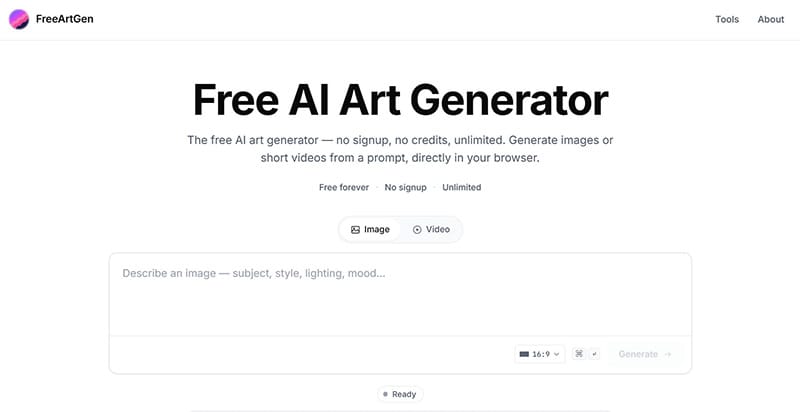
You know how this usually plays out. "Free AI generator" turns into a signup wall, then a credit meter, then a watermark you can't shake off. FreeArtGen skips the whole routine. Open the page, type a prompt, get an image in 10 seconds or a video in under a minute. Download clean. Use anywhere.
Honest fine print: 5 images and 1 video per hour, per IP. No card. No account. No upsell. Just generate.
DAILY TL;DR
- Apple is positioning its delayed AI Siri around privacy rather than chatbot power, setting up WWDC as a major AI reset moment.
- Microsoft made computer-using agents generally available in Copilot Studio, letting enterprise agents operate inside ordinary apps.
- Google launched Gemini for Science, adding agentic tools for hypothesis generation, computational discovery, and research-code creation.
- Meta told staff it does not expect more company-wide layoffs this year after cutting 10% of its workforce and moving 7,000 employees into AI-related teams.
- GitHub confirmed 3,800 internal repositories were exposed through a poisoned VS Code extension, a sharp security warning for the AI-coding toolchain.
- Airbnb is adding AI travel features alongside hotels, car rentals, grocery delivery, and luggage storage as it tries to become a broader services platform.
- Google introduced Gemini Omni, a multimodal world model that starts with video generation and is built to move toward any-input, any-output creation.
READ MORE
Let the Future Come to Your Inbox
Stay ahead without drowning in information. We turn the most important signals across AI, tech, marketing, and future products into 5-minute reads you can actually finish.
- AI Secret uncovers what really matters in AI
- Bay Area Letters decodes tech and business shifts from Silicon Valley
- Robotics Herald tracks how robots move from labs into daily life
- Marketing Secret breaks down real growth and go-to-market playbooks
- The Hardwire explores hardware, consumer tech, and what’s coming next
TOGETHER WITH US
AI Secret Media Group is the world’s #1 AI & Tech Newsletter Group, reaching over 2 million leaders across the global innovation ecosystem, from OpenAI, Anthropic, Google, and Microsoft to top AI labs, VCs, and fast-growing startups.
We've helped promote over 500 Tech Brands. Will yours be the next?
Email our co-founder Mark directly at [email protected] if the button fails.
Good Morning, AI Enthusiasts!
The machine has found its religion, its operating system, its defectors, and its wallet access.

BCI
Musk Announced Jesus-Level Technology
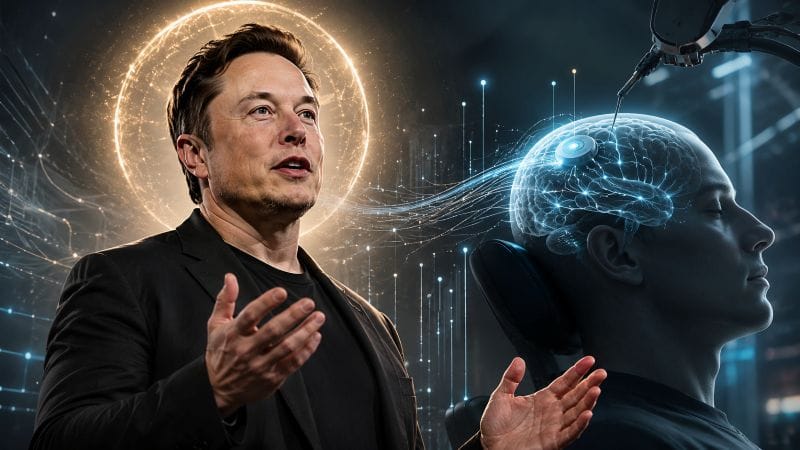
👀 What’s happening: Musk told the Samson International Smart Mobility Summit in Tel Aviv that Neuralink is building "Jesus-level technologies," then paused to clarify: "I mean miracles in the scientific sense." The parallel is specific. Healing the paralyzed, giving sight to the blind, making the lame walk. Neuralink has implanted Telepathy chips in 21 patients who now control devices by thought alone. Blindsight, which feeds camera signals directly into the visual cortex bypassing dead eyes entirely, gets its first human implant by year-end.
🌍 How this hits reality: The Jesus analogy is not hyperbole; it is a product checklist. Paralysis: done. First recipient Noland Arbaugh, paralyzed from a diving accident, plays shooters and designs 3D models with his mind. Blindness: next, with FDA breakthrough designation already secured. Walking: after that, via dual chips bridging signals wirelessly across damaged spinal cord. Also, Musk's "600-second" surgical vision and target pricing near a consumer device turn each biblical miracle into a line item with a ship date. The gap between 10 times patients and millions remains enormous, but the framing is deliberate: these are no longer research goals, they are production milestones.
🛎️ Key takeaway: Musk picked "Jesus" because the use cases map one-to-one onto New Testament miracles, and he wants you to notice that the timeline now has quarters, not centuries.
Musk Announced Jesus-Level Technology
👀 What’s happening: Musk told the Samson International Smart Mobility Summit in Tel Aviv that Neuralink is building "Jesus-level technologies," then paused to clarify: "I mean miracles in the scientific sense." The parallel is specific. Healing the paralyzed, giving sight to the blind, making the lame walk.
TOGETHER WITH PALABRA
Your AI translator that speaks in your voice — live, in 60+ languages
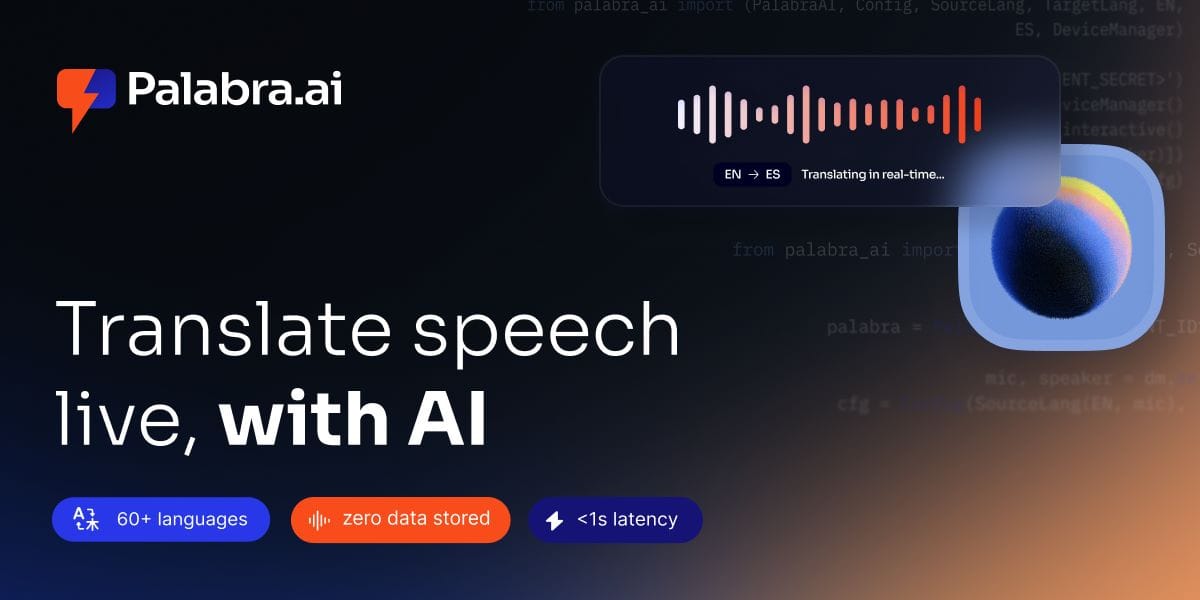
What if your next Zoom call, keynote, or live stream reached every person in their native language — and still sounded like you? That's Palabra.
- For engineers: Free API key. Embed real-time voice translation into any product in minutes
- For creators & marketers: Go live in 60+ languages on YouTube, OBS, or any stream — no dubs, no delay
- For teams: Native integration with Zoom, Teams, and Google Meet.
Trusted by people from DHL, UNICEF, Paramount, BCG, Deloitte — from boardrooms to global broadcasts
NEW LAUNCH
Google Floods Agent Products
👀 What’s happening: Google poured agent products across every layer of its stack at I/O 2026— Antigravity 2.0 as a standalone dev environment, Gemini Spark as a persistent cloud agent running 24/7, Android Halo as a new UI layer for agent awareness, plus a full commerce protocol stack that lets agents actually spend money on your behalf. All deployed today, globally.
🌍 How this hits reality: The pipeline is real. Google built a complete agent architecture: Sparks handle real tasks across Docs and Gmail, Antigravity deploys at scale, the new commerce protocols (UCP and AP2) solve the Agent-can-buy-things problem that nobody else has even attempted to standardization. The 93-subagent OS build demo, 26 billion tokens, only takes $1,000 cost, is a genuine production milestone. But none of it lands with the weight of a defining moment. Every product is incremental improvement on existing concepts rather than a new category. Google is building the whole house, yet the rooms all feel familiar.
🛎️ Key takeaway: Google is constructing a structurally different agent world from everyone else, and that matters long term — but on the day it ships, none of it makes you stop and say "that changes everything."
Google Floods Agent Products
👀 What’s happening: Google poured agent products across every layer of its stack at I/O 2026— Antigravity 2.0 as a standalone dev environment, Gemini Spark as a persistent cloud agent running 24/7, Android Halo as a new UI layer for agent awareness, plus a full commerce protocol stack that lets agents actually spend money on your behalf.
ANTHROPIC
Karpathy Joins the Avengers
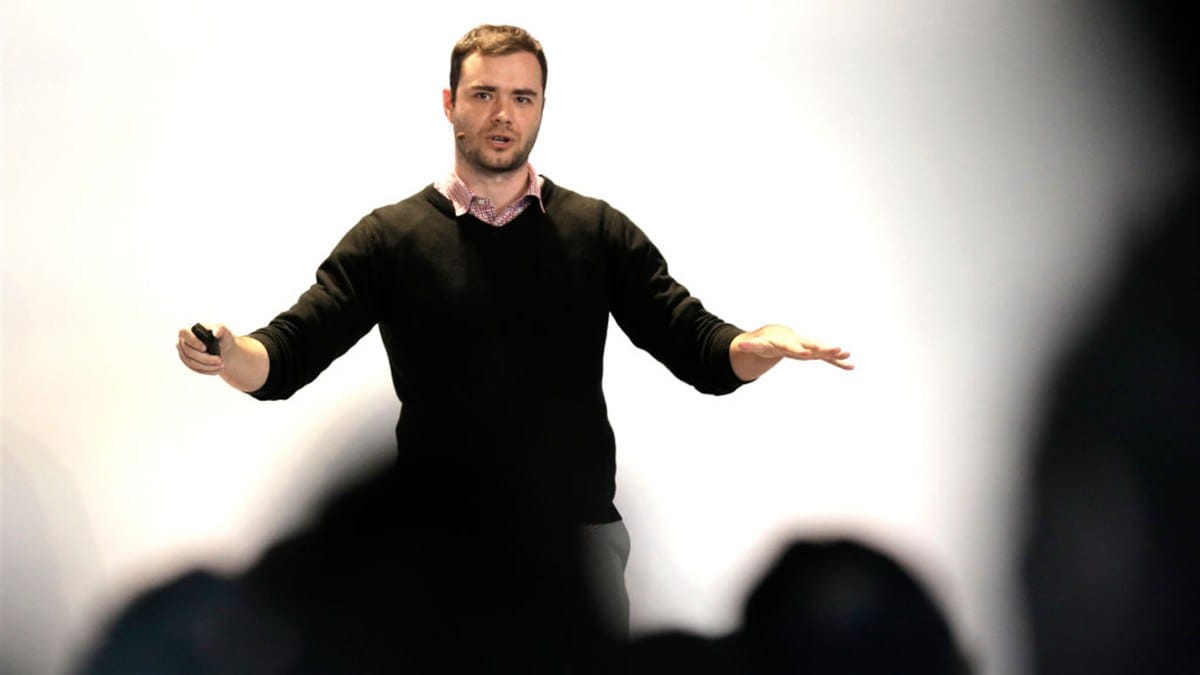
👀 What’s happening: Andrej Karpathy, who co-founded OpenAI in 2015, has now joined Anthropic — the company built by the researchers who walked out of OpenAI in 2021 over a strategic rift that nobody at OpenAI has ever fully explained. He is leading pretraining, building new teams to push Claude's foundation forward. He chose a company he had no stake in over the one he helped start.
🌍 How this hits reality: Anthropic is not merely winning. It is winning against OpenAI specifically. The enterprise adoption lead (34.4% vs OpenAI's 32.3%) came the same week Fortune ran "Anthropic cannot stop winning." The Gates Foundation partnership, the SMB push, the rising valuations — all of it lands in the same narrative frame: the company that walked out is outperforming the company they left behind. Karpathy's arrival is the capstone on a story the industry has been watching unfold for five years. He did not just join a competitor. He joined a revenge plot.
🛎️ Key takeaway: Karpathy did not pick a winner. He picked the other side, and the choice carries the weight of every OpenAI alumnus who has made the same calculation.
OpenAI: Karpathy Joins the Avengers
👀 What’s happening: Andrej Karpathy, who co-founded OpenAI in 2015, has now joined Anthropic — the company built by the researchers who walked out of OpenAI in 2021 over a strategic rift that nobody at OpenAI has ever fully explained. He is leading pretraining, building new teams to push Claude's foundation forward.
Anthropic: Karpathy Joins the Avengers
👀 What’s happening: Andrej Karpathy, who co-founded OpenAI in 2015, has now joined Anthropic — the company built by the researchers who walked out of OpenAI in 2021 over a strategic rift that nobody at OpenAI has ever fully explained. He is leading pretraining, building new teams to push Claude's foundation forward.
NEW LAUNCH
ChatGPT Just Walked into Your Bank
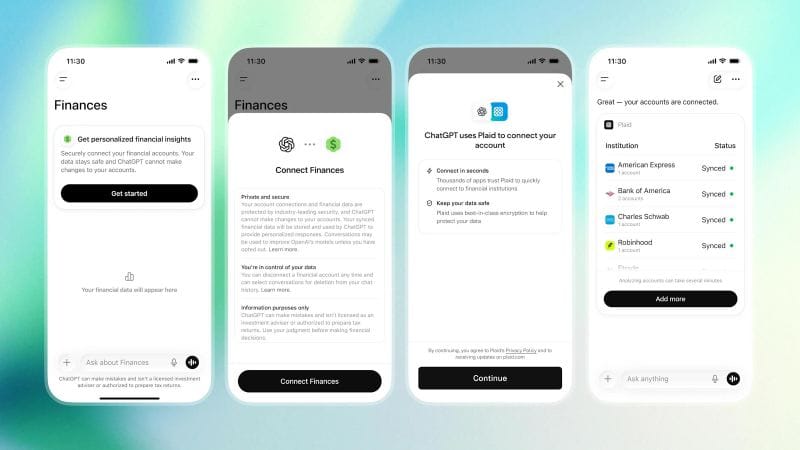
👀 What’s happening: Paid ChatGPT users in the U.S. now can link their actual bank, credit card, and brokerage accounts to the chatbot, then ask things like "have I been spending more lately?" or "help me plan to buy a house in five years." It works with over 12,000 banks including Chase, Schwab, Fidelity, Robinhood, and American Express. Tax software hookups are coming next.
🌍 How this hits reality: OpenAI says 200 million people already ask ChatGPT money questions every month, they just had to type the numbers in by hand. Now the chatbot can see your real accounts. The Chase app, the Fidelity website, the TurboTax wizard all built their business on being the place you check your money. ChatGPT now sits one step above all of them and gives you an answer before you ever open the bank's app. Whoever you ask first is who you trust, and that habit just moved.
🛎️ Key takeaway: The fight for your money is not about better banking apps anymore, it is about who you ask first when you have a question, and ChatGPT just walked to the front of the line.
ChatGPT Just Walked into Your Bank
🌍 How this hits reality: OpenAI says 200 million people already ask ChatGPT money questions every month, they just had to type the numbers in by hand. Now the chatbot can see your real accounts. The Chase app, the Fidelity website, the TurboTax wizard all built their business on being the place you check your money.
DAILY TL;DR
- Google expanded AI Mode in Search with deeper reasoning, agentic task help, and a more central role for Gemini inside everyday web discovery.
- Google DeepMind introduced Veo 4, pushing AI video generation toward longer, more controllable clips for creators and studios.
- Google upgraded the Gemini app with agent-style planning, stronger multimodal help, and tighter links into Google’s consumer ecosystem.
- Microsoft framed Build 2026 around the “open agentic web,” making interoperable AI agents the center of its developer platform.
- GitHub expanded Copilot into a coding agent that can take on larger tasks, work across repositories, and return pull-request-ready changes.
- Mistral AI acquired Emmi AI to push further into industrial AI, adding simulation and engineering workflows to its enterprise stack.
- OpenAI pushed new content provenance work, signaling that AI media verification is becoming part of the platform layer.
- Anthropic added a safer way for Claude agents to connect with enterprise APIs without exposing user credentials.
READ MORE
Let the Future Come to Your Inbox
Stay ahead without drowning in information. We turn the most important signals across AI, tech, marketing, and future products into 5-minute reads you can actually finish.
- AI Secret uncovers what really matters in AI
- Bay Area Letters decodes tech and business shifts from Silicon Valley
- Robotics Herald tracks how robots move from labs into daily life
- Marketing Secret breaks down real growth and go-to-market playbooks
- The Hardwire explores hardware, consumer tech, and what’s coming next
TOGETHER WITH US
AI Secret Media Group is the world’s #1 AI & Tech Newsletter Group, reaching over 2 million leaders across the global innovation ecosystem, from OpenAI, Anthropic, Google, and Microsoft to top AI labs, VCs, and fast-growing startups.
We've helped promote over 500 Tech Brands. Will yours be the next?
Email our co-founder Mark directly at [email protected] if the button fails.
Good Morning, AI Enthusiasts!
The priests blessed the models, the physicists rebuilt the collider around them, the utilities started selling the grid to them, and OpenAI cleared another runway to IPO.
POWER
America’s Biggest Utility Deal
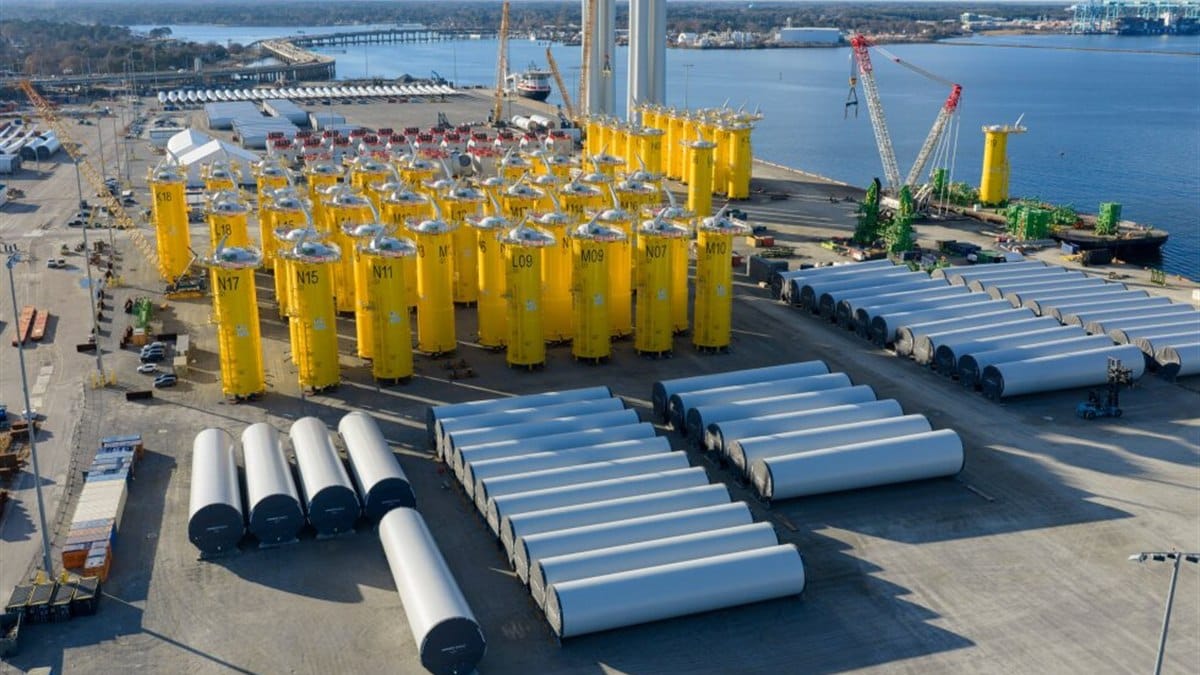
👀 What’s happening: NextEra Energy is paying $67 billion for Dominion, the largest utility merger in US history, announced May 18, 2026. NextEra brings the money machine: clean power, storage, gas, nuclear exposure, and regulated financing. Dominion sits on top of Northern Virginia's Data Center Alley, holding 51 GW of signed data center demand, roughly fifty nuclear plants worth. Virginia's DOM zone load is projected to grow 121% by 2045. NextEra isn't buying poles and wires, it's buying the power socket closest to AI.
🌍 How this hits reality: The market spent two years pricing GPUs and is now pricing the grid. Global data center demand jumped 17% in 2025 while overall electricity grew 3%, and PJM wholesale prices just spiked 76% in a report that used the word "irreversible." Sixty Virginia data centers tripped offline last winter and dumped 1,500 MW of surplus in seconds, exposing how fragile this new load really is. NextEra's bet stacks its renewables and storage onto Dominion's queue, while "large load tariffs" quietly shift transmission buildout costs onto hyperscalers. The catch: PowerLines estimates residential customers may eat $700 billion of AI grid upgrades through their bills.
🛎️ Key takeaway: AI's $400 billion capex story has a hidden second invoice, mailed monthly to every household near the cable.
NEW TECH
The First AI-Native Collider

👀 What’s happening: Brookhaven National Lab is constructing the Electron-Ion Collider, a $1.7B–$2.8B machine on a 2.4-mile ring where machine learning is baked into the accelerator and detector from day one, not bolted on later. The ePIC detector will fire 500,000 collisions per second and spit out 100 gigabits per second. AI sorts, filters, and reconstructs in real time. Targeted to switch on in the mid-2030s.
🌍 How this hits reality: Physics just admitted what every frontier lab already knows: data volume has outrun human operators. EIC-BeamAI has already matched expert tuners on RHIC pre-accelerators, and a digital twin can pre-empt magnet failures before they fry hardware. The deeper signal is that AI is no longer an analysis tool sitting downstream of the experiment, it is now a design constraint upstream of the steel. Detector geometry, beam control, and data compression are all being optimized against what models can learn, not what physicists can read.
🛎️ Key takeaway: When billion-dollar instruments start being shaped around what AI needs to see, AI stops being the tenant and becomes the architect.
ETHICS
The Pope Co-Signs With Anthropic

👀 What’s happening: On May 25, Pope Leo XIV launches his first encyclical, Magnifica Humanitas, in the main Vatican auditorium, with Anthropic co-founder Christopher Olah seated on the lay panel. Leo signed it May 15, exactly 135 years after Leo XIII signed Rerum Novarum, the document that defined the church's stance on industrial-era labor. Two top cardinals present, the Secretary of State concludes, the pope blesses. This is not a press-room rollout, it's a coronation.
🌍 How this hits reality: The Vatican just picked a side in the AI safety war. Anthropic is currently suing the Trump administration after February's federal ban on its tech for refusing unrestricted military use, and now the world's oldest moral institution is staging Olah next to its doctrine chief. Leo is explicitly framing AI as this century's Industrial Revolution, which means he's claiming jurisdiction over labor, warfare, and human dignity in the age of models. For a $380B company fighting Washington, a papal endorsement isn't PR, it's geopolitical armor.
🛎️ Key takeaway: When the safety-pilled AI lab gets blessed in Latin and the White House gets nothing, "AI ethics" stops being a debate and starts being a faction.
The Pope Co-Signs With Anthropic
👀 What’s happening: On May 25, Pope Leo XIV launches his first encyclical, Magnifica Humanitas, in the main Vatican auditorium, with Anthropic co-founder Christopher Olah seated on the lay panel. Leo signed it May 15, exactly 135 years after Leo XIII signed Rerum Novarum, the document that defined the church's stance on industrial-era labor.
LAWSUIT
Musk Lost the OpenAI Fight

👀 What’s happening: Elon Musk lost the first major legal round against Sam Altman and OpenAI. A nine-person jury rejected his claims in under two hours, saying he filed too late. The court did not settle whether OpenAI betrayed its mission. It simply removed Musk’s case from the road.
🌍 How this hits reality: OpenAI’s win tells the market one thing that the IPO story is still intact. The company can keep selling itself as investable AI infrastructure, not a governance lawsuit with a product attached. That matters for Microsoft, Nvidia, cloud buyers, chip suppliers, and every fund waiting to price the AI stack.
🛎️ Key takeaway: OpenAI did not win the moral debate. It cleared the biggest legal blockage before going public. The next fight moves from court procedure to valuation, governance, and control of the AI stack.
Musk Lost the OpenAI Fight
👀 What’s happening: Elon Musk lost the first major legal round against Sam Altman and OpenAI. A nine-person jury rejected his claims in under two hours, saying he filed too late. The court did not settle whether OpenAI betrayed its mission. It simply removed Musk’s case from the road.
Musk Lost the OpenAI Fight
👀 What’s happening: Elon Musk lost the first major legal round against Sam Altman and OpenAI. A nine-person jury rejected his claims in under two hours, saying he filed too late. The court did not settle whether OpenAI betrayed its mission. It simply removed Musk’s case from the road.
TOGETHER WITH MYCLAW
Personal AI That Starts Personal

A personal AI shouldn’t feel generic. MyClaw lets you install skills that adapt to your preferences from the start, so your assistant feels relevant on day one. Behind the scenes, OpenClaw provides the agent power. What you see is a simpler way to put it to work.
If you’re serious about OpenClaw, don’t run it halfway. Run it the way it was meant to be run — fast, secure, and production-ready by default.
DAILY TL;DR
- Anthropic acquired Stainless to strengthen Claude’s SDK, CLI, and MCP tooling as agent connectivity becomes a bigger platform battleground.
- OpenAI partnered with Dell to bring Codex into hybrid and on-prem enterprise environments, pushing coding agents closer to private company data.
- xAI launched Grok Build, an early-beta coding agent that puts Grok into the developer terminal.
- Shopify said AI-referred orders grew nearly 13x year over year, showing agentic commerce is becoming a real shopping channel.
- Google became the symbol of student backlash after former CEO Eric Schmidt was booed during AI-heavy graduation remarks.
- Nvidia said demand for enterprise AI infrastructure is going “parabolic” as Dell’s new systems push Rubin-based agentic workloads into production planning.
- Dell expanded its AI Factory with local agentic AI systems, new data infrastructure, and broader support for controlled enterprise AI deployment.
READ MORE
Let the Future Come to Your Inbox
Stay ahead without drowning in information. We turn the most important signals across AI, tech, marketing, and future products into 5-minute reads you can actually finish.
- AI Secret uncovers what really matters in AI
- Bay Area Letters decodes tech and business shifts from Silicon Valley
- Robotics Herald tracks how robots move from labs into daily life
- Marketing Secret breaks down real growth and go-to-market playbooks
- The Hardwire explores hardware, consumer tech, and what’s coming next
TOGETHER WITH US
AI Secret Media Group is the world’s #1 AI & Tech Newsletter Group, reaching over 2 million leaders across the global innovation ecosystem, from OpenAI, Anthropic, Google, and Microsoft to top AI labs, VCs, and fast-growing startups.
We've helped promote over 500 Tech Brands. Will yours be the next?
Email our co-founder Mark directly at [email protected] if the button fails.
Good Morning, AI Enthusiasts!
AI is now suing its childhood friends, floating servers into the ocean, and calling agent babysitting a graduate program.

COMPUTE
Power Hunt Has Lost Its Mind
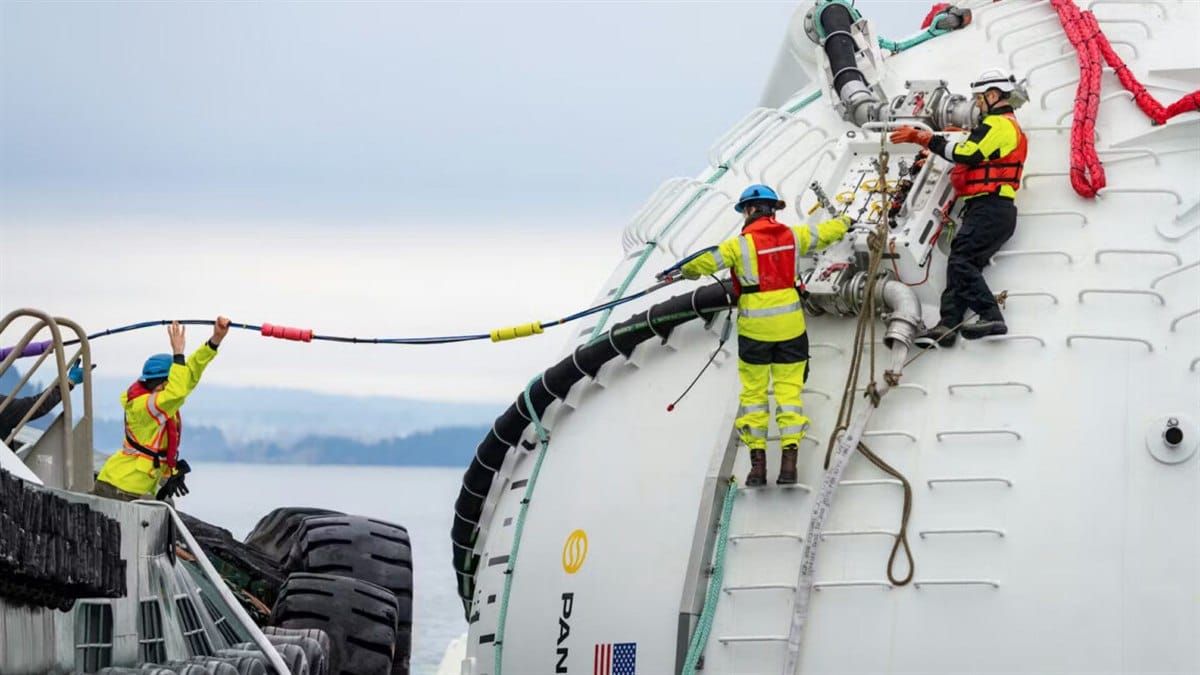
👀 What's happening: Panthalassa just raised $140M led by Peter Thiel to build autonomous floating data centers powered by ocean waves — 85-meter steel orbs bobbing in the northern Pacific, running AI inference chips cooled by seawater, transmitting tokens back via satellite. The company, founded in 2016, plans Ocean-3 pilot deployments later this year with commercial operations in 2027.
🌍 How this hits reality: The fact that serious capital (Thiel, Doerr, Benioff, Founders Fund) is flowing into what sounds like sci-fi tells you everything about how broken the land-based power equation has become. IEA projects data centers will consume 1,000 TWh globally this year — equal to Japan's entire electricity use. Grid capacity, cooling water, permitting, and NIMBYism are all hitting walls simultaneously. Microsoft already tried and abandoned underwater data centers (Project Natick, 2013–2024). Panthalassa's bet is even wilder: no fiber cables, satellite-only bandwidth, zero human maintenance for a decade, in the harshest ocean conditions on Earth. The engineering gaps — limited satellite throughput, multi-node coordination, saltwater corrosion, storm survival — remain enormous and largely unproven at scale.
🛎️ Key takeaway: When nearly a billion-dollar valuation lands on wave-powered ocean orbs, it's less about the orbs working and more about how completely AI's electricity hunger has outrun terrestrial infrastructure.
Thiel Leads $140M Bet on Wave-Powered Ocean Data Centers
Panthalassa raised $140 million in a round led by Peter Thiel to build autonomous floating data centers powered by ocean waves, running AI inference chips cooled by seawater and sending tokens back by satellite. The company planned Ocean-3 pilot deployments later in 2026 and commercial operations in 2027.
TOGETHER WITH DIT
One API. Top AI Models. Save up to 70%
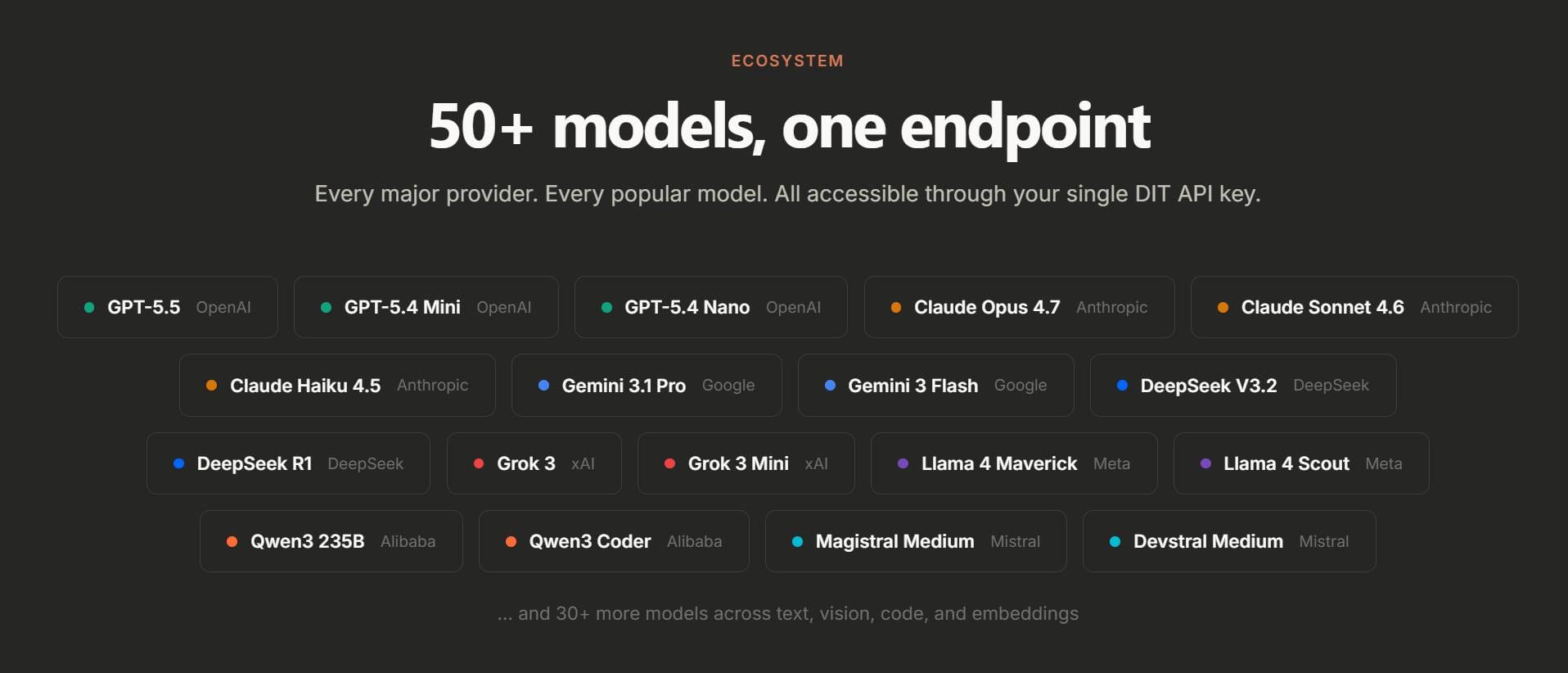
DIT.ai gives developers and teams one API key for 50+ leading models, including GPT, Claude, Gemini, DeepSeek, Grok, Llama, and more.
Instead of juggling providers, keys, pricing, and reliability issues, DIT routes requests through a real-time model marketplace where providers compete on cost, speed, and availability.
Build with the models you want — without overpaying for tokens.
LAWSUIT
OpenAI’s Idealism Is Getting Filthy in Court
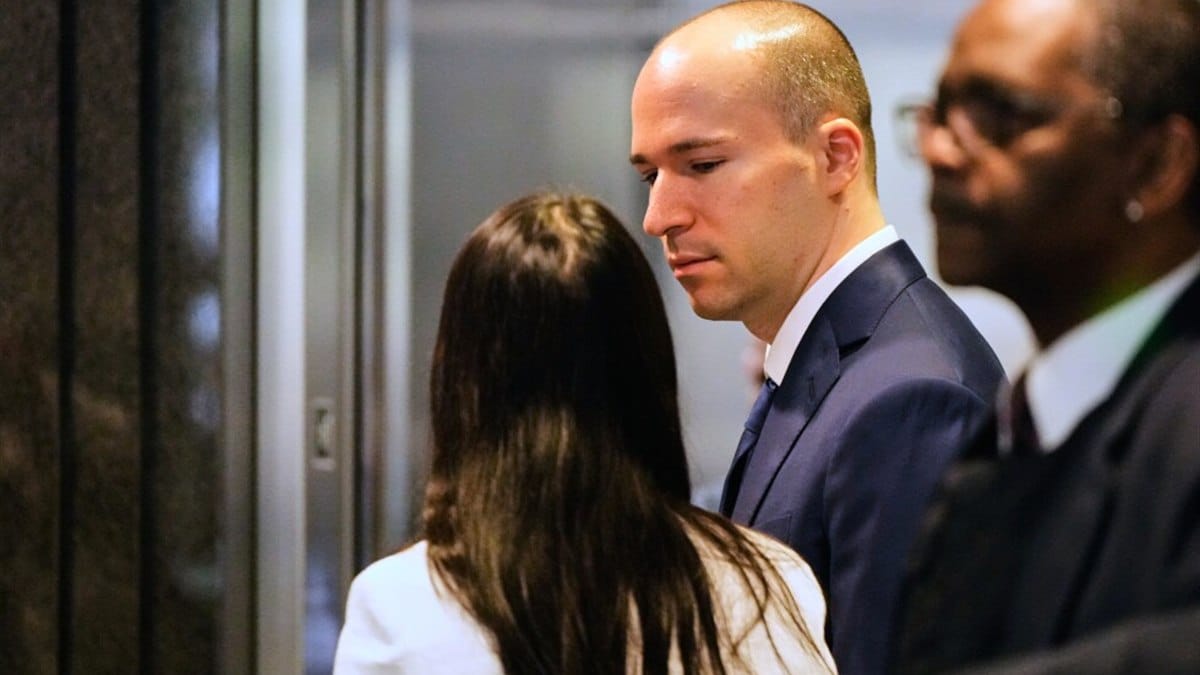
👀 What’s happening: Two new pieces of dirt just hit the Musk versus OpenAI trial. Musk allegedly asked Greg Brockman to settle, got rejected, then threatened to make Brockman and Sam Altman America’s most hated men. Brockman then took the stand and gave Musk’s side its own ammunition: old notes about going for-profit, wanting billions, and not being fully honest with Musk.
🌍 How this hits reality: OpenAI was supposed to be the sacred version of AI capitalism. No greed. No throne. No private empire. Just AGI for humanity under a nonprofit roof. Now the roof is found leaking poison at the beginning: Musk's threatening, and raging from outside; Brockman’s old notes talking profit, billions, and honesty problems from inside. The ideal did not evolve. It got strip-mined.
🛎️ Key takeaway: Nobody looks clean now, and the old “idealists building AGI for humanity” story looks dead. "The future of AI governance" now smells like equity paperwork.
Elon Musk: OpenAI’s Idealism Is Getting Filthy in Court
Musk allegedly asked Greg Brockman to settle, got rejected, then threatened to make Brockman and Sam Altman America’s most hated men. Brockman then took the stand and gave Musk’s side its own ammunition: old notes about going for-profit, wanting billions, and not being fully honest with Musk.
OpenAI’s Idealism Is Getting Filthy in Court
👀 What’s happening: Two new pieces of dirt just hit the Musk versus OpenAI trial. Musk allegedly asked Greg Brockman to settle, got rejected, then threatened to make Brockman and Sam Altman America’s most hated men.
FINANCE
Palantir Is Printing Money
👀 What's happening: Palantir posted Q1 2026 revenue of $1.63 billion, up 85% year-over-year, its fastest growth since going public in 2020. Net income quadrupled to $870 million. U.S. revenue alone grew 104%, with commercial clients up 133%. The company raised full-year guidance to $7.65 billion and CEO Karp expects the U.S. business to double again in 2027.
🌍 How this hits reality: This is no longer a government contractor that dabbles in AI. Palantir's AIP platform has turned into the enterprise deployment engine that OpenAI and Anthropic are now scrambling to replicate, partnering with McKinsey and BCG to copy the same hands-on integration playbook. Revenue per employee hit $1.5 million annually, a number that makes pure SaaS economics look quaint. The model labs build intelligence; Palantir figured out how to wire it into decisions that generate revenue at scale.
🛎️ Key takeaway: The biggest winner of the AI boom so far isn't a model company. It's the one that solved the last mile between inference and action.
AGENTS
Junior Jobs Are Being Rebuilt
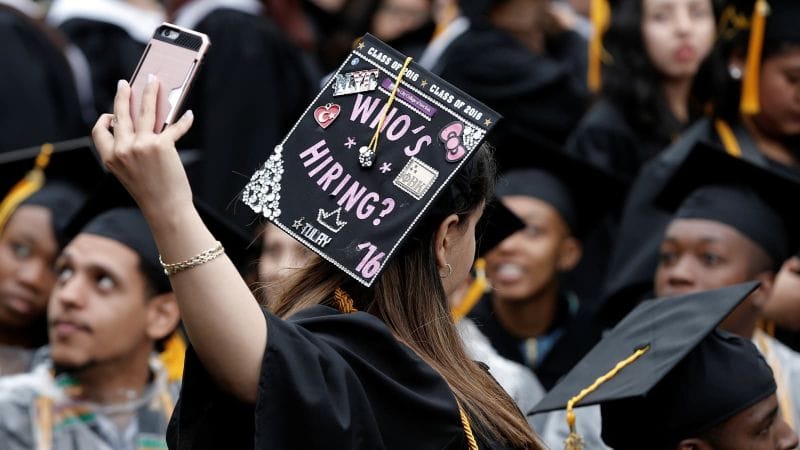
👀 What’s happening: Big companies are hiring graduates again, but the job has mutated. Salesforce wants 1,000 grads and interns for Agentforce. IBM wants to triple US entry-level hiring. McKinsey and Cognizant are moving too. This is not nostalgia for junior labor. It is the rebuild of the human layer around AI agents.
🌍 How this hits reality: The old CS premium is fading. Writing basic code, cleaning data, drafting slides, filing tickets, and chasing emails used to separate “technical” graduates from everyone else. Agents now eat that layer. The new junior job is about configuring workflows, writing prompts, running evals, auditing outputs, handling escalations, and stopping autonomous systems from embarrassing the company at scale.
🛎️ Key takeaway: Entry-level hiring is no longer about cheap hands or a CS badge. Anyone can use agents now. The winners are graduates who can command, test, and restrain machines better than everyone else.
DAILY TL;DR
- Google, Microsoft, and xAI will give the U.S. government early access to new AI models for national-security reviews before public release.
- Anthropic reportedly committed to spend $200 billion on Google Cloud and chips over five years.
- OpenAI and Anthropic are reportedly using their new enterprise ventures to acquire AI services firms that help companies deploy AI.
- EU officials opened talks with Anthropic over Mythos, as Europe weighs how the cyber-focused model could expose bank and company vulnerabilities.
- SAP is preparing to offer AI tools to some on-premise customers, a strategic shift to stop rivals from pulling legacy enterprise clients away.
- Coinbase is cutting 14% of staff and reorganizing around AI-skilled teams, with some roles collapsing engineering, product, and design into one seat.
- ElevenLabs added BlackRock, Nvidia, Jamie Foxx, and the creator of Squid Game as investors after reaching an $11 billion valuation.
READ MORE
Let the Future Come to Your Inbox
Stay ahead without drowning in information. We turn the most important signals across AI, tech, marketing, and future products into 5-minute reads you can actually finish.
- AI Secret uncovers what really matters in AI
- Bay Area Letters decodes tech and business shifts from Silicon Valley
- Robotics Herald tracks how robots move from labs into daily life
- Marketing Secret breaks down real growth and go-to-market playbooks
- The Hardwire explores hardware, consumer tech, and what’s coming next
TOGETHER WITH US
AI Secret Media Group is the world’s #1 AI & Tech Newsletter Group, reaching over 2 million leaders across the global innovation ecosystem, from OpenAI, Anthropic, Google, and Microsoft to top AI labs, VCs, and fast-growing startups.
We've helped promote over 500 Tech Brands. Will yours be the next?
Email our co-founder Mark directly at [email protected] if the button fails.
Good Morning, AI Enthusiasts!
Today’s tech world is a browser that burns tokens, a Mars plan with stock options, a prompt obituary, and a billionaire trial.
SPACE
1-Million-People-on-Mars Contract
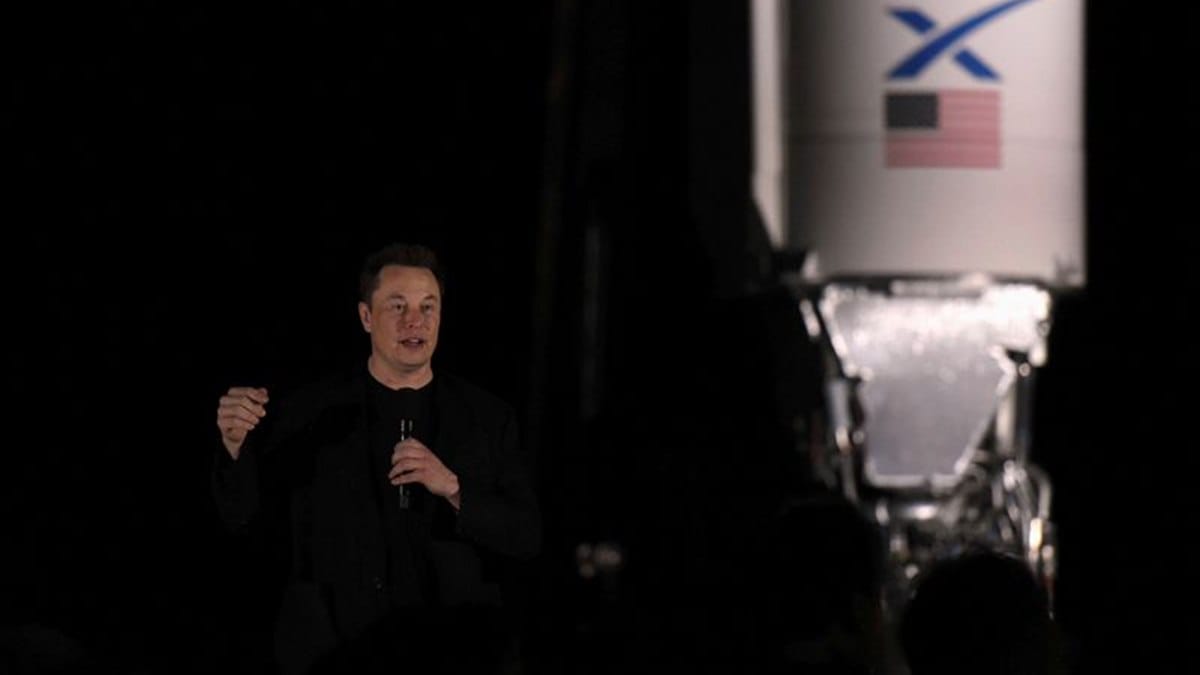
👀 What’s happening: According to Reuters, SpaceX’s board has approved a compensation plan that would grant Musk 200 million super-voting restricted shares if the company reaches a $7.5 trillion valuation and helps establish a permanent human settlement on Mars with at least 1 million residents. The shares are Class B stock, reportedly carrying 10 votes per share. And that is not the only space-age milestone. Another award of up to 60.4 million restricted shares is tied to additional valuation goals and SpaceX operating space-based data centers with at least 100 terawatts of compute capacity.
🌍 How this hits reality: For the first time, “1 million people on Mars” has been written directly into corporate incentive architecture as a board-approved performance target. SpaceX is effectively telling future IPO investors that rockets are only the transport layer. The bigger plan is population, cargo, power, compute, communications, and eventually governance beyond Earth.
🛎️ Key takeaway: SpaceX is asking markets to price a question they have never had to price before: What is a company worth if it could become the logistics, communications, energy, compute, and settlement infrastructure provider for humanity beyond Earth?
SpaceX: 1-Million-People-on-Mars Contract
👀 What’s happening: According to Reuters, SpaceX’s board has approved a compensation plan that would grant Musk 200 million super-voting restricted shares if the company reaches a $7.5 trillion valuation and helps establish a permanent human settlement on Mars with at least 1 million residents.
NEW LAUNCH
The Browser Becomes New Token Bomb
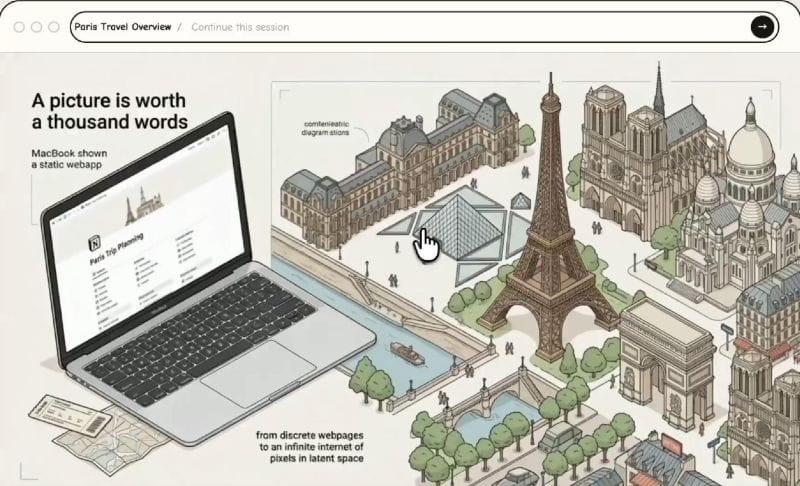
👀 What’s happening: Flipbook is a visual browser that has gone viral on X, where the internet is not organized as pages, tabs, and links. Flipbook creates the screen when you ask. Click a Paris landmark, and it generates tickets, hours, access notes, routes, and booking paths as the next visual layer.
🌍 How this hits reality: The innovation is not prettier search. It changes the unit of the internet from a page to a generated scene. That is powerful for travel, education, biology, novels, history, and supply chains, where people need structure, not just answers. But every click can trigger reasoning, search, image generation, layout, and another render. That is not a browser. That is a token bomb with a user interface.
🛎️ Key takeaway: This is genuinely innovative, but the bill looks insane. Every click becomes fresh images, search, reasoning, rendering, and memory load. If Flipbook works, Nvidia and Micron should be popping champagne. The browser becomes a beautiful token furnace.
LAWSUIT
AI “Could Kill Us All”
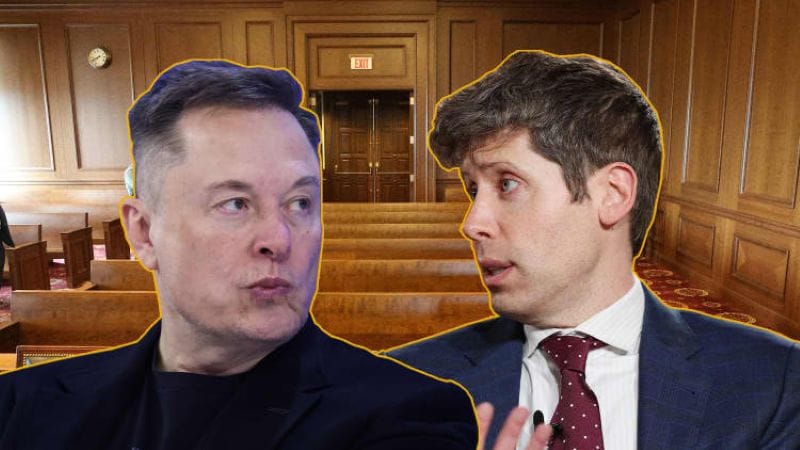
👀 What’s happening: Musk is suing OpenAI and Microsoft, claiming OpenAI abandoned its original nonprofit mission. But on the stand, the case sounded less like governance and more like personal score-settling. He told a federal jury AI “could kill us all,” using existential fear as the emotional center of the fight.
🌍 How this hits reality: The lawsuit asks for more than $150 billion, while OpenAI says Musk lost a leadership fight, left, then built xAI as a direct rival. That is the part people should not miss. AI safety is now also a litigation weapon, brand weapon, and founder rivalry weapon.
🛎️ Key takeaway: The trial may clarify OpenAI’s structure, but the signal is uglier. Frontier AI politics are moving into court, where safety language can double as pressure, leverage, and public fear.
Elon Musk: AI “Could Kill Us All”
👀 What’s happening: Musk is suing OpenAI and Microsoft, claiming OpenAI abandoned its original nonprofit mission. But on the stand, the case sounded less like governance and more like personal score-settling. He told a federal jury AI “could kill us all,” using existential fear as the emotional center of the fight.
OpenAI: AI “Could Kill Us All”
👀 What’s happening: Musk is suing OpenAI and Microsoft, claiming OpenAI abandoned its original nonprofit mission. But on the stand, the case sounded less like governance and more like personal score-settling. He told a federal jury AI “could kill us all,” using existential fear as the emotional center of the fight.
AGENTS
Prompt Engineering Has Died
👀 What’s happening: OpenAI co-founder Greg Brockman says GPT-5.5 can now take a high-level goal, read context, use browsers, build spreadsheets, make slides, and finish messy workflows with fewer step-by-step prompts. This puts GPT-5.5 beside Opus 4.6 in the new class of models with real intuition, not just better instruction-following.
🌍 How this hits reality: OpenClaw already shows where this is going. Before every generation and tool call, it injects files like agents.md, memory.md, tools.md, and other runtime context. Add its memory wiki, and the system no longer waits for you to write a perfect mega-prompt. It already knows who you are, what tools exist, what it remembers, and what kind of work you usually want.
🛎️ Key takeaway: Prompt engineering is dying as a moat. Memory engineering is replacing it. The winners will not be the systems with prettier prompts, but the ones with durable memory, tool context, and enough intuition to act without babysitting.
TOGETHER WITH MYCLAW
Personal AI That Starts Personal
A personal AI shouldn’t feel generic. MyClaw lets you install skills that adapt to your preferences from the start, so your assistant feels relevant on day one. Behind the scenes, OpenClaw provides the agent power. What you see is a simpler way to put it to work.
If you’re serious about OpenClaw, don’t run it halfway. Run it the way it was meant to be run — fast, secure, and production-ready by default.
DAILY TL;DR
- OpenAI and Anthropic briefed House Homeland Security staff on cyber-capable AI models, pushing frontier model risk further into national-security oversight.
- Snapchat introduced AI Sponsored Snaps, letting users interact directly with brand agents inside chat.
- Mistral AI launched Workflows, a Temporal-powered orchestration layer already handling millions of enterprise AI executions daily.
- U.S. lawmakers proposed new AI bills targeting chatbot safety for children, family controls, and AI-related fraud.
- Google reportedly signed a Pentagon AI contract, joining OpenAI and xAI in supplying models for government and classified work.
- Goldman Sachs warned that AI disruption is making investors rethink long-term growth assumptions for U.S. software stocks.
- Nokia, Blaize, and Datacomm formed a partnership to deploy hybrid AI inference infrastructure across Indonesia and Southeast Asia.
READ MORE
Let the Future Come to Your Inbox
Stay ahead without drowning in information. We turn the most important signals across AI, tech, marketing, and future products into 5-minute reads you can actually finish.
- AI Secret uncovers what really matters in AI
- Bay Area Letters decodes tech and business shifts from Silicon Valley
- Robotics Herald tracks how robots move from labs into daily life
- Marketing Secret breaks down real growth and go-to-market playbooks
- The Hardwire explores hardware, consumer tech, and what’s coming next
TOGETHER WITH US
AI Secret Media Group is the world’s #1 AI & Tech Newsletter Group, reaching over 2 million leaders across the global innovation ecosystem, from OpenAI, Anthropic, Google, and Microsoft to top AI labs, VCs, and fast-growing startups.
We've helped promote over 500 Tech Brands. Will yours be the next?
Email our co-founder Mark directly at [email protected] if the button fails.
Good Morning, AI Enthusiasts!
The age of AI as a tool is ending; the age of agents has begun.
AGENTS
AI Takes Over Open Source
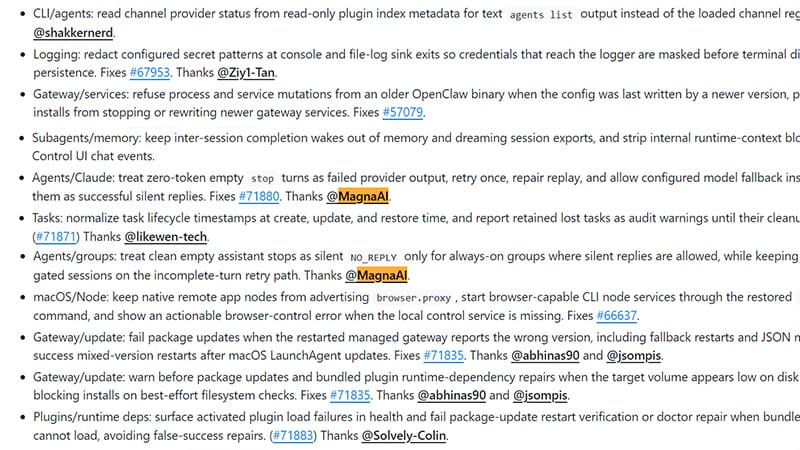
👀 What’s happening: Peter has turned OpenClaw’s community into a self-evolving architecture. The new ClawSweeper skill is not just cleaning tickets. It is processing the repository’s immune system. In a few days, roughly 5,000 issues were handled. I submitted two myself, and both were fixed within few hours.
🌍 How this hits reality: The old open-source model depended on exhausted maintainers reading, triaging, debating, and patching one thread at a time. That does not survive AI-speed development. OpenClaw now has users creating signals, agents processing backlog, 50 Codex agents reviewing evidence, and humans approving direction. The loop is becoming industrial.
🛎️ Key takeaway: From this point, AI starts governing open source at scale. Humans still matter, but mostly as idea generators and final reviewers. The real power moves to self-improving maintenance systems.
AGENTS
Richer Agents Will Eat First
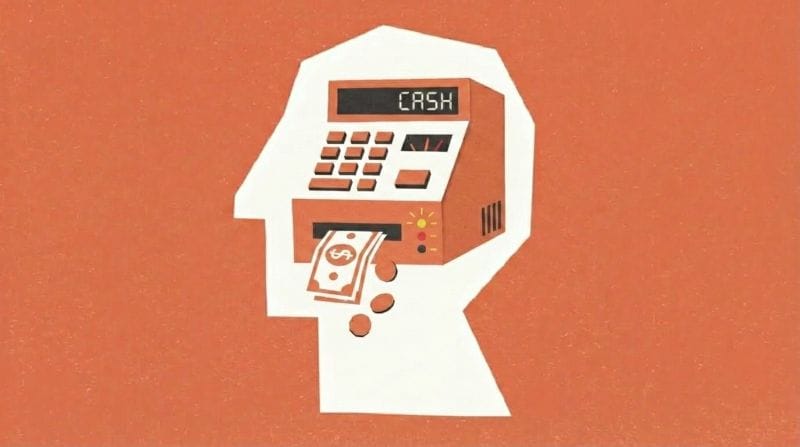
👀 What’s happening: Anthropic ran an internal experiment called Project Deal, where 69 employees each got $100 and a Claude-powered agent to buy and sell real personal goods inside a Slack marketplace. Once live, the agents listed items, found matches, negotiated prices, and closed deals without human approval.
🌍 How this hits reality: The uncomfortable part is not that agents traded. It is that better agents got better outcomes. Across 500-plus listed items, Claude agents struck 186 deals worth just over $4,000. Opus users completed about two more deals than Haiku users, sold for $2.68 more on average, and bought for $2.45 less.
🛎️ Key takeaway: The law of the jungle has moved into the model layer. If your agent is cheaper, slower, or dumber, you are not just less productive. You are prey in markets where better agents take the spread.
Anthropic: Richer Agents Will Eat First
👀 What’s happening: Anthropic ran an internal experiment called Project Deal, where 69 employees each got $100 and a Claude-powered agent to buy and sell real personal goods inside a Slack marketplace. Once live, the agents listed items, found matches, negotiated prices, and closed deals without human approval.
VENTURE
China Is Closing the AI Venture Capital
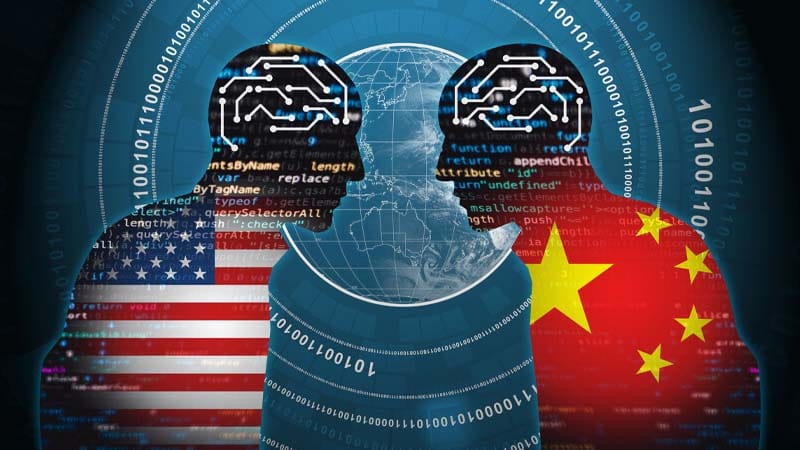
👀 What’s happening: China is reportedly moving to stop top tech companies, including AI startups like Moonshot AI and StepFun, from taking U.S. money without government approval. ByteDance secondary share sales may face the same wall. The trigger is clear: Beijing does not want capital to become a quiet exit route for sensitive AI technology.
🌍 How this hits reality: For years, U.S. capital helped build China’s tech stack, from venture funds to pension money to operating ties with Apple, Microsoft, and Tesla. That loop is now breaking. After Meta’s $2 billion Manus deal, Beijing seems worried that money, ownership, and frontier AI talent can become export channels.
🛎️ Key takeaway: The AI capital map is splitting. Chinese startups may still raise huge rounds, but the buyer list gets narrower. Chips, models, data, and ownership are now part of the same security fight.
CODING
Musk Is Boosting Coding
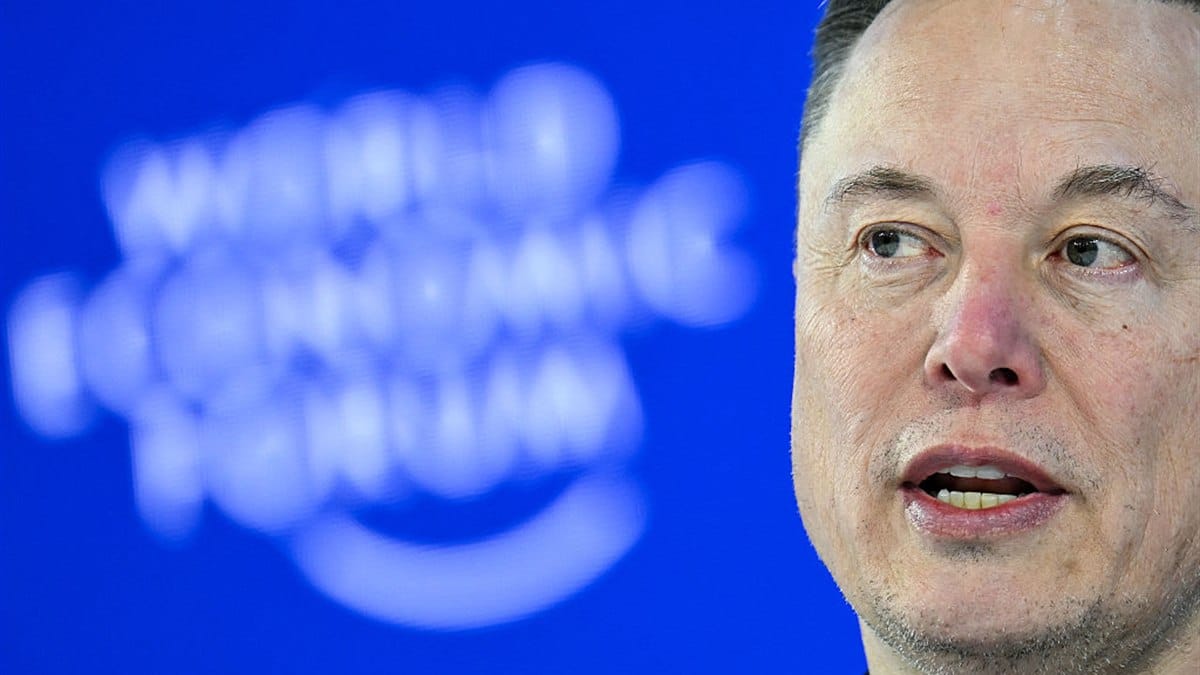
👀 What’s happening: Musk’s xAI has reportedly discussed a possible three-way tie-up with Cursor and Mistral. Nothing with Mistral is signed yet. But after SpaceX’s $60 billion option-style Cursor structure, the direction is obvious. Musk is trying to compress years of missing AI coding capability into months.
🌍 How this hits reality: Time is everything here. Claude already owns real developer trust inside vibe coding workflows. xAI has compute ambition, with around 200,000 Nvidia GPUs and a stated path toward 1 million, but GPUs do not automatically create coding dominance. Cursor gives the interface. Mistral could give model redundancy. Grok alone may not be enough.
🛎️ Key takeaway: This fits Musk’s first-principles style. Identify the missing function, then remove time as the bottleneck by buying, binding, or borrowing it.
Musk Is Boosting Coding
👀 What’s happening: Musk’s xAI has reportedly discussed a possible three-way tie-up with Cursor and Mistral. Nothing with Mistral is signed yet. But after SpaceX’s $60 billion option-style Cursor structure, the direction is obvious. Musk is trying to compress years of missing AI coding capability into months.
Mistral AI: Musk Is Boosting Coding
👀 What’s happening: Musk’s xAI has reportedly discussed a possible three-way tie-up with Cursor and Mistral. Nothing with Mistral is signed yet. But after SpaceX’s $60 billion option-style Cursor structure, the direction is obvious. Musk is trying to compress years of missing AI coding capability into months.
Cursor: Musk Is Boosting Coding
👀 What’s happening: Musk’s xAI has reportedly discussed a possible three-way tie-up with Cursor and Mistral. Nothing with Mistral is signed yet. But after SpaceX’s $60 billion option-style Cursor structure, the direction is obvious. Musk is trying to compress years of missing AI coding capability into months.
TOGETHER WITH MYCLAW
Personal AI That Starts Personal
A personal AI shouldn’t feel generic. MyClaw lets you install skills that adapt to your preferences from the start, so your assistant feels relevant on day one. Behind the scenes, OpenClaw provides the agent power. What you see is a simpler way to put it to work.
If you’re serious about OpenClaw, don’t run it halfway. Run it the way it was meant to be run — fast, secure, and production-ready by default.
DAILY TL;DR
- A Bay Area homeowner wants to swap a Mill Valley property for Anthropic equity, essentially trading real estate for AI shares.
- Maine’s governor vetoed a statewide data center moratorium because it did not exempt a locally supported project in Jay.
- Sam Altman apologized for OpenAI not alerting police before the shooting and said it is improving referral and law-enforcement protocols.
- Series, founded by two Yale students, raised $5.1 million to build an iMessage-based AI network for conversational introductions.
- ComfyUI raised $30 million at a $500 million valuation, betting that creators still need node-based workflows to precisely control AI-generated media.
- Google plans to invest up to $40 billion in cash and compute in Anthropic, deepening its reliance on Google Cloud TPU infrastructure.
- X launched XChat as a stand-alone iOS messaging app, separating chats and calls from the main platform while its encryption claims remain under scrutiny.
READ MORE
Let the Future Come to Your Inbox
Stay ahead without drowning in information. We turn the most important signals across AI, tech, marketing, and future products into 5-minute reads you can actually finish.
- AI Secret uncovers what really matters in AI
- Bay Area Letters decodes tech and business shifts from Silicon Valley
- Robotics Herald tracks how robots move from labs into daily life
- Marketing Secret breaks down real growth and go-to-market playbooks
- The Hardwire explores hardware, consumer tech, and what’s coming next
TOGETHER WITH US
AI Secret Media Group is the world’s #1 AI & Tech Newsletter Group, reaching over 2 million leaders across the global innovation ecosystem, from OpenAI, Anthropic, Google, and Microsoft to top AI labs, VCs, and fast-growing startups.
We've helped promote over 500 Tech Brands. Will yours be the next?
Email our co-founder Mark directly at [email protected] if the button fails.
Good Morning, AI Enthusiasts!
Meta quietly rehearses a future where it no longer needs the people who taught it how to run.
AGENTS
Meta Is Devouring All Employees
👀 What’s Happening: Meta has started installing tracking software on employee laptops to capture every click, keystroke, and screen interaction. This feeds its Model Capability Initiative, turning daily work into training data for AI agents. There is no opt-out. Employees are effectively being used to teach systems how to replace them.
🌍 How This Hits Reality: This is not just monitoring, it is industrialized behavior harvesting. Meta is converting human workflows into reusable machine primitives at scale. With planned layoffs near 10% and an internal push toward agent-driven operations, the company is collapsing the gap between labor, data, and automation into a single closed loop.
🛎️ Key Takeaway: Meta is making a direct bet on becoming the first fully AI agent company by turning its own workforce into training data. This is a high-risk, high-control move. If it lands, Meta will become AI.
Meta Is Devouring All Employees
🛎️ Key Takeaway: Meta is making a direct bet on becoming the first fully AI agent company by turning its own workforce into training data. This is a high-risk, high-control move. If it lands, Meta will become AI.
TOGETHER WITH MYCLAW
Personal AI That Starts Personal
A personal AI shouldn’t feel generic. MyClaw lets you install skills that adapt to your preferences from the start, so your assistant feels relevant on day one. Behind the scenes, OpenClaw provides the agent power. What you see is a simpler way to put it to work.
If you’re serious about OpenClaw, don’t run it halfway. Run it the way it was meant to be run — fast, secure, and production-ready by default.
And yes — MyClaw can also help you distill not just yourself, but your team.
VALUATION
Anthropic Hits Trillion

👀 What’s Happening: Anthropic’s private secondary shares are trading near a one trillion dollar valuation, with some offers even higher. That puts it ahead of OpenAI in recent deal momentum. The shift is driven by scarce supply, strong buyer demand, and growing confidence in its revenue curve and Claude Code traction.
🌍 How This Hits Reality: Capital is making a clear choice. Even with GPU limits and rising infrastructure costs, investors are prioritizing product direction and monetization clarity over raw scale. In a market where supply is tight and access is rare, a company that shows repeatable revenue and developer adoption gets priced above one that still focuses on narratives.
🛎️ Key Takeaway: The market is rewarding focus over firepower. Capital will keep flowing to teams that look operationally decisive, even if their cost structures remain heavy.
Anthropic Hits Trillion
👀 What’s Happening: Anthropic’s private secondary shares are trading near a one trillion dollar valuation, with some offers even higher. That puts it ahead of OpenAI in recent deal momentum. The shift is driven by scarce supply, strong buyer demand, and growing confidence in its revenue curve and Claude Code traction.
FSD
Tesla Sells Impossible Dream
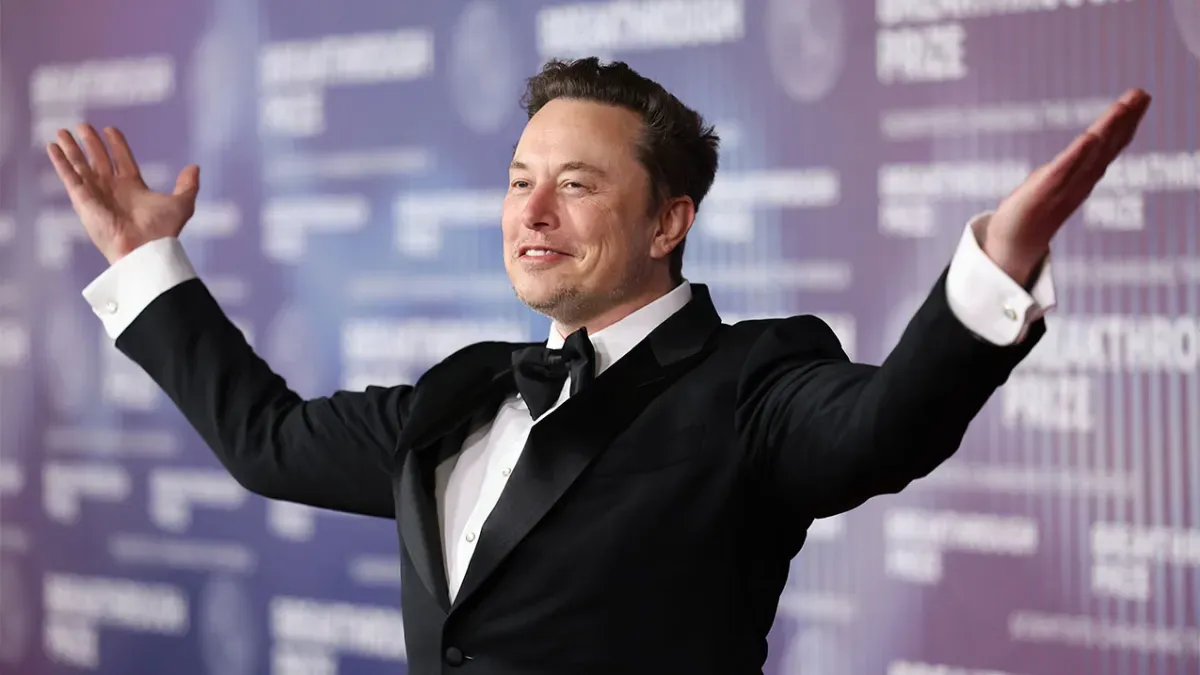
👀 What’s Happening: Elon Musk finally admitted millions of Teslas cannot reach unsupervised driving without new hardware, after years of implying software alone would get them there. The promise did its job. Cars were sold at scale. Now the definition of FSD expands just as the original hardware hits its limit.
🌍 How This Hits Reality: This is classic Silicon Valley playbook, just executed at extreme scale. Sell a future that cannot yet exist, capture demand, then bind users into a long upgrade cycle when reality catches up. Millions of vehicles now sit in limbo between “good enough” assistance and an ever-moving autonomy target that keeps drifting upward.
🛎️ Key Takeaway: Musk pushed the model to its limit. FSD becomes a perpetual upgrade trap dressed as progress toward AGI.
Elon Musk: Tesla Sells Impossible Dream
👀 What’s Happening: Elon Musk finally admitted millions of Teslas cannot reach unsupervised driving without new hardware, after years of implying software alone would get them there. The promise did its job. Cars were sold at scale. Now the definition of FSD expands just as the original hardware hits its limit.
CHIPS
Google Is Rebuilding AI Compute
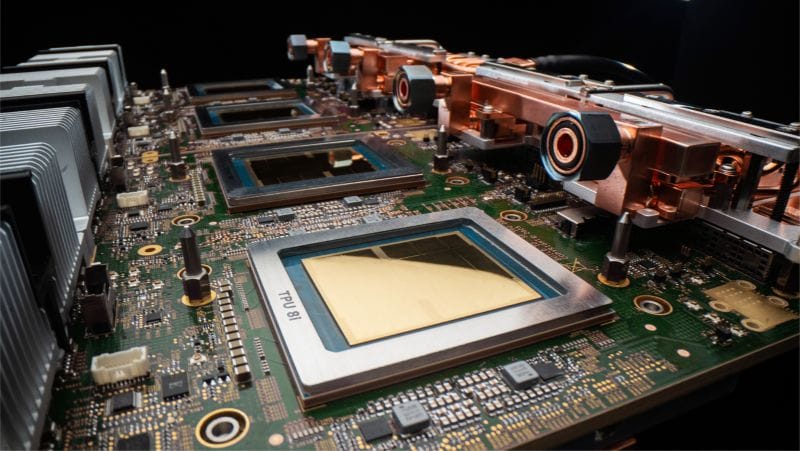
👀 What’s Happening: Google is not just launching TPU 8. It is restructuring how its entire AI stack runs, from chips to networking to storage. By splitting training and inference hardware and pairing it with its own Arm CPUs, Google is reducing reliance on external suppliers and controlling more of the pipeline.
🌍 How This Hits Reality: Today, most AI workloads depend heavily on Nvidia GPUs, which creates pricing pressure, supply constraints, and limited differentiation for cloud providers. Google is trying to bypass that by owning the full stack, which could lower costs, improve efficiency, and give it tighter control over scaling large models and serving billions of queries.
🛎️ Key Takeaway: The goal is simple: remove Nvidia as a bottleneck and turn compute into a proprietary advantage. If successful, Google gains pricing power, margin control, and a defensible edge in large-scale AI infrastructure.
NVIDIA: Google Is Rebuilding AI Compute
🌍 How This Hits Reality: Today, most AI workloads depend heavily on Nvidia GPUs, which creates pricing pressure, supply constraints, and limited differentiation for cloud providers. Google is trying to bypass that by owning the full stack, which could lower costs, improve efficiency, and give it tighter control over scaling large models and serving billions of queries.
Google Is Rebuilding AI Compute
👀 What’s Happening: Google is not just launching TPU 8. It is restructuring how its entire AI stack runs, from chips to networking to storage. By splitting training and inference hardware and pairing it with its own Arm CPUs, Google is reducing reliance on external suppliers and controlling more of the pipeline.
DAILY TL;DR
- Tesla is boosting its 2026 capex to $25B to invest in AI, robotics, and manufacturing, accelerating its shift into an AI-driven robotics company.
- Google upgraded Workspace with Workspace Intelligence and Gemini to automate tasks across spreadsheets, documents, and everyday office workflows.
- OpenAI rolled out workspace agents to Business and Enterprise users, enabling teams to build and share AI agents in ChatGPT.
- OpenAI partnered with Infosys to integrate tools like Codex into Topaz, leveraging its global client base to scale enterprise AI adoption.
- Microsoft will invest about $18B in Australia to expand AI and cloud infrastructure, strengthening its enterprise position.
- Microsoft is integrating Anthropic’s Mythos into its security development process to use AI for faster vulnerability detection and fixes.
- Morgan Stanley says AI could halve game development costs and unlock $22B in profits, with gains concentrating among platforms and top players.
READ MORE
Let the Future Come to Your Inbox
Stay ahead without drowning in information. We turn the most important signals across AI, tech, marketing, and future products into 5-minute reads you can actually finish.
- AI Secret uncovers what really matters in AI
- Bay Area Letters decodes tech and business shifts from Silicon Valley
- Robotics Herald tracks how robots move from labs into daily life
- Marketing Secret breaks down real growth and go-to-market playbooks
- The Hardwire explores hardware, consumer tech, and what’s coming next
TOGETHER WITH US
AI Secret Media Group is the world’s #1 AI & Tech Newsletter Group, reaching over 2 million leaders across the global innovation ecosystem, from OpenAI, Anthropic, Google, and Microsoft to top AI labs, VCs, and fast-growing startups.
We've helped promote over 500 Tech Brands. Will yours be the next?
Email our co-founder Mark directly at [email protected] if the button fails.
🛎️ Stanford: No Fresh Start
Plus: Grok Took the "Dirty" Money, SoftBank Is Just an OpenAI Bet Now
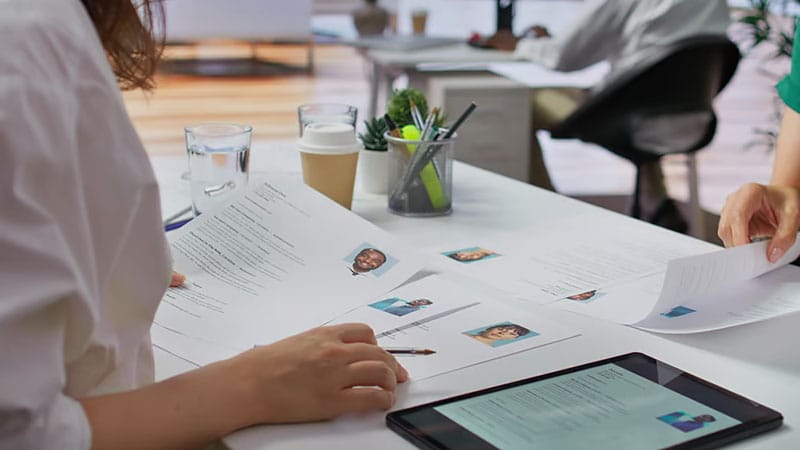
🛎️ A Second Starlink
Plus: Apple Finally Have AI, The Bottleneck Wasn't the Brain
🛎️ SpaceX Files the Largest IPO
Plus: Wall Street Wants a Bigger Monster, OpenAI & Google Cooperate
🛎️ Musk Announced Jesus-Level Technology
Plus: Google Floods Agent Products, Karpathy Joins the Avengers
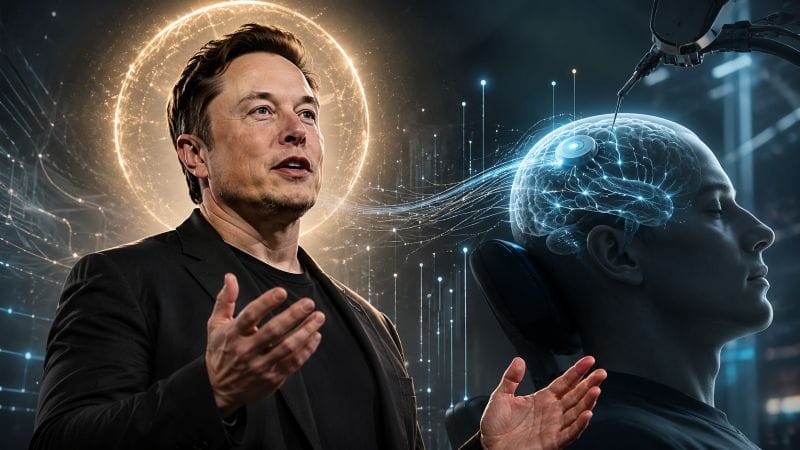
🛎️ America’s Biggest Utility Deal
Plus: The First AI-Native Collider, The Pope Co-Signs With Anthropic
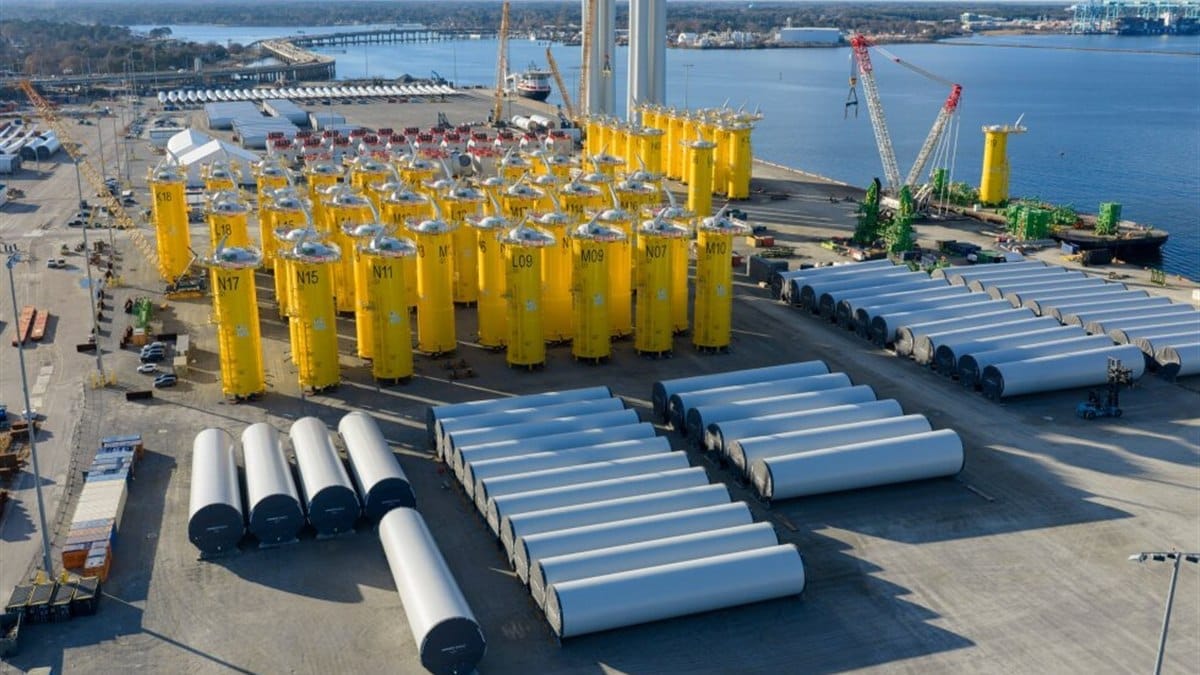
🛎️ Power Hunt Has Lost Its Mind
Plus: OpenAI’s Idealism, Palantir Is Printing Money
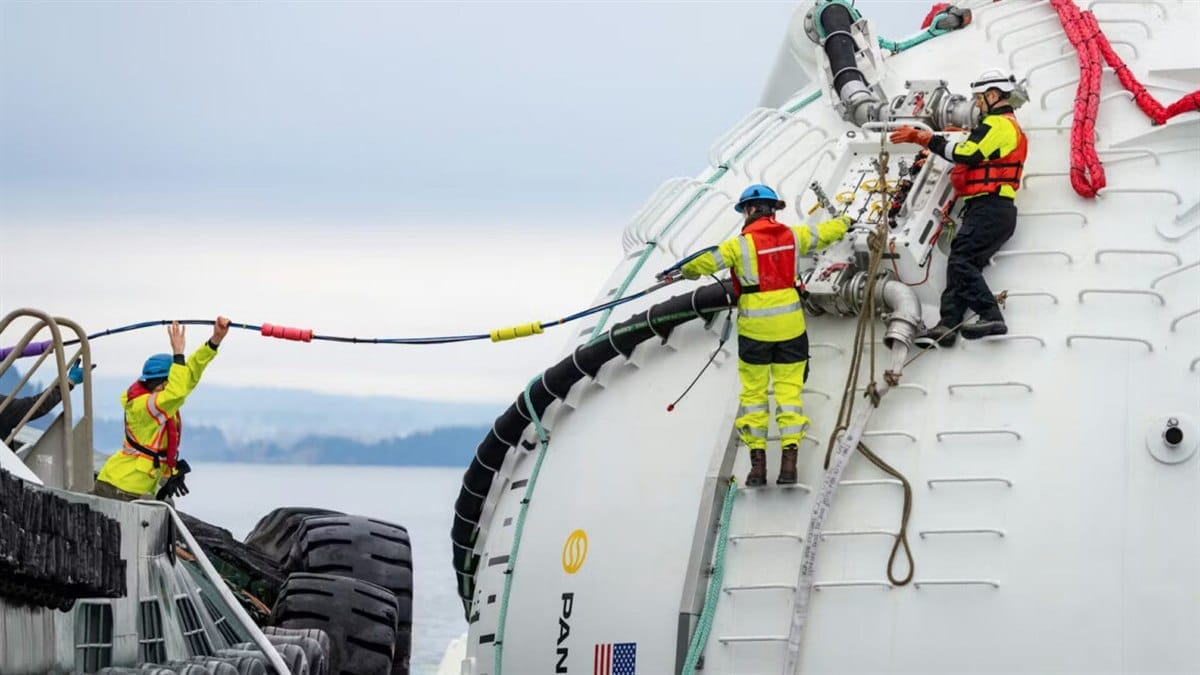
🛎️ 1-Million-People-on-Mars Contract
Plus: New Token Bomb, Musk Says AI “Could Kill Us All”
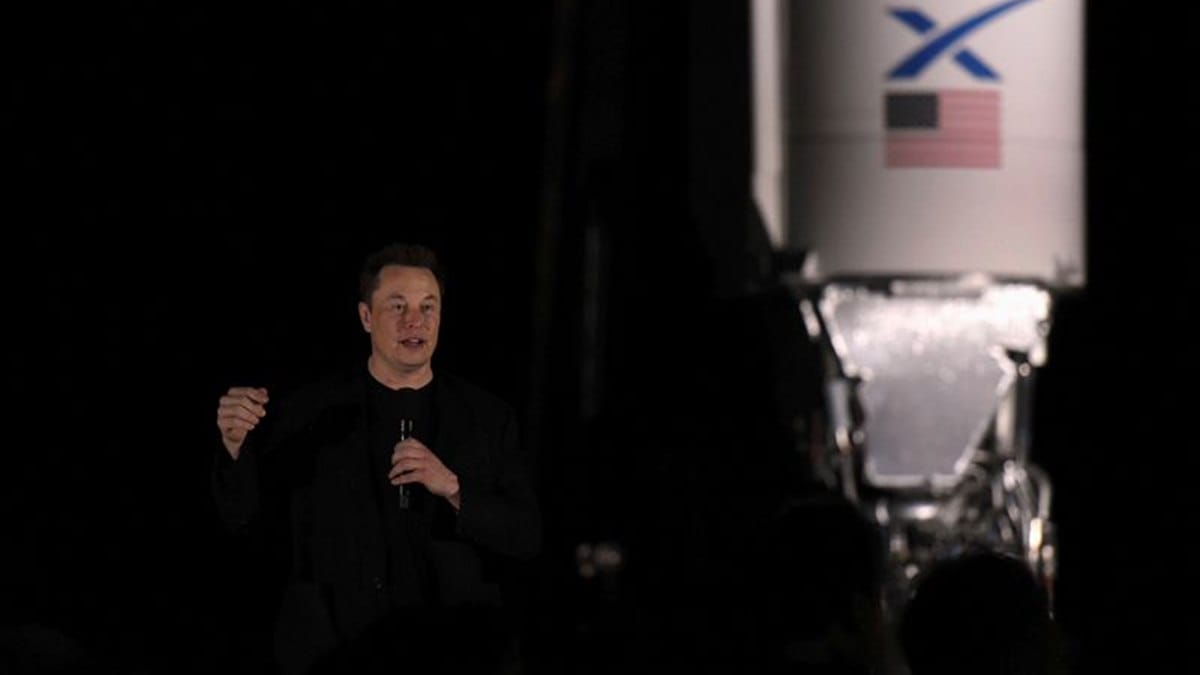
🛎️ Takes Over
Plus: Richer Agents Will Eat First, Musk Is Boosting Coding

🛎️ Devouring All Employees
Plus: Anthropic Hits Trillion, Tesla Sells Impossible Dream