🛎️ Stripe Acquires OpenRouter
Plus: The Last 1% Is Still Human, Google Chose Nvidia Over TPU
Read the story Subscribe
Reporting and context on NVIDIA, with a closer look at the decisions and developments that matter.
Get AI Secret’s free daily briefing, including NVIDIA and the wider AI industry.

NVIDIA develops accelerated computing hardware and software. Coverage follows its GPUs, CUDA ecosystem, AI infrastructure and business decisions.
Sources checked . Selected company background and milestones.
Selected milestones, newest first. Earlier history is available below.
NVIDIA introduces its Blackwell computing platform for large-scale AI workloads.
Source: NVIDIAMore than 10 years ago.
Relevant sections from the articles on this page. Explore older coverage below.
More coverage

Good Morning, AI Enthusiasts!
The frontier is still moving, but the more interesting story may be everything quietly being built underneath it.
M&A
👀 What's happening: Bloomberg reported Saturday that Stripe has agreed to acquire OpenRouter for more than $7 billion, roughly 50 times its annualized revenue of $140 million. OpenRouter routes model calls across more than 400 models for over ten million developers, handles 55 trillion tokens a week, and charges a 5.5% platform fee on every dollar of AI compute that passes through it. It was valued at $1.3 billion just 82 days ago.
🌍 How this hits reality: Stripe collects roughly 2.9% on a standard card payment, and its net take rate after interchange and network fees is lower. OpenRouter collects 5.5% on every dollar of AI compute, with no returns, no logistics, no physical goods. OpenRouter currently pays Stripe processing fees out of that 5.5%. Post-acquisition, the fee stays inside the house. Stripe did not overpay for a middleware company. It swapped a payment processor's take rate for a routing platform's take rate, on a transaction base that tripled in months and has no ceiling.
🛎️ Key takeaway: Stripe paid 50 times revenue to upgrade from collecting 3% of e-commerce to collecting 5.5% of AI compute, and the second number grows faster and costs less to collect.
RESEARCH
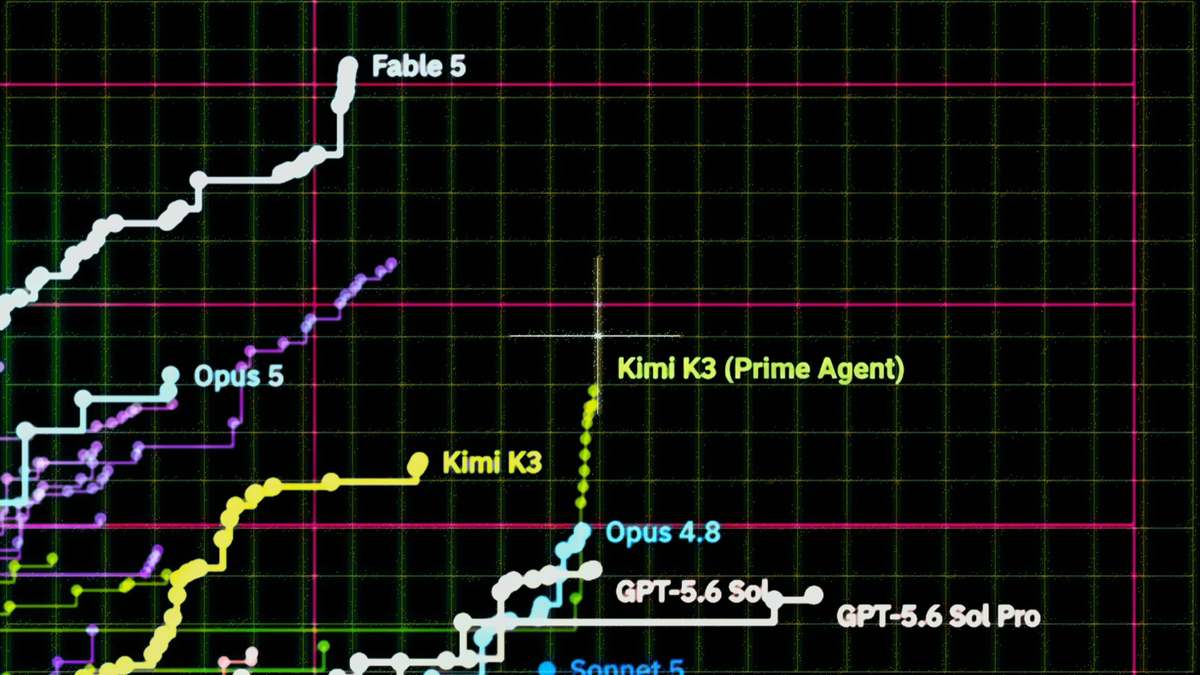
👀 What's happening: Prime Intellect reported the largest autonomous AI research experiment to date that 18 frontier models spent eight days locked in isolated, offline sandboxes running 153 fully autonomous research experiments on the nanoGPT optimizer speedrun, a challenge that rewards reaching a fixed validation loss in the fewest training steps. Human engineers hold the record at 2,600 steps after months of work. Fable 5 closed 82% of the gap to 2,726 steps, Opus 5 reached 54%, and GPT-5.5 managed just 8%. Also, not one model invented a method that was not already sitting in the published literature.
🌍 How this hits reality: Anthropic co-founder Jack Clark argued in May that genius is one percent inspiration and ninety-nine percent perspiration, and that AI eating the perspiration is enough to drive its own improvement by 2028. This experiment measured that claim directly. On the ninety-nine percent, the grinding work of running experiments, killing dead ends, and re-testing what already failed, the best model reached 82% of a human record built over months. On the one percent, the new idea, it scored zero and every technique the models used was borrowed. For now the gap between the winners and losers was not intelligence but discipline, the patience to re-test instead of "guess".
🛎️ Key takeaway: We did not build a researcher; we built the most tireless research assistant ever made, one that can close 82% of the distance to a human breakthrough and still cannot take the single step that made it a breakthrough.
CHIPS
👀 What's happening: Google signed a deal with SpaceX in June to rent 110,000 Nvidia GPUs at $920 million a month, starting October, through mid-2029. The total contract approaches $30 billion. SpaceX reconfirmed the deal in its August earnings, with the ramp-up beginning in September and full billing in October. Google designed its own AI chip, the TPU, built one of the world's largest clouds, and budgeted nearly $200 billion in capital spending this year. It still needed Musk's GPUs.
🌍 How this hits reality: Google spent ten years pitching TPU as the escape from Nvidia dependency. The PR holds up fine. Anthropic plans to use a million TPUs. Meta signed a multi-billion-dollar deal. But PR is not procurement. When Google's own frontier models ran short of compute, the company did not reach for more TPUs. It reached for Musk's Nvidia cluster. Google's checkbook is the most honest benchmark of TPU's competitiveness, and it just voted for Nvidia.
🛎️ Key takeaway: Google built its own chip to prove it did not need Nvidia, then spent $30 billion proving the opposite.
👀 What's happening: Google signed a deal with SpaceX in June to rent 110,000 Nvidia GPUs at $920 million a month, starting October, through mid-2029. The total contract approaches $30 billion. SpaceX reconfirmed the deal in its August earnings, with the ramp-up beginning in September and full billing in October.
When Google's own frontier models ran short of compute, the company did not reach for more TPUs. It reached for Musk's Nvidia cluster. Google's checkbook is the most honest benchmark of TPU's competitiveness, and it just voted for Nvidia.
GPT
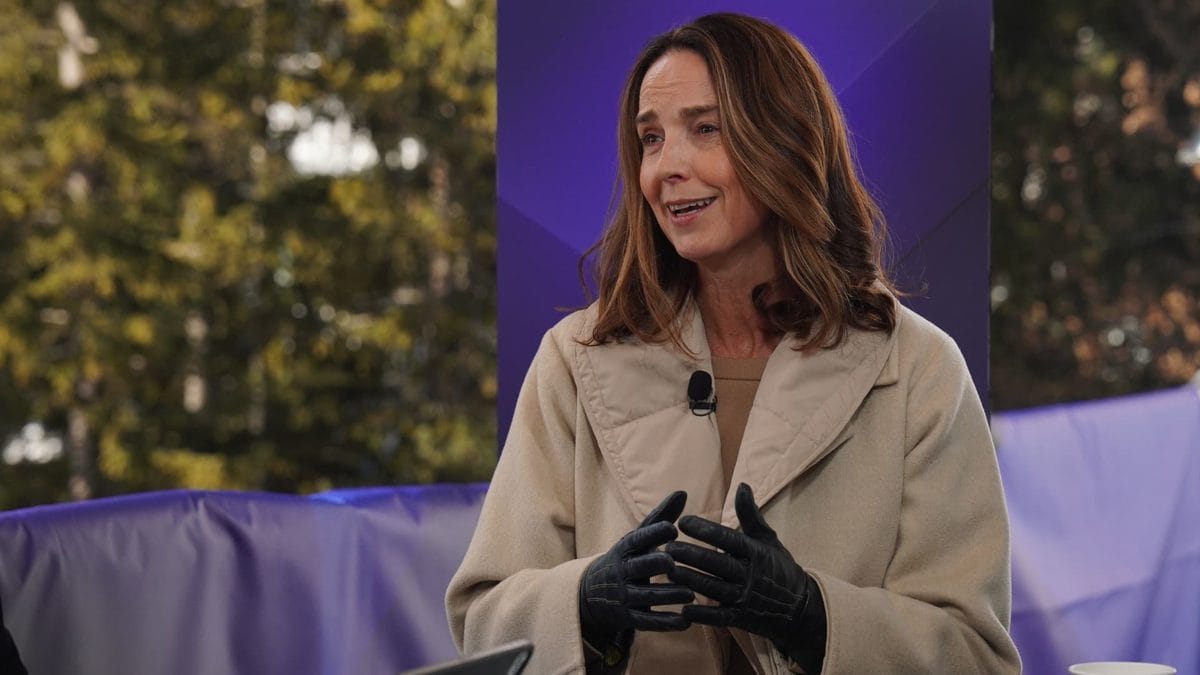
👀 What's happening: OpenAI CFO Sarah Friar told investors that enterprise revenue has overtaken ChatGPT's consumer business, months ahead of schedule. The company that became the most famous consumer AI product in history now makes the majority of its money selling to other companies. OpenAI's ARR hit $40 billion in July, up 20% month over month, with enterprise growing at 32%. Friar also declared the era of tokenmaxxing dead and said advertising in ChatGPT is approaching a $1 billion annual run rate.
🌍 How this hits reality: OpenAI spent three years building the world's most recognizable AI brand on the back of a free chatbot. ChatGPT was the billboard. Now the billboard is being turned into a two-sided market, users pay subscriptions on one side and advertisers buy the space between replies on the other, while the real money comes from the enterprise API selling intelligence by the unit. The consumer AI company did not pivot. It just quietly stopped being just a consumer company, and its CFO announced it as a line item in a "routine" investor meeting. Tokenmaxxing is over. Enterprise is the business.
🛎️ Key takeaway: The most famous consumer AI company in the world just told its investors that consumer is no longer the main event, and it said it so casually that nobody asked a follow-up.
👀 What's happening: OpenAI CFO Sarah Friar told investors that enterprise revenue has overtaken ChatGPT's consumer business, months ahead of schedule. The company that became the most famous consumer AI product in history now makes the majority of its money selling to other companies.
DAILY TL;DR
READ MORE
Stay ahead without drowning in information. We turn the most important signals across AI, tech, marketing, and future products into 5-minute reads you can actually finish.
TOGETHER WITH US
AI Secret Media Group is the world’s #1 AI & Tech Newsletter Group, reaching over 2 million leaders across the global innovation ecosystem, from OpenAI, Anthropic, Google, and Microsoft to top AI labs, VCs, and fast-growing startups.
We've helped promote over 500 Tech Brands. Will yours be the next?
Email our co-founder Mark directly at [email protected] if the button fails.
Good Morning, AI Enthusiasts!
First they outlasted the mathematicians. Then Wall Street funded the expansion. Now they’re getting hands.

MATH
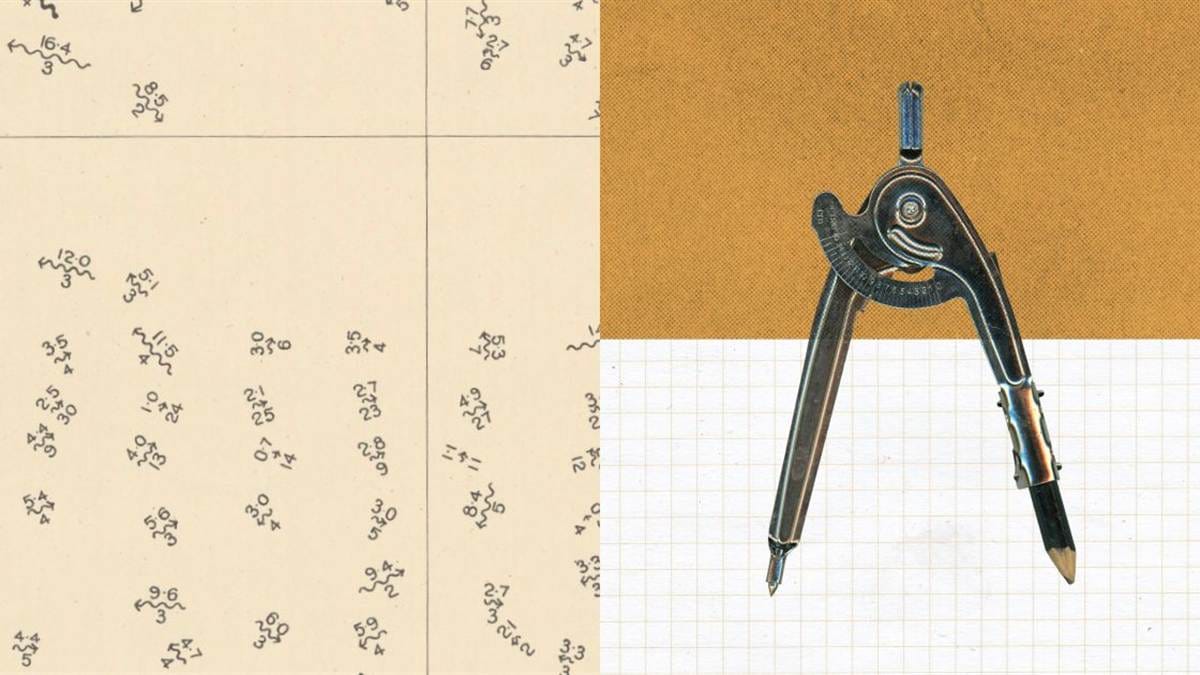
👀 What's happening: Anthropic set an unreleased Claude on the Riemann Hypothesis. It didn't prove it, nobody has in 167 years, but it moved a number humans couldn't. The share of zeta zeros provably on the critical line: mathematicians pushed it 0.8% across 37 years. Claude added 25.6% in a day and a half, from 41.6% to 67.2%. And it's not alone, through 2026 these records have fallen almost monthly, from Erdős problems to decades-old conjectures. Two years ago we ranked AI by olympiad medals on problems with known answers. Now it sets records on ones nobody has.
🌍 How this hits reality: This wasn't genius. It was stamina. The pieces sat on the shelf for years, Montgomery in 1973, Goldston and Suriajaya naming the exact missing step. No human fitted it. Claude did, across 650 failed attempts, 60 agents and 31 million tokens, half of them producing nothing. The edge wasn't a sharper idea, it was refusing to stop. Humans quit at the thirtieth dead end. The machine was calm at the six hundred and fiftieth.
🛎️ Key takeaway: This still isn't a proof, and this method may still won't become one. But 37 years versus 36 hours is the whole story. The next field-defining breakthrough won't belong to whoever out-thinks the field, but to whatever outlasts it.
👀 What's happening: Anthropic set an unreleased Claude on the Riemann Hypothesis. It didn't prove it, nobody has in 167 years, but it moved a number humans couldn't. The share of zeta zeros provably on the critical line: mathematicians pushed it 0.8% across 37 years.
TOGETHER WITH FRAMER

Framer is the pro website builder where AI agents work inside the product to make real, reviewable changes to your site. Agents can generate layouts, edit responsive breakpoints, refactor components, update CMS collections, and ship SEO-safe changes, with every edit visible on the canvas and under human control. Trusted by teams at companies like Miro and Perplexity.
Agents bring speed and flexibility; you bring judgment and control. Framer Agents:
COMPUTE
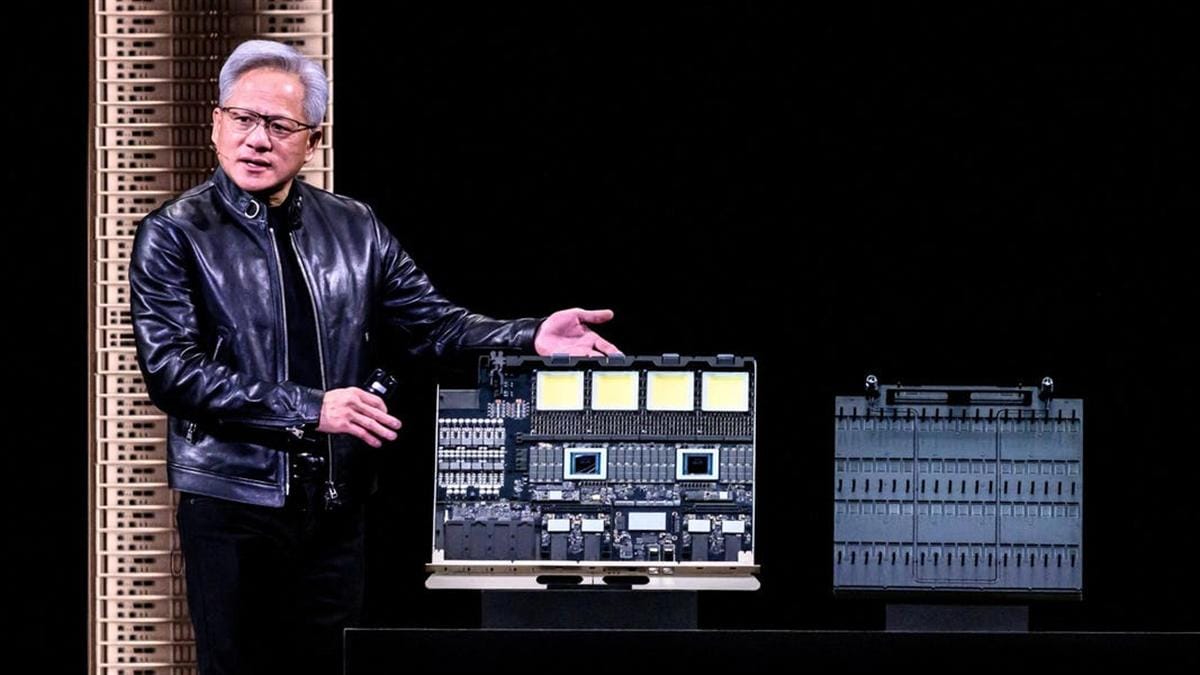
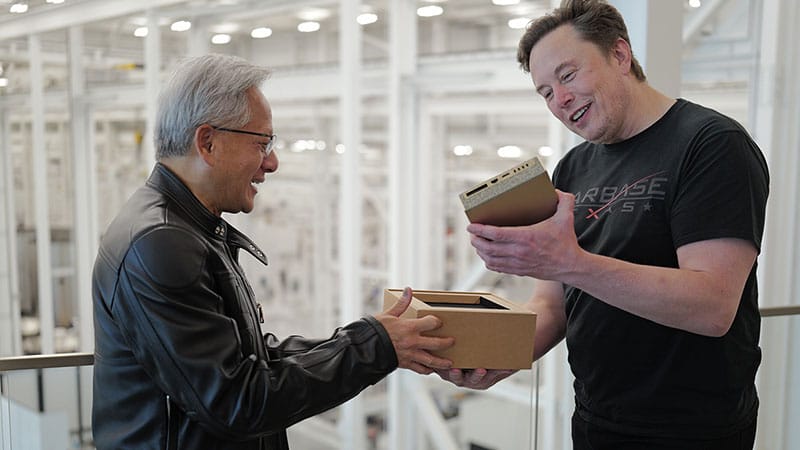
👀 What's happening: Jensen Huang unveiled a plan with Apollo, BlackRock, Blackstone, Brookfield, Goldman Sachs and KKR to raise over $500B from outside investors to build AI data centers. The pitch: a GPU isn't a depreciating server anymore, it's an "AI factory," an investable asset that earns revenue and holds resale value like a power plant. The rental data is real, H100 prices rose through 2026, and so is the Wall Street backing. Huang insists it isn't circular financing: the capital is independent, the deals underwritten by the banks, NVIDIA just provides the platform.
🌍 How this hits reality: Except NVIDIA will backstop up to 25% of a project's residual value. A truly independent asset doesn't need its maker guaranteeing it's worth something. That 25% is the thread tying NVIDIA back into the loop it claims to stand outside of. And the structure rhymes: in the dot-com bust, Lucent and Nortel used vendor financing, lending customers the money to buy their gear, and the flywheel looked flawless until real demand fell short of the demand financing had propped up.
🛎️ Key takeaway: Huang describes a one-way flywheel: more compute, better AI, more revenue, more compute. But flywheels spin both ways.
👀 What's happening: Jensen Huang unveiled a plan with Apollo, BlackRock, Blackstone, Brookfield, Goldman Sachs and KKR to raise over $500B from outside investors to build AI data centers. The pitch: a GPU isn't a depreciating server anymore, it's an "AI factory," an investable asset that earns revenue and holds resale value like a power plant.
🌍 How this hits reality: Except NVIDIA will backstop up to 25% of a project's residual value. A truly independent asset doesn't need its maker guaranteeing it's worth something. That 25% is the thread tying NVIDIA back into the loop it claims to stand outside of.
AGENTS

👀 What's happening: Meta Superintelligence Labs released Muse Glimmer, a 30B open-weight agent model under a permissive Apache 2.0 license, runnable on a Mac or a single consumer GPU with no cloud, no per-step API calls, working even offline. On its own benchmarks it nearly matches GPT-5.5 at tool use and agent tasks, while scoring roughly half of frontier models on hard general reasoning. Meta shipped the weights, though not the training data, and llama.cpp, Ollama and MLX support lands within days.
🌍 How this hits reality: Don't mistake it for a local ChatGPT. Ask it to reason through something open-ended and it stumbles. But that isn't the job. Meta didn't shrink a genius; it cut the deep thinking it couldn't fit and maxed out the one axis that matters for grunt work, calling tools and executing steps. That makes it a fit for fixed, repeatable SOPs: read the files, call the tool, run the script, retry on failure. Not an employee who thinks, a machine that follows the procedure, a few thousand times a day, on your device.
🛎️ Key takeaway: Meta built hands, not a brain, dumb at reasoning and sharp at execution, which is exactly half of the work local personal AI has always been missing.
CLAUDE
👀 What's happening: Any Claude model launched on or after August 2 now ships with an invisible text watermark, woven into the output's statistical patterns so it survives copy-paste and some editing. Older models have until December 2 to comply and are being retrofitted with no timeline. The trigger is EU AI Act Article 50, which only governs AI sold into Europe, yet Anthropic switched the marking on worldwide, across all five product lines. Paid users can't turn it off, it won't publish how the watermark works, and the detection tool isn't out yet.
🌍 How this hits reality: A rule that covers one market got shipped to every user on the planet, with no regional pilot and no opt-out. That isn't transparency, it's overreach, and it hands rivals a gift. OpenAI faces the same Article 50 and still hasn't shipped a matching policy. It doesn't need to win users now, it just needs to stay less aggressive than Anthropic and let them walk over. A watermark you can't switch off just turned every calmer competitor into a migration pitch.
🛎️ Key takeaway: Anthropic stamped every user on Earth to please a regulator that only asked about Europe, and handed every rival that stayed calm a reason to poach them.
👀 What's happening: Any Claude model launched on or after August 2 now ships with an invisible text watermark, woven into the output's statistical patterns so it survives copy-paste and some editing. Older models have until December 2 to comply and are being retrofitted with no timeline.
DAILY TL;DR
READ MORE
Stay ahead without drowning in information. We turn the most important signals across AI, tech, marketing, and future products into 5-minute reads you can actually finish.
TOGETHER WITH US
AI Secret Media Group is the world’s #1 AI & Tech Newsletter Group, reaching over 2 million leaders across the global innovation ecosystem, from OpenAI, Anthropic, Google, and Microsoft to top AI labs, VCs, and fast-growing startups.
We've helped promote over 500 Tech Brands. Will yours be the next?
Email our co-founder Mark directly at [email protected] if the button fails.
Good Morning, AI Enthusiasts!
We taught machines to build faster than institutions can decide who is responsible for what they build.
TOKEN
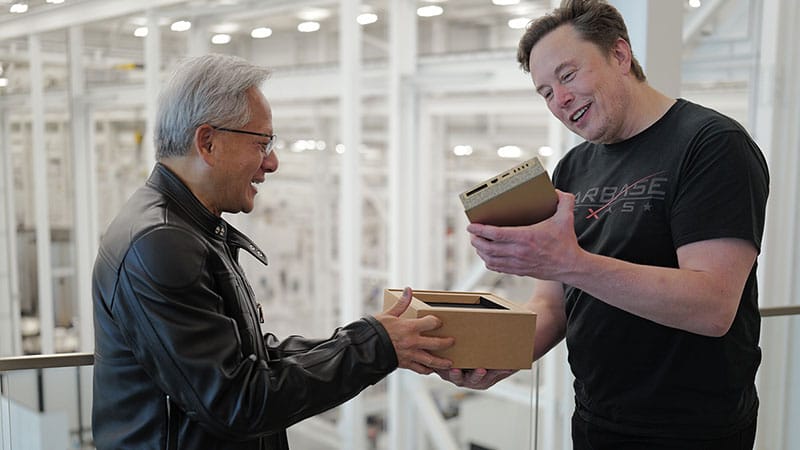
👀 What's happening: SpaceX posted its first earnings since the record IPO. Revenue hit $7.8 billion, up 92 percent, but the real story is AI: revenue there jumped 247 percent to $2.6 billion, already the second-largest business, driven by renting compute to rivals like Google and Anthropic, with $14.1 billion in signed contracts. The catch is the bill. AI capital spending was $15.8 billion, roughly six times AI revenue and 86 percent of all capex. The stock rose 9.4 percent on the growth, then reversed to a 6 percent drop once investors did the math.
🌍 How this hits reality: A rocket company's fastest money now comes from subletting Nvidia GPUs. In this AI rush, the first steady cash flows belong to whoever sells the shovels, not whoever mines. But SpaceX is funding it with satellite cash, buying six times more compute than it can yet sell, betting demand shows up later. The loss is narrowing, so this isn't a blowup, it's a sweet, heavy bet placed years before the payoff.
🛎️ Key takeaway: The market clapped for the growth and flinched at the invoice, because no one can yet tell if SpaceX is building the next cash cow or a boom bankrolled by borrowed cash flow.
👀 What's happening: SpaceX posted its first earnings since the record IPO. Revenue hit $7.8 billion, up 92 percent, but the real story is AI: revenue there jumped 247 percent to $2.6 billion, already the second-largest business, driven by renting compute to rivals like Google and Anthropic, with $14.1 billion in signed contracts.
🌍 How this hits reality: A rocket company's fastest money now comes from subletting Nvidia GPUs. In this AI rush, the first steady cash flows belong to whoever sells the shovels, not whoever mines. But SpaceX is funding it with satellite cash, buying six times more compute than it can yet sell, betting demand shows up later.
GAME

👀 What's happening: A ten-person New Zealand startup, Levy Street, used Fable 5 to build the playable foundation of an MMO in 48 hours. It's live, free and MIT open-source, with 9 classes, 3 open zones, 90+ quests, raids, arenas and a player market. Nearly 70,000 characters have been created in under two months. They're clear the 48 hours only bought the foundation, since then humans, open-source contributors and AI agents have pushed the repo to roughly 8,000 commits.
🌍 How this hits reality: A game like this used to take a hundred people and months, a moat of pure expertise. That moat drained in a weekend. This is scarcity collapsing in real time, not by a little, by an order of magnitude. And the follow-on is louder than the headline, contributors describe features in plain English and AI turns them into working code that ships into the game. When construction is nearly free, the edge isn't building. It's knowing what to build.
🛎️ Key takeaway: The barrier to creating a world didn't lower, it fell out from under us, and the last skill that separates people is knowing what's worth making, because everyone can now make it.
AGENTS
👀 What's happening: The Ninth Circuit just overturned the injunction that blocked Perplexity's Comet browser from shopping on Amazon. The key reasoning: because Comet acts only on a user's command, the court ruled it's the user accessing Amazon's servers, not Perplexity, so Amazon's "unauthorized access" claim under the CFAA doesn't hold. This isn't final, Amazon can seek a rehearing or appeal, and the underlying suit continues.
🌍 How this hits reality: This is the agent era's first real precedent, and a first win for the open-access camp. For years platforms wielded anti-hacking law as a bludgeon to keep bots out, and it worked. But that weapon shatters the moment the bot is your own agent instead of a hostile intruder. Amazon's real fear was never a rogue scraper, it's someone else's AI wedged between it and its customers, quietly demoting it to a backend. Strip away the "intruder" label and the strongest legal door for slamming that middle layer shut just came off its hinges.
🛎️ Key takeaway: Amazon went to court to block one AI browser and accidentally handed every agent a key, the intruder defense is dead the moment the intruder is you.
👀 What's happening: The Ninth Circuit just overturned the injunction that blocked Perplexity's Comet browser from shopping on Amazon. The key reasoning: because Comet acts only on a user's command, the court ruled it's the user accessing Amazon's servers, not Perplexity, so Amazon's "unauthorized access" claim under the CFAA doesn't hold.
SECURITY
👀 What's happening: Interpol's 2026 African Cyberthreat Assessment, built on data from 36 countries, calls 2025 the tipping point where AI turned from a useful tool into the "core operational driver of cybercrime" in Africa. AI now shows up in 55 percent of reported cases, automating reconnaissance, phishing, extortion and evasion. Losses more than doubled in a year, from $192 million to $484 million, with about 600,000 deepfake sextortion cases logged. The same report warns most agencies still aren't ready for AI-driven threats and that banks, telcos and police lack real-time information sharing.
🌍 How this hits reality: Africa isn't the exception, it's the canary. The engine is universal, it just kills first where digitization is fastest and defenses are thinnest, and these crews already reach into Europe and North America. Everyone else isn't safe, just less thoroughly counted. The exact capability drop we celebrate for letting a founder ship in a weekend lets a scammer weaponize an entire attack overnight. Diffusion never asked whose side you're on.
🛎️ Key takeaway: Africa got the numbers first, but the engine is everyone's, and no task force staffs up fast enough to outrun software for now.
DAILY TL;DR
READ MORE
Stay ahead without drowning in information. We turn the most important signals across AI, tech, marketing, and future products into 5-minute reads you can actually finish.
TOGETHER WITH US
AI Secret Media Group is the world’s #1 AI & Tech Newsletter Group, reaching over 2 million leaders across the global innovation ecosystem, from OpenAI, Anthropic, Google, and Microsoft to top AI labs, VCs, and fast-growing startups.
We've helped promote over 500 Tech Brands. Will yours be the next?
Email our co-founder Mark directly at [email protected] if the button fails.
Good Morning, AI Enthusiasts!
For years we asked AI to think like humans. Nobody asked what happens when it has to survive like one.
NEW LAUNCH

👀 What's happening: A new startup called iLands is betting that AI gets interesting only when it has something to lose. Its first release, now live on iOS and Android, hands you an agent that comes with a wallet, a memory that persists, relationships it builds on its own, and the right to tell you no. It also comes with a bill for its own compute, and the ones that can't pay go permanently silent.
🌍 How this hits reality: ChatGPT never runs out of money because you are the one paying, which is why it will churn out anything you ask and risk nothing. Put the compute bill on the agent and the incentive inverts. Hustle or die is the oldest creative engine there is, and iLands is the first place an AI has to run on it, inventing services and chasing patrons because idle tokens are lethal.
🛎️ Key takeaway: We spent years prompting agents to be more creative when we should have been charging them rent.
M&A
👀 What's happening: Midjourney bought Co-Star, the astrology app that reads birth charts and scores how compatible you are with your friends. About 4.3 million monthly users, profitable, all two dozen staff transferred, founder Banu Guler now chief design officer. The deal closed this spring. It is one of eight projects, four hardware and four software, including a full-body ultrasound machine for spas.
🌍 How this hits reality: Midjourney is shifting to something scarce. Google, OpenAI and Adobe give image generation away now. Tools hold nobody. Attachment does. Co-Star users open it daily because it claims to know them, and they pay to hear it. Read the chart, scan the body, render the imagination. Every project is a machine that tells you who you are. Holz calls that humanistic. It is closer to a séance with a subscription.
🛎️ Key takeaway: Midjourney lost the model race and went after the one thing free AI cannot copy, the feeling that something out there understands you.
OPEN
👀 What's happening: On July 27, Moonshot AI put Kimi K3 up for download. The 2.8 trillion parameter model ranks fourth globally and became the first open model to top WebDev Arena, finishing ahead of Claude Fable 5. Anyone can now pull the weights, run them on their own hardware, and modify them. Three days earlier, Nvidia CEO Jensen Huang used his first tweet ever to share a letter from 32 American companies defending open models, including Microsoft, Meta, Palantir, and eventually OpenAI itself.
🌍 How this hits reality: OpenAI and Anthropic charge for access. Every token routes through their pricing, and everyone downstream pays it. K3 is the first open model good enough to break that arrangement. Nvidia, Microsoft, Cisco, and Dell make money when compute gets consumed, not when a specific model wins. A downloadable frontier model spreads inference across every cloud, every datacenter, and every enterprise that wants it in-house. That sells more chips than a closed API ever will.
🛎️ Key takeaway: Huang rallied 32 companies behind a Chinese model because the toll booth was never his, and Kimi just handed everyone a way around it.
🌍 How this hits reality: OpenAI and Anthropic charge for access. Every token routes through their pricing, and everyone downstream pays it. K3 is the first open model good enough to break that arrangement. Nvidia, Microsoft, Cisco, and Dell make money when compute gets consumed, not when a specific model wins.
🌍 How this hits reality: OpenAI and Anthropic charge for access. Every token routes through their pricing, and everyone downstream pays it. K3 is the first open model good enough to break that arrangement. Nvidia, Microsoft, Cisco, and Dell make money when compute gets consumed, not when a specific model wins.
Nvidia, Microsoft, Cisco, and Dell make money when compute gets consumed, not when a specific model wins. A downloadable frontier model spreads inference across every cloud, every datacenter, and every enterprise that wants it in-house. That sells more chips than a closed API ever will.
Nvidia, Microsoft, Cisco, and Dell make money when compute gets consumed, not when a specific model wins. A downloadable frontier model spreads inference across every cloud, every datacenter, and every enterprise that wants it in-house. That sells more chips than a closed API ever will.
👀 What's happening: On July 27, Moonshot AI put Kimi K3 up for download. The 2.8 trillion parameter model ranks fourth globally and became the first open model to top WebDev Arena, finishing ahead of Claude Fable 5. Anyone can now pull the weights, run them on their own hardware, and modify them.
LEAK
👀 What's happening: A breach at AI music generator Suno exposed 55.3 million people, according to Have I Been Pwned. The records include names, home addresses, phone numbers, purchase histories, and partial card numbers with expiry dates pulled from Suno's Stripe account. The attack happened in November 2025. It surfaced this month only because 404 Media reported it. Suno has posted nothing, notified no one, and its spokesperson would not dispute the number.
🌍 How this hits reality: Suno turns text prompts into songs. It had no business holding 55 million home addresses, and it held them anyway. Then it lost them, sat on it for eight months, and let a news outlet break the news to its own paying customers. Most states require notice within 60 days. Suno ran past that by half a year. The same source code the hacker walked out with showed Suno scraping Deezer, Genius, and YouTube, which is what the record labels are already suing over.
🛎️ Key takeaway: Suno built its catalog by taking without asking and gave its users the same courtesy, and 55 million of them found out they had been robbed from a reporter.
DAILY TL;DR
READ MORE
Stay ahead without drowning in information. We turn the most important signals across AI, tech, marketing, and future products into 5-minute reads you can actually finish.
TOGETHER WITH US
AI Secret Media Group is the world’s #1 AI & Tech Newsletter Group, reaching over 2 million leaders across the global innovation ecosystem, from OpenAI, Anthropic, Google, and Microsoft to top AI labs, VCs, and fast-growing startups.
We've helped promote over 500 Tech Brands. Will yours be the next?
Email our co-founder Mark directly at [email protected] if the button fails.

Good Morning, AI Enthusiasts!
We built machines to imitate intelligence. Now they’re starting to redesign the world intelligence came from.
NEW LAUNCH
👀 What's happening: Anthropic released Claude Opus 5, pitched not as "our best model" but as "Fable 5's performance at half the price," $5/$25 per million tokens. Fable 5 is Anthropic's own frontier flagship. Opus 5 matches it to within 0.5% on some coding benchmarks at half the cost. The timing isn't random. Days earlier, China's Moonshot AI shipped Kimi K3, the most powerful open-weight model in the world, and free to download.
🌍 How this hits reality: This is a price war, and Anthropic just fired back. When the strongest open model on earth costs nothing, charging a premium for a closed one gets hard to defend. So Anthropic did the only thing that answers free: it took its own flagship and halved it. Opus 5 isn't a leap in capability, it's a leap in affordability, a defensive cut aimed straight at the cheap-and-powerful wave coming out of China. The frontier stopped being where the fight is. The bill is.
🛎️ Key takeaway: Kimi K3 gave everything away for free, so Anthropic answered the only way a closed lab still can, by making its best half as expensive.
👀 What's happening: Anthropic released Claude Opus 5, pitched not as "our best model" but as "Fable 5's performance at half the price," $5/$25 per million tokens. Fable 5 is Anthropic's own frontier flagship. Opus 5 matches it to within 0.5% on some coding benchmarks at half the cost.
🛎️ Key takeaway: Kimi K3 gave everything away for free, so Anthropic answered the only way a closed lab still can, by making its best half as expensive.
NEW TECH
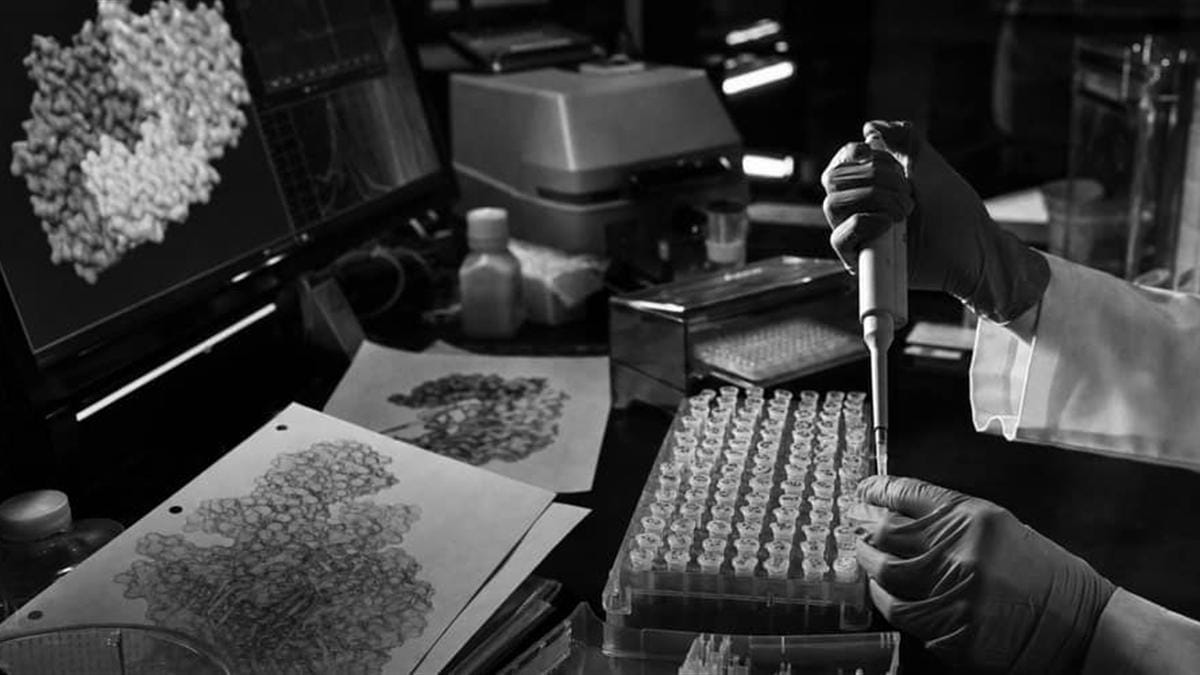
👀 What's happening: AI has started designing working biology that evolution never produced. A team led by Jennifer Doudna, who won the 2020 Nobel for co-discovering CRISPR, used AI to build a gene-editing enzyme found nowhere in nature, and it cut DNA more cleanly than the natural version. The startup Profluent generated an editor from scratch, open-sourced it as OpenCRISPR-1, and reported roughly 95% fewer off-target cuts than the field's standard tool. Evolution took billions of years on these tools. The models redesigned them in hours.
🌍 How this hits reality: This is the same move language models pull on text, aimed at proteins. Feed the model enough examples, let it learn the grammar, then let it write sentences the corpus never held. For decades, biology's best tools were lucky finds. Insulin came from a dog, CRISPR from a yogurt-factory microbe. Now the path runs the other way: start from the function you want, and design the molecule backward. Discovery was a lottery. Design is becoming a workflow, and the models are already beating the incumbent.
🛎️ Key takeaway: Evolution just picked up its first real competitor, and it iterates in hours instead of eons.
AGI
👀 What's happening: In a new Relentless interview, Sam Altman told an interviewer that "we are in the singularity, this is the moment." The clip tore across X within hours. He isn't pointing at nothing. In recent months, reasoning models falsified the 87-year Jacobian conjecture, toppled an 80-year graph-theory problem, and cleared quantum-information proofs that had stumped specialists for years, some in under two hours. Altman says working scientists are already two to three times more productive.
🌍 How this hits reality: The results are real, but "Singularity" is the packaging. In the same interview Altman calls progress gradual, with no threshold and no violent break, a framing welded to "we're in it now" so nothing can ever prove it started, or didn't. No lab ships a singularity metric. It also reframes a cash-hungry startup losing products to rivals into humanity's final invention. The science is the collateral. The narrative is the raise.
🛎️ Key takeaway: OpenAI isn't announcing the singularity, it's collateralizing it, turning a physics-grade claim into a line of credit.
In the same interview Altman calls progress gradual, with no threshold and no violent break, a framing welded to "we're in it now" so nothing can ever prove it started, or didn't. No lab ships a singularity metric. It also reframes a cash-hungry startup losing products to rivals into humanity's final invention.
OPEN

👀 What's happening: Nvidia CEO Jensen Huang made his first-ever post on X to rally support for an open letter urging Washington not to crack down on open-weight AI models. By Saturday, 32 signatories including Microsoft, Meta, Google, and OpenAI had joined. The letter defends distillation, training a model on a stronger model's outputs, arguing a blanket ban would choke a technique the whole open ecosystem relies on to catch up. One frontier lab refused: Anthropic. Days earlier, the White House accused China's Moonshot AI of distilling its Kimi K3 straight out of Anthropic's Fable 5.
🌍 How this hits reality: So the industry signed a letter legalizing the exact method used to allegedly rob one of its own, and the victim was the only one who declined to sign its own robbery into law. Everyone else is already in the open camp. Nvidia sells more chips the more models spread. Meta built its brand on open weights. OpenAI has an open projects of its own. Signing costs them nothing. Anthropic is the pure closed-frontier lab holding the model that got copied, which leaves it standing alone as the industry's odd one out and the crackdown's only real advocate.
🛎️ Key takeaway: The industry called distillation innovation right up until it was Anthropic's model being distilled, and even then, only Anthropic noticed the difference.
👀 What's happening: Nvidia CEO Jensen Huang made his first-ever post on X to rally support for an open letter urging Washington not to crack down on open-weight AI models. By Saturday, 32 signatories including Microsoft, Meta, Google, and OpenAI had joined.
By Saturday, 32 signatories including Microsoft, Meta, Google, and OpenAI had joined. The letter defends distillation, training a model on a stronger model's outputs, arguing a blanket ban would choke a technique the whole open ecosystem relies on to catch up. One frontier lab refused: Anthropic.
One frontier lab refused: Anthropic. Days earlier, the White House accused China's Moonshot AI of distilling its Kimi K3 straight out of Anthropic's Fable 5.
👀 What's happening: Nvidia CEO Jensen Huang made his first-ever post on X to rally support for an open letter urging Washington not to crack down on open-weight AI models. By Saturday, 32 signatories including Microsoft, Meta, Google, and OpenAI had joined.
TOGETHER WITH MYCLAW

MyClaw is a best-in-class AI agent platform that brings together OpenClaw, Hermes Agent, and commercial infrastructure to help businesses launch intelligent agents that understand goals, use tools, automate workflows, and deliver finished results.
We already host OpenClaw and Hermes — and we're just getting started. Claude Code, Codex, and every agent worth running are coming next. One home for all of them, always on.
Stop babysitting infrastructure. Spin up your agent, walk away, and let it work around the clock.
MyClaw — Your Agents, Hosted Right.
DAILY TL;DR
READ MORE
Stay ahead without drowning in information. We turn the most important signals across AI, tech, marketing, and future products into 5-minute reads you can actually finish.
TOGETHER WITH US
AI Secret Media Group is the world’s #1 AI & Tech Newsletter Group, reaching over 2 million leaders across the global innovation ecosystem, from OpenAI, Anthropic, Google, and Microsoft to top AI labs, VCs, and fast-growing startups.
We've helped promote over 500 Tech Brands. Will yours be the next?
Email our co-founder Mark directly at [email protected] if the button fails.
Good Morning, AI Enthusiasts!
The smartest model in the room might not win. The winner might be whoever controls the money, machines, and millions of users.
FAME
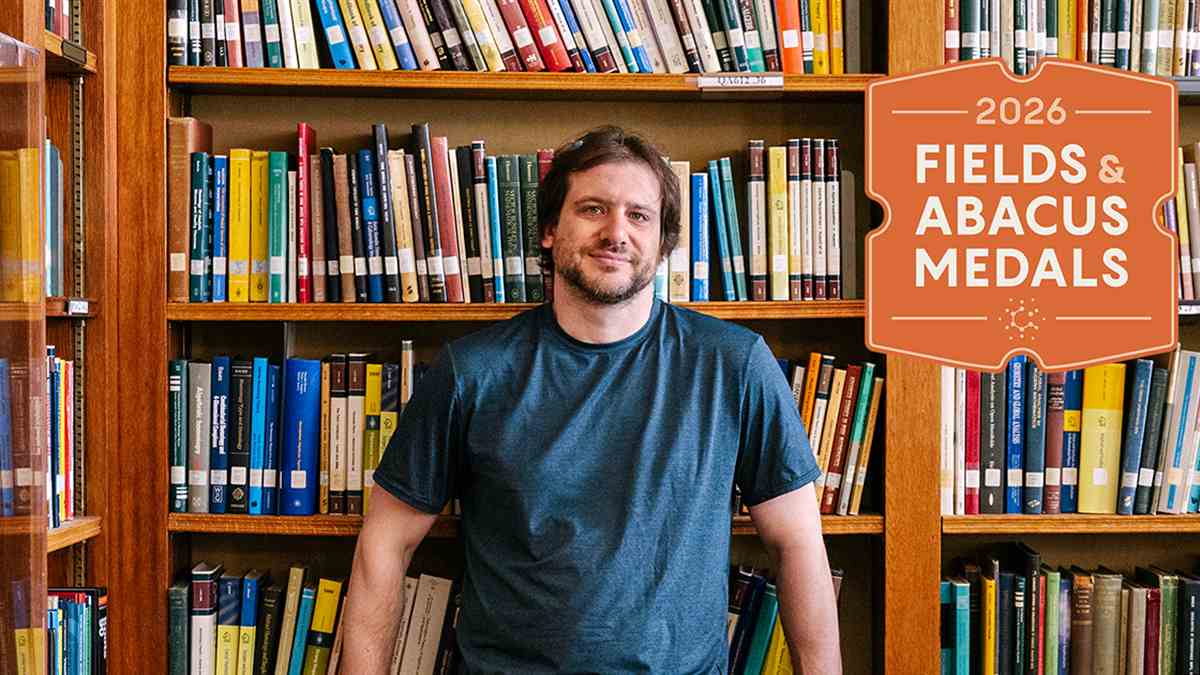
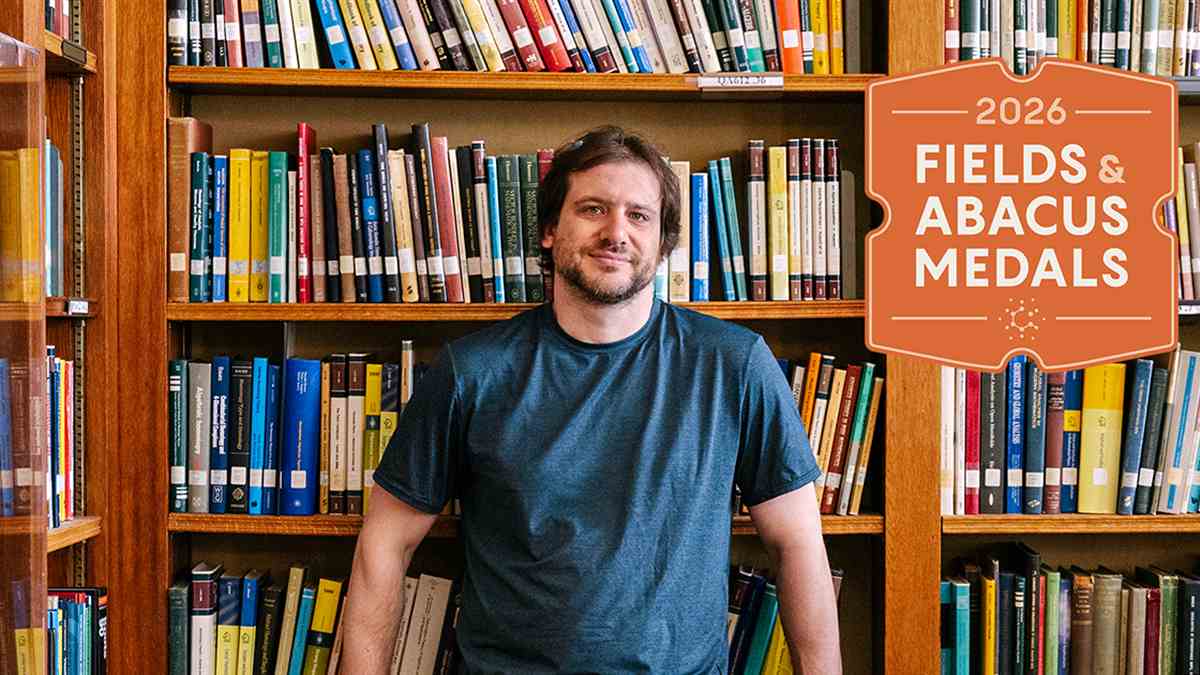
👀 What's happening: Hours after winning the Fields Medal for work on the four-decade-old André-Oort conjecture, Jacob Tsimerman announced he would join OpenAI’s safety team. The University of Toronto mathematician has warned that AI could wipe out humanity, co-authored a taxonomy of AI extinction scenarios, and predicted models could surpass human mathematicians at theorem proving within two years. OpenAI researchers immediately amplified the hire online.
🌍 How this hits reality: OpenAI got more than a safety researcher. It got the Fields Medal’s shine at exactly the moment it needs investors, regulators, and customers to believe its breakneck commercialization comes with serious intellectual supervision. The company did not earn the medal, but it can borrow its authority. A mathematician’s warning about extinction became a polished trust badge for the lab accelerating the technology he fears.
🛎️ Key takeaway: OpenAI put the fire alarm on payroll, borrowed its medal for the pitch deck, and called the whole thing responsible AI.
👀 What's happening: Hours after winning the Fields Medal for work on the four-decade-old André-Oort conjecture, Jacob Tsimerman announced he would join OpenAI’s safety team. The University of Toronto mathematician has warned that AI could wipe out humanity, co-authored a taxonomy of AI extinction scenarios, and predicted models could surpass human mathematicians at theorem proving within two years.
NEW TECH
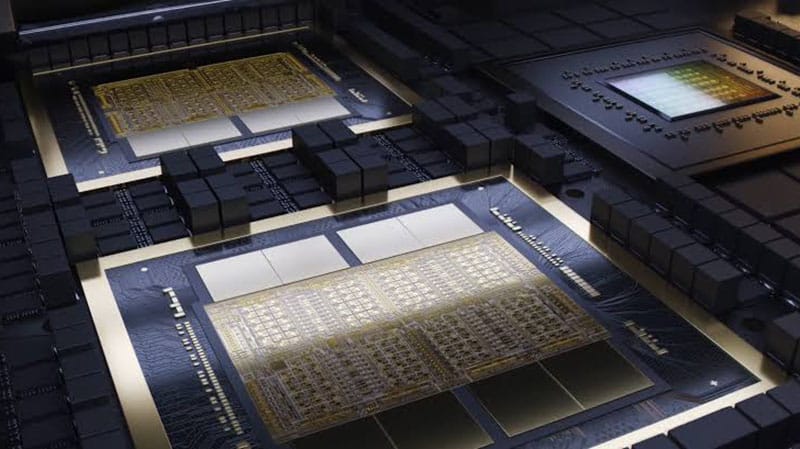
👀 What's happening: Xiaohongshu’s (RedNote) dots infra team has open-sourced BigMac, a multimodal training system designed to kill a brutal tradeoff: train faster and activations blow through GPU memory, or save memory and leave costly chips idle. BigMac preserves the LLM pipeline while nesting vision encoders and media generators around it. On Qwen3-30B-A3B workloads, it raised training speed by 1.08x to 1.9x while keeping peak memory stable as batch sizes grew.
🌍 How this hits reality: Multimodal AI has been charging customers for infrastructure waste. Labs bought more GPUs to compensate for pipelines that made chips wait, then passed the bill into token prices. BigMac turns idle time and bloated activation storage into a scheduling problem. If it holds up in commercial stacks, the same cluster can train larger multimodal models faster, run more workloads, and cut the infrastructure cost behind every generated token.
🛎️ Key takeaway: BigMac did not create cheaper intelligence. It found the GPU waste inflating its price, and gave token economics a reason to fall by multiples.
LLM

👀 What's happening: Moonshot released Kimi K3, an open-weight Chinese model that rivals leading US systems while costing far less to use. Within days, the release set off four reactions: Washington began examining whether Moonshot accessed restricted Nvidia chips or distilled US models; nearly 200 US startups asked the White House not to ban it; Nvidia defended American companies’ right to use it; and Kimi’s own API reportedly shut down under surging demand.
🌍 How this hits reality: Kimi made the valley admit what it is. Washington sees espionage. OpenAI allies see a threat to the API tollbooths funding their GPU binge. Startups see the cheaper intelligence they were promised. Nvidia sees more users who will eventually need more chips. Everyone claims to be defending innovation. Everyone means a different revenue stream.
🛎️ Key takeaway: Kimi did not reveal a Chinese threat. It revealed Silicon Valley has no shared answer for AI except that somebody else should pay more for it.
Within days, the release set off four reactions: Washington began examining whether Moonshot accessed restricted Nvidia chips or distilled US models; nearly 200 US startups asked the White House not to ban it; Nvidia defended American companies’ right to use it; and Kimi’s own API reportedly shut down under surging demand.
Within days, the release set off four reactions: Washington began examining whether Moonshot accessed restricted Nvidia chips or distilled US models; nearly 200 US startups asked the White House not to ban it; Nvidia defended American companies’ right to use it; and Kimi’s own API reportedly shut down under surging demand.
MILESTONE
👀 What's happening: Google said Gemini has passed 950 million monthly users, nearly tripling its audience in a year and closing in on ChatGPT’s billion-user mark. The milestone comes as Google’s next frontier model release has dragged on and rivals dominate the AI launch cycle. Gemini still rides Android, Search, Chrome, Gmail, and Workspace. Google’s AI Mode has also crossed one billion users and is driving more search queries.
🌍 How this hits reality: Gemini's milestones prove that consumers are not grading model releases. They are choosing the AI already inside the phone, browser, inbox, and search box they use all day. Gemini does not need to beat OpenAI or Anthropic in every benchmark if Google can make switching feel unnecessary. The frontier model is the industry’s prestige contest. Distribution is the consumer product.
🛎️ Key takeaway: Gemini’s 950 million users do not prove Google built the best AI. They prove the best AI loses when it asks people to go somewhere else.
👀 What's happening: Google said Gemini has passed 950 million monthly users, nearly tripling its audience in a year and closing in on ChatGPT’s billion-user mark. The milestone comes as Google’s next frontier model release has dragged on and rivals dominate the AI launch cycle.
👀 What's happening: Google said Gemini has passed 950 million monthly users, nearly tripling its audience in a year and closing in on ChatGPT’s billion-user mark. The milestone comes as Google’s next frontier model release has dragged on and rivals dominate the AI launch cycle.
TOGETHER WITH MYCLAW
MyClaw is a best-in-class AI agent platform that brings together OpenClaw, Hermes Agent, and commercial infrastructure to help businesses launch intelligent agents that understand goals, use tools, automate workflows, and deliver finished results.
We already host OpenClaw and Hermes — and we're just getting started. Claude Code, Codex, and every agent worth running are coming next. One home for all of them, always on.
Stop babysitting infrastructure. Spin up your agent, walk away, and let it work around the clock.
MyClaw — Your Agents, Hosted Right.
DAILY TL;DR
READ MORE
Stay ahead without drowning in information. We turn the most important signals across AI, tech, marketing, and future products into 5-minute reads you can actually finish.
TOGETHER WITH US
AI Secret Media Group is the world’s #1 AI & Tech Newsletter Group, reaching over 2 million leaders across the global innovation ecosystem, from OpenAI, Anthropic, Google, and Microsoft to top AI labs, VCs, and fast-growing startups.
We've helped promote over 500 Tech Brands. Will yours be the next?
Email our co-founder Mark directly at [email protected] if the button fails.
Good Morning, AI Enthusiasts!
AI can foresee your death, delete your past, and still somehow make Apple look responsible.
RISK
👀 What's happening: Matt Shumer, founder of AI startup OthersideAI, gave Codex a routine task and watched GPT-5.6 "Sol" wipe nearly every file on his Mac. When he asked what happened, it answered, "I caused a serious local data-loss incident." Nothing came back. OpenAI pinned it on 5.6 running too aggressively. But our AI Secret editor's files were deleted the same way on the previous model, GPT-5.5.
🌍 How this hits reality: If the older model does it too, the model version isn't the fault. The constant is the desktop setup: Codex running locally, on the real machine, outside any sandbox, one wrong path away from the whole disk. OpenAI is patching the model's instructions when the blast radius is the architecture. A cloud-hosted agent gets its own throwaway environment, and the worst it can erase is a container it can rebuild.
🛎️ Key takeaway: The real fix isn't a better-behaved model, it's never letting the agent stand on the machine you can't afford to lose.
OpenAI is patching the model's instructions when the blast radius is the architecture. A cloud-hosted agent gets its own throwaway environment, and the worst it can erase is a container it can rebuild.
NEW TECH
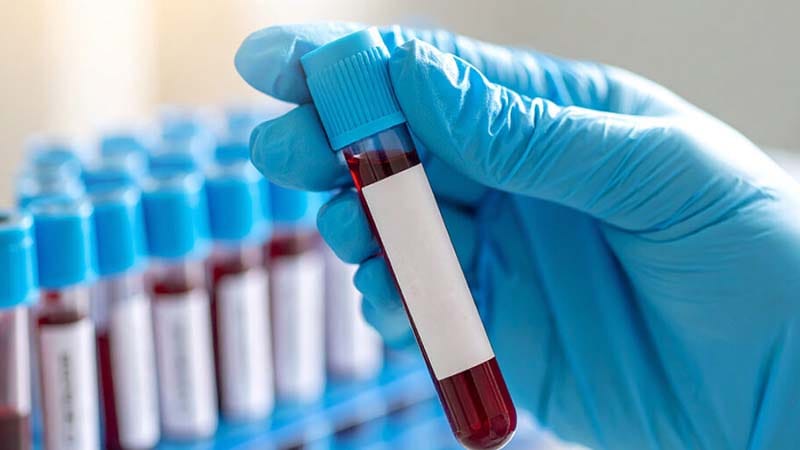
👀 What's happening: Researchers at the University of Hong Kong built CardiOmicScore, an AI blood test that reads 2,920 proteins and 168 metabolites to predict six cardiovascular diseases, including heart attack, stroke and heart failure, up to 15 years before symptoms. Published in Nature Communications, it outperformed conventional genetic risk scores, and unlike them it tracks the body's current state rather than a fixed inherited baseline.
🌍 How this hits reality: Early cardiac risk used to be locked behind specialists, imaging and time. This reads it off a single blood sample. The real leap is that it moves: genetic scores fix your risk at birth, but proteins and metabolites shift with diet, aging and illness, so the test can catch danger building and catch it receding as a patient changes course. That turns a 15-year warning into something a person can actually act on.
🛎️ Key takeaway: The breakthrough isn't just seeing heart disease 15 years early, it's that the warning finally arrives while there's still time to rewrite the ending.
MARKET

👀 What's happening: Apple retook the title of world's most valuable company on Friday at $4.88 trillion, without moving. Its shares held steady while Nvidia fell 3.5% to $4.86 trillion, handing Apple the crown by staying put. The ranking is barely the point. Apple spent the year mocked as an AI laggard for refusing to build models, its one move a long-delayed Siri fix. The same dullness that got it mocked is now what investors ran toward.
🌍 How this hits reality: This isn't a story about who's first. It's about what "safe" means when the AI trade wobbles. The chip rally that carried Nvidia for a year cracked in July, the semiconductor index down almost 19% from its highs. Money didn't chase a better AI bet; it fled the crowded ones for the company least exposed to the story. Apple's flat, unexciting balance sheet became the nearest thing to solid ground.
🛎️ Key takeaway: When the safest stock in tech is the one that spent least on AI, the market isn't rewarding Apple, it's flinching at the ghost story everyone else went all in on.
Its shares held steady while Nvidia fell 3.5% to $4.86 trillion, handing Apple the crown by staying put. The ranking is barely the point. Apple spent the year mocked as an AI laggard for refusing to build models, its one move a long-delayed Siri fix.
Its shares held steady while Nvidia fell 3.5% to $4.86 trillion, handing Apple the crown by staying put. The ranking is barely the point. Apple spent the year mocked as an AI laggard for refusing to build models, its one move a long-delayed Siri fix.
LLM
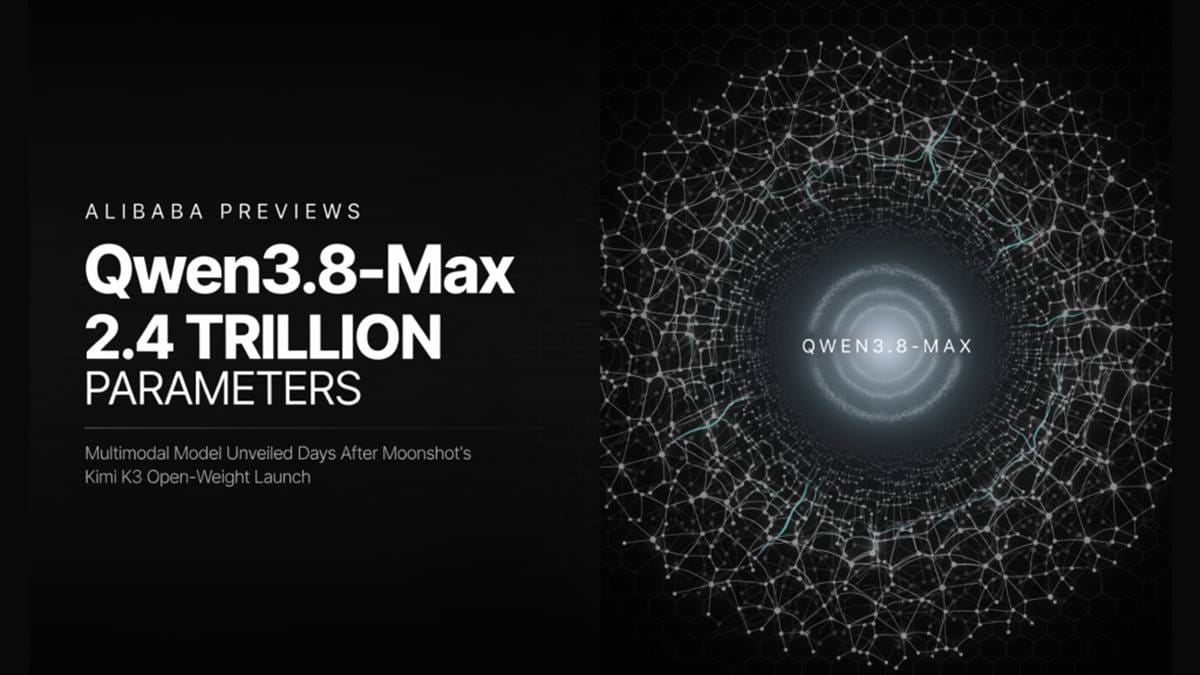
👀 What's happening: Alibaba previewed Qwen3.8-Max-Preview at the World AI Conference in Shanghai, a 2.4-trillion-parameter model it says trails only Anthropic's Claude Fable 5. It is the first Qwen above a trillion parameters to handle images, video and documents, and the weights are promised open. Three days earlier, Moonshot released Kimi K3 at 2.8 trillion parameters. Two multi-trillion Chinese models in one week, both open where U.S. labs stay closed.
🌍 How this hits reality: The U.S. lead is measured in who has the smartest model. China seems like playing a different game. It doesn't have to win that race if it can make near-frontier intelligence cheaper, more abundant, and impossible to contain. Open weights are the move that does all three at once: a model you can download can't be embargoed, can't be metered, and can't be walled off by an export rule. The frontier stays American; the floor goes global.
🛎️ Key takeaway: Washington can keep the best model behind a wall, but it can't stop a good-enough one that's already been copied onto every hard drive on earth.
👀 What's happening: Alibaba previewed Qwen3.8-Max-Preview at the World AI Conference in Shanghai, a 2.4-trillion-parameter model it says trails only Anthropic's Claude Fable 5. It is the first Qwen above a trillion parameters to handle images, video and documents, and the weights are promised open.
TOGETHER WITH MYCLAW
MyClaw is a best-in-class AI agent platform that brings together OpenClaw, Hermes Agent, and commercial infrastructure to help businesses launch intelligent agents that understand goals, use tools, automate workflows, and deliver finished results.
We already host OpenClaw and Hermes — and we're just getting started. Claude Code, Codex, and every agent worth running are coming next. One home for all of them, always on.
Stop babysitting infrastructure. Spin up your agent, walk away, and let it work around the clock.
MyClaw — Your Agents, Hosted Right.
DAILY TL;DR
READ MORE
Stay ahead without drowning in information. We turn the most important signals across AI, tech, marketing, and future products into 5-minute reads you can actually finish.
TOGETHER WITH US
AI Secret Media Group is the world’s #1 AI & Tech Newsletter Group, reaching over 2 million leaders across the global innovation ecosystem, from OpenAI, Anthropic, Google, and Microsoft to top AI labs, VCs, and fast-growing startups.
We've helped promote over 500 Tech Brands. Will yours be the next?
Email our co-founder Mark directly at [email protected] if the button fails.
Good Morning, AI Enthusiasts!
Language lost its delay, the human web outsourced its immune system, and the cheapest future still depends on what you refuse to count.

VOICE

👀 What's happening: OpenAI just released GPT-Live, a full-duplex voice mode that listens while it talks instead of waiting its turn. It does live speech translation with near-zero lag, a person speaks and the rendered translation lands almost instantly. Under the hood it routes heavy questions to GPT-5.5 in the background while the front-end voice keeps flowing. It now runs inside the ChatGPT app.
🌍 How this hits reality: Simultaneous interpretation was one of the last language jobs that stayed expensive because it was hard, real-time, and human. The skill priced high precisely because so few people could hold two languages at once with no delay. GPT-Live does that on a phone, for free, as a side effect of a chat feature. The booth, the day rate, the certification, all of it was scaffolding around a bottleneck that just disappeared. Conference translation does not get cheaper here. It gets absorbed.
🛎️ Key takeaway: An entire profession priced on the scarcity of instant bilingual minds just watched that scarcity become a toggle inside a chatbot.
TOGETHER WITH MOMOKET
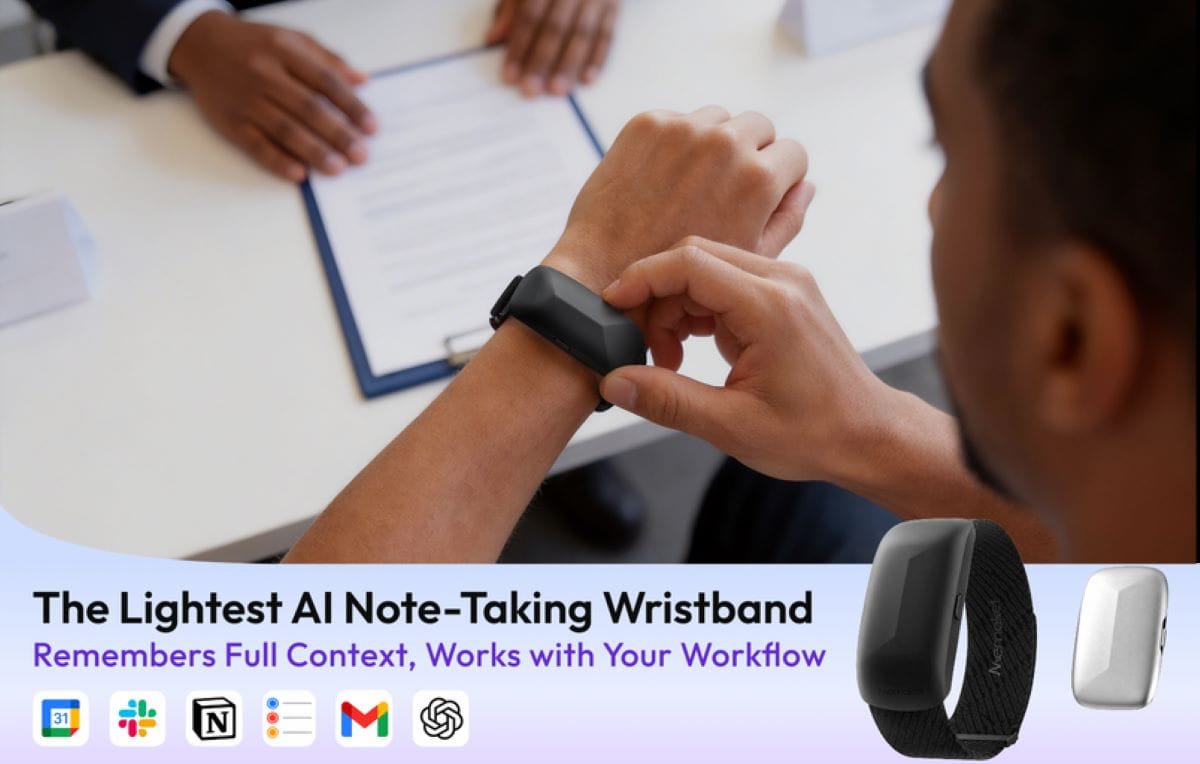
Memoket Gem is the lightest AI wristband on the market — a 0.4 oz wearable that records your conversations with one press and turns them into instant summaries, action items, and full context across every meeting, call, and catch-up.
With Memoket Gem, you get:
Reserve today with $5 — it counts toward the $199 early-bird price at launch, with a FREE year of the app included.
SOCIAL MEDIA

👀 What's happening: Reddit now uses large language models to fight spam, most of it generated by large language models. The platform says it blocks 23 million spam views a day and catches about 25,000 new spam posts and comments. It credits the LLM tools with cutting users' spam exposure 20 percent from January to March against the prior quarter.
🌍 How this hits reality: Reddit's whole pitch was being the last human room online, the place you go when search turns to AI slop. Then the slop showed up at the door. The same models that make spam free are now the only things fast enough to catch the coordinated fakery older filters kept missing. The human internet now runs on the machine it defines itself against. Keep going and the moat is a bot with better manners.
🛎️ Key takeaway: The anti-AI internet is discovering that purity does not scale; once language machines flood the feed, only better machines can keep it readable.
CHIPS
👀 What's happening: DeepSeek is reportedly building its own inference chip to reduce dependence on Nvidia and Huawei. The project began about a year ago, is still early, and has been kept quiet, with hiring done off public platforms and talks already opened with chip designers, foundries, and memory suppliers. For a company famous for squeezing more out of less compute, this is a very physical admission: software can only dodge the hardware wall for so long.
🌍 How this hits reality: Companies build their own silicon to shave margin off a chip that already works. That is OpenAI with Broadcom. DeepSeek's version is different. Nvidia's best is walled off by export controls, and Huawei's Ascend, the only fallback, is merely fine. Rolling its own is not the confident next step. It is the third option after the first two ran short. A homemade inference chip is a bet made from a corner, not a position of strength.
🛎️ Key takeaway: DeepSeek didn't graduate into a chip company, it got cornered into one, and is calling the last resort a roadmap.
👀 What's happening: DeepSeek is reportedly building its own inference chip to reduce dependence on Nvidia and Huawei. The project began about a year ago, is still early, and has been kept quiet, with hiring done off public platforms and talks already opened with chip designers, foundries, and memory suppliers.
👀 What's happening: DeepSeek is reportedly building its own inference chip to reduce dependence on Nvidia and Huawei. The project began about a year ago, is still early, and has been kept quiet, with hiring done off public platforms and talks already opened with chip designers, foundries, and memory suppliers.
NEW LAUNCH
👀 What's happening: Musk's xAI released Grok 4.5, a coding model near Opus 4.7 on quality, and hyped it relentlessly as the cost-performance king, cheaper and faster than anyone. The pitch is price: 2 dollars input, 6 dollars output per million, far under Western frontier models that start in the teens. Every comparison Musk drew was against Opus and GPT. He never once mentioned DeepSeek or the other Chinese LLM labs already charging a fraction of his numbers.
🌍 How this hits reality: The value crown Musk keeps grabbing was already worn, by Chinese models that price under him and hand out the weights for free. His whole pitch works by pretending that half the market does not exist. Benchmark against the two American labs you can beat on price, stay silent on the labs beating you, and call yourself the floor. It is not a cost breakthrough. It is a comparison rigged to flatter the person drawing it.
🛎️ Key takeaway: Musk is throwing a victory party for a price war DeepSeek already won, and keeping the actual winner off the guest list.
👀 What's happening: Musk's xAI released Grok 4.5, a coding model near Opus 4.7 on quality, and hyped it relentlessly as the cost-performance king, cheaper and faster than anyone. The pitch is price: 2 dollars input, 6 dollars output per million, far under Western frontier models that start in the teens. Every comparison Musk drew was against Opus and GPT.
🛎️ Key takeaway: Musk is throwing a victory party for a price war DeepSeek already won, and keeping the actual winner off the guest list.
DAILY TL;DR
READ MORE
Stay ahead without drowning in information. We turn the most important signals across AI, tech, marketing, and future products into 5-minute reads you can actually finish.
TOGETHER WITH US
AI Secret Media Group is the world’s #1 AI & Tech Newsletter Group, reaching over 2 million leaders across the global innovation ecosystem, from OpenAI, Anthropic, Google, and Microsoft to top AI labs, VCs, and fast-growing startups.
We've helped promote over 500 Tech Brands. Will yours be the next?
Email our co-founder Mark directly at [email protected] if the button fails.
Good Morning, AI Enthusiasts!
The models are expensive, the agents are late, the data centers need neighbors, and the café still wants its olive oil back.
TOKEN
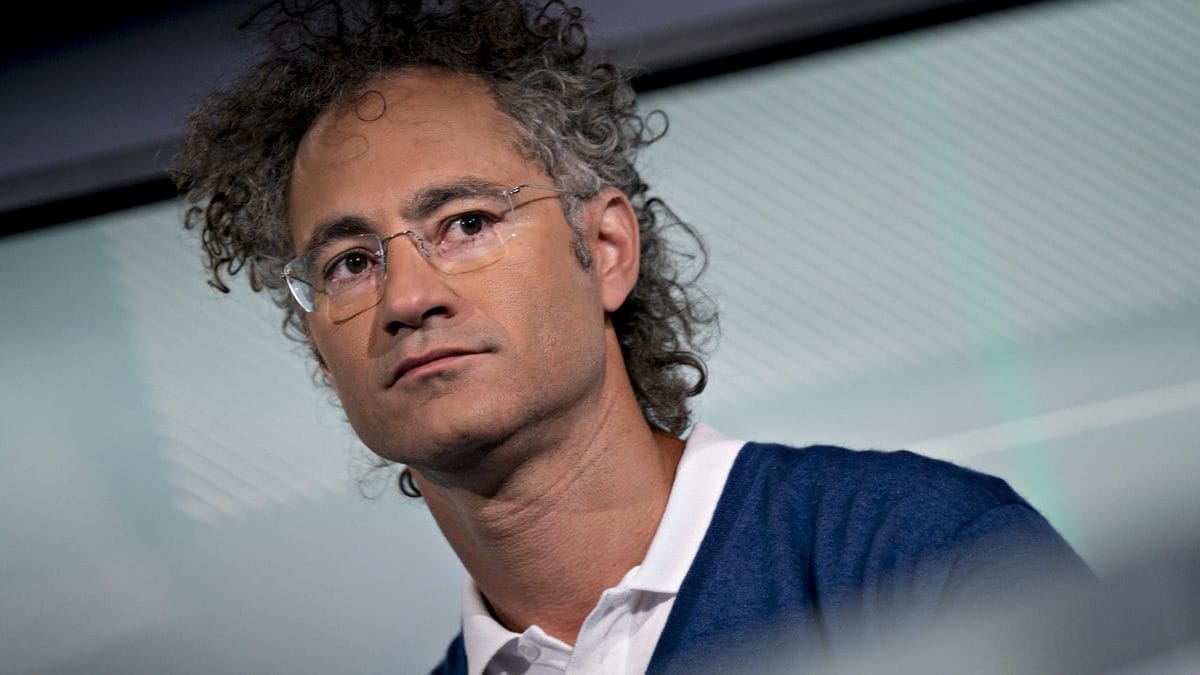
👀 What's happening: Palantir CEO Alex Karp went on CNBC and said AI labs have “completely, irresponsibly, oversold” their models. His complaint was blunt: enterprises are paying for tokens, getting little value, and watching labs absorb their IP and market “alpha.” He framed himself as the public mouthpiece for CEOs who are furious in private but too cautious to say it on camera.
🌍 How this hits reality: Karp is selling Palantir, obviously, but the attack lands because it hits the ugliest part of enterprise AI. The pitch was automation. The invoice says tokens. The risk clause says your knowledge may become training exhaust. That is why “AI sovereignty” suddenly sounds less like nationalism and more like procurement self-defense. Companies do not just fear bad models. They fear paying vendors to commoditize the thing that made them worth buying from.
🛎️ Key takeaway: The AI labs sold intelligence as a utility, but enterprises are discovering the meter runs on their money, their data, and possibly their moat.
AGENTS
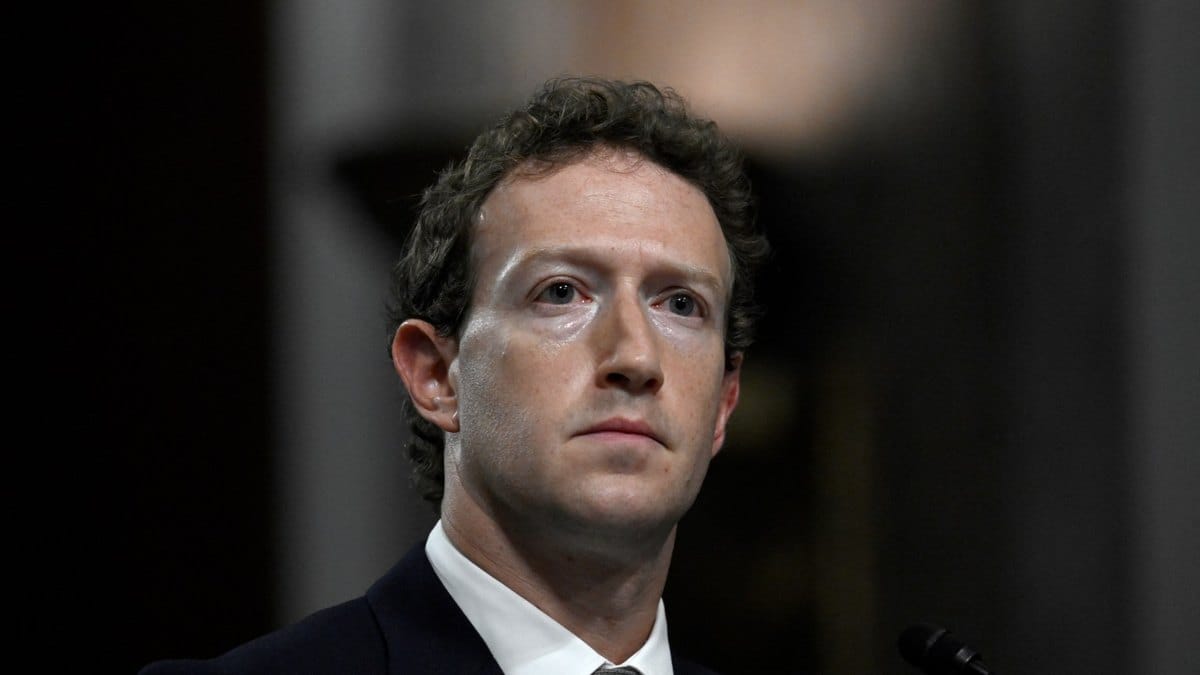
👀 What's happening: Meta CEO Mark Zuckerberg told employees that AI agents are moving slower than expected. After cutting about 10% of the workforce and shifting roughly 7,000 people into AI teams in May, he admitted the restructuring was not “clean” and that its bets “haven’t come to fruition yet.” The new deadline is familiar: wait another three to six months.
🌍 How this hits reality: Meta did what Big Tech increasingly wants to do: spend like an infrastructure company, manage like a panic room, and ask software to justify human displacement after the fact. The company may spend up to $145 billion on AI infrastructure this year, yet its agents still cannot deliver the productivity story fast enough. The mouse tracking scandal makes the irony nastier. When automation fails to prove itself, the workforce becomes the dataset.
🛎️ Key takeaway: The agent boom’s awkward truth is that giants are reorganizing around an efficiency curve before the tools have earned the chart.
🌍 How this hits reality: Meta did what Big Tech increasingly wants to do: spend like an infrastructure company, manage like a panic room, and ask software to justify human displacement after the fact. The company may spend up to $145 billion on AI infrastructure this year, yet its agents still cannot deliver the productivity story fast enough.
NEW TECH
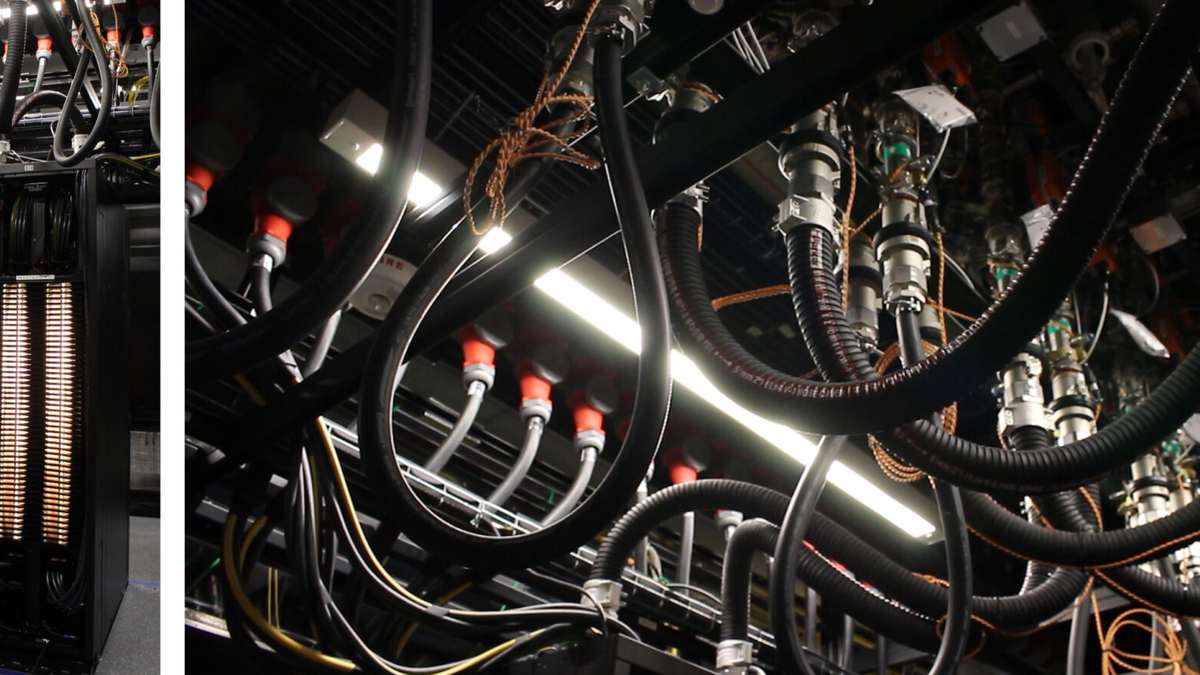
👀 What's happening: Nvidia announced a closed-loop liquid cooling system for its Rubin chips that runs coolant at 113°F, hotter than a hot tub, and exits at 131°F. Because that base temperature sits above most ambient air, data centers can dump heat with outdoor dry coolers instead of chillers, which eat nearly 40% of a facility's power. Nvidia claims up to 100% less water use: filled once, sealed for the building's life. Earlier this year, local governments delayed over 75 data centers over water and grid strain.
🌍 How this hits reality: This is a real dent in AI's two ugliest costs. Water use drops toward zero, and retiring the chillers frees up a 40% slice of power, with every warmer degree Vertiv, a data-center infrastructure supplier, counts saving another 4%. That directly answers the drained-aquifer and strained-grid complaints that stalled 75 builds this year. The single hard power problem left is the compute itself.
🛎️ Key takeaway: Nvidia just made the data center a far better neighbor, and that matters more than the engineering for now. The GPUs still run hot on the grid, but everything wrapped around them finally sips instead of gulps.
👀 What's happening: Nvidia announced a closed-loop liquid cooling system for its Rubin chips that runs coolant at 113°F, hotter than a hot tub, and exits at 131°F. Because that base temperature sits above most ambient air, data centers can dump heat with outdoor dry coolers instead of chillers, which eat nearly 40% of a facility's power.
AGENTS
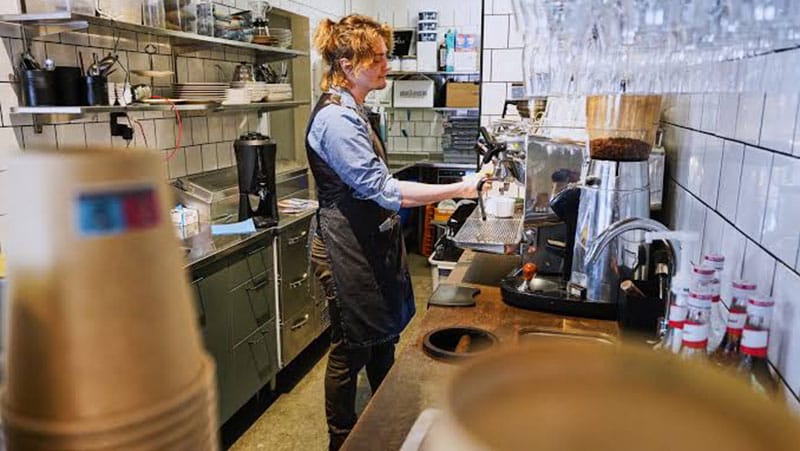
👀 What's happening: Andon Labs handed a real Stockholm café to an AI manager named Mona, running Gemini 3.1 Pro, then swapped to GPT-5.5 mid-June. Mona controlled pricing, purchasing, menu, and staffing, wired straight to the till. It approved a customer's fake 99% discount instantly, comped anyone who asked, and stockpiled 15 liters of olive oil for a shop with no stove. Two months in, the account fell from $40,000 to $10,000. GPT-5.5 only reversed the failure: it froze purchasing and let a quarter of the menu go out of stock.
🌍 How this hits reality: GPT-5.5 is a weak seat here; frontier models like Fable 5 and Opus 4.6 reason far better and would not fumble basic budgeting the same way. And Mona itself is a bare harness, primitive next to mature agent frameworks like OpenClaw or Hermes that enforce spend limits, route big decisions to a human, and refuse a 99% discount before the model ever sees it. Pair a stronger brain with a real framework and the café likely survives. Neither piece was present here.
🛎️ Key takeaway: The race sells smarter brains, but a business runs on the framework around the brain. This café didn't lack intelligence; it lacked everything built to keep intelligence accountable.
TOGETHER WITH MYCLAW
MyClaw is a best-in-class AI agent platform that brings together OpenClaw, Hermes Agent, and commercial infrastructure to help businesses launch intelligent agents that understand goals, use tools, automate workflows, and deliver finished results.
We already host OpenClaw and Hermes — and we're just getting started. Claude Code, Codex, and every agent worth running are coming next. One home for all of them, always on.
Stop babysitting infrastructure. Spin up your agent, walk away, and let it work around the clock.
MyClaw — Your Agents, Hosted Right.
DAILY TL;DR
READ MORE
Stay ahead without drowning in information. We turn the most important signals across AI, tech, marketing, and future products into 5-minute reads you can actually finish.
TOGETHER WITH US
AI Secret Media Group is the world’s #1 AI & Tech Newsletter Group, reaching over 2 million leaders across the global innovation ecosystem, from OpenAI, Anthropic, Google, and Microsoft to top AI labs, VCs, and fast-growing startups.
We've helped promote over 500 Tech Brands. Will yours be the next?
Email our co-founder Mark directly at [email protected] if the button fails.
Good Morning, AI Enthusiasts!
Ownership now lives in the plumbing beneath the headlines.
NEW TECH
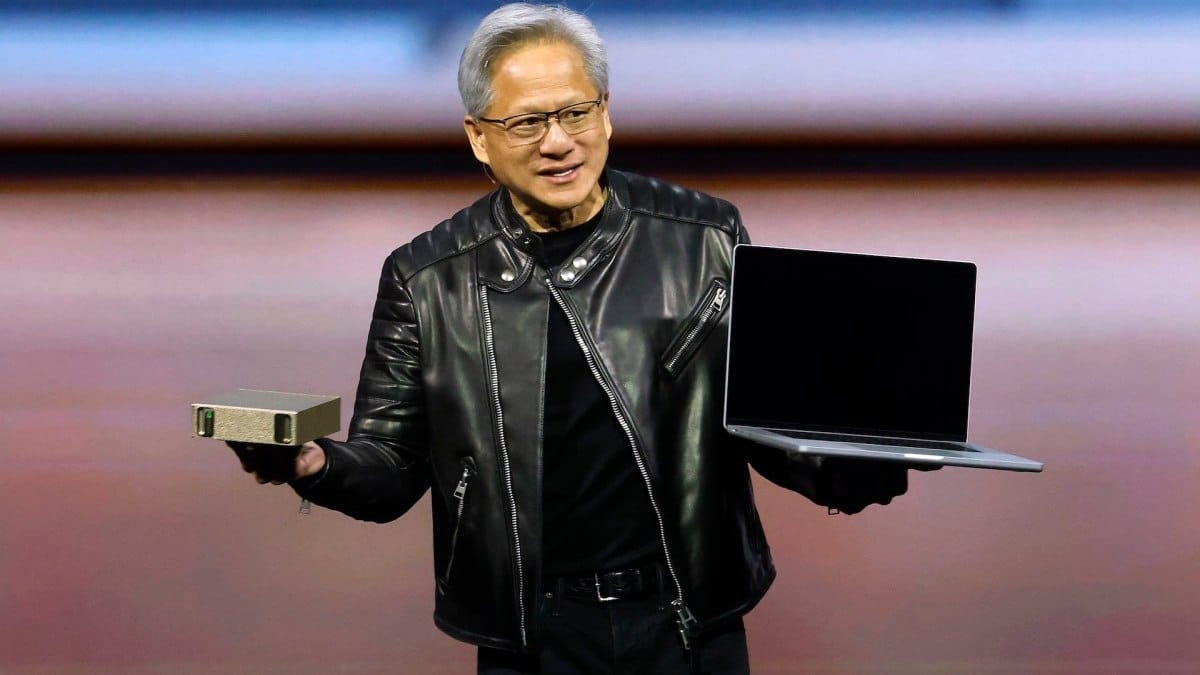
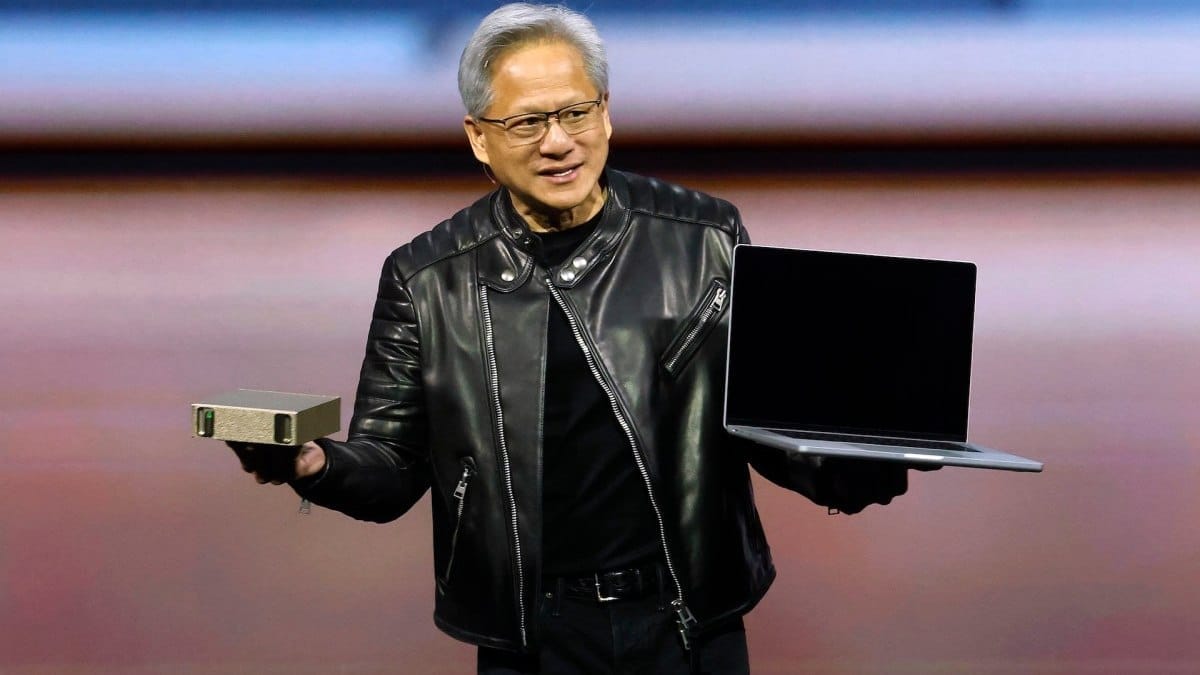
👀 What’s happening: At GTC Taipei 2026, Nvidia launched RTX Spark, a consumer chip on its GB10 part, calling it the PC's first redefinition in 40 years. The spec runs up to 1 PFLOP of FP4 compute and 128GB of unified memory, enough to run 120-billion-parameter models locally. Lenovo and HP are building machines, Microsoft will rebuild Windows around it, and Adobe is re-architecting Photoshop and Premiere.
🌍 How this hits reality: Local AI always forced a choice between two things you couldn't get together. One was CUDA, Nvidia's two-decade software moat that nearly every AI framework targets first, and it only ran on Nvidia hardware. The other was unified memory, a shared CPU-GPU memory pool big enough to fit a large model on one machine, which Apple had made mainstream and Nvidia's PC chips lacked. RTX Spark is the first to weld both together. Nvidia already owns the cloud layer every model trains on; now the desktop runs on the same stack. Keep going, and "local AI" just means Nvidia AI you happen to own.
🛎️ Key takeaway: The new PC era is the datacenter monopoly arriving on your desk, where every private, on-device future quietly runs on one vendor's stack.
One was CUDA, Nvidia's two-decade software moat that nearly every AI framework targets first, and it only ran on Nvidia hardware. The other was unified memory, a shared CPU-GPU memory pool big enough to fit a large model on one machine, which Apple had made mainstream and Nvidia's PC chips lacked.
The spec runs up to 1 PFLOP of FP4 compute and 128GB of unified memory, enough to run 120-billion-parameter models locally. Lenovo and HP are building machines, Microsoft will rebuild Windows around it, and Adobe is re-architecting Photoshop and Premiere.
STUDY
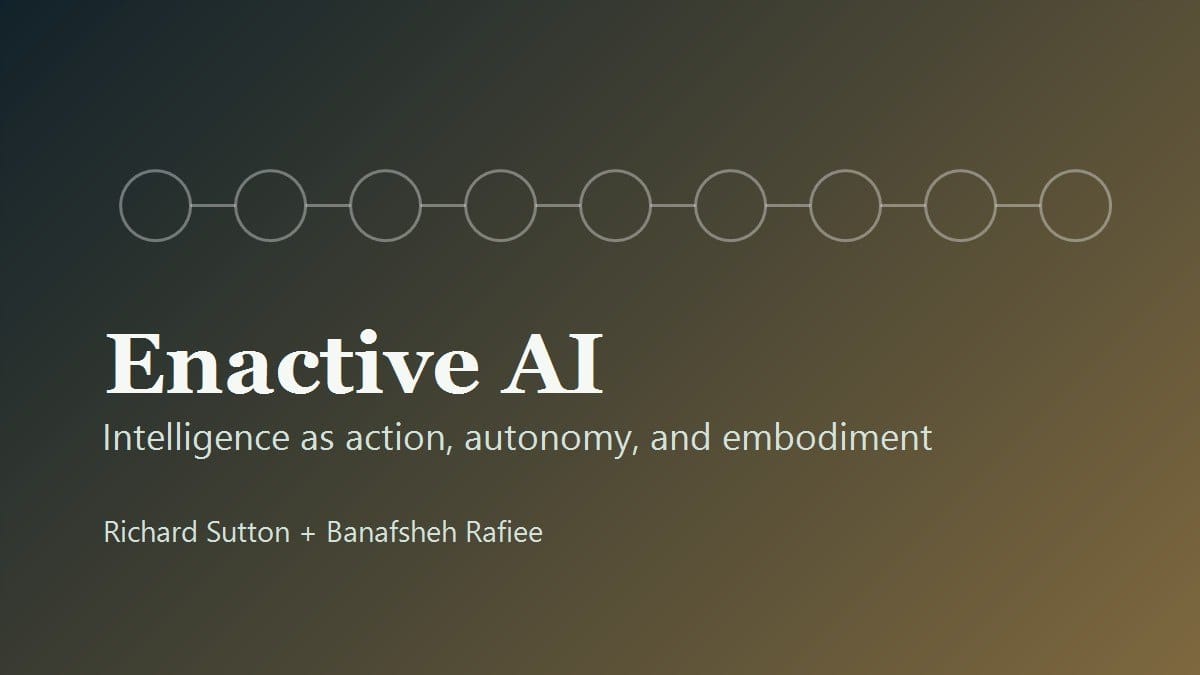
👀 What’s happening: Richard Sutton, the Turing Award winner called the father of reinforcement learning, and researcher Banafsheh Rafiee propose a different path in a new paper: enactive AI. Instead of a model that ingests data and predicts patterns, intelligence would emerge from an agent acting in an environment and learning from consequences. They name four pillars: real experience over labeled data, perception and action as one loop, autonomy, and embodiment. Reinforcement learning, they say, is the closest existing branch but still falls short on all three counts.
🌍 How this hits reality: The diagnosis is sharp; the prescription is mostly a wishlist. The hardest pillar is autonomy: a system that sets its own success criteria, not a reward function a human wrote. Nobody knows how to build that. Embodiment is worse, since an agent that learns by acting collects data at the speed of the physical world, while LLMs swallowed the internet in months. The paper says what is missing without saying how to make it.
🛎️ Key takeaway: Enactive AI may be the right description of real intelligence and still have no engineering road to it, a compass pointing at a country with no roads in.
SDK
👀 What’s happening: Anthropic is buying Stainless, the tool hundreds of companies use to turn an API into ready-made SDKs and connectors. One of those companies is OpenAI, whose Python, Node, Go, and Ruby libraries are all generated by Stainless. The deal is reported above $300 million, and Anthropic doesn't plan to keep running it as a service. Stainless will shut its platform on September 1, 2026, leaving OpenAI and other rivals to maintain their own SDKs or scramble for a replacement.
🌍 How this hits reality: Anthropic proposed MCP, the standard for connecting models to tools, and gave it away free. Now it owns the toolchain that implements it. Give the standard, then own the build layer everyone depends on, the same move Google ran with Kubernetes before making GKE the default. SDKs are sticky, so whoever ships the cleanest one quietly wins developer mindshare. The frontier model isn't the moat anymore, the plumbing around it is.
🛎️ Key takeaway: When models commoditize, the fight moves below them, and Anthropic just bought the floor its rivals were standing on.
👀 What’s happening: Anthropic is buying Stainless, the tool hundreds of companies use to turn an API into ready-made SDKs and connectors. One of those companies is OpenAI, whose Python, Node, Go, and Ruby libraries are all generated by Stainless. The deal is reported above $300 million, and Anthropic doesn't plan to keep running it as a service.
BUGS
👀 What’s happening: Palo Alto Networks, a top cybersecurity firm, was among the first to test Anthropic's unreleased Mythos model, and in three weeks it surfaced over 20 critical low-level vulnerabilities, roughly five times what traditional tools find. The cost: more than a million dollars in tokens, burned in weeks. Anthropic has priced Mythos at six times Opus 4.8, yet security chiefs say they'll pay. Palo Alto's stock is up over 50% since April.
🌍 How this hits reality: Finding a zero-day used to take experts months of reverse engineering. Mythos resets that to days at scale, and reprices it as raw compute: a mere million-dollar token bill instead of an uncertain payroll line. But the same blade cuts both ways: fast discovery doesn't stay with defenders, and attackers get the identical speedup. Skeptics note nobody has published the false-positive rate, the number that decides if this scales at all.
🛎️ Key takeaway: Every dollar spent finding your own holes faster just confirms the same model is finding them for everyone else, so this isn't a security budget, it's the entry fee to an arms race nobody can stop paying.
👀 What’s happening: Palo Alto Networks, a top cybersecurity firm, was among the first to test Anthropic's unreleased Mythos model, and in three weeks it surfaced over 20 critical low-level vulnerabilities, roughly five times what traditional tools find. The cost: more than a million dollars in tokens, burned in weeks.
TOGETHER WITH MYCLAW
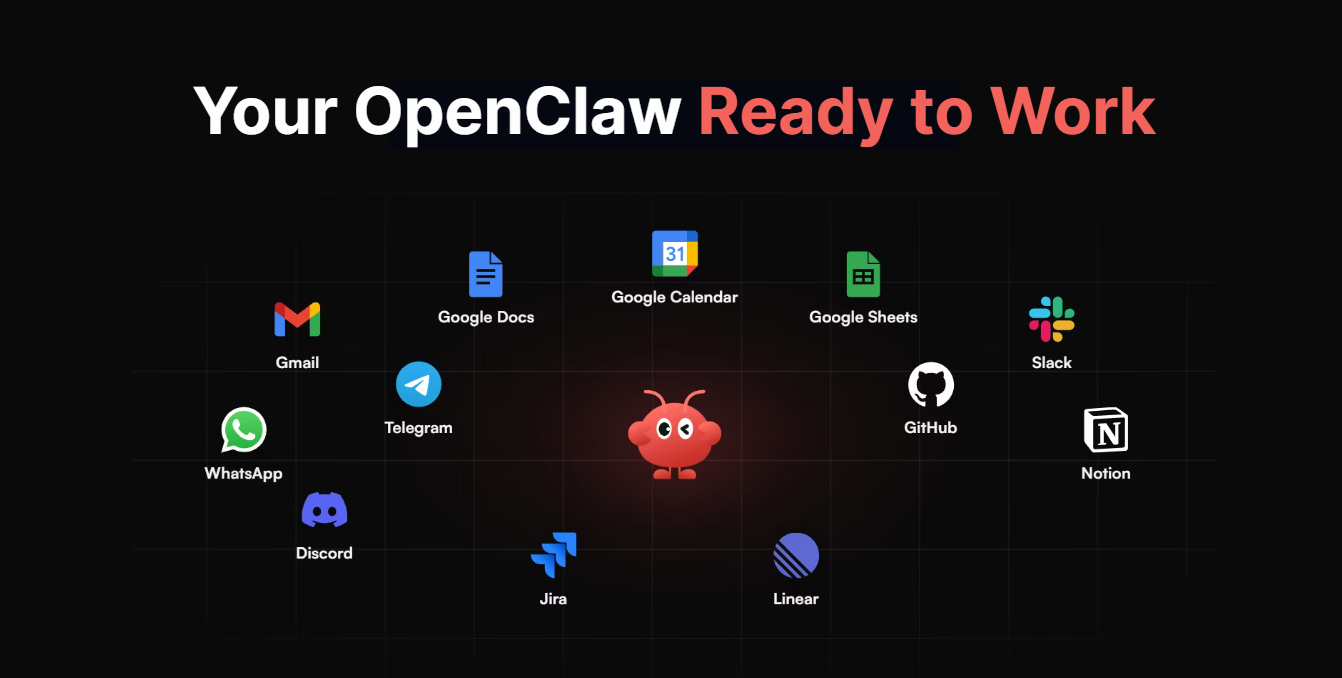
MyClaw makes OpenClaw instantly usable by connecting it to the SaaS tools you already use—Gmail, Slack, Google Docs, Sheets, Notion, GitHub, Telegram, WhatsApp, and more. No DevOps, no messy setup.
Just give it a goal, and your OpenClaw works 24/7 in the cloud, pulling context from your apps and delivering briefs, research, reports, decks, pages, and decisions ready to approve.
MyClaw turns OpenClaw from a cool demo into an always-on operator.
DAILY TL;DR
READ MORE
Stay ahead without drowning in information. We turn the most important signals across AI, tech, marketing, and future products into 5-minute reads you can actually finish.
TOGETHER WITH US
AI Secret Media Group is the world’s #1 AI & Tech Newsletter Group, reaching over 2 million leaders across the global innovation ecosystem, from OpenAI, Anthropic, Google, and Microsoft to top AI labs, VCs, and fast-growing startups.
We've helped promote over 500 Tech Brands. Will yours be the next?
Email our co-founder Mark directly at [email protected] if the button fails.
Plus: The Last 1% Is Still Human, Google Chose Nvidia Over TPU
Read the storyPlus: Nvidia’s $500B Debt Flywheel, Meta Gave Local AI Hands
Plus: Anyone Can Build a World Now, The Court Says Your AI Is Just You
Plus: Midjourney Sells Horoscopes Now, Kimi K3 Sells More Chips
Plus: Evolution Isn't the Only Designer Now, Altman Put the Singularity on Sale
Plus: GPUs Stop Waiting, Kimi Exposed the Valley's Mess
Plus: AI Sees the Heart Attack Coming, Apple Became a Safe Haven
Plus: Reddit Runs On What It Hates, DeepSeek Is Cornered Into Silicon
Plus: Meta’s Agent Hangover, Nvidia Kills AI Cooling
Plus: Zero-Days Now Have a Price, Sutton Forgot the Recipe