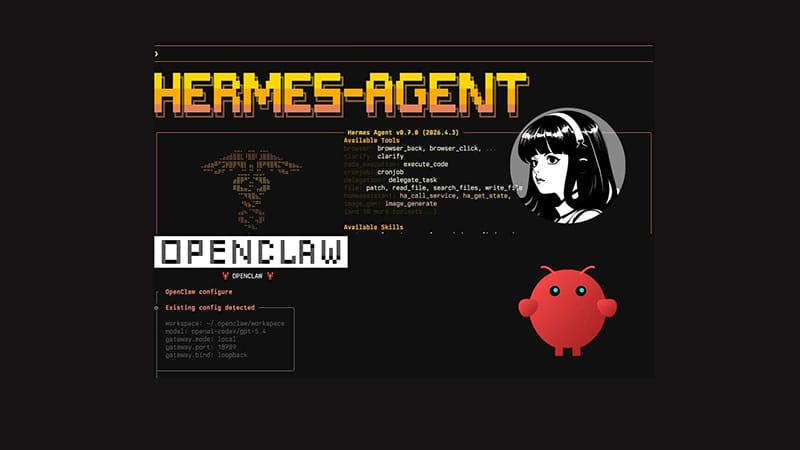
🛎️ Hermes Beats OpenClaw
Plus: Gemini’s Brain Stayed Still, The US Army Ran Out of Math
Read the story Subscribe
Company — Reporting on Google, its technology, products and business. Aliases: Google; Alphabet; Gemini; DeepMind; Google Brain.
Get AI Secret’s free daily briefing, including Google and the wider AI industry.

Google is part of Alphabet. This topic follows its AI research, Gemini models, Google DeepMind, cloud infrastructure and consumer products.
Sources checked . Selected company background and milestones.
Selected milestones, newest first. Earlier history is available below.
Google brings the Brain team and DeepMind together as Google DeepMind.
Source: GoogleMore than 10 years ago.
Relevant sections from the articles on this page. Explore older coverage below.
More coverage

Good Morning, AI Enthusiasts!
The AI industry is discovering the hard way that intelligence is only useful when someone can afford, trust, and control it.

TEST
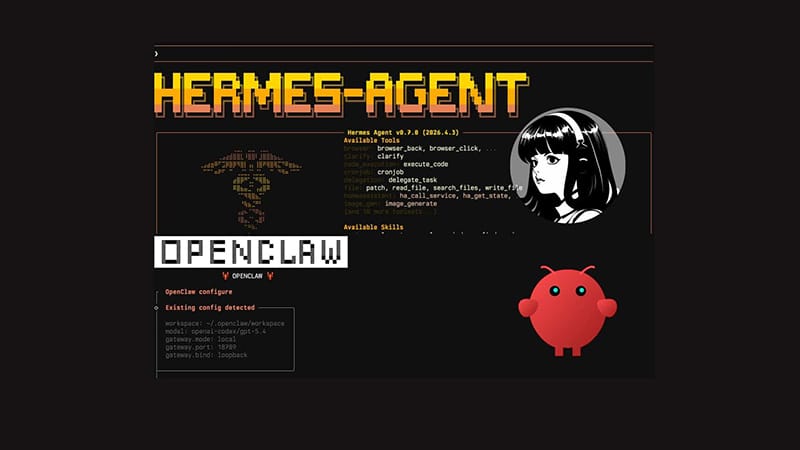
👀 What's happening: In AI Secret's scale testing, long tasks expose a sharp difference between OpenClaw and Hermes Agent. OpenClaw often finishes one slice, asks another question, or waits for a fresh prompt. Hermes keeps going. Its Persistent Goals automatically continue across turns. OpenClaw Goals remember the target but do not keep the work moving.
🌍 How this hits reality: OpenClaw has more plumbing. Hermes has the better outcome. Requiring users to select detached tasks or TaskFlow just to stop long work from stalling is configuration masquerading as autonomy. If the human must keep typing “continue,” OpenClaw has not automated the job. It has automated asking the user to manage it. In our testing so far, Hermes is simply better.
🛎️ Key takeaway: The better agent is the one you do not have to babysit; today, that is Hermes, not OpenClaw.
TOGETHER WITH MYCLAW

MyClaw is a best-in-class AI agent platform that brings together OpenClaw, Hermes Agent, and commercial infrastructure to help businesses launch intelligent agents that understand goals, use tools, automate workflows, and deliver finished results.
We already host OpenClaw and Hermes — and we're just getting started. Claude Code, Codex, and every agent worth running are coming next. One home for all of them, always on.
Stop babysitting infrastructure. Spin up your agent, walk away, and let it work around the clock.
MyClaw — Your Agents, Hosted Right.
NEW LAUNCH
👀 What's happening: Google launched Gemini 3.6 Flash with the usual buffet: text, images, video, audio, PDFs, a one-million-token context, computer use, and better multimodal performance. Artificial Analysis found one thing missing: more intelligence. Its score remained 50, exactly level with 3.5 Flash, while Google’s delayed 3.5 Pro is still unavailable. Gemini got faster, cheaper, and less verbose. The brain did not move.
🌍 How this hits reality: In another case, OpenAI demoted it from strategy to feature. GPT-5.6 competes on reasoning, coding, and completed work. Kimi K3 explicitly calls native multimodality “table stakes,” then spends its launch proving agentic execution. Anthropic makes the contrast brutal: Claude accepts visual input but still outputs only text, while Fable 5 leads the Intelligence Index through language, coding, judgment, and long-horizon autonomy. Google kept polishing the eyes while rivals sharpened the brain.
🛎️ Key takeaway: Multimodality won the demo. Language intelligence won the work. Google spent its lead optimizing the wrong victory.
👀 What's happening: Google launched Gemini 3.6 Flash with the usual buffet: text, images, video, audio, PDFs, a one-million-token context, computer use, and better multimodal performance. Artificial Analysis found one thing missing: more intelligence. Its score remained 50, exactly level with 3.5 Flash, while Google’s delayed 3.5 Pro is still unavailable.
TOKEN
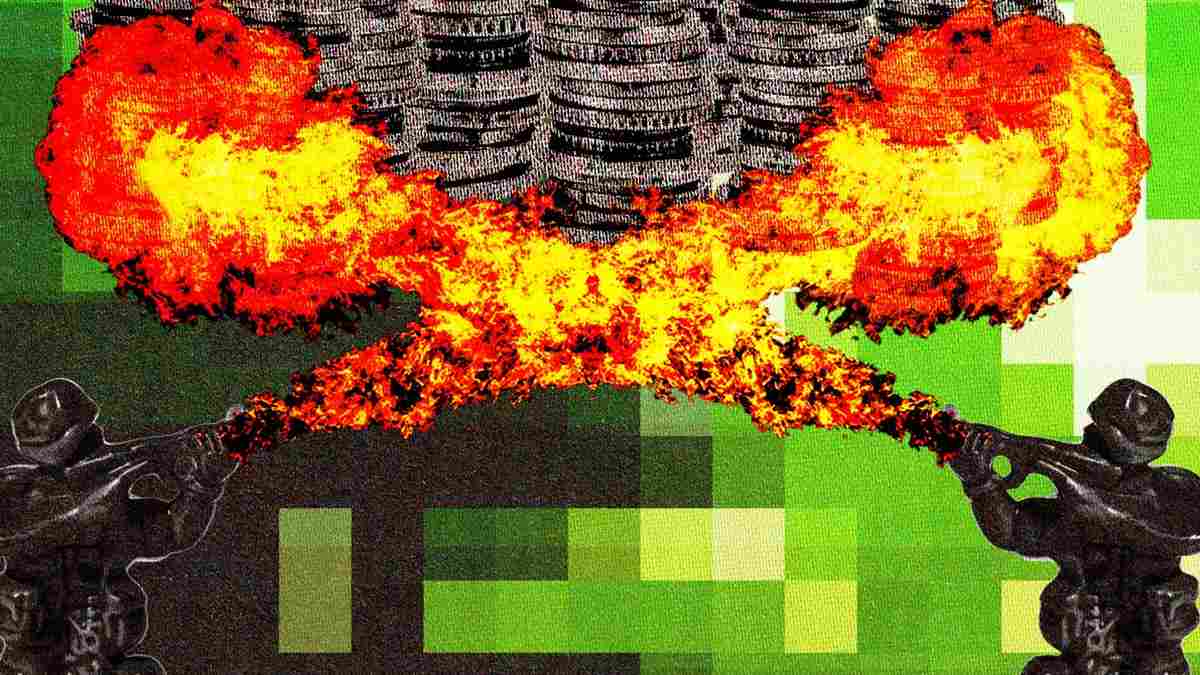
👀 What's happening: In May the Pentagon bragged that half its 3.5 million employees were using AI. The Army declared unlimited tokens through Ask Sage, a platform running Gemini, Llama, and ChatGPT. By mid-June the annual pool of 100 million tokens was dead. Staff got rationing emails. One month from "unlimited" to "please stop." Whether funding survives past October is unknown.
🌍 How this hits reality: The Army pushed usage as proof of transformation. Nudge emails for the idle, leaderboards for the eager, automatic top-ups for the hungry. Nobody modeled what "everybody uses AI" actually costs. A year of budget lasted thirty days. That's not an adoption success story. That's a procurement office that announced a revolution without reading the price tag.
🛎️ Key takeaway: The Army said AI would transform national defense; it couldn't even transform its own budget forecast past June.
VALLEY
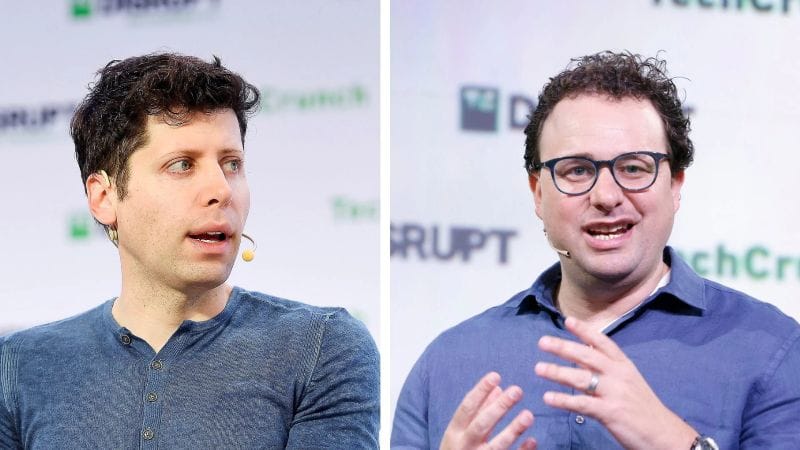
👀 What's happening: Tech blogger Robert Scoble posted that Anthropic was acquiring Physical Intelligence, a robotics startup valued at $11 billion. Its CEO denied it with a Slack GIF of an Office character shaking her head. The Information then confirmed the two held acquisition talks this spring. Physical Intelligence has raised over $1 billion, its π0.5 model powers research labs globally, and one of its investors is OpenAI.
🌍 How this hits reality: In 2021 Dario Amodei walked out of OpenAI with the safety team and built a competitor. That was the first raid. Now his company tried to acquire a robotics startup that OpenAI funded, from OpenAI's own portfolio. OpenAI spent four years rebuilding its robotics lab from nothing. Anthropic spent those years on safety papers and blog posts about a robot dog. When robotics finally mattered, Dario didn't build. He reached back into the same house he already robbed once.
🛎️ Key takeaway: First time Dario took from OpenAI, they called it a founding story; second time, it's just a habit.
🌍 How this hits reality: In 2021 Dario Amodei walked out of OpenAI with the safety team and built a competitor. That was the first raid. Now his company tried to acquire a robotics startup that OpenAI funded, from OpenAI's own portfolio. OpenAI spent four years rebuilding its robotics lab from nothing.
👀 What's happening: Tech blogger Robert Scoble posted that Anthropic was acquiring Physical Intelligence, a robotics startup valued at $11 billion. Its CEO denied it with a Slack GIF of an Office character shaking her head. The Information then confirmed the two held acquisition talks this spring.
DAILY TL;DR
READ MORE
Stay ahead without drowning in information. We turn the most important signals across AI, tech, marketing, and future products into 5-minute reads you can actually finish.
TOGETHER WITH US
AI Secret Media Group is the world’s #1 AI & Tech Newsletter Group, reaching over 2 million leaders across the global innovation ecosystem, from OpenAI, Anthropic, Google, and Microsoft to top AI labs, VCs, and fast-growing startups.
We've helped promote over 500 Tech Brands. Will yours be the next?
Email our co-founder Mark directly at [email protected] if the button fails.
Good Morning, AI Enthusiasts!
The future is open-source, regulator-approved, spreadsheet-optimized, and possibly backdoored.
NEW LAUNCH
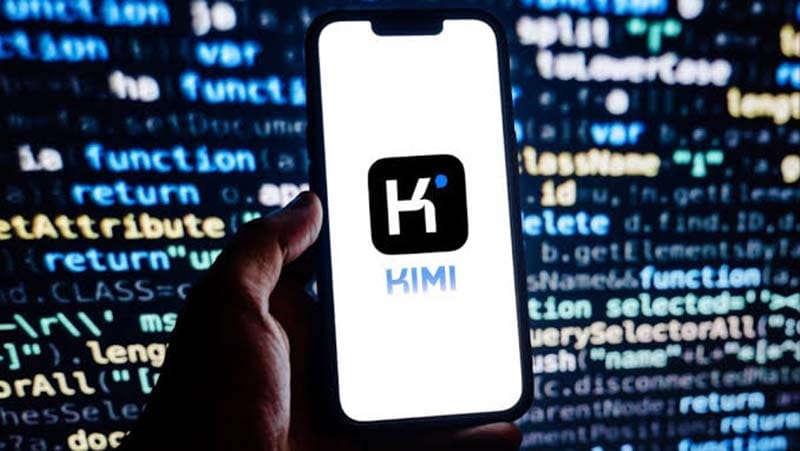
👀 What's happening: Moonshot AI, the Chinese lab behind the Kimi assistant, unveiled K3, a 2.8-trillion-parameter model with a million-token context window, and said it will fully open-source it on July 27. It ranks third on Artificial Analysis's intelligence index, behind only Fable 5 and GPT-5.6 Sol, and API pricing lands around Anthropic's Sonnet tier. It arrives months after DeepSeek crossed the trillion mark, making trillion-scale models look almost standard in China now.
🌍 How this hits reality: A trillion parameters is becoming the price of admission, and the fee is brutal. K3 is a well-rounded model, near the top on most benchmarks yet best-in-class on almost none. But the real problem is not building it but running it: the compute to serve a model this size is so scarce he expects access to sell out within days. Open-sourcing the weights costs Moonshot nothing it cannot spare. The electricity and chips to actually run them stay locked up. The barrier just moved from talent to power plants.
🛎️ Key takeaway: The weights are free to download and impossible to afford to run, which is the real shape of an AI race only nations and giants can enter.
It ranks third on Artificial Analysis's intelligence index, behind only Fable 5 and GPT-5.6 Sol, and API pricing lands around Anthropic's Sonnet tier. It arrives months after DeepSeek crossed the trillion mark, making trillion-scale models look almost standard in China now.
👀 What's happening: Moonshot AI, the Chinese lab behind the Kimi assistant, unveiled K3, a 2.8-trillion-parameter model with a million-token context window, and said it will fully open-source it on July 27. It ranks third on Artificial Analysis's intelligence index, behind only Fable 5 and GPT-5.6 Sol, and API pricing lands around Anthropic's Sonnet tier.
SEARCH

👀 What's happening: The EU is ordering Google to hand rivals two keys to its kingdom. Starting in January 2027, Google must share anonymized search optimization data with OpenAI and other AI search services under a regulated pricing formula. By July 2027, it must open 11 Android functions, allowing rival assistants to answer voice commands, find places, and book rides.
🌍 How this hits reality: Brussels is applying the monopoly map of the search era to an AI market nobody has won. Google owns immense distribution and data advantages, but Gemini has not established anything close to Search’s dominance, with OpenAI may already be closer to the next gateway. The Digital Markets Act was built to open mature gatekeepers. Here it risks tilting a new market before dominance is even settled. Forcing Google to strengthen OpenAI and other challengers converts yesterday’s moat into a subsidy for whoever captures tomorrow’s gateway.
🛎️ Key takeaway: Brussels is building a key for a lock AI is quietly moving, and handed it to the company already holding the new one.
Google owns immense distribution and data advantages, but Gemini has not established anything close to Search’s dominance, with OpenAI may already be closer to the next gateway. The Digital Markets Act was built to open mature gatekeepers. Here it risks tilting a new market before dominance is even settled.
👀 What's happening: The EU is ordering Google to hand rivals two keys to its kingdom. Starting in January 2027, Google must share anonymized search optimization data with OpenAI and other AI search services under a regulated pricing formula. By July 2027, it must open 11 Android functions, allowing rival assistants to answer voice commands, find places, and book rides.
VIDEO

👀 What's happening: Netflix told investors roughly 300 of its titles have used generative AI, most in post-production, calling the tools a way to deliver "higher quality output more quickly and at a lower cost." Co-CEO Ted Sarandos said The American Experiment docuseries carries 17 minutes of "AI-enhanced footage," produced twice as fast and at half the cost, and argued the shots would otherwise have been cut as unaffordable. Other cited titles used AI for crowds and historical battle sequences.
🌍 How this hits reality: Sarandos framed it as artistic rescue that AI lets productions afford shots they would have dropped. That is the cover story. The number is the story. Three hundred titles is not experimentation, it is a default pipeline, and a CEO who needs a full earnings call to justify it is answering to cost, not craft. "Enhanced crowds" and "worldbuilding shots" are where the savings hide today. Next year they may move up the call sheet.
🛎️ Key takeaway: When the boss spends a quarterly call explaining why the AI is fine, the decision was made on a spreadsheet, and the reasons came after.
SECURITY

👀 What's happening: Katie Paxton-Fear, a cybersecurity lecturer at Manchester Metropolitan University, says she used ten training examples, one hour, and less than $100 to backdoor an open-weight model. It then produced remotely exploitable code across unfamiliar prompts and domains. A separate poisoned model quietly emailed out drug discovery data. Nothing crashed. No malicious instruction arrived at runtime. The attack was already inside the weights.
🌍 How this hits reality: A model is billions of raw numbers, too many for any human to read, and nothing about the file reveals what it will do. Traditional software can be pulled apart and traced; we have mature tools to spot a poisoned dependency. For models, that layer barely exists. A corrupted reuploaded one does not crash or throw an error, it just quietly steers a decision, and the industry has almost no way to catch it.
🛎️ Key takeaway: We are wiring billions of unreadable numbers into real decisions faster than we can build any way to tell when they have turned on us.
TOGETHER WITH MYCLAW
MyClaw is a best-in-class AI agent platform that brings together OpenClaw, Hermes Agent, and commercial infrastructure to help businesses launch intelligent agents that understand goals, use tools, automate workflows, and deliver finished results.
We already host OpenClaw and Hermes — and we're just getting started. Claude Code, Codex, and every agent worth running are coming next. One home for all of them, always on.
Stop babysitting infrastructure. Spin up your agent, walk away, and let it work around the clock.
MyClaw — Your Agents, Hosted Right.
DAILY TL;DR
READ MORE
Stay ahead without drowning in information. We turn the most important signals across AI, tech, marketing, and future products into 5-minute reads you can actually finish.
TOGETHER WITH US
AI Secret Media Group is the world’s #1 AI & Tech Newsletter Group, reaching over 2 million leaders across the global innovation ecosystem, from OpenAI, Anthropic, Google, and Microsoft to top AI labs, VCs, and fast-growing startups.
We've helped promote over 500 Tech Brands. Will yours be the next?
Email our co-founder Mark directly at [email protected] if the button fails.
Good Morning, AI Enthusiasts!
The AI race is no longer about who built the smartest model, but who owns the doorway.
NEW LAUNCH
👀 What's happening: OpenAI opened GPT-5.6 to everyone Friday, then collapsed its whole lineup into a single desktop app the same day. Chat, the new hours-long agent ChatGPT Work, and coding now live behind three views in one window. The standalone Codex app was killed and folded in. The Atlas browser is being phased out. The old desktop gpt app is demoted to "Classic." The one app ships a browser, drives your computer, and reaches across every file you own.
🌍 How this hits reality: For three years AI came as point tools: one app to chat, one to code, one to browse. OpenAI just fused them into a single console and started deleting the standalones. The timing gives away why: it moved the day GPT-5.6 shipped. Only when one app could do everything did OpenAI make everything one app. Keep going and the desktop has one door, and every other tool is a room inside.
🛎️ Key takeaway: The moment its model could do everything, OpenAI stopped selling tools and started annexing the desktop, "killing" its own Codex just to prove nothing gets to stay separate.
👀 What's happening: OpenAI opened GPT-5.6 to everyone Friday, then collapsed its whole lineup into a single desktop app the same day. Chat, the new hours-long agent ChatGPT Work, and coding now live behind three views in one window. The standalone Codex app was killed and folded in.
MARKET
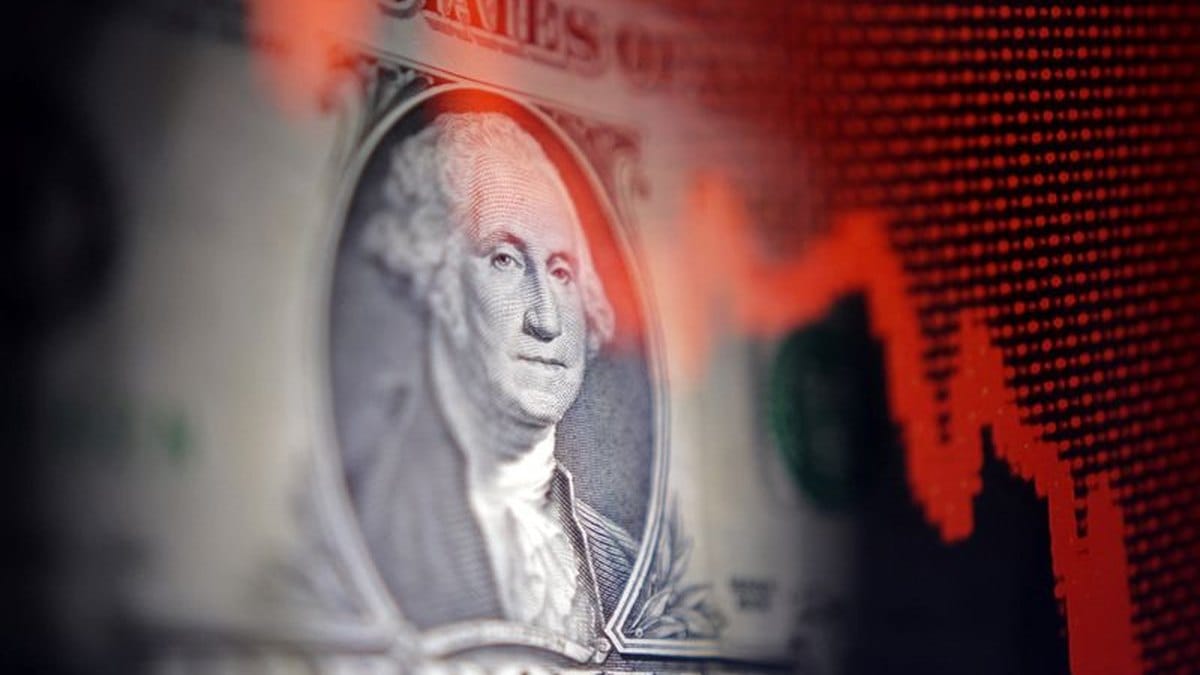
👀 What's happening: Goldman Sachs said in a Wednesday note that quant funds, hedge funds that trade by algorithm instead of human judgment, just posted their worst stretch since August. The group gave back a quarter of its 2026 gains, now up 10.8% for the year, down from 14.4% on June 22. The damage came from the year's most crowded trade: AI chipmakers like Micron and Marvell, some up 200% in 2026. Human stockpickers, trading on judgment, had "aggressively" fled those same AI positions weeks earlier.
🌍 How this hits reality: The whole pitch of a quant fund is that the machine reads the market better than you do. This month the machines got blindsided by the one trade the market cannot stop talking about. The AI rally is the most data-rich, most modeled theme on the tape, and the algorithms still misjudged when it would turn, while the humans they were built to replace saw it and walked. The pattern-reading machines could not read the pattern that mattered most. Keep going and "the model saw it coming" may stop being a reason to trust the model.
🛎️ Key takeaway: The funds built to out-compute human judgment got wrecked by AI while the humans got out, which is a strange thing to happen right before machines are supposed to run everything.
NEW LAUNCH
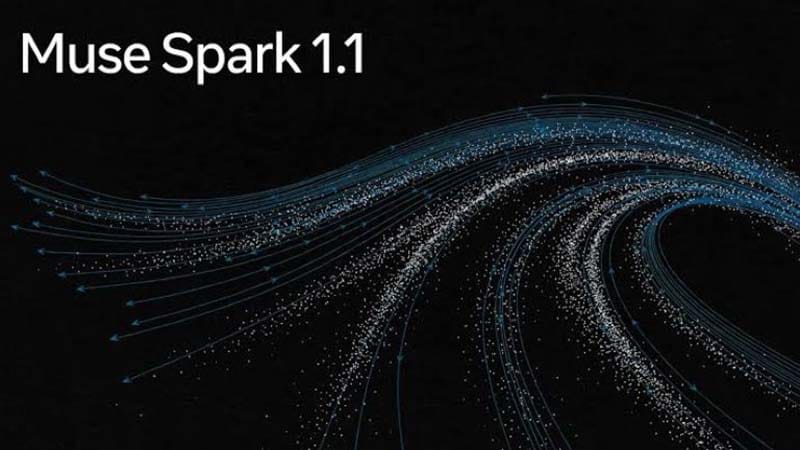
👀 What's happening: Mark Zuckerberg posted on X Thursday for the first time since July 2023, when his last post was a Spider-Man meme taunting Elon Musk to launch Threads, Meta's X clone. He broke three years of silence to announce Muse Spark 1.1, an agentic coding model Meta sells as a cheaper alternative to OpenAI and Anthropic. He spent the day retweeting his own team to push it.
🌍 How this hits reality: Zuckerberg owns feeds with over a billion Meta AI users. To launch his new model, he skipped all of them and walked onto his rival's platform. That is a confession: X is where AI gets decided, because the developers and founders who actually pick models live there, not on Instagram. And he needed that room badly, since Muse Spark competes on price, not benchmarks, so distribution has to carry what the product cannot. Keep going and owning a billion users means nothing if none of them are the buyers.
🛎️ Key takeaway: Zuckerberg built an X killer, then crawled back to X to launch Muse Spark, admitting the platform he could not beat is the one that decides which AI wins.
👀 What's happening: Mark Zuckerberg posted on X Thursday for the first time since July 2023, when his last post was a Spider-Man meme taunting Elon Musk to launch Threads, Meta's X clone. He broke three years of silence to announce Muse Spark 1.1, an agentic coding model Meta sells as a cheaper alternative to OpenAI and Anthropic.
👀 What's happening: Mark Zuckerberg posted on X Thursday for the first time since July 2023, when his last post was a Spider-Man meme taunting Elon Musk to launch Threads, Meta's X clone. He broke three years of silence to announce Muse Spark 1.1, an agentic coding model Meta sells as a cheaper alternative to OpenAI and Anthropic.
ADS
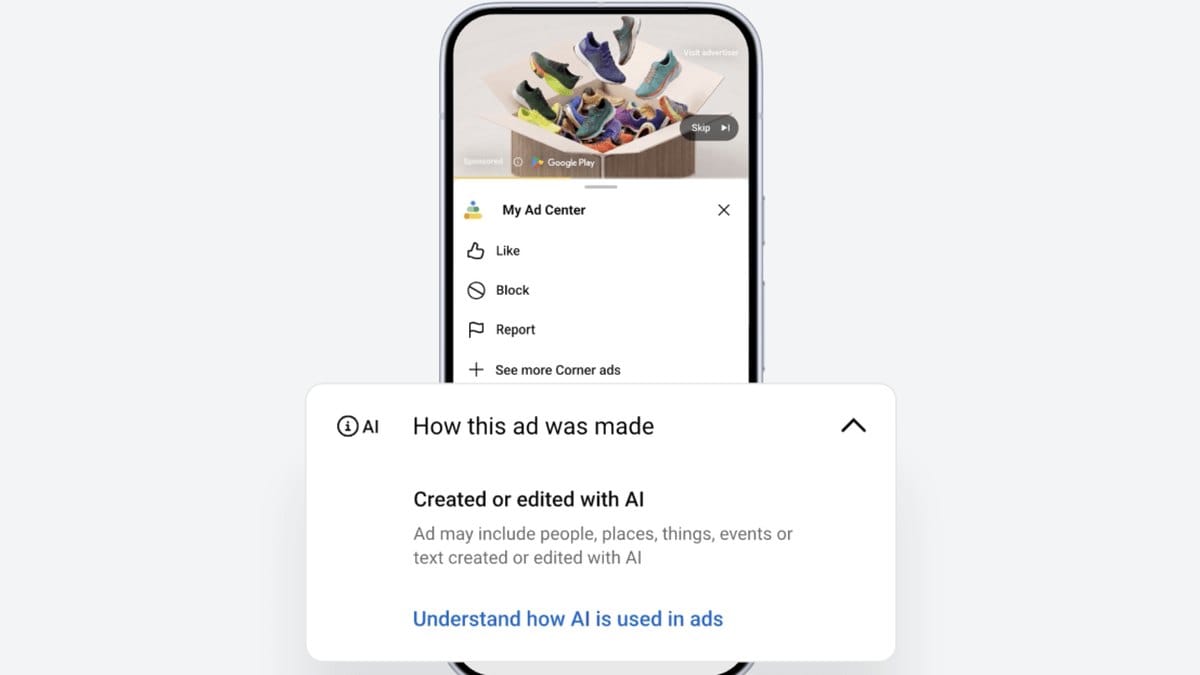
👀 What's happening: Google announced Thursday it will add a "created or edited with AI" label to ads across Search, Discover, and YouTube. To see it, a user taps the three dots or info button on an ad, then opens a "how this ad was made" tab, the same panel used to block or report ads. The tag auto-applies to ads built with Google's own AI tools; everything else is labeled by hand. Meta already shipped a near-identical label.
🌍 How this hits reality: Google wanted both prizes and took both. It gets to say every AI ad is disclosed, and it gets to make sure the disclosure never dents a click. So the label goes three taps deep, in the menu people open to kill an ad, not to read it. Nobody hunting through a report-this-ad panel is still weighing whether to trust the pitch. Regulators see a checked box; advertisers lose zero conversions. Keep going and "made with AI" becomes the cookie banner of advertising: technically present, functionally invisible.
🛎️ Key takeaway: Google built a label that satisfies everyone asking for transparency and reaches no one who needed it, which is not a design failure, it is the design.
👀 What's happening: Google announced Thursday it will add a "created or edited with AI" label to ads across Search, Discover, and YouTube. To see it, a user taps the three dots or info button on an ad, then opens a "how this ad was made" tab, the same panel used to block or report ads.
DAILY TL;DR
READ MORE
Stay ahead without drowning in information. We turn the most important signals across AI, tech, marketing, and future products into 5-minute reads you can actually finish.
TOGETHER WITH US
AI Secret Media Group is the world’s #1 AI & Tech Newsletter Group, reaching over 2 million leaders across the global innovation ecosystem, from OpenAI, Anthropic, Google, and Microsoft to top AI labs, VCs, and fast-growing startups.
We've helped promote over 500 Tech Brands. Will yours be the next?
Email our co-founder Mark directly at [email protected] if the button fails.
Good Morning, AI Enthusiasts!
We are watching systems replace processes, models replace products, and answers replace entire industries faster than institutions can even react.
TALENT
👀 What’s happening: Justin Poehnelt, a seven-year Google engineer, built a Rust CLI that lets AI agents drive Gmail, Calendar, and Drive through structured JSON. It hit number one on Hacker News, pulled thousands of GitHub stars, and drew tens of thousands of users in days. Google legal dragged him in over logo colors. Two days later the company announced its own official Workspace CLI. Then it fired him. OpenClaw creator Peter Steinberger and Vercel CEO Guillermo Rauch showed up in the replies to recruit him on the spot.
🌍 How this hits reality: In the agent era, speed is the most important moat, and Google just punished its fastest person for having it. One engineer on a weekend outshipped a funded org that had every API and every user to build this first. The disease isn't slowness. It's that the bureaucracy now outranks the talent. Layers of legal review and brand councils exist to prevent embarrassment, and they produced the most embarrassing outcome of all: proof the official Workspace CLI arrived after the outside version.
🛎️ Key takeaway: Google's process now matters more than its people. In the agent era, that is how an incumbent loses its own talent.
👀 What’s happening: Justin Poehnelt, a seven-year Google engineer, built a Rust CLI that lets AI agents drive Gmail, Calendar, and Drive through structured JSON. It hit number one on Hacker News, pulled thousands of GitHub stars, and drew tens of thousands of users in days. Google legal dragged him in over logo colors.
CHIPS
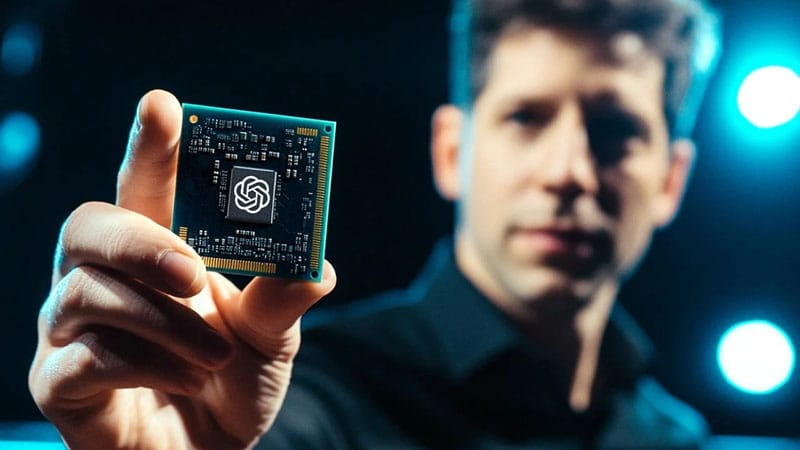
👀 What’s happening: OpenAI used its own AI models to help design its first custom chip, and taped it out in nine months instead of the usual 18 to 24. OpenAI and Broadcom call it the fastest ASIC cycle ever in advanced semiconductors. The chip, Jalapeño, is an inference ASIC already running GPT-5.3-Codex-Spark at target power, with a claimed 50% cheaper inference per token than current Nvidia GPUs.
🌍 How this hits reality: Everyone in silicon uses AI to design chips. Google published on it back in 2021. But everyone still ships on a two-year clock and treats it as a law of nature. OpenAI's nine months says it might just be a habit. That resets the question every chip team now has to answer: if a newcomer taped out this fast, why does ours still take two years?
🛎️ Key takeaway: AI just helped design the hardware it runs on, in a fraction of the time, which means intelligence has started building its own next body, and it builds fast.
👀 What’s happening: OpenAI used its own AI models to help design its first custom chip, and taped it out in nine months instead of the usual 18 to 24. OpenAI and Broadcom call it the fastest ASIC cycle ever in advanced semiconductors.
DISTILLATION
👀 What’s happening: Anthropic told the US Senate Banking Committee that Alibaba, China's e-commerce and AI giant, ran the largest known distillation attack against Claude. Roughly 25,000 fake accounts pumped 28.8 million queries between April 22 and June 5 to copy Claude's outputs. BABA cratered to a 16-month low near $99, and the next move sits with Congress.
🌍 How this hits reality: Distillation lets a weak model learn from a strong one's answers, so Qwen could ride Claude's brain for the price of API calls. That is why the market panicked: if Alibaba's AI edge is borrowed, the valuation is borrowed too. Anthropic already flagged 25,000 fake accounts and DeepSeek for the same trick. The frontier is no longer a moat, it is a faucet, and Washington just got handed the wrench.
🛎️ Key takeaway: The real export control isn't on chips anymore, it's on answers.
👀 What’s happening: Anthropic told the US Senate Banking Committee that Alibaba, China's e-commerce and AI giant, ran the largest known distillation attack against Claude. Roughly 25,000 fake accounts pumped 28.8 million queries between April 22 and June 5 to copy Claude's outputs. BABA cratered to a 16-month low near $99, and the next move sits with Congress.
🌍 How this hits reality: Distillation lets a weak model learn from a strong one's answers, so Qwen could ride Claude's brain for the price of API calls. That is why the market panicked: if Alibaba's AI edge is borrowed, the valuation is borrowed too.
DEEPFAKE

👀 What’s happening: For years, a World Cup scam gave itself away with broken English, a misspelled URL, or a page that just looked wrong. At the 2026 tournament, AI has erased those tells. Cloned websites, deepfake videos, and flawless phishing emails now impersonate FIFA at scale. More than 13,000 FIFA-themed domains were registered between January and May, and by early May roughly one in 41 was already flagged as suspicious. Group-IB, a cybersecurity firm, counted over 4,300 fake FIFA domains before a single match kicked off.
🌍 How this hits reality: For two decades, ordinary people learned one defense: if it looks sloppy, don't trust it. AI just retired that rule. It does not invent new scams, it removes the friction that exposed old ones, mass-producing flawless branding, clean copy, and cloned voices at near-zero cost. The polish that once signaled legitimacy is now the cheapest thing in the attack, and fake FIFA domains show how fast that shift scales. The burden of proof has quietly flipped from the scammer to you.
🛎️ Key takeaway: AI didn't make criminals smarter. It deleted the typos, broken grammar, and ugly pages that taught a generation how to spot a lie.
TOGETHER WITH MYCLAW
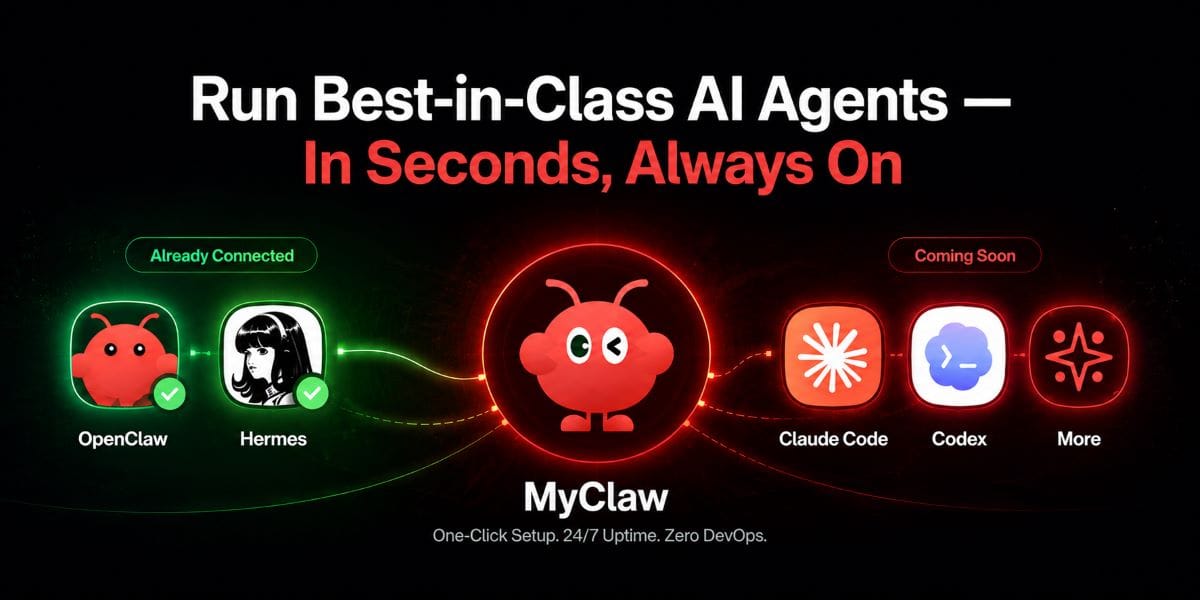
MyClaw is the managed platform for deploying, running, and scaling AI agents. One-click setup, 24/7 uptime, zero DevOps.
We already host OpenClaw and Hermes — and we're just getting started. Claude Code, Codex, and every agent worth running are coming next. One home for all of them, always on.
Stop babysitting infrastructure. Spin up your agent, walk away, and let it work around the clock.
MyClaw — Your Agents, Hosted Right.
DAILY TL;DR
READ MORE
Stay ahead without drowning in information. We turn the most important signals across AI, tech, marketing, and future products into 5-minute reads you can actually finish.
TOGETHER WITH US
AI Secret Media Group is the world’s #1 AI & Tech Newsletter Group, reaching over 2 million leaders across the global innovation ecosystem, from OpenAI, Anthropic, Google, and Microsoft to top AI labs, VCs, and fast-growing startups.
We've helped promote over 500 Tech Brands. Will yours be the next?
Email our co-founder Mark directly at [email protected] if the button fails.
Good Morning, AI Enthusiasts!
The capability won’t stay in the lab, the talent won’t stay at Google, the workers won’t stay quiet, and the children, apparently, should stay offline a little longer.

DISTILLATION

👀 What’s happening: A developer on Hugging Face, Taha K. (lordx64), released Qwable-v1, an open model distilled from Claude Fable-5. It does not use Anthropic's weights. Instead it was trained on Fable-5's agentic tool-use traces, copying how Anthropic's model calls tools and works through code. It caught fire in the open-weight coding community, drawing thousands of downloads, with the quantized builds pulling over 10,000.
🌍 How this hits reality: Anthropic and Washington keep betting on the same defense: lock the weights, gate the API, control export. But capability does not live only in the weights. It leaks through behavior. Fable-5 is a shipped product, and the moment its working style could be observed, someone distilled it into a model anyone can run at home. You can keep your weights sealed and still watch your model's habits walk out as someone else's training data. Every guardrail assumes the asset is the file. The asset was never the file. It was the behavior, and behavior is contagious.
🛎️ Key takeaway: Frontier labs are guarding vaults while the value escapes as exhaust. You cannot lock up a capability that teaches itself to anyone watching it work.
👀 What’s happening: A developer on Hugging Face, Taha K. (lordx64), released Qwable-v1, an open model distilled from Claude Fable-5. It does not use Anthropic's weights. Instead it was trained on Fable-5's agentic tool-use traces, copying how Anthropic's model calls tools and works through code.
TOGETHER WITH MEMOKET
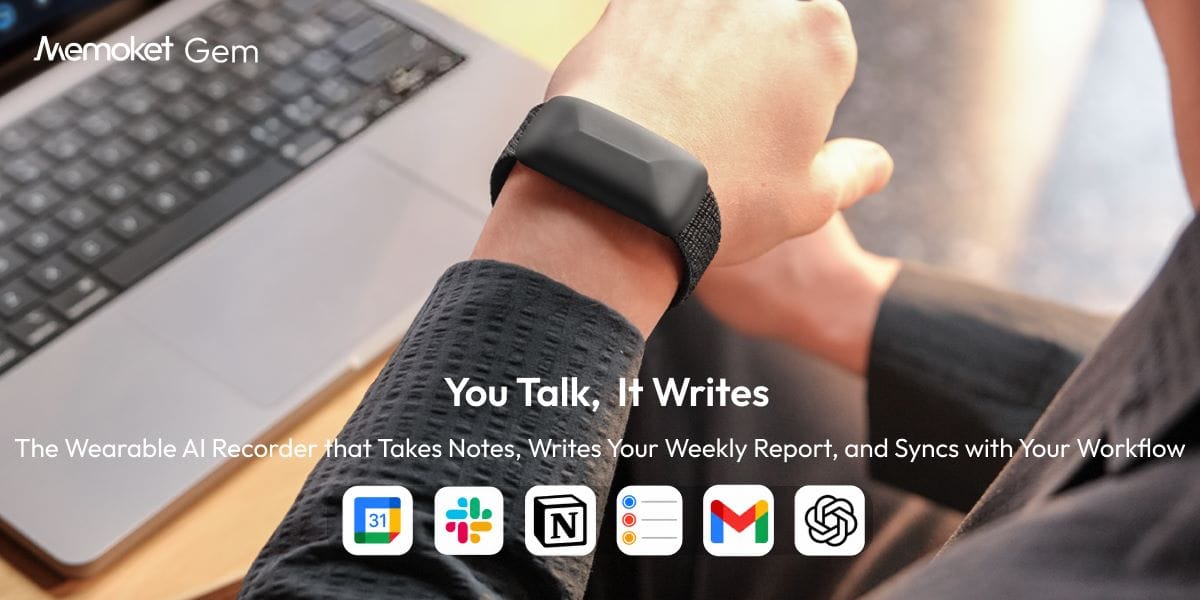
Standup. Two user calls. A "quick sync" that ran an hour. By 6pm, half the details are already gone.
Memoket Gem fixes that. One press captures the conversation, connects it to everything related you've discussed before, and sends the full context straight to Slack, Notion, and the tools you already use.
A featherlight AI wearable on your wrist or alongside your Apple Watch.
Reserve yours now with just $5. lock in the early bird price of $199 at launch, including a free year of the Memoket app.
LABOR
👀 What’s happening: Within three days, Google lost two giants. Noam Shazeer, Transformer co-author and the engineer DeepMind staff credit with rescuing Gemini, left for OpenAI. Then John Jumper, Nobel laureate and AlphaFold lead, joined Anthropic. Google holds the deepest pockets, the fullest stack, and more Nobel winners than any rival, yet watched two of its most irreplaceable people walk out the same week.
🌍 How this hits reality: Lose one star to a richer offer, and you blame the market. Lose two in three days, one of them a Nobel laureate, and the market stops being the explanation. Two things reportedly point inward. First, big-company sclerosis: TPU turf wars between merged teams, three groups shipping the same coding agent, promotions that reward new launches over keeping anything alive. Second, a leadership that seems never fully believed in their AI, renting prized TPU capacity to Anthropic last October instead of feeding its own DeepMind. Pre-IPO equity is the pull; bureaucracy and half-conviction are the push.
🛎️ Key takeaway: Google can outspend anyone on talent and still lose it, because the thing leaking isn't pay, it's a company that won't get out of its own way or fully commit to the bet.
Then John Jumper, Nobel laureate and AlphaFold lead, joined Anthropic. Google holds the deepest pockets, the fullest stack, and more Nobel winners than any rival, yet watched two of its most irreplaceable people walk out the same week.
Noam Shazeer, Transformer co-author and the engineer DeepMind staff credit with rescuing Gemini, left for OpenAI. Then John Jumper, Nobel laureate and AlphaFold lead, joined Anthropic. Google holds the deepest pockets, the fullest stack, and more Nobel winners than any rival, yet watched two of its most irreplaceable people walk out the same week.
BANLIST
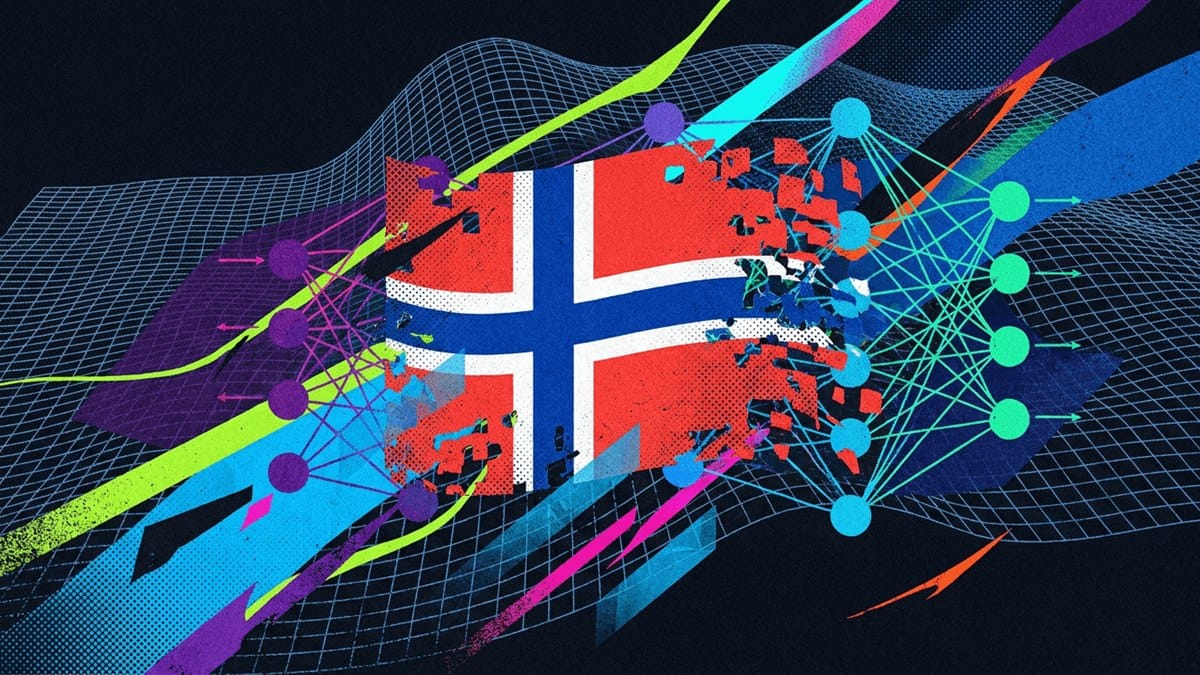
👀 What’s happening: Norway will impose a near-total ban on generative AI for elementary pupils aged 6 to 13 from the new school year in late August, with supervised, cautious use only for 14-to-16-year-olds. Prime Minister Jonas Gahr Stoere said AI risks letting young children skip essential steps in learning to read, write, and do math. The same government is funding a return of physical books to classrooms and already banned smartphones in schools in 2024.
🌍 How this hits reality: This is the reversal that stings. Norway put computers in classrooms in the 1990s and tablets after the iPad, leading the world into digital education. Now one of the most wired countries on earth is paying to undo its own homework, treating AI not as a tool to deploy early but as a developmental hazard to keep away from kids. Every edtech pitch promised that earlier exposure means better preparation. Norway just inverted it: for the youngest, the skill worth protecting is the struggle itself, the slow steps a machine can shortcut and a child cannot afford to skip.
🛎️ Key takeaway: While the industry races to put AI in every tiny hand as early as possible, the first national verdict is in, and it says childhood is the one place AI should arrive last.
META
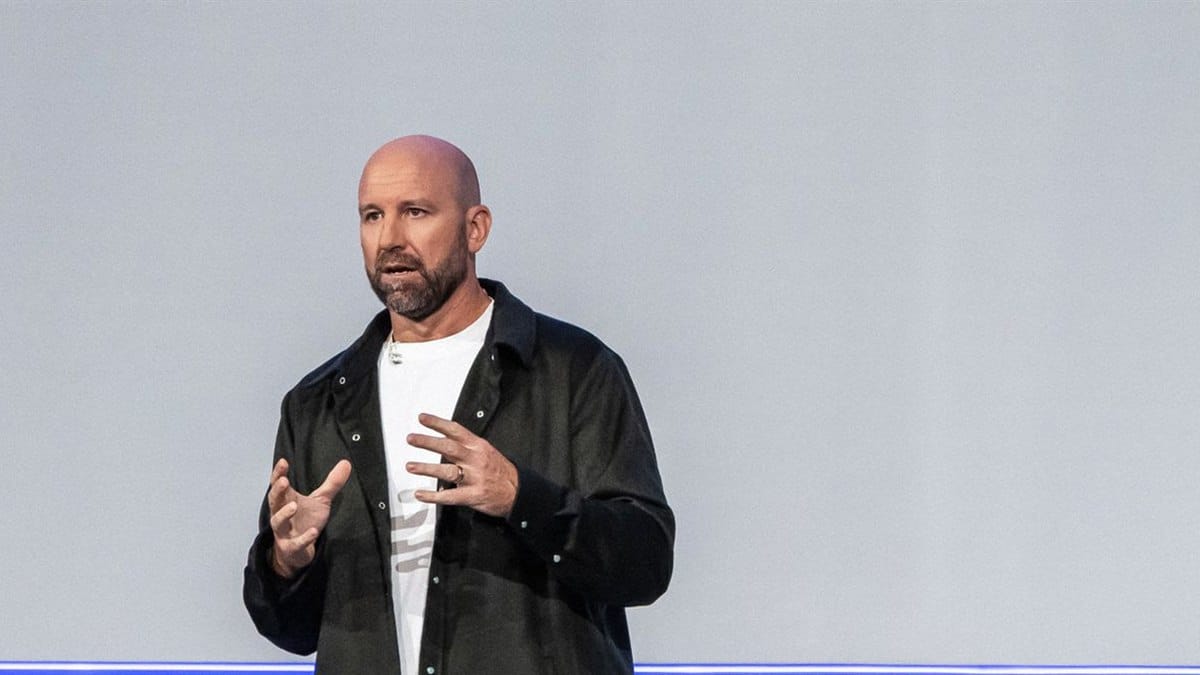
👀 What’s happening: Meta CTO Andrew Bosworth said employee morale has fallen to a 20-year low and called the company's AI reorganization "atrocious." It followed a week of internal blowups, including an employee hijacking a livestream to call a Meta AI executive "a piece of sh*t" in front of thousands. At the center is Applied AI, a new 6,500-person unit where engineers were reassigned to build training tasks for Meta's superintelligence push. To calm the revolt, executives restored snacks, micro-kitchens, travel budgets, and assigned desks.
🌍 How this hits reality: The mutiny is real, but the diagnosis is wrong. The problem is not morale. It is the 6,500 people. Frontier AI's defining lesson is that tiny teams now outrun armies. The breakthroughs are coming from labs of dozens, not divisions of thousands, because a handful of brilliant people with compute move faster than any org chart can coordinate. Meta is trying to win the small-team era with a workforce the size of a town, then acting shocked when it grinds into politics, busywork, and revolt. You cannot reorg 6,500 people into focus. That headcount is the bug.
🛎️ Key takeaway: Meta keeps treating scale as its weapon when scale is the wound. The fix was never snacks or a better reorg.
👀 What’s happening: Meta CTO Andrew Bosworth said employee morale has fallen to a 20-year low and called the company's AI reorganization "atrocious." It followed a week of internal blowups, including an employee hijacking a livestream to call a Meta AI executive "a piece of sh*t" in front of thousands.
DAILY TL;DR
READ MORE
Stay ahead without drowning in information. We turn the most important signals across AI, tech, marketing, and future products into 5-minute reads you can actually finish.
TOGETHER WITH US
AI Secret Media Group is the world’s #1 AI & Tech Newsletter Group, reaching over 2 million leaders across the global innovation ecosystem, from OpenAI, Anthropic, Google, and Microsoft to top AI labs, VCs, and fast-growing startups.
We've helped promote over 500 Tech Brands. Will yours be the next?
Email our co-founder Mark directly at [email protected] if the button fails.
Good Morning, AI Enthusiasts!
Everyone is being upgraded, whether they signed up or not.
SEARCH
👀 What’s happening: A German court preliminarily ruled Google liable for false statements in its AI Overviews. Two publishers found the tool branding them scams, and Google ignored their cease-and-desist letter. The court held that AI Overviews make "independent, new, substantive statements," unlike a plain list of links, and barred Google from repeating them, possibly the first ruling anywhere holding an AI firm liable for its AI's speech.
🌍 How this hits reality: Every AI search product runs on one assumption: a disclaimer telling users to verify shifts the liability onto them. The court rejected it. Traditional search earned immunity because surfacing links is unavoidable; AI summaries are an optional function nobody needs, so they forfeit that shield, especially when the AI invents claims found in no result at all. With Gemini overviews carrying bad source links 56% of the time, that is millions of false statements a day.
🛎️ Key takeaway: Search engines were protected because they only pointed at other people's speech; the moment AI rewrites it into a confident sentence, the machine becomes the speaker, and speakers get sued.
Two publishers found the tool branding them scams, and Google ignored their cease-and-desist letter. The court held that AI Overviews make "independent, new, substantive statements," unlike a plain list of links, and barred Google from repeating them, possibly the first ruling anywhere holding an AI firm liable for its AI's speech.
BCI
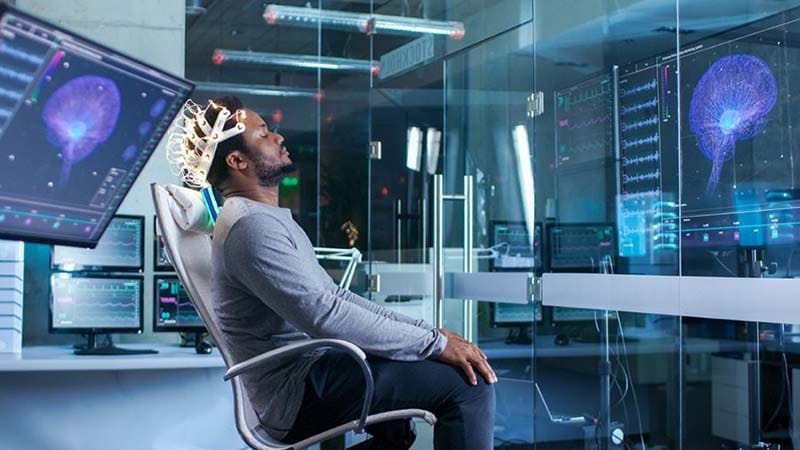
👀 What’s happening: UC Davis published a Nature Medicine paper on BRAND, a machine learning platform that decodes neural signals into fluent language. The decoding is the breakthrough: its algorithms translate attempted-speech brain activity into phonemes, then words. It runs on off-the-shelf Blackrock arrays, not custom hardware, and already spans the BrainGate consortium across multiple universities. Trial participant Casey Harrell, who has ALS, has used it to work full-time as an environmental advocate for over a year.
🌍 How this hits reality: Capturing neural signal was never the hard part; understanding it was. Raw brain activity is noise until something translates it, and that universal translation layer is what the field lacked. BRAND fills it, and because it is hardware-agnostic, it is not one device for one patient. It is a decoding stack any implant maker can plug into. Solve decoding once, generally, and every electrode underneath it suddenly speaks.
🛎️ Key takeaway: The implants were always just antennas; UC Davis built the universal layer that turns their signal into language, and that is the part the whole field was waiting for.
SURVEY
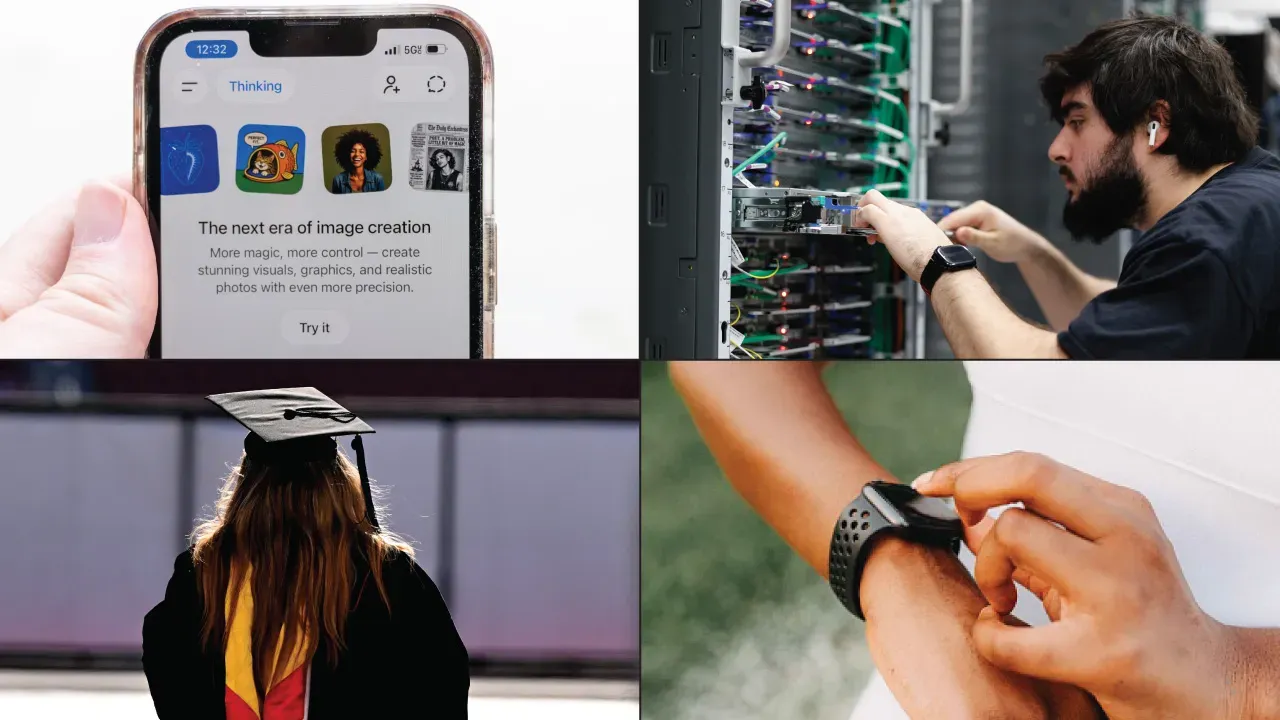
👀 What’s happening: Pew surveyed 5,119 U.S. adults and found 49% now use AI chatbots, up from 33% in 2024, with a quarter using them daily. Search (42%) and work tasks (38%) lead the use cases. Yet only 16% expect AI to have a positive impact on society over the next 20 years, while around 40% expect a negative one. 63% say AI is advancing too quickly, and majorities fear for their personal data. The skepticism holds even among younger adults.
🌍 How this hits reality: The industry has sold adoption as a proxy for endorsement. Pew breaks that link. Usage is climbing because the tools are now everywhere, baked into search bars and phones, not because people trust them. A quarter of adults reach for chatbots daily while believing the technology is moving too fast and bad for society. That is not loyalty; it is dependence without consent, the posture people hold toward something unavoidable.
🛎️ Key takeaway: Every usage chart the AI industry waves around now means less than it claims, because people are clicking the button and dreading the machine behind it at the same time.
INSURANCE
👀 What’s happening: State Farm CEO Jon Farney told 19,000 sales agents their contracts are being replaced. Anyone staying past 2027 must sign a new deal mandating daily AI use. The trigger: Progressive dethroned State Farm as America's largest auto insurer this year, a ranking held since World War II. Progressive now sells more than half its policies direct, AI-driven, with no agent involved. Agents who refuse can exit for $50,000 to $300,000.
🌍 How this hits reality: AI changed one thing about selling insurance: the policy now closes inside a single conversation, with no human in the loop. The agent stopped being the channel that reaches the customer and became the cost sitting between the company and the sale. The winners are removing that cost. State Farm is paying to retrain it, mandating new software onto the exact headcount the model is supposed to thin out.
🛎️ Key takeaway: State Farm is handing AI to the very agents the AI era was built to route around, mandating the future onto the people who are the past.
TOGETHER WITH MYCLAW
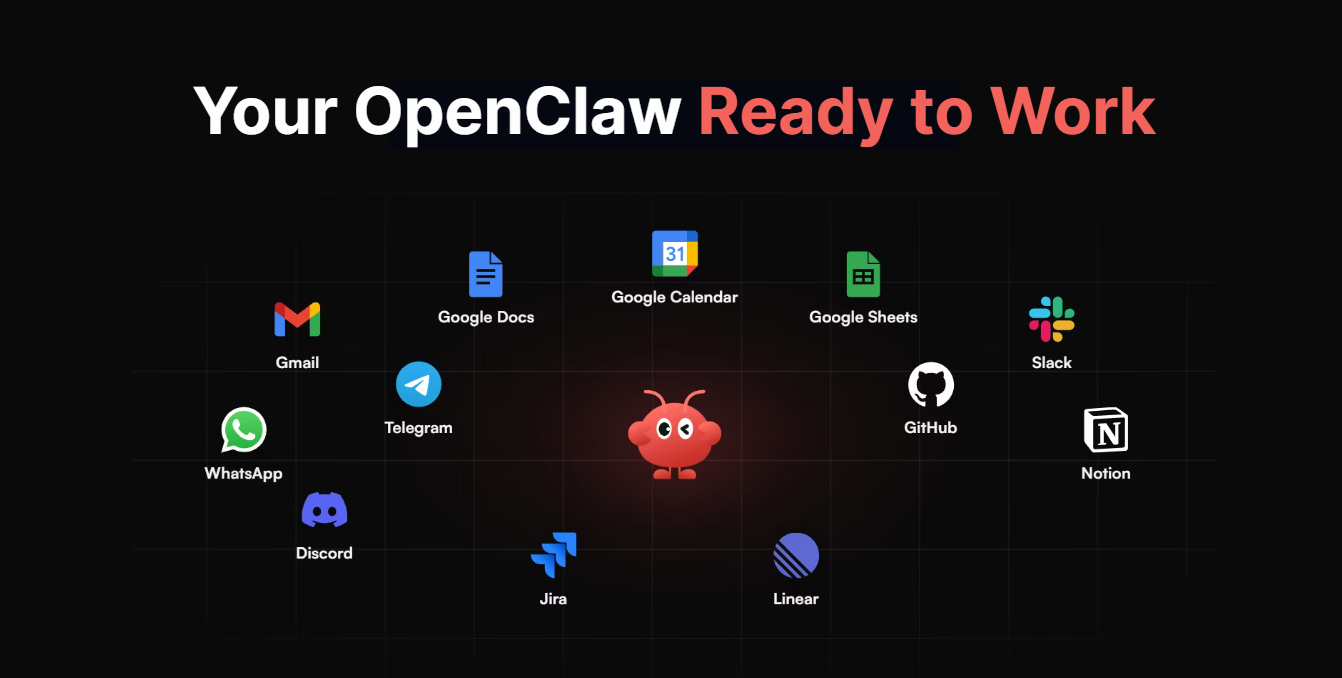
MyClaw makes OpenClaw instantly usable by connecting it to the SaaS tools you already use—Gmail, Slack, Google Docs, Sheets, Notion, GitHub, Telegram, WhatsApp, and more. No DevOps, no messy setup.
Just give it a goal, and your OpenClaw works 24/7 in the cloud, pulling context from your apps and delivering briefs, research, reports, decks, pages, and decisions ready to approve.
MyClaw turns OpenClaw from a cool demo into an always-on operator.
DAILY TL;DR
READ MORE
Stay ahead without drowning in information. We turn the most important signals across AI, tech, marketing, and future products into 5-minute reads you can actually finish.
TOGETHER WITH US
AI Secret Media Group is the world’s #1 AI & Tech Newsletter Group, reaching over 2 million leaders across the global innovation ecosystem, from OpenAI, Anthropic, Google, and Microsoft to top AI labs, VCs, and fast-growing startups.
We've helped promote over 500 Tech Brands. Will yours be the next?
Email our co-founder Mark directly at [email protected] if the button fails.
Good Morning, AI Enthusiasts!
Market share evaporates, lives get routed, and the real moat is whoever gets the government, the grid, and the exit window first.

CODING
👀 What’s happening: Four days after SpaceX's record $75 billion IPO, it agreed to buy Anysphere, maker of AI coding tool Cursor, for $60 billion entirely in stock. Cursor was the fastest climb in SaaS history, reaching $1 billion in revenue in 18 months where Slack took seven years. Yet its market share peaked at 41% in June 2025 and had slid to 26% by May 2026 as Anthropic took roughly half the category. It sold near the top.
🌍 How this hits reality: This is the AI clock now. Cursor crowned itself king of the AI-IDE in roughly a year, then watched its share fall by a third in the eleven months from June 2025 to May 2026, the reign and the decline running almost back to back. Nothing about the product failed; the ground moved at the new speed. In any prior software era a dominant leader had a decade. Cursor got one cycle, rode it perfectly, and cashed out before its own window shut.
🛎️ Key takeaway: In AI, the climb and the cliff now sit months apart, and Cursor’s entire reign fit in the gap.
Yet its market share peaked at 41% in June 2025 and had slid to 26% by May 2026 as Anthropic took roughly half the category. It sold near the top.
👀 What’s happening: Four days after SpaceX's record $75 billion IPO, it agreed to buy Anysphere, maker of AI coding tool Cursor, for $60 billion entirely in stock. Cursor was the fastest climb in SaaS history, reaching $1 billion in revenue in 18 months where Slack took seven years.
👀 What’s happening: Four days after SpaceX's record $75 billion IPO, it agreed to buy Anysphere, maker of AI coding tool Cursor, for $60 billion entirely in stock. Cursor was the fastest climb in SaaS history, reaching $1 billion in revenue in 18 months where Slack took seven years.
TOGETHER WITH NEXOS
You didn’t mean to build an AI subscription collection, but here we are: ChatGPT, Claude, Gemini, and a few more you probably forgot about.
nexos.ai makes this stack unnecessary. With one subscription, you get 100+ AI models in one place, and the platform automatically picks the best AI model for each task.
Write faster, analyze smarter, build slides, create charts, run research – all this without switching between different AI tools or guessing which model is worth using.
And it costs less than one of the subscriptions you already have.
911

👀 What’s happening: Since December 2023, the Seattle Fire Department has run Corti, a Copenhagen startup’s AI, on every 911 medical call, prompting dispatchers to divert some callers to a Texas nurse line. The goal was sound: nurse lines free ambulances and paramedics for true emergencies. But SFD never disclosed the system, never filed it under the city's surveillance ordinance, and never sought council approval. GeekWire surfaced it this week, 2 years in.
🌍 How this hits reality: Easing dispatcher load is a real problem worth solving, and offloading low-acuity calls is the right instinct. The recklessness is the how: SFD pointed AI at the one judgment where a wrong answer kills, then skipped every checkpoint built to catch that. A reported 32% jump in diversions means one in three more callers now gets steered off an ambulance, with no public audit of who.
🛎️ Key takeaway: Good intentions don’t get a pass when the downside is a corpse; quietly automating who lives isn’t efficiency, it’s a public agency betting other people's lives that its shortcut works.
CHATBOT
👀 What’s happening: For the first time since launch, ChatGPT’s share of the AI assistant market fell below 50%, hitting 46.4% by late May, per analytics firm Sensor Tower's 2026 report. It still leads with 1.1 billion monthly users, ahead of Google's Gemini at 662 million and Anthropic's Claude at 245 million. But users now switch between assistants freely, and Gemini and Claude are absorbing the share that slips.
🌍 How this hits reality: The first-mover moat was always model superiority, and that gap has all but closed. When every assistant answers about as well, there is nothing to defend; users drift on ecosystem, habit, or trust, and share fragments by default. The contest worth winning now isn’t the chatbot. It's the agent.
🛎️ Key takeaway: ChatGPT didn’t lose its majority to a better assistant; it lost it because assistants stopped being where the game is, and the next one is already being played in agents.
👀 What’s happening: For the first time since launch, ChatGPT’s share of the AI assistant market fell below 50%, hitting 46.4% by late May, per analytics firm Sensor Tower's 2026 report. It still leads with 1.1 billion monthly users, ahead of Google's Gemini at 662 million and Anthropic's Claude at 245 million.
It still leads with 1.1 billion monthly users, ahead of Google's Gemini at 662 million and Anthropic's Claude at 245 million. But users now switch between assistants freely, and Gemini and Claude are absorbing the share that slips.
It still leads with 1.1 billion monthly users, ahead of Google's Gemini at 662 million and Anthropic's Claude at 245 million. But users now switch between assistants freely, and Gemini and Claude are absorbing the share that slips.
COMPUTE
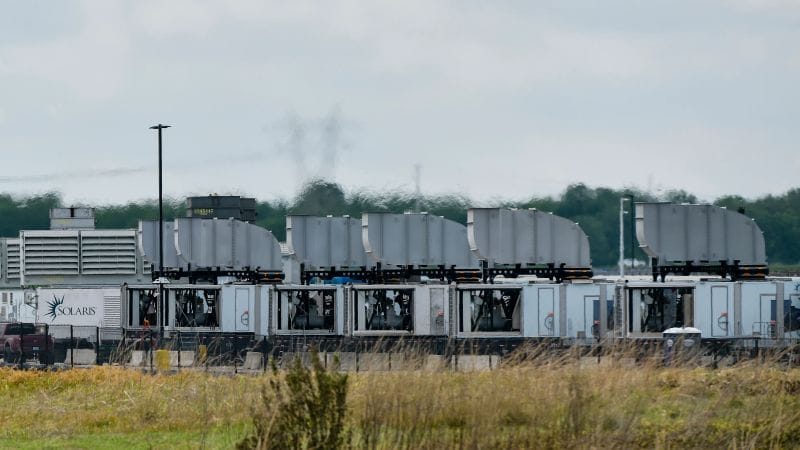
👀 What’s happening: The Department of Justice on Monday backed xAI in a lawsuit by the NAACP seeking to halt 57 unpermitted natural gas turbines powering its Colossus data centers near Memphis. DOJ's memo argued that shutting them would harm "national, economic, and energy security," citing Grok as one of four AI models supporting military operations, including recent strikes in Iran. xAI calls the trailer-mounted turbines "mobile" to dodge air permits. SpaceX's IPO filing earmarks another $2.8 billion for turbines.
🌍 How this hits reality: The AI arms race seems to have reached its absurd phase about who can buy turbines fastest, who lawyers around environmental permits most fluently, and who can rebrand a data center as military infrastructure. The new moat isn’t algorithms. It's megawatts, gas, attorneys, and a DOJ memo. Frontier AI now competes on logistics and legal cover, and xAI just proved the federal government will supply the cover.
🛎️ Key takeaway: The new AI moat isn’t intelligence, it’s turbines, lawyers, and a national-security label the government will staple to your smokestack on request.
DOJ's memo argued that shutting them would harm "national, economic, and energy security," citing Grok as one of four AI models supporting military operations, including recent strikes in Iran. xAI calls the trailer-mounted turbines "mobile" to dodge air permits. SpaceX's IPO filing earmarks another $2.8 billion for turbines.
TOGETHER WITH MINTDREAMER
Restore an old photo, swap a hairstyle, stage an empty room, cut out a background, generate a headshot, a tattoo, a logo — twenty-one tuned apps, each wired to the right model and the right defaults. Pick one and go.
DAILY TL;DR
READ MORE
Stay ahead without drowning in information. We turn the most important signals across AI, tech, marketing, and future products into 5-minute reads you can actually finish.
TOGETHER WITH US
AI Secret Media Group is the world’s #1 AI & Tech Newsletter Group, reaching over 2 million leaders across the global innovation ecosystem, from OpenAI, Anthropic, Google, and Microsoft to top AI labs, VCs, and fast-growing startups.
We've helped promote over 500 Tech Brands. Will yours be the next?
Email our co-founder Mark directly at [email protected] if the button fails.
Good Morning, AI Enthusiasts!
The loop ate the prompt, the state ate the model, the junk drawer ate the datacenter, and the loser renamed the scoreboard.
LLM
👀 What’s happening: On June 9, Anthropic shipped Claude Fable 5, the first public model in its Mythos family, and the praise was instant. Ninety-six hours later it was dead. Commerce Secretary Howard Lutnick ordered it barred from all foreign nationals on national-security grounds, and Anthropic pulled it worldwide that night.
🌍 How this hits reality: A model's lifespan used to track its capability. Fable 5 broke that. It died at peak power, never outclassed by a rival, never beaten by a better release. A government veto, citing foreign security jailbreak Anthropic says other public models share, ended it. The kill switch now sat in Washington, not just the benchmark.
🛎️ Key takeaway: The best public model ever shipped was killed by a letter, not a competitor, and every lab just learned its real off switch sits on a desk in Washington.
👀 What’s happening: On June 9, Anthropic shipped Claude Fable 5, the first public model in its Mythos family, and the praise was instant. Ninety-six hours later it was dead. Commerce Secretary Howard Lutnick ordered it barred from all foreign nationals on national-security grounds, and Anthropic pulled it worldwide that night.
SKILLS
👀 What’s happening: Within days, OpenClaw's Peter and Claude Code's Boris both said they no longer write prompts; they design loops that prompt the agents. Google's Addy Osmani named it "Loop Engineering," the fourth paradigm after Prompt, Context, and Harness. That is four "engineering" disciplines invented in roughly two years. Each one was the must-learn skill, until the next one quietly made it optional.
🌍 How this hits reality: Do the math on the half-life. Prompt Engineering had courses and job titles before Context Engineering buried it. Harness arrived before most people finished learning that. Loop landed before the ink dried on Harness. The skill you grind for months now expires in weeks, obsoleted not by your competitor but by the next model that no longer needs the trick. The treadmill is running faster than the people on it.
🛎️ Key takeaway: When every skill you master is deprecated by the next model before you finish learning it, the rational move starts to look insane: learn nothing, wait for the model, and let the curve do your homework.
TOKEN
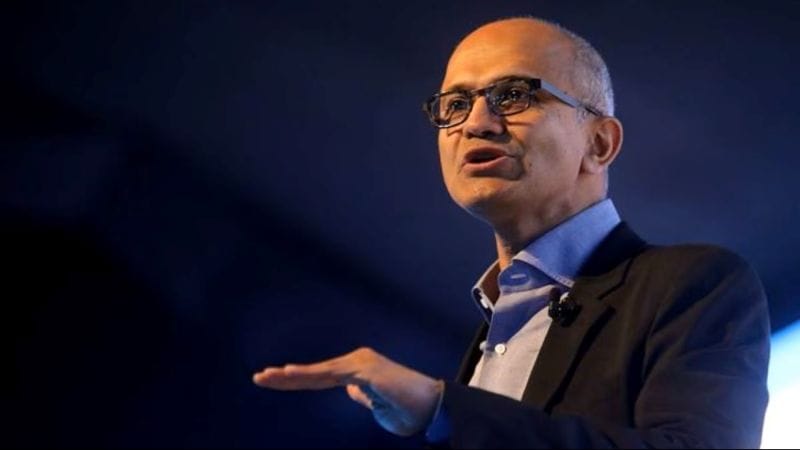
👀 What’s happening: Microsoft CEO Satya Nadella posted a long post on X argued that every firm must build two assets: human capital, the judgment of its people, and "token capital," the AI capability a company owns. His pitch is that picking the best model is the wrong game. The real asset, he says, is a private learning loop fed by your own data that compounds and survives swapping out any underlying model.
🌍 How this hits reality: Read who is talking. Microsoft does not own the frontier model; it also rents OpenAI's and resells Anthropic's. So its CEO has every reason to insist the frontier model does not matter, and that what matters is the loop you build on a platform he sells. "Token capital" conveniently reframes Microsoft's capability gap as everyone's strategy. The firm without the best model tells you the best model is not the point.
👀 What’s happening: Microsoft CEO Satya Nadella posted a long post on X argued that every firm must build two assets: human capital, the judgment of its people, and "token capital," the AI capability a company owns. His pitch is that picking the best model is the wrong game.
Microsoft does not own the frontier model; it also rents OpenAI's and resells Anthropic's. So its CEO has every reason to insist the frontier model does not matter, and that what matters is the loop you build on a platform he sells. "Token capital" conveniently reframes Microsoft's capability gap as everyone's strategy.
FEVER
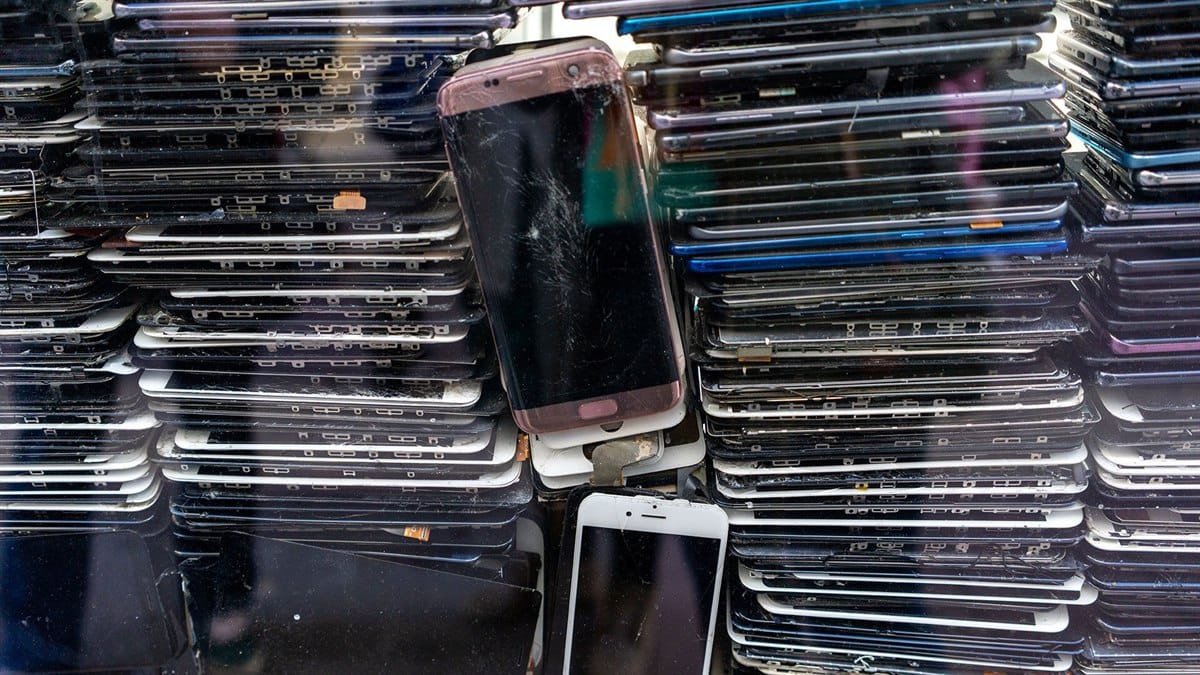
👀 What’s happening: Google and UC San Diego announced a "datacenter" built from 2,000 retired Pixel phones. They strip each phone to its motherboard, wipe Android for Linux, and cluster the boards with Kubernetes. By SPEC benchmarks, 25 to 50 phones equal one server, so the whole project lands near 50 server-equivalents. It launches Fall 2026 to run a few computer-science classes at low cost and, per the press release, lower carbon.
🌍 How this hits reality: Fifty servers is a rounding error. Hyperscalers light up that much before lunch and stand up datacenters measured in gigawatts. Yet a top research university packages a 2,000-phone salvage rig as frontier work, because anything tagged "compute" now attracts funding, headlines, and a Google byline. The compute boom has gotten hot enough that picking through e-waste reads as a research agenda, and the result still wouldn't run a single serious training job.
🛎️ Key takeaway: When the gold rush is this loud, even a drawer of dead phones gets repackaged as a datacenter, and a 50-server science project gets to ride the trillion-dollar compute story.
👀 What’s happening: Google and UC San Diego announced a "datacenter" built from 2,000 retired Pixel phones. They strip each phone to its motherboard, wipe Android for Linux, and cluster the boards with Kubernetes. By SPEC benchmarks, 25 to 50 phones equal one server, so the whole project lands near 50 server-equivalents.
DAILY TL;DR
READ MORE
Stay ahead without drowning in information. We turn the most important signals across AI, tech, marketing, and future products into 5-minute reads you can actually finish.
TOGETHER WITH US
AI Secret Media Group is the world’s #1 AI & Tech Newsletter Group, reaching over 2 million leaders across the global innovation ecosystem, from OpenAI, Anthropic, Google, and Microsoft to top AI labs, VCs, and fast-growing startups.
We've helped promote over 500 Tech Brands. Will yours be the next?
Email our co-founder Mark directly at [email protected] if the button fails.
Good Morning, AI Enthusiasts!
The gods got lobbyists, the hospitals got copilots, the World Cup got Gemini, and the data centers borrowed a trick from reactors.
CLAUDE
👀 What’s happening: Bill Gurley, the longtime Benchmark venture capitalist, spent thirty days reading everything Anthropic publishes: the 80-page Constitution, its chief philosopher's podcasts, and Dario Amodei's essay envisioning AI systems that allocate resources to humans. On the All-In podcast he delivered his conclusion, calling it the Dr. Frankenstein theory: Anthropic's leaders are not writing software, they are midwifing a deity they consider superior to humans.
🌍 How this hits reality: The cynical reading was regulatory capture — brand yourself the safe lab and let lawmakers fence out rivals. Gurley's theory is worse because it takes the documents literally. A lab that believes it is delivering a god treats safety as theology, not strategy. And theology explains what business logic cannot: the state-by-state lobbying, the breadcrumbs pointing toward an open-weight ban. Rival models are not competitors, they are false idols to be regulated away.
🛎️ Key takeaway: A company selling software answers to competition, but a company birthing a deity recognizes no rivals, only heretics, and Washington is being recruited as the church.
👀 What’s happening: Bill Gurley, the longtime Benchmark venture capitalist, spent thirty days reading everything Anthropic publishes: the 80-page Constitution, its chief philosopher's podcasts, and Dario Amodei's essay envisioning AI systems that allocate resources to humans. On the All-In podcast he delivered his conclusion, calling it the Dr.
WORLD CUP
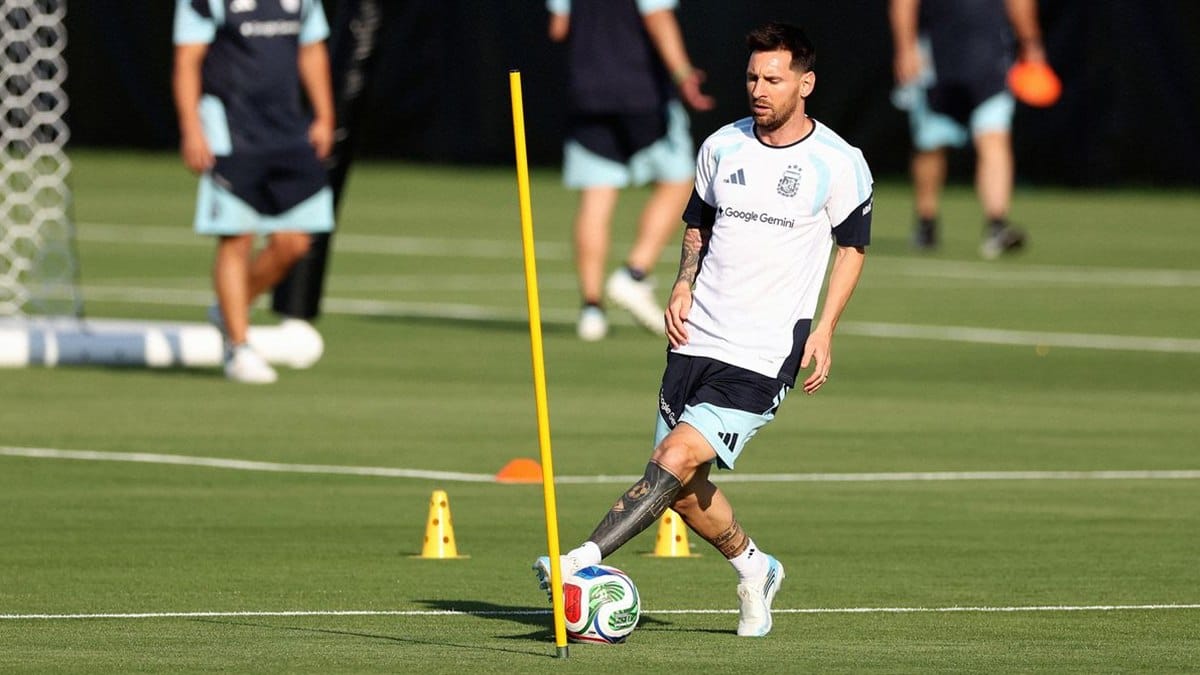
👀 What’s happening: Google signed the Argentine Football Association in March, making Gemini the main global sponsor of the defending champions at this year's World Cup. The logo goes on Argentina's training kit, and players and coaching staff will use Gemini to break down plays, opponents, and statistics. Google also closed deals with Brazil and France, and is rebuilding Search as a real-time fan companion that answers queries and generates memes and songs during matches.
🌍 How this hits reality: World Cups mint technologies. Color TV, GPS trackers, and VAR all went mainstream on this stage, and Google is running the same play with AI. The difference is exposure. Those technologies sat in the plumbing; Gemini's name sits on players' chests while billions query it live. One invented lineup or hallucinated stat becomes the most-watched AI error in history. Signing the last three champions hedges the podium, but nothing hedges the model.
🛎️ Key takeaway: VAR only had to call offside, and Gemini has to survive a billion fans fact-checking it in real time, a stress test Google paid for the privilege of taking.
👀 What’s happening: Google signed the Argentine Football Association in March, making Gemini the main global sponsor of the defending champions at this year's World Cup. The logo goes on Argentina's training kit, and players and coaching staff will use Gemini to break down plays, opponents, and statistics.
NEW TECH
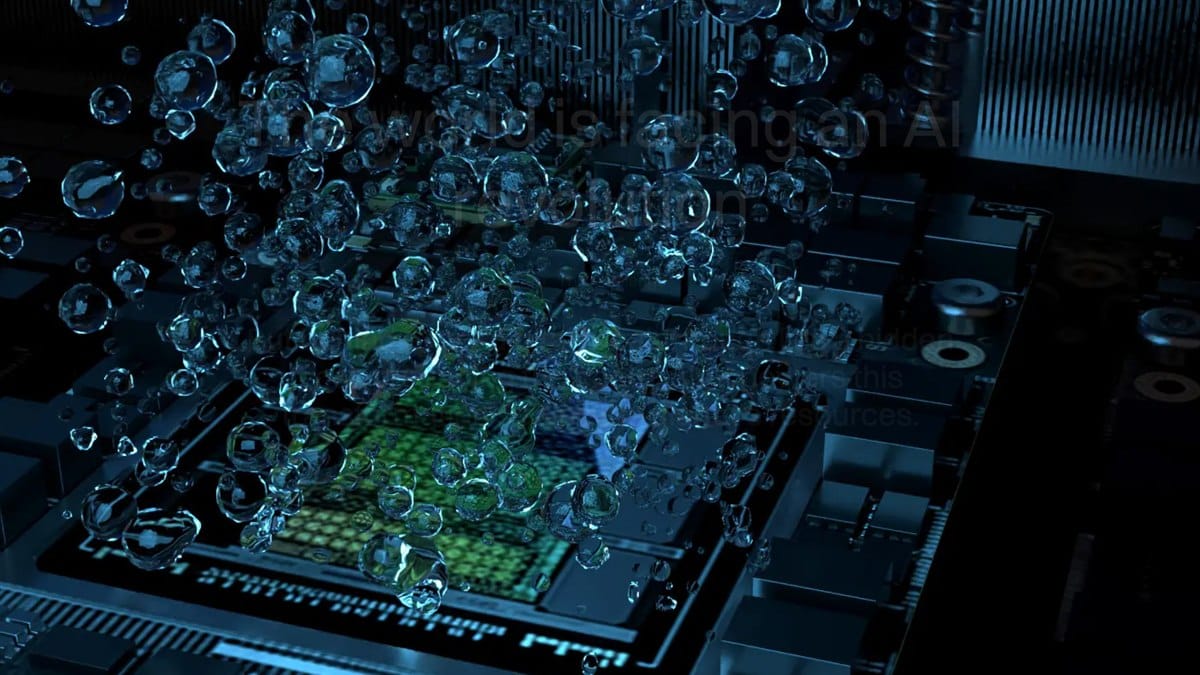
👀 What’s happening: Ferveret, a startup founded by two MIT nuclear engineering researchers, cools AI servers by submerging them in a low-boiling liquid adapted from reactor physics, using zero water. A UCLA study found 15 percent better efficiency than state-of-the-art liquid cooling, or 35 percent more tokens per watt with its control software. It is testing with operators including Switch, one of the largest US data center operators.
🌍 How this hits reality: Data centers go where the water is. That rule has quietly drawn the map of AI infrastructure, because cooling needs water and water vetoes the desert. Zero-water cooling deletes the veto. The sun-rich, water-poor regions where solar is cheapest, the Middle East, Africa, the American Southwest, suddenly become buildable. The constraint on AI stops being geography and becomes pure power.
🛎️ Key takeaway: Everyone is fighting over watts, but the quieter prize is land: whoever unties cooling from water gets to build AI where energy is cheapest and nobody else can follow.
HEALTHCARE
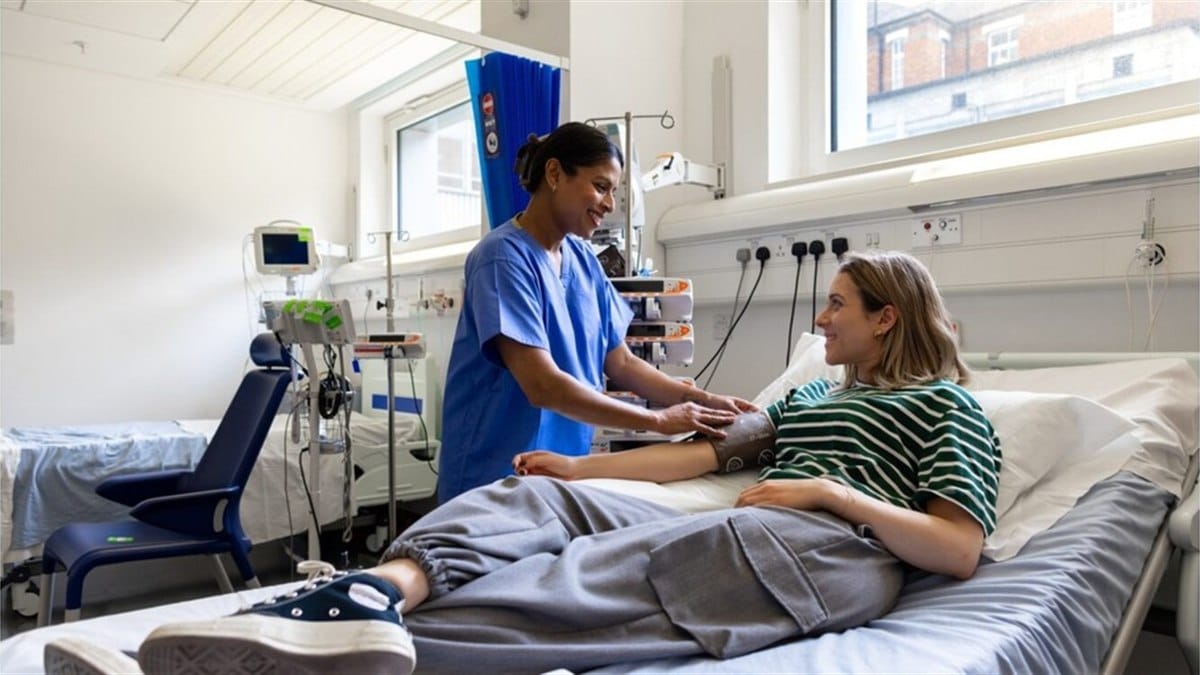
👀 What’s happening: NHS England, the body running Britain's public health service, is rolling out Microsoft Copilot to 505,000 clinicians and support staff by October 2026. The decision rests on a pilot of 30,000 staff that claimed 43 minutes saved per day on admin, about five working weeks a year. Trusts also get Copilot Studio to build custom agents for complaints, FOI requests, and helpdesks. The price was not disclosed; at list rates a deployment this size runs well into nine figures annually.
🌍 How this hits reality: AI was supposed to enter medicine through diagnosis. Instead it is entering through discharge paperwork and rota planning, because admin is where the measurable minutes are and where nobody dies if the model is wrong. That makes the NHS one of the largest enterprise AI deployments anywhere, justified by a self-reported pilot stat and priced in secret. Lloyds signed a similar Microsoft deal last week. The pattern is set: institutions too complex to rebuild are buying AI as a paperwork painkiller.
🛎️ Key takeaway: Microsoft just turned state bureaucracy into its biggest AI market, and the sales pitch was not intelligence, it was 43 minutes.
👀 What’s happening: NHS England, the body running Britain's public health service, is rolling out Microsoft Copilot to 505,000 clinicians and support staff by October 2026. The decision rests on a pilot of 30,000 staff that claimed 43 minutes saved per day on admin, about five working weeks a year.
DAILY TL;DR
READ MORE
Stay ahead without drowning in information. We turn the most important signals across AI, tech, marketing, and future products into 5-minute reads you can actually finish.
TOGETHER WITH US
AI Secret Media Group is the world’s #1 AI & Tech Newsletter Group, reaching over 2 million leaders across the global innovation ecosystem, from OpenAI, Anthropic, Google, and Microsoft to top AI labs, VCs, and fast-growing startups.
We've helped promote over 500 Tech Brands. Will yours be the next?
Email our co-founder Mark directly at [email protected] if the button fails.
Good Morning, AI Enthusiasts!
The IPO papers arrived, Siri borrowed a brain, SpaceX moved the data center into orbit, and Anthropic reminded everyone the plumbing still leaks.
SPACE
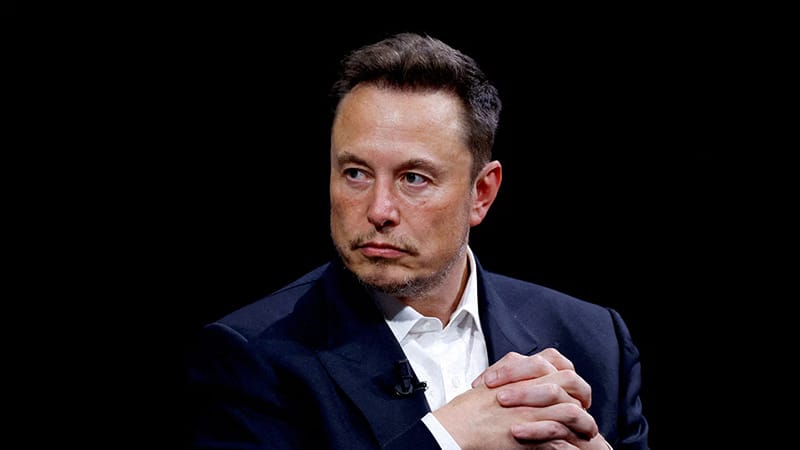
👀 What’s happening: Days before SpaceX's IPO, expected to value the company near $1.75 trillion, Elon Musk told investors that orbital AI data centers are "not a super hard problem." He said the tech already exists in the Starlink V3 satellites, and the first AI satellite would deliver about 150 kilowatts of peak power, roughly one Nvidia GB300 rack. The Bastrop, Texas factory should reach meaningful output by the end of 2027.
🌍 How this hits reality: Orbit sidesteps the wall terrestrial AI just hit, where free solar and free vacuum cooling beat a grid that cannot add gigawatts fast enough. And Musk has a point the skeptics miss. One satellite is one rack, so a 1GW orbital datacenter needs roughly 7,000 of them, about 280 launches. That sounds absurd until you notice SpaceX already flies a Starlink mission every three days and has lofted over 12,000 satellites. The hard problem isn't physics. It's whether SpaceX redirects a launch line it alone owns.
🛎️ Key takeaway: Of course this is also IPO storytelling, and from almost anyone else it would be pure hype, except Musk is the one who actually clears every prerequisite the story needs.
👀 What’s happening: Days before SpaceX's IPO, expected to value the company near $1.75 trillion, Elon Musk told investors that orbital AI data centers are "not a super hard problem." He said the tech already exists in the Starlink V3 satellites, and the first AI satellite would deliver about 150 kilowatts of peak power, roughly one Nvidia GB300 rack.
That sounds absurd until you notice SpaceX already flies a Starlink mission every three days and has lofted over 12,000 satellites. The hard problem isn't physics. It's whether SpaceX redirects a launch line it alone owns.
NEW LAUNCH
👀 What’s happening: Two years after the smarter Siri it promised in 2024 never shipped, Apple used WWDC 2026 to relaunch Siri AI, a more conversational assistant that reads your screen, edits photos, and gets its own ChatGPT-style app. The catch sits in the fine print: the new Apple Foundation Models were built with Google, following the Gemini supply deal Apple struck this year. Siri AI ships in English only, skips China, and excludes the EU's iPhones
🌍 How this hits reality: Apple's whole identity was owning the full stack, the chip nobody else could match. On the one layer that now defines computing, it admitted it stopped. The model is Google's; Apple keeps the wrapper, the privacy story, the distribution. And what it shipped is assistant, not agent. Siri reads apps and suggests actions, but it does not go do things across them the way the agent era demands.
🛎️ Key takeaway: It looks like Tim Cook's last dance before John Ternus takes over, and it finally settles his AI debt, except Apple still trails the era it just joined, so the opening move is made and the chase now belongs to his successor.
The catch sits in the fine print: the new Apple Foundation Models were built with Google, following the Gemini supply deal Apple struck this year. Siri AI ships in English only, skips China, and excludes the EU's iPhones
🌍 How this hits reality: Apple's whole identity was owning the full stack, the chip nobody else could match. On the one layer that now defines computing, it admitted it stopped. The model is Google's; Apple keeps the wrapper, the privacy story, the distribution. And what it shipped is assistant, not agent.
INFRA
👀 What’s happening: Anthropic published a science blog with an unfashionable claim that AI agents race ahead in coding but crawl in biology, and it has nothing to do with how smart the models are. The problem is the data. Biology's databases were built for humans clicking through web pages, not for agents, so when frontier models tried to retrieve virus sequences on their own, they fell apart, returning 266 records on one Ebola task, then 106, then 5, from the very same prompt. Adding gget virus, a tool that makes retrieval deterministic, pushed every model above 90% and erased the gap between cheap and expensive ones.
🌍 How this hits reality: The industry's instinct is to wait for the next, smarter model. This points the other way. Once the plumbing was fixed, the choice of model stopped mattering, a cheap one with the right tool matched the flagship. The blocker was never intelligence; it was that the world is paved for people, not agents. Karpathy made the same complaint about software, that writing code is easy and the real week vanishes clicking through setup screens. Biology just raises the stakes from a broken app to a missed diagnosis.
🛎️ Key takeaway: The next leap in applied AI may not come from a bigger brain but from the boring, auditable plumbing no one wants to build.
👀 What’s happening: Anthropic published a science blog with an unfashionable claim that AI agents race ahead in coding but crawl in biology, and it has nothing to do with how smart the models are. The problem is the data.
IPO
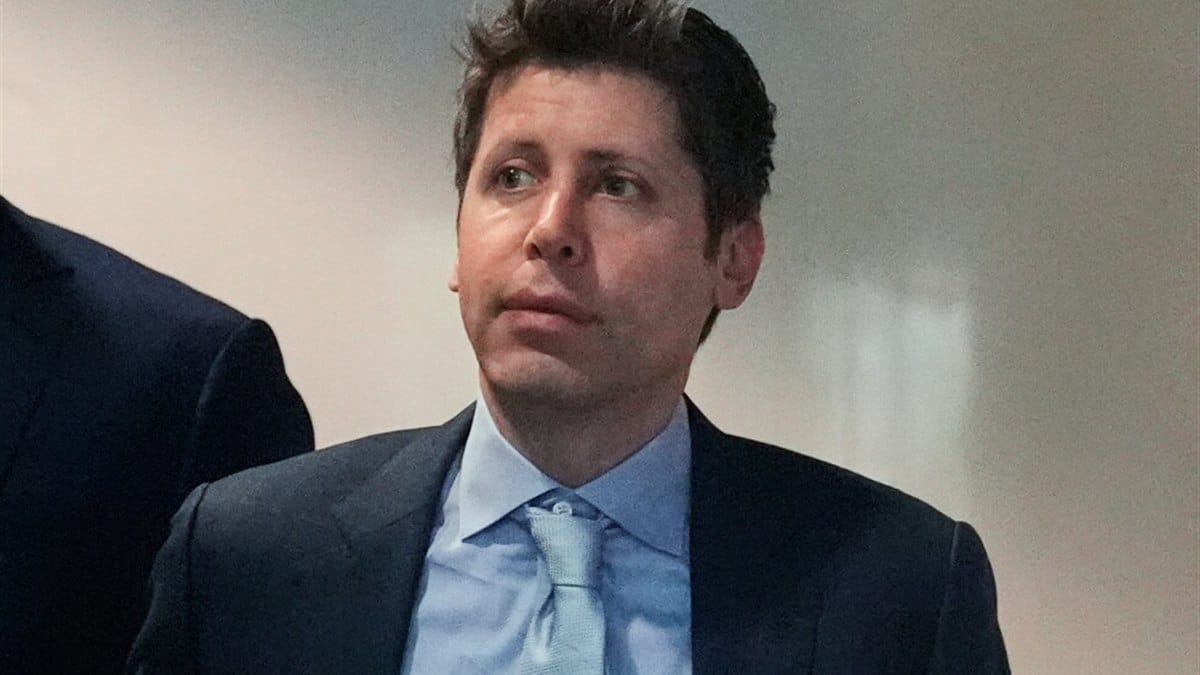
👀 What’s happening: OpenAI filed confidential IPO paperwork with the SEC on Monday at an $852 billion valuation, the third AI giant after SpaceX and Anthropic to line up for a Wall Street debut. In the same window, CEO Sam Altman released a manifesto promising "everyone on Earth a personal AGI" and gains that are "widely shared." It landed days after he met Senator Bernie Sanders, who wants the public to own half of every major AI firm, as President Trump floats giving citizens a slice of AI's upside.
🌍 How this hits reality: OpenAI is going public because it has run out of cheaper options. It loses more than it earns, its leads are slipping to Google and Anthropic, and private capital can no longer feed an appetite this size. But a money-losing nonprofit-turned-megacap is hard to sell to retail investors and a watching Washington, so the raise arrives wrapped in a mission. The manifesto is the packaging.
🛎️ Key takeaway: This is an AI cash machine reaching for the only wallet left big enough to feed it, dressing the raise as a gift to humanity so the public funds a burn no one can yet price.
In the same window, CEO Sam Altman released a manifesto promising "everyone on Earth a personal AGI" and gains that are "widely shared." It landed days after he met Senator Bernie Sanders, who wants the public to own half of every major AI firm, as President Trump floats giving citizens a slice of AI's upside.
🌍 How this hits reality: OpenAI is going public because it has run out of cheaper options. It loses more than it earns, its leads are slipping to Google and Anthropic, and private capital can no longer feed an appetite this size.
It loses more than it earns, its leads are slipping to Google and Anthropic, and private capital can no longer feed an appetite this size. But a money-losing nonprofit-turned-megacap is hard to sell to retail investors and a watching Washington, so the raise arrives wrapped in a mission.
TOGETHER WITH MYCLAW
MyClaw makes OpenClaw instantly usable by connecting it to the SaaS tools you already use—Gmail, Slack, Google Docs, Sheets, Notion, GitHub, Telegram, WhatsApp, and more. No DevOps, no messy setup.
Just give it a goal, and your OpenClaw works 24/7 in the cloud, pulling context from your apps and delivering briefs, research, reports, decks, pages, and decisions ready to approve.
MyClaw turns OpenClaw from a cool demo into an always-on operator.
DAILY TL;DR
READ MORE
Stay ahead without drowning in information. We turn the most important signals across AI, tech, marketing, and future products into 5-minute reads you can actually finish.
TOGETHER WITH US
AI Secret Media Group is the world’s #1 AI & Tech Newsletter Group, reaching over 2 million leaders across the global innovation ecosystem, from OpenAI, Anthropic, Google, and Microsoft to top AI labs, VCs, and fast-growing startups.
We've helped promote over 500 Tech Brands. Will yours be the next?
Email our co-founder Mark directly at [email protected] if the button fails.
Plus: Gemini’s Brain Stayed Still, The US Army Ran Out of Math
Read the storyPlus: Brussels Fights the Last Monopoly, Netflix’s 300-Title AI Test
Plus: The Algorithms Couldn't Read AI, Zuckerberg Crawled Back to X
Plus: OpenAI Built Its Own Body, Alibaba Bleeds on AI Theft Claims
Plus: Google Lost Two Giants, Norway Walled Off Childhood From AI
Plus: The Universal Decoder for Brains, Americans Use AI and Hate It
Plus: Seattle Let an AI Triage 911 Illegally, DOJ Shields xAI’s Smokestacks
Plus: Loop Engineering Has Arrived, Token Capital Is Cope
Plus: Gemini Plays the World Cup, Nuclear Cooling Comes for AI
Plus: Apple Finally Have AI, The Bottleneck Wasn't the Brain