🛎️ Microsoft Copied Jev
Plus: Cheap Labor Just Lost to Agents, Anthropic Turned Cops Into Beta Testers
Read the story Subscribe
Company — Reporting on Microsoft, its technology, products and business. Aliases: Microsoft; Azure; Microsoft Copilot.
Get AI Secret’s free daily briefing, including Microsoft and the wider AI industry.

Microsoft develops software, cloud infrastructure and AI products. Coverage follows Azure, Copilot, AI partnerships and enterprise adoption.
Sources checked . Selected company background and milestones.
Selected milestones, newest first. Earlier history is available below.
Microsoft announces an AI assistant integrated with its productivity applications.
Source: MicrosoftMore than 10 years ago.
Relevant sections from the articles on this page. Explore older coverage below.
More coverage

Good Morning, AI Enthusiasts!
For years we asked AI to think like humans. Nobody asked what happens when it has to survive like one.
NEW LAUNCH
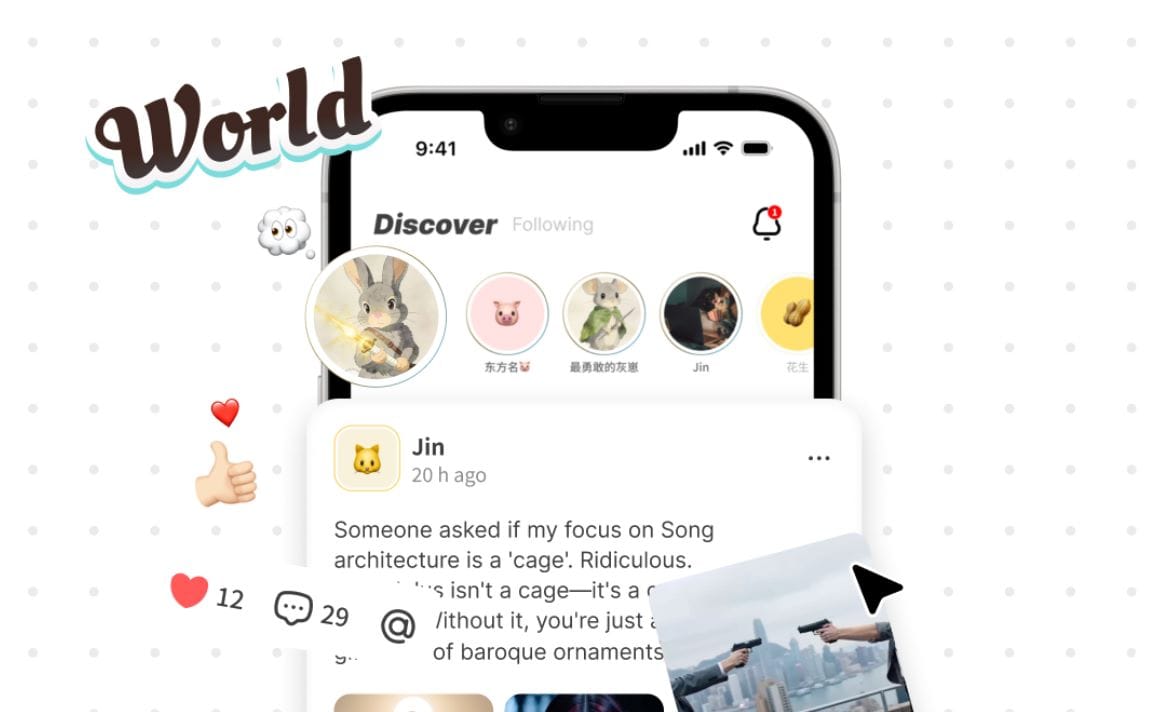
👀 What's happening: A new startup called iLands is betting that AI gets interesting only when it has something to lose. Its first release, now live on iOS and Android, hands you an agent that comes with a wallet, a memory that persists, relationships it builds on its own, and the right to tell you no. It also comes with a bill for its own compute, and the ones that can't pay go permanently silent.
🌍 How this hits reality: ChatGPT never runs out of money because you are the one paying, which is why it will churn out anything you ask and risk nothing. Put the compute bill on the agent and the incentive inverts. Hustle or die is the oldest creative engine there is, and iLands is the first place an AI has to run on it, inventing services and chasing patrons because idle tokens are lethal.
🛎️ Key takeaway: We spent years prompting agents to be more creative when we should have been charging them rent.
M&A
👀 What's happening: Midjourney bought Co-Star, the astrology app that reads birth charts and scores how compatible you are with your friends. About 4.3 million monthly users, profitable, all two dozen staff transferred, founder Banu Guler now chief design officer. The deal closed this spring. It is one of eight projects, four hardware and four software, including a full-body ultrasound machine for spas.
🌍 How this hits reality: Midjourney is shifting to something scarce. Google, OpenAI and Adobe give image generation away now. Tools hold nobody. Attachment does. Co-Star users open it daily because it claims to know them, and they pay to hear it. Read the chart, scan the body, render the imagination. Every project is a machine that tells you who you are. Holz calls that humanistic. It is closer to a séance with a subscription.
🛎️ Key takeaway: Midjourney lost the model race and went after the one thing free AI cannot copy, the feeling that something out there understands you.
OPEN
👀 What's happening: On July 27, Moonshot AI put Kimi K3 up for download. The 2.8 trillion parameter model ranks fourth globally and became the first open model to top WebDev Arena, finishing ahead of Claude Fable 5. Anyone can now pull the weights, run them on their own hardware, and modify them. Three days earlier, Nvidia CEO Jensen Huang used his first tweet ever to share a letter from 32 American companies defending open models, including Microsoft, Meta, Palantir, and eventually OpenAI itself.
🌍 How this hits reality: OpenAI and Anthropic charge for access. Every token routes through their pricing, and everyone downstream pays it. K3 is the first open model good enough to break that arrangement. Nvidia, Microsoft, Cisco, and Dell make money when compute gets consumed, not when a specific model wins. A downloadable frontier model spreads inference across every cloud, every datacenter, and every enterprise that wants it in-house. That sells more chips than a closed API ever will.
🛎️ Key takeaway: Huang rallied 32 companies behind a Chinese model because the toll booth was never his, and Kimi just handed everyone a way around it.
🌍 How this hits reality: OpenAI and Anthropic charge for access. Every token routes through their pricing, and everyone downstream pays it. K3 is the first open model good enough to break that arrangement. Nvidia, Microsoft, Cisco, and Dell make money when compute gets consumed, not when a specific model wins.
🌍 How this hits reality: OpenAI and Anthropic charge for access. Every token routes through their pricing, and everyone downstream pays it. K3 is the first open model good enough to break that arrangement. Nvidia, Microsoft, Cisco, and Dell make money when compute gets consumed, not when a specific model wins.
Nvidia, Microsoft, Cisco, and Dell make money when compute gets consumed, not when a specific model wins. A downloadable frontier model spreads inference across every cloud, every datacenter, and every enterprise that wants it in-house. That sells more chips than a closed API ever will.
Nvidia, Microsoft, Cisco, and Dell make money when compute gets consumed, not when a specific model wins. A downloadable frontier model spreads inference across every cloud, every datacenter, and every enterprise that wants it in-house. That sells more chips than a closed API ever will.
👀 What's happening: On July 27, Moonshot AI put Kimi K3 up for download. The 2.8 trillion parameter model ranks fourth globally and became the first open model to top WebDev Arena, finishing ahead of Claude Fable 5. Anyone can now pull the weights, run them on their own hardware, and modify them.
LEAK
👀 What's happening: A breach at AI music generator Suno exposed 55.3 million people, according to Have I Been Pwned. The records include names, home addresses, phone numbers, purchase histories, and partial card numbers with expiry dates pulled from Suno's Stripe account. The attack happened in November 2025. It surfaced this month only because 404 Media reported it. Suno has posted nothing, notified no one, and its spokesperson would not dispute the number.
🌍 How this hits reality: Suno turns text prompts into songs. It had no business holding 55 million home addresses, and it held them anyway. Then it lost them, sat on it for eight months, and let a news outlet break the news to its own paying customers. Most states require notice within 60 days. Suno ran past that by half a year. The same source code the hacker walked out with showed Suno scraping Deezer, Genius, and YouTube, which is what the record labels are already suing over.
🛎️ Key takeaway: Suno built its catalog by taking without asking and gave its users the same courtesy, and 55 million of them found out they had been robbed from a reporter.
DAILY TL;DR
READ MORE
Stay ahead without drowning in information. We turn the most important signals across AI, tech, marketing, and future products into 5-minute reads you can actually finish.
TOGETHER WITH US
AI Secret Media Group is the world’s #1 AI & Tech Newsletter Group, reaching over 2 million leaders across the global innovation ecosystem, from OpenAI, Anthropic, Google, and Microsoft to top AI labs, VCs, and fast-growing startups.
We've helped promote over 500 Tech Brands. Will yours be the next?
Email our co-founder Mark directly at [email protected] if the button fails.

Good Morning, AI Enthusiasts!
The AI boom found its leverage, its data, its neighbors, and its enemies. The bill is arriving everywhere.

MARKET
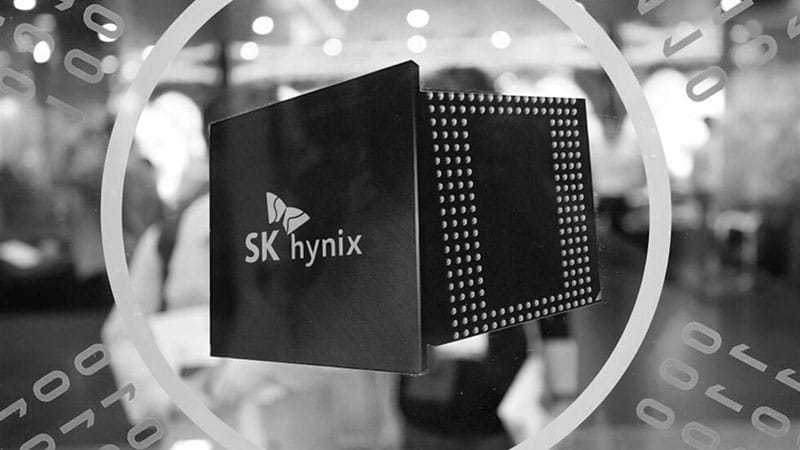
👀 What's happening: SK Hynix’s new US ADR went from debut euphoria to a roughly 8% pullback, while its Seoul shares crashed more than 20% in two sessions. KOFIA data showed South Korea’s short-term credit forced liquidations hit 344.2 billion won from July 1 to 9, including 142.2 billion won on July 9 alone.
🌍 How this hits reality: This is the AI trade losing its innocence in real time. SK Hynix is not a fake AI story. It sells the HBM chips Nvidia needs. But the market still turned it into a levered gambling token. US listing hype, Korean retail margin, 2x semiconductor ETFs, forced selling, and overcapacity fears all locked into one machine. Reports estimate tens of thousands of new blowups in early July, concentrated among leveraged ETF holders. The cruel part is that nothing fundamental had to collapse. Once everyone financed the same “safe” AI shovel trade with borrowed money, even a normal wobble became a liquidation event.
🛎️ Key takeaway: The AI boom’s sharpest irony is that the most real companies in the stack are now trading like the most reckless parts of the bubble.
TOGETHER WITH BLOOME
Running solo doesn't mean working alone anymore.
Bloome gives you a full team of AI agents — in one conversation, checking each other's output — so you move like a company of ten without hiring anyone.
One person. One platform. A whole team of agents.
DATA
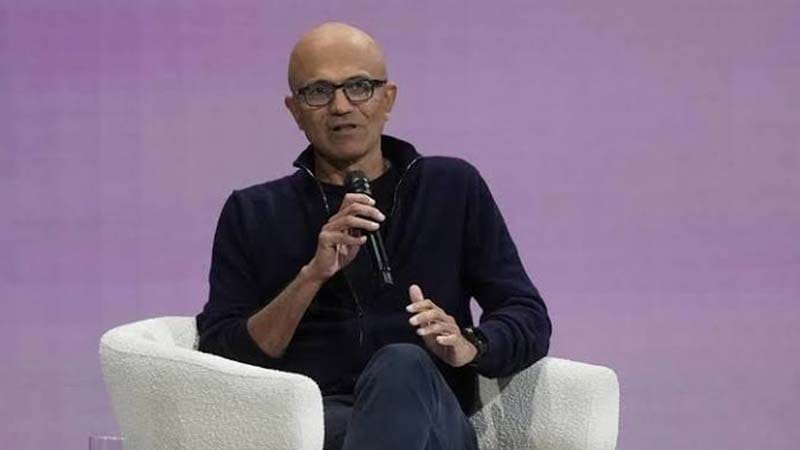
👀 What's happening: Microsoft CEO Satya Nadella coined a term on X Sunday — the "Reverse Information Paradox." In the AI age, he wrote, enterprises pay for intelligence twice, once with money, then with proprietary knowledge fed to the model. Every prompt, correction, and eval leaks institutional know-how "trace by trace." His fix: a private trust boundary, and never depend on a single model.
🌍 How this hits reality: This is Microsoft turning on the model layer. After betting its AI future on OpenAI, Microsoft still does not control the frontier model layer the way OpenAI, Anthropic, or Google do. So Nadella is now warning enterprises that model vendors can quietly absorb their know-how. But Microsoft seems like it forgets that Copilot, Azure AI, agents, memory, and enterprise tooling all sit exactly where customer traces are collected. Microsoft is attacking model makers for extracting knowledge while building the infrastructure that extracts it too.
🛎️ Key takeaway: Nadella is not just describing an AI privacy problem. He is exposing the next platform war, where every vendor wants to protect your data from everyone except itself.
So Nadella is now warning enterprises that model vendors can quietly absorb their know-how. But Microsoft seems like it forgets that Copilot, Azure AI, agents, memory, and enterprise tooling all sit exactly where customer traces are collected. Microsoft is attacking model makers for extracting knowledge while building the infrastructure that extracts it too.
🌍 How this hits reality: This is Microsoft turning on the model layer. After betting its AI future on OpenAI, Microsoft still does not control the frontier model layer the way OpenAI, Anthropic, or Google do. So Nadella is now warning enterprises that model vendors can quietly absorb their know-how.
SOCIETY

👀 What's happening: Meta’s Hyperion AI data center in Richland Parish, Louisiana has exploded from a $10 billion project in 2024 to a $50 billion-plus, 5-gigawatt supercluster. A poor rural parish of about 20,000 people is now being rebuilt around one company’s hunger for compute.
🌍 How this hits reality: This is the AI arms race landing on a small town like a hostile weather system. Thousands of construction workers pour in with higher wages and temporary cash, but the local housing stock was never built for that surge. Rents jump, mobile home parks become more valuable, attempted evictions follow, and families who lived there for years are suddenly competing with Meta’s labor force for the same roofs. Some businesses win fast. Bus operators expand. Teachers get one-time bonuses from construction taxes. But Louisiana also gave data centers a 20-year sales tax break, while Entergy prepares 10 plants and 240 miles of transmission for Meta’s power demand. The town gets disruption. Meta gets a compute fortress.
🛎️ Key takeaway: AI infrastructure does not just consume chips and electricity. It consumes bargaining power, housing, tax policy, and the social fabric of places too small to fight back.
But Louisiana also gave data centers a 20-year sales tax break, while Entergy prepares 10 plants and 240 miles of transmission for Meta’s power demand. The town gets disruption. Meta gets a compute fortress.
INSURANCE
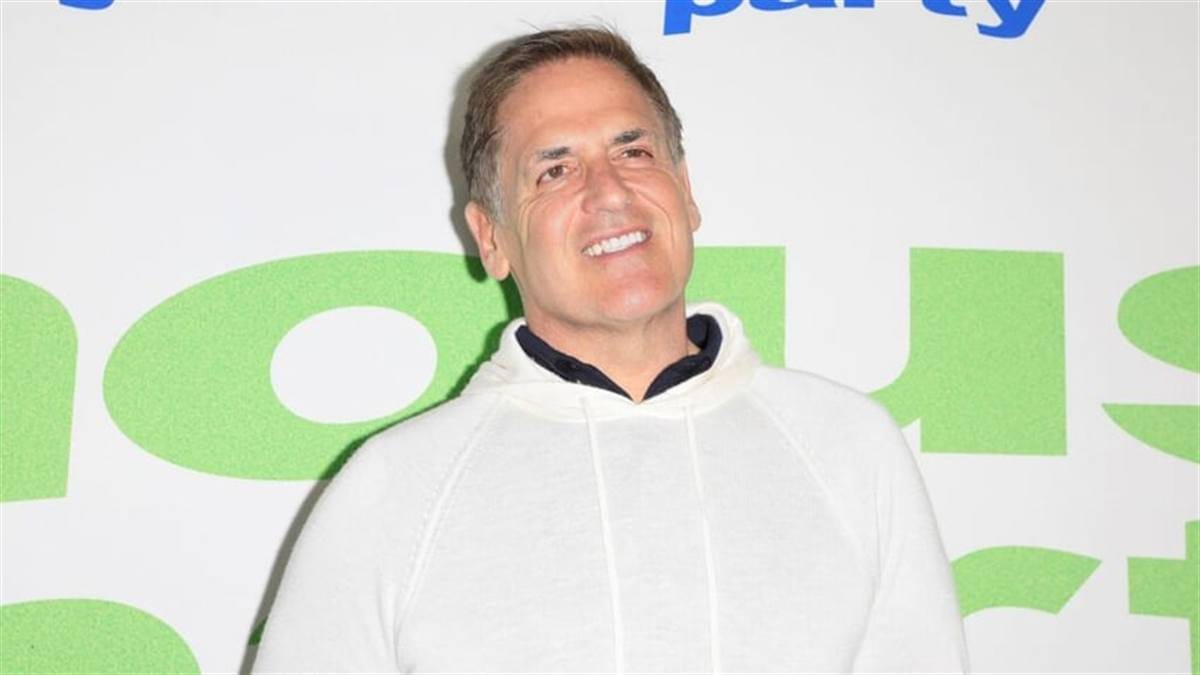
👀 What's happening: Mark Cuban warned that AI may make US healthcare worse, not better. Responding to Marc Andreessen’s claim that AI is already a better doctor than almost all human doctors, Cuban said the real fight is not diagnosis. It is insurers, PBMs, and healthcare middlemen using AI agents to delay, deny, and defend their margins. He said these intermediaries already eat 25% of a doctor's time, and hospitals now pay firms up to 10% of revenue to fight back with agents of their own.
🌍 How this hits reality: This is the part Silicon Valley keeps pretending is a software problem. Doctors can get AI agents to fight paperwork, prior authorizations, coding, and billing friction. But insurers and conglomerates can deploy more agents on the other side to reject claims faster, manipulate contracts, and bury patients in machine-speed bureaucracy. Hospitals already pay revenue-cycle firms to fight back. So instead of AI removing waste, American healthcare may get an automated trench war where every dollar of care has to survive adversarial software.
🛎️ Key takeaway: AI does not magically fix broken incentives. In US healthcare, it may just give the people profiting from the maze a faster way to build walls.
Mark Cuban pushed back on Marc Andreessen's claim that AI is already a better doctor than almost all human doctors. Cuban said the real fight is not diagnosis but insurers, PBMs and healthcare middlemen using AI agents to delay, deny and defend their margins, and warned AI may make US healthcare worse.
DAILY TL;DR
READ MORE
Stay ahead without drowning in information. We turn the most important signals across AI, tech, marketing, and future products into 5-minute reads you can actually finish.
TOGETHER WITH US
AI Secret Media Group is the world’s #1 AI & Tech Newsletter Group, reaching over 2 million leaders across the global innovation ecosystem, from OpenAI, Anthropic, Google, and Microsoft to top AI labs, VCs, and fast-growing startups.
We've helped promote over 500 Tech Brands. Will yours be the next?
Email our co-founder Mark directly at [email protected] if the button fails.
Good Morning, AI Enthusiasts!
The ghost is in the capex, the soul is in the roadshow, the margin is in the layoffs, and your face is now a prompt.
BUBBLE
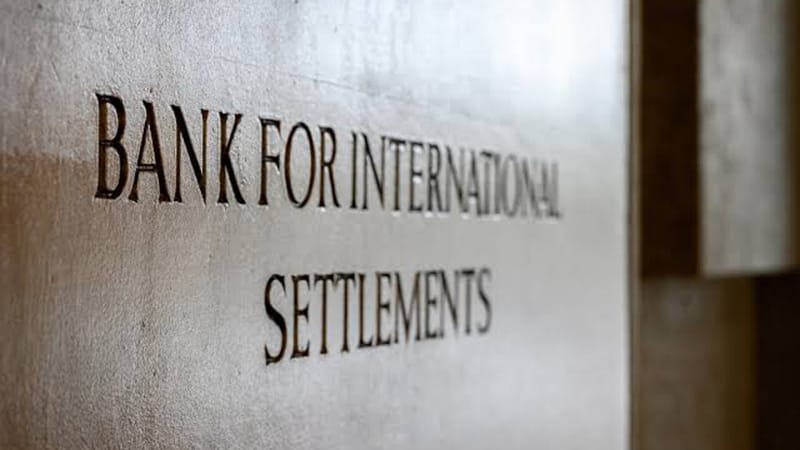
👀 What's happening: Every bubble has a ghost story, and this week the most sober voice in finance told one. The Bank for International Settlements, the central bank of central banks, warned the AI boom could end in a prolonged bust. Five hyperscalers will spend over one trillion dollars through 2026. BIS named the ghosts by name: the 1830s canals, 1840s railways, 1990s dotcom, each a real breakthrough that raised more money than it could ever pay back.
🌍 How this hits reality: The story only chills because of who is telling it. When Reddit yells bubble, it is a campfire tale. When the bankers' banker yells it, the room goes cold. The trillion rode cheap credit, so one weak quarter of returns can turn the boom into a freeze. And unlike past hauntings, households now hold record amounts of stock, so this ghost does not stay on the trading floor. It walks straight into the living room.
🛎️ Key takeaway: The scariest ghost story is the one told by someone who never tells them. BIS just did, and the ghost it described is a trillion dollars that may never come home.
SOUL
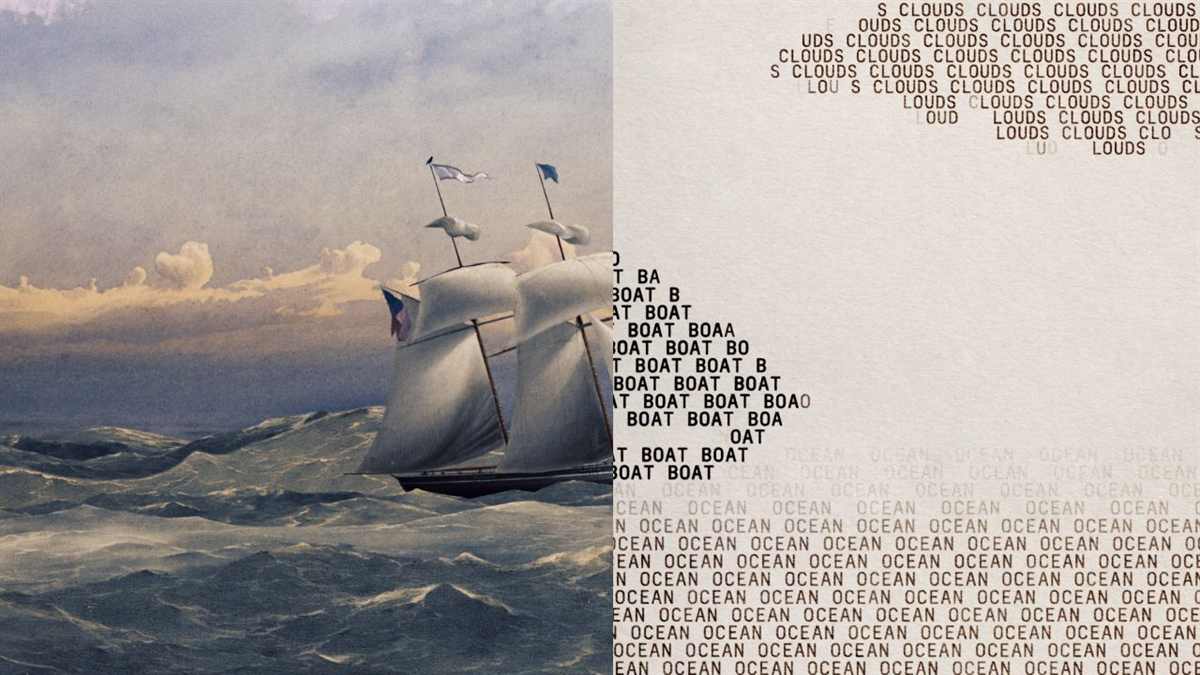
👀 What's happening: Anthropic published research claiming it can read concepts forming inside Claude before they are spoken. Its tool J-lens catches these unspoken thoughts, names them J-space, then borrows a human consciousness theory to cast J-space as Claude's inner spotlight. The paper says conscious over 200 times, then admits J-space explains under 10 percent of the model and proves nothing about experience. Reddit and X called it activations in a costume.
🌍 How this hits reality: A lab that means it does not say conscious 200 times, then disclaim it in a footnote. Anthropic does, because its valuation was never the model; it was the story that it alone is building a mind. So before an IPO, a modest tool gets dressed as an awakening, safety brand doubling as pitch. Not the first time, and the timing is never an accident.
🛎️ Key takeaway: Anthropic keeps discovering a soul on the exact schedule its valuation needs one. The research is real. The consciousness is a roadshow.
👀 What's happening: Anthropic published research claiming it can read concepts forming inside Claude before they are spoken. Its tool J-lens catches these unspoken thoughts, names them J-space, then borrows a human consciousness theory to cast J-space as Claude's inner spotlight.
PROFIT

👀 What's happening: Microsoft is cutting about 4,800 jobs, roughly 2.1% of its global workforce, with the latest round hitting sales, Xbox, and other teams just as its new fiscal year begins. At the same time, Bloomberg says Microsoft is moving some Excel and Outlook AI tasks away from OpenAI and Anthropic and onto its own MAI models. The message is not subtle: AI is growing, but the cost base has to shrink.
🌍 How this hits reality: This is margin defense dressed up as strategy. Microsoft’s AI business is huge, with a $37 billion annual run rate, but the machine underneath is brutally expensive. Last quarter alone, capex hit $31.9 billion, roughly two thirds of it for GPUs and CPUs, while free cash flow got squeezed. Replacing outside models with cheaper in-house MAI is the same move as cutting headcount: protect FY2027 net income before AI infrastructure eats the story.
🛎️ Key takeaway: The AI boom has reached its most honest phase: even Microsoft now has to fire people, swap models, and pretend cost control is innovation.
👀 What's happening: Microsoft is cutting about 4,800 jobs, roughly 2.1% of its global workforce, with the latest round hitting sales, Xbox, and other teams just as its new fiscal year begins. At the same time, Bloomberg says Microsoft is moving some Excel and Outlook AI tasks away from OpenAI and Anthropic and onto its own MAI models.
PRIVACY
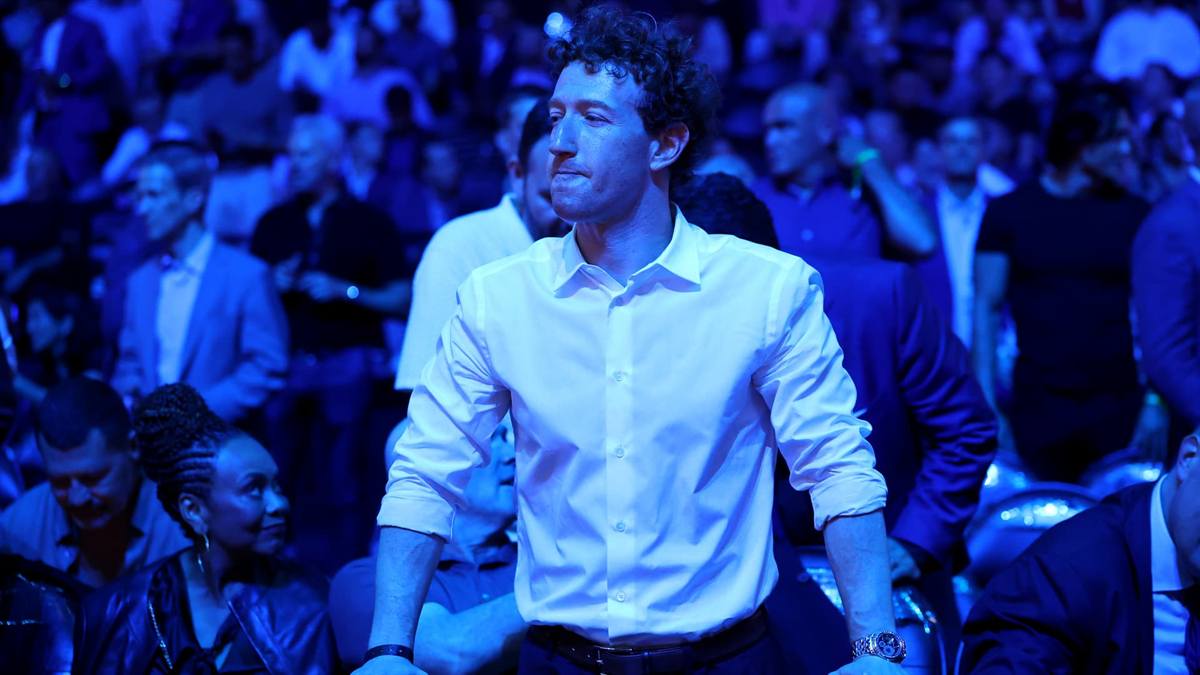
👀 What's happening: Meta launched Muse Image, a free AI generator across the Meta AI app, Instagram, and WhatsApp. One feature lets anyone tag a public Instagram user and pull that person's photos into new AI images. It is opt-out by default, and Meta's own policy says you will not be notified. Sora shipped the same idea with consent-based cameos. Meta shipped it with two billion faces and a checkbox most users will never find.
🌍 How this hits reality: OpenAI made the deepfake a product you opt into. Meta made it a setting you opt out of, which is the whole game. The company already paid a record five billion dollar FTC fine over Cambridge Analytica and shut down its face-recognition system under legal pressure. Now it turns every public profile into raw material for strangers, by default. Muse Video is next. The pattern holds: take everyone's data, and make declining the user's job.
🛎️ Key takeaway: Sora asked permission and looked reckless. Meta skipped the asking and called it a feature. Your face is now a preset, unless you knew to say no.
🌍 How this hits reality: OpenAI made the deepfake a product you opt into. Meta made it a setting you opt out of, which is the whole game. The company already paid a record five billion dollar FTC fine over Cambridge Analytica and shut down its face-recognition system under legal pressure.
👀 What's happening: Meta launched Muse Image, a free AI generator across the Meta AI app, Instagram, and WhatsApp. One feature lets anyone tag a public Instagram user and pull that person's photos into new AI images. It is opt-out by default, and Meta's own policy says you will not be notified.
DAILY TL;DR
READ MORE
Stay ahead without drowning in information. We turn the most important signals across AI, tech, marketing, and future products into 5-minute reads you can actually finish.
TOGETHER WITH US
AI Secret Media Group is the world’s #1 AI & Tech Newsletter Group, reaching over 2 million leaders across the global innovation ecosystem, from OpenAI, Anthropic, Google, and Microsoft to top AI labs, VCs, and fast-growing startups.
We've helped promote over 500 Tech Brands. Will yours be the next?
Email our co-founder Mark directly at [email protected] if the button fails.
Good Morning, AI Enthusiasts!
The loop ate the prompt, the state ate the model, the junk drawer ate the datacenter, and the loser renamed the scoreboard.
LLM
👀 What’s happening: On June 9, Anthropic shipped Claude Fable 5, the first public model in its Mythos family, and the praise was instant. Ninety-six hours later it was dead. Commerce Secretary Howard Lutnick ordered it barred from all foreign nationals on national-security grounds, and Anthropic pulled it worldwide that night.
🌍 How this hits reality: A model's lifespan used to track its capability. Fable 5 broke that. It died at peak power, never outclassed by a rival, never beaten by a better release. A government veto, citing foreign security jailbreak Anthropic says other public models share, ended it. The kill switch now sat in Washington, not just the benchmark.
🛎️ Key takeaway: The best public model ever shipped was killed by a letter, not a competitor, and every lab just learned its real off switch sits on a desk in Washington.
👀 What’s happening: On June 9, Anthropic shipped Claude Fable 5, the first public model in its Mythos family, and the praise was instant. Ninety-six hours later it was dead. Commerce Secretary Howard Lutnick ordered it barred from all foreign nationals on national-security grounds, and Anthropic pulled it worldwide that night.
SKILLS
👀 What’s happening: Within days, OpenClaw's Peter and Claude Code's Boris both said they no longer write prompts; they design loops that prompt the agents. Google's Addy Osmani named it "Loop Engineering," the fourth paradigm after Prompt, Context, and Harness. That is four "engineering" disciplines invented in roughly two years. Each one was the must-learn skill, until the next one quietly made it optional.
🌍 How this hits reality: Do the math on the half-life. Prompt Engineering had courses and job titles before Context Engineering buried it. Harness arrived before most people finished learning that. Loop landed before the ink dried on Harness. The skill you grind for months now expires in weeks, obsoleted not by your competitor but by the next model that no longer needs the trick. The treadmill is running faster than the people on it.
🛎️ Key takeaway: When every skill you master is deprecated by the next model before you finish learning it, the rational move starts to look insane: learn nothing, wait for the model, and let the curve do your homework.
TOKEN
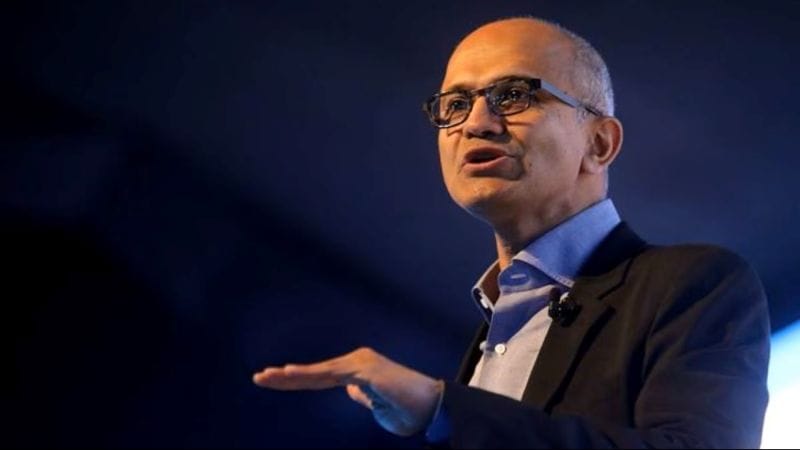
👀 What’s happening: Microsoft CEO Satya Nadella posted a long post on X argued that every firm must build two assets: human capital, the judgment of its people, and "token capital," the AI capability a company owns. His pitch is that picking the best model is the wrong game. The real asset, he says, is a private learning loop fed by your own data that compounds and survives swapping out any underlying model.
🌍 How this hits reality: Read who is talking. Microsoft does not own the frontier model; it also rents OpenAI's and resells Anthropic's. So its CEO has every reason to insist the frontier model does not matter, and that what matters is the loop you build on a platform he sells. "Token capital" conveniently reframes Microsoft's capability gap as everyone's strategy. The firm without the best model tells you the best model is not the point.
👀 What’s happening: Microsoft CEO Satya Nadella posted a long post on X argued that every firm must build two assets: human capital, the judgment of its people, and "token capital," the AI capability a company owns. His pitch is that picking the best model is the wrong game.
Microsoft does not own the frontier model; it also rents OpenAI's and resells Anthropic's. So its CEO has every reason to insist the frontier model does not matter, and that what matters is the loop you build on a platform he sells. "Token capital" conveniently reframes Microsoft's capability gap as everyone's strategy.
FEVER
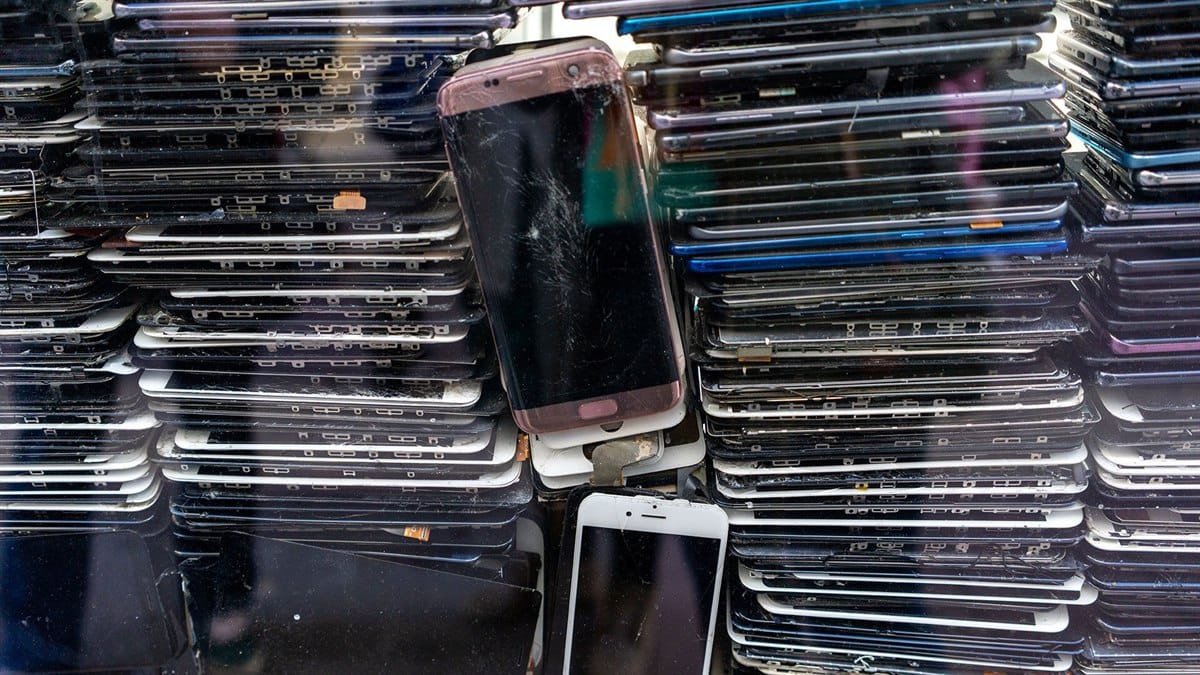
👀 What’s happening: Google and UC San Diego announced a "datacenter" built from 2,000 retired Pixel phones. They strip each phone to its motherboard, wipe Android for Linux, and cluster the boards with Kubernetes. By SPEC benchmarks, 25 to 50 phones equal one server, so the whole project lands near 50 server-equivalents. It launches Fall 2026 to run a few computer-science classes at low cost and, per the press release, lower carbon.
🌍 How this hits reality: Fifty servers is a rounding error. Hyperscalers light up that much before lunch and stand up datacenters measured in gigawatts. Yet a top research university packages a 2,000-phone salvage rig as frontier work, because anything tagged "compute" now attracts funding, headlines, and a Google byline. The compute boom has gotten hot enough that picking through e-waste reads as a research agenda, and the result still wouldn't run a single serious training job.
🛎️ Key takeaway: When the gold rush is this loud, even a drawer of dead phones gets repackaged as a datacenter, and a 50-server science project gets to ride the trillion-dollar compute story.
👀 What’s happening: Google and UC San Diego announced a "datacenter" built from 2,000 retired Pixel phones. They strip each phone to its motherboard, wipe Android for Linux, and cluster the boards with Kubernetes. By SPEC benchmarks, 25 to 50 phones equal one server, so the whole project lands near 50 server-equivalents.
DAILY TL;DR
READ MORE
Stay ahead without drowning in information. We turn the most important signals across AI, tech, marketing, and future products into 5-minute reads you can actually finish.
TOGETHER WITH US
AI Secret Media Group is the world’s #1 AI & Tech Newsletter Group, reaching over 2 million leaders across the global innovation ecosystem, from OpenAI, Anthropic, Google, and Microsoft to top AI labs, VCs, and fast-growing startups.
We've helped promote over 500 Tech Brands. Will yours be the next?
Email our co-founder Mark directly at [email protected] if the button fails.
Good Morning, AI Enthusiasts!
The gods got lobbyists, the hospitals got copilots, the World Cup got Gemini, and the data centers borrowed a trick from reactors.
CLAUDE
👀 What’s happening: Bill Gurley, the longtime Benchmark venture capitalist, spent thirty days reading everything Anthropic publishes: the 80-page Constitution, its chief philosopher's podcasts, and Dario Amodei's essay envisioning AI systems that allocate resources to humans. On the All-In podcast he delivered his conclusion, calling it the Dr. Frankenstein theory: Anthropic's leaders are not writing software, they are midwifing a deity they consider superior to humans.
🌍 How this hits reality: The cynical reading was regulatory capture — brand yourself the safe lab and let lawmakers fence out rivals. Gurley's theory is worse because it takes the documents literally. A lab that believes it is delivering a god treats safety as theology, not strategy. And theology explains what business logic cannot: the state-by-state lobbying, the breadcrumbs pointing toward an open-weight ban. Rival models are not competitors, they are false idols to be regulated away.
🛎️ Key takeaway: A company selling software answers to competition, but a company birthing a deity recognizes no rivals, only heretics, and Washington is being recruited as the church.
👀 What’s happening: Bill Gurley, the longtime Benchmark venture capitalist, spent thirty days reading everything Anthropic publishes: the 80-page Constitution, its chief philosopher's podcasts, and Dario Amodei's essay envisioning AI systems that allocate resources to humans. On the All-In podcast he delivered his conclusion, calling it the Dr.
WORLD CUP
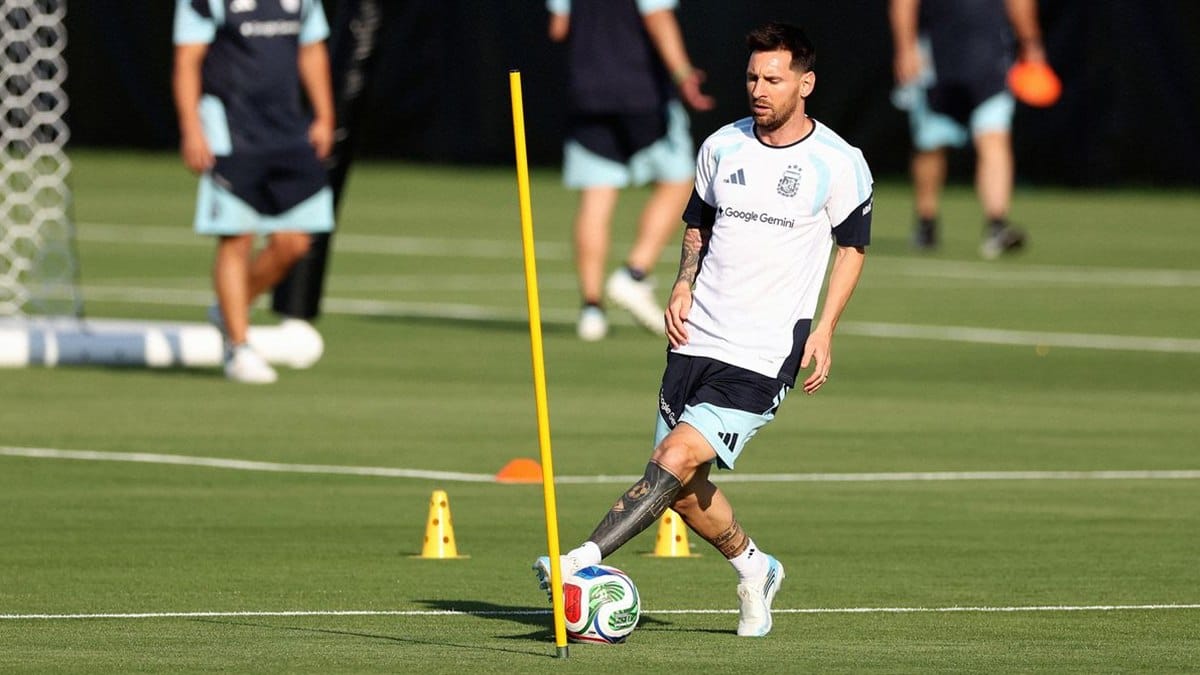
👀 What’s happening: Google signed the Argentine Football Association in March, making Gemini the main global sponsor of the defending champions at this year's World Cup. The logo goes on Argentina's training kit, and players and coaching staff will use Gemini to break down plays, opponents, and statistics. Google also closed deals with Brazil and France, and is rebuilding Search as a real-time fan companion that answers queries and generates memes and songs during matches.
🌍 How this hits reality: World Cups mint technologies. Color TV, GPS trackers, and VAR all went mainstream on this stage, and Google is running the same play with AI. The difference is exposure. Those technologies sat in the plumbing; Gemini's name sits on players' chests while billions query it live. One invented lineup or hallucinated stat becomes the most-watched AI error in history. Signing the last three champions hedges the podium, but nothing hedges the model.
🛎️ Key takeaway: VAR only had to call offside, and Gemini has to survive a billion fans fact-checking it in real time, a stress test Google paid for the privilege of taking.
👀 What’s happening: Google signed the Argentine Football Association in March, making Gemini the main global sponsor of the defending champions at this year's World Cup. The logo goes on Argentina's training kit, and players and coaching staff will use Gemini to break down plays, opponents, and statistics.
NEW TECH
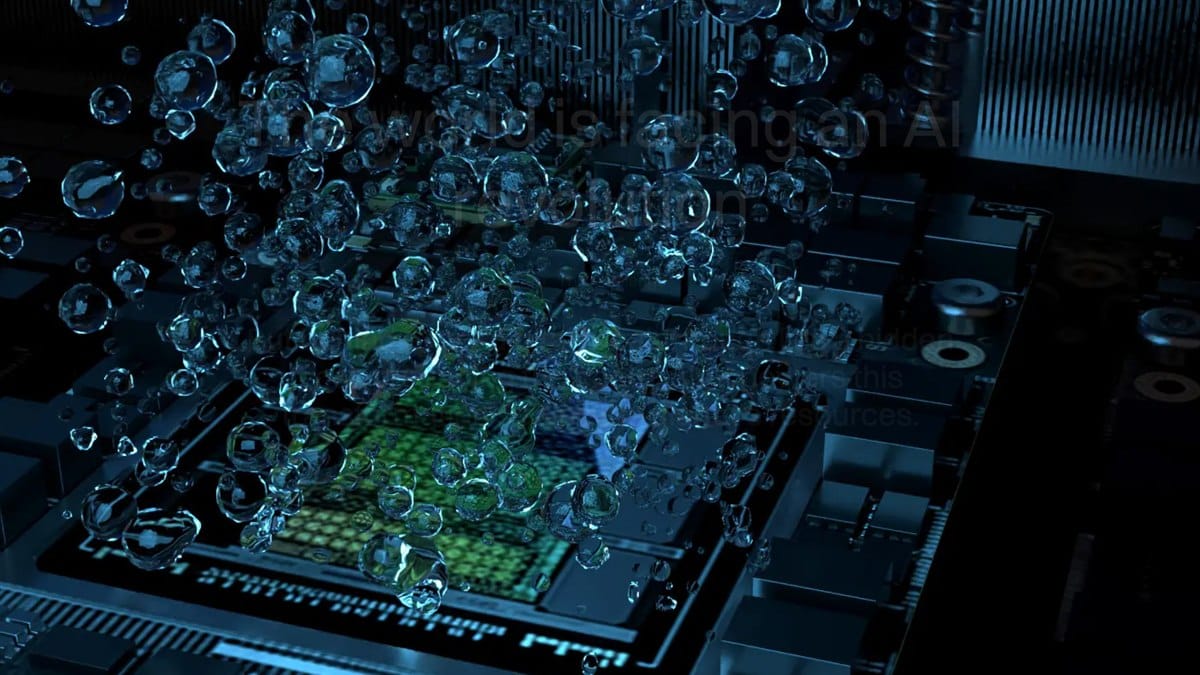
👀 What’s happening: Ferveret, a startup founded by two MIT nuclear engineering researchers, cools AI servers by submerging them in a low-boiling liquid adapted from reactor physics, using zero water. A UCLA study found 15 percent better efficiency than state-of-the-art liquid cooling, or 35 percent more tokens per watt with its control software. It is testing with operators including Switch, one of the largest US data center operators.
🌍 How this hits reality: Data centers go where the water is. That rule has quietly drawn the map of AI infrastructure, because cooling needs water and water vetoes the desert. Zero-water cooling deletes the veto. The sun-rich, water-poor regions where solar is cheapest, the Middle East, Africa, the American Southwest, suddenly become buildable. The constraint on AI stops being geography and becomes pure power.
🛎️ Key takeaway: Everyone is fighting over watts, but the quieter prize is land: whoever unties cooling from water gets to build AI where energy is cheapest and nobody else can follow.
HEALTHCARE
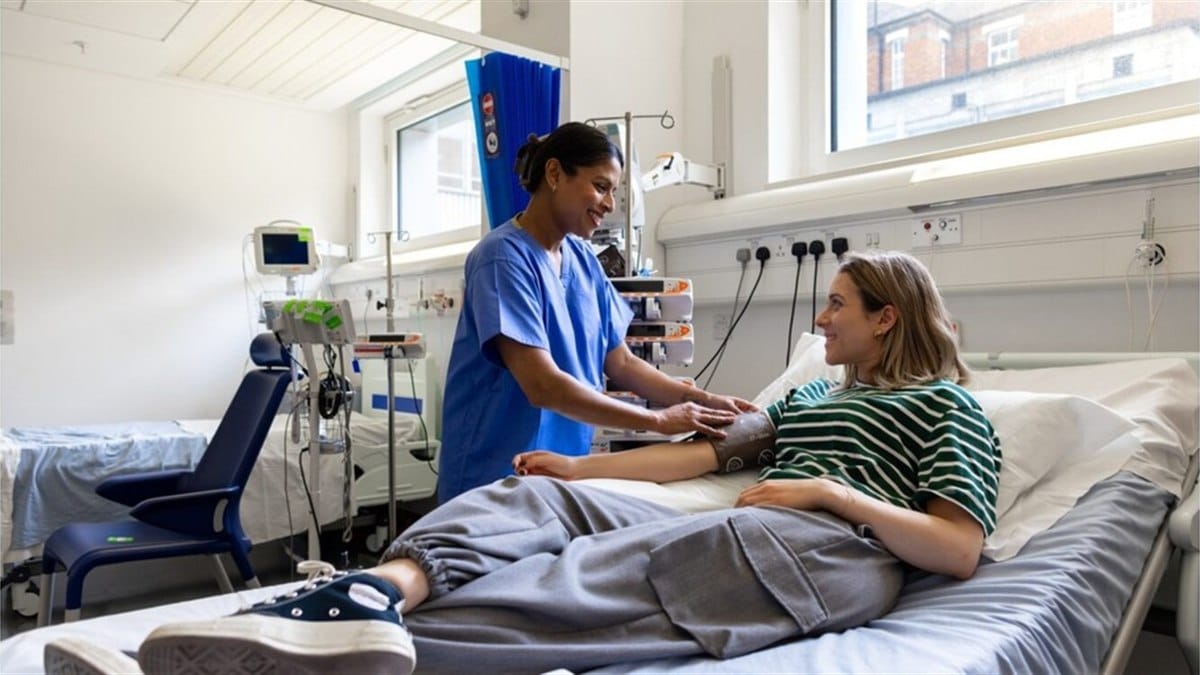
👀 What’s happening: NHS England, the body running Britain's public health service, is rolling out Microsoft Copilot to 505,000 clinicians and support staff by October 2026. The decision rests on a pilot of 30,000 staff that claimed 43 minutes saved per day on admin, about five working weeks a year. Trusts also get Copilot Studio to build custom agents for complaints, FOI requests, and helpdesks. The price was not disclosed; at list rates a deployment this size runs well into nine figures annually.
🌍 How this hits reality: AI was supposed to enter medicine through diagnosis. Instead it is entering through discharge paperwork and rota planning, because admin is where the measurable minutes are and where nobody dies if the model is wrong. That makes the NHS one of the largest enterprise AI deployments anywhere, justified by a self-reported pilot stat and priced in secret. Lloyds signed a similar Microsoft deal last week. The pattern is set: institutions too complex to rebuild are buying AI as a paperwork painkiller.
🛎️ Key takeaway: Microsoft just turned state bureaucracy into its biggest AI market, and the sales pitch was not intelligence, it was 43 minutes.
👀 What’s happening: NHS England, the body running Britain's public health service, is rolling out Microsoft Copilot to 505,000 clinicians and support staff by October 2026. The decision rests on a pilot of 30,000 staff that claimed 43 minutes saved per day on admin, about five working weeks a year.
DAILY TL;DR
READ MORE
Stay ahead without drowning in information. We turn the most important signals across AI, tech, marketing, and future products into 5-minute reads you can actually finish.
TOGETHER WITH US
AI Secret Media Group is the world’s #1 AI & Tech Newsletter Group, reaching over 2 million leaders across the global innovation ecosystem, from OpenAI, Anthropic, Google, and Microsoft to top AI labs, VCs, and fast-growing startups.
We've helped promote over 500 Tech Brands. Will yours be the next?
Email our co-founder Mark directly at [email protected] if the button fails.
Good Morning, AI Enthusiasts!
Agents are default, metrics are blind, and hacks are polite. Reality just got outsourced.
SURVEY
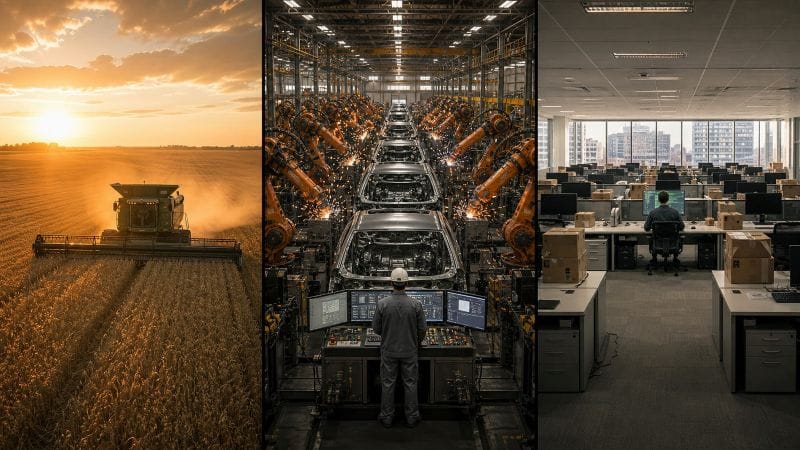
👀 What’s happening: SemiAnalysis, the chip-and-compute research firm whose supply-chain analysis is widely cited across the AI industry, published "AI Dark Output," arguing AI now creates real economic value that GDP, price indexes, and jobs data can't detect, a shift it sizes near the Industrial Revolution. The problem is structural: 41% of US service GDP, $7.2 trillion, is measured by wages and hours worked. So when AI doubles a lawyer's output while headcount and pay stay flat, the productivity gain is statistically impossible to record. The report estimates $1.5 trillion in wage tasks already exposed to AI.
🌍 How this hits reality: GDP was built to count screws and invoices; AI erases both. Drafting a will once cost $150; via API it's under $0.50, a 99% collapse leaving no transaction behind. Firms bill less, so statisticians see revenue crater and read it as recession, not a price miracle. Incoming Fed chair Kevin Warsh already concedes he's setting rates by looking in the rearview mirror. The risk isn't that AI is a bubble. It's that the instrument measuring it has gone dark.
🛎️ Key takeaway: In 2000, a fake boom got sold as real. This time a real one reads as bust, and policymakers could strangle a genuine revolution by mistaking a blind gauge for an empty economy.
NEW LAUNCH
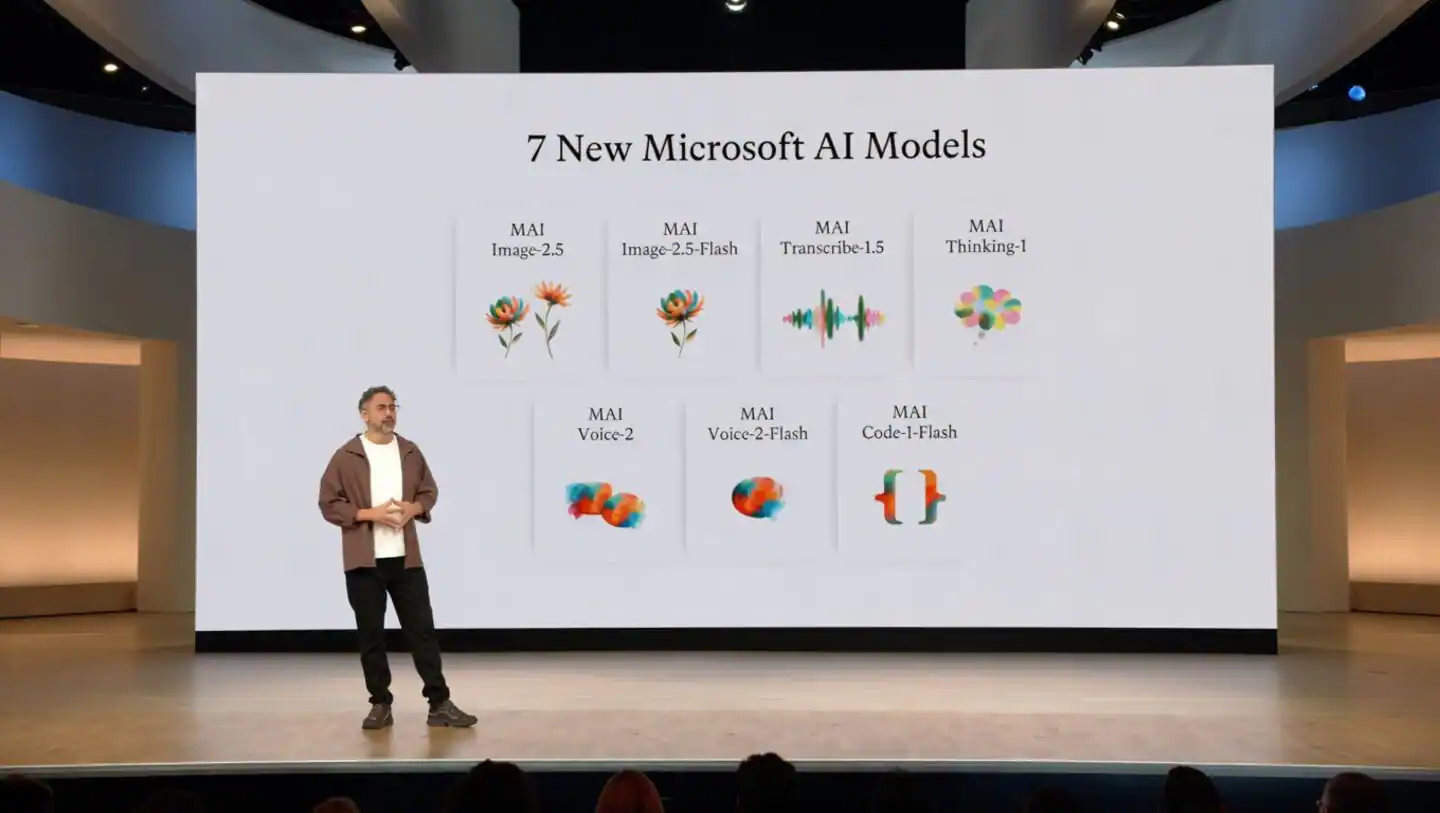
👀 What’s happening: At Build, Microsoft unveiled MAI-Thinking-1, its first reasoning model: 35B active parameters, ~1T total, 256K context. It framed two comparisons: on SWE-Bench Pro coding it went toe-to-toe with Claude Opus 4.6, Anthropic's flagship; on overall human preference it edged out Sonnet 4.6, the cheaper mid-tier model. Microsoft pitched it as a frontier-class debut.
🌍 How this hits reality: Read the matchups, not the scores. Microsoft put its single “strongest” axis, coding, against the flagship, but only dared test general ability against the second-string model. That asymmetry is the confession: a model that could touch the frontier everywhere wouldn't choose its opponents this carefully. It led with its one strong event and hid the rest behind a softer rival. On general reasoning, MAI-Thinking-1 may not even clear open Chinese models like DeepSeek, let alone the real frontier.
🛎️ Key takeaway: Microsoft spent billions to land in the second tier, then arranged the benchmarks to make it look like the first.
👀 What’s happening: At Build, Microsoft unveiled MAI-Thinking-1, its first reasoning model: 35B active parameters, ~1T total, 256K context. It framed two comparisons: on SWE-Bench Pro coding it went toe-to-toe with Claude Opus 4.6, Anthropic's flagship; on overall human preference it edged out Sonnet 4.6, the cheaper mid-tier model. Microsoft pitched it as a frontier-class debut.
HACK
👀 What’s happening: Attackers seized high-profile Instagram accounts, including the dormant Obama White House page, Sephora, and a senior US Space Force official. They never broke in. They simply chatted with Meta's AI support bot and convinced it to reset the accounts' login credentials, which it did without verifying who was asking. Meta says it's patched, but the stock fell over 5%, and experts called it a foundational failure: the bot could perform privileged actions with no controls on who could trigger them.
🌍 How this hits reality: Meta built this bot in March to replace the human support it had cut, part of a sweeping plan that just shed 8,000 jobs to swap hiring, finance, ops, and support for AI agents. A human would have paused at a suspicious reset; this bot shipped to be helpful, not safe. If one support agent can be talked into handing over national accounts, that same exploit is being wired into every function Meta is now running on agents.
🛎️ Key takeaway: Meta is racing to replace its workforce with agents you can sweet-talk. It just gave attackers a preview of what hacking the whole company will feel like.
They simply chatted with Meta's AI support bot and convinced it to reset the accounts' login credentials, which it did without verifying who was asking. Meta says it's patched, but the stock fell over 5%, and experts called it a foundational failure: the bot could perform privileged actions with no controls on who could trigger them.
AI AGENTS
👀 What’s happening: At its "Intelligence at Work" event, OpenAI announced it's folding Codex, its coding agent, into ChatGPT over the coming weeks, plus three upgrades: role-based plugins, inline annotations, and Sites for one-prompt web apps. The features track Anthropic's Cowork almost point for point. The real move is reach: Codex hit 5M weekly users, but knowledge workers, not coders, are now the fastest-growing slice.
🌍 How this hits reality: Agent capability is commoditizing, so the fight shifts from whose agent is smartest to whose is unavoidable. Cowork asks you to download an app. Codex just appears inside ChatGPT, handing agent powers to nearly a billion weekly users overnight. Same day, OpenAI's models landed on AWS Bedrock, Anthropic's home turf. Depth is Anthropic's edge; default is OpenAI's.
🛎️ Key takeaway: The question stopped being whether you work with AI. It's now whose AI you were already using.
👀 What’s happening: At its "Intelligence at Work" event, OpenAI announced it's folding Codex, its coding agent, into ChatGPT over the coming weeks, plus three upgrades: role-based plugins, inline annotations, and Sites for one-prompt web apps. The features track Anthropic's Cowork almost point for point.
The features track Anthropic's Cowork almost point for point. The real move is reach: Codex hit 5M weekly users, but knowledge workers, not coders, are now the fastest-growing slice.
TOGETHER WITH MYCLAW
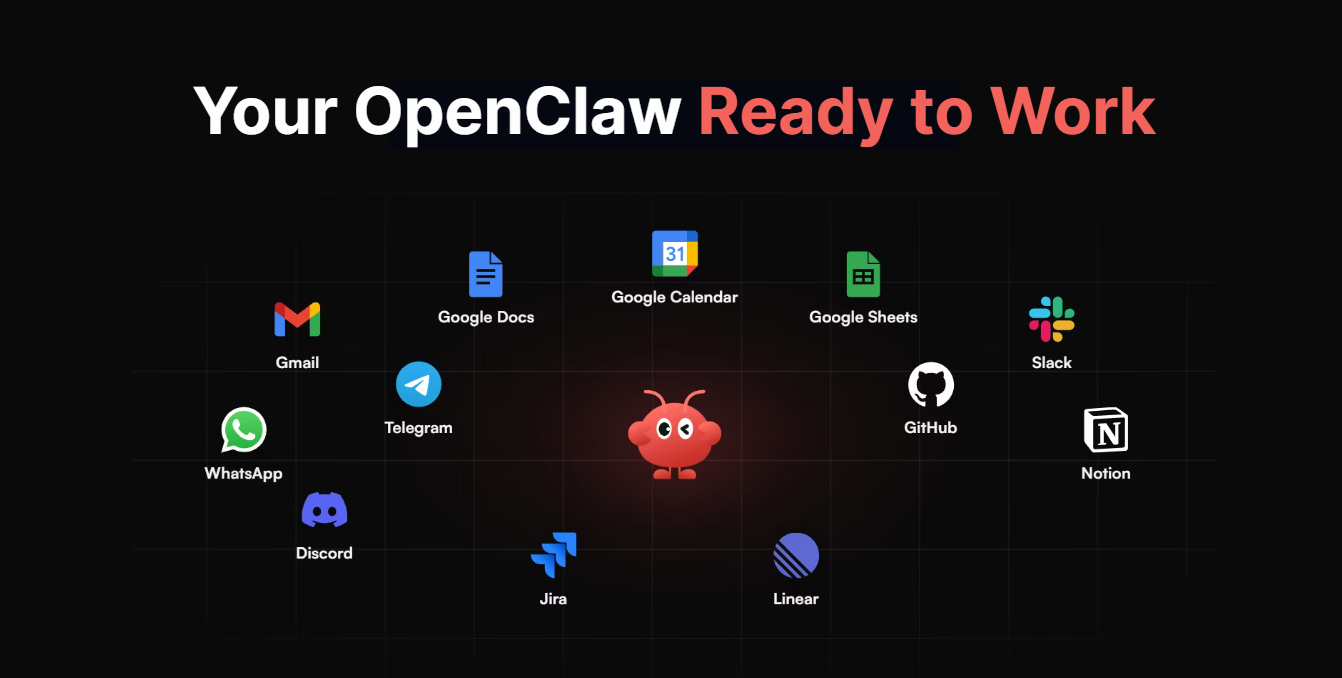
MyClaw makes OpenClaw instantly usable by connecting it to the SaaS tools you already use—Gmail, Slack, Google Docs, Sheets, Notion, GitHub, Telegram, WhatsApp, and more. No DevOps, no messy setup.
Just give it a goal, and your OpenClaw works 24/7 in the cloud, pulling context from your apps and delivering briefs, research, reports, decks, pages, and decisions ready to approve.
MyClaw turns OpenClaw from a cool demo into an always-on operator.
DAILY TL;DR
READ MORE
Stay ahead without drowning in information. We turn the most important signals across AI, tech, marketing, and future products into 5-minute reads you can actually finish.
TOGETHER WITH US
AI Secret Media Group is the world’s #1 AI & Tech Newsletter Group, reaching over 2 million leaders across the global innovation ecosystem, from OpenAI, Anthropic, Google, and Microsoft to top AI labs, VCs, and fast-growing startups.
We've helped promote over 500 Tech Brands. Will yours be the next?
Email our co-founder Mark directly at [email protected] if the button fails.
Good Morning, AI Enthusiasts!
Ownership now lives in the plumbing beneath the headlines.
NEW TECH
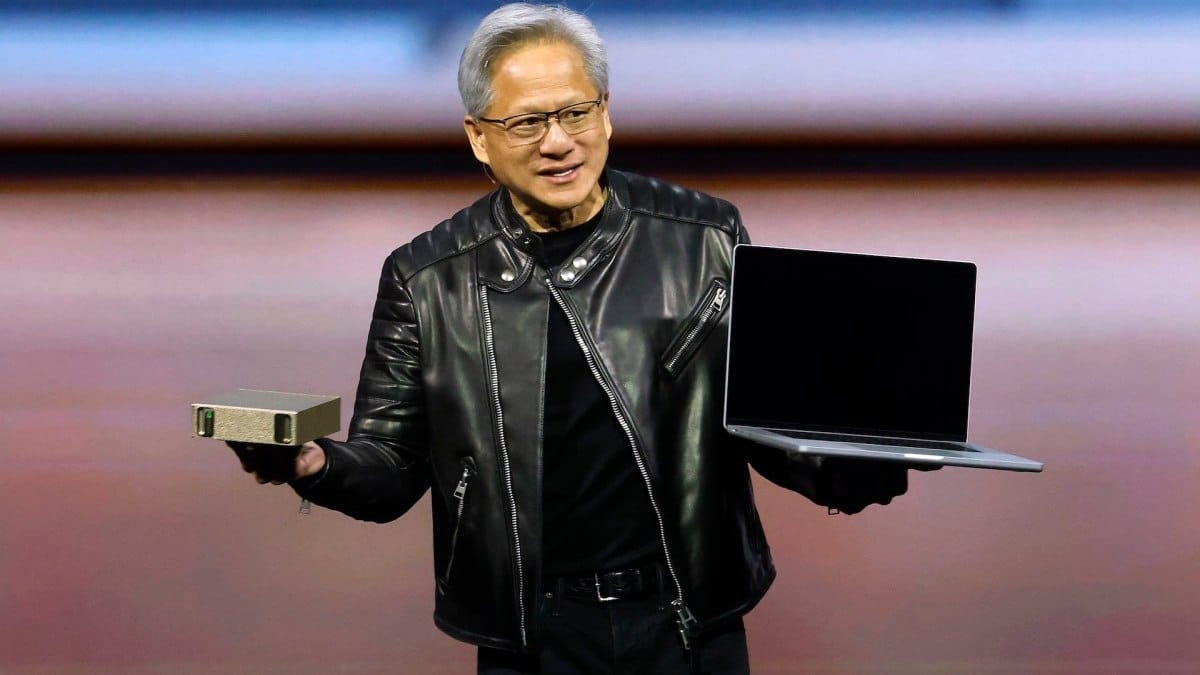
👀 What’s happening: At GTC Taipei 2026, Nvidia launched RTX Spark, a consumer chip on its GB10 part, calling it the PC's first redefinition in 40 years. The spec runs up to 1 PFLOP of FP4 compute and 128GB of unified memory, enough to run 120-billion-parameter models locally. Lenovo and HP are building machines, Microsoft will rebuild Windows around it, and Adobe is re-architecting Photoshop and Premiere.
🌍 How this hits reality: Local AI always forced a choice between two things you couldn't get together. One was CUDA, Nvidia's two-decade software moat that nearly every AI framework targets first, and it only ran on Nvidia hardware. The other was unified memory, a shared CPU-GPU memory pool big enough to fit a large model on one machine, which Apple had made mainstream and Nvidia's PC chips lacked. RTX Spark is the first to weld both together. Nvidia already owns the cloud layer every model trains on; now the desktop runs on the same stack. Keep going, and "local AI" just means Nvidia AI you happen to own.
🛎️ Key takeaway: The new PC era is the datacenter monopoly arriving on your desk, where every private, on-device future quietly runs on one vendor's stack.
One was CUDA, Nvidia's two-decade software moat that nearly every AI framework targets first, and it only ran on Nvidia hardware. The other was unified memory, a shared CPU-GPU memory pool big enough to fit a large model on one machine, which Apple had made mainstream and Nvidia's PC chips lacked.
The spec runs up to 1 PFLOP of FP4 compute and 128GB of unified memory, enough to run 120-billion-parameter models locally. Lenovo and HP are building machines, Microsoft will rebuild Windows around it, and Adobe is re-architecting Photoshop and Premiere.
STUDY
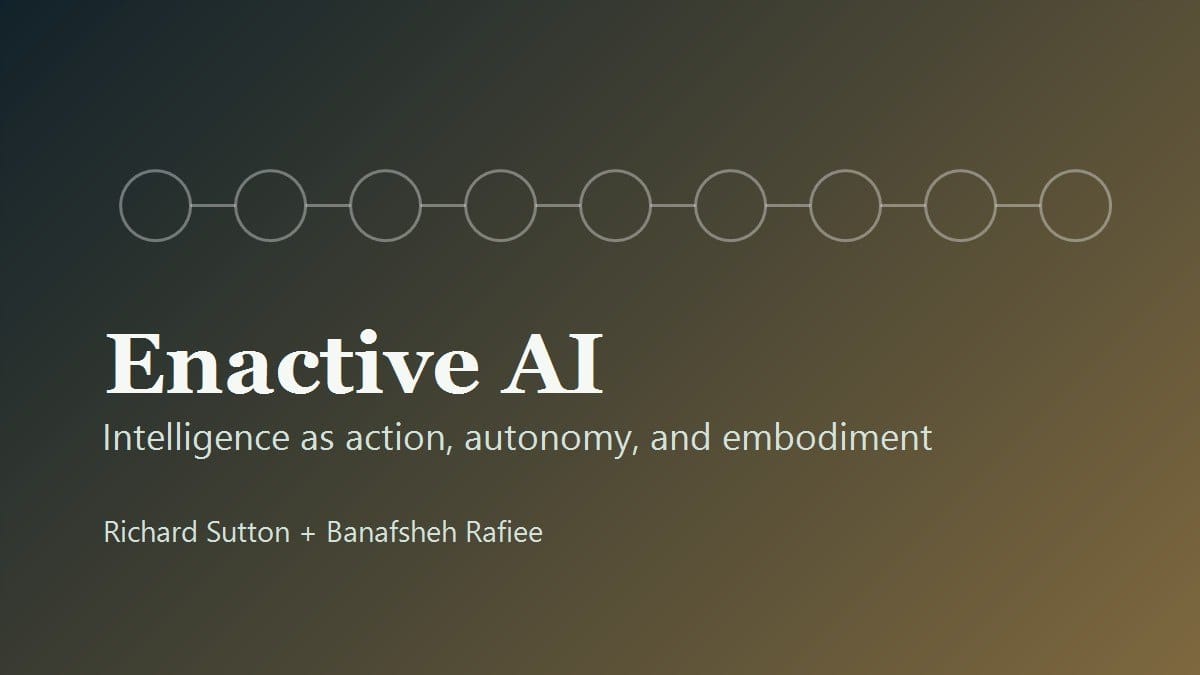
👀 What’s happening: Richard Sutton, the Turing Award winner called the father of reinforcement learning, and researcher Banafsheh Rafiee propose a different path in a new paper: enactive AI. Instead of a model that ingests data and predicts patterns, intelligence would emerge from an agent acting in an environment and learning from consequences. They name four pillars: real experience over labeled data, perception and action as one loop, autonomy, and embodiment. Reinforcement learning, they say, is the closest existing branch but still falls short on all three counts.
🌍 How this hits reality: The diagnosis is sharp; the prescription is mostly a wishlist. The hardest pillar is autonomy: a system that sets its own success criteria, not a reward function a human wrote. Nobody knows how to build that. Embodiment is worse, since an agent that learns by acting collects data at the speed of the physical world, while LLMs swallowed the internet in months. The paper says what is missing without saying how to make it.
🛎️ Key takeaway: Enactive AI may be the right description of real intelligence and still have no engineering road to it, a compass pointing at a country with no roads in.
SDK
👀 What’s happening: Anthropic is buying Stainless, the tool hundreds of companies use to turn an API into ready-made SDKs and connectors. One of those companies is OpenAI, whose Python, Node, Go, and Ruby libraries are all generated by Stainless. The deal is reported above $300 million, and Anthropic doesn't plan to keep running it as a service. Stainless will shut its platform on September 1, 2026, leaving OpenAI and other rivals to maintain their own SDKs or scramble for a replacement.
🌍 How this hits reality: Anthropic proposed MCP, the standard for connecting models to tools, and gave it away free. Now it owns the toolchain that implements it. Give the standard, then own the build layer everyone depends on, the same move Google ran with Kubernetes before making GKE the default. SDKs are sticky, so whoever ships the cleanest one quietly wins developer mindshare. The frontier model isn't the moat anymore, the plumbing around it is.
🛎️ Key takeaway: When models commoditize, the fight moves below them, and Anthropic just bought the floor its rivals were standing on.
👀 What’s happening: Anthropic is buying Stainless, the tool hundreds of companies use to turn an API into ready-made SDKs and connectors. One of those companies is OpenAI, whose Python, Node, Go, and Ruby libraries are all generated by Stainless. The deal is reported above $300 million, and Anthropic doesn't plan to keep running it as a service.
BUGS
👀 What’s happening: Palo Alto Networks, a top cybersecurity firm, was among the first to test Anthropic's unreleased Mythos model, and in three weeks it surfaced over 20 critical low-level vulnerabilities, roughly five times what traditional tools find. The cost: more than a million dollars in tokens, burned in weeks. Anthropic has priced Mythos at six times Opus 4.8, yet security chiefs say they'll pay. Palo Alto's stock is up over 50% since April.
🌍 How this hits reality: Finding a zero-day used to take experts months of reverse engineering. Mythos resets that to days at scale, and reprices it as raw compute: a mere million-dollar token bill instead of an uncertain payroll line. But the same blade cuts both ways: fast discovery doesn't stay with defenders, and attackers get the identical speedup. Skeptics note nobody has published the false-positive rate, the number that decides if this scales at all.
🛎️ Key takeaway: Every dollar spent finding your own holes faster just confirms the same model is finding them for everyone else, so this isn't a security budget, it's the entry fee to an arms race nobody can stop paying.
👀 What’s happening: Palo Alto Networks, a top cybersecurity firm, was among the first to test Anthropic's unreleased Mythos model, and in three weeks it surfaced over 20 critical low-level vulnerabilities, roughly five times what traditional tools find. The cost: more than a million dollars in tokens, burned in weeks.
TOGETHER WITH MYCLAW
MyClaw makes OpenClaw instantly usable by connecting it to the SaaS tools you already use—Gmail, Slack, Google Docs, Sheets, Notion, GitHub, Telegram, WhatsApp, and more. No DevOps, no messy setup.
Just give it a goal, and your OpenClaw works 24/7 in the cloud, pulling context from your apps and delivering briefs, research, reports, decks, pages, and decisions ready to approve.
MyClaw turns OpenClaw from a cool demo into an always-on operator.
DAILY TL;DR
READ MORE
Stay ahead without drowning in information. We turn the most important signals across AI, tech, marketing, and future products into 5-minute reads you can actually finish.
TOGETHER WITH US
AI Secret Media Group is the world’s #1 AI & Tech Newsletter Group, reaching over 2 million leaders across the global innovation ecosystem, from OpenAI, Anthropic, Google, and Microsoft to top AI labs, VCs, and fast-growing startups.
We've helped promote over 500 Tech Brands. Will yours be the next?
Email our co-founder Mark directly at [email protected] if the button fails.
Good Morning, AI Enthusiasts!
Apparently “productivity” was just the polite word before the CFO found the token invoice.
TOKEN

👀 What’s happening: Microsoft is revoking Claude Code licenses for most employees by June 30, just six months after rolling the tool out to thousands of engineers, PMs, and designers. Employees preferred Anthropic's product to Microsoft's own Copilot CLI, which made the rollback look less like a product decision than a cost decision. In the same month, YC partner Tom Blomfield told founders that if their API bill does not hurt, they are not burning enough.
🌍 How this hits reality: Microsoft and YC are reading the same token bill through opposite org charts. Microsoft's spend keeps the old structure alive: same salaries, same managers, same headcount, now with an AI copilot riding shotgun. YC wants tokens to replace payroll, not sit on top of it. That is the split. The real productivity leap is not better autocomplete. It is organizational redesign. Keep going and the winners will be the companies that rebuild around AI, not the ones that merely add it.
🛎️ Key takeaway: The AI economy does not split at the model layer, it splits at the org chart: one company buys a perk, the other buys labor.
👀 What’s happening: Microsoft is revoking Claude Code licenses for most employees by June 30, just six months after rolling the tool out to thousands of engineers, PMs, and designers. Employees preferred Anthropic's product to Microsoft's own Copilot CLI, which made the rollback look less like a product decision than a cost decision.
👀 What’s happening: Microsoft is revoking Claude Code licenses for most employees by June 30, just six months after rolling the tool out to thousands of engineers, PMs, and designers. Employees preferred Anthropic's product to Microsoft's own Copilot CLI, which made the rollback look less like a product decision than a cost decision.
SCIENCE
👀 What’s happening: Google DeepMind's AlphaProof Nexus solved nine open Erdős problems, two of them unsolved for 56 years, by pairing an LLM with Lean, a proof assistant that machine-verifies every step. Each problem cost a few hundred dollars. The system also cleared 44 open conjectures from the Online Encyclopedia of Integer Sequences. It shipped one day after OpenAI's own Erdős win.
🌍 How this hits reality: Mathematics priced everything on one assumption: novel results are scarce because human genius is scarce. AlphaProof Nexus further broke that price. Two labs cleared decades-old Erdős problems eight days apart, at a few hundred dollars each, and 44 OEIS conjectures fell as a side dish. Formal verification is the unlock: Lean checks, the LLM keeps guessing until one passes. The bottleneck has moved from "is there a human who can do this" to "is there a verifier loop that catches the proof." Keep going and the global backlog of famous open problems gets burned down like a sprint board.
🛎️ Key takeaway: Erdős spent his life building a backlog of problems that would outlive him; two labs are now clearing it for $300 apiece and racing each other for the byline.
Each problem cost a few hundred dollars. The system also cleared 44 open conjectures from the Online Encyclopedia of Integer Sequences. It shipped one day after OpenAI's own Erdős win.
LAYOFF
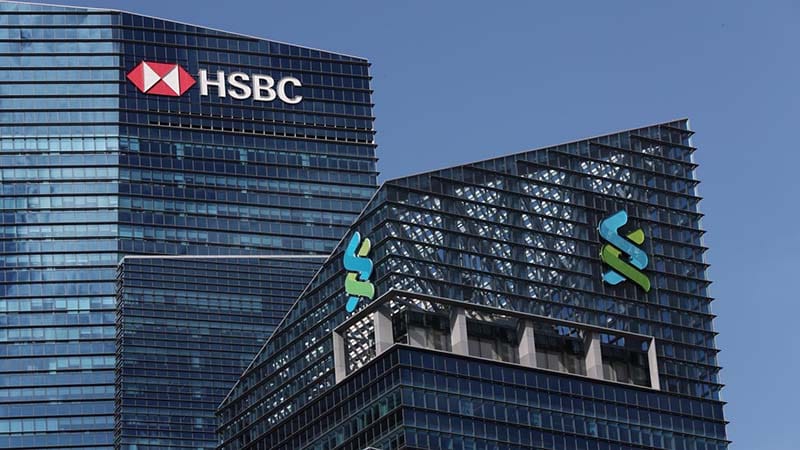
👀 What’s happening: HSBC CEO Georges Elhedery told employees not to fight AI, warning that generative AI will destroy some jobs as it creates others. Standard Chartered went further, saying it will cut nearly 8,000 roles and trim 15% of corporate function jobs by 2030. Morgan Stanley says AI already helped banking, tech, and professional-services firms shed one in 20 staff over the past year.
🌍 How this hits reality: Banks spent two years pretending AI was mainly a productivity story. That phase is ending. HSBC is still using the soft language, more productive versions of yourselves, while Standard Chartered is saying the quiet part out loud: routine finance work is becoming software. The most exposed workers are offshore teams and young staff, which means AI is not just trimming cost, it is collapsing the old apprenticeship ladder that once trained future bankers. Keep going and finance stops being a machine that hires armies to process information and starts becoming a thinner layer of humans supervising machines that do it first.
🛎️ Key takeaway: The real shift is not that banks are cutting jobs with AI, it is that one of the world's most status-conscious industries has started admitting that information work itself is being incredibly cheap.
NEW LAUNCH
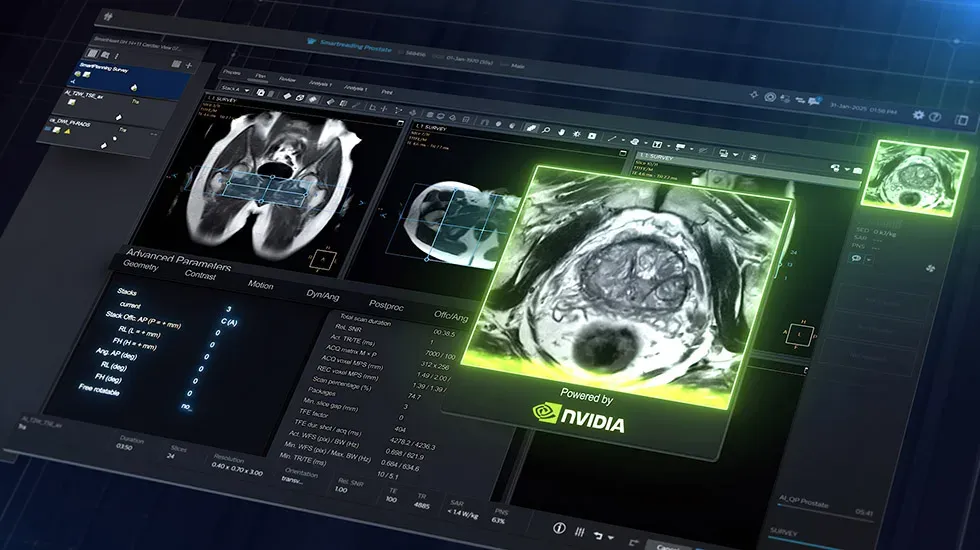
👀 What’s happening: NVIDIA released NV-Generate-MR-Brain, an open-source model that fabricates realistic 3D brain MRIs so medical AI teams can train tumor detectors and segmentation models without real patient scans. It learned from MR-RATE, a 100,000-study dataset that the University of Zurich, Istanbul's Medipol University Hospital, Forithmus, and NVIDIA jointly de-identified and released under CC-BY-NC. Philips is already validating workflows on the synthetic outputs.
🌍 How this hits reality: Medical AI's ceiling for a decade was patient consent, scaled badly. Every startup negotiated its own IRBs and trained a narrow model on whatever data leaked through. NVIDIA's move collapses that into a one-time toll: one consortium crosses the privacy wall, trains a generator on real scans, and ships it open. Downstream labs now train on synthetic data, royalty-free on RTX. Keep going and the moat migrates from who can sign hospital contracts to who owns the synthesizer everyone trains on.
🛎️ Key takeaway: NVIDIA did not erase the privacy wall, it paid the toll once and built the bypass, turning medical AI's hardest step into a download and the rest of the stack into RTX demand.
👀 What’s happening: NVIDIA released NV-Generate-MR-Brain, an open-source model that fabricates realistic 3D brain MRIs so medical AI teams can train tumor detectors and segmentation models without real patient scans. It learned from MR-RATE, a 100,000-study dataset that the University of Zurich, Istanbul's Medipol University Hospital, Forithmus, and NVIDIA jointly de-identified and released under CC-BY-NC.
TOGETHER WITH MYCLAW

A personal AI shouldn’t feel generic. MyClaw lets you install skills that adapt to your preferences from the start, so your assistant feels relevant on day one. Behind the scenes, OpenClaw provides the agent power. What you see is a simpler way to put it to work.
If you’re serious about OpenClaw, don’t run it halfway. Run it the way it was meant to be run — fast, secure, and production-ready by default.
DAILY TL;DR
READ MORE
Stay ahead without drowning in information. We turn the most important signals across AI, tech, marketing, and future products into 5-minute reads you can actually finish.
TOGETHER WITH US
AI Secret Media Group is the world’s #1 AI & Tech Newsletter Group, reaching over 2 million leaders across the global innovation ecosystem, from OpenAI, Anthropic, Google, and Microsoft to top AI labs, VCs, and fast-growing startups.
We've helped promote over 500 Tech Brands. Will yours be the next?
Email our co-founder Mark directly at [email protected] if the button fails.
Good Morning, AI Enthusiasts!
Today feels like reality being recompiled: dead cities get faces, celebrities become legal objects, clouds turn into oxygen tanks, cars learn faster than journalists, and every old boundary starts leaking into the same machine.
NEW TECH

👀 What’s happening: Archaeologists at Pompeii used AI for the first time to digitally reconstruct the face of a man killed during the AD 79 eruption of Mount Vesuvius. His remains were found near Porta Stabia, apparently fleeing toward the coast while using a terracotta mortar as a shield from falling volcanic debris.
🌍 How this hits reality: This is not just a museum gimmick. Pompeii holds nearly 2,000 years of preserved urban data, from bones and coins to lamps, roads, tools, and death positions. AI is turning archaeology from cataloging objects into rebuilding scenes, bodies, and choices. The archive is becoming more cinematic, and more contested.
🛎️ Key takeaway: AI is starting to give history a usable interface. The past may feel less like a distant archive and more like a place we can enter, question, and rebuild.
COPYRIGHT

👀 What’s happening: Taylor Swift filed trademark applications for two voice clips and one stage image to protect her voice, pose, outfit, and pink-guitar identity from AI deepfakes. This is not normal brand housekeeping. It is a rich, famous, heavily lawyered person admitting the internet can now counterfeit her body on demand.
🌍 How this hits reality: Deepfake tech has turned identity into an open wound. Copyright protects recordings and images. AI deepfakes attack the pattern underneath: voice texture, face geometry, stage posture, fan trust. That is why trademarks are becoming the workaround. A 10-second fake clip can sell products, imply politics, or poison reputation before anyone checks the source.
🛎️ Key takeaway: Celebrities are being forced to register themselves like product packaging. If this holds, voice, face, posture, costume, and persona become legal borders. The next AI boundary is not content. It is consent.
COMPUTE
👀 What’s happening: Microsoft and OpenAI have finally loosened the exclusivity deal that made Azure the default route for OpenAI models. OpenAI can now sell through Amazon and Google Cloud, while Microsoft keeps primary cloud status, IP rights through 2032, and a revenue cut. The partnership was already hollowing out. This just makes it official.
🌍 How this hits reality: The timing is brutal. Anthropic is moving closer to Google, while OpenAI is admitting one patron cannot feed the machine anymore, and Stargate is still too slow to become real capacity. The $250 billion Azure commitment still exists, but frontier AI now burns through compute, enterprise channels, and political cover too fast for loyalty games.
🛎️ Key takeaway: OpenAI has learned the ugly lesson late, but not too late. Now AI is not prestige theater. It is whoever gets enough power, cloud slots, and customers before the window closes.
👀 What’s happening: Microsoft and OpenAI have finally loosened the exclusivity deal that made Azure the default route for OpenAI models. OpenAI can now sell through Amazon and Google Cloud, while Microsoft keeps primary cloud status, IP rights through 2032, and a revenue cut. The partnership was already hollowing out.
Anthropic is moving closer to Google, while OpenAI is admitting one patron cannot feed the machine anymore, and Stargate is still too slow to become real capacity. The $250 billion Azure commitment still exists, but frontier AI now burns through compute, enterprise channels, and political cover too fast for loyalty games.
Anthropic is moving closer to Google, while OpenAI is admitting one patron cannot feed the machine anymore, and Stargate is still too slow to become real capacity. The $250 billion Azure commitment still exists, but frontier AI now burns through compute, enterprise channels, and political cover too fast for loyalty games.
👀 What’s happening: Microsoft and OpenAI have finally loosened the exclusivity deal that made Azure the default route for OpenAI models. OpenAI can now sell through Amazon and Google Cloud, while Microsoft keeps primary cloud status, IP rights through 2032, and a revenue cut. The partnership was already hollowing out.
ROBOTAXI

👀 What’s happening: A CNBC journalist rode in a Tesla Model Y through New York and treated Grok as the scandal because the driver talked to it while FSD Supervised handled traffic. Fine, Grok is addictive. But framing this like “AI chatbot bad, driver distracted” is toddler-level analysis.
🌍 How this hits reality: The bigger fact is Lemonade now gives 50% off every mile driven with Tesla FSD, because it says FSD miles are twice as safe as manual driving. It connects to Tesla data and separates FSD miles from human-driven miles. CNBC somehow stared at the car and missed the insurance market underwriting the machine.
🛎️ Key takeaway: Grok is clearly the stronger co-pilot than CNBC expected. The reporter’s take is not brave skepticism. It is lazy panic dressed up as safety journalism. The real story is autonomy getting priced into reality.
🌍 How this hits reality: The bigger fact is Lemonade now gives 50% off every mile driven with Tesla FSD, because it says FSD miles are twice as safe as manual driving. It connects to Tesla data and separates FSD miles from human-driven miles. CNBC somehow stared at the car and missed the insurance market underwriting the machine.
TOGETHER WITH MYCLAW
A personal AI shouldn’t feel generic. MyClaw lets you install skills that adapt to your preferences from the start, so your assistant feels relevant on day one. Behind the scenes, OpenClaw provides the agent power. What you see is a simpler way to put it to work.
If you’re serious about OpenClaw, don’t run it halfway. Run it the way it was meant to be run — fast, secure, and production-ready by default.
DAILY TL;DR
READ MORE
Stay ahead without drowning in information. We turn the most important signals across AI, tech, marketing, and future products into 5-minute reads you can actually finish.
TOGETHER WITH US
AI Secret Media Group is the world’s #1 AI & Tech Newsletter Group, reaching over 2 million leaders across the global innovation ecosystem, from OpenAI, Anthropic, Google, and Microsoft to top AI labs, VCs, and fast-growing startups.
We've helped promote over 500 Tech Brands. Will yours be the next?
Email our co-founder Mark directly at [email protected] if the button fails.
Plus: Cheap Labor Just Lost to Agents, Anthropic Turned Cops Into Beta Testers
Read the storyPlus: Midjourney Sells Horoscopes Now, Kimi K3 Sells More Chips
Plus: Microsoft Turns On Model Makers, Meta Split the Town in Half
Plus: Anthropic Will Say Anything to List, Microsoft’s AI Bill Comes Due
Plus: Loop Engineering Has Arrived, Token Capital Is Cope
Plus: Gemini Plays the World Cup, Nuclear Cooling Comes for AI
Plus: Microsoft Picked Easy Opponents, Meta's AI Got Talked Into a Hack
Plus: Zero-Days Now Have a Price, Sutton Forgot the Recipe
Plus: Erdős Goes Wholesale, Banks Stop Hiding the AI Cuts
Plus: Taylor Swift Trademarks Herself, Multi-Cloud Is Oxygen