🛎️ Tim Cook Left An AI Mess
Plus: The Tacit Knowledge Just Died, Forecasting Is Becoming Zero-Shot
Read the story Subscribe
Executive chair, Apple
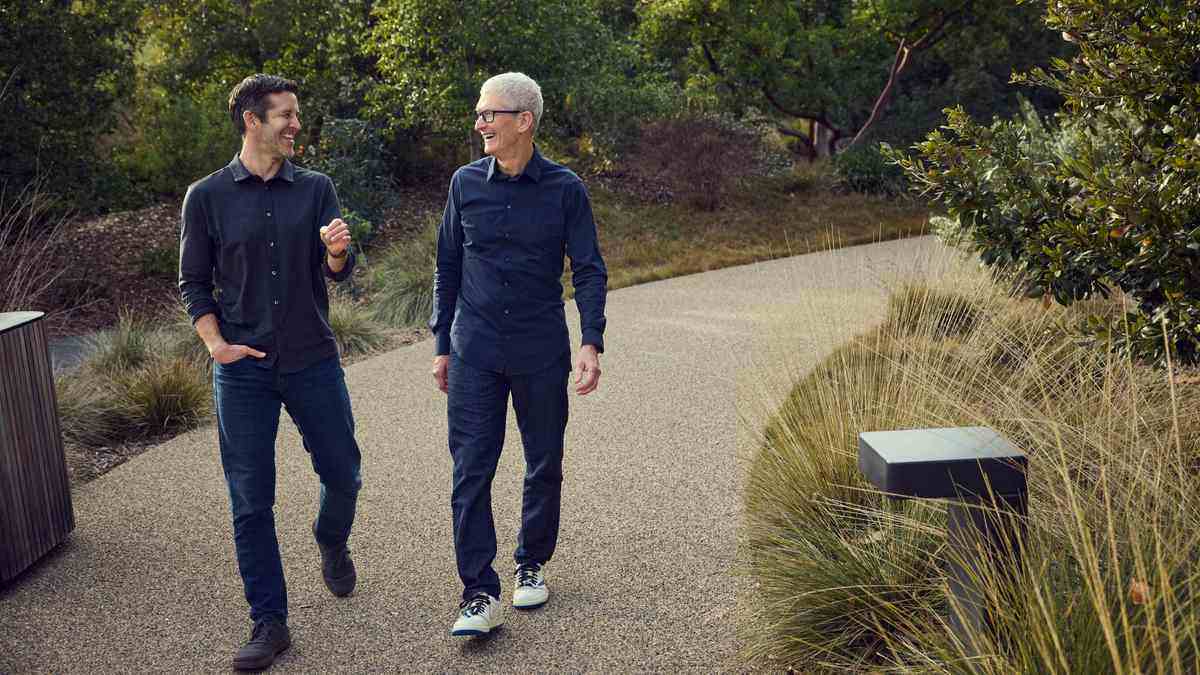
Tim Cook joined Apple in 1998 and built his career around its worldwide operations.
Get AI Secret’s free daily briefing, including Tim Cook and the wider AI industry.
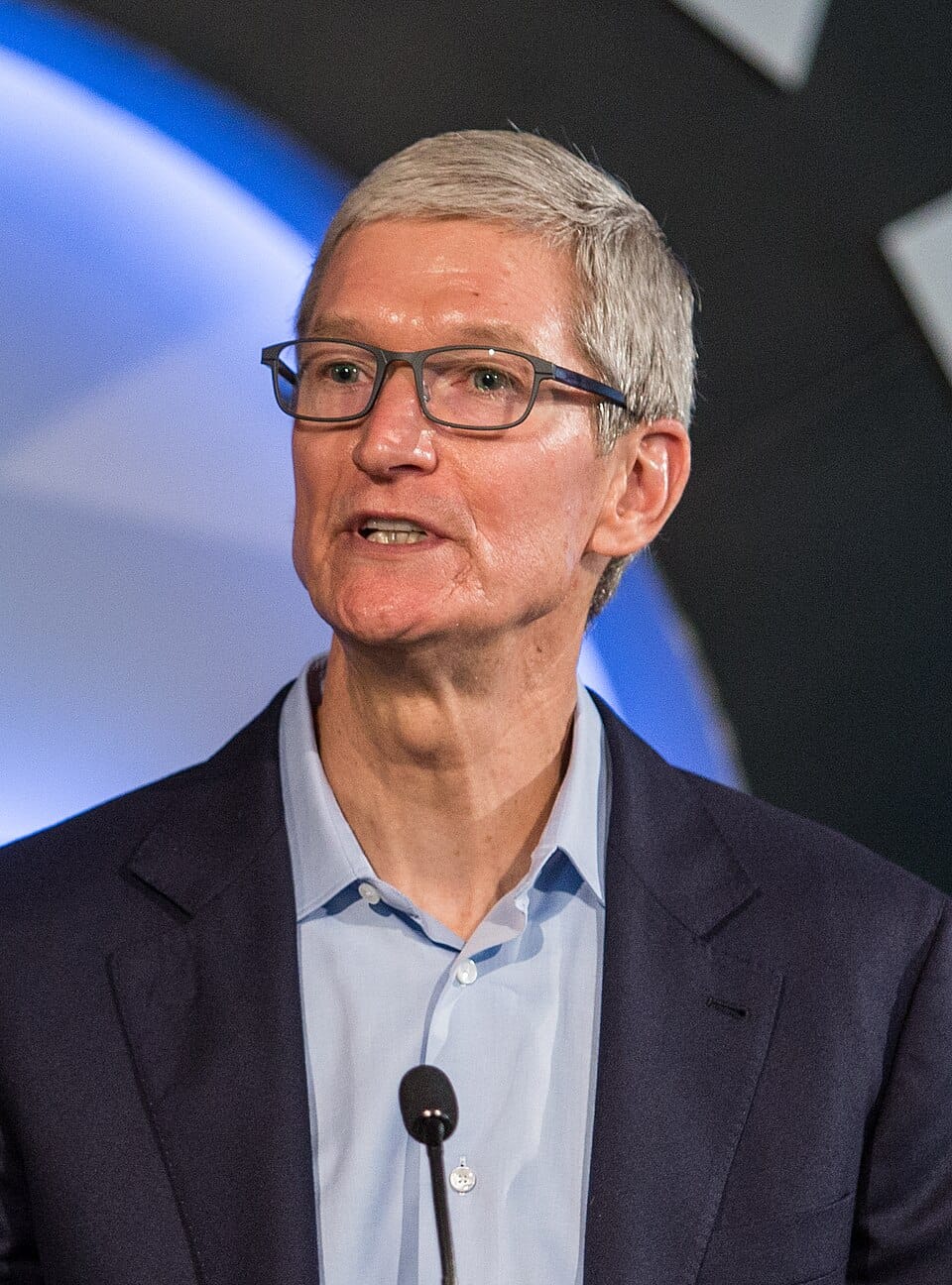
Tim Cook joined Apple in 1998 and built his career around its worldwide operations. He became CEO in 2011, overseeing new product categories, services and the transition to Apple silicon. In September 2026 he became executive chair as John Ternus took over as CEO.
Sources checked . Selected career milestones and biographical references.
Selected milestones, newest first. Explore earlier career below.
John Ternus succeeds him as CEO under the board-approved succession plan.
Source: AppleApple begins replacing Intel processors in Macs during his CEO tenure.
Source: WikipediaMore than 10 years ago.
The wearable becomes a new product category during his leadership.
Source: WikipediaHe takes responsibility for Apple’s worldwide sales and operations.
Source: WikipediaRelevant sections from the articles on this page. Explore older coverage below.
More coverage

Good Morning, AI Enthusiasts!
We spent centuries turning experience into expertise. AI is trying to turn expertise back into software.
APPLE
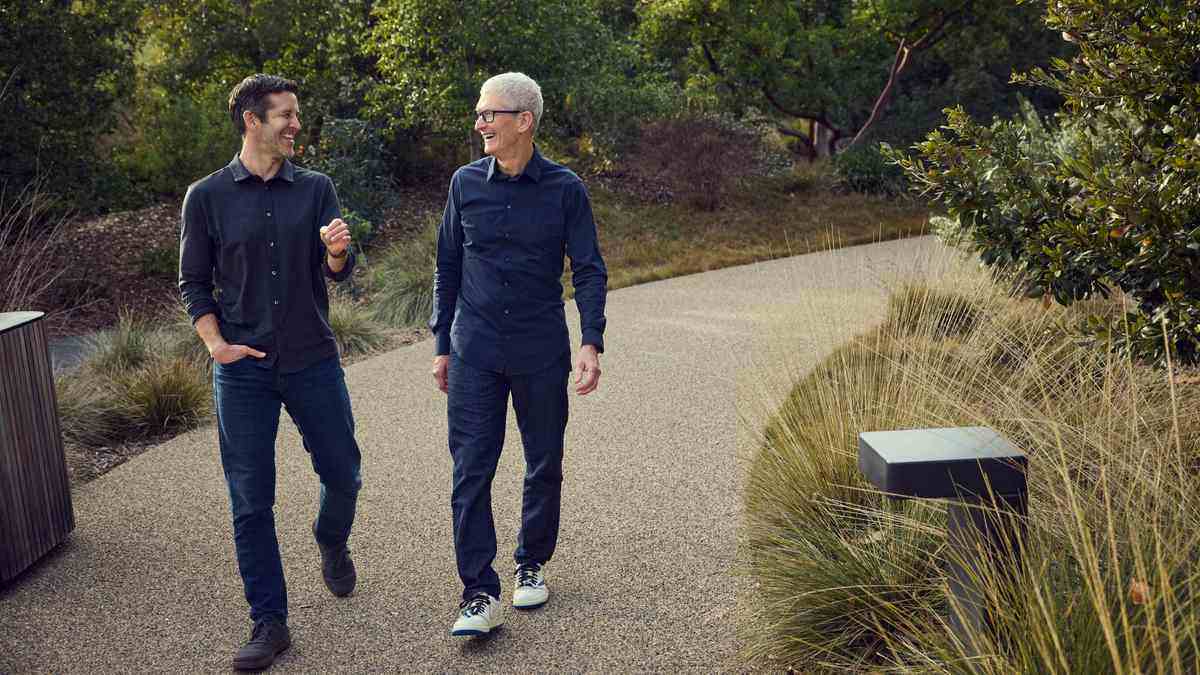
👀 What's happening: Tim Cook stepped down as Apple CEO on Sep 1st. Fifteen years. Revenue from $108 billion to $416 billion. Apple silicon replaced Intel. Watch and AirPods created new categories. The car was canceled. Vision Pro bombed. The machine was flawless. The one product it could not ship was AI.
🌍 How this hits reality: Cook's playbook was supply chain. It did not translate. Apple Intelligence landed soft. Siri was delayed twice. Apple is now paying Google for Gemini. The company that defined the smartphone is renting its assistant from the search bar. Ternus inherits a $4 trillion balance sheet and a model that is not ready. Cook is staying as executive chairman. The supply chain is still perfect. The thing the supply chain was asked to build next is not.
🛎️ Key takeaway: Cook spent 15 years proving execution beats vision. The one time vision mattered, execution was not the problem.
👀 What's happening: Tim Cook stepped down as Apple CEO on Sep 1st. Fifteen years. Revenue from $108 billion to $416 billion. Apple silicon replaced Intel.
Apple Intelligence landed soft. Siri was delayed twice. Apple is now paying Google for Gemini. The company that defined the smartphone is renting its assistant from the search bar.
NEW TECH
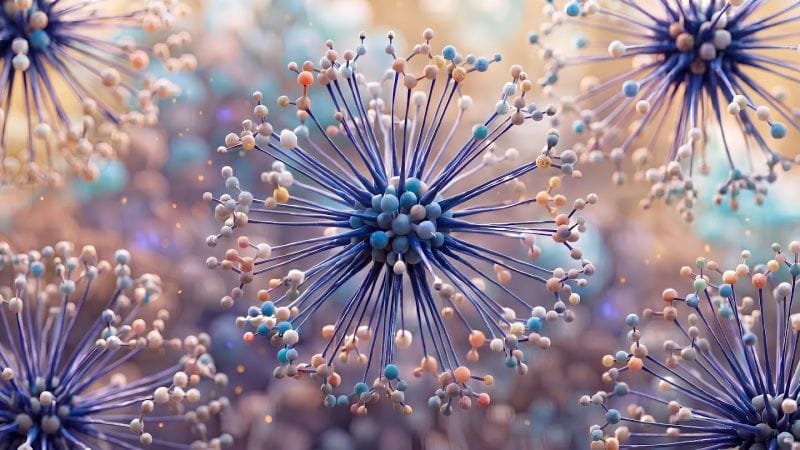
👀 What's happening: Google DeepMind's Co-Scientist, a multi-agent AI system built on Gemini, designed semiconductor recipes around the constraints of a real CVD reactor at Duke and turned them into machine instructions. It grew single-layer MoS₂ on the first attempt. Three materials, three first-try successes, including two the lab had never synthesized before. No historical recipe. Just the hardware constraints. It also proposed a new route toward directly synthesizing MXene, a material that has resisted bottom-up growth for years.
🌍 How this hits reality: Every fab, every lab, every materials company pays the same tax. The unwritten layer between a formula and a working wafer. Not knowledge you learn from a paper. Knowledge you absorb by burning months in front of a furnace. That was the moat of the semiconductor industry. Co-Scientist compressed that apprenticeship into minutes. It did not build a chip. It built the bridge that used to require a human, and that bridge is now a prompt.
🛎️ Key takeaway: The thing that kept a lab from becoming a fab was a person who knew the furnace. That person may be now another cheap part of the pipeline.
NEW LAUNCH
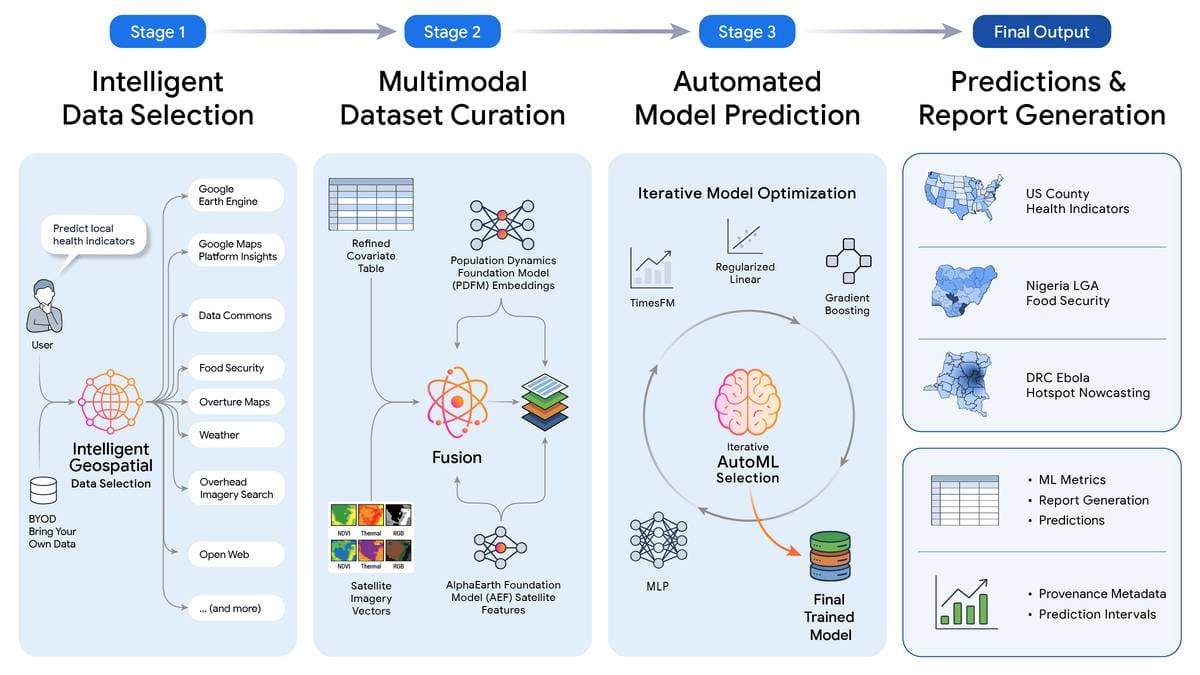
👀 What's happening: Google released TimesFM-3, a model that forecasts the future without training on your data. Upload a CSV, get a forecast. Trained on over a trillion time points, it ranks first on three major benchmarks, Gift-Eval, FEV-Bench, and Time, without any fine-tuning. It handles multiple variables at once: sales, foot traffic, promotions, all in one forecast. The demo was ice cream. The model read the promotion calendar and raised the forecast 20% on every promotion day. It did not guess. It read the schedule.
🌍 How this hits reality: Every retailer, bank, and supply chain runs on forecasting. The person who built those forecasts was a data scientist who spent weeks tuning models. TimesFM-3 replaces that person with a CSV file. The model is 330 million parameters. It fits on a laptop. It is on GitHub. The most expensive item in a forecast was never the software. It was the salary. Zero-shot does not mean worse. It means the human is no longer in the loop.
🛎️ Key takeaway: Forecasting was a profession with a billing rate. Now it is a file upload, and every company that charged by the forecast just lost its product.
TRAINING
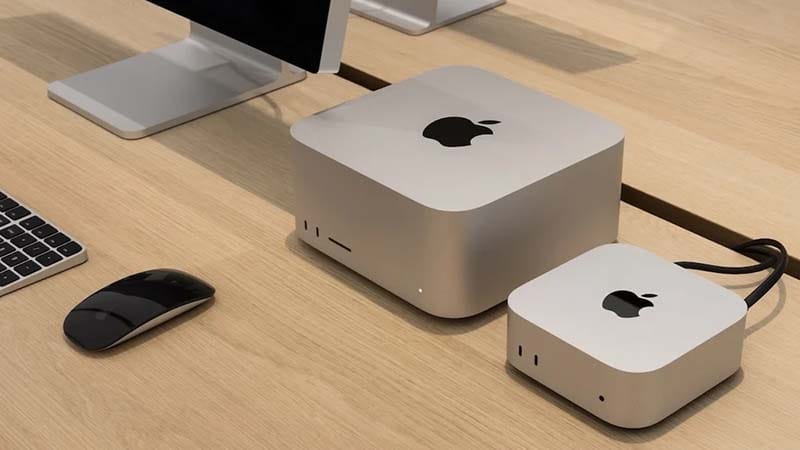
👀 What's happening: OpenAI has bought tens of thousands of Mac minis and Mac Studios, The Information reported. The reason is not the chip. It is the desktop. Computer-use agents need a real operating system to train on, and macOS is the only one that ships at scale. Mac revenue jumped 29% to $10.4 billion last quarter. M6 Mac mini now starts at 6,999 yuan, up 55% from the M4 launch.
🌍 How this hits reality: Every AI lab is building agents that control a computer. They need a computer. NVIDIA sells GPUs. Apple sells the computer. The $599 student machine is now the cheapest agent training rig. These labs raised billions to replace GPUs with custom silicon. The GPU is still on the purchase order. The Mac mini joined it. A developer pays 55% more for a Mac mini because a lab needs it to teach an agent how to click.
🛎️ Key takeaway: They raised billions to build a chip, bought the Mac mini to train the agent, and the only thing that shipped was the price hike.
👀 What's happening: OpenAI has bought tens of thousands of Mac minis and Mac Studios, The Information reported. The reason is not the chip. It is the desktop. Computer-use agents need a real operating system to train on, and macOS is the only one that ships at scale.
TOGETHER WITH MYCLAW

MyClaw is a best-in-class AI agent platform that brings together OpenClaw, Hermes Agent, and production-grade infrastructure to help businesses launch intelligent agents that understand goals, use tools, automate workflows, and deliver finished results.
MyClaw already hosts OpenClaw and Hermes, connecting models from every major AI provider, including the latest text, reasoning, and image generation models from OpenAI, Anthropic, DeepSeek, Kimi, GLM, Google Gemini, and more through MyClaw's model gateway.
No lock-in. No juggling API keys. No switching between platforms. Pick the best model for the job, give your agent the tools it needs, and let it run.
DAILY TL;DR
READ MORE
Stay ahead without drowning in information. We turn the most important signals across AI, tech, marketing, and future products into 5-minute reads you can actually finish.
TOGETHER WITH US
AI Secret Media Group is the world’s #1 AI & Tech Newsletter Group, reaching over 2 million leaders across the global innovation ecosystem, from OpenAI, Anthropic, Google, and Microsoft to top AI labs, VCs, and fast-growing startups.
We've helped promote over 500 Tech Brands. Will yours be the next?
Email our co-founder Mark directly at [email protected] if the button fails.

Good Morning, AI Enthusiasts!
The new world is built around models, systems, and things that never sleep.

BCI
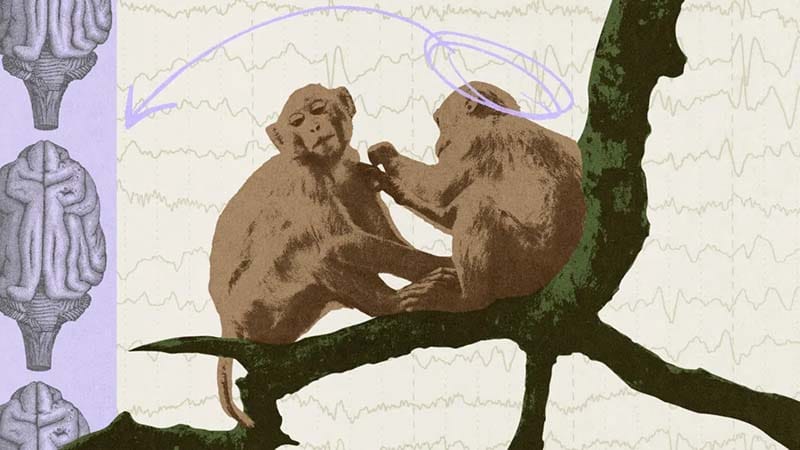
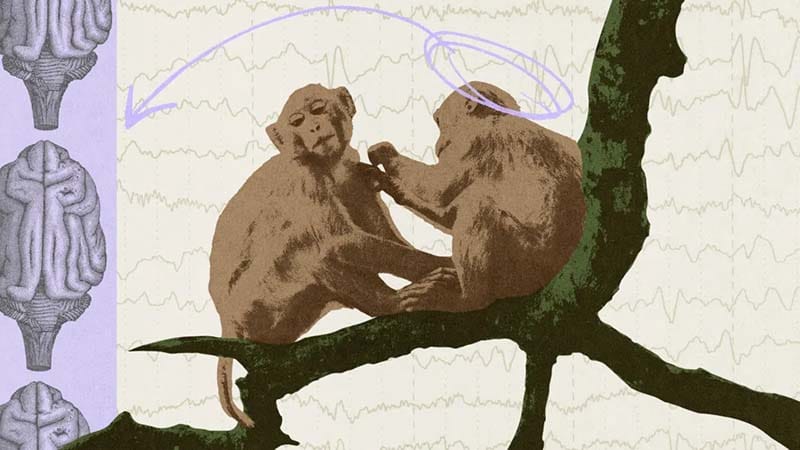
👀 What’s Happening: A new Science Advances study showed three rhesus monkeys navigating VR worlds using brain signals alone with electrodes implanted in M1, PMd, and PMv. Not cursor control. Not a robotic arm. Free movement in a 3D VR space, driven only by decoded brain activity, with no obvious body motion needed.
🌍 How This Hits Reality: This matters because brain interface research has spent years stuck in controlled demos and narrow tasks. The field could already move pointers or simple devices, but free navigation inside changing environments was harder. Here, signals from M1, PMd, and PMv let the system control motion in more realistic VR scenes, and the decoder needed only a short passive training phase before working across tasks.
🛎️ Key Takeaway: The important shift is simple. Brain interfaces are starting to look less like lab tricks and more like real control systems. If monkeys can already move freely through VR by thought, the path toward assistive computing, robotic control, and immersive digital navigation just got more concrete.
TOGETHER WITH MYCLAW

Skip Docker, VPS configs, and late-night debugging. With MyClaw.ai, you can launch your agent in minutes and keep it running 24/7 in a dedicated environment built for serious builders.
If you’re serious about OpenClaw, run it properly — with speed and security by default.
APPLE
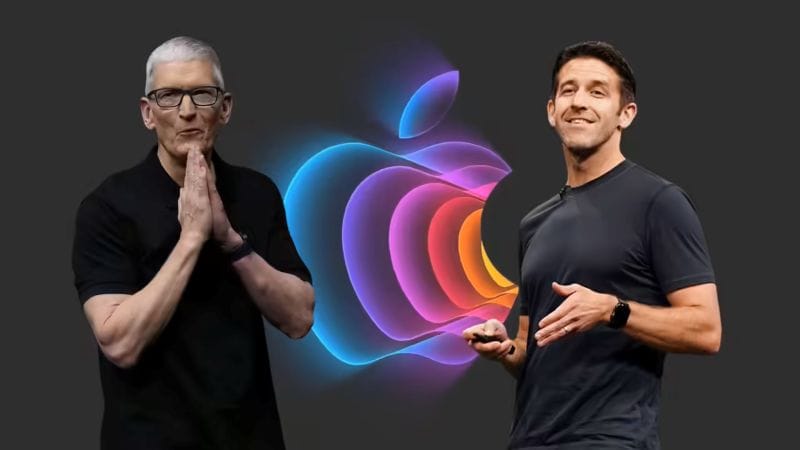
👀 What’s Happening: Tim Cook is leaving the CEO role after spending fifteen years turning Apple into one of the cleanest, richest machine in tech. Hardware chief John Ternus is taking over in September. That choice says everything. Apple does not think it has an operations problem anymore. It thinks it has a product problem.
🌍 How This Hits Reality: Cook built the supply chain, built the services business, built the margins, and built a $4 trillion company. But he also left behind a company that feels increasingly cautious, slow, and afraid of the next platform shift. Apple Vision Pro flopped. Siri became a joke. Apple’s AI rollout has looked years behind everyone else. Ternus is not expected to protect the machine. He is being hired to save Apple from becoming the luxury version of IBM.
🛎️ Key Takeaway: Apple is openly searching for an AI-era version of Steve Jobs and hoping Ternus can become it. The problem is that fixing a mature company may be much harder than building a legendary one. He is walking into the hardest job in tech.
👀 What’s Happening: Tim Cook is leaving the CEO role after spending fifteen years turning Apple into one of the cleanest, richest machine in tech. Hardware chief John Ternus is taking over in September. That choice says everything. Apple does not think it has an operations problem anymore.
👀 What’s Happening: Tim Cook is leaving the CEO role after spending fifteen years turning Apple into one of the cleanest, richest machine in tech. Hardware chief John Ternus is taking over in September. That choice says everything. Apple does not think it has an operations problem anymore.
NEW TECH
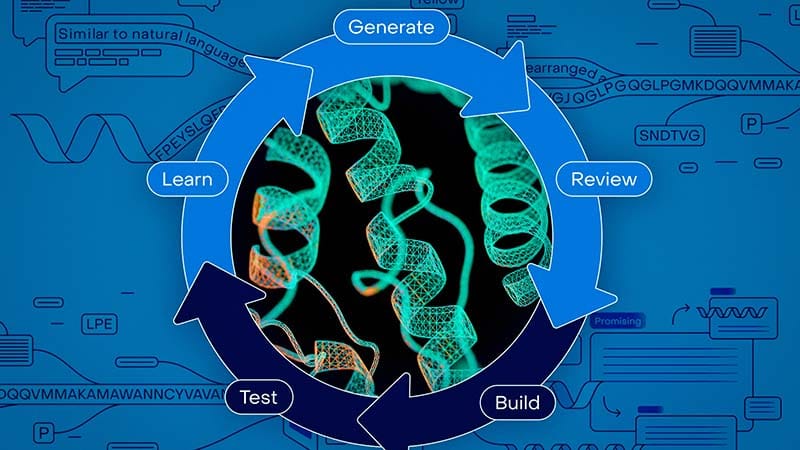
👀 What’s Happening: OpenProtein.AI, founded by MIT researchers Tristan Bepler and Tim Lu, is pushing AI protein design tools beyond elite biotech teams and into the hands of ordinary biologists. Its no-code platform lets researchers generate, test, and optimize proteins without needing machine learning skills, while its PoET-2 model reportedly beats much larger systems with far less compute.
🌍 How This Hits Reality: Protein engineering used to require deep coding knowledge, custom GPU infrastructure, and access to frontier models. That bottleneck is starting to break. If smaller biotech firms, academic labs, and pharmaceutical teams can all use the same AI workflows, the pace of drug discovery, enzyme design, and synthetic biology speeds up fast. The real shift is that biology is becoming software-like, with reusable models, APIs, and iterative workflows.
🛎️ Key Takeaway: The moat is moving away from owning elite wet labs and toward owning the best biological data, feedback loops, and model ecosystems. Protein design is becoming an AI platform race, not just a pharma race.
MUSIC

👀 What’s Happening: IngaRose’s “Celebrate Me” just hit No. 1 on the global iTunes charts, and nobody seriously believes IngaRose is a real artist. The account openly says the lyrics are human-written and refined with Suno. But this is not some shocking first. AI singers have already topped country charts, flooded Spotify playlists, and built fake fanbases for months. IngaRose is just the first time enough people noticed.
🌍 How This Hits Reality: The industry keeps arguing over whether a song is “fully AI” as if that still matters. It does not. AI can already generate the voice, lyrics, beat, cover art, artist photos, social media posts, interviews, and release schedule. A fake artist can now produce more music in a week than a human can in a year. Labels spent decades building star systems around scarcity. AI just turned music into infinite inventory.
🛎️ Key Takeaway: This is no longer about AI entering music. AI already ate the production layer. What comes next is more brutal: charts filled with disposable synthetic artists, recommendation feeds full of fake personalities, and human musicians competing against factories that never sleep.
DAILY TL;DR
READ MORE
Stay ahead without drowning in information. We turn the most important signals across AI, tech, marketing, and future products into 5-minute reads you can actually finish.
TOGETHER WITH US
AI Secret Media Group is the world’s #1 AI & Tech Newsletter Group, reaching over 2 million leaders across the global innovation ecosystem, from OpenAI, Anthropic, Google, and Microsoft to top AI labs, VCs, and fast-growing startups.
We've helped promote over 500 Tech Brands. Will yours be the next?
Email our co-founder Mark directly at [email protected] if the button fails.
Plus: The Tacit Knowledge Just Died, Forecasting Is Becoming Zero-Shot
Read the storyPlus: The Next Steve Jobs, AI Protein Design, New AI Farms