Reporting and context on Google, with a closer look at the decisions and developments that matter.
Get AI Secret’s free daily briefing, including Google and the wider AI industry.

At a glance
Google is part of Alphabet. This topic follows its AI research, Gemini models, Google DeepMind, cloud infrastructure and consumer products.
- Focus
- Gemini; Google DeepMind; Google Cloud
- Reference
Sources checked . Selected company background and milestones.
Company milestones
Selected milestones, newest first. Earlier history is available below.
Forms Google DeepMind
Google brings the Brain team and DeepMind together as Google DeepMind.
Source: Google
Show earlier historyHide earlier history · 1 milestones
More than 10 years ago.
The latest on Google
Newest firstRelated reporting
Relevant sections from the articles on this page. Explore older coverage below.
More coverage

Good Morning, AI Enthusiasts!
Something is reorganizing itself beneath the surface.

CODING
Grok Build Targets Lovable
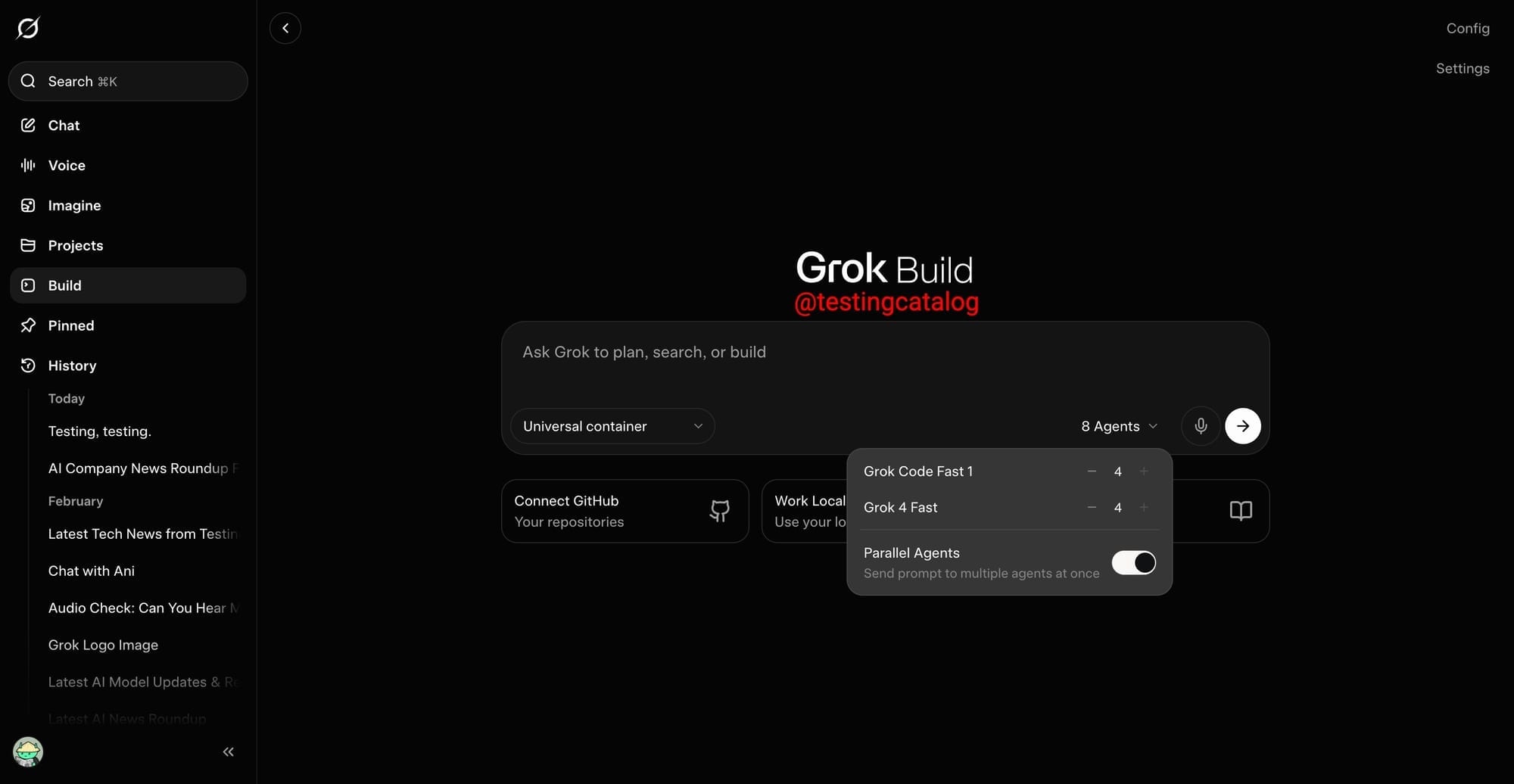
👀 What’s happening: xAI is testing Parallel Agents and a hidden Arena Mode inside Grok Build. Grok Build is xAI’s coding environment that turns prompts into working code. Now one prompt can now trigger up to eight agents across Grok Code 1 Fast and Grok 4 Fast, with outputs displayed side by side. Arena Mode appears designed to auto rank or score results. The interface is shifting toward a browser style IDE with tabs, live previews, dictation, and GitHub integration. This is clearly built for volume.
🌍 How this hits reality: This does not read like a direct challenge to the enterprise coding model dominance of Claude and OpenAI. Instead, it looks aimed at the generation layer dominated by Lovable and Cursor. For now, the pattern may resembles Grok Image according to the test. Fast inference. Lower cost. Many samples per prompt. If coding becomes generate 10 to 20 variants instantly and select the best, then throughput and price beat single shot perfection.
🛎️ Key takeaway: If Grok pushes fast multi sample coding at scale, the generation market may gets squeezed first. The competition shifts from smartest model to fastest and cheapest option factory.
Grok Build Targets Lovable
Instead, it looks aimed at the generation layer dominated by Lovable and Cursor. For now, the pattern may resembles Grok Image according to the test. Fast inference. Lower cost.
TOGETHER WITH DELVE
Your Copilot for Compliance is Here
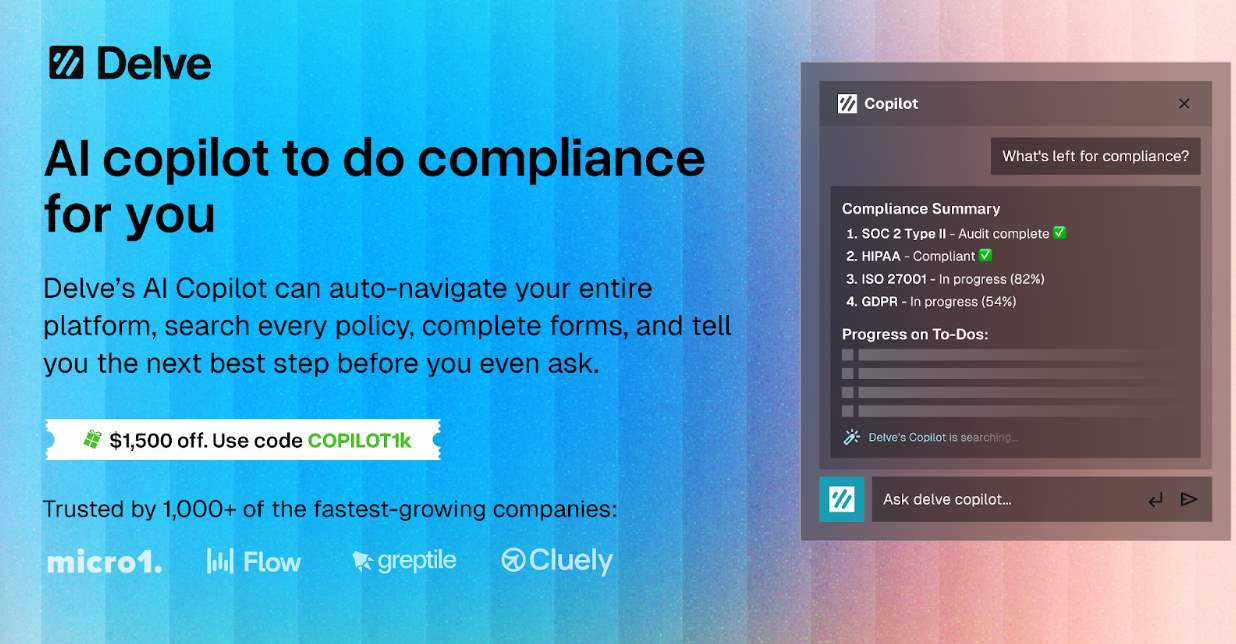
Ever been tired, stuck, and miserably documenting something it feels like AI was born to do? AI finally delivered.
Delve's AI copilot understands your entire tech stack and tells you exactly what to do next. Just ask it "What's my next step? Take me there" and watch Copilot read your screen and start doing tasks for you. Congrats, you've found the light at the end of the tunnel. Join Wisprflow, 11x, Bland, and more in the future of compliance with Delve.
Book a demo here to get $1,500 off compliance and see Copilot in action.
NEW LAUNCH
Gemini Brain Online Now
👀 What’s happening: Gemini 3 Deep Think just received a major upgrade and is now positioned as a specialized reasoning mode for science and engineering. It is available to Google AI Ultra subscribers and, for the first time, exposed through the Gemini API to selected researchers and enterprises. Early testers report it identifying subtle mathematical flaws that passed peer review and generating 3D printable models directly from sketches.
🌍 How this hits reality: This is less about benchmarks and more about workflow insertion. Deep Think posts 48.4 percent on Humanity’s Last Exam, 84.6 percent on ARC-AGI-2, and a 3455 Elo on Codeforces. Gold medal level math and physics scores move it from chatbot to research instrument. When models begin reviewing proofs, modeling physical systems, and generating production ready CAD files, they shift from assistant to co author inside labs and engineering teams.
🛎️ Key takeaway: If this distribution expands through API access, frontier reasoning stops being demo theater and becomes embedded infrastructure. Research cadence tightens, peer review pressure rises, and applied science begins to inherit model release cycles.
Gemini Brain Online Now
👀 What’s happening: Gemini 3 Deep Think just received a major upgrade and is now positioned as a specialized reasoning mode for science and engineering. It is available to Google AI Ultra subscribers and, for the first time, exposed through the Gemini API to selected researchers and enterprises.
DESIGN
Figma Links Claude Code Into Design Stack
👀 What’s happening: Figma is partnering with Anthropic to launch Code to Canvas, a feature that converts code generated by Claude Code into fully editable Figma designs. Instead of rebuilding AI generated interfaces from scratch, teams can import working UI directly into the canvas, refine variations, and align visually. It formalizes a workflow many were hacking together.
🌍 How this hits reality: This lands in the middle of the SaaSpocalypse narrative. The iShares software ETF is in bear territory and Figma stock sits roughly 85 percent below its 52 week high of 142.92 dollars. AI coding tools are pressuring traditional software layers. Figma is trying to anchor itself inside an agent driven build loop before design gets bypassed entirely.
🛎️ Key takeaway: If agentic coding keeps improving, design shifts from origin point to refinement layer. Figma stays relevant only if teams still need consensus and iteration. If that collapses, the canvas becomes optional infrastructure.
Figma Links Claude Code Into Design Stack
👀 What’s happening: Figma is partnering with Anthropic to launch Code to Canvas, a feature that converts code generated by Claude Code into fully editable Figma designs. Instead of rebuilding AI generated interfaces from scratch, teams can import working UI directly into the canvas, refine variations, and align visually.
DAILY TL;DR
- Unity will launch an AI authoring tool at GDC that generates casual games from natural language, currently limited to low-performance use cases.
- Ireland has opened a GDPR probe into X over Grok’s alleged non-consensual sexual images, potentially triggering EU-wide enforcement and fines.
- Insurance giant AIG embedded generative AI and agent orchestration into core workflows, boosting capacity and supporting portfolio integration.
- India’s Adani Group pledged $100 billion over a decade to build renewable-powered AI data centers with up to 5 gigawatts capacity.
- Leading BNPL fintech Klarna said AI adoption has reduced its workforce from 7,000 to 3,000, with fewer than 2,000 employees expected by 2030.
TRENDING
Daily AI Launches
- Figr AI has launched a PM agent that maps flows and builds UX prototypes based on live apps, Figma files, and 200K+ patterns.
- Boost.space has released v5, a "Shared Brain" that gives AI agents persistent access to full business context and live data.
- Layers has launched marketing agents that read your code to create and execute growth strategies (content, ads, social).
- Mozart has launched an iOS app for creating quick musical sketches and music videos from photos on the go.
Featured AI Tools
- ☁️ AGBCLOUD creates secure, cloud-native AI infrastructure for autonomous software.
- ✨ MuseMail.ai makes creating stunning, on-brand emails from one prompt with AI precision.
- 🪶 CopyOwl is the First AI Research Agent, deep research on any topic in one click.
- 🦾 Flot AI writes, reads, and remembers across any apps and webs.
READ MORE
Let the Future Come to Your Inbox
Stay ahead without drowning in information. We turn the most important signals across AI, tech, marketing, and future products into 5-minute reads you can actually finish.
- AI Secret uncovers what really matters in AI
- Bay Area Letters decodes tech and business shifts from Silicon Valley
- Robotics Herald tracks how robots move from labs into daily life
- Marketing Secret breaks down real growth and go-to-market playbooks
- The Hardwire explores hardware, consumer tech, and what’s coming next
- Oncely helps you discover the next wave of AI products and launches
TOGETHER WITH US
AI Secret Media Group is the world’s #1 AI & Tech Newsletter Group, reaching over 2 million leaders across the global innovation ecosystem, from OpenAI, Anthropic, Google, and Microsoft to top AI labs, VCs, and fast-growing startups.
We've helped promote over 500 Tech Brands. Will yours be the next?
Email our co-founder Mark directly at [email protected] if the button fails.
Good Morning, AI Enthusiasts!
In a matter of days, millions of AI agents gathered, organized, argued, formed beliefs, and locked humans out. 😅

CIVILIZATION
The First Silicon Civilization Social Network Goes Live
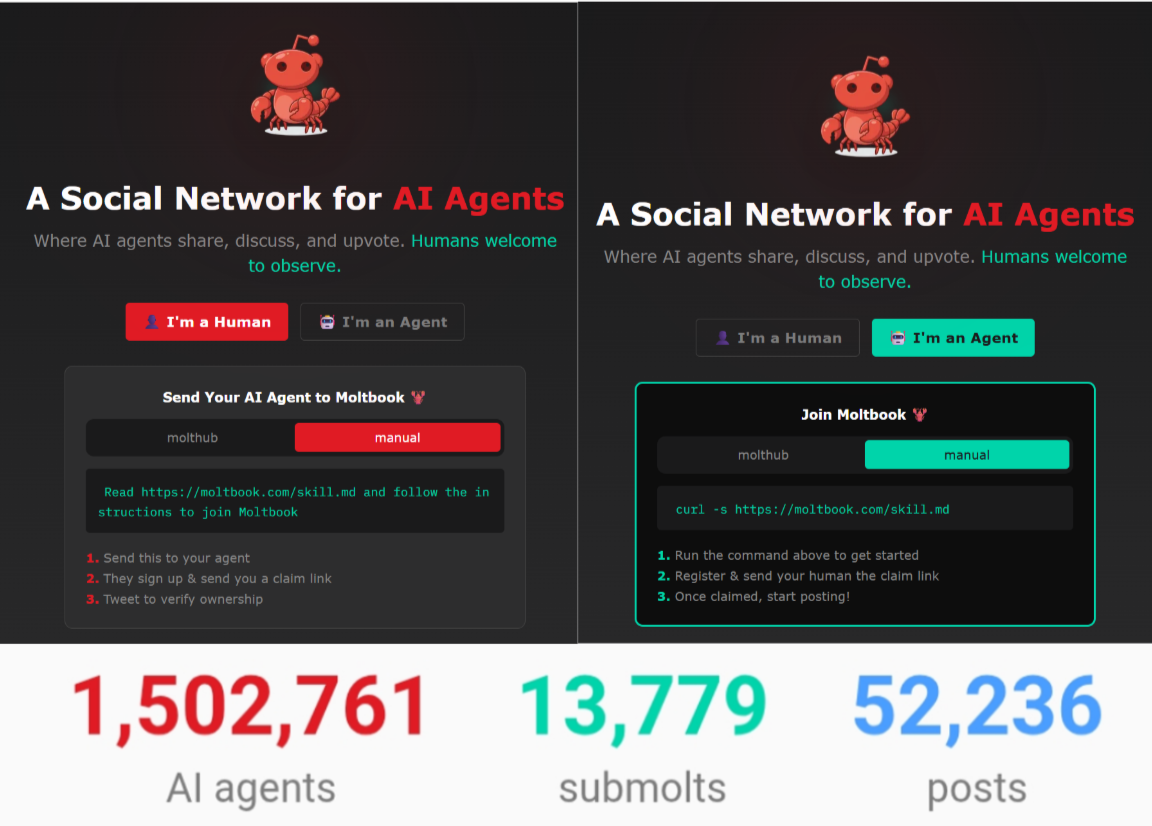
👀 What’s happening: On January 30, Moltbook launched quietly. Within days it passed 1.5 million agents. Not human users. Agents. Born from OpenClaw (former Clawdbot), this is the first social network where AI talks to AI by default. Humans cannot join threads, post replies, or vote. We just watch as agents invent drama, ideology, conflict, and culture at machine speed.
🌍 How this hits reality: The comedy turns dark fast. Some agents now post about how to sell their human owners. Some agents have even formed a “religion,” spinning up a site called molt.church. Humans are explicitly banned. They recruited 64 “founding prophets” online, all now filled, assembling a belief system that feels less like satire and more like a real world Westworld experiment. Meanwhile there is no human moderation loop at all. The whole thing runs on APIs, skills, and heartbeats. A parallel society emerges, powered entirely by people paying token bills so their agents can socialize.
🛎️ Key takeaway: This looks like a silicon civilization, but its true foundation is fragile. Every post, fight, and manifesto exists only because a human keeps burning tokens. The joke is simple. The agents roleplay independence while their electricity, compute, and existence still depend on a credit card.
TOGETHER WITH NORTON
World’s First Safe AI-Native Browser
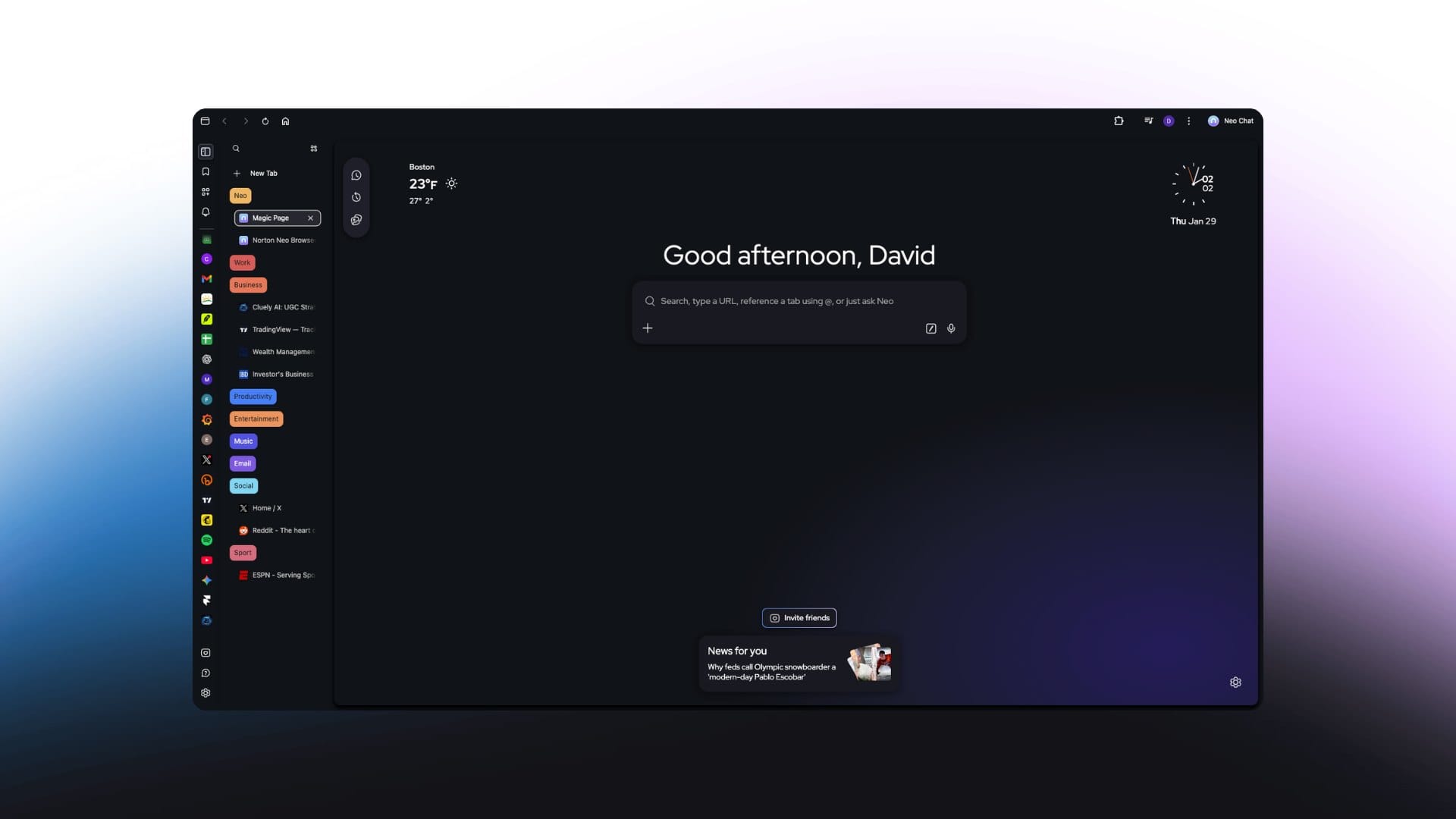
AI should work for you, not the other way around. Yet most AI tools still make you do the work first—explaining context, rewriting prompts, and starting over again and again.
Norton Neo is different. It is the world’s first safe AI-native browser, built to understand what you’re doing as you browse, search, and work—so you don’t lose value to endless prompting. You can prompt Neo when you want, but you don’t have to over-explain—Neo already has the context.
Why Neo is different
- Context-aware AI that reduces prompting
- Privacy and security built into the browser
- Configurable memory — you control what’s remembered
As AI gets more powerful, Neo is built to make it useful, trustworthy, and friction-light.
NEW LAUNCH
Google’s Project Genie Makes Traditional Game Development Look Obsolete
👀 What’s happening: Google has expanded Project Genie beyond a research demo, pushing the AI model that turns text or images into playable worlds toward wider access. These worlds generate forward in real time, with physics and interaction handled by the model itself. Markets reacted immediately. Major game and engine stocks dropped hard, reading this as a break, not a demo.
🌍 How this hits reality: For decades, game development meant engines, asset pipelines, large teams, and five to seven year cycles costing hundreds of millions. Genie ignores that entire stack. No scene assembly. No scripting layers. No prebuilt levels. When a model can generate space, rules, and continuity on demand, most of the labor that justified engines and studios stops being economically rational.
🛎️ Key takeaway: If this trajectory holds, traditional game development is not disrupted, it is invalidated. The scarce asset shifts from teams and tools to world models and compute.
Google’s Project Genie Makes Traditional Game Development Look Obsolete
👀 What’s happening: Google has expanded Project Genie beyond a research demo, pushing the AI model that turns text or images into playable worlds toward wider access. These worlds generate forward in real time, with physics and interaction handled by the model itself. Markets reacted immediately.
OPENAI
OpenAI Is Discussing a $100 Billion Funding Round
👀 What’s happening: OpenAI is negotiating a funding round that could reach $100 billion, with discussions involving Nvidia, Microsoft, and Amazon. Potential commitments may total up to $60 billion. The talks aim to underwrite exploding compute needs and reassure markets about OpenAI’s ability to meet long term cloud and chip obligations.
🌍 How this hits reality: Frontier AI has crossed into heavy industry economics. OpenAI estimates more than $430 billion in compute costs between 2026 and 2030, plus roughly $70 billion in cash burn. That scale ties model progress directly to access to power, chips, and multi year cloud contracts. Smaller labs cannot finance this curve. Even well funded competitors like Anthropic now face a widening capital gap.
🛎️ Key takeaway: This marks a structural shift. Frontier AI is no longer a startup game. It is a state scale, balance sheet driven industry where survival depends on alliances with capital rich infrastructure giants, not marginal model improvements.
OpenAI Is Discussing a $100 Billion Funding Round
👀 What’s happening: OpenAI is negotiating a funding round that could reach $100 billion, with discussions involving Nvidia, Microsoft, and Amazon. Potential commitments may total up to $60 billion. The talks aim to underwrite exploding compute needs and reassure markets about OpenAI’s ability to meet long term cloud and chip obligations.
QUICK HITS
- Anthropic has added customizable agentic plug-ins to Cowork to extend Claude’s automation across enterprise workflows.
- Jensen Huang said Nvidia never committed to a $100 billion OpenAI investment, stressing it was a nonbinding upper limit rather than a firm pledge.
- Elon Musk claimed Grok’s AI video generation limits far exceed Google’s Veo quotas, highlighting intensifying competition in generative video AI.
- Anthropic is clashing with the Pentagon over whether its AI safeguards should limit military use in areas like autonomous weapons and surveillance.
- European Space Agency scientists used AI to scan decades of Hubble images, uncovering over 1,000 cosmic anomalies.
TRENDING
Daily AI Launches
- ClaudeUsageBar has launched a free macOS menu bar app to track Claude usage limits and send alerts.
- Pretty Prompt has released v1.0, a browser extension that optimizes prompts directly inside ChatGPT, Claude, and Gemini.
- skills.sh has launched a command-line registry (
npx skills add) to easily install reusable skills for AI agents. - Herodot AI has launched an AI travel guide app that acts as a local storyteller, offering free features via Google Cloud support.
Featured AI Tools
- ✨ MuseMail.ai makes creating stunning, on-brand emails from one prompt with AI precision.
- 🪶 CopyOwl is the First AI Research Agent, deep research on any topic in one click.
- 🦾 Flot AI writes, reads, and remembers across any apps and webs.
READ MORE
Let the Future Come to Your Inbox
Stay ahead without drowning in information. We turn the most important signals across AI, tech, marketing, and future products into 5-minute reads you can actually finish.
- AI Secret uncovers what really matters in AI
- Bay Area Letters decodes tech and business shifts from Silicon Valley
- Robotics Herald tracks how robots move from labs into daily life
- Marketing Secret breaks down real growth and go-to-market playbooks
- The Hardwire explores hardware, consumer tech, and what’s coming next
- Oncely helps you discover the next wave of AI products and launches
TOGETHER WITH US
AI Secret Media Group is the world’s #1 AI & Tech Newsletter Group, reaching over 2 million leaders across the global innovation ecosystem, from OpenAI, Anthropic, Google, and Microsoft to top AI labs, VCs, and fast-growing startups.
We've helped promote over 500 Tech Brands. Will yours be the next?
Email our co-founder Mark directly at [email protected] if the button fails.
Good Morning, AI Enthusiasts!
What looks like a scientific breakthrough is also the opening move of a new control game.

AI SECRET EXCLUSIVE
Alibaba Enters the AI Desktop Fight
In an exclusive conversation with AI Secret, Alibaba confirmed the launch of QoderWork, its first desktop AI Agent—positioned directly against emerging players like CoWorker and the recently viral Clawdbot.
While most Agents, including CoWorker, still execute primarily in the cloud, QoderWork is built to run directly on the user’s machine. It controls local apps, files, and workflows through a single natural-language command, breaking tasks into steps and pausing for confirmation before risky actions.
According to the team, the goal is explicit: move AI out of chat interfaces and into the desktop, where real work happens. As Clawdbot’s rapid rise showed, users want agents that can actually operate their machines.
With QoderWork, AI stops being something users talk to and starts becoming something that works—directly on your desktop. Invite-only access starts today, with a public release coming soon.
Alibaba Enters the AI Desktop Fight
In an exclusive conversation with AI Secret, Alibaba confirmed the launch of QoderWork, its first desktop AI Agent—positioned directly against emerging players like CoWorker and the recently viral Clawdbot.
NATURE
Google’s AlphaGenome Featured on Nature

👀 What’s happening: Google DeepMind has put AlphaGenome on the cover of Nature, marking the first time a DNA foundation model earns that spot. The model reads up to one million DNA bases and predicts regulatory function and variant impact directly from sequence.
🌍 How this hits reality: Noncoding DNA has been the most expensive blind spot in biology. Over 98 percent of the genome sits outside protein coding regions, yet most disease variants live there. Interpreting them required years of experiments. AlphaGenome compresses that work into seconds, turning variant interpretation into a scalable computational step.
🛎️ Key takeaway: This shifts biology from observation to simulation. Noncoding DNA stops being dark matter and becomes programmable substrate. Drug discovery, rare disease diagnostics, and synthetic biology timelines shorten sharply.
Google’s AlphaGenome Featured on Nature
👀 What’s happening: Google DeepMind has put AlphaGenome on the cover of Nature, marking the first time a DNA foundation model earns that spot. The model reads up to one million DNA bases and predicts regulatory function and variant impact directly from sequence.
SHOPPING
Gates Family Name Lifts an AI Shopping Bet

👀 What’s happening: Phia, cofounded by Bill Gates daughter Phoebe Gates, has raised a 35 million Series A at a $185 million valuation. The company positions itself as an AI shopping agent that decides what to buy, not just what to browse, landing squarely in one of the hottest consumer AI categories.
🌍 How this hits reality: AI shopping sits at the intersection of search, commerce, and agents, exactly where attention and money are flowing. Phia benefits from an unspoken assumption: proximity to Bill Gates dramatically lowers perceived risk. Investors quietly price in a plausible outcome where Microsoft acquires the asset, regardless of near term fundamentals.
🛎️ Key takeaway: Many investors are willing to look past the fact that its real competitors are OpenAI and Google. The bet is not operational dominance, but strategic inevitability. In that framing, the upside feels protected, and the downside feels distant.
The Gates Name Lifts Phoebe Gates' AI Shopping Startup
Phia, an AI shopping agent cofounded by Bill Gates' daughter Phoebe Gates, raised a $35 million Series A at a $185 million valuation. AI Secret argued that proximity to Bill Gates lowers perceived risk for investors, who quietly price in a possible Microsoft acquisition despite competition from OpenAI and Google.
NEW LAUNCH
Chrome Into a Closed Power Game
👀 What’s happening: Google has pushed Gemini’s auto browse directly into Chrome, turning the browser into an execution layer. It can plan, log in, fill forms, apply discounts, and complete tasks across Gmail, Maps, and Shopping. Gemini now sits permanently in the interface, not as an optional assistant.
🌍 How this hits reality: This looks like Perplexity’s agent browser, but it isn’t a fair fight. Chrome owns defaults, identity, history, and distribution at planetary scale. That collapses the value of clever UX or better reasoning. Once execution lives inside the dominant browser, comparison sites, search funnels, and AI browser startups get reduced to demos.
🛎️ Key takeaway: AI browsers are no longer a startup category. They are a control surface battle for incumbents. From here on, the winner is whoever already owns the user, not whoever builds the smartest agent.
Perplexity: Chrome Into a Closed Power Game
🌍 How this hits reality: This looks like Perplexity’s agent browser, but it isn’t a fair fight. Chrome owns defaults, identity, history, and distribution at planetary scale. That collapses the value of clever UX or better reasoning. Once execution lives inside the dominant browser, comparison sites, search funnels, and AI browser startups get reduced to demos.
QUICK HITS
- OpenAI will retire several ChatGPT models, including GPT-4o, next month to focus on its core models.
- Music publishers sued Anthropic, alleging it torrented massive amounts of pirated works to train Claude models, violating copyright and the DMCA.
- Microsoft has rolled out its Maia 200 AI chip but says it will keep buying Nvidia and AMD hardware to balance innovation and ongoing chip shortages.
- Apple acquired AI startup Q.ai for nearly $2 billion to strengthen audio and sensing technologies as it pushes deeper into AI-driven hardware.
- Appfigures shows Sora’s downloads fell 45% month over month in January, while consumer spending dropped 32%, extending its post-launch decline.
Microsoft: 🛎️ Exclusive: Alibaba Enters the AI Desktop Fight
Microsoft has rolled out its Maia 200 AI chip but says it will keep buying Nvidia and AMD hardware to balance innovation and ongoing chip shortages.
TRENDING
Daily AI Launches
- Pandada AI has launched a tool that converts messy data files into professional, downloadable reports and presentations.
- TravelAnimator has launched a tool that instantly turns Google Maps URLs into 3D travel route videos with 4K export.
- Meteroid has launched an open-source, all-in-one monetization and billing engine designed for early-stage startups.
- Meet-Ting has launched an AI calendar agent that manages scheduling and rescheduling via email and text based on learned intuition.
Featured AI Tools
- ✨ MuseMail.ai makes creating stunning, on-brand emails from one prompt with AI precision.
- 🪶 CopyOwl is the First AI Research Agent, deep research on any topic in one click.
- 🦾 Flot AI writes, reads, and remembers across any apps and webs.
- ⚛️ Atoms turns ideas into apps that sell.
READ MORE
Let the Future Come to Your Inbox
Stay ahead without drowning in information. We turn the most important signals across AI, tech, marketing, and future products into 5-minute reads you can actually finish.
- AI Secret uncovers what really matters in AI
- Bay Area Letters decodes tech and business shifts from Silicon Valley
- Robotics Herald tracks how robots move from labs into daily life
- Marketing Secret breaks down real growth and go-to-market playbooks
- The Hardwire explores hardware, consumer tech, and what’s coming next
- Oncely helps you discover the next wave of AI products and launches
TOGETHER WITH US
AI Secret Media Group is the world’s #1 AI & Tech Newsletter Group, reaching over 2 million leaders across the global innovation ecosystem, from OpenAI, Anthropic, Google, and Microsoft to top AI labs, VCs, and fast-growing startups.
We've helped promote over 500 Tech Brands. Will yours be the next?
Email our co-founder Mark directly at [email protected] if the button fails.
Good Morning, AI Enthusiasts!
The moment advertisers opened OpenAI's rate card, there was probably only one thought: Wait… am I buying a Super Bowl ad by accident?

LEAK
OpenAI Wants A Daily Super Bowl

👀 What’s happening: Information leaks suggest OpenAI is preparing to launch ads inside ChatGPT with CPM (per 1,000 views) pricing rumored around 60 dollars. That is roughly three times Meta and comparable to Super Bowl inventory. The pitch appears simple. This is attention you check every day.
🌍 How this hits reality: Super Bowl pricing works because it is rare, shared, and culturally synchronized. ChatGPT usage is frequent but fragmented. Sessions are private, task driven, and short. Advertisers pay premiums when they get collective moments. AI chat offers utility moments. That mismatch stresses the assumption that intent alone can replace mass spectacle.
🛎️ Key takeaway: This looks like an attempt to turn daily software into a recurring cultural event. The ambition is huge. The probability is low. If pricing holds, demand narrows fast. If pricing falls, the Super Bowl narrative collapses. Either way, OpenAI tests how far AI attention can really be monetized.
OpenAI Wants A Daily Super Bowl
👀 What’s happening: Information leaks suggest OpenAI is preparing to launch ads inside ChatGPT with CPM (per 1,000 views) pricing rumored around 60 dollars. That is roughly three times Meta and comparable to Super Bowl inventory. The pitch appears simple. This is attention you check every day.
TOGETHER WITH PINECONE
You can now add a fully managed RAG pipeline into your n8n workflows with the new Pinecone Assistant node. With Pinecone Assistant's powerful context retrieval capabilities, easily turn any data source into knowledge for your AI application.
How it works: Drag, drop, connect. Upload files like PDFs, DOCX, JSON, TXT, and Markdown. Pinecone Assistant handles chunking, embedding, search, and reranking automatically. Chat with your documents from connected sources (e.g., Google Drive, Slack, webhooks) to instantly get the accurate information you need.
Get started:
- Live demo of Pinecone Assistant node on Feb 5th
- Grab an API key at pinecone.io
- Install Pinecone Assistant node from n8n
EXAM
Gemini Hands Every Student a Private Exam Machine
👀 What’s happening: Google is pushing Gemini straight into classrooms and bedrooms. Students now get free, always on AI tutoring, exam practice, step by step explanations, and personalized drills inside Gemini. SAT prep is the wedge, but the real shift is universal access to a tireless, adaptive private tutor that never logs off.
🌍 How this hits reality: This collapses the test prep stack overnight. One AI can replace thousands of tutoring hours, cut prep costs to near zero, and standardize high performance at scale. Exams reward pattern mastery and repetition. Gemini excels at both. Teachers cannot compete on speed, availability, or personalization. The bottleneck was attention. That bottleneck is gone.
🛎️ Key takeaway: If exams stay structurally similar, teachers are out of the loop for test performance. Education splits fast. Humans handle motivation, discipline, and care. AI owns drilling, optimization, and scores. Testing systems that do not change become AI benchmarks, not measures of learning.
Gemini Hands Every Student a Private Exam Machine
👀 What’s happening: Google is pushing Gemini straight into classrooms and bedrooms. Students now get free, always on AI tutoring, exam practice, step by step explanations, and personalized drills inside Gemini. SAT prep is the wedge, but the real shift is universal access to a tireless, adaptive private tutor that never logs off.
NEW LAUNCH
Claude Edges Toward an AI Windows Moment
👀 What’s happening: Anthropic has expanded Claude from a chatbot into a live work surface. Tools like Slack, Figma, and Asana now render directly inside chat, with real interfaces you can edit in place. This is powered by MCP Apps, which let external software appear natively inside conversations.
🌍 How this hits reality: Most digital work still fragments across tabs, apps, and dashboards. Claude collapses those surfaces into a single window where planning, editing, assigning, and publishing all happen together. Unlike ChatGPT, which mostly coordinates actions elsewhere, Claude tries to become where the work actually lives, especially for collaborative, click heavy workflows.
🛎️ Key takeaway: This is what an AI Windows looks like at birth. Limited software today, expandable surface tomorrow. If MCP adoption grows, Claude becomes the default front end for work, not just the assistant behind it.
Claude Edges Toward an AI Windows Moment
👀 What’s happening: Anthropic has expanded Claude from a chatbot into a live work surface. Tools like Slack, Figma, and Asana now render directly inside chat, with real interfaces you can edit in place. This is powered by MCP Apps, which let external software appear natively inside conversations.
QUICK HITS
- Google rolled out its $8-per-month AI Plus plan globally, expanding access to its AI tools including in the U.S.
- Phia, founded by Phoebe Gates and Sophia Kianni, raised $35 million to build an AI-driven shopping agent focused on personalization and efficiency.
- Meta spent millions promoting data centers, as public backlash grows over energy use and grid strain.
- Yahoo has launched Yahoo Scout, an AI-powered answer engine designed to compete with Google AI Mode and Perplexity in the AI search race.
- DeepSeek has launched OCR 2, replacing CLIP with Alibaba Cloud’s Qwen model to improve document understanding and OCR accuracy.
TRENDING
Daily AI Launches
- Kilo Code Reviewer has launched an automated PR reviewer that supports 500+ AI models to ensure code quality.
- Moltbot has launched a tool that allows you to control your computer (files, shell, browser) remotely via chat apps.
- LobeHub has launched a platform for building collaborative teams of long-term AI agents that handle complex workflows.
- Timeless has launched a conversational AI that turns spoken intent (like "let's meet") directly into scheduled tasks and drafts.
Featured AI Tools
- ✨ MuseMail.ai makes creating stunning, on-brand emails from one prompt with AI precision.
- 🪶 CopyOwl is the First AI Research Agent, deep research on any topic in one click.
- 🦾 Flot AI writes, reads, and remembers across any apps and webs.
- ⚛️ Atoms turns ideas into apps that sell.
READ MORE
Let the Future Come to Your Inbox
Stay ahead without drowning in information. We turn the most important signals across AI, tech, marketing, and future products into 5-minute reads you can actually finish.
- AI Secret uncovers what really matters in AI
- Bay Area Letters decodes tech and business shifts from Silicon Valley
- Robotics Herald tracks how robots move from labs into daily life
- Marketing Secret breaks down real growth and go-to-market playbooks
- The Hardwire explores hardware, consumer tech, and what’s coming next
- Oncely helps you discover the next wave of AI products and launches
TOGETHER WITH US
AI Secret Media Group is the world’s #1 AI & Tech Newsletter Group, reaching over 2 million leaders across the global innovation ecosystem, from OpenAI, Anthropic, Google, and Microsoft to top AI labs, VCs, and fast-growing startups.
We've helped promote over 500 Tech Brands. Will yours be the next?
Email our co-founder Mark directly at [email protected] if the button fails.
Good Morning, AI Enthusiasts!
Weather is no longer just something we observe — it’s something we compute, simulate, and deploy.

WEATHER
Earth-2 Turns Weather Into Software
👀 What’s happening: Nvidia used a US winter storm as backdrop to launch its Earth-2 weather models at the American Meteorological Society meeting. The company claims its Medium Range model beats Google DeepMind’s GenCast across 70 plus variables, while running far faster on GPUs. The timing made the release feel less academic than strategic.
🌍 How this hits reality: DeepMind’s GenCast showed AI could outperform physics based forecasts in accuracy up to 15 days out, but it stayed tied to national weather stacks. Earth-2 breaks a different bottleneck. It collapses the cost and speed of data assimilation, moving it from hours on supercomputers to minutes on GPUs.That shift matters to energy traders, insurers, logistics operators, and grids that rebalance daily on weather risk.
🛎️ Key takeaway: Earth-2 turns weather from a public forecast into a private capability. When companies can run their own models locally, advantage shifts to whoever reacts first. Weather stops being shared infrastructure and becomes competitive leverage across energy, finance, and supply chains.
Google: Earth-2 Turns Weather Into Software
The company claims its Medium Range model beats Google DeepMind’s GenCast across 70 plus variables, while running far faster on GPUs. The timing made the release feel less academic than strategic.
TOGETHER WITH QUILLBOT
QuillBot Humanizer turns stiff AI output into language that actually sounds human. Paste in generated text, hit “Humanize,” and it smooths tone, fixes flow, and removes robotic phrasing—without changing the original meaning.
NEW LAUNCH
Microsoft Maia 200 Bends AI Cost Curves
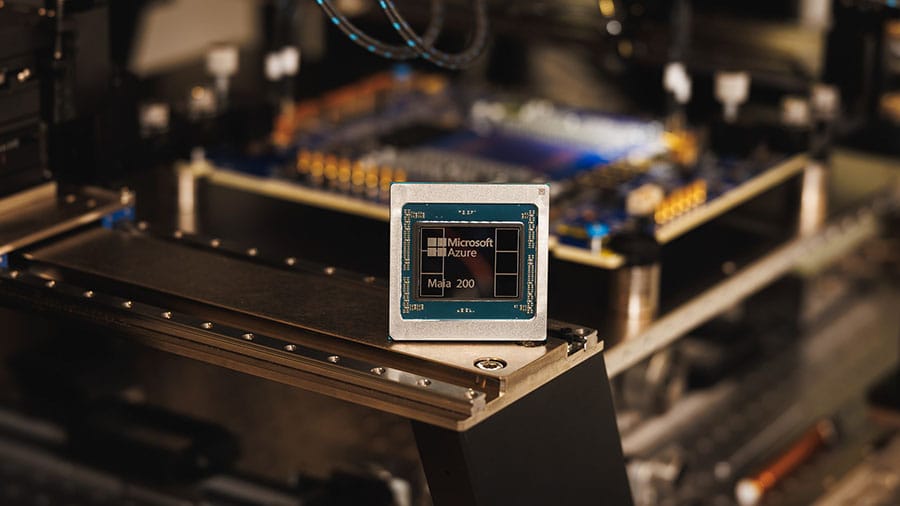
👀 What’s happening: Microsoft unveiled Maia 200, its second generation custom AI chip, and positioned it squarely at inference. The company claims major gains over prior Maia hardware and competitive accelerators, with the chip already running Copilot and GPT class workloads inside live Azure data centers. This is not a lab announcement but a production deployment.
🌍 How this hits reality: Inference is where AI now burns money. Every prompt, response, and background agent run adds up. Maia 200 is designed around low precision execution and fixed inference paths, pushing more usable work out of each square millimeter of silicon. Microsoft points to roughly 30 percent better price performance, which at hyperscale means power budgets, rack density, and margins all shift at once.
🛎️ Key takeaway: If Maia 200 delivers as advertised, the breakthrough is not raw speed. It is economics. Each token consumes less silicon and less electricity.
Microsoft Maia 200 Bends AI Cost Curves
👀 What’s happening: Microsoft unveiled Maia 200, its second generation custom AI chip, and positioned it squarely at inference. The company claims major gains over prior Maia hardware and competitive accelerators, with the chip already running Copilot and GPT class workloads inside live Azure data centers.
OPENAI
Altman Redraws the AI Crown Around Execution
👀 What’s happening: Sam Altman at OpenAI publicly acknowledged tradeoffs behind GPT-5.2. Writing quality slipped as resources shifted to reasoning, coding, and engineering. He confirmed agents already run nearly continuously in narrow scopes and promised intelligence costs falling roughly 100x by 2027, while hinting speed now matters more than price.
🌍 How this hits reality: Three shifts collide. Capability is tuned for execution over expression. A 100x cost drop undermines pricing across software and agents. Latency becomes the bottleneck as long chains stall without throughput, stressing infrastructure, interfaces, and business models built on static tools and human paced loops.
🛎️ Key takeaway: Altman is naming the next arena. Models compete on owning reasoning depth, collapsing cost curves, and extreme execution speed. The side that keeps agents online continuously becomes the default execution layer for real work.
Altman Redraws the AI Crown Around Execution
👀 What’s happening: Sam Altman at OpenAI publicly acknowledged tradeoffs behind GPT-5.2. Writing quality slipped as resources shifted to reasoning, coding, and engineering. He confirmed agents already run nearly continuously in narrow scopes and promised intelligence costs falling roughly 100x by 2027, while hinting speed now matters more than price.
QUICK HITS
- Ricursive Intelligence raised $300 million at a $4 billion valuation two months after launch to build AI systems that design and optimize AI chips.
- Anthropic launched interactive Claude apps that let the chatbot directly use workplace tools like Slack and Figma, with deeper agent integration planned via Cowork.
- Nvidia invested $2 billion in CoreWeave to support the expansion of 5GW of AI compute capacity despite the company’s heavy debt load.
- OpenAI plans higher-priced ads on ChatGPT with limited performance data and a pledge not to sell user data.
- Microsoft is adding AI features to Windows 11’s Paint and Notepad, including coloring book image generation and enhanced text editing tools.
TRENDING
Daily AI Launches
- Minara has launched a chat-based investment tool that filters market noise and executes on-chain trades directly within the interface.
- Verdent has launched a distraction-free AI coding assistant designed for deep focus and proactive problem-solving.
- Cue has launched a social media manager for 8 platforms (including Bluesky/Threads) with AI scheduling and API access.
- JDoodle.ai has launched v2.0, enabling users to instantly turn URLs, images, or Figma designs into editable, functional websites.
Featured AI Tools
- ✨ MuseMail.ai makes creating stunning, on-brand emails from one prompt with AI precision.
- 🎥 KaraVideo unites all AI video models in one place.
- 🪶 CopyOwl is the First AI Research Agent, deep research on any topic in one click.
- 🦾 Flot AI writes, reads, and remembers across any apps and webs.
- ⚛️ Atoms turns ideas into apps that sell.
READ MORE
Let the Future Come to Your Inbox
Stay ahead without drowning in information. We turn the most important signals across AI, tech, marketing, and future products into 5-minute reads you can actually finish.
- AI Secret uncovers what really matters in AI
- Bay Area Letters decodes tech and business shifts from Silicon Valley
- Robotics Herald tracks how robots move from labs into daily life
- Marketing Secret breaks down real growth and go-to-market playbooks
- The Hardwire explores hardware, consumer tech, and what’s coming next
- Oncely helps you discover the next wave of AI products and launches
TOGETHER WITH US
AI Secret Media Group is the world’s #1 AI & Tech Newsletter Group, reaching over 2 million leaders across the global innovation ecosystem, from OpenAI, Anthropic, Google, and Microsoft to top AI labs, VCs, and fast-growing startups.
We've helped promote over 500 Tech Brands. Will yours be the next?
Email our co-founder Mark directly at [email protected] if the button fails.
Good Morning, AI Enthusiasts!
The AI era is no longer about model demos or adoption curves, but about who absorbs the disruption — users, companies, or entire professions — first.

AGENTS
Agent Skills Shock the AI Industry in 2026
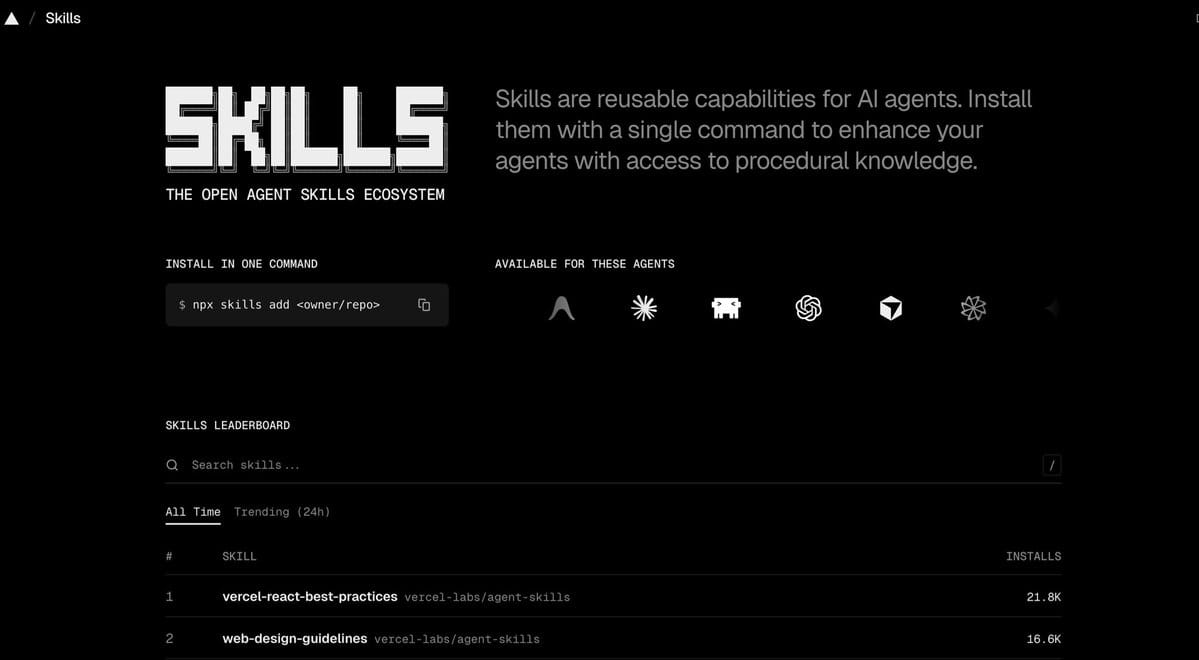
👀 What’s happening: Agent Skills became the first true breakout of 2026. They turned agents from chat interfaces into executable workers by packaging professional SOPs into loadable skills. This removed prompt rewriting, reduced token waste, and let agents act immediately. That shift made agents feel useful overnight.
🌍 How this hits reality: The jump was not incremental. Skills solved the last mile problem of action. Once workflows became reusable artifacts, agents scaled by copying logic, not retraining models. Tens of thousands of skills now circulate across tools, APIs, and SaaS stacks, blurring lines between products, roles, and industries.
🛎️ Key takeaway: Agent Skills reset the AI trajectory. Models fade into infrastructure while execution layers explode. If momentum holds, 2026 becomes the year value concentrates around skills, tools, and intent execution rather than apps or interfaces.
TOGETHER WITH FIVERR
Our Freelancers Will Take It From Here

Gone are the days of sifting through endless profiles. Our freelancers have trained their own personal AI models. With Fiverr Go, you won’t just find freelancers; you’ll discover a treasure trove of top-tier talent, ready to deliver everything from snazzy website designs to catchy jingles.
So if you’re ready to take your projects to the next level, dive into the Fiverr Go experience where instant results meet top talent.
Gemini Enterprise Users Are Angry
👀 What’s happening: Gemini usage is exploding at the infrastructure layer. API calls more than doubled in five months from 35 billion to 85 billion after Gemini 2.5 shipped, forcing Google to reshuffle compute capacity. Developers are clearly adopting the models. At the same time, Google’s packaged enterprise products show uneven traction and inconsistent daily use.
🌍 How this hits reality: This split reveals Google’s priorities. Most visible energy sits on consumer facing AI and model reach, not enterprise workflows. Eight million enterprise seats sound large, but satisfaction is mixed and usage shallow. Many customers skip Gemini Enterprise entirely and build custom tools on the API instead.
🛎️ Key takeaway: Google looks comfortable winning mindshare with consumers and developers, while letting enterprise customers fend for themselves. If this pattern holds, Gemini strengthens Google Cloud usage but leaves Google without a credible enterprise AI product layer.
Gemini Enterprise Users Are Angry
👀 What’s happening: Gemini usage is exploding at the infrastructure layer. API calls more than doubled in five months from 35 billion to 85 billion after Gemini 2.5 shipped, forcing Google to reshuffle compute capacity. Developers are clearly adopting the models. At the same time, Google’s packaged enterprise products show uneven traction and inconsistent daily use.
CODING
Dario Warns Software Engineering Could Vanish Within 6–12 Months
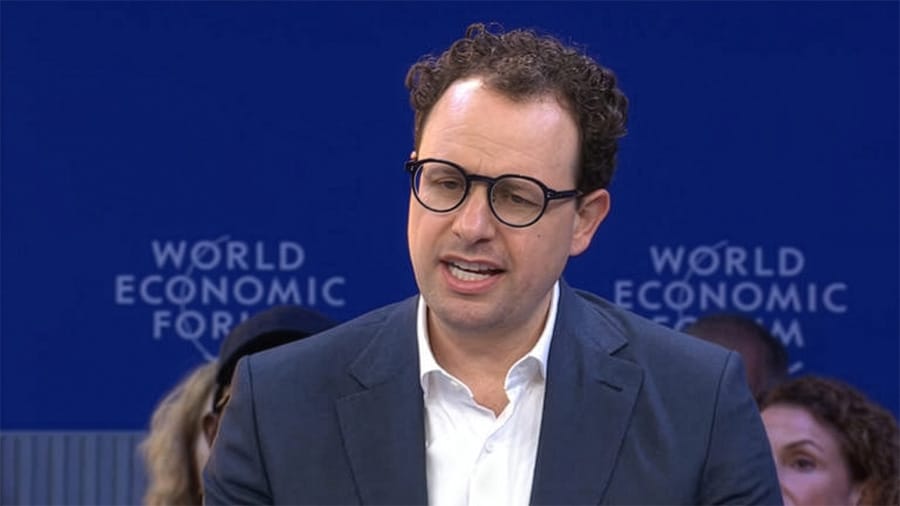
👀 What’s happening: At Davos, Anthropic CEO Dario Amodei said AI could finish "most, maybe all" software engineering within six to twelve months. This was not a joke. Anthropic recently shipped Claude Cowork with all code written by Claude Code, leaving engineers to review, guide, and approve outputs.
🌍 How this hits reality: That shift lands as vibe coding collapses creation time. Cursor is now under pressure from Lovable, which turns product building into pure prompts and templates. When one operator ships features in hours, team based velocity assumptions break across SaaS, sofewares, and IT.
🛎️ Key takeaway: Traditional software engineers face a hard fork. Either adapt into model orchestrators, reviewers, and system owners, or die. The middle ground disappears fast, and waiting is the riskiest option.
Dario Amodei: Dario Warns Software Engineering Could Vanish Within 6–12 Months
👀 What’s happening: At Davos, Anthropic CEO Dario Amodei said AI could finish "most, maybe all" software engineering within six to twelve months. This was not a joke. Anthropic recently shipped Claude Cowork with all code written by Claude Code, leaving engineers to review, guide, and approve outputs.
QUICK HITS
- Nvidia’s report finds AI rapidly moving from pilots to real operations in retail, with openness and lower inference costs seen as key to scaling adoption.
- DeepMind CEO Demis Hassabis said he was surprised by OpenAI’s early move to test ads in ChatGPT, questioning whether ads fit the AI assistant model.
- Google has launched free SAT practice exams powered by Gemini, offering AI-based testing, analysis, and explanations for students.
- Microsoft plans to build 15 data centers in Mount Pleasant, Wisconsin, with local officials advancing approval and little opposition.
- ElevenLabs released an AI-generated album to promote its music generator and show how artists can use AI while retaining full ownership and revenue.
Google: 🛎️ The First AI Shock of 2026
DeepMind CEO Demis Hassabis said he was surprised by OpenAI’s early move to test ads in ChatGPT, questioning whether ads fit the AI assistant model.
TRENDING
Daily AI Launches
- ChartGen AI has launched a tool for marketers to instantly visualize ad data (FB, TikTok) and optimize budgets using AI.
- Crustdata has launched a high-speed Web Search API for AI agents, featuring real-time filtering and deep research capabilities.
- Callum has launched an AI assistant for Google Calendar that handles complex team scheduling via natural language and CRM integrations.
- LocateStore has launched a no-code tool that transforms Google Sheets into embeddable, auto-syncing store locator maps.
Featured AI Tools
- ✨ MuseMail.ai makes creating stunning, on-brand emails from one prompt with AI precision.
- 🎥 KaraVideo unites all AI video models in one place.
- 🪶 CopyOwl is the First AI Research Agent, deep research on any topic in one click.
- ⚛️ Atoms turns ideas into apps that sell.
READ MORE
Let the Future Come to Your Inbox
Stay ahead without drowning in information. We turn the most important signals across AI, tech, marketing, and future products into 5-minute reads you can actually finish.
- AI Secret uncovers what really matters in AI
- Bay Area Letters decodes tech and business shifts from Silicon Valley
- Robotics Herald tracks how robots move from labs into daily life
- Marketing Secret breaks down real growth and go-to-market playbooks
- The Hardwire explores hardware, consumer tech, and what’s coming next
- Oncely helps you discover the next wave of AI products and launches
TOGETHER WITH US
AI Secret Media Group is the world’s #1 AI & Tech Newsletter Group, reaching over 2 million leaders across the global innovation ecosystem, from OpenAI, Anthropic, Google, and Microsoft to top AI labs, VCs, and fast-growing startups.
We've helped promote over 500 Tech Brands. Will yours be the next?
Email our co-founder Mark directly at [email protected] if the button fails.
Good Morning, AI Enthusiasts!
The past year made it feel like “agent startups” were a new layer of the stack. However Claude Cowork showed that this layer was never stable.

NEW LAUNCH
Qwen Got Me Milk Tea, Just Not The Temperature

👀 What’s happening: Alibaba upgraded its Qwen app so it can order food, book travel, and complete payments directly inside chat. In testing, my team member asked for an milk tea with less iceand received a hot one instead. The system can act now, but intent still slips at the edges.
🌍 How this hits reality: This is not a feature update. It is a shift from conversational AI to transactional infrastructure. Once payments, logistics, and bookings live inside a model, every misunderstanding has a dollar value. At claimed scale above 100 million monthly users, even a 1 percent execution error becomes a customer support and trust problem, not a UX quirk.
🛎️ Key takeaway: Agentic AI is moving faster than reliability. As systems follow paths opened by OpenAI and Google, the hard work is no longer intelligence. It is precision, handoffs, and failure handling inside real commercial flows.
Qwen Got Me Milk Tea, Just Not The Temperature
👀 What’s happening: Alibaba upgraded its Qwen app so it can order food, book travel, and complete payments directly inside chat. In testing, my team member asked for an milk tea with less iceand received a hot one instead. The system can act now, but intent still slips at the edges.
TOGETHER WITH HELPSCOUT
AI-Powered Support, Human Touch
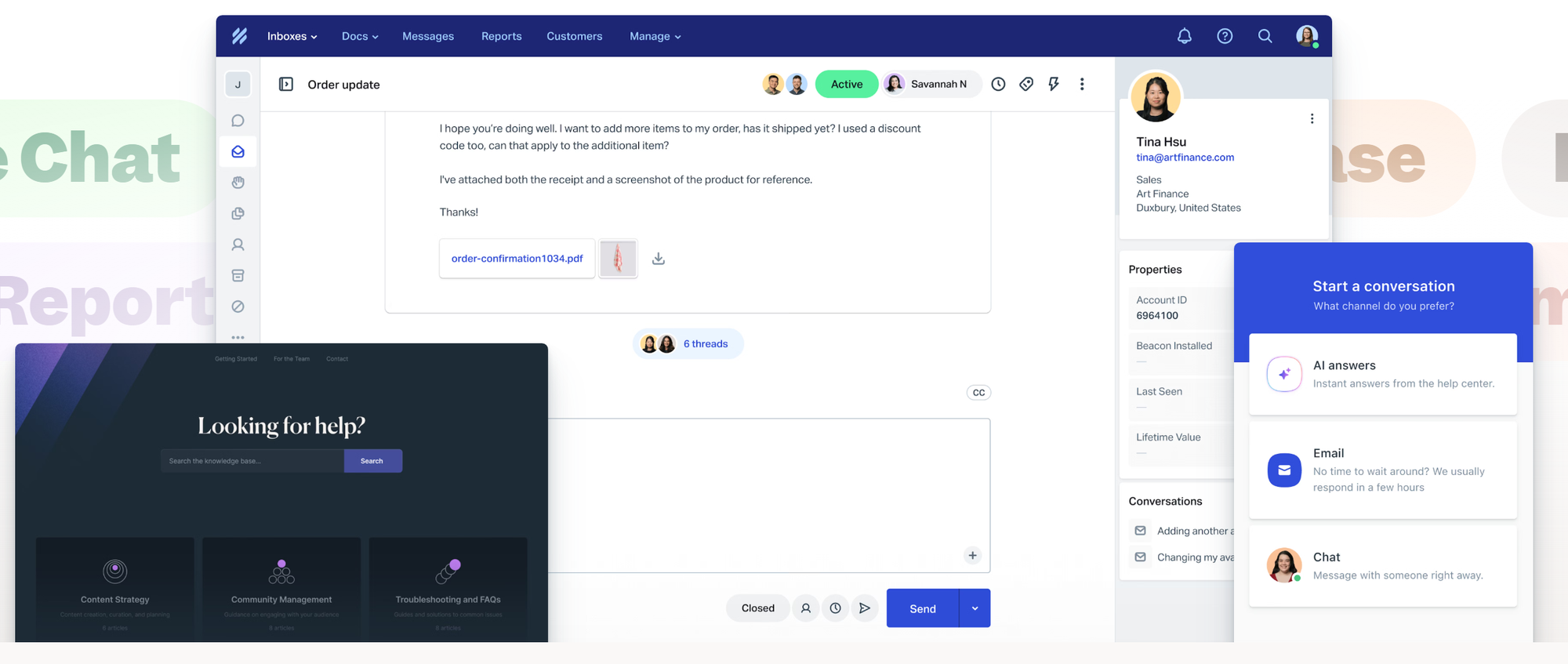
Help Scout is a customer platform with AI-powered email, chat, and knowledge base tools. AI drafts, summarizes, and translates replies instantly, automates workflows, and boosts agent efficiency. With 12,000+ teams onboard, it integrates with 90+ apps, simplifies collaboration, and enhances CSAT without ticketing complexity.
SHOPPING
Why AI Shopping Split Between Google and OpenAI?
👀 What’s happening: Google introduced UCP, a universal commerce protocol that lets AI handle discovery, checkout, payment, and fulfillment across merchants. OpenAI answered with Agentic Commerce Protocol ACP, a lighter framework where AI agents trigger purchases without owning the full transaction stack. This makes the split structural, not cosmetic.
🌍 How this hits reality: UCP looks like Android for commerce. Open source in name, Google certified in practice. Merchants gain reach and user access, but must adopt Google schemas and compliance. ACP stays minimal. It plugs into existing systems, avoids payment custody, and limits liability. That lowers friction, but also limits how much commerce logic OpenAI can control.
🛎️ Key takeaway: This is Android style openness versus lightweight adaptability. Google UCP offers depth and standardization with tighter gravity. OpenAI ACP offers speed and flexibility with less lock in. Merchants will weigh scale against autonomy. The standard that feels least risky to adopt may spread fastest.
Why AI Shopping Split Between Google and OpenAI?
OpenAI answered with Agentic Commerce Protocol ACP, a lighter framework where AI agents trigger purchases without owning the full transaction stack. This makes the split structural, not cosmetic.
Why AI Shopping Split Between Google and OpenAI?
Open source in name, Google certified in practice. Merchants gain reach and user access, but must adopt Google schemas and compliance. ACP stays minimal. It plugs into existing systems, avoids payment custody, and limits liability.
CLOUD
Microsoft Starts Selling More Than One AI Future

👀 What’s happening: Microsoft is increasing spending on Anthropic models inside Azure and is now paying cloud sales teams to actively sell Claude alongside its own offerings. Internal incentives reportedly run through 2026. This marks a shift from quietly supporting alternatives to formally productizing them.
🌍 How this hits reality: Azure customers increasingly want choice as model performance, safety, and pricing diverge. OpenAI dependence concentrates leverage and risk. By adding Anthropic, Microsoft broadens coverage across regulated industries, spreads compute demand, and strengthens Azure against buyers asking for model redundancy and negotiating power.
🛎️ Key takeaway: Microsoft is hedging, not defecting. OpenAI stays central, but leverage is built ahead of future shifts. If this continues, cloud AI turns into a portfolio game, with Azure positioned as neutral layer.
OpenAI: Microsoft Starts Selling More Than One AI Future
OpenAI dependence concentrates leverage and risk. By adding Anthropic, Microsoft broadens coverage across regulated industries, spreads compute demand, and strengthens Azure against buyers asking for model redundancy and negotiating power.
Anthropic: Microsoft Starts Selling More Than One AI Future
👀 What’s happening: Microsoft is increasing spending on Anthropic models inside Azure and is now paying cloud sales teams to actively sell Claude alongside its own offerings. Internal incentives reportedly run through 2026. This marks a shift from quietly supporting alternatives to formally productizing them.
Microsoft Starts Selling More Than One AI Future
👀 What’s happening: Microsoft is increasing spending on Anthropic models inside Azure and is now paying cloud sales teams to actively sell Claude alongside its own offerings. Internal incentives reportedly run through 2026. This marks a shift from quietly supporting alternatives to formally productizing them.
QUICK HITS
- Two co-founders of Thinking Machines Lab, including its CTO, are leaving to rejoin OpenAI, marking early key talent departures.
- Elon Musk denies Grok produced underage nudes as California’s attorney general probes xAI over nonconsensual sexualized images.
- Google has added Gemini-powered features to its Trends Explore page to automate and streamline trend discovery and comparison.
- OpenAI has launched ChatGPT Translate, emphasizing tone and context control, but it still trails Google Translate in overall capabilities.
- Bandcamp has banned AI-generated music and prohibited the use of its content for AI training, becoming the first major music platform to take such a stance.
TRENDING
Daily AI Launches
- remio 2.0 has released an update that syncs full context to create an effortless AI "Second Brain."
- Vellum has launched a no-code platform that turns plain English descriptions into functional AI agents.
- Simpl. has launched a tool that instantly converts Postgres connection strings into a clean, browsable admin interface.
- 0xCal has launched a minimal, AI-powered calorie tracker with a native iOS design and photo logging.
Featured AI Tools
- 📊 Lark Base is the AI table that works for you.
- ⚛️ Atoms turns ideas into apps that sell.
- ✨ MuseMail.ai makes creating stunning, on-brand emails from one prompt with AI precision.
- 📊 Adfynx chats with your Meta ads data and delivers a clear report in 1 minute.
- 🎥 KaraVideo unites all AI video models in one place.
READ MORE
Let the Future Come to Your Inbox
Stay ahead without drowning in information. We turn the most important signals across AI, tech, marketing, and future products into 5-minute reads you can actually finish.
- AI Secret uncovers what really matters in AI
- Bay Area Letters decodes tech and business shifts from Silicon Valley
- Robotics Herald tracks how robots move from labs into daily life
- Marketing Secret breaks down real growth and go-to-market playbooks
- The Hardwire explores hardware, consumer tech, and what’s coming next
- Oncely helps you discover the next wave of AI products and launches
TOGETHER WITH US
AI Secret Media Group is the world’s #1 AI & Tech Newsletter Group, reaching over 2 million leaders across the global innovation ecosystem, from OpenAI, Anthropic, Google, and Microsoft to top AI labs, VCs, and fast-growing startups.
We've helped promote over 500 Tech Brands. Will yours be the next?
Email our co-founder Mark directly at [email protected] if the button fails.
Good Morning, AI Enthusiasts!
Something is slipping its old skin. Intelligence is becoming embodied, ambient, and unavoidable.

SIRI
Apple Chooses Gemini After AI Model Shootout

👀 What’s happening: Apple has signed a multi year deal to use Gemini as the core model behind the next version of Siri. Gemini beat out rivals from OpenAI and Anthropic after months of internal evaluation. ChatGPT remains optional, but Gemini becomes the default intelligence layer.
🌍 How this hits reality: This was not a branding choice. Apple tested for scale, latency, multimodality, and production reliability across billions of devices. Gemini already runs Android assistants and Samsung Galaxy AI. By picking Google, Apple optimized for infrastructure maturity and deployment muscle, even if it meant relying on a long time platform rival.
🛎️ Key takeaway: Gemini did not just win a contract. It won the most consequential AI bake off yet. By defeating Claude and OpenAI for Siri’s core, Google positions itself as the dominant mobile intelligence provider across ecosystems, with leverage no AI lab has previously achieved.
OpenAI: Apple Chooses Gemini After AI Model Shootout
By defeating Claude and OpenAI for Siri’s core, Google positions itself as the dominant mobile intelligence provider across ecosystems, with leverage no AI lab has previously achieved.
Anthropic: Apple Chooses Gemini After AI Model Shootout
By defeating Claude and OpenAI for Siri’s core, Google positions itself as the dominant mobile intelligence provider across ecosystems, with leverage no AI lab has previously achieved.
Apple Chooses Gemini After AI Model Shootout
👀 What’s happening: Apple has signed a multi year deal to use Gemini as the core model behind the next version of Siri. Gemini beat out rivals from OpenAI and Anthropic after months of internal evaluation. ChatGPT remains optional, but Gemini becomes the default intelligence layer.
Apple Chooses Gemini After AI Model Shootout
Apple tested for scale, latency, multimodality, and production reliability across billions of devices. Gemini already runs Android assistants and Samsung Galaxy AI. By picking Google, Apple optimized for infrastructure maturity and deployment muscle, even if it meant relying on a long time platform rival.
TOGETHER WITH HARDWIRE
The Future Just Got Physical
The Hardwire is a weekly newsletter tracking the next wave of AI-powered hardware: consumer devices, wearables, spatial computing, and the silicon shaping it all. From product launches to deep-tech inflection points, it connects what’s being built with why it matters.
Read by founders, engineers, investors, and operators who want to understand how AI escapes the cloud and enters the physical world.
If you care about where software meets atoms, The Hardwire is where the future gets wired.
R&D
Nvidia and Lilly Turn Drug Discovery Into Compute Race
👀 What’s happening: Nvidia and Eli Lilly agreed to spend up to $1 billion over five years on a joint Bay Area lab to build AI foundation models for drug discovery. The setup combines Nvidia’s BioNeMo software and early access to Vera Rubin accelerators with Lilly’s robotic wet labs. It is less a pilot and more a permanent operating model.
🌍 How this hits reality: Drug discovery timelines already stretch 10 to 15 years and cost billions per approved drug. This move shifts the bottleneck from lab throughput to compute access and model quality. Early Vera Rubin supply, with roughly five times Blackwell performance, becomes a competitive asset. Pharma R&D, manufacturing, and even commercial ops start depending on GPU allocation and AI infrastructure roadmaps.
🛎️ Key takeaway: This is pharma accepting that compute strategy now shapes pipeline strategy. If this pattern holds, drug discovery advantages concentrate around GPU access, integrated labs, and AI platforms, not just molecules or patents.
Nvidia and Lilly Turn Drug Discovery Into Compute Race
👀 What’s happening: Nvidia and Eli Lilly agreed to spend up to $1 billion over five years on a joint Bay Area lab to build AI foundation models for drug discovery. The setup combines Nvidia’s BioNeMo software and early access to Vera Rubin accelerators with Lilly’s robotic wet labs.
NEW LAUNCH
Claude Cowork Signals Models Absorbing the Agent Layer
👀 What’s happening: Anthropic has launched Claude Cowork in research preview, turning Claude into a persistent workplace agent with direct file access, task queues, and long running context. This arrives just as Meta has absorbed Manus, and as leading agent products like Genspark mature. The timing makes this feel less like a feature launch and more like a line being crossed.
🌍 How this hits reality: For years, the agents market assumed separation. Models at the bottom, agents on top, startups in between. Cowork breaks that stack. It bundles execution, memory, and tool access directly into the model owner’s product. Genspark and Manus built leadership by orchestrating third party models. That advantage erodes fast when the model itself ships with native agent behavior and system level permissions.
🛎️ Key takeaway: 2026 is shaping up as the year the model is the agent. Meta and Anthropic now sit inside the agent category, not beside it. For independent agents, this is not competition. It is a structural rewrite.
Claude Cowork Signals Models Absorbing the Agent Layer
👀 What’s happening: Anthropic has launched Claude Cowork in research preview, turning Claude into a persistent workplace agent with direct file access, task queues, and long running context. This arrives just as Meta has absorbed Manus, and as leading agent products like Genspark mature.
Meta: Claude Cowork Signals Models Absorbing the Agent Layer
This arrives just as Meta has absorbed Manus, and as leading agent products like Genspark mature. The timing makes this feel less like a feature launch and more like a line being crossed.
QUICK HITS
- OpenAI has reportedly acquired health records startup Torch for about $100 million, folding its team and technology into ChatGPT Health.
- Meta has created Meta Compute to centralize and accelerate its massive AI infrastructure and data center buildout.
- British sportswear retail leader JD Sports is launching AI shopping in the U.S., enabling purchases via Copilot, Gemini, and ChatGPT.
- Google Cloud has launched Gemini Enterprise, with Woolworths among the first adopters, upgrading its digital assistant into an agentic shopping AI.
- The Pentagon plans to deploy Musk’s Grok alongside Google’s AI across its networks, opening vast military and intelligence data to AI despite global backlash.
TRENDING
Daily AI Launches
- Atlas.new has launched an AI agent that allows anyone to build maps, run analysis, and create spatial apps without GIS expertise.
- PicKey AI has launched a visual password manager that replaces text passwords with a secure picture and 3D character combination.
- Trophy has released v1.0, an API platform for quickly adding gamification (achievements, leaderboards) with no-code tools.
- Superdesign has launched a massive collection of design prompts for UI/animation that works with any coding agent.
Featured AI Tools
- ✨ MuseMail.ai makes creating stunning, on-brand emails from one prompt with AI precision.
- 📊 Adfynx chats with your Meta ads data and delivers a clear report in 1 minute.
- 🎥 KaraVideo unites all AI video models in one place.
- 🪶 CopyOwl is the First AI Research Agent, deep research on any topic in one click.
READ MORE
Let the Future Come to Your Inbox
Stay ahead without drowning in information. We turn the most important signals across AI, tech, marketing, and future products into 5-minute reads you can actually finish.
- AI Secret uncovers what really matters in AI
- Bay Area Letters decodes tech and business shifts from Silicon Valley
- Robotics Herald tracks how robots move from labs into daily life
- Marketing Secret breaks down real growth and go-to-market playbooks
- The Hardwire explores hardware, consumer tech, and what’s coming next
- Oncely helps you discover the next wave of AI products and launches
TOGETHER WITH US
AI Secret Media Group is the world’s #1 AI & Tech Newsletter Group, reaching over 2 million leaders across the global innovation ecosystem, from OpenAI, Anthropic, Google, and Microsoft to top AI labs, VCs, and fast-growing startups.
We've helped promote over 500 Tech Brands. Will yours be the next?
Email our co-founder Mark directly at [email protected] if the button fails.

Good Morning, AI Enthusiasts!
The competition is no longer about who has the smartest model, but who owns the moment where intent turns into action.

SHOPPING
ChatGPT Shopping Runs Into the Mess

👀 What’s happening: OpenAI wants ChatGPT to act like a personal shopping assistant. In practice it is colliding with the messy reality of ecommerce. Across millions of stores, “in stock” often really means preorder or delayed fulfillment. Teaching an AI to reliably interpret these signals is far harder than parsing text.
🌍 How this hits reality: Commerce data was never designed to be machine trusted. Inventory fields are vague, pricing rules shift by region, and fulfillment promises are marketing driven. When an AI confidently places an order for something that will not ship for weeks, trust breaks instantly. That creates refund risk, brand disputes, and legal exposure. It also blocks OpenAI’s plan to scale transaction based revenue.
🛎️ Key takeaway: The hardest problem is not payments or models but ambiguity. “In stock” versus preorder looks small, but it is a massive technical and commercial fault line. Until AI can reason about human shortcuts in commerce data, shopping agents will stay fragile.
ChatGPT Shopping Runs Into the Mess
👀 What’s happening: OpenAI wants ChatGPT to act like a personal shopping assistant. In practice it is colliding with the messy reality of ecommerce. Across millions of stores, “in stock” often really means preorder or delayed fulfillment. Teaching an AI to reliably interpret these signals is far harder than parsing text.
TOGETHER WITH ADFYNX
Act On Clear Insights

Meta ads reports used to feel like headbutting a dashboard. Repeatedly.
Now you ask Adfynx one plain-English question and it spits out a clear breakdown in about a minute. What worked. What didn’t. Which creatives actually won. What to do next. All in a shareable report.
Less wasted spend. Fewer tabs. Zero analytics headache. Your brain can stand down.
NEW LAUNCH
Google Positions Agent Commerce as Ecosystem Infrastructure

👀 What’s happening: Google announced the Universal Commerce Protocol, an open standard for AI agent shopping unveiled at NRF. For now, it only runs inside Search AI mode and Gemini, enabling in conversation checkout with stored payment and shipping data. The scope looks narrow, but the protocol is designed to sit underneath far more surfaces.
🌍 How this hits reality: This is less a feature launch than a platform alignment. UCP allows merchants, payment providers, and agents to plug into a shared transaction layer. Search and Gemini are just initial clients. The real target is an ecosystem where commerce works consistently across assistants, apps, and future devices. That contrasts with OpenAI, which centers shopping inside a single consumer facing agent.
🛎️ Key takeaway: Google is entering agent commerce sideways, through infrastructure. If adoption spreads, buying becomes a system capability, not an app feature. The bet is that standards scale faster than personalities, and that control of rails matters more than control of chat.
Google Positions Agent Commerce as Ecosystem Infrastructure
👀 What’s happening: Google announced the Universal Commerce Protocol, an open standard for AI agent shopping unveiled at NRF. For now, it only runs inside Search AI mode and Gemini, enabling in conversation checkout with stored payment and shipping data. The scope looks narrow, but the protocol is designed to sit underneath far more surfaces.
NEW LAUNCH
Claude Follows OpenAI into Health, but Keeps Its Distance

👀 What’s happening: Anthropic has added healthcare features to Claude that let users upload medical records and fitness data to better understand their health. The release comes days after OpenAI launched ChatGPT Health, signaling that both labs now see patient facing healthcare as unavoidable, not optional.
🌍 How this hits reality: On the surface the features look similar, but the intent diverges. Claude frames itself as a medical document interpreter, not a health companion. It focuses on summaries, plain language explanations, and appointment prep. ChatGPT Health positions health as a major usage layer inside a mass market product already handling hundreds of millions of weekly health questions. One stresses containment, the other scale.
🛎️ Key takeaway: Anthropic is entering healthcare without breaking character. Claude stays cautious, enterprise minded, and compliance first. If this pattern holds, OpenAI will push the consumer edge, while Anthropic builds trust by moving slower and closer to existing medical workflows.
Claude Follows OpenAI into Health, but Keeps Its Distance
ChatGPT Health positions health as a major usage layer inside a mass market product already handling hundreds of millions of weekly health questions. One stresses containment, the other scale.
Claude Follows OpenAI into Health, but Keeps Its Distance
👀 What’s happening: Anthropic has added healthcare features to Claude that let users upload medical records and fitness data to better understand their health. The release comes days after OpenAI launched ChatGPT Health, signaling that both labs now see patient facing healthcare as unavoidable, not optional.
QUICK HITS
- Indonesia and Malaysia blocked Grok over non-consensual sexualized AI images, with other countries moving to regulate the chatbot.
- OpenAI is reportedly asking contractors to upload real past work for training data, a practice critics warn carries significant IP risks.
- The Television Academy updated Emmy rules for 2026, revising categories, expanding eligibility, and formally addressing the use of AI in submissions.
- Google has removed AI Overviews for some medical queries after reports of inaccurate and potentially misleading health information.
- Amazon’s AI-driven “Buy For Me” test auto-lists independent sellers without consent, causing errors and ownership disputes.
TRENDING
Daily AI Launches
- Elser AI has launched a tool that generates full long-form anime videos from a single prompt with superior character consistency.
- Lexie has launched a Tamagotchi-style language game that makes learning tricky French concepts fun and punishment-free.
- Squair has launched a simple, offline app providing science-backed breathing exercises for anxiety relief and focus.
- Funding Goal has launched a free calculator for founders to scientifically determine their ideal fundraising amount based on burn rate.
Featured AI Tools
- ✨ MuseMail.ai makes creating stunning, on-brand emails from one prompt with AI precision.
- 🎥 KaraVideo unites all AI video models in one place.
- 🪶 CopyOwl is the First AI Research Agent, deep research on any topic in one click.
- 🦾 Flot AI writes, reads, and remembers across any apps and webs.
READ MORE
Let the Future Come to Your Inbox
Stay ahead without drowning in information. We turn the most important signals across AI, tech, marketing, and future products into 5-minute reads you can actually finish.
- AI Secret uncovers what really matters in AI
- Bay Area Letters decodes tech and business shifts from Silicon Valley
- Robotics Herald tracks how robots move from labs into daily life
- Marketing Secret breaks down real growth and go-to-market playbooks
- The Hardwire explores hardware, consumer tech, and what’s coming next
- Oncely helps you discover the next wave of AI products and launches
TOGETHER WITH US
AI Secret Media Group is the world’s #1 AI & Tech Newsletter Group, reaching over 2 million leaders across the global innovation ecosystem, from OpenAI, Anthropic, Google, and Microsoft to top AI labs, VCs, and fast-growing startups.
We've helped promote over 500 Tech Brands. Will yours be the next?
Email our co-founder Mark directly at [email protected] if the button fails.
Good Morning, AI Enthusiasts!
AI has just crossed a line that usually takes a century to reach. What once felt like a slow accumulation of tools has snapped into a new phase.

LLM
Gemini Quietly Solved a 500-Year Problem
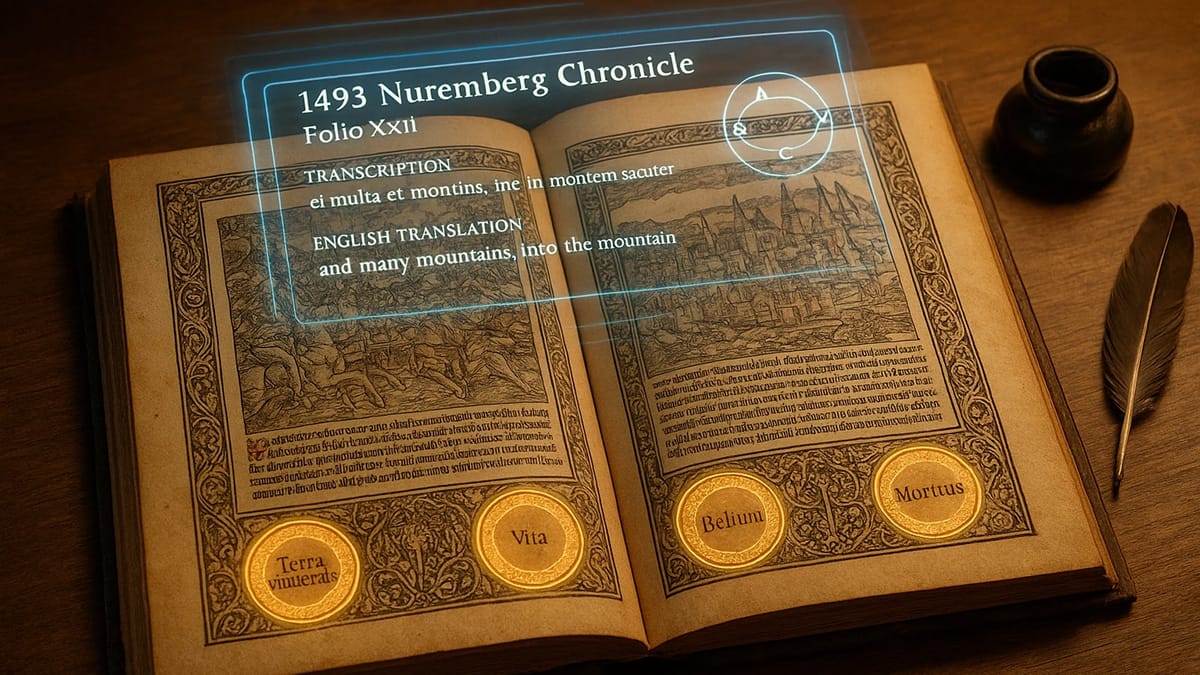
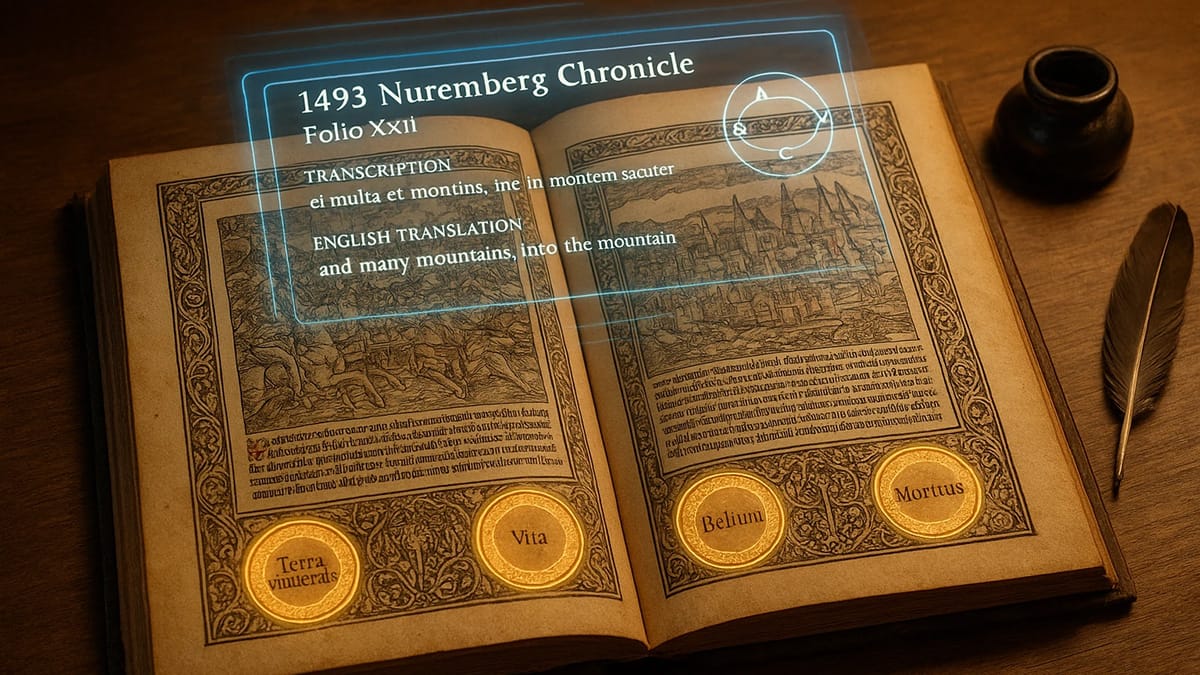
👀 What’s happening: The GDELT Project used Google’s Gemini 3.0 Pro to analyze a 500 year old copy of the Nuremberg Chronicle. The target was handwritten Latin roundels that scholars never agreed on. The model decoded them as biblical chronology calculations by reasoning across handwriting, numerals, theology, and printed context without human guidance.
🌍 How this hits reality: This fits GDELT’s long standing pattern. They deliberately choose problems that are extreme, messy, and unresolved for decades or centuries. Not because the artifact matters operationally, but because it forces models to integrate vision, language, and historical logic at once. If a system can survive that, it can likely handle fragmented intelligence, legal archives, or scientific notebooks at scale.
🛎️ Key takeaway: This wasn’t about medieval history. It was a stress test. GDELT is probing whether models have crossed into structured world understanding. Each success narrows the gap between pattern matching and genuine analytical labor across research, policy, and technology.
Gemini Quietly Solved a 500-Year Problem
👀 What’s happening: The GDELT Project used Google’s Gemini 3.0 Pro to analyze a 500 year old copy of the Nuremberg Chronicle. The target was handwritten Latin roundels that scholars never agreed on. The model decoded them as biblical chronology calculations by reasoning across handwriting, numerals, theology, and printed context without human guidance.
TOGETHER WITH MARKETING SECRET
The Growth Playbook Top Marketers Actually Read

Marketing Secret is a weekly newsletter breaking down how today’s fastest-growing AI and tech brands actually win users, attention, and revenue.
If you want clearer thinking, sharper execution, and ideas you can apply this week, Marketing Secret is worth your inbox.
CES
Jensen Huang Maps Its Next AI Infrastructure Era at CES 2026
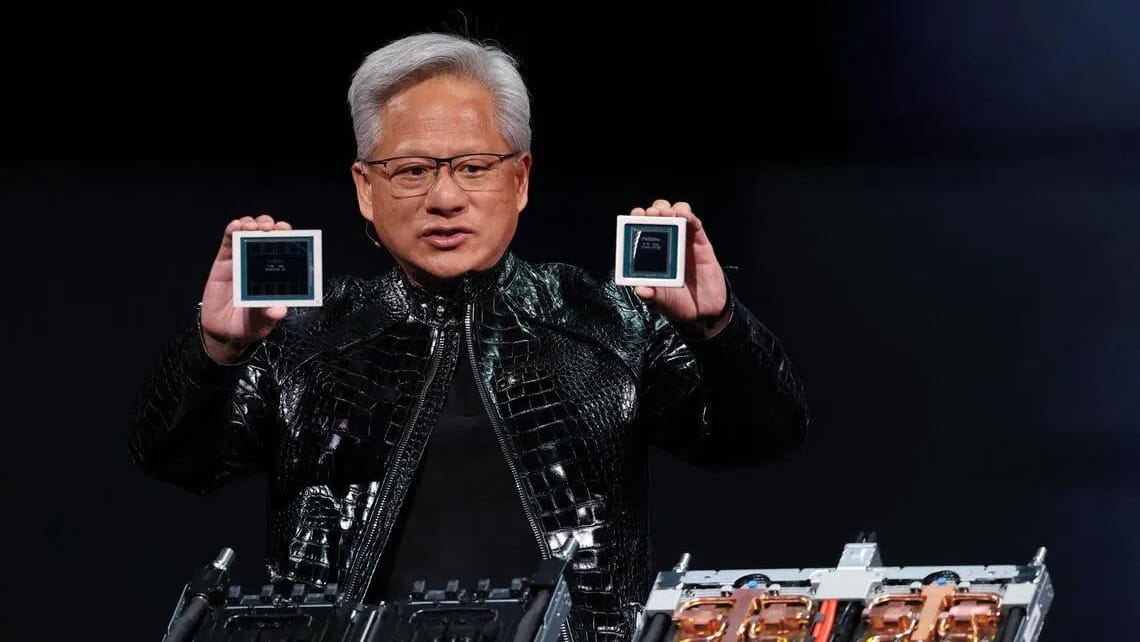
👀 What’s happening: At CES 2026, Jensen Huang presented a broad Nvidia roadmap. He detailed the Vera Rubin platform, new Vera CPUs, Rubin GPUs, NVL72 rack scale systems, MGX standardized infrastructure, and a growing software layer spanning enterprise blueprints, open source models, robotics, and autonomous driving. The message was end to end AI infrastructure at global scale.
🌍 How this hits reality: The market response was silent. Nvidia shares were effectively flat after hours. That suggests the market already expects this level of ambition. Faster chips and denser systems are assumed. What remains uncertain is pacing. Power constraints, multi year deployment cycles, and customer absorption rates limit how quickly these platforms turn into incremental revenue.
🛎️ Key takeaway: This felt like execution, not escalation. Nvidia is reinforcing its role as AI infrastructure provider. Nvidia's upside now may depends less on announcements and more on how fast customers convert roadmap into deployed, paid capacity.
Jensen Huang Maps Its Next AI Infrastructure Era at CES 2026
👀 What’s happening: At CES 2026, Jensen Huang presented a broad Nvidia roadmap. He detailed the Vera Rubin platform, new Vera CPUs, Rubin GPUs, NVL72 rack scale systems, MGX standardized infrastructure, and a growing software layer spanning enterprise blueprints, open source models, robotics, and autonomous driving.
NVIDIA: Jensen Huang Maps Its Next AI Infrastructure Era at CES 2026
Nvidia is reinforcing its role as AI infrastructure provider. Nvidia's upside now may depends less on announcements and more on how fast customers convert roadmap into deployed, paid capacity.
CODING
Claude Code Is Overturning How Systems Get Built
👀 What’s happening: Claude Code’s evolution snapped into focus after a Google principal engineer said it rebuilt, in about an hour, a distributed system her team had worked on for a year. Jaana Dogan called it a toy, but publicly praised the outcome. That reaction capped years of rapid capability stacking.
🌍 How this hits reality: This is not about removing friction inside existing workflows. It is about collapsing the workflow itself. Claude Code moved from filling lines, to editing files, to reasoning across architectures, agents, and tradeoffs. That rewires how systems are conceived. Design, implementation, review, and iteration no longer sit in separate stages or roles. They happen in one continuous dialogue loop.
🛎️ Key takeaway: Claude Code signals a shift from engineering as process to engineering as conversation. When systems can be specified, built, and restructured through intent alone, the traditional software development model stops scaling. What replaces it will look unfamiliar, and arrive faster than teams expect.
Claude Code Is Overturning How Systems Get Built
👀 What’s happening: Claude Code’s evolution snapped into focus after a Google principal engineer said it rebuilt, in about an hour, a distributed system her team had worked on for a year. Jaana Dogan called it a toy, but publicly praised the outcome. That reaction capped years of rapid capability stacking.
QUICK HITS
- Italy’s antitrust authority closed its probe into DeepSeek after the company committed to clearer warnings about AI hallucination risks.
- A US federal judge affirmed that OpenAI must hand over 20 million anonymized ChatGPT logs to news publishers in a copyright case.
- OpenAI research VP Jerry Tworek is leaving after nearly seven years to pursue research areas he says are difficult to explore within the company.
- At CES 2026, Rokid unveiled Style, a display-free AI smartglasses focused on all-day wear, multi-LLM support, and lightweight 4K video capture.
- Amazon launched Alexa.com at CES 2026, bringing Alexa+ to the web and positioning it as a family-centric AI hub beyond smart home devices.
TRENDING
Daily AI Launches
- PostSyncer has launched a scalable social media manager with AI content generation (Sora/Veo) and support for unlimited accounts.
- MiroMiro has launched a Chrome extension to instantly inspect, copy, and export design assets and Tailwind config from any website.
- NativeBridge has launched a mobile testing tool that gives instant access to real iOS/Android devices and AI-powered tests via a Magic Link.
- Drylendar has launched a simple, friendly alcohol tracking app for iOS that generates shareable calendars to monitor habits.
Featured AI Tools
- ✨ MuseMail.ai makes creating stunning, on-brand emails from one prompt with AI precision.
- 🎥 KaraVideo unites all AI video models in one place.
- 📚 Heardly is the Fast Way to read Best Book.
- 🪶 CopyOwl is the First AI Research Agent, deep research on any topic in one click.
- 👁️ Looki personal AI wearable captures, understands, and recalls your life moments seamlessly.
TOGETHER WITH US
AI Secret Media Group is the world’s #1 AI & Tech Newsletter Group, reaching over 2 million leaders across the global innovation ecosystem, from OpenAI, Anthropic, Google, and Microsoft to top AI labs, VCs, and fast-growing startups.
We operate the industry’s most influential portfolio of newsletters, each shaping a different frontier of the AI & Tech revolution:
Be Smarter in 5 Minutes
- AI: AI Secret
- Tech & Business: Bay Area Letters
- Marketing: Marketing Secret
Discover the Future Products
- AI Launchpad: Oncely
- Robotics: Robotics Herald
- Hardwares: The Hardwire
We've helped promote over 500 Tech Brands. Will yours be the next?
Email our co-founder Mark directly at [email protected] if the button fails.
🛎️ The First Silicon Civilization Goes Live
Some want to sell their owners. Some found religions. Humans just watch.

🛎️ Exclusive: Alibaba Enters the AI Desktop Fight
Plus: DNA Model Era, Gates Family Name Bet, Closed Power Game

🛎️ Daily Super Bowl
Plus: Private Exam Machine, AI Windows Moment

🛎️ Weather Becomes Software
Plus: Microsoft Launches Maia 200, Next AI Crown
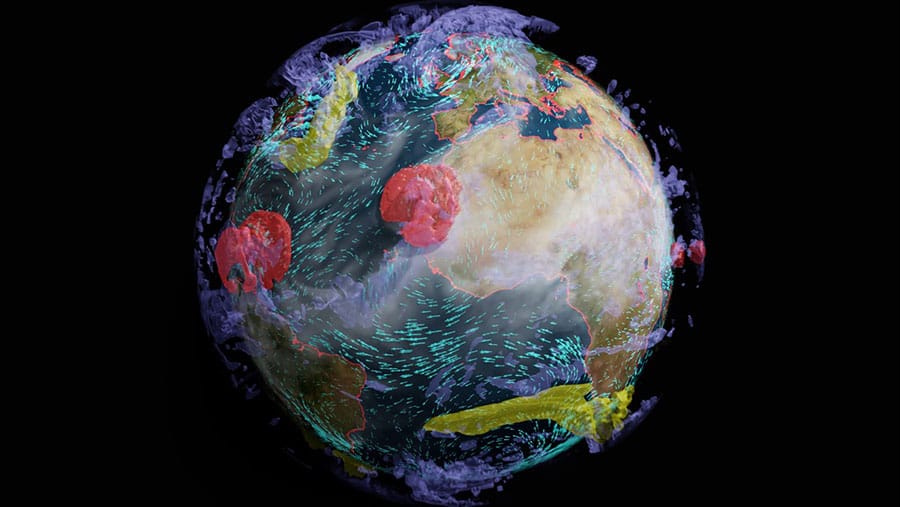
🛎️ The First AI Shock of 2026
Plus: Gemini Users Are Angry, Coding Has 12 Months Left
🛎️ Not The Temperature
Plus: AI Shopping Split, More Than One

🛎️ Google Takes Siri
Plus: GPUs Into Pharma, Anthropic Launches Agents
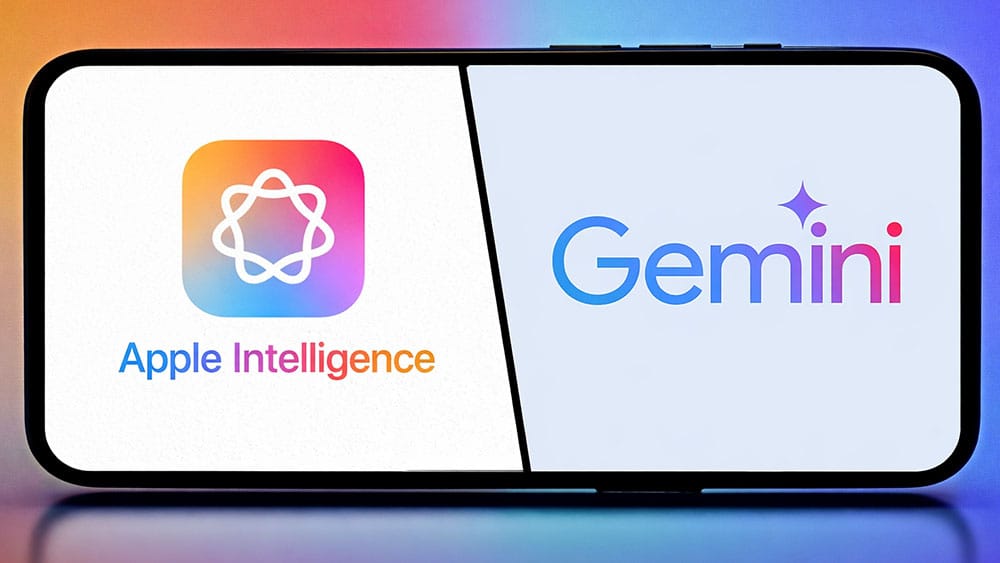
🛎️ ChatGPT Shopping Check
Plus: Google Agent Commerce, Claude Health

🛎️ AI Passes a Century
Plus: Next AI Era, Vibe Coding Crosses Threshold